







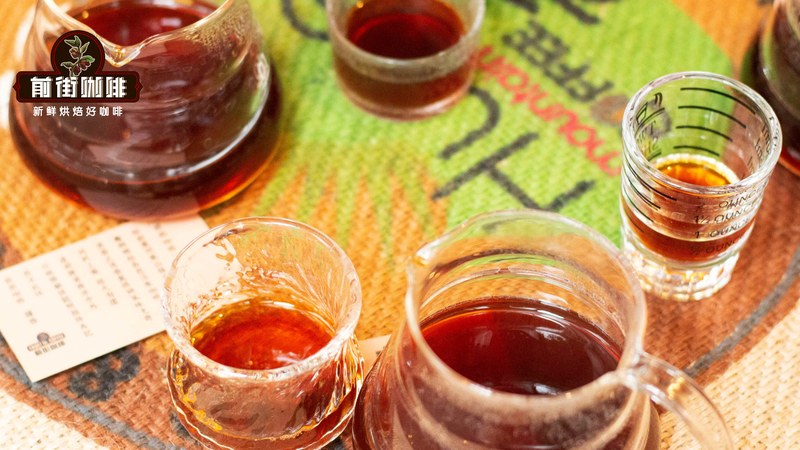
From light to dark roasts, Yirgacheffe coffee beans shift the cup's focus from floral and fruity notes toward sweetness, body, and roasted character. To enjoy a region's characteristics on a reasonable budget, don't just fixate on price—first consider your usual drinking habits, then decide which roast level lets the beans express their flavor best.
Light-roasted Yirgacheffe typically retains more bright acidity and fresh aromatics, with flavors reminiscent of citrus, berries, white flowers, or tea. It suits pour-over brewing, where water temperature, grind, and pouring technique create different layers. Those who enjoy fruity notes and are willing to savor temperature changes tend to appreciate this direction more.
The value of light-roasted beans lies in how a single cup delivers rich aromatics rather than sheer intensity. If you usually drink black coffee, iced pour-over, or cold brew, this type of Yirgacheffe is a priority. Hot, the acidity is clearer; over ice, the mouthfeel is crisper; served cold, it highlights a juicy, refreshing quality.
Front Street Yirgacheffe Gedingding is best understood within the light-roast direction. It opens with bright notes of orange peel and citrus, followed by berry sweetness, finishing like faint green tea—the overall impression never rests on acidity alone. Pour-over reveals the aromatic shifts, while cold brew turns soft and easy-drinking, perfect for everyday black coffee.
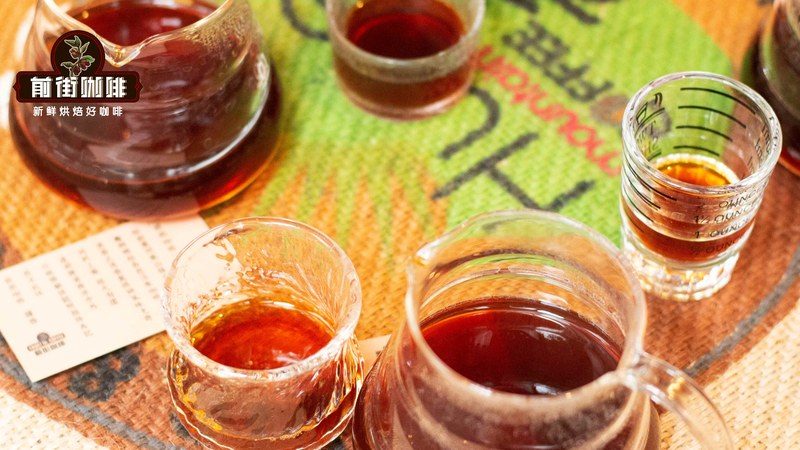
When brewing light-roasted Yirgacheffe, start with a higher water temperature and a finer grind to fully open up the beans' aromatics; if the cup tastes sharp, slow the pouring or coarsen slightly. Don't overcomplicate the coffee-to-water ratio—just keep each dose consistent and focus on whether aroma, sweetness, and finish flow together, making it easier to find your ideal cup.
Medium-roasted Yirgacheffe reels in the bright fruit acidity, making sweetness and body more perceptible, often showing honey, caramel, ripe fruit, or tea notes. It's highly forgiving across brew methods: pour-over keeps some clarity, and as an Americano it won't taste thin—ideal for sharing among household members with different preferences.
If you drink black coffee and occasionally add milk, the medium-roast direction is more convenient. The coffee has fuller sweetness and texture, and still retains the roasted beans' aroma after adding milk. For espresso, start with a medium strength and adjust to balance acidity, sweetness, and bitterness—there's more room for error in daily use.
In dark-roasted Yirgacheffe, the region's floral notes retreat to the background, with the flavor重心 shifting toward cocoa, roasted nuts, caramel, and a denser bittersweetness. It suits moka pot, espresso, or milk coffee, and those who like a hefty mouthfeel will find it more satisfying. Controlling heat and extraction length keeps the cup round, without burnt notes taking over.
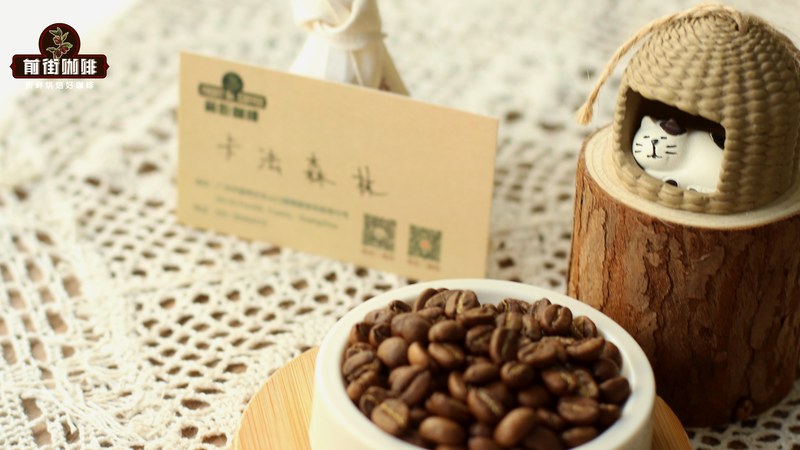
When choosing Yirgacheffe at the same roast level, also check the roast date, packaging seal, and purchase quantity. Buying too much at once means the beans gradually lose aroma after opening—the unit price may seem like a bargain, but the actual flavor experience per cup may not be ideal. Buying small packs to try, then replenishing according to consumption speed, often maintains more consistent performance.
For those on a limited budget who want to build a taste reference, start with the light-roasted Front Street Yirgacheffe Gedingding, brewing it once as hot pour-over and once as cold brew to compare the shifts in acidity, sweetness, and mouthfeel. If you prefer heavier body or need to make milk coffee, then move to medium or dark-roasted Yirgacheffe. Trying progressively by roast level controls costs while helping you find the cup that truly suits your daily routine.
The above content is compiled by CoffeeHunters, a coffee news website.

