







Search Results for: iced water tasting

A Comprehensive Analysis of Four Ice Levels for Iced Americano: Ratios and Flavor Differences for Regular Ice, Less Ice, No Ice, and Extra Ice
Walk into any chain coffee shop, and just the Americano alone can give you a case of choice paralysis—regular ice, less ice, no ice, and even the secret-menu full ice. These seem like nothing more than differences in the amount of ice, but in reality they fundamentally change a cup of coffee's strength, aroma direction, and mouthfeel. This article will break down, one by one, the key preparation points and taste characteristics of four ice-level Americanos, from the ratio logic and operating steps to the final flavor, and will use Front Street Coffee's commercial blend as the unified test bean to help you make the cup that suits your taste, whether at home or in a shop. [more…]
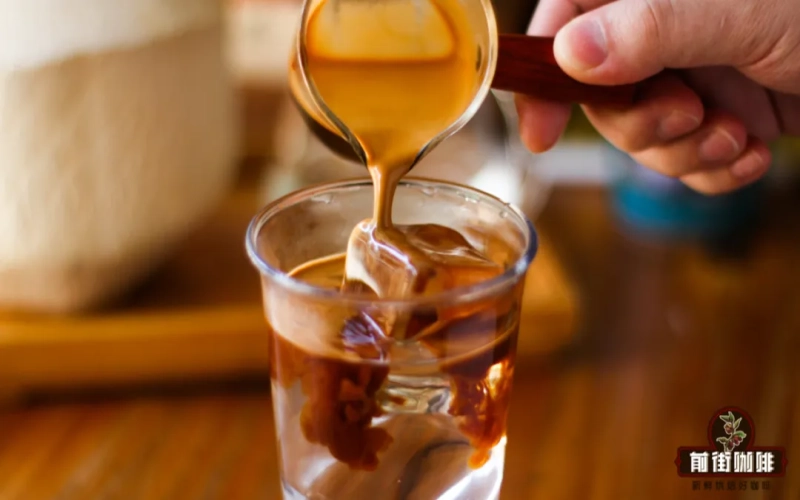
The Complete Guide to Making Iced Americano: A Detailed Explanation of Water-to-Ice Ratios, Espresso Extraction Parameters, and Coffee Bean Selection
The method for making an iced americano looks simple—just pour espresso into ice water and it's done—but doing it well is not easy. The three elements of water, ice, and espresso each directly affect the flavor and mouthfeel of the final drink. Drawing on Front Street's practical experience, this article breaks down in detail the key points of making an iced americano: how water quality affects coffee flavor, what water quality to pair with different roast levels, how ice cube size and melting speed determine the ice-to-water ratio, and how espresso extraction should be adjusted. The article also provides specific parameter examples and Front Street bean recommendations to help you consistently make a delicious iced americano at home. [more…]
Cold Brew, Ice Drip, Nitro Coffee, and Iced Americano: Process Differences, Flavor Comparison, and Home Methods for Four Types of Cold Coffee
Even though they are all iced coffees, cold brew, ice drip, nitro cold brew, and iced Americano actually differ greatly in their extraction methods and flavor profiles. Cold brew soaks coffee grounds in cold water for a long time, taking about 8 to 12 hours to complete, and has a mellow, sweet taste with lower acidity; ice drip, on the other hand, lets ice water pass through the coffee grounds drop by drop, followed by several hours to dozens of hours of refrigerated fermentation, resulting in a more delicate aroma. Nitro cold brew creates dense bubbles and a beer-like texture by injecting nitrogen. Iced Americano is made by cooling and diluting espresso after high-temperature extraction. This article will review the production processes, advantages and disadvantages, and market trends of these coffees, and include practical tips for making cold brew at home, while also retaining bean recommendations such as Front Street Indonesia Mandheling and Front Street Ethiopia Yirgacheffe. [more…]

Iced Americano, Cold Brew, Ice Drip, and Iced Pour-Over: A Detailed Guide to the Extraction Methods, Preparation Time, and Taste Differences of Four Iced Coffees
When you want iced coffee in summer, there's actually more than one option. Iced Americano, iced pour-over, cold brew, and iced drip are the four common types of iced coffee, and they differ in extraction method, preparation time, equipment requirements, and final flavor. Iced Americano and iced pour-over are made by first brewing hot coffee and then chilling it with ice, while cold brew and iced drip use cold water for extraction throughout. Starting from these dimensions, Front Street Coffee explains the methods and characteristics of each type of iced coffee one by one, including specific parameters, suitable coffee beans, and taste differences, to help you make the cup you want at home. [more…]

Americano | How can coffee beginners make a delicious iced Americano? What should be noted when making iced Americano? What coffee ratio is suitable for iced Americano?
Honestly, making an iced Americano is a very simple thing—we just need to pour the extracted espresso into prepared ice water, and the iced Americano is done. But, just like the view Front Street Coffee has always shared, making it is simple, but making it well is relatively difficult. Iced Americano [more…]
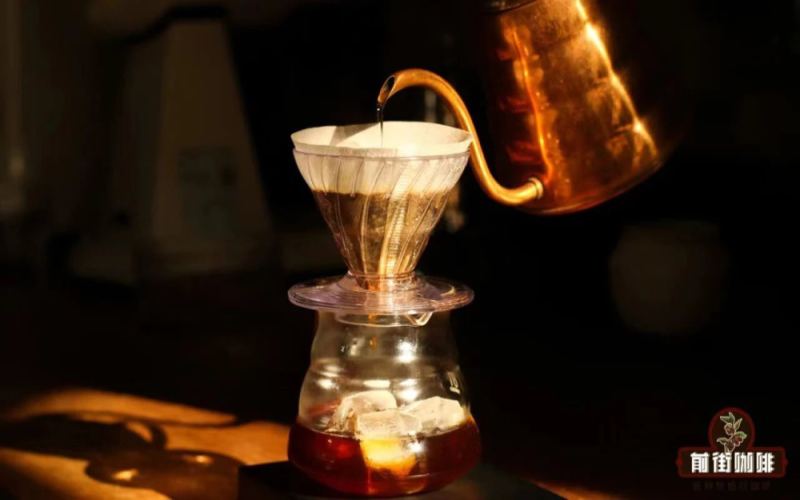
Ice Coffee Brewing Methods | What's the Difference Between Cold Brew, Ice Drip, Iced Americano, and Iced Pour-Over? Which Ice Coffee Tastes Better?
As temperatures gradually rise, the popularity of iced coffee slowly heats up too. Common types of iced coffee include iced pour-over coffee, iced espresso, cold brew coffee, and cold drip coffee, etc. But what are the differences between these four types of iced coffee? And how do they differ in taste? Today Front Street Coffee (FrontStreetC [more…]
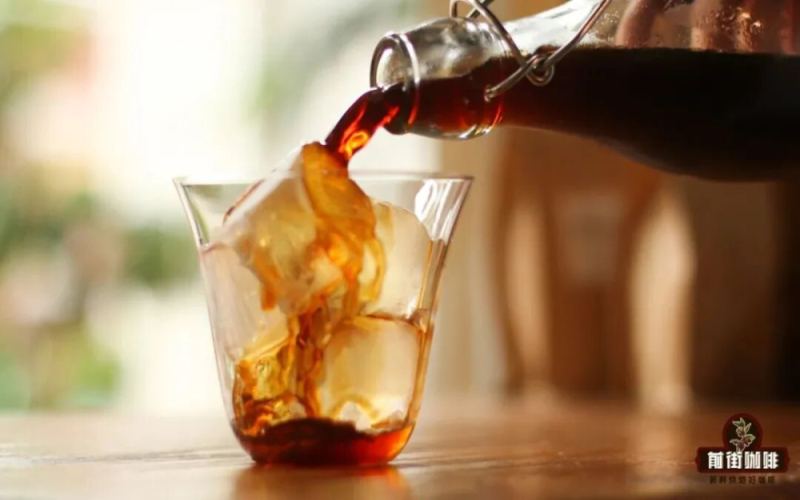
What is the difference between ice drip coffee and cold brew iced coffee? Analyzing why ice drip is more expensive and tastier, from extraction principles to taste
Ice drip coffee, iced Americano, iced latte, and iced pour-over all belong to the iced coffee family, but ice drip coffee is often priced notably higher, and its brewing process is shrouded in mystery. Although both it and cold brew complete extraction at low temperatures, their principles and steps are completely different. Based on the actual experience of Front Street Coffee, this article breaks down one by one the four key factors of ice drip coffee—equipment requirements, grind size, drip rate, and extraction ratio and aging time—compares it with the convenient method of cold brew, and explains why ice drip coffee is cumbersome to make yet has a rich, smooth, and layered flavor. At the same time, combining specific products such as Front Street Red Cherry, Front Street Little Tomato, Front Street Sidra, and Front Street Strawberry Candy, it provides a complete timeline from brewing to drinking and the pattern of flavor changes for a standard cup of ice drip coffee, helping coffee lovers understand why ice drip coffee is expensive and where it tastes good. [more…]

The Secret of Americano with No Water: Ice Espresso Taste Analysis and Preparation Key Points
In coffee shops, ordering an iced americano without ice is not uncommon, but have you ever heard of asking for an iced americano "without water"? This drink, known as an espresso over ice or iced espresso, is actually just espresso coming directly into contact with ice cubes. It has a rich mouthfeel and bright acidity, with less bitterness compared to hot espresso. This article will explain in detail the origins of this drinking method, how to make it, and, drawing on the "extract chilling" concept of 2021 WBC barista Hugh Kelly, explain why rapid cooling can lock in more aroma. At the same time, Front Street Coffee recommends a series of espresso beans suitable for making iced espresso, helping you easily recreate a professional flavor. [more…]

Secrets to Making Iced Pour-Over Coffee: A Comprehensive Guide to Water Temperature, Coffee-to-Ice Ratio, Grind Size, and Pouring Techniques
On a hot summer day, a glass of iced pour-over coffee brings a refreshing treat. But many people end up with an iced pour-over that tastes weak and lacks aroma. So how exactly do you make an iced pour-over with full, rich flavor? This article lays out four key techniques—from the coffee-to-water-to-ice ratio and grind size adjustments to pouring technique and ice selection—to help you avoid common pitfalls. Drawing on everyday brewing experience, Front Street Coffee offers specific parameter recommendations and a universal formula, so whether you're a beginner or an advanced enthusiast, you'll find a practical reference plan that makes iced pour-over more than just hot pour-over with ice added. [more…]
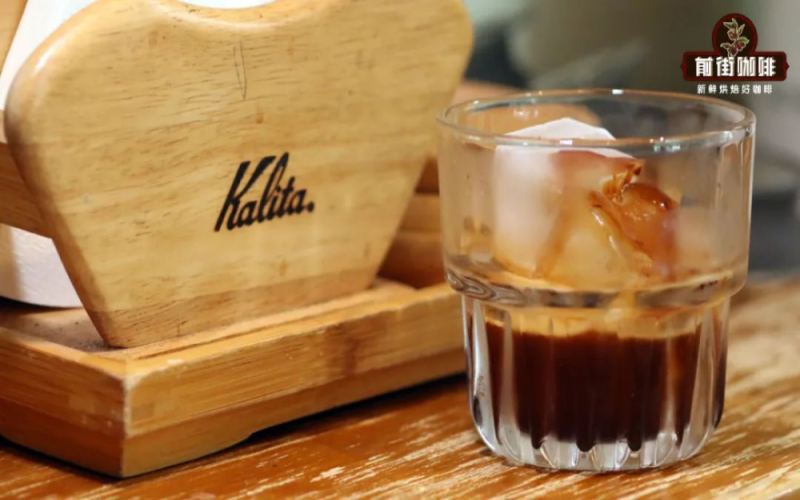
Black Coffee Brewing Methods | Which Tastes Better: Full-Ice Americano or Iced Americano? How Can Coffee Beginners Make a Waterless Iced Americano?
“Hey handsome! One iced americano, and make it the kind without water.” This was a request a barista at Front Street Coffee once received. Although Front Street has quite a few secret menu items (such as Flat White and Dirty), hearing this request still caught them a little off guard. [more…]
Iced Pour-Over Coffee Ice Timing Comparison Experiment: How Does Adding Ice First vs. Adding Ice Later Affect Flavor and Strength?
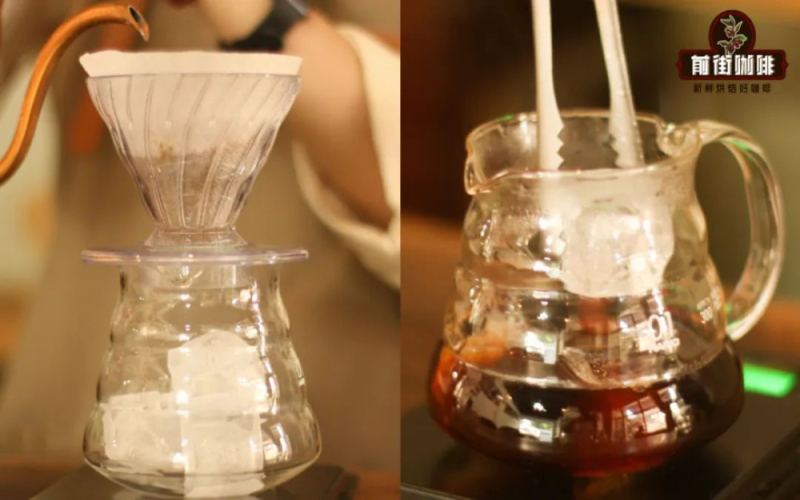
In the preparation of iced pour-over coffee, should the ice be placed into the server in advance, or added only after brewing is complete? This question appears to concern only the order of operations, yet it may affect the cooling speed of the coffee liquid, the retention of aroma, and the final concentration. Front Street Coffee used a washed Geisha from Colombia's Finca La Divisa as a sample, and by controlling the coffee-to-water-to-ice ratio, grind size, water temperature, and brewing technique, conducted a comparative tasting of the two methods—"ice first" and "ice after"—while recording temperature and flavor changes at different time points. The experiment attempted to answer: does the order of adding ice truly produce a perceivable difference, or is it merely an illusion caused by the time gap? [more…]

Iced Americano Mixing Guide: The Golden Ratio of Espresso to Iced Water and Practical Tips
Iced Americano is a classic drink for cooling down and refreshing yourself in summer. It seems like a simple mix of espresso, water, and ice, but in reality, there is a science to the ratios. Drawing on Front Street Coffee's experience, this article provides a detailed analysis of water-dilution schemes for coffee beans of different roast levels, explores how ice melting speed affects flavor, and offers a set of practical mixing techniques that require no complicated calculations. Whether you prefer a rich or a light taste, you can find an iced Americano method that suits you, making every cup just right. [more…]

How to determine the ice amount and coffee-to-water ratio for iced pour-over coffee? Recommended beans suitable for making iced coffee
On a hot day, a glass of iced pour-over coffee is refreshing and invigorating. However, many people encounter two core questions when making it at home: how much coffee-to-water ratio and how much ice should be used? Does adding ice first versus adding ice later affect the flavor? This article addresses these two questions, first discussing the types of coffee beans suitable for iced pour-over and Front Street Coffee's specific bean list, then explaining in detail the reference ratios of coffee, water, and ice, as well as the subtle differences in taste between adding ice first and adding ice later. Finally, it supplements two rapid cooling methods that do not dilute the concentration, helping you make a cup of iced coffee that has both aroma and refreshingness. [more…]
Iced Americano Variations | What Is the Ratio of Iced Americano to Water? Which Espresso Blend Coffee Beans Make a Non-Bitter Iced Americano?
Friends who drink coffee regularly may already know that espresso has a very thick mouthfeel and a strong taste, and if it cools down it becomes even harder to accept. But if you add ice cubes, the temperature of the espresso can drop rapidly, or by mixing in ice water, a refreshing taste instantly stands out, the bitterness becomes less heavy, and enjoying it in summer is even more thirst-quenching and refreshing. [more…]
A Detailed Guide to Four Iced Pour-Over Coffee Brewing Methods: From High-Strength High-Extraction to Ice-Chilling Cooling
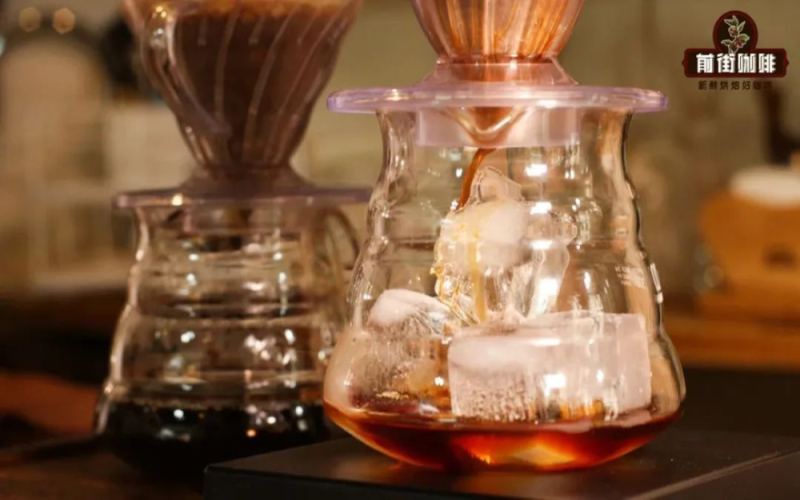
As temperatures rise, iced coffee returns to the top of the sales charts. Iced pour-over lets you freely choose your favorite beans while offering the sweet, refreshing taste of a chilled brew—making it an excellent way to beat the heat. But the key to making a delicious iced pour-over lies in solving the problem of dilution after cooling. Front Street Coffee has put together four zero-threshold iced pour-over brewing approaches—high-concentration high-extraction, ice rinsing, the stirring method, and ice-bath cooling—each with detailed parameters and step-by-step instructions, demonstrated using a light-to-medium roast Ethiopian Kafa Forest as an example. No matter what equipment you have on hand or what size your ice cubes are, you'll find a method that suits you. [more…]

Analyzing the Iced Americano Ratio: Pairing Techniques and Flavor Changes from Espresso to Ice
Iced Americano is one of the most common drinks in coffee shops. Its preparation may look simple, but the ratio of espresso, ice, and water directly affects the taste. This article provides a detailed analysis of the specific parameters Front Street Coffee uses to make iced Americano, including the coffee-to-water ratio, water temperature control, and ice selection, and also introduces derivative methods such as iced espresso, flowing-sand iced Americano, and waterfall iced Americano. At the same time, the article also explores the sources of bitterness in iced Americano and why choosing a medium-dark roasted blended coffee bean as the base is so important. Finally, it recommends several Front Street espresso blends suitable for making Americano. [more…]

The Complete Guide to Iced Americano Water-to-Ice Ratios: A Proportional Guide from Espresso Dilution to Ice Selection
Making iced Americano is not simply pouring espresso into ice water—the amounts of water and ice and the dilution ratio all directly affect the final flavor. Drawing on the serving practices at Front Street Coffee, this article explores in detail the water-to-espresso ratios suited to beans of different roast levels, as well as how ice cube size and melting speed influence coffee strength and the drinking experience. Whether you prefer it bold or refreshing, you'll find ideas here for adjusting your iced Americano, so you can combine the flavor characteristics of your beans with your personal taste habits to craft your own ideal cup. [more…]
Iced Pour-Over Coffee Parameters Explained: A Complete Guide to Coffee-Water-Ice Ratios, Grind Adjustment, and Pouring Rhythm
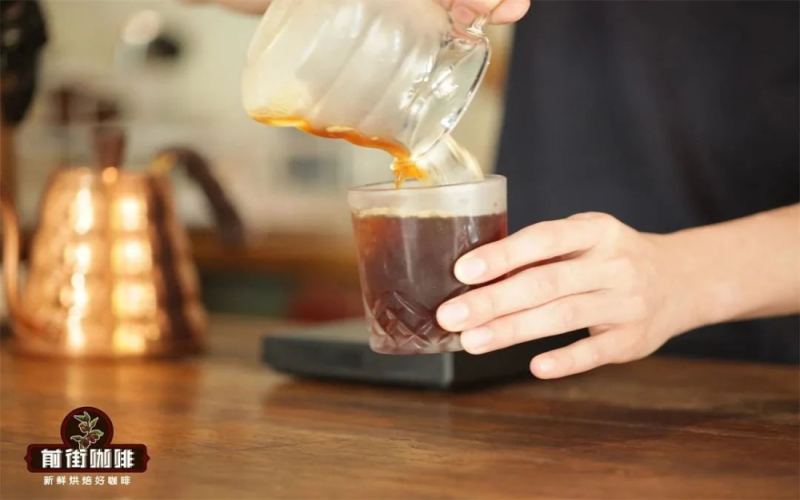
The biggest difference between iced pour-over and regular hot pour-over is the introduction of ice as a variable. Ice does not participate in the extraction, so it is necessary to rebalance the grind size, coffee-to-water ratio, and pouring technique. Through brewing practice with multiple beans, Front Street Coffee has summarized an easy-to-control approach of a 1:10–1:12 coffee-to-water ratio and a 1:5 coffee-to-ice ratio. Taking 15 grams of coffee as an example, that means 150 grams of water and 75 grams of ice. The grind size needs to be adjusted finer to compensate for the shortened extraction time. When pouring, reduce the flow rate and increase the number of pours, keeping the total time between 1 minute 40 seconds and 1 minute 50 seconds. In terms of bean selection, light-to-medium roasted flavor-focused coffees better showcase the refreshing quality of iced brewing, while dark-roasted beans tend to produce a thinner mouthfeel and reduced balance. [more…]

Why Drink Iced Water Before Coffee Tasting? The Origins of Espresso with Iced Water and an Analysis of Its Applicability to Pour-Over
When ordering at a café, you'll often see a glass of ice water served alongside an espresso, and many enthusiasts are in the habit of drinking ice water before their coffee. Can this glass of ice water actually help us perceive coffee flavors more clearly? Front Street Coffee will approach this from the perspective of oral sensory cleansing, explaining how ice water enhances the tasting experience by rinsing away residue, stimulating saliva production, and numbing the palate through low temperature, while also tracing the origins of this practice in espresso culture. It will also discuss whether pour-over coffee is suited to the same approach, and why room-temperature water is gentler on the stomach and intestines. [more…]
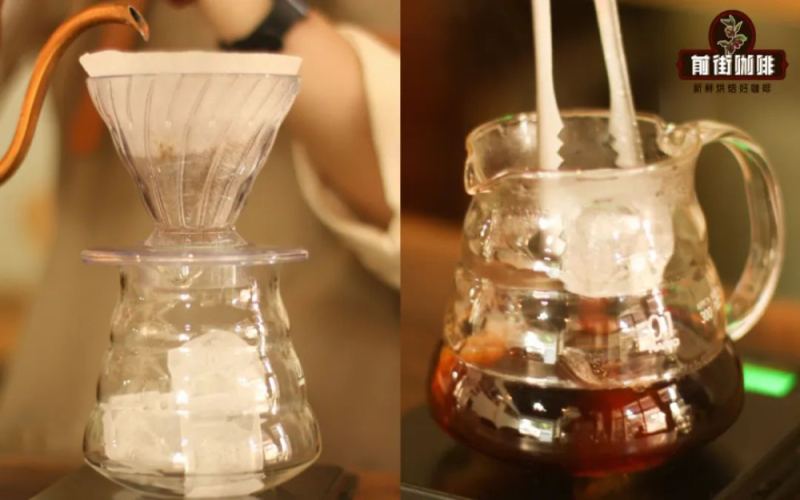
Comparing Ice Timing for Iced Pour-Over Coffee: Ice First or Ice Last? A Detailed Guide to the Differences and Experiment Conclusions
Should you add ice first or ice last when making iced pour-over coffee? This question may seem like a mere difference in procedure, but behind it may lie the preservation and release of coffee flavors. Front Street Coffee once mentioned the Paragon ice ball in an article; its principle is to lock in volatile aromas by rapidly cooling the coffee liquid, allowing the drinker to experience a richer coffee flavor. Inspired by this, we restarted the experiment, using the same Colombian Frontera Estate washed Geisha, to compare the differences between adding ice first and adding ice last in iced pour-over coffee in terms of operation, temperature, aroma, and taste. The experiment strictly controlled the ratios of coffee grounds, water, and ice, and corrected for differences in tasting time. What was the final result? Is there really an obvious difference between the two? This article will reveal the answer for you. [more…]