







Search Results for: ice cube notes
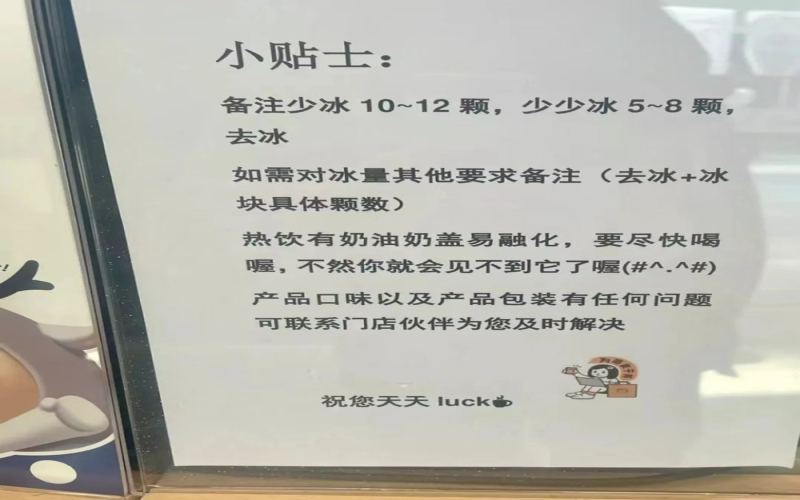
Luckin's ice-amount controversy keeps simmering: office workers pushed to the brink of breakdown by notes telling them to "count the ice cubes"
Luckin's cold drinks do not offer a "no ice" option, and the problem of excessive ice has repeatedly trended on social media. To get a drink that suits their taste, consumers have begun to "report" the exact number of ice cubes in the remarks section, and even make various demands about the shape and temperature of the ice, leaving store employees utterly exhausted. From "less ice, 10–12 cubes" to "two little heart-shaped ice cubes," and even "no ice but with a frosty feel," these bizarre remarks not only reflect consumers' obsession with ice levels but also push Luckin's workers into a dilemma where "whatever they do is wrong." This article compiles a large number of real order remarks, presenting this tug-of-war over ice cubes. [more…]
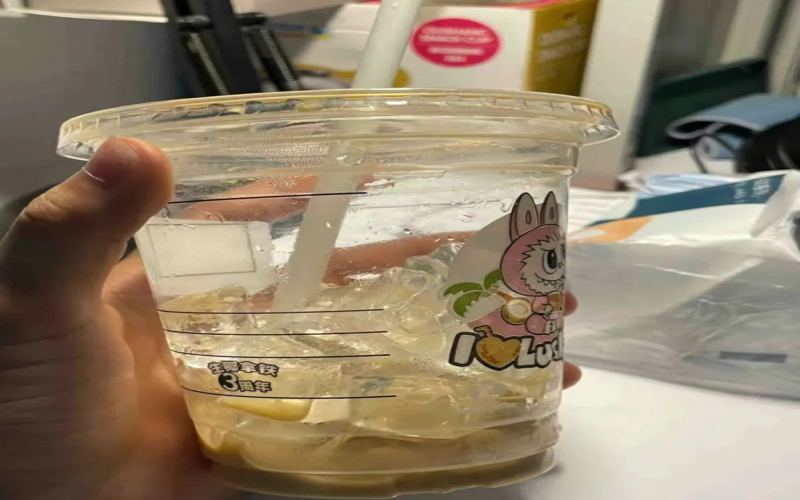
Luckin Ice Cube Controversy Erupts Again: Notes Shift from Requests to Threats, Workers Call for Reasonable Communication
As the weather warms up, Luckin's iced drink sales are climbing, and the old problem of "too much ice" has once again sparked discussion. Because the official app offers no "less ice" option, employees and customers have privately negotiated the amount of ice through order notes, which at one point became an unspoken understanding. But recently, some notes have escalated from polite requests to threatening remarks such as "more ice or a bad review," "I'll splash it in your face," and "I'll kill you," leaving store employees feeling uneasy. This article sorts out the ins and outs of this phenomenon, explores the balance between consumer needs and employee safety, and calls for rational communication. [more…]

How long should cold brew coffee be stored sealed? Is it necessary to use coffee ice cubes when making iced coffee and cold brew?
Cold brew coffee is popular in summer and usually requires steeping coffee grounds in the refrigerator for 12 to 18 hours. Although it takes a long time, the flavor is outstanding. Compared with hot coffee, iced coffee is more like a dessert in a cup. With ice cubes, coffee, flavored syrup, and dairy products added, the combinations are rich and easy to make at home. Choosing the right coffee beans is key. Deep-roasted Front Street Brazil coffee and Front Street Mandheling coffee are both good base choices; if you prefer floral cold brew, Front Street Fruit Ding Ding can be the first choice, if you want black coffee with obvious fruit flavor, buy Front Street Strawberry Candy, and if you are after ripe tropical fruit notes, Front Street Xizhua is recommended. In addition, the type of ice cubes affects the drinking experience, and the storage time of leftover cold brew coffee also needs attention. Front Street suggests drinking low-temperature extracted coffee within 5 days. [more…]
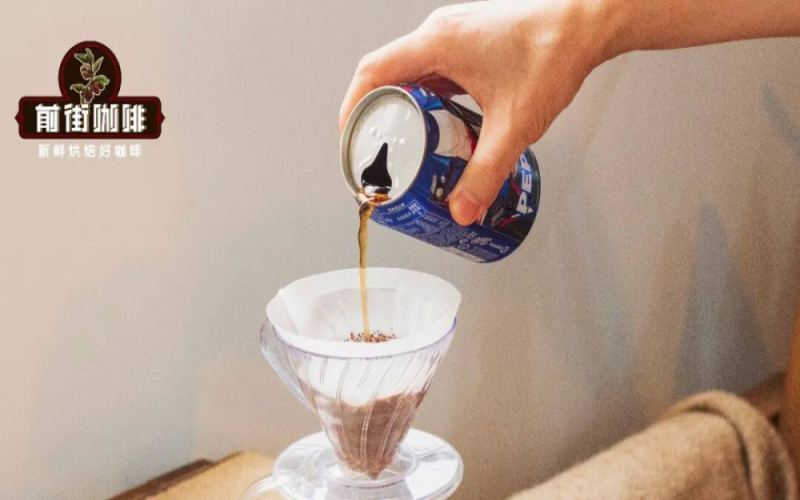
What Happens When You Replace Hot Water with Cola to Brew Coffee? A Hands-On Comparison of Iced Cola Pour-Over vs. Cola Ice Cube Pour-Over
Can cola actually be used to brew coffee? Front Street Coffee, out of curiosity, conducted two rounds of hands-on testing: in the first round, iced cola was used directly instead of hot water to extract Front Street Blackberry Coffee; in the second round, cola was frozen into ice cubes while hot water was still used for brewing, to compare the flavor differences between the two. The results showed that when iced cola was used for direct extraction, the low temperature and abundant bubbles hindered the release of soluble coffee compounds, making the final product taste more like a glass of coffee-flavored iced cola; whereas when cola ice cubes were used instead, the coffee flavors were finally preserved, with raisin, floral, and berry notes clearly emerging, layered with the icy sweetness of soda, making the overall cup refreshing and mellow. This article fully documents the parameters, brewing steps, and flavor observations, and is suitable for coffee enthusiasts who want to try a new method at home. [more…]

Americano | How can coffee beginners make a delicious iced Americano? What should be noted when making iced Americano? What coffee ratio is suitable for iced Americano?
Honestly, making an iced Americano is a very simple thing—we just need to pour the extracted espresso into prepared ice water, and the iced Americano is done. But, just like the view Front Street Coffee has always shared, making it is simple, but making it well is relatively difficult. Iced Americano [more…]

Why Does Coffee Shop Ice Melt More Slowly? A Complete Guide to Hand-Brewed Ice—from Ice Machines to Choosing the Right Ice Type
When drinking iced Americano, have you ever noticed that the ice cubes at coffee shops always seem to melt more slowly than the ones at home? From equipment differences to ice cube shape, and even the actual amount used, every detail affects the taste and staying power of cold coffee. Starting from the role of ice cubes, this article analyzes the differences between commercial ice machines and household refrigerators, explains why coffee shops tend to use smaller, more uniformly shaped ice cubes, and also shares the reasons Front Street Coffee insists on using refrigerator ice along with actual comparison tests. If you want your iced pour-over to cool down properly without being overly diluted, the answer you're looking for may be here. [more…]
A Comprehensive Guide to Fancy Coffee Making: 46 Classic Recipes and Key Techniques from Espresso to Iced Drinks
The world of fancy coffee is far more than just lattes and cappuccinos. This article systematically organizes the recipes and preparation techniques for 46 classic fancy coffees, covering two major categories: hot drinks and iced drinks. From the basics of espresso, au lait, and macchiato, to Irish coffee and royal coffee with their hints of liquor, and on to iced lattes and beer iced coffee suited for summer, each entry lists the required materials, specific steps, and key operational points, helping you master the flavor characteristics and serving essentials of different coffees. The article also retains relevant recommendations from the Front Street brand, providing a practical reference for coffee enthusiasts. [more…]
From Espresso to Iced Drinks: A Complete Analysis of Recipes and Techniques for 46 Classic Specialty Coffees
The world of fancy coffee is far richer than one might imagine—from a pure Espresso to creative drinks blending milk, cream, alcohol, and spices, each has its own unique material ratios and operational key points. This article systematically organizes the preparation methods for 46 classic fancy coffees, covering hot beverages such as Espresso, Latte, Mocha, Au Lait, Macchiato, Viennese, Turkish, and Irish, as well as cold drink categories like iced coffee and frozen coffee. Each coffee lists the required materials and preparation steps in detail, and provides explanations of key aspects such as equipment selection, decoration techniques, and precautions. Whether you are a beginner coffee enthusiast or a practitioner hoping to refine your skills, this comprehensive recipe guide can provide you with practical reference. [more…]

How to Make Ice Cube Coffee? Espresso Freezing and Storage Tips with Three Pre-Made Options: Iced Americano, Iced Latte, and Iced Pour-Over
On a scorching summer day, a glass of iced coffee never fails to bring instant refreshment. But on a busy morning, who has the patience to wait for a cold brew to slowly filter? This time, Front Street Coffee is sharing a lazy-person solution that only requires freezing coffee liquid into ice cubes ahead of time and simply adding water or milk before heading out—ice cube coffee. The article breaks down in detail three methods: ice cube Americano, ice cube latte, and ice cube pour-over, explaining everything from bean selection and extraction parameters to freezing and melting details, while also objectively analyzing the loss of oils and aroma in pre-made coffee. If you want to sleep ten extra minutes without giving up a decent glass of iced coffee, this method is worth a try. [more…]

Luckin baristas collectively complain: behind the Xiaohongshu ordering guides are ice counts, no-sugar-no-milk requests, and bizarre notes
Recently, Luckin's iced drinks have been under continuous scrutiny due to issues of too much ice and shrinking portions after removing ice. Many consumers have started sharing "high cost-performance ordering strategies" on platforms like Xiaohongshu, from specifying the amount of ice to requesting less milk and less sugar, no sugar and no milk, and even asking for cilantro in their lattes. These seemingly meticulous notes have left café baristas complaining bitterly: counting ice cubes slows down service, removing flavored syrups ruins the taste, and requests to remove ice from frappuccinos are even more absurd. This article compiles genuine complaints from frontline baristas and also reminds consumers that seemingly troublesome requests aimed at brands often end up pressuring frontline workers. [more…]

No Ice Drip Pot Needed: Homemade Ice Drip Coffee Tutorial and Cold Storage Duration Guide
In hot weather, a glass of cold brew coffee always brings a refreshing coolness. Front Street Coffee's cold brew has recently been in short supply, and many people choose it not only because its flavor differs from ordinary iced coffee, but also because they feel they can't make it at home. In fact, with just a dripper, a few filter papers, ground coffee, and ice cubes, you can put together a simple "home-version cold brew tower." This article breaks down in detail the equipment, parameters, operating steps, and common mistakes of this method, while also explaining the extraction impact caused by the structural differences between a dripper and a cold brew tower, and providing a list of Front Street beans suitable for making cold brew. Finally, it will also explain how long cold brew coffee needs to be refrigerated and fermented after it is formed, as well as how long it can be stored under refrigeration and at room temperature respectively. [more…]

Luckin Coffee's ice cube controversy hits trending searches again, staff say the ice itself also has a cost
Luckin Coffee has once again trended on Weibo over an ice cube issue, just over ten days after the previous controversy of "half a cup left after ordering no ice or less ice." On March 25, a woman in Heze, Shandong Province, posted a video saying that a full-price Raw Coconut Latte she bought was gone after three or four sips, with nothing but ice left, sparking widespread resonance among netizens. Many netizens shared similar experiences, joking that "a cup of Luckin is half a cup of ice." A Jimu News reporter contacted the store involved, and an employee said that an iced Raw Coconut Latte itself is only half a cup, with the other half being ice, emphasizing that ice also costs money. Luckin customer service responded that the drink is made according to a unified recipe but did not directly address whether the amount of ice complies with regulations. This article will review the course of the incident and the responses from all parties. [more…]

How do you make a delicious sparkling iced Americano? How does it differ from a regular iced Americano?
On a scorching summer day, a glass of icy, fizzy sparkling Americano is undoubtedly a great way to beat the heat. Its ingredients aren't complicated—just ice cubes, soda water, and espresso—but making one that truly tastes good requires attention to every detail, from ingredient selection to preparation. The carbonation level of the soda water, the size of the ice cubes, and the roast profile of the coffee beans all directly influence the final flavor. Carbonation amplifies the coffee's flavors, so when choosing beans, espresso blends or SOEs with prominent fruity notes are more recommended. In addition to sharing the key points for making a sparkling iced Americano and bean recommendations (such as Front Street Coffee Strawberry Candy Espresso, Front Street Coffee Florals SOE, etc.), this article will also clarify exactly how it differs from a regular iced Americano. [more…]
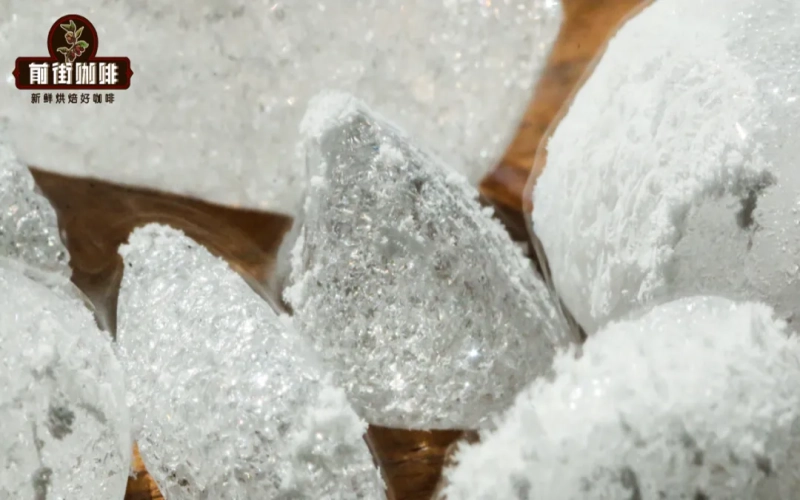
Is It Feasible to Use Dry Ice Instead of Ice Cubes for Iced Pour-Over? A Comprehensive Analysis of Cooling Methods for Pour-Over Coffee
Iced pour-over coffee needs rapid cooling, but ordinary ice cubes melt and dilute the coffee's strength. Some friends suggested using non-melting stainless steel ice cubes, but that attempt failed; then someone else recommended dry ice, which cools quickly and doesn't cause dilution. Dry ice can indeed chill coffee rapidly without turning into water, but when it sublimates it releases carbon dioxide, which dissolves into the coffee and turns a cup of iced pour-over into carbonated coffee—essentially deviating from what's wanted. This article provides a detailed analysis of dry ice's physical properties, its everyday uses, and why it's unsuitable for making pour-over coffee, along with Front Street Coffee's key points from their dry ice experiments and a recommended bean list. [more…]
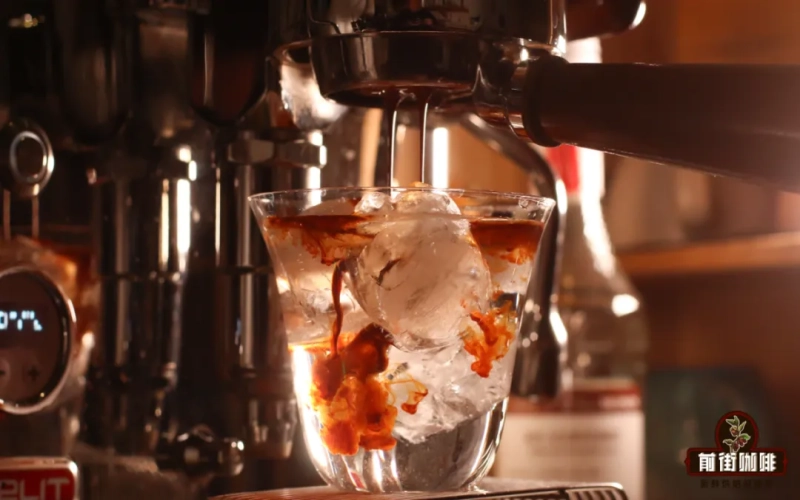
How to Make an Iced Americano Without Water? Key Points and Flavor Advantages of the All-Ice Espresso
Ordering an iced Americano with extra ice and no water has become increasingly common in coffee circles in recent years. It is not simply equivalent to drinking espresso directly; rather, through the collision of ice cubes with hot espresso, it produces a cup of iced coffee with higher concentration, lower bitterness, and more fully preserved aroma. This article will start from the basic composition of an Americano, explain the difference between a water-free iced Americano and a regular iced Americano, and detail the order of production, the principle of extraction cooling, and practical techniques such as shaking to cool down, helping you make a better-tasting all-ice Americano. [more…]

Iced Coffee Recommendations | How Can Coffee Newbies Make Better Iced Pour-Over, Cold Brew, and Ice Drip Coffee? How Long Can Cold Brew and Ice Drip Coffee Be Stored?
After entering the summer solstice, the hottest topic in the enthusiast chat groups is none other than #HowToMakeIcedCoffeeThatTastesGood, with everyone sharing their tips for making iced coffee with each other every day. In this article, Front Street has combined some enthusiasts' views and put together some tips for making iced pour-over coffee, iced drip coffee, and cold brew coffee taste even better! [more…]

A Complete Guide to Iced Pour-Over, Cold Brew, and Cold Drip Coffee: Brewing Techniques and Storage Times
After the summer solstice, iced coffee becomes the focus of discussion among coffee enthusiasts. Drawing on community opinions, this article systematically organizes the key techniques for making three types of iced coffee: iced pour-over, cold brew, and ice drip. The content covers calculating coffee-to-water ratios, grind size recommendations, adjusting ice quantity, and the optimal drinking window and storage limits for cold brew and ice drip. Front Street also provides specific parameter references for each type of coffee to help you make iced coffee with clear flavor and a full body at home. [more…]

How Do You Make Starbucks Iced Shaken Espresso? A Complete Three-Step Tutorial to Recreate Fancy Iced Coffee
On a sweltering summer day, a layered iced specialty coffee always turns heads. Starbucks' Iced Shaken Espresso, with its striking three-layer look of dark brown espresso, milk-tea-colored milk, and fluffy coffee foam, has become the top choice for many coffee lovers to recreate at home. This time, Front Street Coffee will walk you through the making logic of this drink: use espresso with ice cubes and vanilla syrup, shake it in a cocktail shaker to whip in air and build a thick foam layer, then pour in oat milk through the layers to create a unique texture where grain and coffee intertwine. From ingredient preparation to extraction parameters, shaking technique, tasting the finished drink, and ideas for flavor variations, this article restores the complete process step by step, so you can easily make your own refreshing yet rich Iced Shaken Espresso at home. [more…]
Iced Americano Variations | What Is the Ratio of Iced Americano to Water? Which Espresso Blend Coffee Beans Make a Non-Bitter Iced Americano?
Friends who drink coffee regularly may already know that espresso has a very thick mouthfeel and a strong taste, and if it cools down it becomes even harder to accept. But if you add ice cubes, the temperature of the espresso can drop rapidly, or by mixing in ice water, a refreshing taste instantly stands out, the bitterness becomes less heavy, and enjoying it in summer is even more thirst-quenching and refreshing. [more…]

How to determine the grind size, water temperature, ratio, and ice for iced pour-over coffee? Does pour-over coffee need to be brewed over ice?
When making iced pour-over coffee, should the coffee liquid be allowed to pass through the ice or not? This is a question that many coffee enthusiasts struggle with. Many cafés do indeed use the ice-passing method for serving, but passing through ice also has obvious shortcomings, such as the coffee warming up quickly, not being cold enough, and the degree of dilution being difficult to control. To solve these problems, the key is to start from three aspects: the degree of cooling, pre-treatment of the cupware, and parameter adjustment. Based on the practical experience of Front Street Coffee, this article breaks down in detail the precautions for the ice-passing method and gives specific suggestions for coffee dose, coffee-to-water ratio, grind size, water temperature, and extraction time, helping you consistently make delicious iced pour-over at home. [more…]