







Search Results for: ice cube controversy
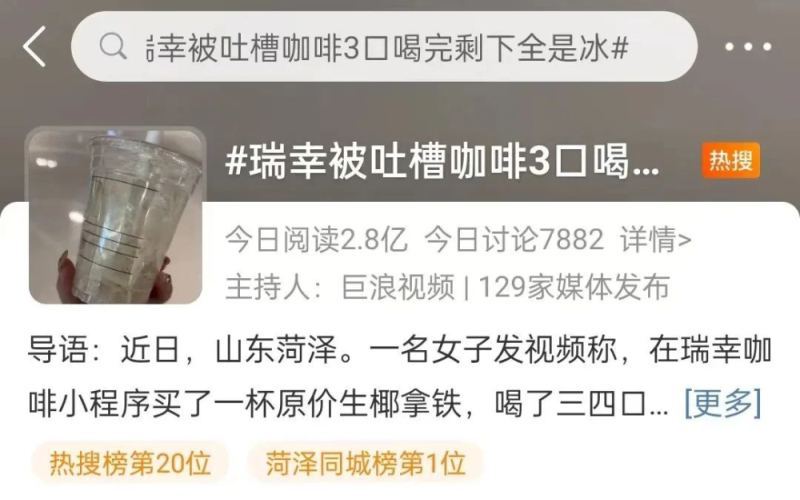
Luckin Coffee's ice cube controversy hits trending searches again, staff say the ice itself also has a cost
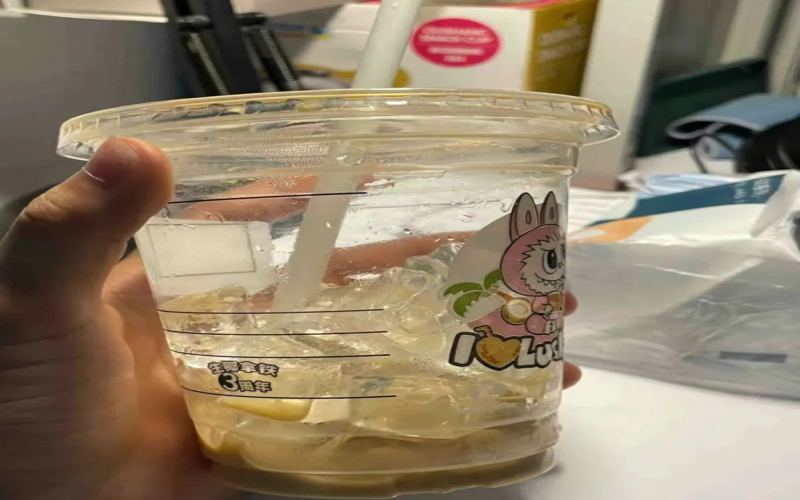
Luckin Coffee has once again trended on Weibo over an ice cube issue, just over ten days after the previous controversy of "half a cup left after ordering no ice or less ice." On March 25, a woman in Heze, Shandong Province, posted a video saying that a full-price Raw Coconut Latte she bought was gone after three or four sips, with nothing but ice left, sparking widespread resonance among netizens. Many netizens shared similar experiences, joking that "a cup of Luckin is half a cup of ice." A Jimu News reporter contacted the store involved, and an employee said that an iced Raw Coconut Latte itself is only half a cup, with the other half being ice, emphasizing that ice also costs money. Luckin customer service responded that the drink is made according to a unified recipe but did not directly address whether the amount of ice complies with regulations. This article will review the course of the incident and the responses from all parties. [more…]
Luckin Ice Cube Controversy Erupts Again: Notes Shift from Requests to Threats, Workers Call for Reasonable Communication
As the weather warms up, Luckin's iced drink sales are climbing, and the old problem of "too much ice" has once again sparked discussion. Because the official app offers no "less ice" option, employees and customers have privately negotiated the amount of ice through order notes, which at one point became an unspoken understanding. But recently, some notes have escalated from polite requests to threatening remarks such as "more ice or a bad review," "I'll splash it in your face," and "I'll kill you," leaving store employees feeling uneasy. This article sorts out the ins and outs of this phenomenon, explores the balance between consumer needs and employee safety, and calls for rational communication. [more…]
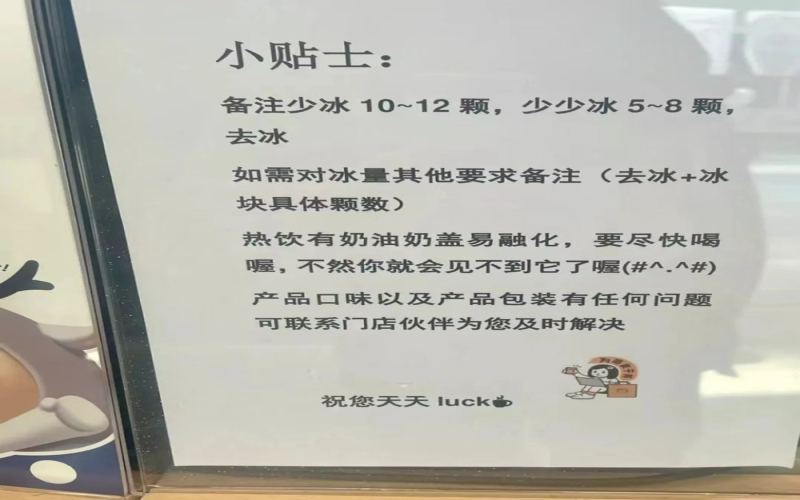
Luckin's ice-amount controversy keeps simmering: office workers pushed to the brink of breakdown by notes telling them to "count the ice cubes"
Luckin's cold drinks do not offer a "no ice" option, and the problem of excessive ice has repeatedly trended on social media. To get a drink that suits their taste, consumers have begun to "report" the exact number of ice cubes in the remarks section, and even make various demands about the shape and temperature of the ice, leaving store employees utterly exhausted. From "less ice, 10–12 cubes" to "two little heart-shaped ice cubes," and even "no ice but with a frosty feel," these bizarre remarks not only reflect consumers' obsession with ice levels but also push Luckin's workers into a dilemma where "whatever they do is wrong." This article compiles a large number of real order remarks, presenting this tug-of-war over ice cubes. [more…]
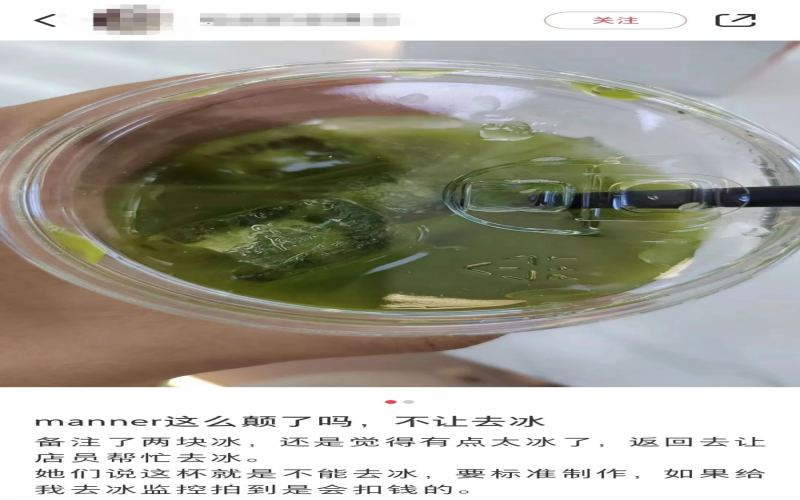
Behind the Refusal to Serve Iced Drinks Without Ice: Standardized Control at Coffee Chains and the Dilemma of Baristas
On a scorching summer day, iced drinks become the top sellers at beverage shops everywhere, yet the debate over "can you order it without ice" never dies down. A customer ordered an iced drink at Manner, noting that they only wanted two ice cubes, but after receiving it still found the temperature too low and asked the staff to remove the ice, only to be refused. The staff member helplessly explained that iced drinks must be made according to the standard ratio, and that removing ice without authorization would result in a pay deduction if caught on camera. Similar situations have occurred at Starbucks. Why are chain brands so "particular" about the amount of ice? And how should baristas choose between customer needs and company rules? This article will guide you through the industry logic behind the controversy over removing ice from iced drinks. [more…]
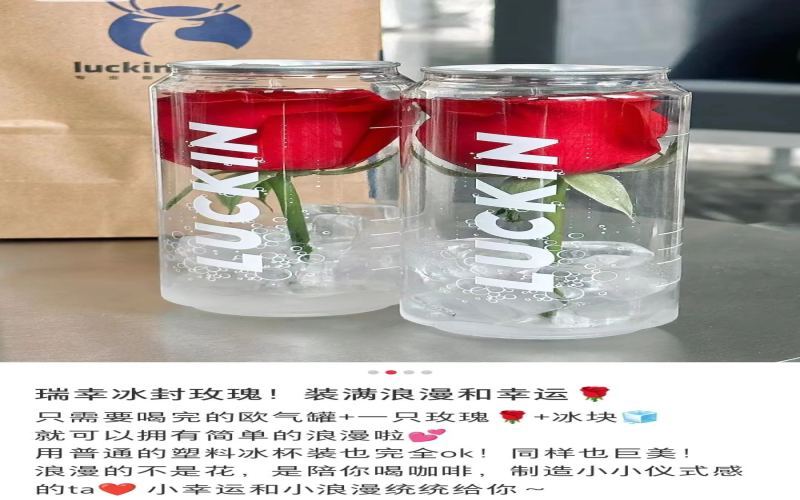
Luckin's "Frozen Rose" Gimmick Sparks Controversy: Employees Worry Customers Will Misunderstand That Stores Can Make It
Luckin Coffee recently posted a romantic tutorial on social media, teaching everyone how to make a "Frozen Rose" using a Luckin can or an ordinary ice cup, sealing a rose and ice cubes inside the cup to create an eye-catching decoration for the office desk. This玩法 quickly triggered netizens to imitate and like it, but it also worried baristas in stores—because this玩法 is not an official product, and if customers come to the store asking for it to be made, it may cause misunderstandings and negative reviews. The popularity of flower cups can be traced back to netizens' creativity, and was later boosted by brands such as Mixue Bingcheng and Haidilao to become a traffic code. Front Street Coffee noted that although similar marketing can bring heat, it needs to balance the execution pressure on frontline employees. [more…]
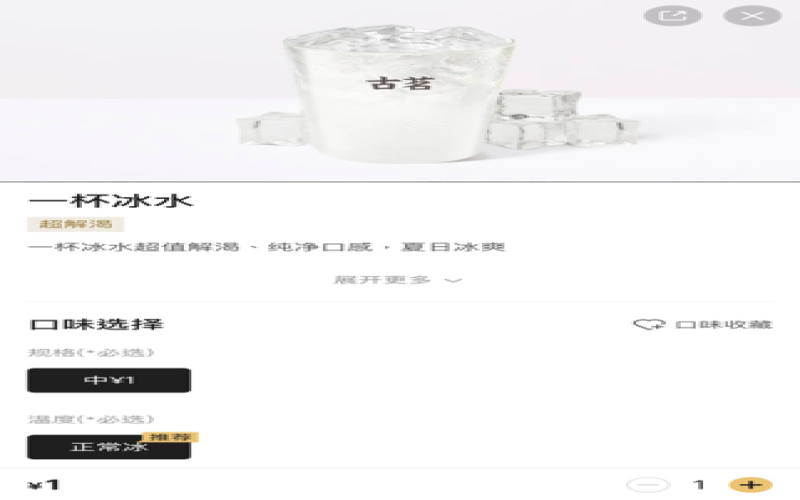
Guming's new 1-yuan ice water sparks debate: Is transparent pricing behind it considerate service or an unnecessary move?
Recently, the mini-program menu at Good-Me has quietly been updated, and a cup of ice water priced at 1 yuan has attracted widespread attention. This simple drink, consisting of a plastic cup, ice cubes, and drinking water, has been creatively reinterpreted by netizens in various ways—adding espresso to make iced Americano, mixing it with milk and boba to create a topped tea drink, or even replicating preserved plum lemonade. However, controversy has followed: many consumers point out that chain brands such as KFC and McDonald's, as well as street-side cafes, provide drinking water for free, and bringing your own cup to a Good-Me store also gets you ice water at no cost. Some employees even reveal that the packaging cup alone costs 7 mao, and with ice cubes and a straw added, each cup sold is actually a loss. Last year, Mixue Bingcheng's 1-yuan ice cup was withdrawn by franchisees one after another because it was unprofitable. Will Good-Me's move this time repeat the same mistake? Some also believe that clear pricing actually saves the awkwardness of communication, allowing those too embarrassed to ask to feel at ease. Front Street Coffee takes you to find out. [more…]
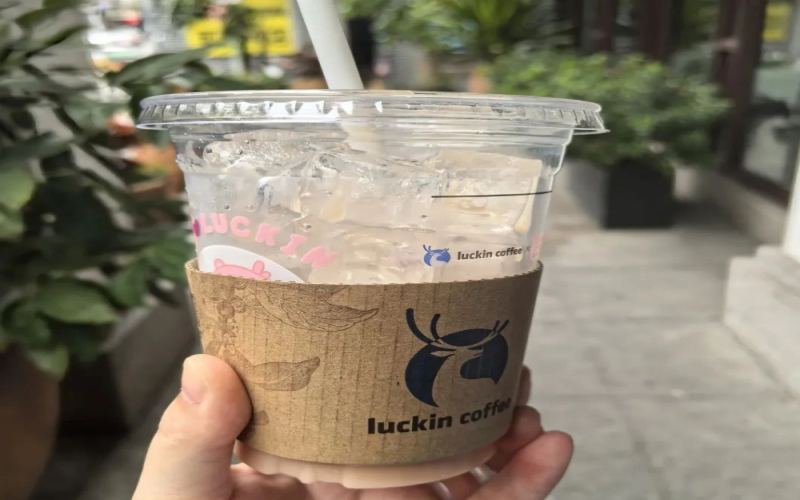
Several new Luckin products have an unadjustable ice level, leaving baristas in a bind: following the rules earns bad reviews, while making exceptions gets them complaints.
Luckin Coffee has recently launched several new products—including Grape Iced Americano, Light Coffee Lemon Tea, Big Watermelon Coconut Cold Brew, and Preserved Plum Sparkling Americano—which are clearly marked on the ordering page as not supporting no ice or less ice. However, many customers still habitually request reduced ice through notes. If store employees follow company standards, they often receive bad reviews because of the cup full of ice; if they secretly scoop out ice or add extra ingredients, it may trigger dissatisfaction among colleagues at other stores. Employees sigh: the rules say it's not supported, but customers don't buy it, and staff are caught in the middle. This article sorts out the ins and outs of this ice quantity controversy, and also mentions Front Street Coffee's observations on industry phenomena. [more…]
How Do You Make Americano Taste Good? A Comprehensive Analysis from Its Origins to Hot and Iced Recipes and Crema Handling
Americano may seem to require only espresso and water, yet it is the Italian-style drink that most tests a barista's extraction skills. This article begins with the definition and origin of Americano, sorts out the two mainstream methods—Americano and Long Black—analyzes the controversy over long-extraction, weak-tasting coffee, and provides specific parameters for ratios and steps for both hot and iced Americanos. At the same time, drawing on the Warm Sun blend used in Front Street Coffee stores, it explains the espresso extraction plan and dilution ratio, and finally discusses the effect of skimming off the crema on flavor and mouthfeel, helping coffee lovers make a clean, balanced, and delicious Americano at home. [more…]
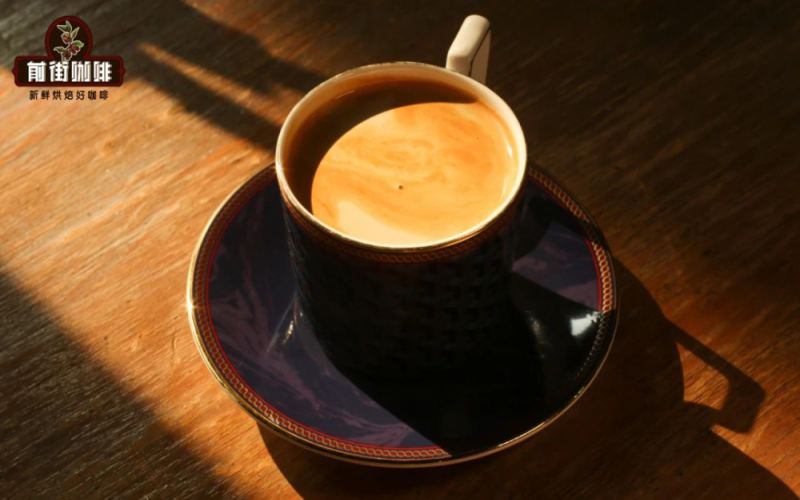
American Coffee Basics: From Origins to Preparation, How to Master the Espresso-to-Water Ratio
Americano is one of the most common espresso drinks on cafe menus. Its ingredients are simple—just espresso and water—yet it is the ultimate test of a barista's extraction skills. This article begins with the definition and origins of Americano, sorts out the differences between the traditional drip method and the contemporary espresso-dilution method, compares the order of Americano versus Long Black, and discusses the controversy over extracting weak coffee with a long water flow. It then details the proportions for making hot and iced Americanos, Front Street Coffee's extraction parameters, and how keeping or removing the crema affects flavor, helping coffee enthusiasts understand the ins and outs of this basic drink. [more…]

When Iced Americano Meets Raw Oysters: Looking at the Boundaries and Controversies of Creative Coffee Through the "Oyster-Bitter" Specialty Drink
Iced Americano has been reinvented in increasingly wild ways by netizens in recent years, from mixing Huoxiang Zhengqi liquid into an Americano to today's jaw-dropping oyster iced Americano—the boundaries of creative coffee are being pushed further and further. For professional coffee knowledge exchange and more coffee bean information, please follow Coffee Workshop (WeChat public account: cafe_style). For more specialty coffee beans, please add our private WeChat account Front Street Coffee (FrontStreet Coffee), WeChat ID: qjcoffeex. This article will walk you through how this iced Americano called "Oyster Bitter" came to be, as well as the increasingly absurd creative trends in today's specialty coffee drinks, and explore the balance between chasing hype and preserving the essence of coffee in creative coffee. [more…]
From WWII Diluted Coffee to Iced Americano Recipe: The Origin, Preparation, and the Debate Over Keeping the Crema of Americano
Americano may seem simple, yet it hides quite a few intricacies. It originated during World War II, when American soldiers diluted espresso with warm water, and today it has become a staple on coffee shop menus worldwide. This article starts with the definition and origins of Americano, clarifies the differences between the two mainstream approaches—Americano and Long Black—and discusses the controversy over extracting a weak coffee through prolonged water flow. In the practical section, it focuses on the specific ratios for iced and hot Americanos, including Front Street Coffee's extraction parameters and recommended methods, and finally explores an interesting question: Would Americano taste better if the crema were scraped off? [more…]
A Complete Guide to Iced Americano: Brewing Tips and Flavor Profile—From Espresso Extraction to Water Ratio
American coffee may seem simple, consisting only of espresso and water, yet it is precisely the drink that best tests a barista's extraction skills. This article begins with the definition and origins of American coffee, sorts out the two mainstream methods of Americano and Long Black, discusses the controversy over long-extraction weak coffee, and explains in detail the process for making hot and iced American coffee, the coffee-to-water ratio, and the effect of whether to remove the crema on flavor. The article also combines the Warm Sun blend from Front Street Coffee stores to provide specific extraction parameters and ratio references, helping coffee enthusiasts recreate a clean, balanced American coffee that retains the bean's true flavor in their daily brewing. [more…]

Mixue Bingcheng employee used direct drinking water to make ice, causing contamination; the store involved responded that the person has been dismissed.
Recently, a video of an employee preparing drinks at a Mixue Bingcheng store in Xi'an circulated on social media, sparking widespread discussion. In the video, the employee holds two takeout cups in one hand, adds ice cubes, and then directly places them under a water bucket labeled "direct drinking water" to fill them. The water splashes onto the ice cubes, and some liquid runs down the employee's arm toward the ice cart below. The door of the ice cart cabinet remains open the whole time, prompting onlookers to say the ice has been contaminated. After the incident gained traction, the store involved responded that the company is handling the matter urgently and that the employee has been dismissed. This controversy has once again pushed Mixue Bingcheng's food safety issues into the spotlight, with many consumers calling on the brand to strengthen store operating standards. [more…]
The Origins of Americano and a Detailed Guide to Iced and Hot Preparation: From Espresso-to-Water Ratios to the Question of Keeping or Removing the Crema
Americano is the most basic yet most skill-testing drink on a café menu. Its composition appears to be nothing more than espresso and water, yet behind it lie origins stories, brewing schools of thought, and extraction techniques, among many other things. This article begins with the definition and history of Americano, sorts out the differences between the Americano and Long Black methods, discusses the controversy over making a weak coffee with a long water pour, and provides specific ratio plans for hot and iced Americanos. At the same time, we will also touch on an often-overlooked detail—that layer of coffee crema floating on the surface—and what flavor differences removing it versus keeping it actually brings. A side-by-side test by Front Street Coffee may offer you some reference. [more…]

Luckin's Guangdong-Shenzhen limited light coffee series priced at 19.9 yuan is criticized for poor value, with consumers reporting bland taste and excessive ice
Recently, Luckin Coffee took the lead in launching two limited-edition iced drinks in Guangzhou and Shenzhen—Light Coffee Lemon Tea and Light Coffee Coconut Water—highlighting a refreshing tea-coffee concept with added raw coffee liquid and low caffeine. However, after the new products launched, the 19.9 yuan price and bland taste quickly sparked heated discussion among consumers. Many Guangdong netizens said bluntly that the taste of this drink is not much different from bottled lemon tea from convenience stores, yet it costs nearly twice as much, which is really hard to accept. Some even complained that ice cubes filled almost half of the extra-large cup, making them feel they had spent money on nothing. At the same time, Luckin fans in other cities expressed dissatisfaction with the regional-limited strategy and called for a nationwide rollout. This controversy over the new products' pricing, taste, and limited-edition strategy—is it a cautious move by Luckin to test the market, or yet another marketing move that disappoints consumers? This article will take you to find out. [more…]
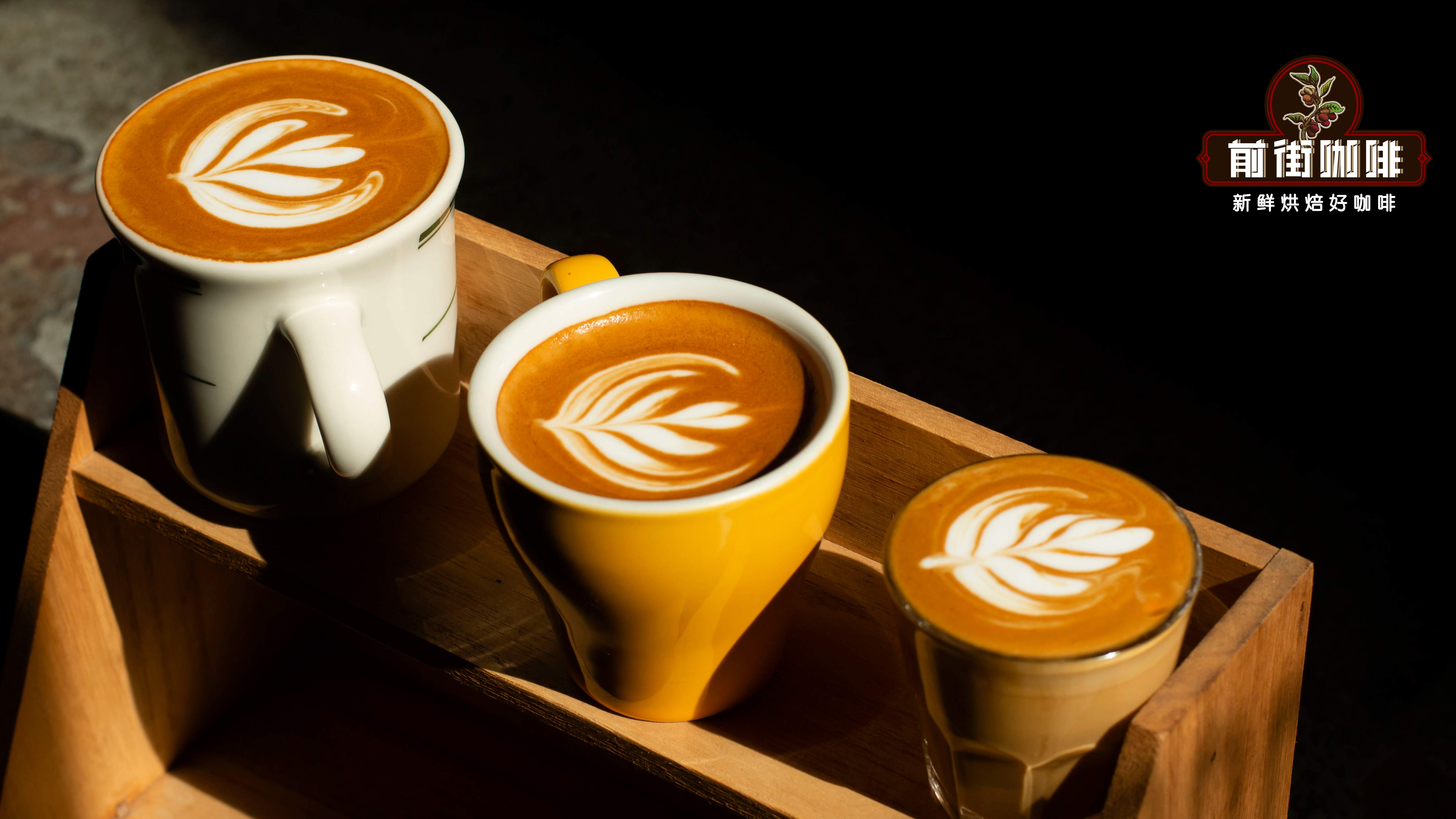
How to Make a Flat White? A Detailed Guide to Espresso-to-Milk Ratios, Milk Foam Thickness, and Temperature
Flat white is a milk coffee that emphasizes the true flavor of coffee. Compared with a latte, it has a higher espresso content, less milk, and thinner milk foam. In this article, Front Street Coffee will systematically explain the controversy over the origin of flat white, the choice of espresso base, the recommended ratio of milk to coffee, and how to judge the temperature, thickness, and texture when steaming milk. It will also explain the differences between whole milk, low-fat milk, and skim milk when steaming, helping coffee lovers, after understanding the principles, consistently make a fragrant, velvety espresso milk coffee at home. [more…]
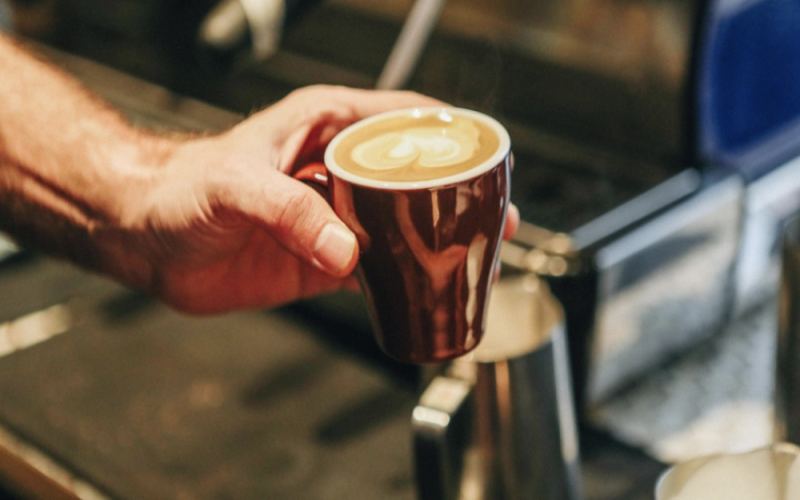
Flat White Coffee Brewing Tips and Tasting Guide: Differences from Latte, Cup Size Selection, and Starbucks Flat White Flavor Analysis
Flat White has now become a staple on the menus of many cafés. Like a latte, it is made from espresso and milk, yet the two differ noticeably in ratio, foam thickness, and preparation technique. This article will walk you through the controversy over the origins of the Flat White, its real differences from a latte, the suitable cup size, and why there is no authentic iced version. At the same time, Front Street Coffee will share the blend recipe, extraction parameters, and staged milk-pouring technique used in its daily Flat White production, helping you experience this coffee's evolving flavor layers, from rich vinous notes to strawberry milkshake and then to roasted nuts. [more…]
What's the difference between a flat white and a latte? A comprehensive analysis from milk ratio and foam thickness to brewing method
Although both are made from espresso and milk, a flat white and a latte present completely different flavor directions. Drawing on the production experience of Front Street Coffee, this article sorts out the controversy over the origin of the flat white, its core differences from a latte, cup size choices, the trade-offs between hot and iced versions, and specific extraction parameters and preparation methods. By comparing milk quantity, foam thickness, and pouring method, it helps coffee enthusiasts understand why a flat white tastes richer and smoother, and provides practical reference for recreating it at home or in a shop. [more…]
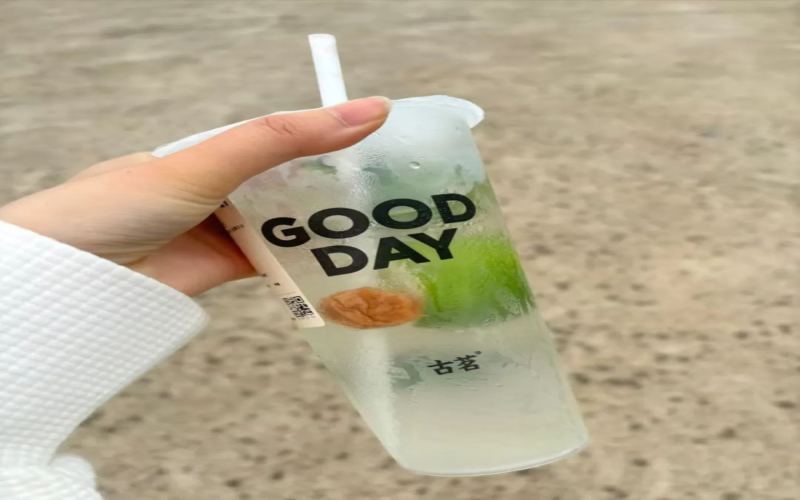
Gu Ming's new plum lemonade slammed for being too salty—does takeout require customers to add the plums themselves?
On a scorching summer day, a refreshing glass of ice-cold lemonade should be the perfect way to beat the heat, but Good-Me's recently launched "Preserved Plum Lemonade" has left many consumers frowning with every sip. This new product, described as a "still version of salted lemon Seven-Up," combines perfume lemons, calamansi, and pickled preserved plums to create a sweet-and-sour, ice-cold selling point, and its appearance is indeed refreshing and enticing. Yet once it hits the palate, the saltiness of the preserved plum immediately takes over the taste buds, and after prolonged steeping, the bitterness of the lemon peel layers on top of that, earning it the nickname among netizens as "the rising star of the dark cuisine world." Even more surprisingly, in some delivery orders the preserved plums are packaged separately, requiring customers to add them themselves, which has caused considerable confusion. Front Street Coffee takes you through the real performance of this controversial new product. [more…]
Luckin Summer Watermelon Cold Brew Review: Flavor Is Weak Like Watermelon Water, Coffee Presence Sparks Heated Debate
Luckin Coffee recently launched a summer watermelon cold brew. Originally a refreshing new product that was highly anticipated, it quickly encountered a collective wave of complaints from consumers after hitting the market. Many early triers reported that not only does this drink look noticeably different from the official poster, but it also tastes like it has no coffee flavor at all, and it has been jokingly called "watermelon bathwater." This article compiles real feedback from netizens and reveals its recipe and production process, to see where exactly this controversial cold brew went wrong. [more…]