







Search Results for: home potted plants
Growing Coffee Trees in Pots at Home: A Complete Guide to Cultivation and Care from Seed Treatment to Flowering and Fruiting
Want to grow a coffee tree with your own hands at home? Actually, growing coffee in a pot is entirely feasible. This article compiles the hands-on experience of a flower enthusiast in Beijing, covering everything from seed collection, scarification treatment, sowing and sprouting, to transplanting into pots, soil mix ratios, watering and fertilizing, lighting and repotting, and finally flowering, fruiting, and daily precautions. Whether you live in the north or the south, as long as you master a few key steps, you can let a coffee tree grow healthily in a pot. The article also specifically mentions product information from Front Street Coffee for those who are interested. [more…]
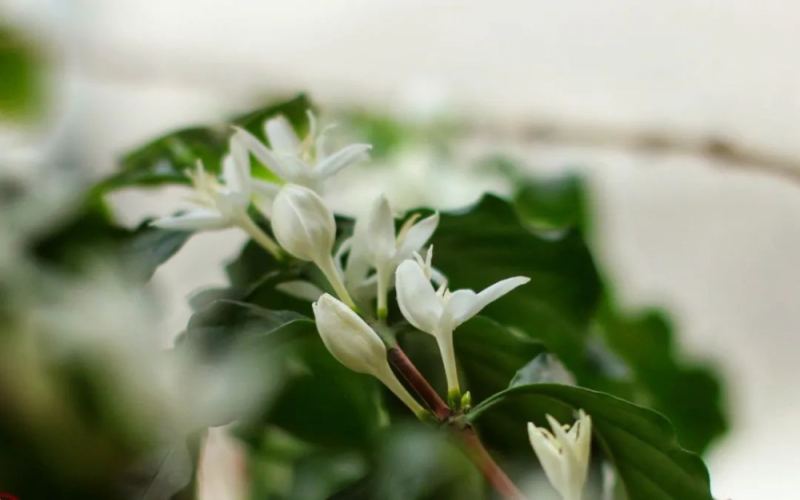
Is It Feasible to Grow a Coffee Tree at Home? A Look at Origin Conditions and Key Care Practices from the Container-Growing Experience of Specialty Coffee Enthusiasts
Besides traveling to the places of origin, where else can you see a coffee tree? Many cafés plant one indoors as a green decoration and thematic accent, but for most enthusiasts, the more practical approach is to bring a coffee tree home. Notes about coffee trees on social platforms have already reached nearly ten thousand, covering everything from seedling raising, transplanting, fertilizing and watering to pest and disease help requests and flowering and fruiting, with varieties even including Typica, Bourbon, Caturra, SL28, and even Geisha. This article sorts through these home-growing experiences and, by comparing them with the coffee tree's strict requirements for altitude, temperature, rainfall, and microclimate, examines the feasibility of household pot cultivation and the key care points. [more…]
Flavor Comparison of Yunnan Coffee's Four Major Producing Regions: Dehong, Baoshan, Lincang, and Pu'er—Which Small-Bean Coffee Is More Worth Buying
Coffee has been cultivated in China for over a century, and today Yunnan coffee is once again coming into the public eye thanks to government support and the wave of domestic brands. Yunnan lies in the golden growing belt between 15°N and the Tropic of Cancer, with elevations mostly between 1,000 and 2,000 meters, producing small-bean coffee that is rich but not bitter, aromatic but not harsh, with a slight fruity note. The four major producing regions—Dehong, Baoshan, Lincang, and Pu'er—each have their own characteristics, and the varieties range noticeably from the classic Typica to the mainstream Catimor. This article will sort through the terroir of each region, the traits of coffee varieties, and the differences in processing methods, and, using Front Street Coffee's Yunnan beans as an example, introduce the complete steps for brewing at home with a moka pot, helping coffee lovers choose the Yunnan beans that suit them. [more…]
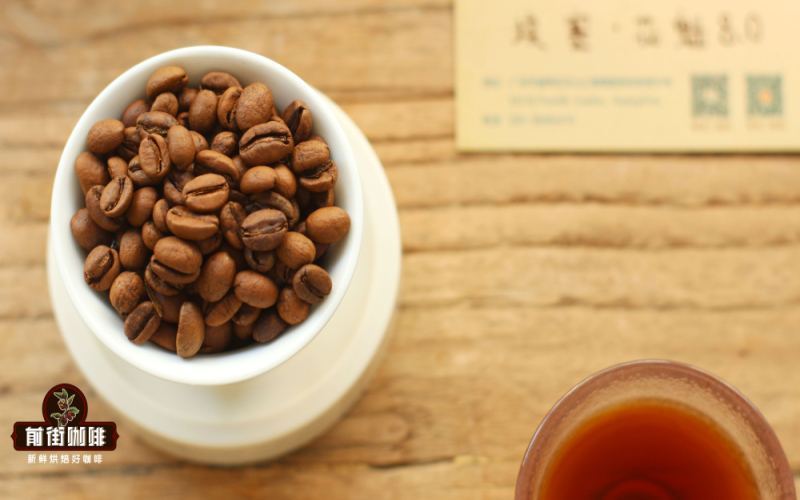
A Detailed Traceability of the Ethiopian Huakui Coffee Bean Origin and Moka Pot Brewing Parameters
Since winning the TOH championship in 2017, Huakui coffee beans have gone through eight harvest seasons and have become a highly regarded representative of Ethiopian specialty coffee. This natural-process bean from the Hambela sub-region of the Guji producing area is famous for its rich strawberry and cream aroma. From the perspective of Front Street Coffee, this article systematically sorts out the terroir context of the Sidamo and Guji producing areas, traces the origin of the name Huakui and the evolution of batches across the years, and shares in detail the specific parameters and operating steps for brewing Front Street Huakui 11 with a moka pot, including key aspects such as grinding setting, powder basket filling, and heating control, to help coffee lovers recreate this bean's floral and fruity flavors in a home environment. [more…]
A Comprehensive Analysis of the Variety Characteristics of Ethiopia Sidama Aricha Coffee Beans and Pour-Over and Moka Pot Brewing Parameters
Ethiopia's Sidamo region is an important part of the specialty coffee landscape, and Huakui coffee beans are a star bean that emerged from here. After winning the TOH championship in 2017, Huakui captivated many coffee lovers with its rich strawberry and cream aromas. In this article, Front Street Coffee will guide you through the terroir connections of Sidamo and its sub-regions such as Guji and Hambela, trace the version evolution of Huakui from 1.0 to 8.0, and share in detail the grind setting, operating steps, and flavor performance for extracting Huakui 8.0 with a moka pot, helping you brew a cup of Ethiopian natural coffee full of juicy fruitiness at home. [more…]
Flavor Analysis and Brewing Suggestions for Ethiopia Yirgacheffe Kochere Washed G1 Coffee Beans
Yirgacheffe is one of Ethiopia's most renowned specialty coffee regions, and Kochere, as the standout among its three major micro-regions, is highly prized for the clean, bright flavors brought about by its washed processing. Starting from Kochere's geographical environment and industry background, this article will provide a detailed analysis of the richly layered flavor characteristics of washed G1 coffee beans—jasmine, lemon, bergamot, honey, and black tea—while also introducing the growing conditions of the coffee tree and key points for home care. Whether you want to learn about this bean's origin story or are looking for suitable brewing ideas, you'll find practical references in this article. Front Street Coffee will also recommend Kochere washed lots worth trying. [more…]
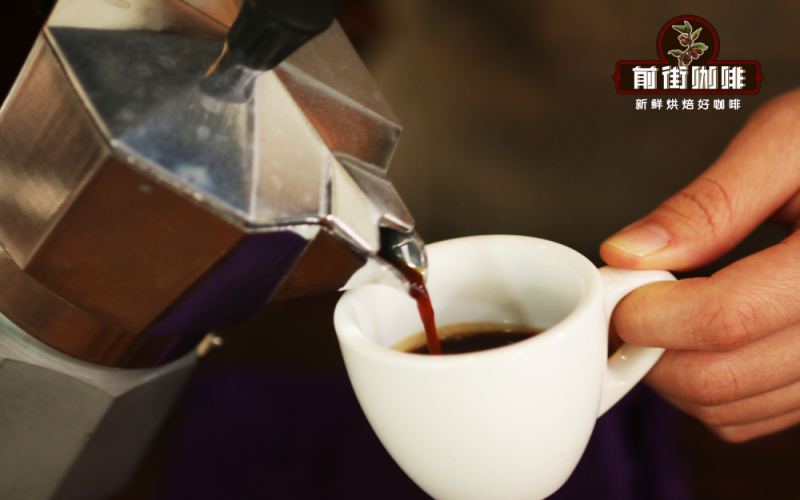
Illustrated Guide to the Correct Way to Use a Moka Pot | Is Moka Pot Coffee Espresso? How Do You Make Americano with a Moka Pot? What Are the Pros and Cons of a Moka Pot?
Coffee from outside is delicious, sure, but who can afford to eat out every day? Some handy friends usually choose to make it at home. For the Americano and latte you drink often, the most important thing is still the espresso base. Due to limited money and space, many friends simply can't make it at home. [more…]

Don't rush to throw away coffee grounds! 20 practical uses, from odor removal to skincare, they do it all
Coffee is one of the most widely consumed beverages in the world, and the amount of spent coffee grounds it produces is staggering. Many people simply throw away the grounds after brewing, but these seemingly useless remnants actually hold a great deal of overlooked value. From deodorizing the fridge and removing odors from your hands, to hair care, natural dyeing, repelling ants, and fertilizing plants, coffee grounds can be put to use in household cleaning, personal care, gardening, and even cooking. This article compiles 20 practical and interesting uses for coffee, helping you get the most out of it before you throw it away. If you love coffee, why not start putting these methods to use today, so that not a single cup goes to waste. [more…]
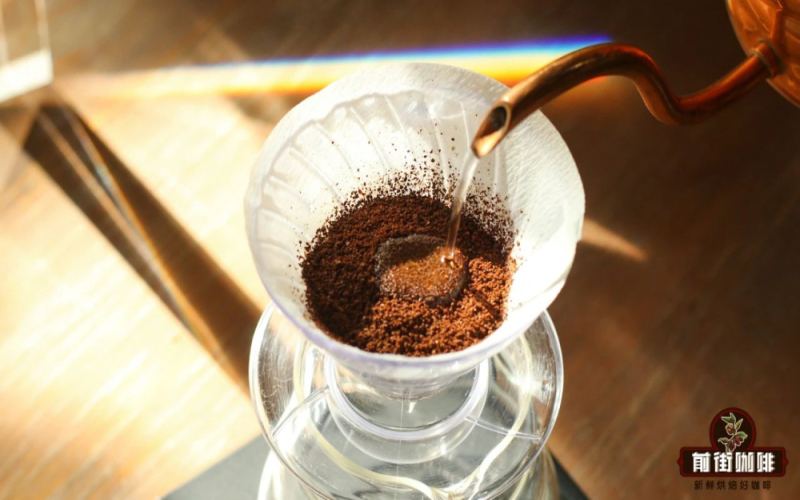
How to Choose Coffee Beans for a Home Hand Grinder? Five Coffee Beans Recommended for Home Brewing
Making hand-ground coffee at home allows for flexible and varied equipment—a pour-over kettle, French press, siphon, or even a moka pot will all work, and the end result is always a pure cup of black coffee. If the bitterness feels too strong, you can also add a moderate amount of sugar or milk to balance it out. Ultimately, whether a cup of hand-ground coffee tastes good depends mainly on the coffee beans themselves. So how should home users choose the right coffee beans? This article approaches the question from three dimensions—roasting brand, freshness, and personal taste—and compiles a recommended list of hand-ground coffee beans suitable for home use, including both beginner-friendly medium-roast beans and light-roast specialty beans with distinctive flavors, for coffee lovers' reference. [more…]
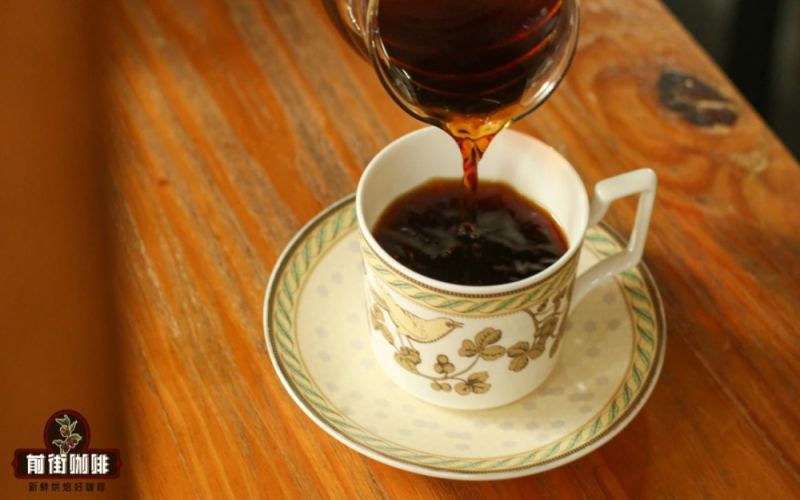
Specialty Mandheling Recommendation | How to Describe the Characteristics, Taste, and Flavor of PWN Golden Mandheling Coffee? How to Make Moka Pot Black Coffee with Indonesian Lintong Mandheling?
The origin of Mandheling coffee can be traced to the fact that many single-origin coffees that can be named are generally named after the coffee bean's producing region, place name, variety, or the name of the green bean processor, but the naming of "Mandheling" is rather special, and it begins with a story of misunderstanding. During World War II, the Japanese army [more…]
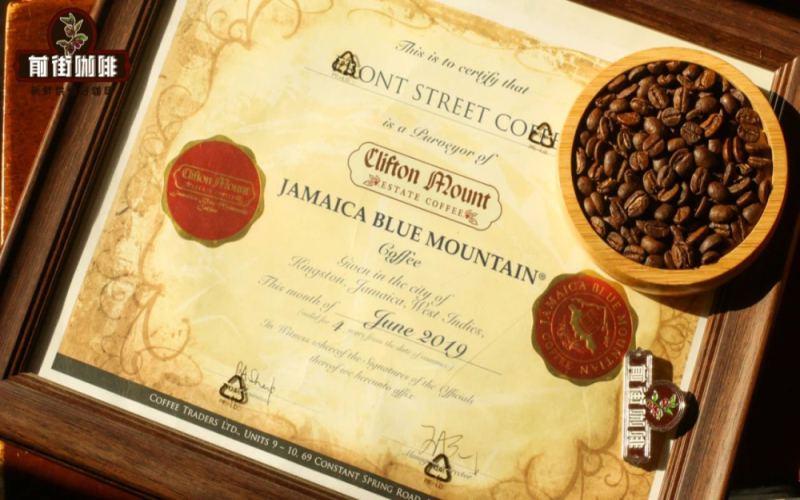
Step-by-step Guide to Brewing Jamaican Blue Mountain Coffee Pour-Over, with Detailed Coffee-to-Water Ratio, Plus Front Street Blue Mountain Flavor Description
Want to brew an authentic cup of Jamaican Blue Mountain coffee at home? This article documents a complete pour-over process in detail, from folding the filter paper and warming the cup to blooming and staged pouring, with specific parameters and technique explanations for every step. It also introduces the current availability of Front Street Blue Mountain coffee in China, its advantage of an affordable price, and the background of the authorization source for Blue Mountain coffee beans. On key aspects such as water temperature control, pouring rhythm, and coffee-to-water ratio, the article provides clear data references, and finally shares the layers of flavor—nuts, cream, cocoa, and more—that Front Street Jamaican Blue Mountain coffee presents on the palate, making it suitable reading for enthusiasts who want to understand the finer details of brewing Blue Mountain coffee by pour-over. [more…]
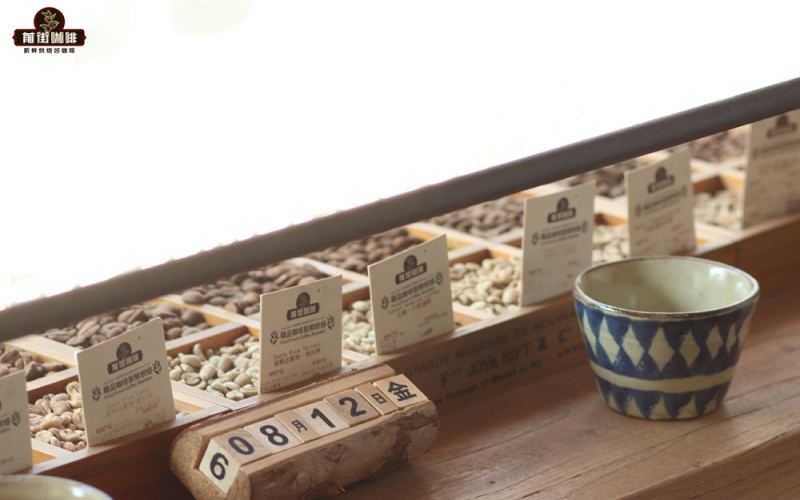
Yirgacheffe Drip Coffee Flavor Analysis and Pour-Over Techniques: How to Bring Out Floral and Fruity Notes
Yirgacheffe is a highly representative specialty coffee region in Ethiopia, renowned for its citrus acidity, berry sweetness, and tea-like finish. Front Street Coffee's Yirgacheffe everyday drip bags balance convenience and flavor, making them ideal for daily office or home enjoyment. This article systematically reviews Yirgacheffe's flavor characteristics and extraction key points, from the region's background and washed processing methods to drip bag brewing steps, helping coffee lovers easily brew a clean, bright floral-fruity profile. [more…]
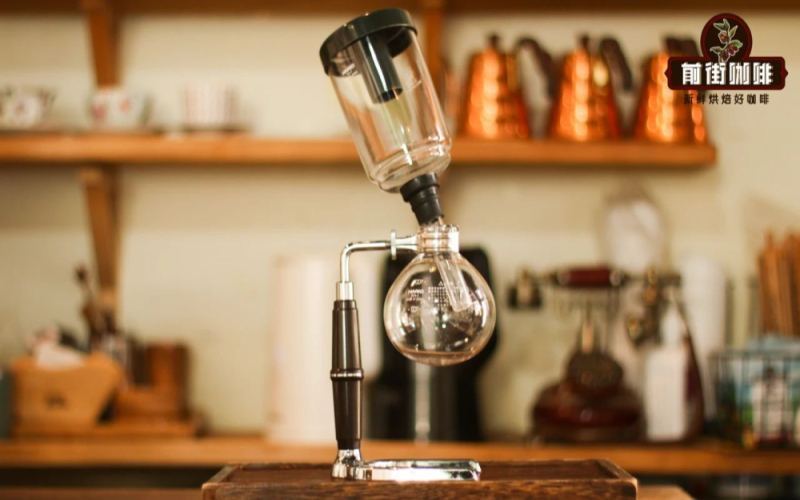
Complete Guide to Siphon Coffee Brewing: From Working Principles to Front Street Blue Mountain No. 1 Practical Parameters
The siphon pot, also known as the syphon, is a brewing device with a long history that has nevertheless remained active on the coffee stage. It uses changes in gas pressure to drive hot water upward and draw the coffee liquid back down. As an immersion-style extraction method, it can more fully bring out the layers and richness of flavor. This article begins with the origin and working principle of the siphon pot, then gradually breaks down the key steps in the brewing process, including heat intensity, water temperature, grind size, and stirring. Using the medium-dark roasted Front Street Jamaica Blue Mountain No. 1 as an example, it provides a specific method with a coffee-to-water ratio of 1:14, a water temperature of about 88°C, and an extraction time of about 60 seconds, helping coffee lovers reliably recreate at home a cup of siphon coffee that is rich, balanced, and has a long-lasting sweet aftertaste. [more…]
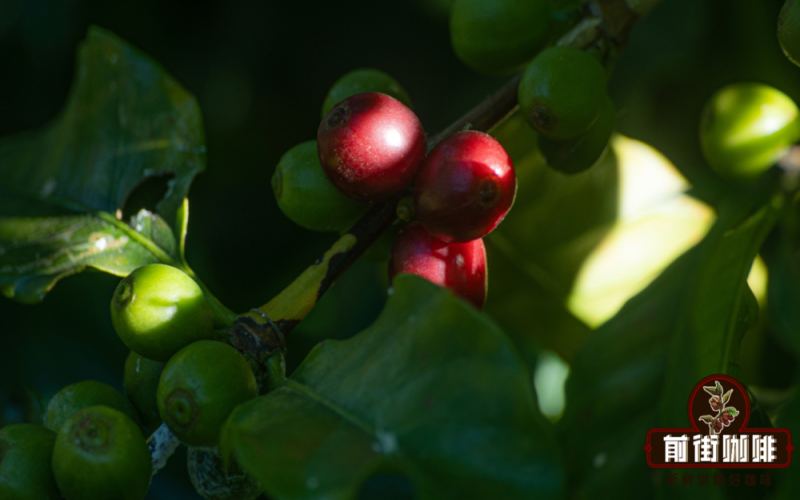
Yunnan Coffee Bean Blend Flavor Analysis: Espresso Recipe Ideas and Price Reference Guide
Yunnan coffee has gone from being regarded as low-quality and low-priced in the past to frequently appearing in specialty coffee shops today, undergoing variety replacement and industrial upgrading. This article focuses on the blending logic and flavor characteristics of Yunnan coffee beans, introducing several Yunnan single-origin and espresso blend beans from Front Street Coffee, including washed Baoshan small-bean, 2013 Typica, and Black Cocoa Blend. It analyzes their flavor performance, roast levels, and recipe ideas, and explains suitable scenarios for shop opening and home use, providing purchasing and blending references for coffee lovers who follow the Yunnan producing region. [more…]
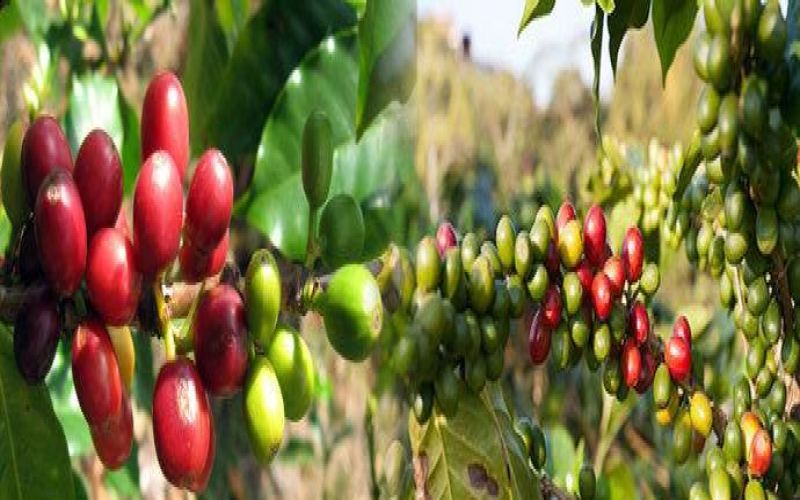
The Complete Guide to Mandheling Coffee: Sumatra Wet-Hulled Flavor, Variety Origins, and PWN Golden Mandheling Recommendations
Mandheling coffee is one of the most representative single-origin coffees from Sumatra, Indonesia, renowned for its full-bodied, intensely bitter profile, spicy and herbal notes, and its unique wet-hulled processing method. This article begins with the origin of the name "Mandheling," then explores the terroir of core producing regions such as Lake Toba and Mount Gayo in Aceh, Sumatra, analyzes common varieties like Tim Tim and Ateng, and explains how the wet-hulled process shapes the low-acidity, heavy-bodied cup. It also covers Indonesian green bean grading, the screening standards and certification information for PWN Golden Mandheling, as well as the product features of Front Street Coffee's Lintong Mandheling everyday drinking beans and PWN Golden Mandheling. Finally, it includes Front Street Coffee's moka pot brewing steps to help coffee enthusiasts gain a comprehensive understanding of Mandheling's flavor origins and ways to enjoy it. [more…]
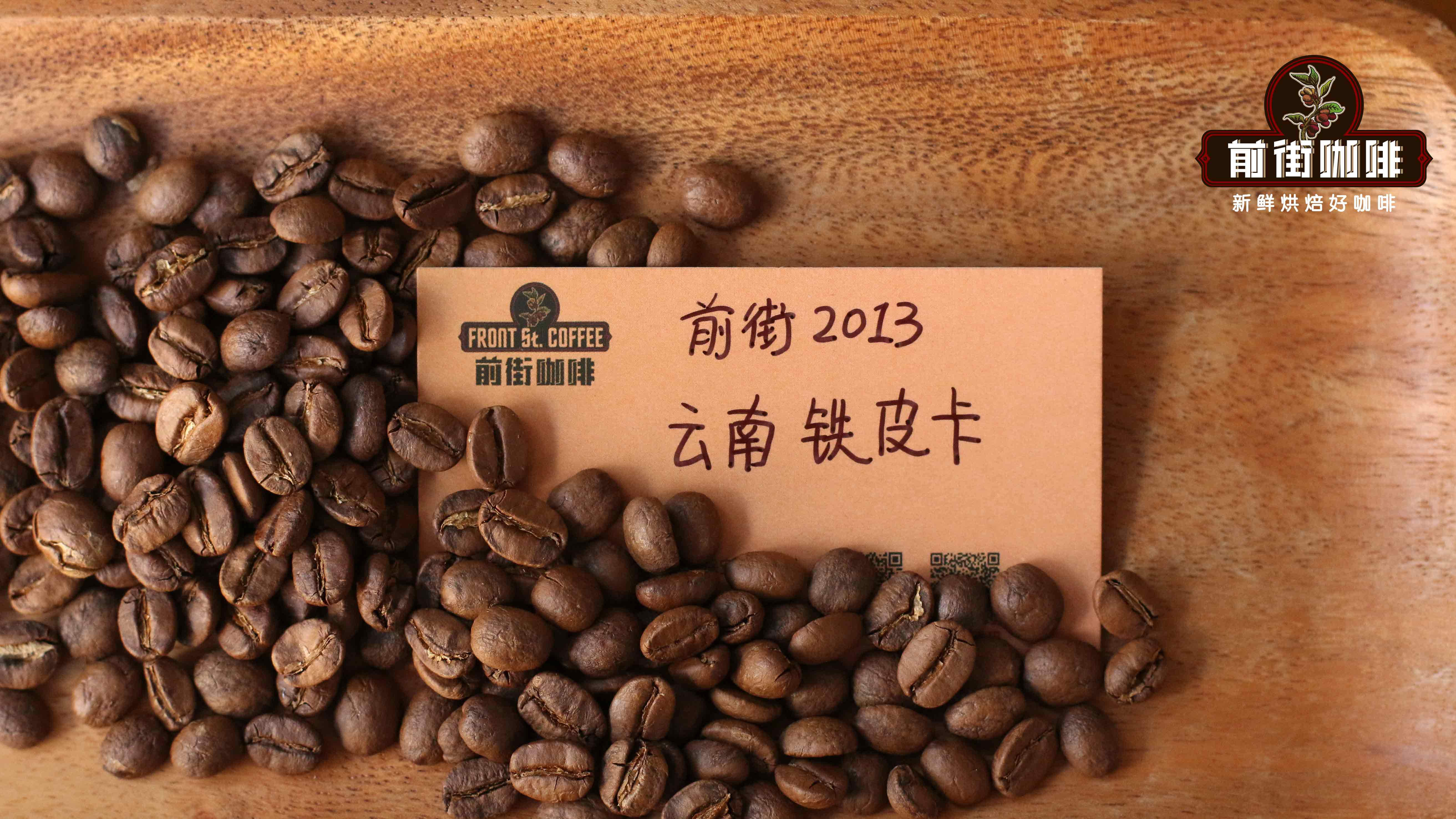
A Complete Analysis of Arabica Coffee Varieties: Typica Flavor Characteristics and Recommendations for Different Roast Levels
As the mainstay variety of specialty coffee, Arabica has given rise to numerous distinctive sub-varieties, among which Typica is one of the most representative ancient varieties. This article starts with the three major original species of coffee, providing a detailed introduction to Typica's origins, flavor characteristics, and cultivation challenges, and then extends to recommendations of representative coffee beans under different roast levels of Arabica. Whether you prefer the rich body of a medium-dark roast or the floral and fruity notes of a medium-light roast, the article offers specific Front Street brand product suggestions to help coffee lovers find the cup that suits their taste. [more…]
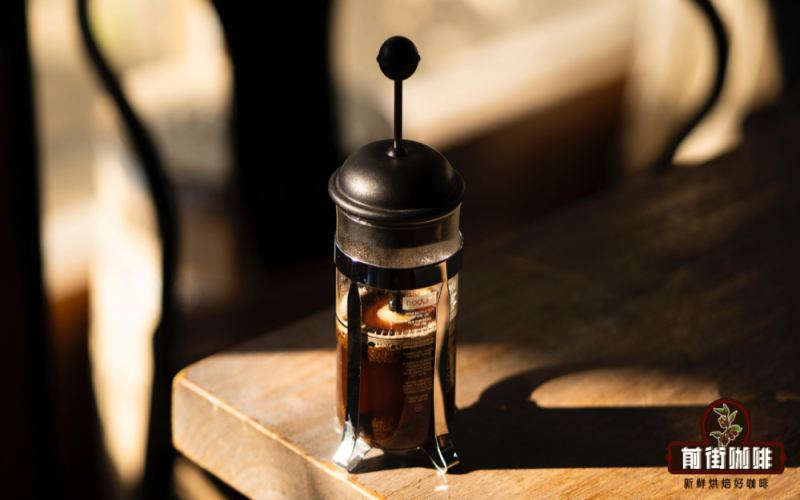
French Press Brewing Guide for Blue Mountain No. 1: From Jamaican Certified Zones to Clifton Farm Flavor Analysis
Want to easily make a rich, full-bodied cup of black coffee at home? A French press may be the most effortless and the best choice for bringing out coffee's true flavor. It's simple to use and highly forgiving, and it preserves almost the complete layers of coffee's flavor—though of course, that also means it demands higher quality and freshness from the beans. This article uses Front Street Jamaica Blue Mountain No. 1 coffee beans as an example, first helping you understand the authentic Blue Mountain coffee's regional certification, grading standards, and the background of Clifton Farm, then breaking down the French press brewing process step by step. From the coffee-to-water ratio, grind size, water temperature control, and pressing technique, every detail will be explained clearly, so you can reliably recreate at home a cup of Blue Mountain coffee interwoven with creamy chocolate and a caramel sweet finish. [more…]
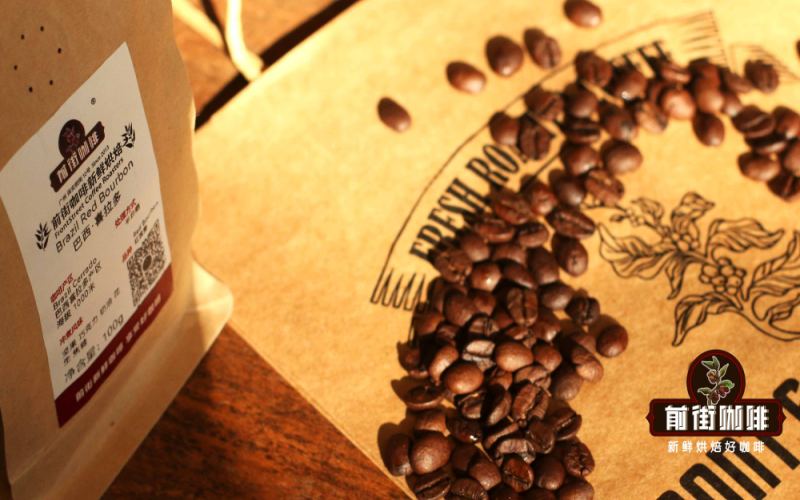
Indonesian Sumatra Golden Mandheling Drip Coffee: A Full Analysis of Medium-Dark Roast Flavor and Moka Pot Brewing
Front Street Golden Mandheling is produced in Sumatra, Indonesia, and is a premium choice within the Mandheling family. It presents herbal notes, caramel sweetness, and steady fruit acidity, with a rich, wild spice flavor and a lingering finish; even when released before second crack, it maintains excellent clarity and sweetness. This article will start from its flavor characteristics, screening process, and roasting interpretation space, explaining in detail the diverse extraction methods for this single-origin coffee, and focusing on the moka pot brewing steps and safety points to help enthusiasts better experience its sweet, mellow richness. [more…]
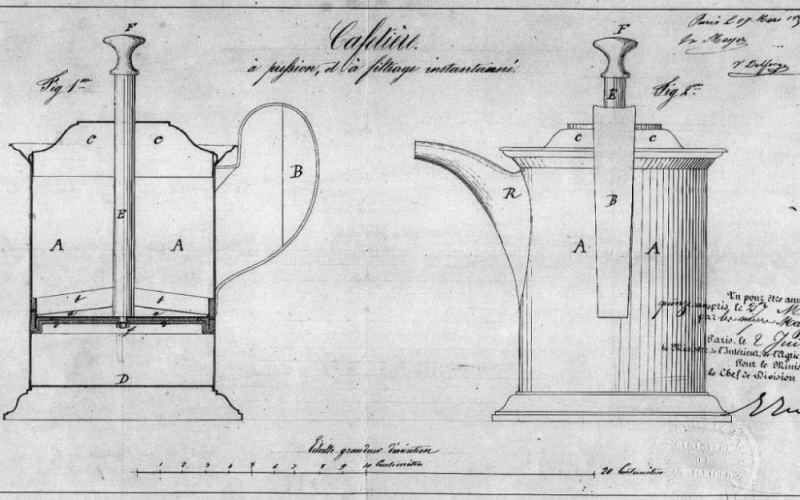
French Press | How to use a Starbucks French press and what coffee grind size? What flavor characteristics does Ethiopian Huakui coffee brewed in a French press have?
For more specialty coffee knowledge, please follow: Front Street Coffee (Frontsteet Coffee) Nowadays, discerning coffee enthusiasts who want to brew a standard pour-over coffee at home need to prepare a variety of tools: a gooseneck kettle, a server, a dripper, filter paper, a thermometer... Using them is quite a production, and when not in use [more…]
French Press Brewing Guide for Blue Mountain Coffee: Flavor Characteristics and Key Steps for Front Street Blue Mountain No. 1
The French press is one of the most convenient home coffee brewing devices, and it preserves coffee flavors fairly completely, which means it places high demands on bean quality and freshness. This article uses Front Street Jamaica Blue Mountain No. 1 coffee beans as an example to explain in detail how to use a French press, and analyzes the Blue Mountain coffee region regulations, grade classifications, the background of Clifton Farm, and Front Street roasters' medium-dark roasting approach. You will learn why Blue Mountain No. 1 is called the "Emperor of Coffee," how its dark chocolate, nut, and caramel flavors are steadily expressed in a French press, and the complete process from weighing beans and controlling water temperature to pressing and pouring. [more…]