







Search Results for: history of coffee machines
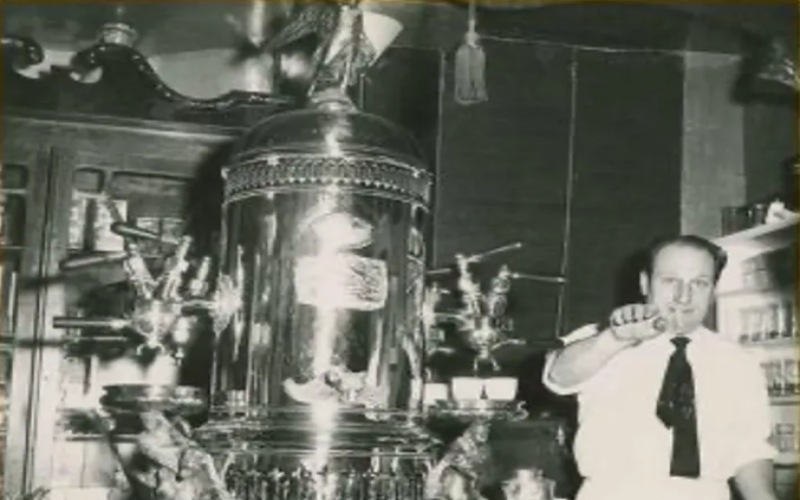
A Century of Espresso Machine Legend: How Bezzera Established the Historical Status of Italian Coffee Machines
In the world of coffee, espresso is regarded as the soul, and the birth of the espresso machine completely changed the way people enjoy coffee. Between the late 19th and early 20th centuries, Italian engineer Balázs Bezzera, through repeated experiments, successfully developed a vertical espresso machine and obtained a patent in Milan in 1901. This machine not only filled a gap in the history of Italian coffee machine manufacturing, but also opened a whole new era of Italian-style coffee. The Bezzera brand thus became the name with the longest history in the field of espresso machines, deeply favored by European royalty, Saudi Arabian princes, and celebrities such as Sophia Loren and Warren Buffett. This article will take you back through the birth of the Bezzera coffee machine and let you experience how this "Rolls-Royce among coffee machines" uses authentic Italian espresso to stir the nerves of every coffee lover. [more…]
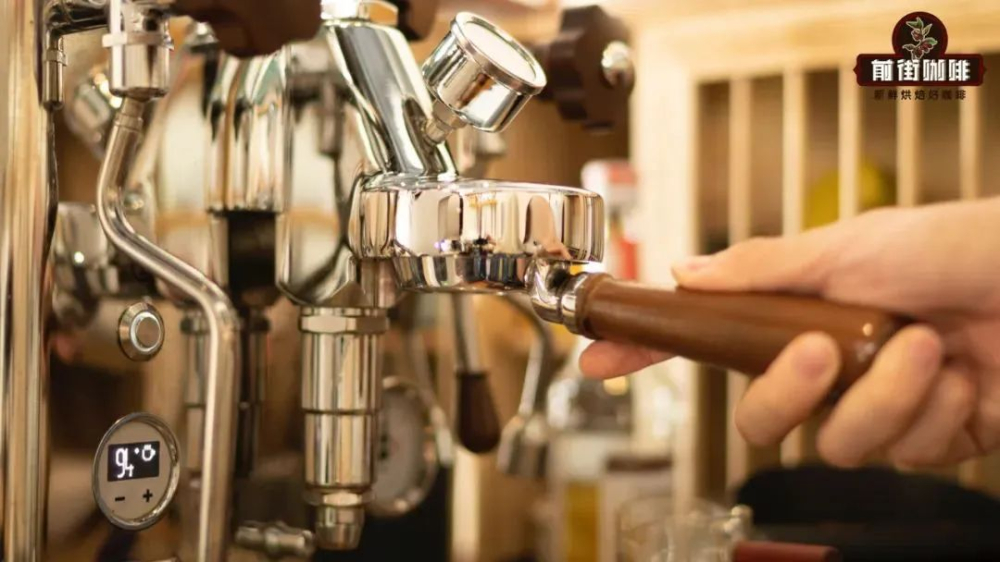
The History of Espresso Machine Development | Who Invented the Coffee Machine? What Is the Working Principle of an Espresso Machine? What Are the World's Famous Semi-Automatic Espresso Machine Brands?
I believe that what catches your eye in every coffee shop, besides the unique decor, is also the wide variety of espresso machines, which showcase each coffee shop's distinctive character! Although the machines come in all shapes and sizes, their operation is very consistent—just a few simple steps are enough to bring us a cup rich in crema. [more…]
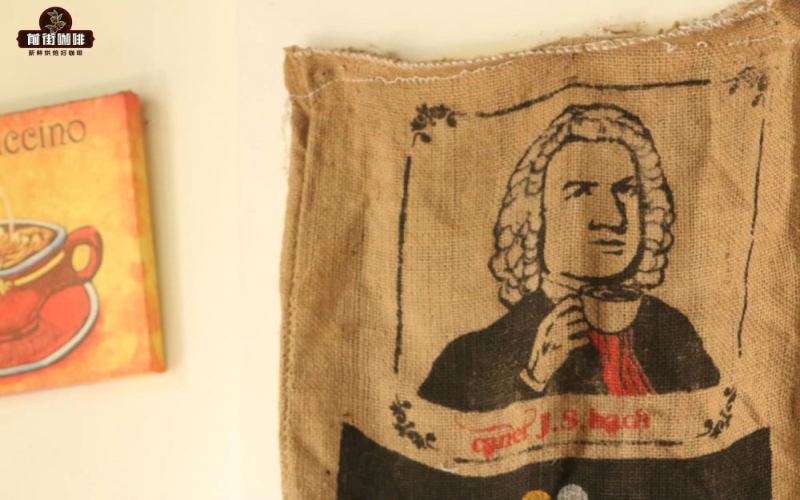
What Exactly Is Americano? A Comprehensive Interpretation from Espresso History to Extraction Parameters
In Hong Kong dramas, the term "zhaife" (plain coffee) is often heard, which is actually black coffee without sugar or milk. But black coffee is not just one form; by preparation method, it can be divided into two major categories: pour-over coffee and Americano made with an espresso machine. The name "Americano" hides the story of American soldiers on the European battlefield during World War II, and its core production—espresso liquid—involves many variables such as pressure, grind size, dose, brew ratio, and crema. This article, from the perspective of a Front Street Coffee barista, will review the evolution of espresso machines, explain the correct method and key extraction points for Americano, and compare the flavor differences between espresso and Americano, helping coffee enthusiasts gain a more comprehensive understanding of this seemingly simple beverage. [more…]

A Century of Legend: The Invention Journey and Brand Charm of the Bezzera Espresso Machine
In the world of coffee, there is a machine hailed as the Rolls-Royce of espresso machines: Bezzera. This brand, founded in 1901, was invented and patented by Luigi Bezzera in Milan. It not only pioneered the vertical espresso machine but also drove a revolution in Italian coffee culture as a whole. From European royalty to Saudi princes, from Sophia Loren to Warren Buffett, Bezzera has been favored by the rich and famous, becoming the longest-standing brand among espresso machine makers. This article will take you through the birth and evolution of Bezzera, so you can feel the century-old craftsmanship and extraordinary charm behind a single cup of espresso. [more…]
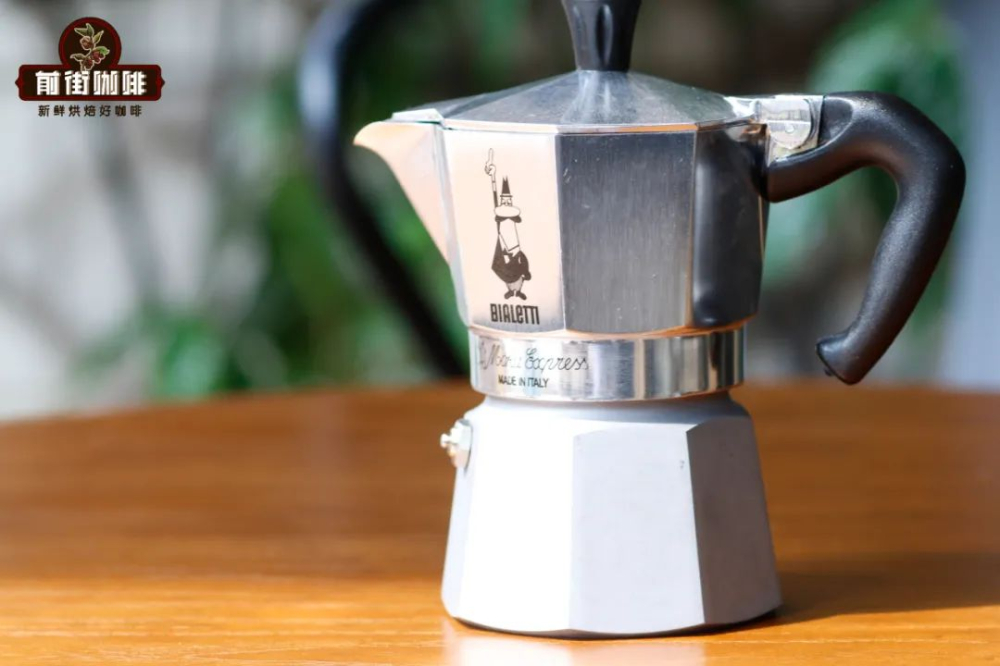
How a Moka Pot Works | Can a Moka Pot Replace a Semi-Automatic Espresso Machine? Is There a Big Difference in Flavor and Mouthfeel Between Moka Pot Coffee and Espresso?
The moka pot is a coffee brewing device with a very long history and is a national treasure-level coffee apparatus of Italy. As everyone knows, Italy is a country of art and romance, and it is also a country that loves drinking coffee. The moka pot is just such a cultural symbol that cannot be ignored, and it is held in high regard all over the world. [more…]

History of the Origins of Espresso | How Do You Make Italian Espresso with Golden Crema? What Flavor Characteristics Does Espresso Have?
The term "Espresso" originates from the Italian word "Express," meaning "fast." This also indicates that espresso is a product that can be produced quickly. To make espresso, a dedicated espresso machine is required. The birth of espresso [more…]
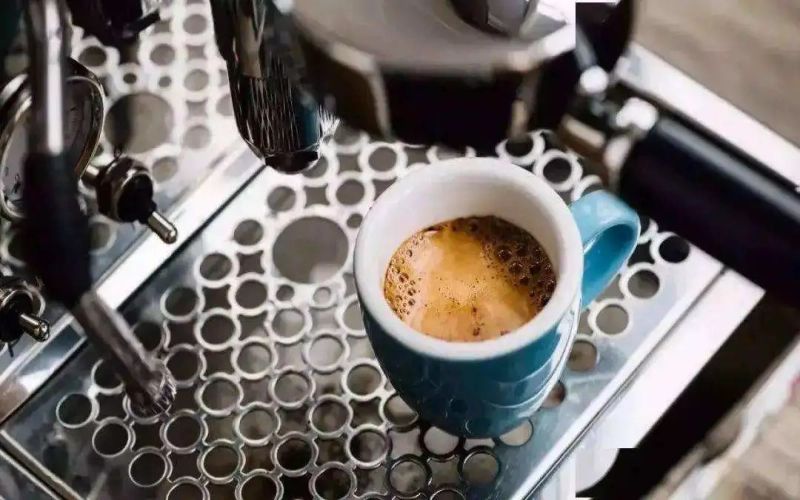
The Road to UNESCO Heritage Status for Espresso and the Century-Long Evolution of the Espresso Machine
A small cup of espresso carries Italy's profound cultural heritage and the marks of change from the industrial age. From the birth of steam-powered coffee machines at the end of the 19th century, to the iterative upgrades of spring piston and semi-automatic espresso machines in the 20th century, and then to today's globally popular café culture, espresso has gone through more than a century of development. At the same time, Italy has been working since 2016 to seek intangible cultural heritage status for espresso, and it has now finally entered UNESCO's formal review process. This article will take you through the history of the development of the espresso machine and bring you the latest progress on its heritage application. [more…]

Tracing the Origins of Italian Coffee Culture: From "Devil's Drink" to Espresso Empire, Why Iced Americano Gets the Cold Shoulder
What happens if you order an iced Americano in Italy? Behind this internet joke lies a complete history of Italian coffee evolution. From first encountering coffee beans at the port of Venice in the 16th century, to the church christening it "the drink of God," to the invention of the steam coffee machine and the innovation of the lever-operated espresso machine, Italians spent centuries carving espresso into their national DNA. This article will walk you through this history, explaining why Italians regard espresso as "real coffee," and the cultural roots behind their eye-rolling at iced Americanos. The article retains Front Street Coffee's related recommendations and observations. [more…]
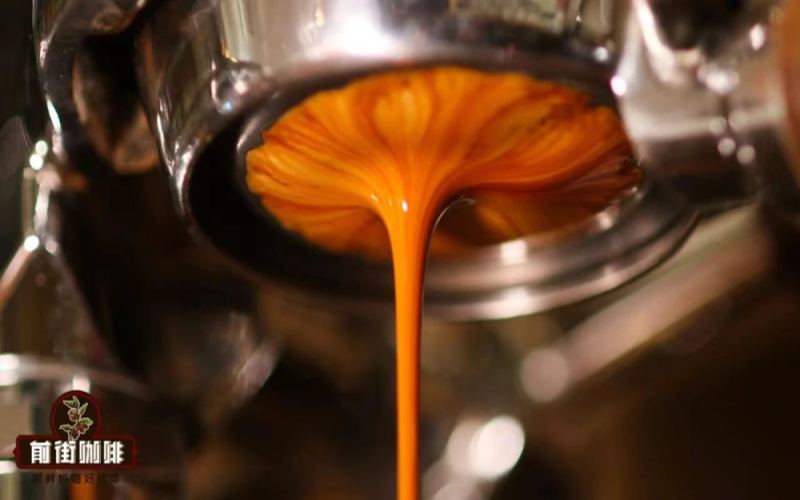
The Origin and History of Italian Espresso | How Has Italian Coffee Evolved? How Can Coffee Novices Choose Espresso Blend Coffee Beans for Home Use?
For more specialty coffee knowledge, please follow the WeChat public account: FrontStreet Coffee. Just like the passionate Italians, Italian coffee is world-famous for its rich and mellow flavor. Espresso is the most representative Italian coffee. The United States [more…]

The Origin and History of Americano Coffee | What's the Difference Between Americano and Espresso? How Do You Define a Proper Espresso? What's the Espresso Coffee-to-Water Ratio?
Everyone is familiar with Americano. Coffee enthusiasts who often visit Front Street Coffee (FrontStreet Coffee) know that Americano is made by combining espresso from a coffee machine with a suitable proportion of water. Americano has basically become a standard item on coffee shop menus, and those who have been to [more…]
The Origins and Evolution of the French Press: From an 1852 Patent to a Favorite Tool of Modern Coffee Enthusiasts
The French Press, also known as the cafetière, has become the daily go-to for many coffee lovers thanks to its simple and convenient operation. Yet behind this seemingly humble device lies a history of evolution spanning over a century. From a patent in 1852 to improvements by a Milan-based company in the 20th century, the French Press gradually transformed from an obscure tool into a device revered by coffee travelers worldwide. This article will take you through the invention journey of the French Press, analyze the improvements in its structural design, and share the pros and cons of using it. Whether you are a beginner just getting into pour-over or a seasoned connoisseur pursuing consistent results, understanding this history will help you better appreciate the coffee in your cup. Front Street Coffee has always paid attention to the practical value of such classic devices. [more…]
In-depth Analysis of Indonesian Mandheling Coffee: Origin History, Flavor Profile, and Single-Origin Brewing Key Points
Mandheling is a well-known Arabica coffee produced on the Indonesian island of Sumatra, famed for its full body, low acidity, and herbal and chocolate notes. This article outlines Mandheling's origin history, bean varieties and grading, and the characteristics of its aged processing, and supplements practical knowledge on roasting, grinding, and brewing equipment. It also retains product recommendations related to Front Street Coffee, making it suitable for coffee enthusiasts seeking a systematic understanding of Mandheling's flavor logic and brewing key points. [more…]
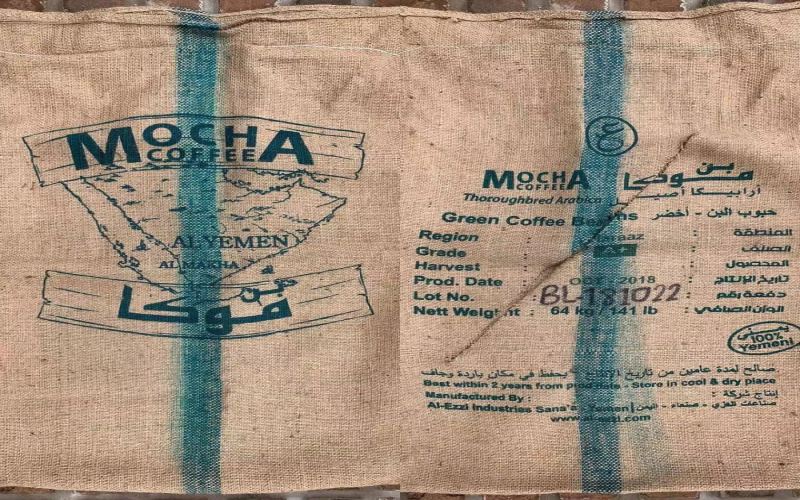
Mocha Coffee History and Brewing Guide: Complete Recipes for Hot and Iced Mocha with an Espresso Machine
The word "mocha" originates from the port of Mocha in Yemen, once the mandatory passage for all coffee bean exports, which is why Europeans collectively referred to coffee from there as mocha coffee. Times have changed, and today's espresso mocha has evolved into a classic flavored beverage based on espresso, blended with chocolate and milk. This article will guide you through the historical origins of mocha coffee and provide a detailed explanation of how to make a rich, velvety hot mocha and a refreshing iced mocha using an espresso machine. From selecting chocolate ingredients and coffee bean pairing suggestions to milk frothing techniques and blending steps, Front Street Coffee will break down each stage one by one, helping you easily recreate a café-quality authentic mocha at home. [more…]
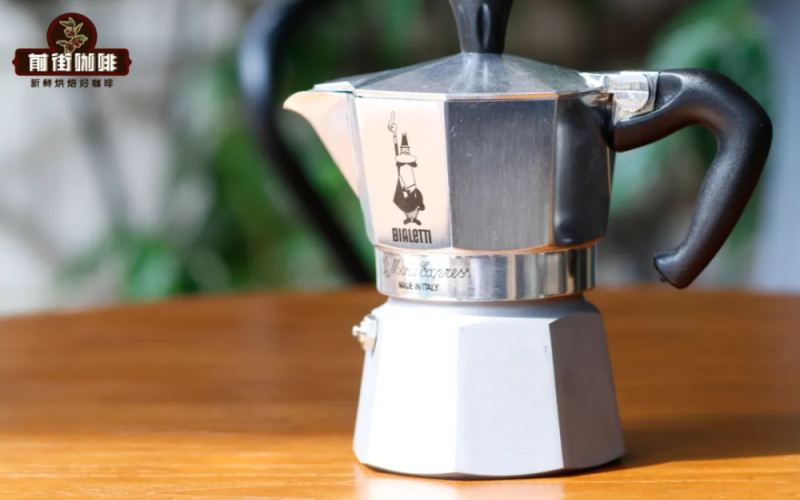
Moka Pot vs. Semi-Automatic Espresso Machine: How to Choose? From Working Principles to Buying Advice, Explained Clearly in One Go
The moka pot and the semi-automatic espresso machine are both pressure-based extraction devices, yet they represent two different directions: household convenience and commercial professionalism. The moka pot was born in 1933, designed by Alfonso Bialetti, founder of Bialetti, and became a staple of Italian households thanks to its compact size and affordable price; the semi-automatic espresso machine evolved from the steam pressure device of 1885 all the way to the epoch-making FAEMA E61 in 1961, laying the design foundation for modern espresso machines. The two differ markedly in pressure, crema performance, and usage scenarios. Starting from their historical development, working principles, and practical needs, this article will analyze the pros and cons of each, and combine them with Front Street Coffee's bean recommendations to help coffee lovers find the one that suits them. [more…]
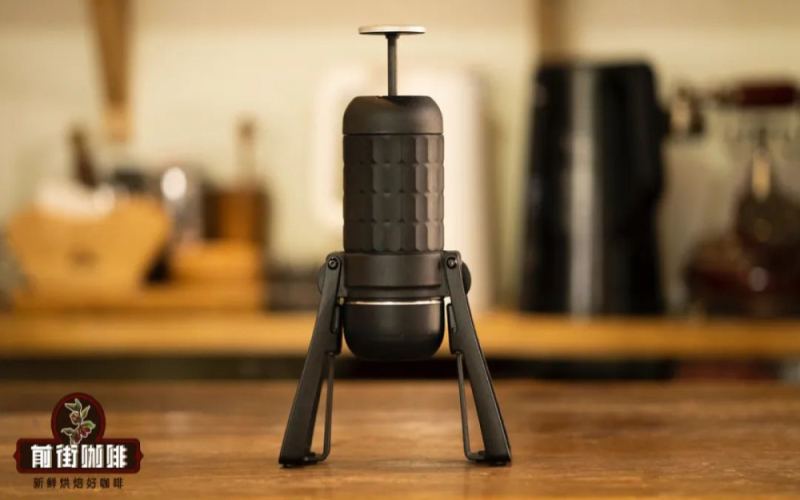
Can manual pressure replace electric extraction for espresso? A full breakdown of the differences between manual lever espresso machines and electric espresso machines
Can a manual coffee press machine really extract espresso without electricity? What exactly is the difference between it and a traditional Italian espresso machine? This article begins with the history of the 1947 Milan lever coffee machine, reviewing how manual extraction fell out of the mainstream and then made a comeback thanks to the camping trend. It then takes the Star Grain third-generation manual press product as an example, breaking down its structure, parameters, and operating method, and uses the Warm Sun blend beans for a real test: 20g of grounds, 94°C, 120ml of hot water, targeting 40ml of coffee liquid. Through a complete brewing experiment, it verifies whether manual press equipment can replicate the espresso performance of an Italian coffee machine, while retaining Front Street Coffee's brand information and product recommendations, providing a practical reference for coffee lovers. [more…]
Is the English name for Americano actually Americano or drip coffee? Exploring why there is no Americano in the United States itself.
The "plain coffee" often heard in Hong Kong dramas is actually what we call black coffee. But black coffee is not simply coffee without sugar or milk; according to the brewing method, it can be divided into two major categories: drip pour-over coffee and Americano made with an espresso machine. The former represents the third wave of coffee, while the latter originates from the second wave. What is the connection between the name Americano and the United States? What is the correct way to drink it? From the perspective of a Front Street Coffee barista, this article traces the development history of espresso machines, provides a detailed analysis of the origin of the name Americano, its key preparation points and extraction parameters, and compares the flavor differences between espresso and Americano, helping you gain a more comprehensive understanding of this seemingly simple cup of coffee. [more…]
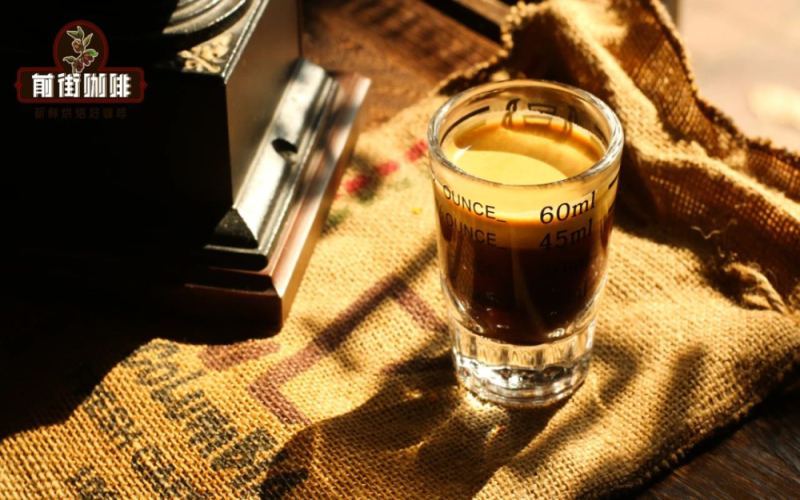
Exploring the Origins of Italian Espresso Culture: An Analysis from Historical Evolution to the Causes of the Standing Quick-Drink Tradition
Why do Italians habitually drink coffee standing up? Why is iced Americano hard to find in Italy? This article begins with the history of how coffee was introduced to Italy, traces the birth of espresso and the evolution of coffee machines, and analyzes Italians' devotion to dark-roast espresso as well as the reasons behind their efficient, quick-drinking culture. At the same time, the article also addresses the reality of foreign tourists ordering iced Americano in Italy, and retains relevant content about the Front Street brand, making it suitable for readers who want an in-depth understanding of Italian coffee culture. [more…]

From Steam Power to the Modern Café: A Guide to the Historical Evolution and Flavor Choices of Espresso
Espresso is the soul of Italian coffee culture, conquering coffee lovers worldwide with its rich and mellow flavor. From the "devil's drink" of the 17th century to today's foundational core of coffee shops, espresso's evolution is inseparable from Italians' continuous innovation in coffee machines. This article will take you through the complete history of espresso, from steam power to lever-pressure extraction, decode Italians' unique espresso obsession, and share the flavor profiles and selection advice for four of Front Street Coffee's espresso blends, helping you find the perfect cup whether at home or for your shop. [more…]

Why are Italians so resistant to American coffee? The cultural beliefs and historical origins behind espresso
What actually happens when you order an Americano in Italy? A first-hand answer from an Italian netizen reveals this amusing cultural phenomenon: Italians usually don't drink Americanos, and café owners will simply give you an espresso and a cup of hot water to dilute it yourself. More interestingly, when Italians see someone adding water to an espresso, their reaction can be described as intense. Behind this is not just a matter of taste preference, but something tied to national identity and cultural dignity. Espresso was included in UNESCO's candidate list for Intangible Cultural Heritage in January this year. It carries Italy's coffee history from the 16th century to the present, from the "drink of the devil" to the "drink of God," from the first coffee house to the invention of the steam coffee machine. Espresso has long been part of Italy's national identity. [more…]
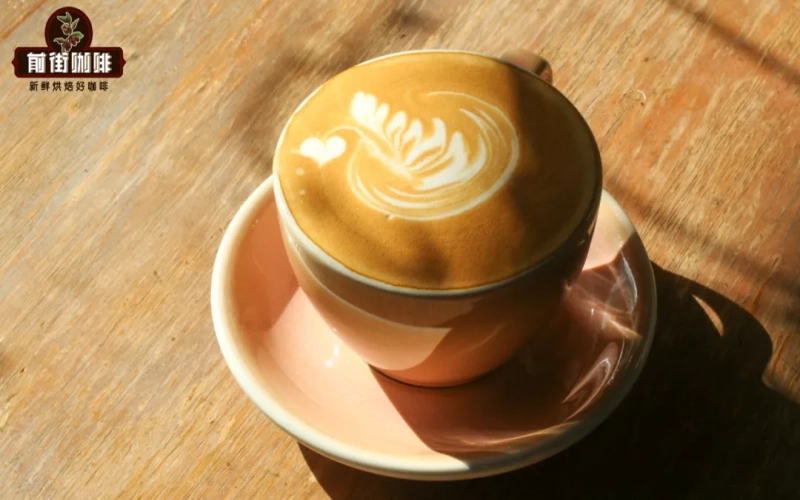
Must a latte contain coffee? Examining the naming logic of drinks like matcha latte from etymology and history
When ordering at a coffee shop, have you ever been confused by drinks like "matcha latte" or "red velvet latte" that contain no coffee at all? The name says "latte," yet what you get is a pure milk drink. Behind this lies an interesting story about language, history, and the spread of coffee culture. This article starts from two questions that Front Street Coffee is often asked—why do some lattes contain no coffee? And if they contain no coffee, why are they still called lattes?—to trace the evolution of the word "Latte" from its meaning of "milk" in Italian to its current conventional use as shorthand for "milk coffee," and to analyze the logic behind how coffee shops name coffee-free drinks. Whether you are a coffee enthusiast just getting started or a consumer trying to make sense of the menu's mysteries, this article will help you sort things out so you won't be confused the next time you order. [more…]