







Search Results for: hill

Analysis of the Causes of the Final Small Hill in Siphon Coffee: A Comprehensive Explanation of Stirring Techniques and Common Misconceptions
When brewing siphon coffee, after turning off the heat, stir with a stirring rod in one direction; as the coffee liquid flows back down into the lower chamber, the grounds layer in the upper chamber often rises into a rounded "little hill." Many people regard this action as an essential finishing move in siphon brewing, and some even say, "the taller the hill, the better the taste." Front Street Coffee will break down this phenomenon from the level of principle: what exactly is the purpose of stirring in one direction? How does the little hill form? And what factors affect its height? It will also explain that the presence or absence of the hill is not a criterion for judging whether coffee tastes good. It is essentially just one of many siphon techniques, and understanding the logic behind it is more important than blindly imitating it. [more…]

Rwanda Coffee: The Bourbon Sweetness of the Land of a Thousand Hills
On the map of East African coffee, Kenya's bold fruit acidity and Ethiopia's floral aromas have long been famous, while Rwanda, a small landlocked country tucked between the two, is like a quiet overachiever, quietly winning fans with its delicate sweetness and cleanliness. This country, known as the "Land of a Thousand Hills," has planted Bourbon varieties across its rolling mountains. [more…]
An Analysis of the Characteristics of Jamaica Blue Mountain Coffee Producing Regions: Flavor Differences Between Clifton and Silver Hill Estates and Current Market Conditions
Jamaican Blue Mountain coffee is hailed as one of the coffees grown under the most favorable conditions in the world, yet its production area is limited, and true Blue Mountain coffee comes only from a specific region. This article will guide you through the history and evolution of Blue Mountain coffee, the terroir characteristics of the Portland and St. Thomas production areas, the differences between Clifton and Silver Hill estates, and the current monopoly of the Japanese market on Blue Mountain coffee. At the same time, Front Street Coffee has carefully selected authentic Blue Mountain flavor for you, so you can experience the unique charm of the Caribbean highlands. [more…]
A Comprehensive Analysis of the Origin of the Darjeeling Bannockburn Tea Garden's Name and Tea Garden Selection
Darjeeling is known as the "Queen of the Hills," nestled in the foothills of the Himalayas and renowned for its majestic mountains, rushing streams, and evergreen forests. Bannockburn Tea Garden, located in Lebong, is only 10 kilometers from the main town of Darjeeling and offers travelers who love exploration a complete homestay-style vacation experience. Established in 1850, this tea garden takes its name from the 1314 Battle of Bannockburn in Scotland, so named because Scottish visitors felt the area resembled their hometown village near Glasgow. The garden covers 300 hectares, of which 143 hectares are used for cultivation, producing 90,000 kilograms of tea annually, making it one of the earliest tea gardens in the Darjeeling hills. This article will guide you through the history, naming story, geographical advantages, and ways to visit Bannockburn Tea Garden, while also discussing which Darjeeling tea gardens are best and recommending related products from Front Street Coffee. [more…]
The Coffee Code of the Land of a Thousand Hills: Flavor Map of Rwandan Bourbon and Analysis of Its Washed Process
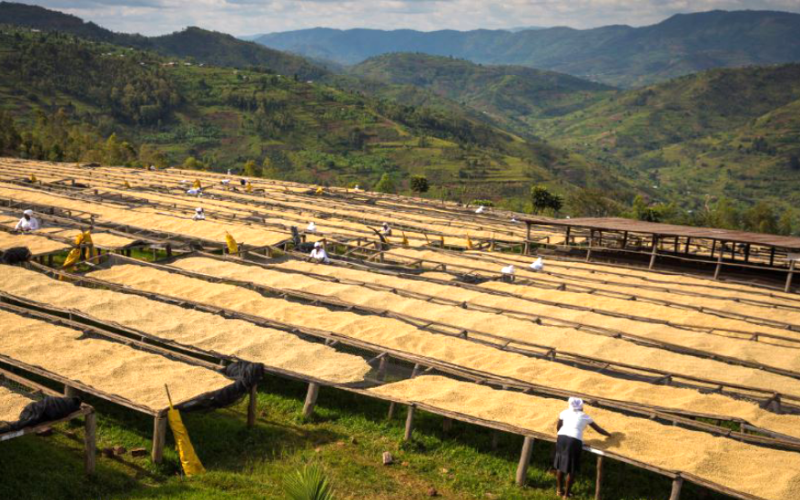
Rwanda, with its high altitude, volcanic soil and abundant sunshine, has become a producer that cannot be overlooked on Africa's specialty coffee map. Over ninety percent of the local coffee trees are Bourbon and its hybrid varieties, with washed processing as the mainstream, presenting multi-layered flavors of floral notes, citrus, berries and green tea. From Huye in the south to the shores of Lake Kivu in the west, different producing regions each have their own characteristics. The Rwandan washed Red Bourbon listed by Front Street Coffee comes from the Nanshike producing region in the west. This article will take you through the growing conditions, varietal advantages, processing techniques and cupping performance to give you a comprehensive understanding of the coffee charm of this "Land of a Thousand Hills." [more…]
A Complete Guide to Rwanda's Coffee Regions: From the Terroir of the Land of a Thousand Hills to Bourbon and Mibirizi Varieties
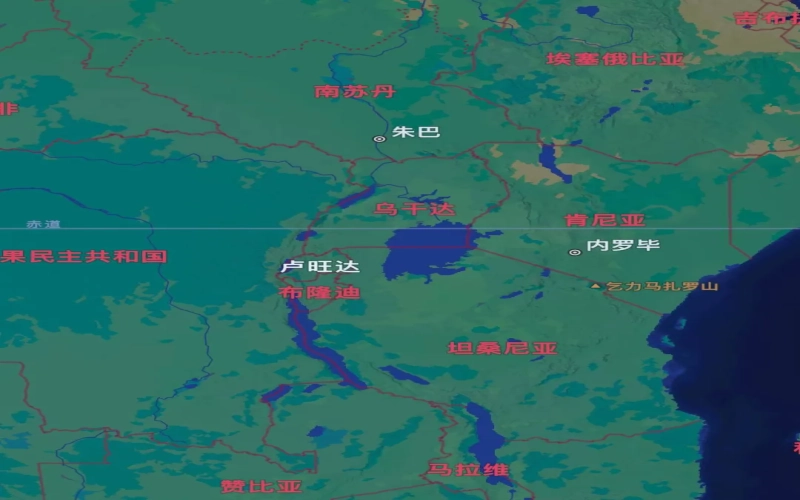
In the African specialty coffee landscape, Ethiopia and Kenya often take the spotlight, yet Rwanda, an inland highland nation known as the "Land of a Thousand Hills," also produces surprisingly remarkable coffee. Rwanda sits on the East African plateau at an elevation of about 1,600 meters, with a tropical highland climate and abundant rainfall that provide ideal conditions for coffee cultivation. Its growing regions can be divided by province into Muhazi, the Lake Kivu area, Huye, and Virunga, among others, with the harvest period mostly concentrated between March and August. In terms of varieties, Bourbon and Mibirizi, Rwanda's oldest variety, dominate, with a small amount of Jackson also planted. This article will guide you through a systematic understanding of Rwanda's national character, the distribution of its coffee regions, and the characteristics of its main varieties, so you can experience the unique charm of this country's coffee. [more…]
Coffee Revival in the Land of a Thousand Hills: An Analysis of Rwandan Coffee Bean Flavor Characteristics and Regional Processing Methods
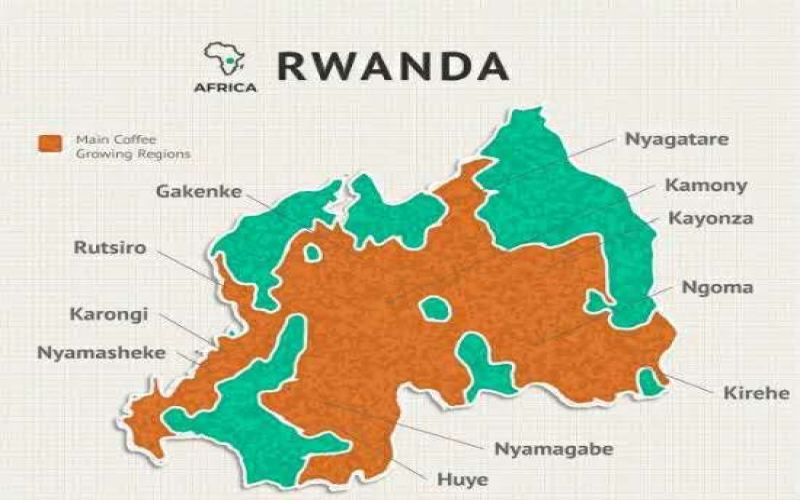
Rwanda is known as the "Land of a Thousand Hills," where high altitudes, volcanic soil, and abundant sunshine provide exceptional conditions for coffee cultivation. Yet the coffee industry in this heart of Africa endured the dual blows of colonial suppression and ethnic tragedy, only gradually reviving after independence. Today, Rwanda centers on the Bourbon variety and relies on meticulous washed processing to craft a bright flavor profile interwoven with floral notes, citrus, and berries. The Giseke coffee beans launched by Front Street Coffee come from the Nyamasheke region on the shores of Lake Kivu in the west, roasted at a medium-light level to present its fresh acidity and rich layers. This article will comprehensively decode the flavor secrets of Rwandan coffee, from its historical context and regional distribution to varietal characteristics and processing details. [more…]

How does a siphon coffee ground bed form a small mound? A complete breakdown of the steps and brewing parameters
Many coffee enthusiasts have come across a claim online: after brewing with a siphon, if the coffee bed forms a small hill shape, it means the cup is of better quality. However, in practice, most people end up with a flat coffee bed. So how exactly can you get a siphon to produce a hill-shaped coffee bed? Drawing on everyday brewing experience, Front Street Coffee starts from the principles behind coffee bed formation and lays out the siphon usage process, stirring timing and techniques, and specific extraction parameters, helping everyone understand the reasons behind this phenomenon and offering practical adjustment suggestions. [more…]
Flavor Characteristics of Rwandan Coffee Beans and the Story of Rebirth in the Land of a Thousand Hills: From Genocide to the Rise of Specialty Coffee
Rwanda, known as the "Land of a Thousand Hills," is a prominent African coffee-producing country after Kenya and Ethiopia. However, unlike these two countries with long histories of coffee production, Rwanda's coffee industry was rebuilt from the rubble of war and genocide. This article will guide you through Rwanda's coffee-growing environment, Bourbon varieties, washed processing techniques, and the industry's revival path from the PEARL program to Starbucks' "Blue Bourbon." At the same time, Front Street Coffee will share roasting and brewing recommendations for Rwandan washed Red Bourbon, allowing you to savor the bright citrus acidity and nutty chocolate sweetness while feeling the resilience and hope of this land reborn from the ashes. [more…]
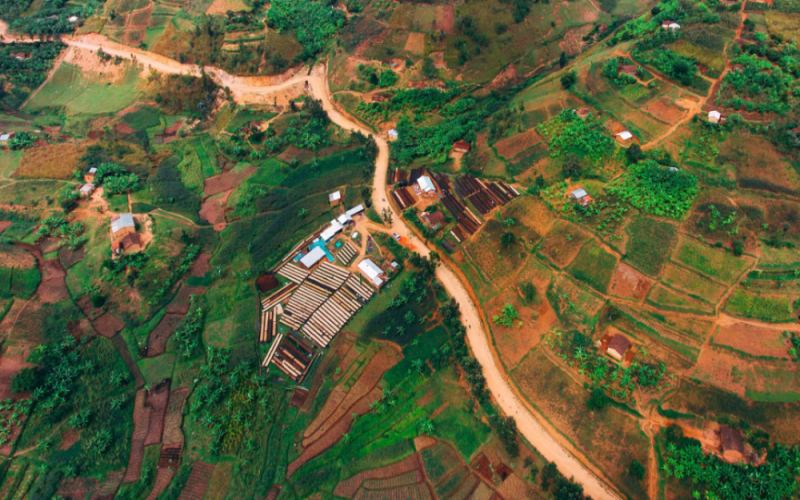
A Complete Analysis of Rwandan Coffee Regions, Flavors, and Varieties: The Charm of Washed Bourbon in the Land of a Thousand Hills
Rwanda, an African landlocked country known as the "Land of a Thousand Hills," nurtures refined and delicate Arabica coffee thanks to its high altitude, volcanic soil, and tropical highland climate. From the silence of the colonial period to the rise of specialty coffee, Rwandan coffee is mainly washed-processed, displaying plum, citrus, berry, and honey-like sweetness. Front Street Coffee (FrontStreet Coffee) continues to introduce Rwandan beans. This article will take you through the producing regions' characteristics, historical development, variety composition, and brewing parameters to fully understand the charm of Rwandan coffee, and explore the flavor codes of three bean varieties: Bourbon, Caturra, and Catuai. [more…]
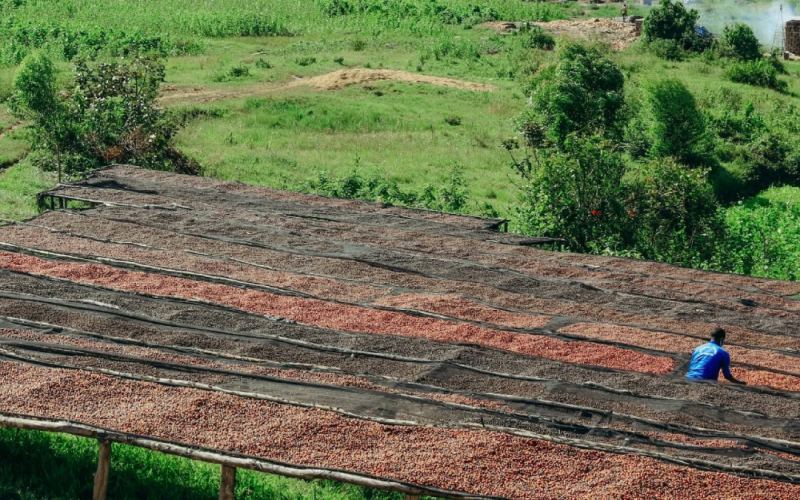
Land of a Thousand Hills Rwanda: Coffee Growing Conditions, Development History, and Bourbon Washed Flavor Analysis
Rwanda is known as the Land of a Thousand Hills. Its territory is mostly mountainous and highland terrain, with fertile volcanic soil, abundant rainfall, and mild temperatures, making it an ideal place to grow Arabica coffee. Coffee exports are the economic lifeline of this landlocked country. Front Street Coffee takes you through Rwanda's coffee-growing environment, the tortuous development path from the colonial period to independence, the differences between the main producing regions in the south and west, and the varieties and processing methods centered on Red Bourbon and washed processing. The article also includes Front Street Coffee's medium-light roast profile, cupping performance, and staged brewing parameters to help you fully grasp the flavor profile of this Rwandan washed Red Bourbon. [more…]

Flavor Analysis of Rwandan Coffee Regions: Bourbon Variety, Washed Processing, and the Unique Taste of the Land of a Thousand Hills
Although Rwanda is a small country in Africa, its high altitude, fertile volcanic soil, and suitable climate give rise to Arabica coffee with a uniquely tropical character. Its Bourbon varieties are known for their rounded bean shape, soft yet rich aroma, and fruity sweetness, while the washed process makes the quality consistently outstanding. The Huye mountain region in the south and the Nyamasheke area by Lake Kivu in the west present diverse profiles—floral and citrusy in one, juicy and aromatic in the other—owing to differences in terroir. Front Street Coffee's Rwandan washed Red Bourbon comes from Nyamasheke, at an altitude of 1,500 meters, where the Red Bourbon variety undergoes washed processing and delivers a clean, bright flavor. This article will guide you through Rwanda's coffee-growing regions, variety characteristics, processing methods, and cup profile. [more…]
The Coffee Path of the Land of a Thousand Hills: Flavor Characteristics of Rwanda's Producing Regions and an Analysis of Gaseke Washed Beans
Although Rwanda is located inland in central Africa, it boasts superior growing conditions such as high altitude, volcanic soil, and a temperate highland climate, and is known as the "Land of a Thousand Hills." However, the 1994 genocide and the sharp drop in global coffee prices once dealt a severe blow to its coffee industry. Since then, coffee cultivation has become an important pillar of economic recovery. Rwandan coffee is mainly Bourbon variety, with more than 90% processed by the washed method, and its flavor is known for floral notes, citrus, berries, and honey sweetness. The Gaseke coffee beans launched by Front Street Coffee come from the Nyamasheke region on the shores of Lake Kivu in the west, using a medium-light roast to highlight bright acidity and a rich mouthfeel. This article will systematically review the historical context, producing regions, variety characteristics, and processing techniques of Rwandan coffee, and include detailed information about Gaseke coffee. [more…]

Analysis of Rwandan Coffee Bean Flavor Characteristics and Processing Techniques: From the Land of a Thousand Hills to Front Street Coffee Cupping Notes
Rwanda is known as the "Land of a Thousand Hills," where high altitude, volcanic soil, and abundant sunshine give its coffee unique flavor potential. Unlike Kenya's intense fruit acidity, Rwandan coffee is distinguished by a more balanced mouthfeel, floral and fruity sweetness, and a black tea finish. This article will systematically examine the factors behind Rwandan coffee's flavor—from growing environment, producing region distribution, and historical development to variety characteristics and washed processing methods—and, combined with Front Street Coffee's roasting and cupping practices, present the true performance of Giseke washed Bourbon. [more…]
In which country is Darjeeling black tea produced? How much does this mountain city in India produce annually?
Darjeeling black tea is a specialty of the Darjeeling region in West Bengal, India. This hill town lies on the southern slopes of the Himalayas at an altitude of about 2,100 meters and is known as the "Land of Thunder." The local climate ranges from tropical to sub-alpine, and abundant rainfall and pronounced temperature differences create ideal conditions for tea tree growth. Tea gardens are mostly distributed on hillsides at an altitude of about 1,800 meters. Black tea cultivation is the pillar of the local rural economy, while crops such as rice, corn, and cardamom are also grown. As a famous hill resort, Darjeeling's development is supported jointly by tourism and tea. This article will introduce Darjeeling's geography, history, economic structure, and related product information recommended by Front Street Coffee. [more…]
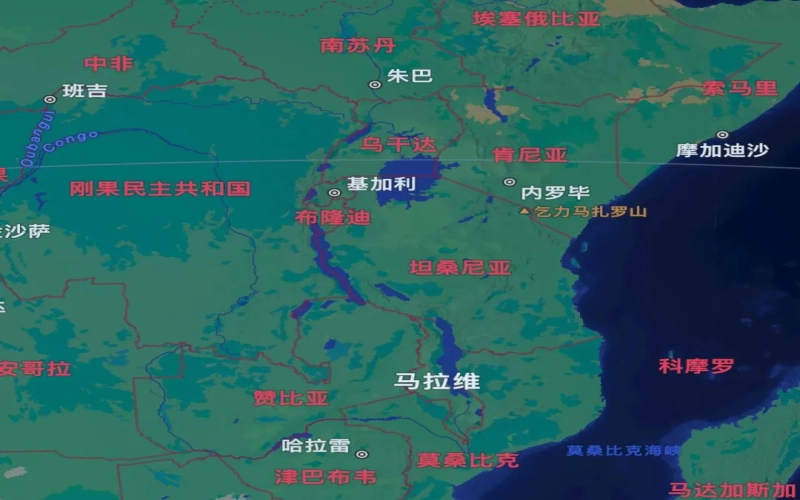
A Comprehensive Analysis of Coffee Producing Regions and Varieties in Malawi, a Landlocked Country in Southeast Africa
African coffee enjoys a stellar reputation in the global market, with Ethiopia recognized as its place of origin, while Malawi is likewise a producing country that cannot be overlooked. This landlocked nation in southeastern Africa, bordered by Tanzania, Mozambique, and Zambia, takes its name from Lake Malawi, the third-largest lake in Africa. Malawi has complex terrain, with the East African Rift running through the entire country; its tropical savanna climate, combined with abundant rainfall and diverse soils, provides ideal conditions for coffee cultivation. This article will guide you through Malawi's coffee-growing landscape, focusing on two well-known producing regions—the Misuku Hills and the Nkhata Bay Highlands—as well as major varieties such as Agaro, Geisha, Bourbon, and Catimor, and will also explain the operating model of smallholder cooperatives. [more…]
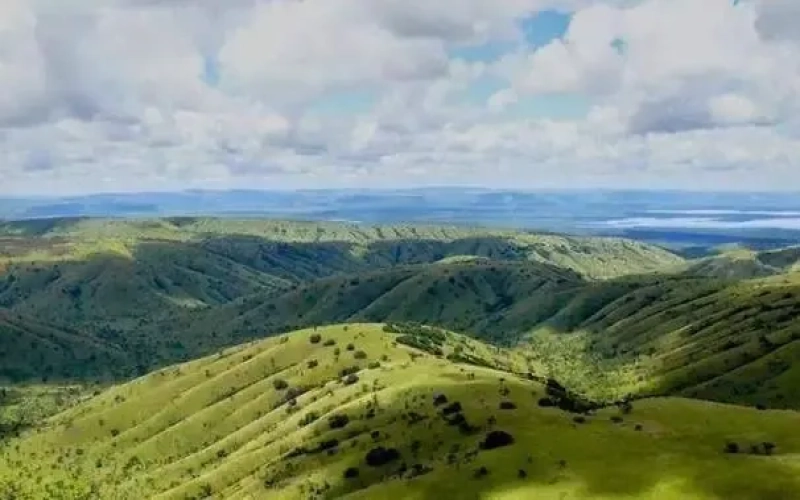
Rwanda's Lake Kivu Coffee Region: From Historical Turmoil to the Rise of Specialty Coffee
Rwanda, an East African highland country known as the "Land of a Thousand Hills," is claiming an increasingly important place on the global specialty coffee map. From coffee's introduction in 1904, to the post-1994 genocide effort to revive the economy through coffee, to breaking into the specialty market through the Cup of Excellence, Rwandan coffee has traveled an extraordinary road. Among its regions, the Lake Kivu production area—with its unique lake-and-volcano microclimate and benchmark washing stations such as Twumba—has become the emblem of Rwandan specialty coffee. This article takes you deep into the terroir code of the Lake Kivu region, along with related product information recommended by Front Street Coffee. [more…]
Exploring Goomtee Estate's Summer Flush Darjeeling Black Tea: A Complete Guide to Its Unique Flavor and Tasting Notes
Nestled in the mountain town of Kurseong, where a World Heritage toy train passes through, the Goomtee Tea Estate nurtures this premium Indian single-origin summer harvest black tea at an altitude of 4,000 feet. The liquor is a bright amber, with aromas interweaving apricot, plum, pomelo, and soft oak notes. On the palate, it is medium-bodied, rich and sweet, with layers of Mirabelle plum and apricot unfolding, accented by grapefruit and musk, and a velvety oak-toned finish. The dry leaves exude aromas of hazelnut, caramel, and cedar blended with ripe rambutan and almond nougat; the wet leaves hint at damp wood, vegetation, and peach. Paired with scones, croissants, or buttered toast, it makes for an unforgettable summer black tea experience. In this issue, Front Street Coffee will take you deep into this iconic tea estate, offering a complete interpretation of this Darjeeling summer harvest black tea's unique charm—from liquor, aroma, and appearance to food pairing—and sharing practical information for a Goomtee tea tourism getaway. [more…]
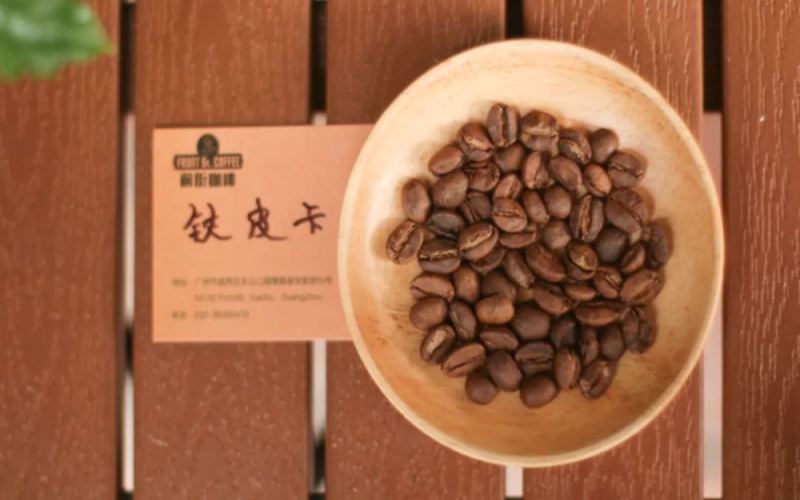
The Global Spread of Typica Coffee: From Ethiopia to Yunnan—Are Blue Mountain and Yunnan Coffee of the Same Origin?
Typica is one of the oldest varieties of Arabica coffee, and most of today's global Arabica production—accounting for seventy percent—can be traced back to the two original varieties, Typica and Bourbon. This article follows the spread of Typica, starting from its birthplace in Ethiopia, passing through Yemen's Mocha port, India's Baba Budan Hills, Indonesia's Java, Dutch greenhouses, and Caribbean islands, and finally reaching Brazil, Colombia, and Yunnan in China. Through this chronicle spanning several centuries, readers will not only learn how Typica shaped the global coffee industry landscape but also gain specific region-based purchasing advice. At the end, we especially recommend Front Street Blue Mountain No. 1, Front Street PNG Bird of Paradise, and Front Street 2013 Yunnan Small-Bean Sun-Dried Typica, helping coffee lovers understand Typica's unique charm from the source of its flavor. [more…]
Rwanda Bourbon Coffee Flavor Analysis: Fruity Sweetness, Washed Processing, and Butare Region Characteristics
Rwanda is known as the "Land of a Thousand Hills," and its Arabica coffee has been renowned worldwide for its unique fruity sweetness and grassy aroma since the 1920s. This article focuses on Front Street Rwanda Bourbon specialty coffee, describing its flavor from dimensions such as quality grading, recommended roast level, bean plumpness, acidity, and balance, and provides a detailed introduction to the growing altitude, Bourbon heirloom variety, and washed processing method of the Butare region. It also traces the development of Rwanda's coffee industry under government support and the promotion of cooperatives, as well as the highlight moment in 2008 when Rwandan washed Bourbon won the COE championship at the SCAA annual competition, offering you a comprehensive understanding of this African specialty coffee that combines soft richness with regional character. [more…]