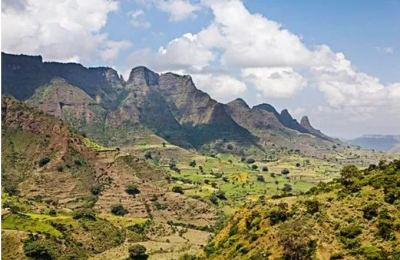
On the map of East African coffee, Kenya's bold fruit acidity and Ethiopia's floral aromas have long been renowned, while Rwanda, a small landlocked country sandwiched between the two, is like a quiet top student, quietly winning fans with its delicate sweetness and cleanliness. This country known as the "Land of a Thousand Hills" has planted Bourbon varieties across its rolling hills, crafting a uniquely soft flavor profile.

Growing Conditions in the Land of a Thousand Hills
Rwanda is mountainous throughout, earning it the title of the Land of a Thousand Hills, with coffee mainly grown on slopes at elevations of 1,500 to 2,000 meters. The high altitude near the equator brings a mild climate with significant day-night temperature differences, fertile volcanic soil, abundant rainfall, and well-drained slopes—all these conditions combined create an ideal environment for growing Arabica. Coffee is mostly grown by hundreds of thousands of smallholder farmers in scattered plots, then collected at washing stations across the country for centralized processing. The tradition of meticulous management of small plots has unexpectedly contributed to quality.
Bourbon-Dominated Variety Foundation
The genetic foundation of Rwandan coffee is remarkably pure—Bourbon occupies the vast majority of planted area. This heritage variety doesn't produce high yields, but it gives Rwandan beans their signature sweetness and rounded texture: soft red apple, citrus, and peach-like fruit notes on entry, with brown sugar, caramel, and light cream-like sweetness emerging mid-palate, gentle and non-aggressive acidity, rounded body, and a clean finish. The overall style is not as explosively acidic as neighboring Kenya, leaning more toward balanced sweetness—for example, the bright cherry tomato and smoked plum acidity found in Front Street Coffee's Kenya Small Tomato is rarely seen in Rwandan beans, which are more like a gentle cup of fruit tea.
Processing Methods and Development History
Rwanda traditionally uses washed processing, mostly with raised-bed sun-drying, and the well-ventilated environment gives the beans outstanding cleanliness. In recent years, natural and honey-processed lots have been increasing, offering richer fruit aromas and fuller sweetness. After experiencing setbacks in the 1990s, the Rwandan coffee industry was rebuilt and quickly recovered with international aid and cooperative models. Washing stations in multiple producing regions have repeatedly received high praise in cupping competitions—Malaba, Mount Huye, and the Lake Kivu area are all names worth noting.

Brewing and Tasting Recommendations
Rwandan Bourbon has a balanced structure and high brewing tolerance. For medium-light roasts, we recommend 90°C water temperature, medium-fine grind, and a 1:15 to 1:16 coffee-to-water ratio; a three-pour method will bring out clean fruit acidity and sweetness. For medium-dark roasts, around 88°C water temperature is suitable to highlight the sweet, creamy caramel texture. Due to its gentle acidity, it's also very suitable for drinkers just transitioning from dark roasts to light-medium roasts, and it works equally well as iced pour-over or cold brew.
Bourbon grown among a thousand hills has no dazzling marketing story, yet it proves its worth with a cup of clean, sweet coffee. Beyond the halos of Kenya and Ethiopia, Rwanda deserves a serious try from every enthusiast who enjoys gentle fruit acidity and solid sweetness.
The above content is compiled by CoffeeHunters, a coffee news website.