







Search Results for: high-grown black tea
A Complete Analysis of the Seven Major Ceylon Black Tea Producing Regions: Flavor Characteristics of Uva Highlands and the Historical Origins of the Tea Estates
Since its introduction from China in the 19th century, Ceylon black tea has gradually grown into a major force in the world of tea, with its seven major production regions each possessing distinctive terroir characteristics. This article systematically traces the development of Sri Lankan black tea and its key milestones, and categorizes the regions by elevation into high-grown, medium-grown, and low-grown, introducing one by one the distribution and characteristics of core production areas such as Nuwara Eliya, Uva, Dimbula, Kandy, and Ruhuna, with particular focus on the unique flavor and tea garden stories of Uva high-grown black tea. It also includes Ceylon black tea purchasing recommendations from the Front Street brand for the reference of coffee and tea enthusiasts. [more…]
How Does Altitude in Ceylon Black Tea Regions Affect Flavor? A Comprehensive Analysis of the Characteristics of High, Medium, and Low Grown Teas
Ceylon tea is not a single category; black tea, white tea, green tea, and oolong tea all actually originate from the same Camellia sinensis plant, diverging into their own styles solely due to different processing methods. Sri Lanka's tea regions are divided by altitude into three major types: high-grown, mid-grown, and low-grown. The differences in temperature, rainfall, and soil at different elevations give the tea leaves distinctly different aromas and tastes. High-grown tea is known for its rich aroma and golden liquor; mid-grown tea has a full flavor and is suitable for blending; low-grown tea is mellow and robust. When purchasing, look for the lion logo to avoid adulterated tea. This article will systematically sort out the flavor characteristics of production areas at each elevation and introduce trustworthy pure Ceylon tea brands, including teakruthi recommended by Front Street Coffee. [more…]
A Complete Guide to Ceylon Black Tea: Flavor Characteristics of Sri Lanka's Growing Regions and Buying Reference for Famous Teas
Ceylon tea is the collective term for tea produced in Sri Lanka, which gained global fame through large-scale cultivation during the British colonial period. Today, Sri Lanka produces not only black tea but also green and white tea, with black tea being the most widespread. Ceylon black tea is often listed alongside Assam and Darjeeling as a base for blends such as Earl Grey and English Breakfast. The flavor of the tea varies significantly depending on altitude: high-grown teas have a bright, honey-like liquor, while low-grown teas are deep orange-red and robust. The main producing regions include the Central Province, Southern Province, Sabaragamuwa Province, and Uva Province, each with its own characteristics. This article will systematically outline the classification of Ceylon tea, the terroir characteristics of each producing region, and key points for purchasing, along with recommendations for related products from the Front Street Coffee brand. [more…]
A Complete Guide to Sri Lanka's Seven Major Black Tea Regions: From Kandy to Ruhuna, Exploring the Source of Lipton Ceylon Milk Tea
Although Sri Lanka is not a large country, it has set aside about 4% of its land as tea gardens and developed seven distinctly different tea-producing regions. These regions are distributed between 3,000 and 8,000 feet in elevation, and because of differences in climate and terrain, they nurture Ceylon teas ranging from rich and intense to delicate and elegant. Whether you are encountering Ceylon black tea for the first time or want to understand more deeply the source of the ingredients used in Lipton milk tea, this article will take you through the core producing areas such as Kandy, Uva, Dimbula, Nuwara Eliya, and Ruhuna one by one, analyzing the flavor characteristics, cultivation traditions, and representative famous teas of each region. [more…]
Analysis of Water Volume for 15g Pour-Over Coffee: Front Street Coffee Nicaragua High-Grown Extremely Hard Bean Full Berry Process Caturra Flavor and Brewing Guide
How much water should 15 grams of coffee grounds be paired with for pour-over coffee? This article uses Front Street Coffee's Nicaragua high-grown extremely hard bean full berry process Caturra as an example to provide a three-stage pouring plan with 225 grams of water. Although Nicaragua has long been overlooked by Taiwan's coffee scene, its growing conditions are no less favorable than those of other Central American countries. Its coffee is known for being clean and balanced, with light roasts being clean and bright, and dark roasts being sweet and full-bodied. Jinotega, Matagalpa, and Segovia are high-quality producing regions. This Caturra is full of fruit aroma and rich fruit acidity throughout, combining Central American elegance with African boldness. The article also includes complete information on variety, producing region, altitude, processing method, and brewing parameters. [more…]
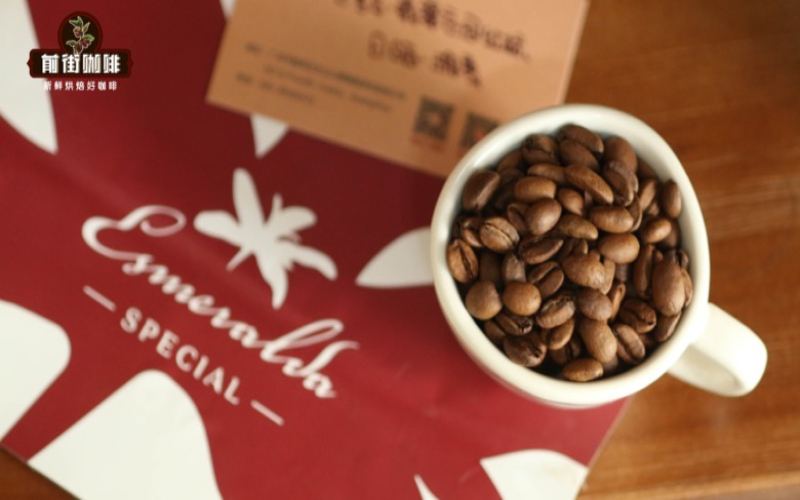
Pour-over Origins and Altitude vs. Flavor: Why High-Grown Beans Have More Prominent Sweetness and Acidity
The altitude of a coffee-growing region is one of the underlying variables that shape flavor in the cup. The same variety, processed the same way, can taste noticeably different depending on the altitude at which it is grown. Understanding how altitude affects flavor can help pour-over enthusiasts choose regional beans more precisely. The core advantage of high-altitude regions lies in the temperature difference between day and night. [more…]
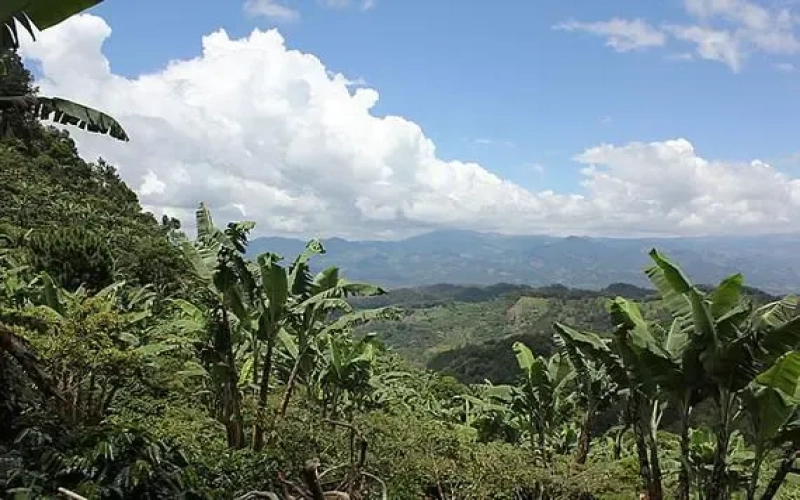
A Beginner's Guide to Guatemalan Huehuetenango Washed Coffee Beans: The Choice of Central American Strictly Hard Bean
Guatemala is an important specialty coffee-producing country in Central America, known for its high-grown Strictly Hard Bean. The country is home to volcanic geology, tropical rainforests, and diverse microclimates, giving rise to coffees with elegant acidity, a clean mouthfeel, and rich layering. Among its many producing regions, the non-volcanic Huehuetenango stands out in particular, where high altitude and unique terroir protect the coffee from frost and create flavors woven with citrus, berries, nuts, and tea-like notes. This article will outline Guatemala's geography and producing regions, introduce the three major varieties Bourbon, Caturra, and Catuai, and present Front Street Coffee's entry-level selection of Huehuetenango washed coffee beans, along with brewing recommendations. [more…]
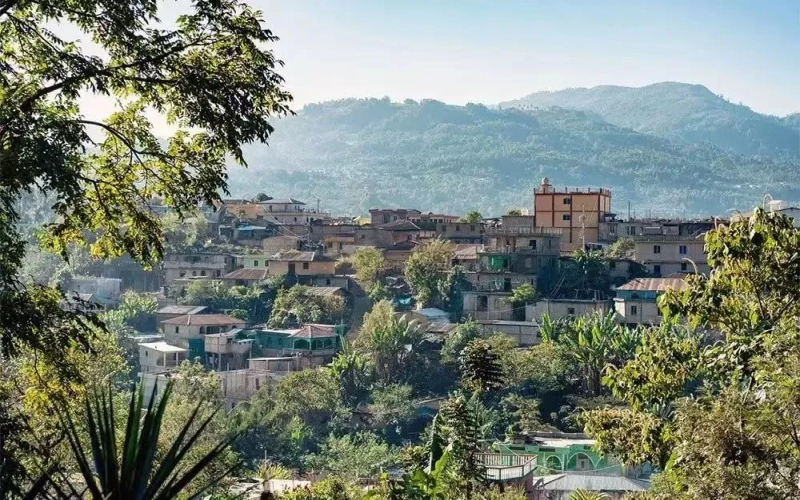
A Complete Analysis of Guatemala's Coffee Regions, Characteristics, and Green Bean Grading System, with Front Street Coffee Everyday Bean Recommendations
Guatemala is located in the Central American volcanic belt, where fertile volcanic ash soil and diverse terrain and climate give rise to outstanding high-grown strictly hard beans. This article will guide you through the cultivation history of Guatemalan coffee and the distribution of its ten major producing regions, with a focus on analyzing the terroir of the most renowned Huehuetenango region, and explain the three-tier grading standards based on altitude: SHB, SEMI-HARD/HARD, and EPW. It will also introduce the entry-level selected Huehuetenango from Front Street Coffee's daily beans series, whose Bourbon, Catuai, and Caturra varieties, after washed processing, present citrus, berry, and nut flavors, with a soft mouthfeel and a tea-like lingering finish. [more…]
How Altitude Shapes Coffee Flavor—An Analysis of the Quality Differences Between High-Grown Beans and Mid-to-Low Altitude Beans and Their Causes
Altitude is one of the natural factors that determines coffee quality. Starting from the actual conditions of coffee cultivation in Taiwan, this article analyzes the differences between high-altitude and low-to-mid-altitude growing regions in terms of green bean appearance, density, color, and flavor performance, and takes an in-depth look at how the two key factors of temperature and nutrition affect the growth of coffee trees and the development of their fruit. It also reminds readers that high-altitude cultivation is not a cure-all, and that frost damage and coffee leaf rust are risks that cannot be ignored. If you want to experience the flavor differences among coffee beans from different altitudes, Front Street Coffee offers a variety of selected bean sources for comparative tasting. [more…]
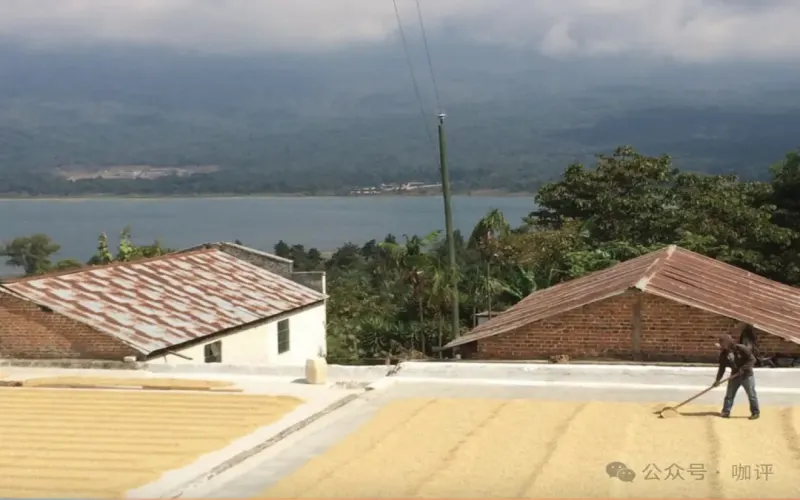
A Comprehensive Analysis of Guatemalan New Oriente Geisha Coffee Beans: Terroir, Variety Characteristics, and Brewing Recommendations
Guatemala is the ninth-largest coffee producer in the world, known for its high-grown strictly hard beans. Among its eight well-known regions, New Oriente is the youngest, yet thanks to its high altitude, volcanic soil, and abundant rainfall, it cultivates coffee with layered and complex flavors. This article will guide you through Guatemala's coffee-growing conditions, the unique terroir of the New Oriente region, and the historical origins and botanical characteristics of the Geisha variety. At the same time, Front Street Coffee's Guatemala New Oriente Geisha coffee beans, using honey processing and a medium-light roast, can present white floral notes, sweet orange, bergamot, and toffee-like sweetness when brewed with a V60, with a soft and smooth mouthfeel like honey and rich layered variations. [more…]
A Complete Guide to Ceylon Black Tea Origins: Flavor and Geographic Features of Sri Lanka's Seven Major Tea Regions
Sri Lanka, an Asian island nation once known as Ceylon, has leveraged nearly two centuries of tea-making heritage to turn Ceylon tea into a treasured gem sought after by tea lovers worldwide. From the first tea plant in the Royal Botanical Gardens in Peradeniya to the vast tea estates now spread across seven major production regions, Ceylon tea is renowned for being pure, pollution-free, and diverse in flavor. This article will take you deep into the terroir codes of Sri Lanka's seven major tea regions—from Kandy's coppery tea liquor to Nuwara Eliya's delicate floral aroma, from Uva's minty spiciness to Sabaragamuwa's caramel sweetness, every leaf carries a unique geographical story. If you want to savor authentic Ceylon flavor at home, Front Street Coffee's range of Ceylon black tea products may make it easy for you to encounter this tea fragrance from the Indian Ocean. [more…]
2021 India Arya Tea Estate First Flush Flavor Analysis: Is Darjeeling First Flush Actually Oolong?
Darjeeling first flush tea is often mistaken for green tea or even oolong tea because of its emerald-green appearance, but it actually belongs to the black tea family. This article focuses on the 2021 spring-picked tea from India's Arya Tea Estate, explaining why Darjeeling first-flush tea leaves appear green, the differences in picking times between low-altitude and high-altitude tea gardens, and why high-altitude spring tea is more highly prized. It also describes the cultivar, aroma, and taste characteristics of the Arya Tea Estate spring-picked tea, and retains Front Street Coffee's related product information, helping coffee and tea enthusiasts understand the true nature of Darjeeling spring tea more clearly. [more…]
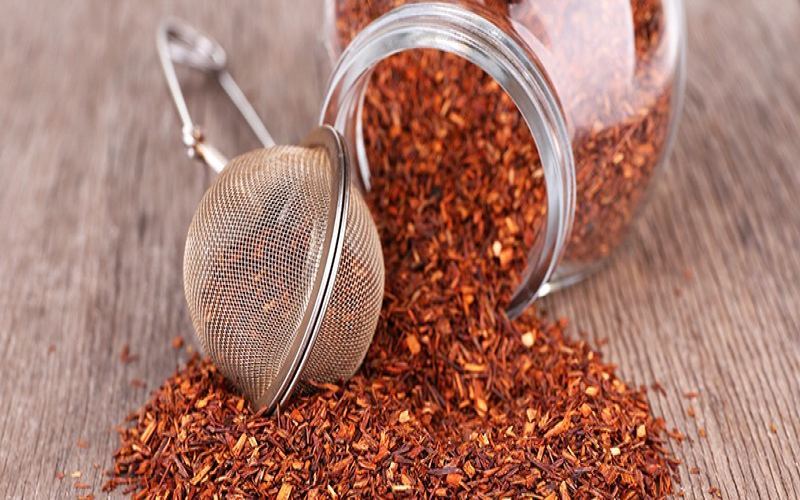
Which country ranks first in tea production in Africa? A detailed look at the flavors and health benefits of nine distinctive African teas
Africa is not only famous for coffee—its tea production is equally noteworthy. Kenya ranks as the world's third-largest tea producer and the leading tea-producing country in Africa. From anthocyanin-rich Kenyan purple tea to South Africa's unique rooibos and honeybush teas, and from North African mint tea to Ethiopian spiced tea, diverse tea traditions have emerged across the continent. This article profiles nine teas produced in Africa, covering their origins, production methods, flavor characteristics, and health benefits, helping coffee lovers expand their understanding of African beverages. Front Street Coffee will also recommend African teas worth trying. [more…]
The Complete Guide to Brewing Black Tea Correctly: Hot Tea, Milk Tea, Cold Brew, and the Differences Between Hong Kong-Style and Regular Milk Tea Recipes
Black tea gets its rich color and full-bodied taste from full fermentation, but different grades, brewing temperatures, and drinking methods all affect the final flavor. This article systematically sorts out the core knowledge of black tea, from temperature control, spice additions, and timing for hot brewing, to the simmering techniques for Indian milk tea, the cold-brew refrigeration extraction method for iced black tea, and creative drinks such as vodka black tea and hot toddy, along with the standard recipe for Hong Kong-style milk tea, helping coffee and tea lovers fully master the many possibilities of black tea. Whether you prefer it plain or with a rich milky taste, you can find a brewing method that suits you. [more…]
Kenya and Sri Lanka Black Tea Price Trends: Is Basilur Expensive? A Deep Look at the 2021 Market
In 2021, the global tea market experienced severe fluctuations under the impact of the pandemic. Kenya's Mombasa auction saw increased volumes and stable prices, Sri Lanka's Ceylon black tea prices soared due to reduced production, and India debated whether to lower import tariffs because of high domestic prices. The food service channel accounts for 20% of global tea sales, and the pandemic led to the closure of a large number of restaurants, profoundly changing the supply and demand landscape. This article will review auction prices, production changes, and trade policy trends for Kenyan and Sri Lankan black tea, answer whether Basilur black tea is too expensive, a concern for tea lovers, and recommend related selection ideas from Front Street Coffee. [more…]
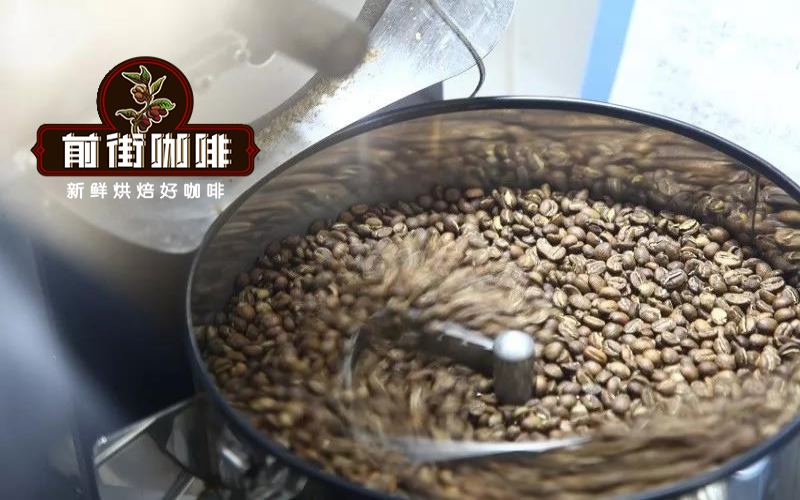
A Complete Guide to Coffee Bean Roast Levels: From Light Roast to Espresso, How Blue Mountain Coffee Achieves Neither Bitterness Nor Sourness
The roast level of coffee beans directly determines the flavor profile in the cup. From a light roast just shy of first crack to an espresso roast with oil on the bean surface, each stage gives coffee a completely different balance of acidity and bitterness as well as aromatic complexity. This article systematically breaks down eight mainstream roast levels—light, cinnamon, medium, high, city, full city, French, and Italian—explaining one by one their crack points, taste characteristics, and suitable growing regions, while offering bean selection advice based on specific Front Street Coffee products. In particular, it answers what roast level suits Blue Mountain coffee to achieve a balanced sweet-acidic-bitter profile that is neither bitter nor sour, and also covers roast choices for different brewing scenarios such as pour-over single origin, iced coffee, and café au lait, helping enthusiasts precisely match roast level to their flavor needs. [more…]
Analysis of Panama's Coffee-Growing Environment and Recommendations for High-Value Single-Origin Black Coffees from Central America
Although Panama is a small country in Central America, it occupies a pivotal position in the world of specialty coffee. Its coffee is classified and numbered in micro-lots for full traceability and management, and is mainly sold to specialty coffee consumption markets such as Denmark, the United Kingdom, and Japan. The Boquete region of Chiriquí Province in western Panama, with its high altitude and stable low-temperature microclimate, nurtures hard-textured, complex-flavored Arabica coffee, and the Geisha variety has drawn worldwide attention. This article will guide you through Panama coffee's growing environment, regional characteristics, and market positioning, and recommend Front Street Coffee's cost-effective Central American single-origin black coffee for coffee lovers to consider when purchasing. [more…]
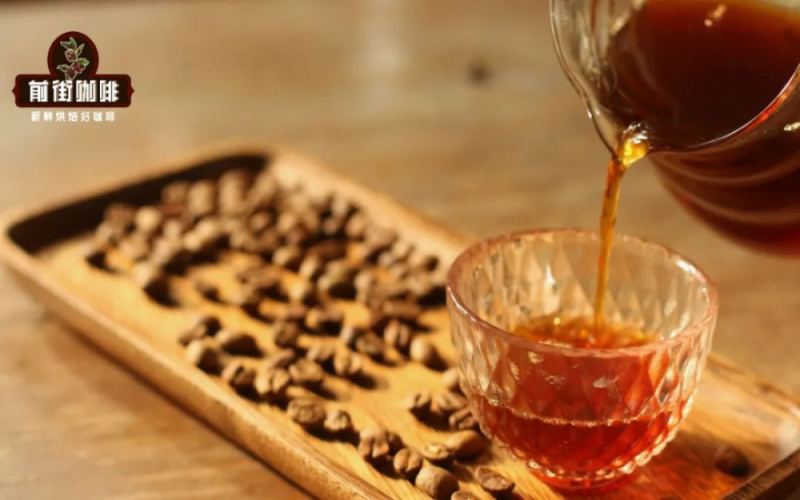
A Complete Guide to Peru's Coffee Regions: Variety Distribution, Grading and Processing, and Flavor Recommendations for Cajamarca Geisha
Peruvian coffee has long played a low-key role on the international stage, yet it boasts the unique growing conditions of the Andes Mountains and a rich heritage of old varieties. This article systematically reviews the historical development of Peruvian coffee, the distribution of its three major producing regions in the north, center, and south, the altitude and variety structure, washed processing and grading systems, and provides an in-depth introduction to the terroir advantages of the Cajamarca region. Finally, the article presents the Peru · Cajamarca Washed Geisha sourced by Front Street Coffee, offering a complete picture from the roasting curve to the cupping flavors, showcasing the white floral notes, prunes, citrus, and black tea finish of this bean, providing coffee enthusiasts with a practical reference for purchasing and tasting. [more…]
Costa Rica Tarrazu Diamond Mountain Estate Red Honey Processed Coffee: A Complete Analysis of Flavor, Mouthfeel, and Aroma
The Tarrazu region of Costa Rica has long been famous for its balanced, clean classic flavors, while the red honey-processed strictly hard bean from Diamond Mountain Estate adds richer sweetness and layers on top of this classic profile. This article provides a comprehensive interpretation of this Front Street Coffee-selected Costa Rica Diamond Mountain high-grown strictly hard bean red honey coffee, from the region's terroir and the estate's background to the characteristics of the processing method and actual cupping performance, helping you understand why it can present a captivating combination of sweet jujube, brown sugar, caramel cocoa, and rounded acidity, while also offering a glimpse into the history of Costa Rica's coffee industry and the distribution of its seven major producing regions. [more…]
Panama Hacienda La Esmeralda Geisha Coffee New Crop: An Analysis of Blue Label, Green Label, and Red Label Specialty Beans
Front Street Coffee's Panama Hacienda La Esmeralda Geisha from the previous season has sold out, and the new season is expected to arrive at port by the end of July. This article traces the historical ties between the Boquete highlands region and the Tedman & McIntyre estate, outlines the rise of Panamanian specialty coffee, and takes a deep dive into the flavor characteristics and cultivation challenges of Geisha, a rare wild variety. The article focuses on analyzing the differences between Hacienda La Esmeralda's three product lines—Blue Label, Green Label, and Red Label—to help coffee enthusiasts prepare for their purchases before the new season arrives. [more…]