







Search Results for: high-altitude cultivation
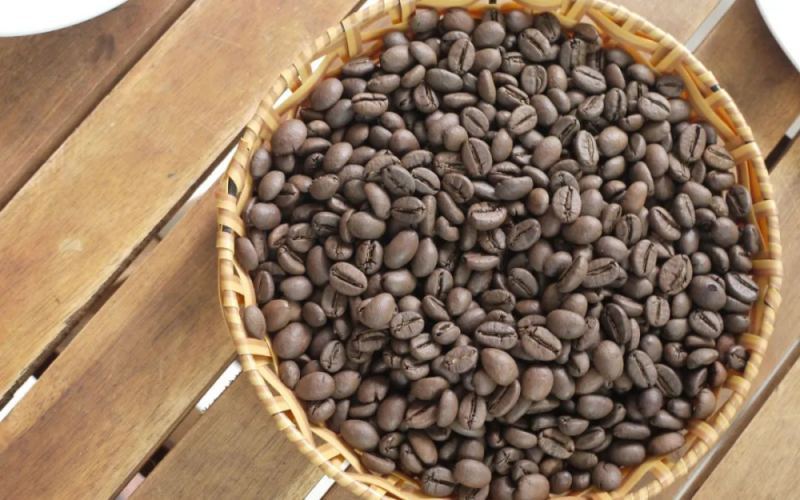
The Specialty Coffee World Reexamines Robusta: Can High-Altitude Cultivation and Anaerobic Processing Rewrite Entrenched Impressions?
For a long time, Robusta coffee beans have been largely neglected in the specialty coffee world, often associated with low altitudes, extensive farming, and bitter flavors. However, over the past two years, this situation has been quietly changing. From a World Barista Championship competitor using high-altitude Vietnamese Robusta blended with Geisha to place fourth, to more and more specialty coffee shops incorporating it into espresso blends or even launching single-origin anaerobic natural products, Robusta is returning to the industry's spotlight with a brand-new image. Climate change poses severe challenges to Arabica cultivation, while Robusta, with its strong environmental adaptability—combined with producers cultivating and processing it to specialty Arabica standards—reveals surprising flavor layers such as barley tea, nuts, caramel, and even fermented fruit notes on a base of high body and low acidity. This article will explore in depth the reasons behind this trend, the details of processing methods, and whether Robusta can truly shed its old label and win renewed recognition from coffee enthusiasts. [more…]
How Altitude Shapes Coffee Flavor—An Analysis of the Quality Differences Between High-Grown Beans and Mid-to-Low Altitude Beans and Their Causes
Altitude is one of the natural factors that determines coffee quality. Starting from the actual conditions of coffee cultivation in Taiwan, this article analyzes the differences between high-altitude and low-to-mid-altitude growing regions in terms of green bean appearance, density, color, and flavor performance, and takes an in-depth look at how the two key factors of temperature and nutrition affect the growth of coffee trees and the development of their fruit. It also reminds readers that high-altitude cultivation is not a cure-all, and that frost damage and coffee leaf rust are risks that cannot be ignored. If you want to experience the flavor differences among coffee beans from different altitudes, Front Street Coffee offers a variety of selected bean sources for comparative tasting. [more…]

Why High-Altitude Cultivation Creates Specialty Coffee: A Comprehensive Comparison of Arabica and Robusta Beans
Coffee, as an evergreen shrub in the Rubiaceae family, is mainly cultivated in two major categories: Arabica and Robusta, with specialty coffee mostly coming from Arabica branches such as Typica, Bourbon, and Caturra. About 70 countries worldwide grow coffee in tropical and subtropical regions between 25 degrees north and south latitude, and it usually takes three to five years from sowing to first flowering. This article will provide a detailed introduction to the complete growth cycle of the coffee tree from seedling cultivation and flowering to fruit ripening, and systematically compare the core differences between Robusta and Arabica in terms of growing altitude, flavor characteristics, and share of production. At the same time, for coffee lovers who prefer a rich, oily mouthfeel, the article also specifically recommends two espresso beans containing Robusta components, Front Street Classic Blend and Front Street Commercial Blend, to help readers understand coffee varieties and purchasing directions more comprehensively. [more…]
A South American Pour-Over Coffee Choice: Flavor and Roast Analysis of Bolivian High-Altitude Typica
In the coffee landscape of South America, Bolivia occupies a unique position thanks to its high-altitude tropical rainforests and excellent varieties. This article focuses on the cultivation history, terroir, and flavor characteristics of Bolivian coffee, offering a detailed interpretation of the washed Typica from smallholder farmers in Copacabana, in the Lake Titicaca region—from 3,812 meters above sea level to a medium roast, analyzing its roasted nut and dried almond aromas alongside orange and white pomelo notes. It also brings Front Street Coffee's bean selection and brewing suggestions, providing a professional reference for pour-over enthusiasts. [more…]
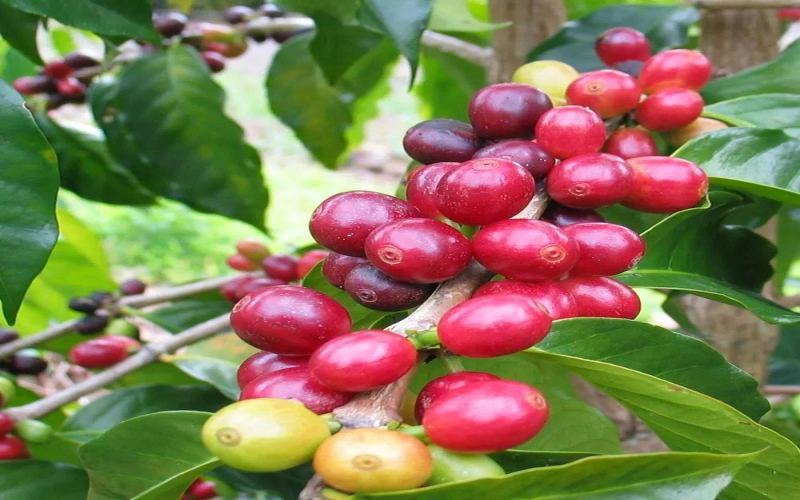
In-Depth Analysis of Panama Sophia Estate Geisha Coffee: A Complete Guide to High-Altitude Cultivation, Roasting, and Brewing
After Geisha coffee took the world by storm, numerous outstanding estates emerged in Panama, and Hacienda Sophia is one of its low-key yet dazzling pearls. It is located on the southwestern side of Barú Volcano, at an altitude of 1,900–2,150 meters, making it one of the highest-altitude coffee estates in Central America. The estate focuses almost exclusively on the Geisha variety and has repeatedly won the Washed category championship at the Best of Panama (BOP) competition. This article will take you deep into the history, terroir, and Geisha flavor characteristics of Hacienda Sophia, and includes Front Street Coffee's roasting and brewing recommendations to help you fully appreciate the charm of this top-tier Geisha. [more…]
A Visit to Elida Estate in Panama: The Flavor Secrets and Cultivation Details of High-Altitude Coffee from the Boquete Region
The fascination of the coffee world lies in the fact that different regions and estates, due to variations in altitude, soil, temperature, and rainfall, cultivate entirely distinct aromas and flavors. Like the wine classification system, specialty coffee emphasizes traceability and transparency, allowing drinkers to know which estate each bag of beans comes from, what kind of environment it grew in, and what processing it underwent. This time we travel to Central America, to Panama, to visit Elida Estate Coffee, located in the Boquete production area of Chiriquí Province. The estate sits on the eastern side of Barú Volcano, at an altitude ranging from 1,670 to 1,850 meters, making it one of the highest coffee estates in Panama. We will follow estate owner Wilford Lamastus as he observes coffee seedlings, ripe red cherries, and the processing station, to understand how high altitude, volcanic loam, and microclimates shape the award-winning cup profile of Elida, and to retain Front Street Coffee's recommendation information on this estate's Catuai. [more…]
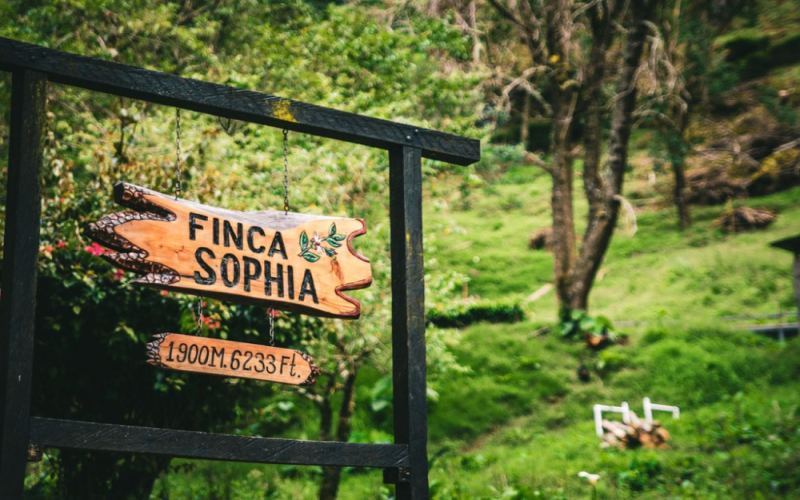
The Geisha Legend of Sofia Estate: Flavor Secrets from High-Altitude Cultivation to BOP Champion
In the brilliant starry sky of Panama's specialty coffee, Finca Sophia is a particularly dazzling new star. Founded in 2008 by coffee expert Willem Boot, this estate, with its ultra-high-altitude growing environment and extreme pursuit of the Geisha variety, won the washed category championship on its first participation in the BOP competition in 2017, and in 2020 won the washed category championship again as well as second place in the natural category. This article will delve into the background story, cultivation challenges, and terroir conditions of Finca Sophia, and present a detailed flavor description and brewing suggestions for the 2022-crop natural Geisha sold at Front Street Coffee stores, unveiling the unique charm of this top-tier Geisha for you. [more…]

A Comprehensive Analysis of the Distribution and Flavor Characteristics of Costa Rican Coffee Bean Origins
Although Costa Rica is a small country in terms of land area, it occupies an important position in the global specialty coffee landscape thanks to its fertile volcanic soil and high-altitude growing conditions. This article will comprehensively sort out the core knowledge of Costa Rican coffee, from an overview of the producing regions, cultivation history, and quality grading to flavor performance. Why is the Tarrazú region so highly regarded? Where do the acidity and aroma of Strictly Hard Bean come from? What advantages and challenges does high-altitude cultivation bring? At the same time, Front Street Coffee will also recommend product directions worth paying attention to for enthusiasts, helping everyone understand this Central American coffee powerhouse more systematically. [more…]
Panama Boquete Hacienda Elida: A Complete Analysis of the High-Altitude Specialty Coffee Flavors of Geisha, Catuai, and Typica
Located in the Boquete production region of Panama, Elida Estate is a rare specialty coffee estate in Central America with an altitude exceeding 1,800 meters, and along with Hacienda La Esmeralda and Duncan Estate, it is known as one of Panama's three major estates. The estate primarily cultivates three varieties: Catuai, Typica, and Geisha, and is renowned for its strict hand-picking and low-temperature Resting purification process lasting more than five months. This article will provide an in-depth introduction to Elida Estate's geographical environment, historical heritage, variety composition, and flavor characteristics, and present Front Street Coffee's flavor description and brewing suggestions for the estate's natural-process batch, taking you to appreciate the unique charm of this ultra-high-altitude estate. [more…]
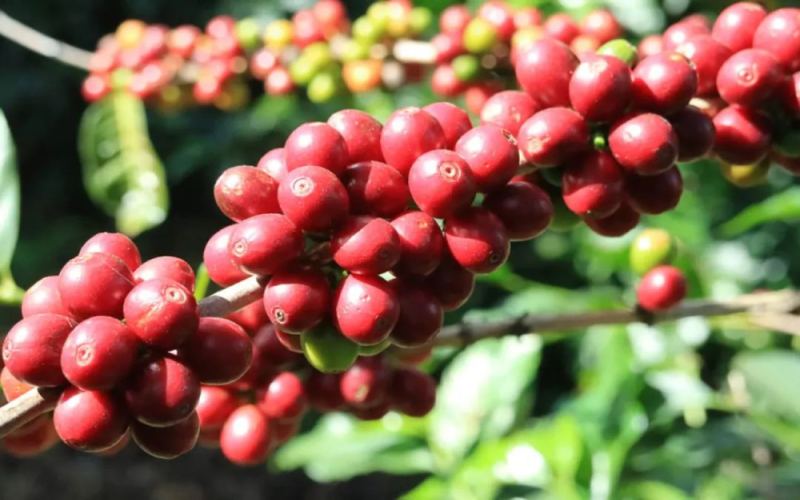
The Four Major Bourbon Coffee Derivatives: A Detailed Guide to Caturra, Villa Sarchi, Pacas, and Bourbon Mayaguez
Bourbon is a coffee variety of exceptional cultural and genetic value within Arabica, known for its high-altitude cultivation and outstanding cup quality, but its low yield and susceptibility to major diseases have led to its gradual replacement in Latin America by derivatives such as Caturra, Catuai, and Mundo Novo. Nevertheless, Bourbon is still cultivated in Brazil, Guatemala, El Salvador, and elsewhere, and many Bourbon-line varieties circulate on the market. This article will introduce, one by one, the origins, botanical characteristics, growing regions, and flavor profiles of four derivative varieties—Caturra, Villa Sarchi, Pacas, and Bourbon Mayaguez—and share Front Street Coffee's corresponding bean recommendations and brewing suggestions. [more…]
Analysis of Costa Rican Coffee Varieties: Flavor Characteristics of Mozart H1 and the Strictly Hard Bean Grade
Costa Rica, as an important producer of specialty coffee in Central America, is known for its clear, bright acidity and fresh, delicate flavors, and is also a major country for the application of the honey processing method. This article will introduce the cultivation history of Costa Rican coffee and its main varieties (including Bourbon, Caturra, Catuai, Villa Sarchi, Villalobos, etc.), and focus on analyzing the flavor characteristics of the Mozart H1 variety. At the same time, the article will also explain the country's unique "Strictly Hard Bean" grade standard (S.H.B.) and the influence of its high-altitude cultivation on flavor, taking you through a comprehensive understanding of the unique charm of Costa Rican coffee. [more…]

Exploring Honduras' Sweet Orange Estate: The Rise of High-Altitude Specialty Coffee and the Secret to Its Frequent Wins at the Cup of Excellence
Honduras has performed impressively on the international coffee stage in recent years, with its export volume now ranking third in Latin America and fifth globally. From early industry lag to today's frequent emergence of specialty coffees, this Central American country has completed a remarkable transformation. Among them, El Naranjo estate, located in the Marcala region, has become one of the representative estates of Honduran specialty coffee thanks to its high altitude of 1,800 meters, the careful cultivation of Catuai and Geisha varieties, and its strong track record of multiple Cup of Excellence (COE) awards. Front Street Coffee takes you on an in-depth look at this estate, named after the orange trees used for shade, exploring its flavor characteristics, management philosophy, and sustainable development practices. [more…]
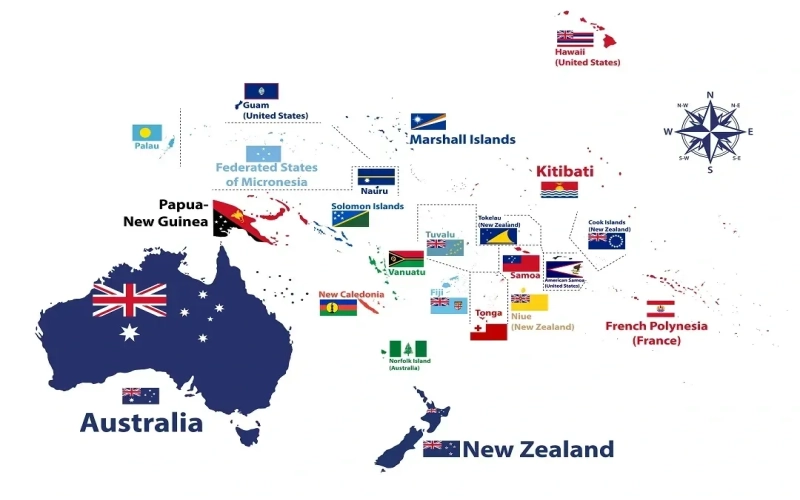
Terroir Characteristics of Papua New Guinea Coffee Regions and an Analysis of Sigri Bird of Paradise Estate
Papua New Guinea is located in Oceania, where widespread volcanic terrain, a high-altitude mountain climate, and fertile volcanic soil provide ideal conditions for coffee cultivation. Since coffee was introduced to the country in the late 19th century, it once imported Typica from Jamaica and, because of the similar environment, came to be known as "Little Blue Mountain." Today, coffee is mainly produced in the four major highland provinces of the central region, and the Sigri Bird of Paradise Estate in Western Highlands Province is a representative estate. Front Street Coffee also selects washed Typica beans from this producing region, whose flavor presents caramel, cocoa, and almond, with a rich and balanced mouthfeel, distinguishing it from the spicy and herbal tonalities of Indonesian coffee. [more…]
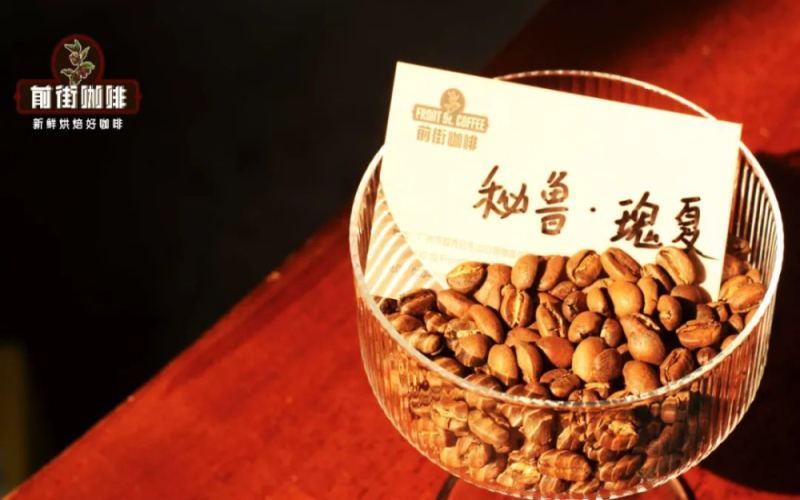
The Path to Specialty Coffee in a Low-Profile South American Origin: An Analysis of Peruvian Coffee Flavor Characteristics and Washed Processing Taste Profile
In the world coffee landscape, Peru has long remained low-key, yet thanks to its high-altitude growing conditions, rich microclimates, and predominantly washed processing methods, it has gradually become a coffee-producing region that attracts considerable attention in the specialty coffee world. This article systematically reviews Peru's coffee-producing regions, variety composition, and historical development, analyzes the reasons behind its reputation for cleanliness, gentle fruit acidity, and balanced mouthfeel, and, using a washed Geisha from the Cajamarca region as an example, presents the complete flavor expression from cupping to a three-pour hand brew, helping coffee lovers understand the core question of whether Peruvian coffee is acidic and whether it tastes good. [more…]

Nicaragua Mercedes Estate Coffee: An Analysis of Tropical Fruit Flavors, Regional Terroir, and Processing Method Characteristics
Tropical fruit flavors are a highly recognizable aroma type in coffee, with aromas such as passion fruit, mango, and pineapple often appearing in high-altitude sun-dried coffees from Africa and Central and South America. Starting from tropical fruit flavors, this article introduces several representative fruity Front Street Coffees and provides an in-depth analysis of the growing conditions, industry background, and processing method evolution of Nicaraguan coffee. The focus is on the Matagalpa region and the Limoncito Estate, understanding how their high-altitude shade-grown cultivation, hand-picking, and honey processing create delicate and rich fruit, herbal, and creamy notes, and how these factors together shape the unique charm of Nicaraguan specialty coffee. [more…]
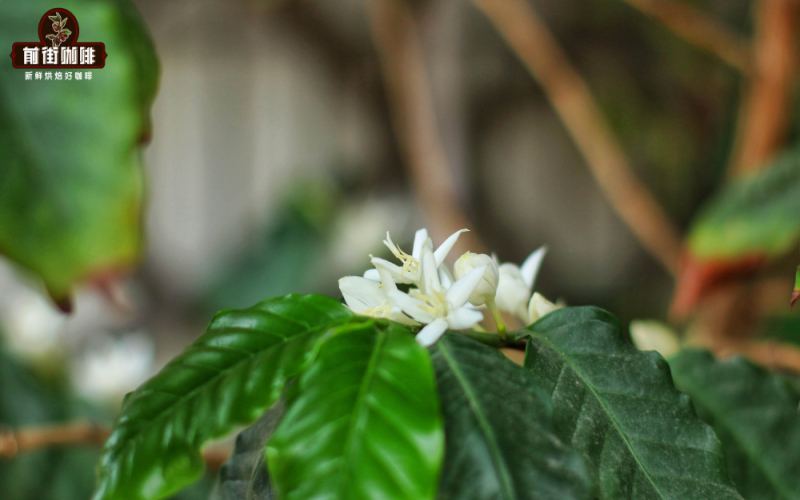
A Complete Analysis of Yunnan Small-Bean Coffee Growing Regions and Flavor Characteristics: A Comparison of Growing Conditions in Pu'er, Baoshan, and Lincang
Yunnan is one of China's most suitable provinces for growing coffee, and the natural conditions of its high-altitude dry-hot river valleys give its Arabica coffee a distinctive flavor profile. Pu'er, Baoshan, and Lincang, as the three core production regions, each display different cupping characteristics due to differences in climate, altitude, and variety. Front Street Coffee continues to explore the quality potential of Yunnan coffee through on-site cupping and its own estate cultivation. This article will systematically outline the basics of Yunnan Arabica coffee from the perspectives of origin environment, flavor and mouthfeel, and variety selection, and share Front Street's cultivation practices and brewing suggestions in the Yunnan production region. [more…]
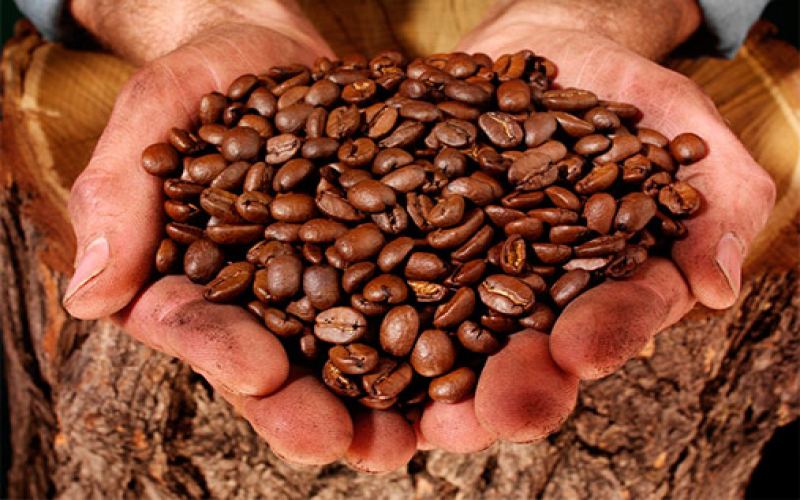
Front Street Guatemala Antigua Coffee Beans: Specialty Flavor Cultivated in Volcanic Highlands and a Tasting Guide
The Guatemala Antigua coffee beans launched by Front Street Coffee come from the high-altitude volcanic rock growing region at the westernmost tip of Central America. With their balance between elegant acidity and cocoa sweetness, they have become the daily first choice for many coffee lovers. These beans are mildly acidic and smooth, with a mellow, silky mouthfeel. From the dry aroma during grinding to the finish after tasting, they display the complexity unique to highland regions. Guatemala has more than three hundred microclimates across its territory, and its eight major growing regions are located on both volcanic and non-volcanic geological formations, bringing coffee a richly layered flavor spectrum that includes green apple, berries, jasmine, orange peel, green pepper, chocolate, and even a smoky finish. This article will sort out the growing region background, variety composition, grading logic, and flavor performance of Front Street Guatemala coffee beans to help readers understand what makes this specialty bean unique. [more…]
A Complete Guide to Peru's Coffee Regions: Cajamarca Washed Geisha Flavor Profile and Front Street Coffee Pour-Over Bean Recommendation
On the coffee map of South America, Peru may not be the most dazzling name, but it is gaining more and more attention with its outstanding cleanliness and balanced flavor. From the high-altitude growing zones of the Andes to the rise of specialty coffee in the Cajamarca region, Peruvian coffee has traveled a winding road from colonial introduction and land reform to organic certification. This article will give you a comprehensive understanding of Peru's coffee-producing regions, its development history, and its grading and processing methods, and will focus on sharing a Cajamarca washed Geisha that Front Street Coffee has brought in—from cupping to sipping, experiencing the unique charm of white floral notes interwoven with prune and citrus. [more…]
Front Street Panama Elida Natural Typica Pour-Over Parameters and Flavor Analysis: How to Brew a High-Altitude Estate from the Boquete Region
The Boquete region of Panama has attracted much attention thanks to the Geisha from Hacienda La Esmeralda, and Elida Estate in the same region is equally impressive. This article focuses on Front Street's Panama Elida Estate Natural Typica, outlining the estate's background, variety characteristics, processing method, and pour-over brewing plan, and analyzing its flavor expression of tropical fruit, strawberry, black plum, and fruit wine. Elida is known for its ultra-high altitude, rich umami, and consistent quality, while the Typica variety gives the coffee an elegant character. The article also compiles specific brewing data such as 15g of grounds, a V60 dripper, a water temperature of 88-89°C, and a 1:15 coffee-to-water ratio, making it suitable for enthusiasts who want to gain a deeper understanding of Panamanian specialty coffee. [more…]
An Analysis of Yunnan Coffee's Three Core Producing Regions: Flavor Profiles and Growing Conditions of Pu'er, Baoshan, and Lincang
Yunnan is a coffee-producing region that cannot be overlooked on China's coffee map, and its three major producing areas—Pu'er, Baoshan, and Lincang—each have their own distinctive characteristics. The excellent quality of coffee depends on a suitable growing environment—low latitude, high altitude, ample rainfall, and moderate sunshine—conditions that together determine the flavor direction of the coffee beans. Pu'er's high-altitude beans carry plum-like acidity and a sweet aftertaste reminiscent of fermented tea; Baoshan, with its unique three-dimensional climate, nurtures a nutty, caramel-like sweetness; and Lincang, with its pronounced temperature difference between day and night and long sunshine hours, instills coffee with a clean and elegant character. Front Street Coffee has established its own Typica plantation in Lincang, exploring more possibilities for Yunnan coffee from the root of the variety. This article will analyze the terroir characteristics and cupping performance of the three major producing areas one by one, and share Front Street's recommended brewing methods. [more…]