







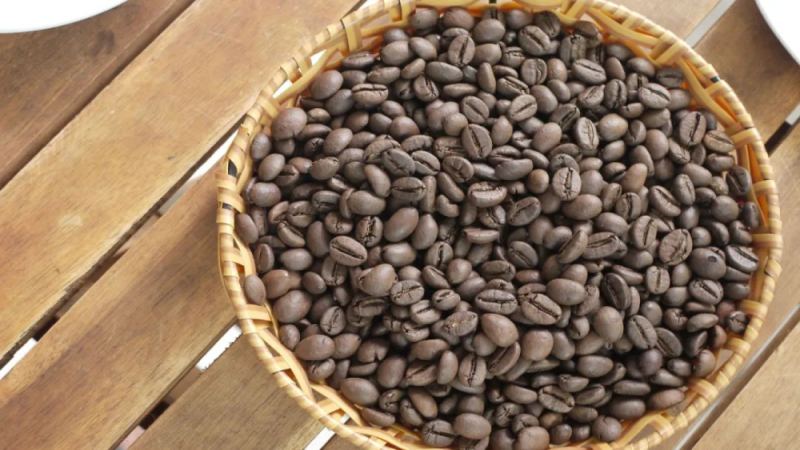
Why are robusta coffee beans reentering specialty coffee?
Robusta coffee beans are being reconsidered by the specialty coffee world after years of being dismissed as low-altitude, bitter, and cheap. Much of the Robusta now entering specialty rosters is grown at high altitude, with green bean processing handled to specialty Arabica standards. A World Barista Championship competitor used Robusta from Vietnam grown at 1,200 meters blended with Panama Geisha and placed fourth, drawing wider attention.
The shift is tied to flavor and to climate. High-grown Robusta processed with care has shown barley tea, nut, caramel, and fermented fruit notes on a base of high body and low acidity. As climate change pressures arabica beans, Robusta's environmental adaptability looks more valuable, and shops are adding it to espresso blends or selling single-origin anaerobic natural lots.
For a long time, Robusta coffee beans have been largely overlooked in the specialty coffee world, often associated with low altitudes, extensive farming, and bitter flavors. However, in the past two years, this situation has been quietly changing. From a World Barista Championship competitor using high-altitude Vietnamese Robusta blended with Geisha to place fourth, to more and more specialty coffee shops incorporating it into espresso blends or even launching single-origin anaerobic natural products, Robusta is returning to the industry's spotlight with a new identity. Climate change poses severe challenges to Arabica cultivation, while Robusta, with its strong environmental adaptability—combined with producers applying specialty Arabica standards to its cultivation and post-processing—reveals surprising flavor layers such as barley tea, nuts, caramel, and even fermented fruit notes on a base of high body and low acidity. This article will delve into the reasons behind this trend, the details of processing techniques, and whether Robusta can truly shed its old labels and win renewed recognition from coffee enthusiasts.
Professional coffee knowledge exchange. For more coffee bean information, please follow Coffee Workshop (WeChat public account: cafe_style).
For more specialty coffee beans, please add the private WeChat of Front Street Coffee (FrontStreet Coffee), WeChat ID: qjcoffeex
However, recently this situation has seen a significant turnaround. As the saying goes, "Fashion is a cycle," and the once-unfavored Robusta beans have been picked up and valued anew by the specialty coffee world in the past two years.
Unlike those Robusta with poor flavors, low growing altitudes, and inferior quality, most of the Robusta now entering the specialty coffee ranks are cultivated at high altitudes, and more care has been invested in green bean processing, with Robusta grown and processed entirely according to specialty Arabica standards. From last year's World Barista Championship, where a competitor chose Robusta grown at 1,200 meters in Vietnam, blended it with Geisha from Panama's Hartmann Estate, and placed fourth; to more and more specialty coffee shops worldwide using blends containing Robusta to make espresso;
to specialty coffee shops now offering single-origin anaerobic natural Robusta specialty coffee beans—why has the specialty coffee world suddenly taken such an interest in Robusta? The main reason lies in the erratic climate of recent years, which has dealt a huge blow to regions suitable for growing coffee and capable of producing high-quality coffee. For Arabica, which has always been extremely picky about growing altitude, terroir, and climate, this is undoubtedly a severe test.
However, Robusta itself has exceptional adaptability, so in terms of quality, yield, and flavor, there is no need to worry excessively about drastic fluctuations caused by climate and terroir. Although its genetic characteristics and extremely strong resistance to pests and diseases cause Robusta to contain higher caffeine and chlorogenic acid, making the variety's bitterness more pronounced. But in fact, as long as Robusta is planted at high altitudes, its bitterness can be effectively mitigated. Because high-altitude areas usually have significant temperature differences between day and night, and certain pests do not like to survive under such conditions, the coffee plant itself reduces the production of chlorogenic acid (mainly used to resist pests), thereby freeing up more resources to build excellent flavors.
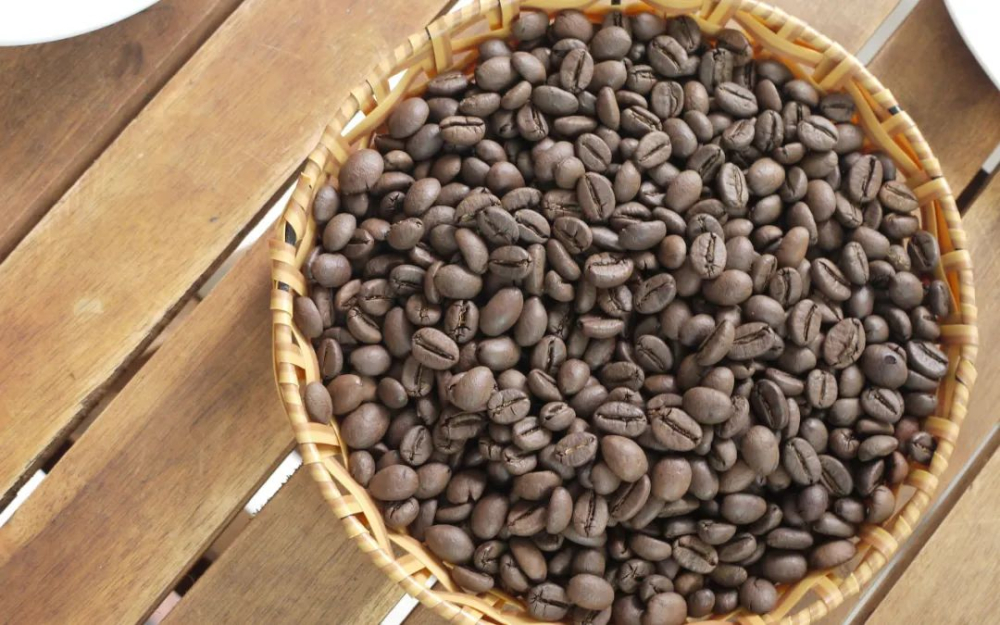
Robusta grown and processed according to specialty Arabica coffee bean standards can retain its high body and low acidity while presenting pleasant flavors such as barley tea, nuts, and caramel. To help more people rebuild a good impression of Robusta coffee beans, some green bean traders have also launched anaerobic natural processed Robusta specialty coffee beans. These Robusta trees are planted in high-altitude areas of Vietnam, rooted in basalt soil.
During the harvest season, ripe cherries are picked entirely by hand, then manually washed twice. Next, they are placed in sealed containers (anaerobic environment) to ferment for 8 days, after which the coffee cherries are removed and sun-dried for 25 days until the drying degree reaches a standard safe for storage.

A coffee shop owner selling single-origin specialty Robusta said: "Robusta coffee usually has nutty flavors and a rich dark chocolate aroma. When it undergoes anaerobic fermentation, the resulting beans emit more fruity and unique flavors while still retaining a substantial nutty tone. Anaerobic Robusta tastes natural, sweet, and very complex. It is extremely popular with consumers. In fact, Robusta itself is not as bad as everyone imagines. The earliest Arabica coffee beans were actually not better tasting than Robusta; it was only later that people focused on cultivation and processing, which gave us more Arabica beans with outstanding flavors. So Robusta can achieve the same effect, and at a more affordable price than Arabica beans."
Many specialty coffee shops that use Robusta blend beans to make espresso also say: "Although Robusta gives many contemporary coffee enthusiasts a rather ordinary impression, for mass consumers, coffee that maintains long-term stability and rich body is more important than delicate and complex flavors. And in recent years, the quality and flavor of Arabica coffee beans have been fluctuating, which has also prompted the specialty coffee industry to turn its attention back to Robusta."
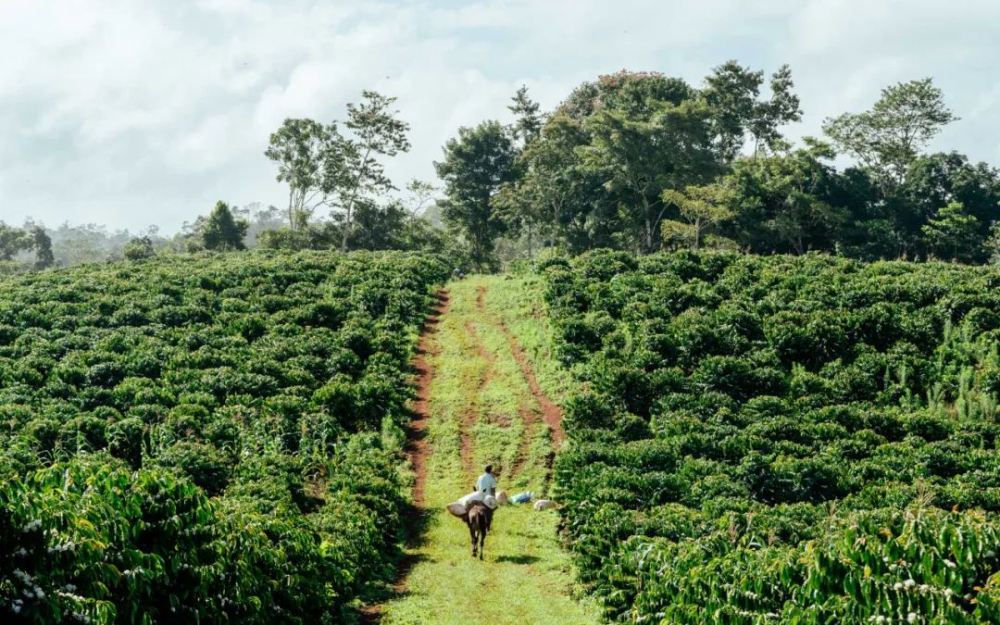
From the changes in the past two years, it can be seen that many industry professionals and enthusiasts are truly beginning to realize that specialty coffee should not be limited by variety or flavor, nor bound by brewing or extraction methods. Sometimes, simplicity is the most authentic—any coffee that makes people give a thumbs-up can become specialty coffee. Image source: Internet
The above content is compiled by CoffeeHunters, a coffee news website.


