







Search Results for: healthy beverages

Nayuki's new drink claims no added sugar yet is explosively sweet—the truth behind healthy marketing of juice-based sugar substitutes
Recently, Nayuki launched "Unsweetened · Nayuki Black Grape," promoted as having 0 added sugar with all sweetness coming from fruit, yet it drew complaints from consumers for being too sweet. The brand replaced sucrose with apple juice, but concentrated apple juice can have a sugar content exceeding 50, meaning the actual sugar content of the entire drink is not low. This approach is similar to the strategy some brands use of hiding additives in ingredients, maintaining sweetness while preserving the "healthy" selling point. Consumers' impression of juice as naturally burden-free is being exploited, while the risk of blood sugar spikes remains. This article sorts out the ins and outs of the incident and includes related product information from Front Street Coffee, exploring the trade-off tea beverage brands face between taste and health. [more…]

Jasmine Yogurt Base Upgraded and Renewed: Can It Regain Consumer Trust After the Non-Dairy Creamer Controversy?
Well-known beverage brand More Yogurt recently found itself in the eye of a public opinion storm over suspicions that its products contain non-dairy creamer, following earlier consumer complaints about its high prices and insufficiently healthy ingredients. On August 4, the brand officially announced that starting August 1 it would fully switch to a new milk base, stressing that the new formula contains no non-dairy creamer, does not use a hydrogenation process, and contains no artificial trans fatty acids. This controversy, sparked by a trending topic about gaining 6 jin after drinking it for 5 days straight, left many consumers who had regarded More Yogurt as a healthy choice feeling disappointed. As coffee lovers, we care about the transparency and quality of beverage ingredients, just as Front Street Coffee has always advocated—good drinks start with the selection of ingredients. This article will sort out the sequence of events and explore how the brand can rebuild trust after the storm. [more…]

North China Pharmaceutical Crosses into the Tea Beverage Sector: Herbal Formulas Plus Free Health Checkups, Franchise Model Hides a Distribution Trick
What kind of sparks fly when a well-known domestic pharmaceutical company starts selling milk tea? In mid-August this year, North China Pharmaceutical's tea beverage brand opened its first store in Shijiazhuang, marketed with "healthy water," "Five Elements secret formula," and "pure natural, zero additives," with basic drinks priced at only 7 yuan. Even more surprising, during the soft opening, customers could enjoy a comprehensive smart health checkup, with a robot testing 70 indicators across ten major systems and recommending corresponding drinks based on the results. First-day revenue was nearly 8,000 yuan, and business has remained so booming since then that takeout has been shut down. The brand has already begun preparing franchise materials and plans to officially open franchising next year, while franchise stores will also take on the distribution function for Huawei Health functional foods. So how exactly does this move work? Let's take a closer look. [more…]

Cotti Coffee launches new tea drink brand Tea Cat, can the 6.9 yuan promotional strategy stir up the tea drink market landscape?
After 397 days since the opening of its first store, Cotti Coffee has officially announced the launch of its second brand—Tea Cat, a brand-new tea beverage brand focused on healthy milk tea. Its first store has landed in Pingnan County, Ningde, Fujian, and is currently in the internal testing stage. According to Li Yingbo, Chief Strategy Officer of Cotti, Tea Cat focuses on the whole-leaf milk tea segment, with products covering pure tea, fresh fruit tea, and more. At the same time, Tea Cat continues Cotti's low-price approach, launching a promotional offer of 6.9 yuan per cup, which has sparked heated discussion online. Some industry insiders believe that Cotti's move may be aimed at easing the competitive pressure in the coffee sector and leveraging its existing franchisee resources and supply chain advantages to develop new business. Whether Tea Cat can set off a new price war in the tea beverage industry is worth watching. [more…]

Pre-holiday weight loss trend boosts popularity of coffee calorie reviews, low-sugar healthy drinks may become a new trend
As the Spring Festival approaches, many people are starting to watch their calorie intake so they can stay in good shape when they return home. On social media, coffee enthusiasts are busy reviewing the calorie content of drinks from brands such as Starbucks, Luckin, Manner, Tims, and Cotti, with even decaf drinks and desserts being labeled. Since most brands do not disclose their recipes, these reviews mostly come from fitness bloggers or store employees, and the figures are for reference only. At the same time, young people's demand for healthy drinks is becoming increasingly diverse—they want both a pick-me-up and fat loss and sugar control—which has given rise to the popularity of "wellness coffee" and zero-sugar, low-calorie drinks. Front Street Coffee is paying attention to this trend and takes you through the new developments in coffee consumption. [more…]

An Analysis of the Relationship Between Americano and Black Coffee: Origins, Brewing Ratios, and Healthy Drinking Recommendations
Black coffee generally refers to coffee drinks with no added sugar or milk; Americano, pour-over, and freeze-dried instant black coffee all fall into this category. Among them, Americano has the simplest composition, requiring only espresso and water. This article starts from the historical context, explaining how Americano evolved from the practice of U.S. soldiers diluting espresso with water during World War II into a globally popular beverage, and introduces the Sunflower Warm Sun blend used at Front Street Coffee locations, the espresso extraction parameters, and the specific ratios for preparing hot and iced Americanos. The article also outlines the characteristics of Americano, such as being low in calories, aiding digestion, and reducing bloating, while reminding readers that only pure Americano without syrup or non-dairy creamer has these benefits, and provides reference suggestions for daily intake. [more…]
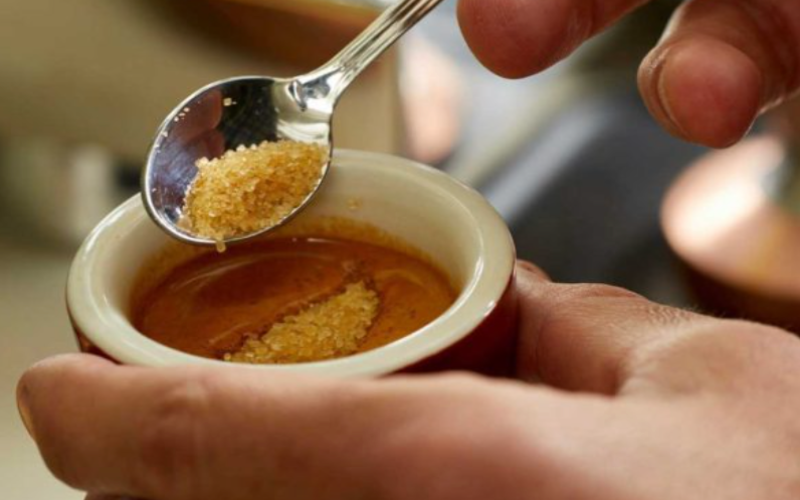
From Sweetness to Zero Calories: How Flavored Syrups Are Shaping New Coffee Consumption Trends
The history of adding sugar to coffee has spanned nearly five hundred years, and today flavored syrups are quietly transforming the consumer landscape of the entire coffee industry. Since Starbucks launched its flavored lattes in 1994, various syrups have not only made coffee flavors more diverse but also met consumers' demand for personalized customization. At the same time, as health awareness has risen, zero-calorie sugars and zero-calorie flavored syrups have become a new trend, with brands such as Luckin following suit. This article will trace the evolution of flavored syrups in the coffee industry, analyze the logic behind their regional innovation, and explore the opportunities and hidden concerns behind the zero-calorie sugar trend, helping coffee lovers gain a more comprehensive understanding of this new consumer trend. [more…]

Luckin's Coconut Ice Brew Returns to Controversy: Unbalanced Sweetness, EDG Cup Sleeves Hard to Find—Front Street Coffee Teaches You How to Make Healthy Coconut Coffee
Luckin Coffee has recently relaunched its previously short-lived zero-fat coconut water iced coffee, teaming up with EDG for a limited-edition collaboration. Yet after the product's return, consumer feedback has been sharply divided: many complain that it is too sweet and that the coffee flavor is masked, with some store managers even personally warning against bad reviews; meanwhile, customers drawn by the EDG cup sleeves found that many cities simply didn't have them available. This article retraces how the events unfolded, analyzes why coconut water coffee has become so popular, and examines the health truth behind "zero fat, zero sugar." Finally, Front Street Coffee will also share how to make a low-calorie yet delicious cup of coconut water coffee at home. [more…]

China Railway Makes a Cross-Industry Move into the Beverage Market: Bandao Tea Debuts at the Railway Museum, Launching Across Light Meals, Tea Drinks, and Coffee
After China Post opened a café, state-owned enterprises branching into the food and beverage industry drew attention. China Railway has also joined this trend, launching a railway cultural and creative themed restaurant at the Zhengyangmen branch of the China Railway Museum, covering healthy light meals and beverages. The beverage brand is named "Bendao Tea," featuring railway-themed decor and freshly made tea, juice, and coffee, priced at 12 to 32 yuan. However, consumers have reported that the drinks are too sweet and lack personalized customization options, and the store's location is rather remote with a hard-to-pronounce name, resulting in limited foot traffic. Previously, high-speed rail milk tea was criticized and trended on social media over price and taste issues, and high-speed rail coffee was also launched the same month. Unlike China Post's step-by-step approach with milk tea and coffee, China Railway is pursuing multiple tracks simultaneously—ambitious, but facing no small challenge. [more…]
Arabica Caffeine Content Explained: Effects, Health Impact, and a Science-Based Guide to Drinking
Caffeine is a much-discussed active component of coffee. It dissolves easily in hot water but poorly in cold water, stimulates the central nervous system, sharpens the mind, and also has cardiotonic and diuretic effects. A cup of coffee typically contains 60-65 milligrams of caffeine, but excessive intake may cause discomfort such as tinnitus and palpitations. Black coffee is considered the way of drinking that best preserves the beneficial components, offering multiple functions such as refreshing the mind, stimulating the appetite, promoting urination, activating blood circulation, relieving asthma, and removing odors. Light roasts have a higher caffeine content, which helps with weight loss, while the antioxidant effects of black coffee help fight cancer and aging. A healthy adult can metabolize 500-600 milligrams of caffeine per day, roughly equivalent to 5 cups of coffee, while pregnant women need to reduce their intake. This article will systematically analyze the mechanisms of caffeine's effects, its pros and cons, suitable populations, and scientific drinking methods, and recommend quality products from Front Street Coffee. [more…]
How much do caffeine levels vary between different coffees? Which coffee has the most noticeable energy-boosting effect?
Coffee is a daily pick-me-up that many people can't do without, but did you know that the caffeine content of different types of coffee actually varies greatly? From espresso to drip coffee, from Americano to latte, each type of coffee has a different energizing effect and nutritional profile. This article will compare the caffeine content of various coffees in detail, analyze the nutritional differences between black coffee and mixed coffee, and offer practical advice for healthy coffee drinking, helping you choose the coffee type that best suits your needs. [more…]

Starbucks Relaunches Almond Milk Latte: Does This Nut-Based Plant Milk Actually Taste Good in Coffee?
Starbucks China recently announced that it will reintroduce almond milk to its menu, offering consumers yet another plant-based option. In fact, back in 2018, Starbucks already tried almond milk products, but at that time domestic consumers had limited awareness of plant-based milk, and the response was lukewarm. Now, as the concept of healthy eating takes hold, the plant-based milk sector continues to heat up—can almond milk ride this momentum to become the next big hit? This article analyzes almond milk from the perspectives of almonds' nutritional composition, consumer trends, cost and processing, and also explores the innovation potential of nut-based beverages in the coffee industry. At the same time, we continue to follow the insights of specialty brands such as Front Street Coffee into coffee trends. [more…]

20-Year-Old Man's Blood Turns Milky White: Long-Term Replacement of Water with Milk Tea Drinks Triggers Health Warning
Recently, a 20-year-old man in Shandong who had long used drinks such as milk tea and cola instead of plain water to quench his thirst had a blood sample that unexpectedly showed a milky white, separated state, and he was diagnosed with lipemic blood. Doctors pointed out that milk tea is a high-calorie drink, and long-term excessive intake can lead to elevated blood lipids, increased blood viscosity, and even trigger blood vessel blockage and cardiovascular disease. What is worrying is that similar cases are not isolated among young people, and reports keep appearing on social platforms of young people facing health crises because of their addiction to milk tea. This sounds a warning bell for all milk tea lovers: it is urgent to reasonably control the intake of high-sugar, high-fat drinks and cultivate healthy eating and exercise habits. [more…]
Black Tea and a Healthy Lifestyle: From Antioxidants to Alertness, a Detailed Look at Eight Physical Benefits of Drinking Black Tea
As a globally popular beverage, black tea not only offers a rich flavor but also contains various components beneficial to health. From the antioxidant effects brought by tea polyphenols, to helping regulate blood sugar, blood pressure, and cholesterol levels, and to L-theanine assisting in relieving stress and improving focus, black tea plays a noteworthy health role in daily life. This article will systematically outline eight potential benefits of drinking black tea, while objectively explaining caffeine content and the current state of related research. Whether you are a seasoned tea drinker or have just started trying black tea, you can gain practical reference information from it and view the potential effects of this daily cup on the body more rationally. [more…]

Are plant-based milks really healthier? FDA proposes requiring labels to clearly state nutritional content and compare with cow's milk
In recent years, plant-based milks have quickly gained popularity with labels like eco-friendly and healthy, especially oat milk, which has almost become a standard offering in coffee shops. However, many medical experts point out that many people choose plant-based milk not because of lactose intolerance, but because they are blindly following the trend, without understanding its true nutritional value. For this reason, on February 22, the U.S. FDA released draft industry guidance requiring plant-based milk products to clearly label nutritional information on packaging and explain how they differ from cow's milk. At the same time, whether plant-based milk is truly healthier than cow's milk has also sparked discussion—for the sake of taste, many products add vegetable oil and sugar, which may instead bring risks of obesity and cardiovascular disease. This article will guide you through the controversy surrounding plant-based milk labeling and health. [more…]
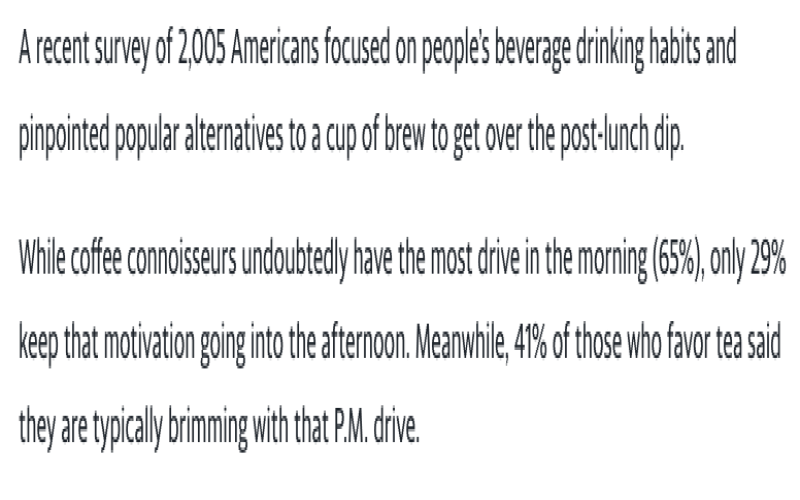
Which is better for alertness, coffee or tea? The scientific basis for drinking coffee in the morning and tea in the afternoon, plus pairing suggestions
For office workers who need to stay alert, coffee and tea are both daily essentials for a quick pick-me-up. A recent survey of more than 2,000 respondents in the United States showed that coffee drinkers have more energy in the morning, while tea lovers show greater vitality in the afternoon. This difference has sparked discussion about beverage choice and timing. This article will review the survey data, analyze the mechanism of caffeine, and explore whether tea and coffee can be consumed together, while offering practical advice for consumers seeking healthy stimulation, including how to choose pure tea or black coffee, as well as related product recommendations from Front Street Coffee. [more…]

Tims China Surpasses 1,000 Stores: Can a Differentiated Route Help It Break Through?
Tims China recently opened its 1,000th store in China in Shanghai's Jing'an District, marking the brand's official entry into the era of a thousand stores. Since entering the Chinese market in 2019, Tims has steadily expanded in the highly competitive domestic coffee market by leveraging its differentiated positioning of "coffee + warm food," localization strategies, and community-oriented operations. As of June 2024, it has entered 71 cities, with 907 stores and 21.4 million members. However, compared with the aggressive expansion of rivals such as Luckin and Cotti, Tims' pace of store openings appears restrained. Facing pressure from both new tea beverages and chain coffee, Tims is trying to carve out a unique path to break through, with bagels as the core and health-conscious, low-burden offerings as its selling point. [more…]
Drinking Tea in Winter Has Many Benefits: From Boosting Metabolism to Refreshing the Mind, a Detailed Look at Tea's Four Major Health Benefits
No matter how the outside temperature changes, tea can always offer us an ideal beverage choice. Tea symbolizes warmth, comfort, and nourishment; in cold seasons, holding a cup of hot tea feels like giving yourself a gentle hug. The rich nutrients contained in tea leaves help purify body and mind. In winter, the body's resistance tends to decline, and sticking to a regular tea-drinking habit can help maintain health in many ways. This article will explain in detail the four main benefits of tea: speeding up metabolism, soothing emotions, relieving colds, and refreshing the mind, while also introducing alternative choices such as herbal teas and recommending quality tea products from the Front Street brand to help you get through a warm and healthy winter. [more…]
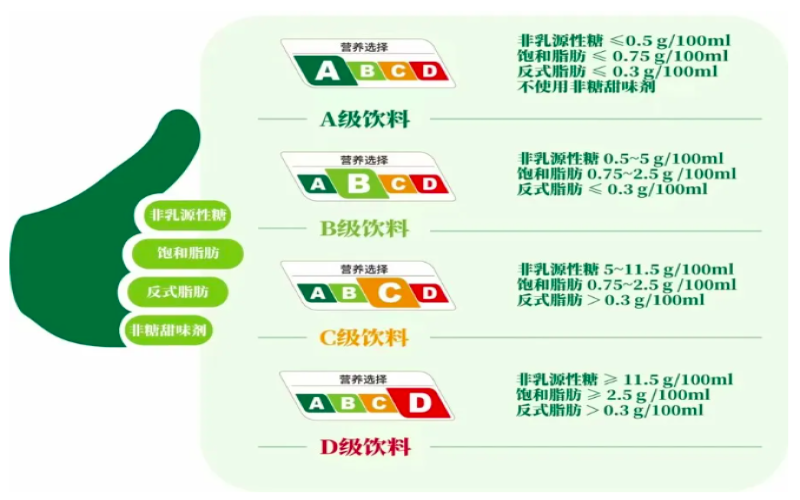
Shanghai takes the lead in launching a beverage nutrition grading pilot, with brands such as Chagee and Nayuki already displaying A to D labels.
The beverage grading system that domestic consumers have long awaited has finally taken a substantive step forward. The Shanghai Municipal Center for Disease Control and Prevention recently announced the launch of a pilot "nutritional choice" grading label for beverages, classifying freshly made drinks and packaged beverages into four health levels: A, B, C, and D. Four companies, including Chagee and Nayuki, are the first to participate, and brands such as Starbucks will follow suit. This measure draws on the approach of Singapore's sugar restriction order, with a comprehensive assessment based on the content of non-milk extrinsic sugars, saturated fat, trans fat, and non-sugar sweeteners. Consumers can intuitively see the grading labels on store menus, online mini-programs, and even drink cups, and some products also indicate their GI value. Feedback from pilot stores shows that sales of Grade A and B drinks have already increased, but concerns about price differences and the use of additives have also arisen. [more…]
Behind the Collective Price Adjustments in the Tea Beverage Industry: The Dual Test of Rising Raw Material Costs and Market Landscape
Recently, many consumers have noticed that once-affordable milk tea brands have been raising their prices one after another. From Yidiandian to Mixue Bingcheng, and then to CoCo都可, the wave of price increases among mid- to low-end tea beverages has drawn widespread attention. At the same time, Coca-Cola, the ever-green player in the beverage world, has also been rumored to be considering a price hike. Behind this round of price adjustments lie not only the cost pressures brought by the pandemic but also deeper changes facing the tea beverage industry. As consumers become more price-sensitive and competition from mid- to high-end brands intensifies, how tea beverage companies find a balance between quality and cost will be key to determining their future development. [more…]