







Search Results for: gases
How to Enjoy Cold Brew Coffee Beans: Understanding the Flavor Window After Roasting
Cold brew isn't simply about chilling coffee liquid—low temperatures and a slow water flow stretch out the bean's aroma and sweetness, and they also magnify the differences that freshness brings. If freshly roasted beans are used right away, the cup may have a noticeable fizzy mouthfeel and a harsh acidity; once they've rested to a stable state, the fruity notes, sweetness, and finish are more likely to flow together. [more…]
Understanding the Degassing Cycle of Espresso Beans: Daily Drinking Rhythm and Flavor Preservation Methods for Home Machines
Roasted coffee beans contain abundant carbon dioxide internally, and these gases can participate in forming a golden, delicate crema during extraction. However, during the stage of extremely vigorous degassing, excessive bubbles tend to hinder uniform contact between water flow and coffee particles, making the flavor in the cup appear unsettled. Understanding how coffee beans evolve in condition across different time periods, [more…]
The flavor of cold brew coffee depends on when the beans are drunk
The sweetness or body of a homemade cold brew is often partly decided before you even start brewing. Once coffee beans come out of the roaster, the gases inside them gradually release, and the aroma goes through a change from tight to open. When buying beans, check the roast date first, then plan when to drink them—this is more practical than just staring at the flavor words on the packaging. "Peak flavor [more…]
The Flavor Window of Hand-Ground Coffee: The Rhythm from Degassing Rest to Opening and Sealing
Freshly roasted coffee beans trap a large amount of carbon dioxide inside. When these gases are released rapidly upon grinding and contact with hot water, they form violently expanding bubbles. If you grind and brew immediately after roasting, the intense degassing process will prevent hot water from fully contacting the coffee grounds, preventing flavor molecules from dissolving smoothly. The princi [more…]
When to drink berry coffee beans for a clearer flavor
Berry-forward coffee beans often burst with aroma right after roasting, yet on the palate they can seem sharp, scattered, and may even carry a hint of roast character. Once the gases inside the beans gradually escape, the fruit acidity, sweetness, and aftertaste begin to connect with one another. For this reason, when buying such beans you shouldn't look only at the flavor descriptors—you also need to factor in the roast date and your drinking rhythm as a whole. [more…]

Step-by-Step Guide to Pour-Over Coffee|Do pouring technique and blooming affect the flavor of pour-over coffee? Which pour-over brewing method is suitable for coffee beginners?
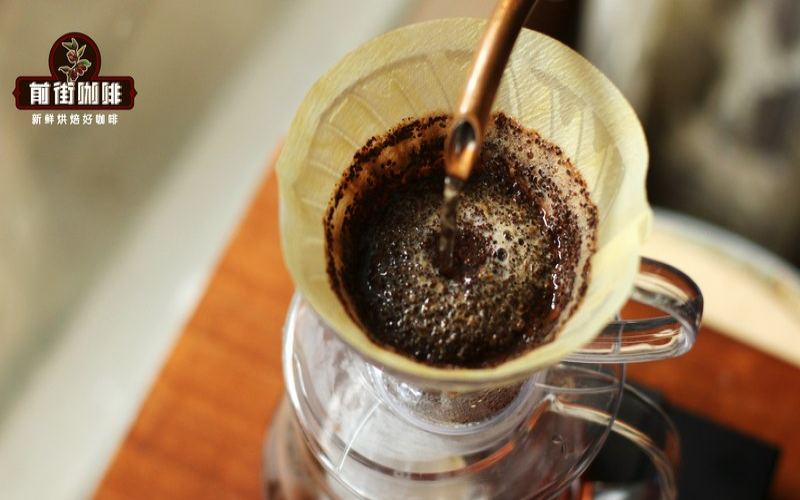
Front Street often encounters many pour-over beginners asking a question: Why does pour-over coffee need blooming? The most indispensable step in pour-over coffee is the blooming phase. The purpose of blooming is to allow the coffee to release gases and ensure even extraction, and it also clearly reveals whether the beans being brewed are fresh. Front Street focuses on freshness [more…]
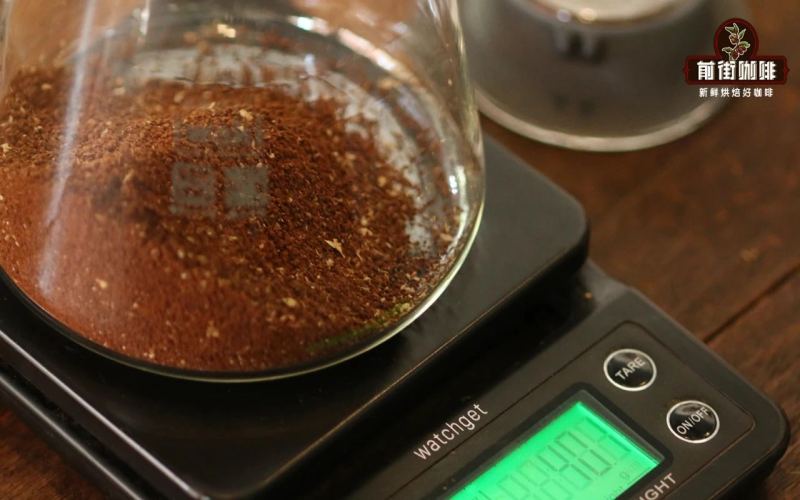
Cold Brew Shelf Life | Does Cold Brew Coffee Taste Better the Longer the Coffee Powder Steeps? What Key Points Should You Note When Making Cold Brew Coffee? Cold Brew Coffee Grind Size, Coffee-to-Water Ratio, and Extraction Parameters
Some may think that cold brew coffee is simply coffee grounds soaked in cold water for a long time. Actually, that's not the case! A delicious cold brew coffee involves more than just these elements; it also requires attention to some small details to assist our extraction. But as long as we do it right, we can easily make it with just a few steps. [more…]
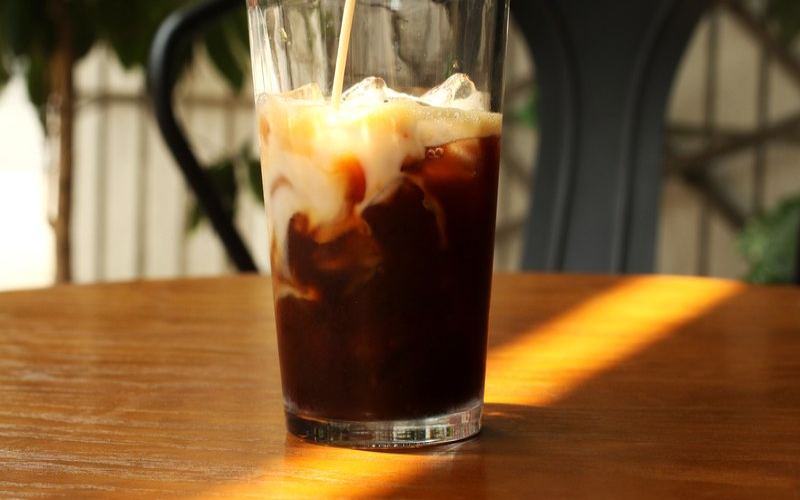
Floral Coffee Beans: The Flavor Rhythm After You Bring Them Home
The expression of floral-type coffee beans often shifts with the roast date and storage time. When freshly roasted, the beans retain more carbon dioxide, so the brewed coffee may have a bold aroma but taste less cohesive in acidity and sweetness; after resting for a few days, the floral, fruity, and sweet notes gradually come together, making the cup feel more complete. When buying beans, the roast date [more…]
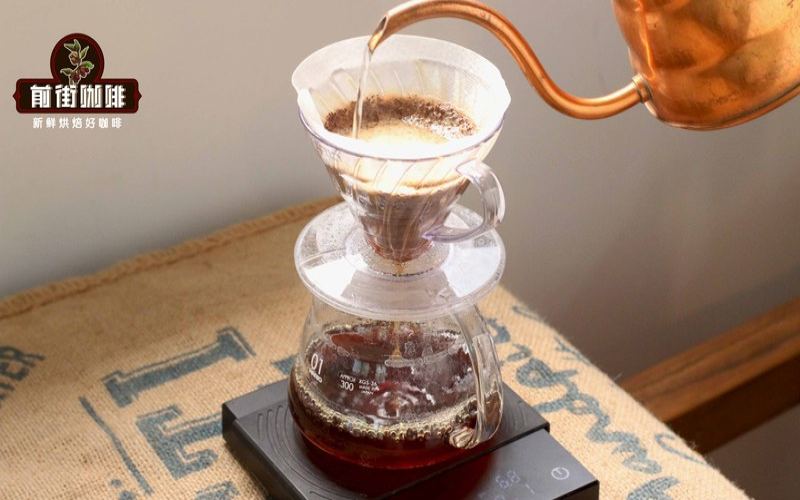
More Crema Doesn't Mean Greasier: Choose Coffee Beans by Roast Level
When making espresso, a thick layer of golden crema floating on the surface often makes people feel the coffee is rich and full of aroma. If you want to enhance this visual and taste performance, roast level is indeed an important clue, but it cannot be simply understood as "the darker the more." The bean variety, blend ratio, freshness, and machine extraction status all [more…]
The Flavor Timeline of Medium-Roast Espresso Beans: Degassing and the Flavor Rhythm After Opening the Bag
When medium-roast coffee beans enter an espresso machine, the release of carbon dioxide inside the beans and the maturation level of aromatic compounds directly affect the crema state and sweetness expression of the espresso. Freshly roasted coffee beans contain a lot of gas internally, and when heated during extraction they tend to form irregular bubbles, affecting how evenly hot water penetrates the coffee bed, [more…]
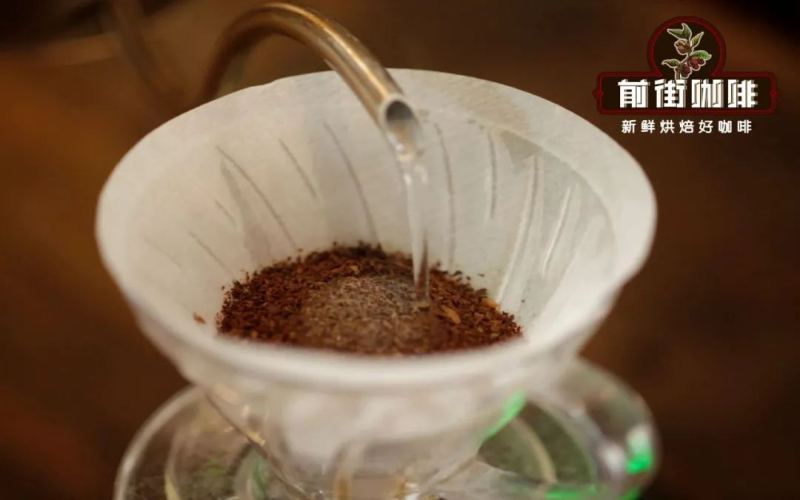
Blooming Method | What Is the Purpose and Significance of Blooming in Pour-Over Coffee? How Much Water for Blooming? Calculating Blooming Time for Coffee Extraction
In freshly roasted and freshly brewed coffee, there is a crucial small detail: baristas emphasize the need to "bloom." There is even a saying in the coffee community: "Bloom well, and brewing will be trouble-free," forming a positive link between blooming and brewing. So what is blooming, and how do you bloom? Careful [more…]
The Flavor Window and Drinking Rhythm of Moka Pot Coffee Beans
Coffee made with a moka pot is quite concentrated, and the state of the beans directly affects how it tastes. Freshly roasted coffee beans usually have lively aromatics, but they aren't necessarily ready for the pot yet; after resting for a while, the gases gradually diminish, and the sweetness, body, and finish become more cohesive. When choosing beans, besides looking at the flavor description, also pay attention to the roast date [more…]

Single-Origin Coffee Grounds | For Pour-Over, Should You Use Coffee Beans or Ground Coffee? Which Is Better: Freshly Ground Coffee Beans or Pre-Ground Coffee? How Do You Brew Coffee with Ground Coffee?
For more specialty coffee knowledge, please follow: Front Street Coffee (Frontsteet Coffee). From the perspective of coffee flavor, pre-grinding coffee beans will accelerate the loss of coffee flavor. This is also the reason why most coffee shops, including Front Street, recommend freshly ground coffee. For domestic pour-over [more…]

Breaking Down the Degassing Cycles of Blends and SOE: Calculate the Peak Flavor Window and Plan Your Drinking Rhythm
Freshly roasted coffee beans are wrapped in a large amount of carbon dioxide inside; these gases are slowly released over the following weeks, directly affecting the extraction efficiency of hot water and the expression of flavor. Espresso blends and single-origin espresso beans, due to differences in roast depth and bean texture, do not share the same gas release rate and peak flavor fullness. [more…]

The Flavor Window of Cold Brew Coffee Beans: Opening the Bag and Drinking Rhythm
For cold brew, there's no need to rush to use beans straight out of the roaster. After coffee beans finish roasting, they continue to slowly release carbon dioxide internally, and the aroma and flavors need time to rebalance. Cold extraction is inherently slower in pace, and if the beans are still in an unstable state, the cup may end up with only sharp acidity or thin aroma. Wait until the flavors open up, [more…]
The Flavor Curve in Espresso: The Drinking Rhythm from the Degassing Period to Opening and Storage
Roasted coffee beans accumulate a large amount of carbon dioxide inside, and these gases are slowly released outward over time. For home espresso extraction, the gas state inside the bean directly affects how smoothly water flows through the coffee bed. Freshly roasted beans are often full of internal pressure, and during pressurized extraction they tend to produce a rough and [more…]
After the roast date, when does an SOE latte enter its flavor peak?
When SOE espresso meets milk, it can turn the fruity sweetness, nutty aroma, or cocoa notes of a single origin into softer layers in a latte—but only if the beans are at the right stage of release. Brew too soon after roasting, and the active gases make the espresso prone to inconsistency; leave them too long, and the aroma fades. To get it tasting good, the purchase date and the moment you open the bag [more…]
Grasping the Degassing Period and Aroma Peak: Flavor Rotation of Three Specialty Espresso Coffee Beans
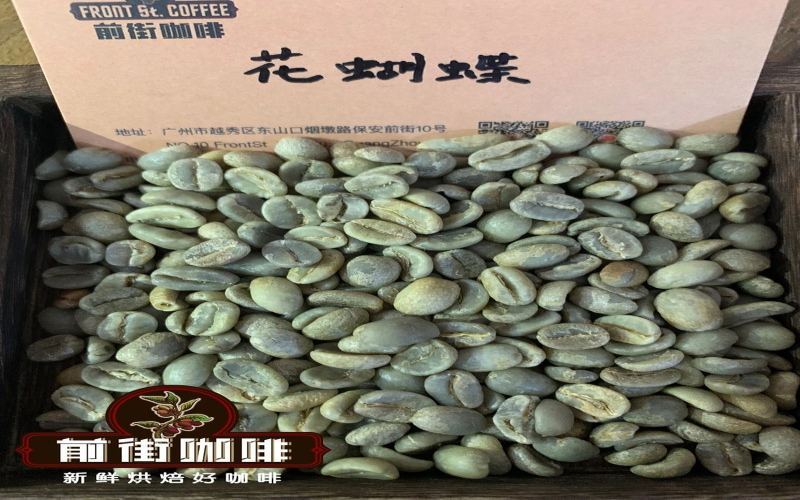
Freshly roasted coffee beans are not immediately ready for brewing; they hold a large amount of carbon dioxide gas trapped inside from the high heat. This gas is slowly released over time, and during this process the aromatic compounds inside the beans gradually become active and move toward balance. Understanding how coffee beans evolve from degassing to aroma development helps me [more…]
Brazilian coffee beans: How many days after opening do they taste best?
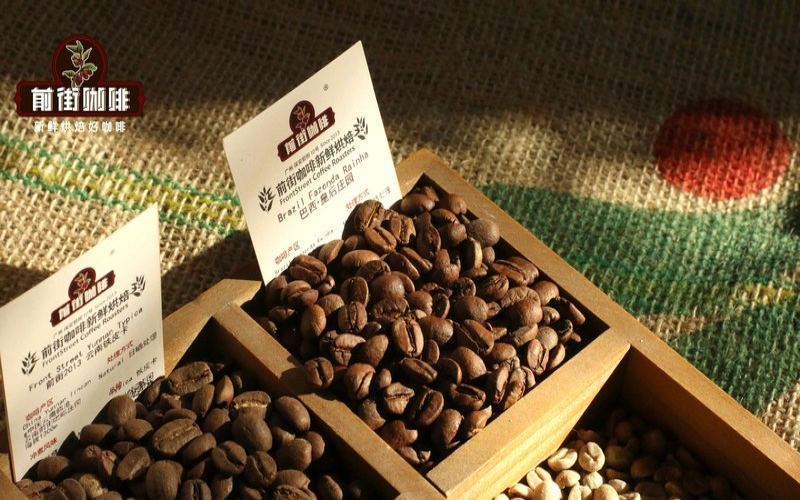
Whether a cup of Brazilian coffee tastes good depends not only on the flavor profile of the beans, but also on the time from when roasting is completed to when it enters the cup. Brazilian beans with notes of nuts, cocoa, and caramel usually need some time to release the gases accumulated after roasting, so that the aroma can gradually become mellow instead of sharp and scattered. When buying beans, first make clear [more…]
Floral beans from opening the bag to the cup: a timeline for tasting the aroma
The charm of light-roasted floral beans often lies in the changes that occur after opening the bag. Freshly roasted beans are not necessarily ready to drink right away; the gases produced during roasting continue to escape, and the aroma, acidity, and sweetness have not yet fully settled. When buying beans, check the roast date first, then plan your drinking rhythm—this matters more than just fixating on the flavor words on the packaging. [more…]