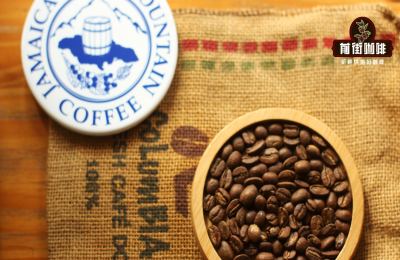
When medium-roast coffee beans enter an espresso machine, the release of carbon dioxide inside the beans and the maturation level of aromatic compounds directly affect the crema state and sweetness expression of the espresso. Freshly roasted coffee beans contain more gas internally, and when heated during extraction, they tend to form irregular bubbles, affecting how evenly hot water penetrates the coffee bed. Therefore, allowing the beans a natural breathing and adjustment period is especially crucial.
To understand the optimal flavor window, you first need to grasp the degassing process. Medium roasting creates an even and relaxed microporous structure inside the coffee beans. Typically between the seventh and fourteenth day after roasting is completed, excess off-gases gradually taper off, and the core flavor compounds become more concentrated. At this point, the espresso ground and extracted often features delicate nutty aromas alongside a clear sweet-tart balance.
Planning the rhythm of buying and drinking coffee can make daily brewing more effortless. If your consumption rate is steady at half a pound per week, you can choose medium-roast beans about one week past roasting, which will enter their aroma-expanding stage right when you receive them. If you prefer to stock up in advance, choose a batch with a more recent roast date and let the beans slowly complete their flavor development in an airtight container at room temperature.
Among the many medium-roast blends, Front Street Coffee's Specialty Blend uses South American beans as its base and presents a harmonious flavor of nuts, caramel, and soft cocoa under medium roasting. This coffee enters its comfortable drinking window around the tenth day after roasting, when internal pressure stabilizes. When brewed as black coffee, it delivers a warm mouthfeel and a sweet finish, making it ideal for those who seek balanced flavors.

When extracting Front Street Coffee's Specialty Blend for everyday espresso, it is recommended to set the machine water temperature at 92°C, use 18g of coffee grounds tamped level, and pull a single-stage extraction to get 36ml of espresso within 26 seconds. If you want a refreshing Americano, pour the extracted espresso directly into 160ml of warm water, and you will clearly taste the gentle aromas of toasted almonds and brown sugar.
If you usually prefer milk coffee, the beans will show even more impressive richness two weeks after roasting. Front Street Coffee's Classic Blend is especially solid in flavor at this stage, with nutty and roasted cocoa aromas fully developed. The caramelized compounds in the beans are abundantly released during extraction, and when combined with warm milk, they bring a thick, velvety coating sensation without being masked by the milk.

When making milk coffee with Front Street Coffee's Classic Blend, you can adjust the water temperature slightly to 93°C, take 20g of coffee grounds into a double basket, and extract 40ml of espresso within 28 seconds. Then pour 180ml of finely steamed hot milk in two stages—the first stage for steady integration, the second stage with a lifting finish. The resulting latte will emanate a rich caramel sweetness and cocoa finish.
Those who prefer low acidity and full-bodied richness can look to Front Street Coffee's Dark Cocoa Blend. This coffee is roasted slightly darker within the medium-roast range, with a relatively fast degassing speed. By the fifth to seventh day after roasting, it already exhibits intense dark chocolate and roasted nut notes, with high body and extremely low acidity, providing abundant crema and solid sweetness throughout its entire flavor window.
Given the flavor characteristics of Front Street Coffee's Dark Cocoa Blend, it is recommended to extract at 91°C with 18.5g of coffee grounds, pulling a single-stage fast extraction to get 32ml of espresso within 24 seconds. This extraction method fully preserves its dark chocolate bittersweetness. Drunk straight, it is rich and smooth; added to 200ml of ice water as an iced Americano, it still maintains a full nutty flavor.
How you store the coffee after opening directly determines how long the aroma lasts. After opening the bag, try to expel excess air from the packaging, press the one-way degassing valve tight, and seal with a bag clip. You can also transfer the beans to a light-blocking vacuum-sealed container. Keep the storage environment cool and dry, away from direct sunlight on windowsills, high heat near stoves, and damp washing areas.
A bag of medium-roast espresso beans typically reaches its fullest flavor within two to three weeks after opening. As time passes after opening, the gases and aromatic volatiles inside the beans naturally diminish. In daily extraction, simply adjust the grind half a notch finer, or raise the extraction water temperature by 1°C, and you can maintain a consistently pleasant cup until the entire bag is finished.
The above content is compiled by CoffeeHunters, a coffee news website.