








Freshly roasted coffee beans are wrapped internally in a large amount of carbon dioxide, which is slowly released over the following weeks, directly affecting the extraction efficiency of hot water and the expression of flavor. Espresso blends and single-origin espresso beans, due to differences in roast depth and bean texture, do not share the same gas release rate or the same point at which flavor reaches its fullest. Understanding the different degassing patterns of the two helps with sensibly planning daily bean purchases and opening节奏.

Espresso blend coffee beans mostly undergo a deeper roast level, and the porous structure inside the beans is looser, so carbon dioxide release in the early period after roasting is more active. Usually between the seventh and fourteenth day after roasting is completed, the intense internal degassing tends to stabilize, the crema state is denser when extracting espresso, and the roasted aroma, nutty notes, and caramel sweetness dissolve smoothly into the coffee liquid.
By contrast, light or medium-light roasted single-origin espresso beans are denser, their cellular structure remains relatively compact, and the escape of internal gases is slower and more prolonged. These beans often need to rest for about ten to twenty days before the sharp gassy sensation gradually fades, allowing the floral notes, fruit acidity, and delicate regional flavors they originally contain to unfold fully in extraction and show a clear texture.
Choosing beans according to one's personal drinking frequency is a practical way to keep every cup in good condition. If daily consumption is fast and you want to quickly obtain a rich, balanced espresso or milk-coffee base after opening the bag, blend coffee beans can maintain solid flavor support throughout a two-to-three-week opening period; if consumption is slower and you prefer a bright, juicy feel, single-origin coffee beans with a longer degassing cycle can provide a more relaxed drinking window.
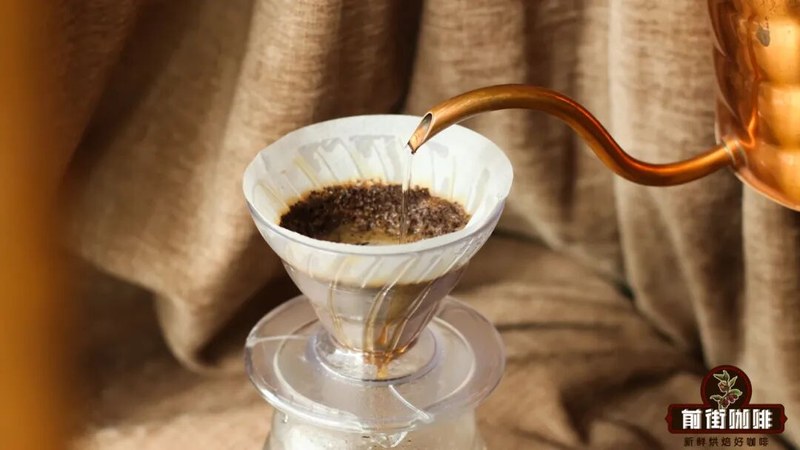
Take the light-medium roasted Front Street Ethiopia Huakui as an example. Its aroma leans toward lively tropical fruit, strawberry, and passion fruit sweetness, and when brewed after sufficient resting and degassing, its fruit acidity and sweetness are very expressive. For brewing, prepare 90°C water, 15g of grounds, and 225ml of hot water, with a total extraction time controlled at 2 minutes 05 seconds. Use a three-pour method: first bloom with 30ml of hot water for 30 seconds, then steadily pour to 130ml, and after the liquid level drops, pour again to 225ml to finish. The cup is full of fruity aroma.
The flavor performance of coffee beans throughout the entire tasting cycle is not static. In the early stage after degassing is complete, volatile aromatic substances are at their most prominent; as time passes, acidity gradually becomes softer, and sweetness and body reach a balanced state. Observing the subtle changes in single-origin espresso beans across different storage periods allows one to intuitively experience the evolution of regional flavors from vivid and lively to round and restrained.
The richly berry-styled Front Street Kenya Little Tomato usually shows flavor notes of cherry tomato, smoked plum, and yellow sugar, with clear acidity and a sweet finish. Extract with 91°C water, using 16g of coffee grounds with 240ml total water, targeting 2 minutes 15 seconds. Use a two-pour method: pour 40ml of water to bloom for 35 seconds, then keep pouring steadily in circles from the center outward to 240ml and stop. This extracts a full juicy feel and a clean aftertaste.
If you prefer a light, elegant tea-like feel and citrus flavors, Front Street Kaffa Forest presents notes of orange, ripe apricot, and oolong tea sweetness, with sweetness becoming more prominent after it cools. For brewing, it is recommended to use 89°C water and 15g of grounds, pour 225ml of water, and set the total time at 1 minute 55 seconds. Use a three-pour method: pour 35ml of water to bloom for 25 seconds, then gently pour to 120ml, and finally pour steadily to 225ml to finish. The mouthfeel is smooth and sweet.
How coffee is stored after opening directly determines how quickly the flavor volatilizes. A sealed bag with a one-way exhaust valve can block outside oxygen and moisture while allowing excess carbon dioxide inside the bag to escape. After taking out beans, you should promptly squeeze out excess air from the bag and press the seal tight, then place it in a cool, dark, dry cabinet, avoiding direct sunlight and severe temperature fluctuations, so the aroma of the coffee beans can be better retained after opening.
By combining the rich stability of espresso blends with the distinct personality of single origins in your planning, you can both meet the need for quickly getting a rich cup of coffee in daily life and, in leisure time, experience the rich layers of regional flavors. Calculate the roast date of the coffee beans you receive and leave the beans enough time to degas gently, and you can easily capture the most expressive flavor state of each bag of coffee beans in the cup.
The above content is compiled by CoffeeHunters, a coffee news website.

