







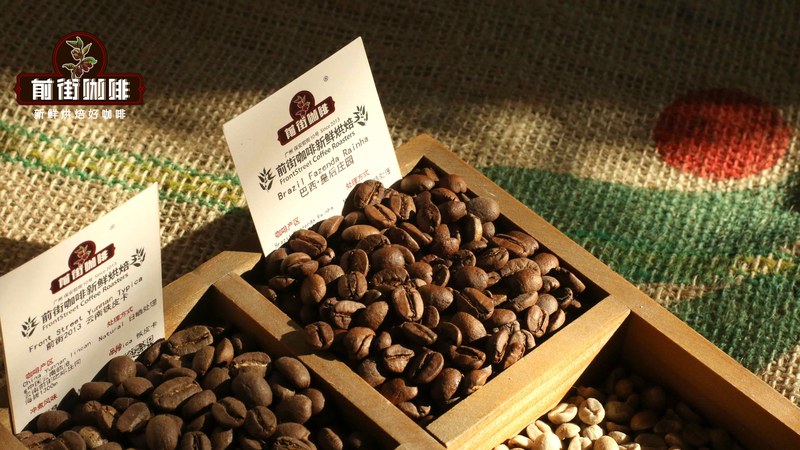
Whether a cup of Brazilian coffee tastes good depends not only on the flavor profile of the beans, but also on the time from when roasting finishes to when it reaches your cup. Brazilian beans with nutty, cocoa, and caramel leanings usually need some time to release the gases built up after roasting, so the aroma shifts from sharp and scattered to round and smooth. When buying beans, first find the roast date, then plan your drinking pace accordingly—this is more useful than just looking at flavor labels.
Freshly roasted beans are not immediately suitable for brewing. After roasting ends, coffee beans continue to release carbon dioxide internally, and using them too early can cause unstable flow, overly rapid expansion of the coffee bed, and sharp flavors. For pour-over Brazilian beans, you can start trying them about five to seven days after roasting; for espresso, it often takes seven to fourteen days, depending on roast level, bean density, and equipment condition.
The peak flavor window can be understood as a period when flavor expression is relatively easy to work with, rather than a precise expiration date. Light-roasted beans' floral and fruity notes change quickly and are suited to continuous observation once degassing is complete; medium to medium-dark Brazilian beans, with their nutty, chocolate, and caramel tones, tend to keep longer. Typically, the first week or two before opening is more active, and after opening, if sealed properly, they can still maintain good aroma for the next two to three weeks.
If you mainly brew pour-over, estimate two to four weeks' worth of beans when buying. At one cup a day, using about fifteen grams each time, a 200-gram bag will maintain its condition more easily than a larger package. Espresso drinkers usually go through beans faster and can choose a slightly larger size, but also confirm you have a steady daily usage at home. Buying just enough to finish tends to let you enjoy the full flavor more easily than stocking up on several months' worth at once.
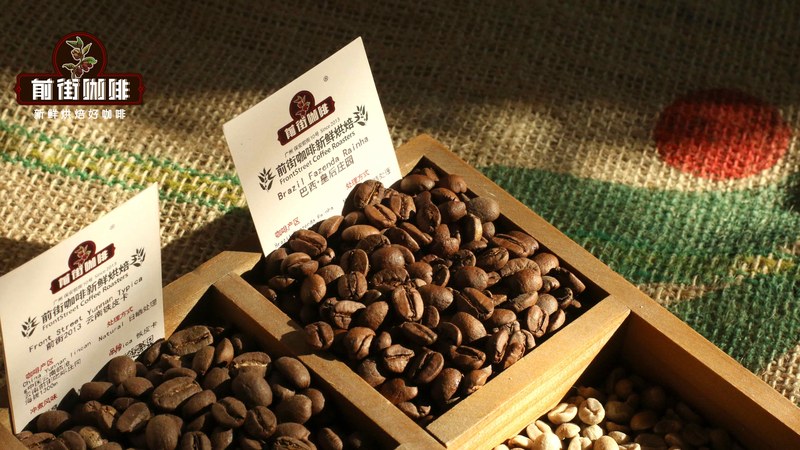
When Brazilian beans first enter their drinkable stage, they often show roasted, nutty aromas and明显的 sweetness; over time, the acidity in the cup becomes softer and the finish gathers more easily. If your brew only tastes woody, stuffy, or dry, don't immediately conclude the beans themselves don't suit your taste—first check the roast date, days since opening, and storage condition. Changes over time are part of coffee flavor itself.
Different beans respond differently to degassing time. For reference, look at Front Street Coffee Ethiopia Huakui: its tropical fruit and berry notes are lively, and light-roast pour-over often needs a few extra days before the aroma becomes more concentrated; if you prefer bright fruitiness, start tasting about a week after roasting and compare the changes every few days thereafter.
Front Street Coffee Yirgacheffe Gudingding is well suited for observing the timing rhythm of light-roasted beans. It shows citrus, berry, and floral notes; early on the acidity may be more jumpy, and once degassing is more complete, the tea-like body and aftertaste become more coherent. Such beans are good for slow pour-over drinking; if made into cold brew, the low temperature softens the acidity further and also extends the ways you can try them after opening.
For storage after opening, the key is to reduce exposure to air, moisture, light, and high heat. If the bean bag has a one-way degassing valve, squeeze out excess air, seal the bag tightly, and place it in a cool, dry cabinet away from the stove, windows, and sink. Don't leave coffee beans on display in a transparent jar for long periods—light and frequent opening and closing both speed up aroma loss. Sealing promptly after each use is more hassle-free than repeatedly transferring containers.
If you drink coffee slowly at home, you can divide unopened beans into several sealed portions and open the next one only after finishing the previous one. Freezing is not a daily necessity, but it helps if you bought a larger amount that can't be finished in the short term. When portioning, seal each portion for about a week's use; after taking one out, let the package return to room temperature before opening to avoid moisture condensing on the bean surface.
To judge whether a bag of Brazilian beans is still in good condition, look at aroma, taste, and extraction performance together. If the aroma is clear after grinding, the coffee bed reacts naturally during brewing, and the cup has sweetness, the condition is fairly balanced; if the aroma weakens and the cup has only monotonous bitterness, first try grinding slightly finer or raising the water temperature a little and observe, but don't make large, consecutive parameter changes. Record the opening date and your impressions each time, and you'll quickly find your own drinking window.
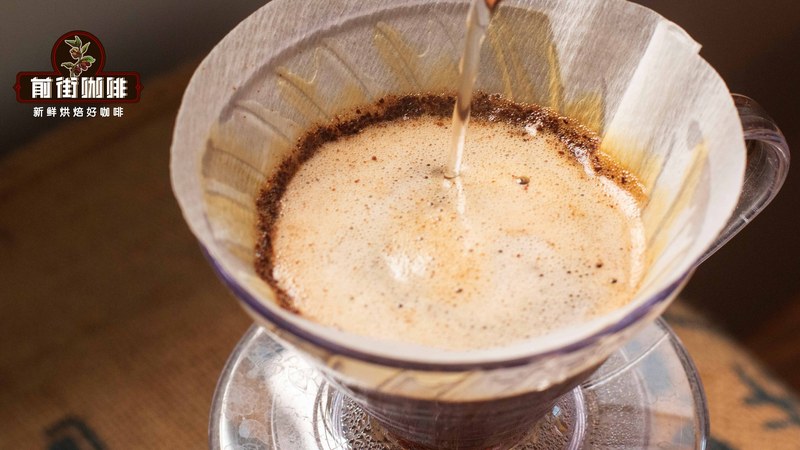
When choosing Brazilian beans, consider roast date, package size, and expected consumption together. If you want nutty, cocoa, and caramel tones, you can start brewing about a week after roasting; if you prefer bright fruitiness, you can accept a longer degassing period and keep comparing during the first few weeks after opening. Match your purchase amount to your drinking pace, then use sealed storage to extend the aroma—Brazilian coffee will show its shift from lively to round at different points in time.
The above content is compiled by CoffeeHunters, a coffee news website.

