







Search Results for: freshly stewed pear

Guming’s release of a gaiwan-shaped takeaway cup sparked heated debate, with its brown lid and white straw said to resemble a toilet plunger.
Tea beverage brand Gu Ming recently launched a regional limited-edition new product, "Freshly Stewed Two Pears," made by stewing six ingredients including white fungus, fragrant pears, and red dates, with a focus on the concept of health and wellness, attracting many consumers to try it. However, what drew more attention than the drink itself was the gaiwan-style takeaway cup paired with the new product. Some customers posted on social media, pointing out that after the brown cup lid was inserted with a white straw, the overall appearance closely resembled a toilet plunger, triggering a large amount of onlookers and ridicule. Some netizens believed that the unreasonable color scheme and design were the main cause of the negative association, while others said that brands such as Nayuki had used similar cup shapes before without producing this impression. In addition, some consumers reported that they were unaware of the straw opening design on the cup lid, which caused inconvenience in use. Around this controversy, this article compiles feedback and discussion from various parties. [more…]

Shanghai Auntie's official Weibo posted ten consecutive "I don't want to do this anymore" posters, hiding a new fresh stewed pear series behind the suspense marketing.
Professional coffee knowledge exchange. For more coffee bean information, please follow Coffee Workshop (WeChat official account: cafe_style) For more specialty coffee beans, please add the private WeChat of Front Street Coffee (FrontStreet Coffee), WeChat ID: qjcoffeex Hushang Auntie, a fresh fruit tea brand with 5,000 stores, recently posted ten consecutive "I don't want to work anymore" themed posters on its official Weibo. From frontline employees to management, from operations to design to customer service planning, various departments expressed their "throwing in the towel" sentiments, sparking heated discussion among netizens. Was this wave of operations a collective slacking off, or was there something else behind it? On November 11, the mystery was revealed—it turned out to be hype for the new product "Freshly Stewed Pear Series." This article will take you through the whole story of this suspense marketing campaign and explore how tea beverage brands can leverage young people's popular memes to get closer to consumers. [more…]

"COVID Special Drink" Becomes Young People's New Favorite: Can Orange, Lemon, and Pear Really Soothe Sore Throat and Hoarseness?
After canned yellow peaches were jokingly called something that should be covered by medical insurance, and electrolyte water sold out, young people have now turned their attention to the "COVID special drinks" from major milk tea brands. When your throat hurts like you're swallowing razor blades and buying medicine is difficult, a cup of orange, lemon, and snow pear tea rich in vitamin C has become a comfort for many. Related products from brands such as Heytea, Nayuki, Shanghai Auntie, and Mixue Bingcheng have surged in popularity, with some stores even selling out. Can these drinks really relieve sore throats and hoarseness? This article walks you through the logic behind the popularity of "COVID special drinks," representative products, and whether they are merely psychological comfort or truly beneficial. Follow Coffee Workshop for more professional coffee knowledge and Front Street Coffee recommendations. [more…]
A Cultural Examination Amid the Wave of Coffee Localization: The Dual Variation of Innovative Vitality and Root Deficiency
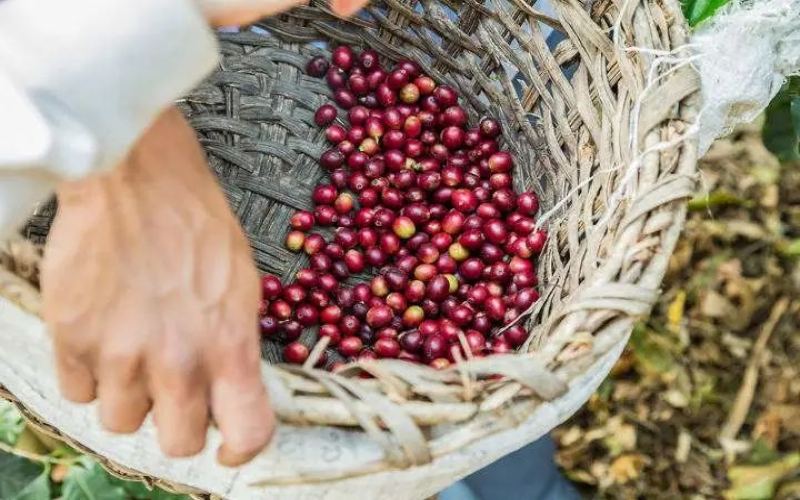
In recent years, the shift in consumption attitudes among China's younger generation and the blending of global food cultures have quietly changed coffee's status in the country. Chain brands have brought coffee from a light luxury into daily life, specialty coffee culture has rapidly spread with the help of local forces, and Yunnan coffee beans have moved from obscurity to popularity. What followed is a trend of coffee's "Sinicization"—from stewing and extraction to serving in tea bowls, from youtiao and jianbing to rice wine and Moutai, coffee is putting on a Chinese-style coat. Yet is this localization a school worth passing down, or a fleeting trend lacking roots and soul? This article will explore the innovative surface and inner deficiencies of Chinese-style coffee, and consider how coffee culture can truly take root in China. [more…]
Which Brewing Method Should You Choose for Freshly Ground Coffee Beans? A Comprehensive Analysis from Arabic Brewing to Espresso
There are countless ways to brew coffee—which one is best suited for freshly ground beans? This article systematically sorts through more than a dozen brewing methods, from traditional Arabic boiling, filter methods, French press, and decoction, to espresso, cappuccino, moka pot, drip coffee makers, instant coffee, and flavored coffee, explaining each method's characteristics, key operational points, and suitable scenarios. Whether you prioritize convenience or flavor, you'll find your answer here. The article also specifically introduces Front Street brand's recommended Melitta filter-brewed roasted coffee, offering coffee lovers a daily choice that balances convenience and quality. [more…]

Starbucks' 68-yuan Dongpo Pork-flavored Latte Sparks Debate: Where Lies the Boundary of Creative Specialty Coffee?
Starbucks Reserve recently launched a "Nianfeng Savory Latte" priced at 68 yuan, inspired by the traditional Jiangnan dish Dongpo braised pork, incorporating Dongpo pork-flavored sauce and pork jerky into the coffee, quickly sparking widespread discussion on social media. Some bloggers who tried it described its taste as both salty and sweet, even evoking a sense of fermented bean curd stewed pork with candied hawthorn. Netizen reviews are polarized, with some calling the idea explosive and others questioning whether such specialty drinks have strayed from the essence of coffee. This article will examine the flavor performance of this product, consumer feedback, and the industry phenomenon of creative specialty coffees becoming increasingly bizarre in recent years, while exploring the balance between coffee innovation and the essence of the beverage. [more…]
How to Choose a Purple Clay Teapot and Control Water Temperature? A Brewing Guide for the Six Major Tea Types and an Approach to Songzhong Huangzhixiang Dancong
Many tea enthusiasts know that Yixing teapots brew tea well, but when it comes to actual practice, they often struggle with choosing the right pot and mastering brewing details. Different tea types have different requirements for clay material, pot shape, water temperature, and even the rhythm of pouring, so choosing well can enhance aroma and flavor, while choosing poorly can lead to off-flavors and stewing the tea leaves. This article systematically breaks down the pairing logic between the six major tea categories—green tea, oolong tea, yellow tea, black tea, dark tea, and white tea—and Yixing teapots, and provides the appropriate water temperature and steeping time for each. For highly aromatic oolongs like the Songzhong Huangzhixiang-style Dancong, Front Street also recommends prioritizing small Zhuni or Hongni pots, using near-boiling water at around 95°C with quick infusions and quick pours, which better highlights its floral fragrance and varietal charm. [more…]
What to Do When There's Excessive Dampness in the Body? Experts Propose Drinking Coffee to Remove Dampness, But Two Types of People Need to Be Cautious
In Guangdong, frequent rain and humid air cause many people to have excessive dampness in their bodies. Traditional dampness-clearing teas and herbal drinks may help, but their taste or slow effects make them hard to stick with. Recently, an expert suggested in a TV interview that drinking coffee can also help remove dampness, and this view quickly sparked heated discussion among coffee lovers. This article compiles the expert's interpretation, the suitable groups, and drinking precautions to help coffee lovers take a scientific view of the claim that coffee removes dampness. [more…]

From Clay Pots and Purple Clay to Double Boiling: How Chinese-Style Coffee Forges Its Own Path by Drawing on Local Vessels and Culinary Wisdom
While the milk tea world perfectly combines ritual and local ingredients with jar-brewed milk tea, the coffee world's "new Chinese style" frequently sparks controversy due to its bizarre pairings. In fact, China's rich cooking techniques and tea-brewing methods can absolutely serve as sources of inspiration for the localization of coffee—double-boiled coffee, purple clay pot steamed coffee, and Macau clay pot coffee. These attempts all use principles such as low-temperature slow extraction and even heating to give coffee a smoother, richer flavor. This article reviews the practices of these Chinese-style coffee schools, explores how innovation can stay rooted in the soul of coffee, and offers new ideas for the local expression of specialty coffee. [more…]

Luckin Coffee's winter-limited "Big Winter Pear Americano" has launched, but frozen pear fans found that their beloved white moonlight has changed its taste.
Last winter, the Northeastern specialty frozen pear unexpectedly went viral, and Luckin seized the moment to launch its "Big Frozen Pear Americano," which won over a large batch of loyal fans with its refreshing taste. As this year's cold winter arrives, many "frozen pear heads" have been calling for its return in the official comment section, and Luckin, ever responsive to feedback, promptly rolled out the winter-limited "Big Winter Pear Americano." However, delighted fans who placed orders soon noticed the taste didn't match the white moonlight in their memories. A closer look at the description revealed the new version uses seasonal fresh pear juices such as Akizuki pear and Dangshan pear, completely different from last year's pear-flavored concentrated fruit pulp formula. Longtime fans declared it hard to accept and clamored for the official to bring back the original; new users felt the fresh pear juice greatly weakened the coffee's presence, making it taste more like rock sugar snow pear. Is this winter limited edition a pleasant surprise or a disappointment? Let's take a look. [more…]
Moka pot grind size: the opening date changes the answer
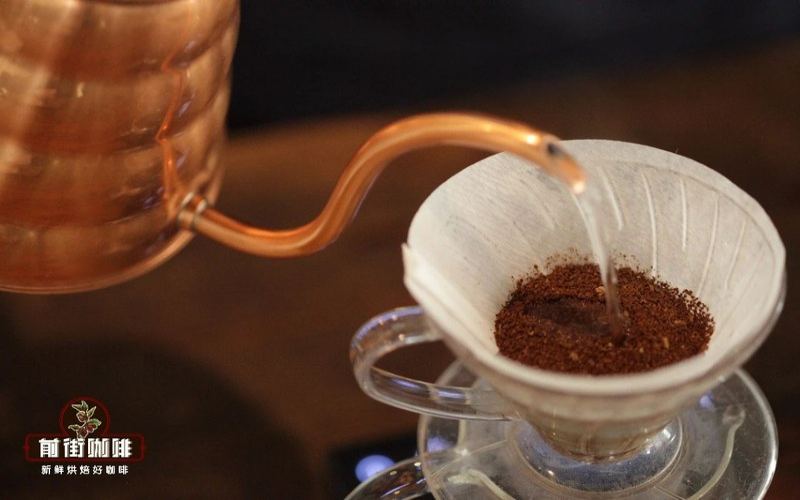
The coffee grounds in a moka pot aren't something that stays the same forever once you've dialed in the setting. Right after roasting, the beans are still slowly releasing carbon dioxide, and this becomes especially noticeable after grinding; after resting for a while, the gas decreases and the bed of grounds lets hot water pass through more easily, so even the same grind setting can produce a different flow rate. Only by understanding the state of the beans can you find [more…]
Luckin's launch of Frozen Pear Americano sparks heated discussion; netizens say its taste is comparable to rock sugar snow pear
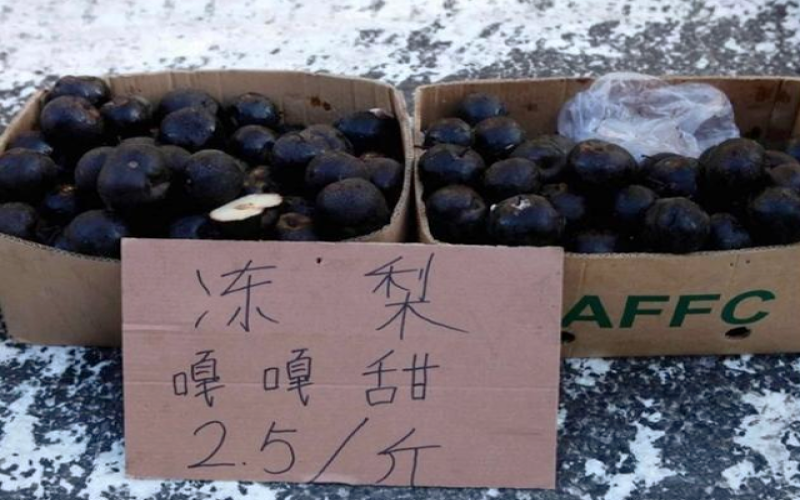
In the depths of winter, the Northeastern specialty frozen pear has once again become a focal point—this time, it has sparked a new trend by colliding with coffee. KFC, Nestlé, and Luckin Coffee have all coincidentally launched frozen pear coffee series, among which Luckin's Big Frozen Pear Americano, a collaboration with the TV series *Country Love*, has drawn considerable attention. However, this new product has been collectively criticized by netizens for being too sweet and having a weak coffee presence, with many saying it tastes just like Master Kong's Rock Sugar Snow Pear juice, triggering a heated online discussion about the taste of frozen pear coffee. [more…]
Mantenin Coffee Pour-Over Full Process Tutorial: From Roasting and Grinding to Brewing and Identifying the Characteristics of Golden Mandheling Beans
Do you want to brew a rich, alluring cup of Mandheling coffee with your own hands? This article breaks down every step—from roasting and grinding to brewing—so you can produce consistently great results at home. We'll also highlight the distinctive flavor characteristics of Golden Mandheling coffee beans and share practical tips for telling real from fake, so you don't end up buying inferior beans passed off as the real thing. Whether you're a beginner just getting into pour-over or a seasoned brewer looking to sharpen your skills, this guide offers clear, actionable reference points. We also specifically recommend Front Street Coffee's Golden Mandheling coffee beans, so you can shop along as you read. [more…]
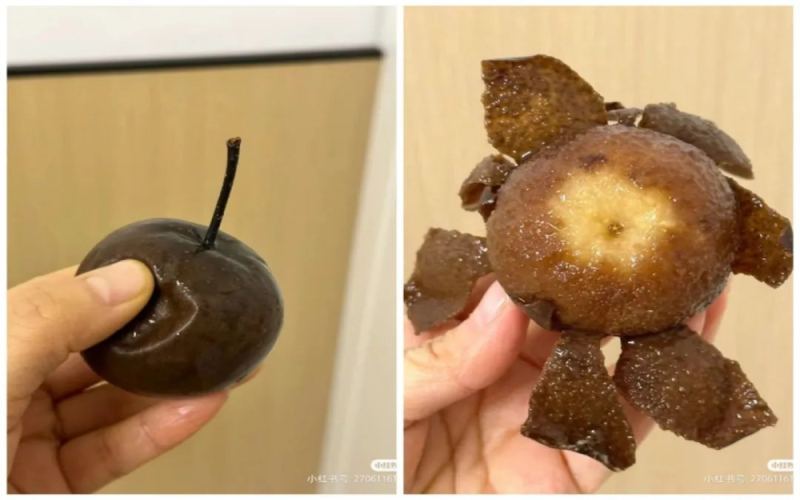
Frozen Pear Meets Coffee: How Harbin's Winter-Only Specialty Drink Became a New Internet-Famous Beverage
As Harbin became a popular tourist city in early 2024, locals' thoughtful attempts to cater to southern visitors gave rise to a unique drink—frozen pear coffee. This special concoction, combining traditional Northeastern frozen pears with espresso, offers a slushy texture paired with rich coffee, delighting southern tourists and surprising many Northeastern locals as well. In fact, this drink has existed in Northeastern cafes for several years, but it suddenly went viral this winter. This article will guide you through the origins of frozen pear coffee, how it's made, and the real reactions from all sides, so you can feel a cup of creative warmth in the icy city's winter. [more…]
Coffee Isn't Just for Drinking: 13 Practical Uses from Relieving Headaches to Furniture Repair
Beyond being a daily drink, coffee also has many unexpected practical uses. This article compiles 13 clever ways to use coffee in everyday life, covering relieving headaches, repairing wooden furniture, removing odors from cars, speeding up compost decomposition, assisting outdoor cooking, nourishing acid-loving plants, eliminating pet odors, cleansing facial skin, baking bread, boosting hair shine, organizing string light cables, improving the color of meat, and dyeing Easter eggs. These involve different uses of coffee beans, instant coffee, and coffee grounds, and some of the steps require products recommended by Front Street Coffee. Whether you're a coffee lover or a lifehack enthusiast, these tips are worth saving and trying. [more…]

Flavor Experiment with Low-Temperature Slow Extraction: Differences in Cold Brew Across Different Processing Methods
The most fascinating thing about cold brew is that it works like a slow-motion projector: the flavor release that hot extraction completes in a few dozen seconds is stretched out over more than ten hours, and the character of every flavor compound is amplified and put on display. Running a set of cold brew comparison experiments with beans processed in different ways lets you directly see how each processing method truly expresses itself at low temperatures. The experiment is set [more…]
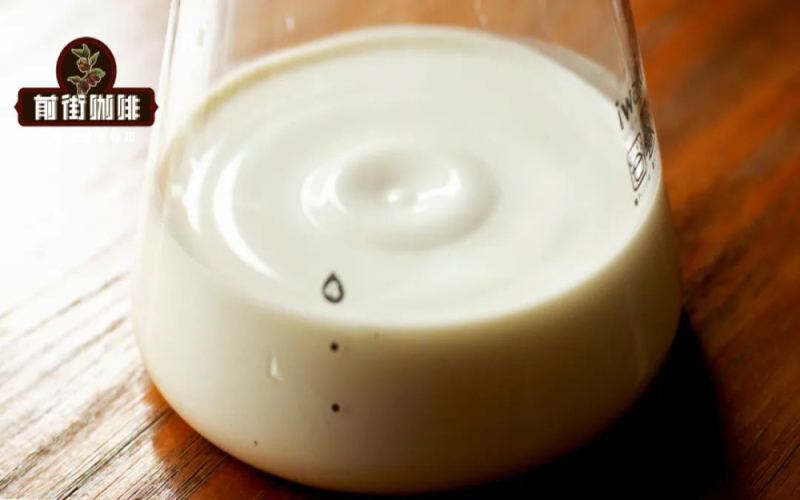
Water Buffalo Milk Latte and Dirty: Can Milk Foam Latte Art, Sweetness, and Coffee Flavor Coexist?
Buffalo milk has long been a specialty dairy product in the Guangdong and Guangxi regions, and in recent years it has been increasingly used by coffee enthusiasts to pair with espresso. It contains higher levels of protein, fat, and calcium than regular milk, with a lower water content, making it sweeter and silkier to drink. So, is buffalo milk actually suitable for latte art? And what does it taste like in an iced latte or a Dirty? This time, Front Street Coffee selected the refrigerated fresh buffalo milk from the local Foshan brand Baifulu, paired with Front Street Coffee's classic blend coffee beans, to make three drinks: a flat white, an iced latte, and a Dirty. From milk foam texture and latte art performance to the flavor on the palate, we tested each one to see whether the combination of buffalo milk and coffee can achieve an effect where 1+1>2. [more…]
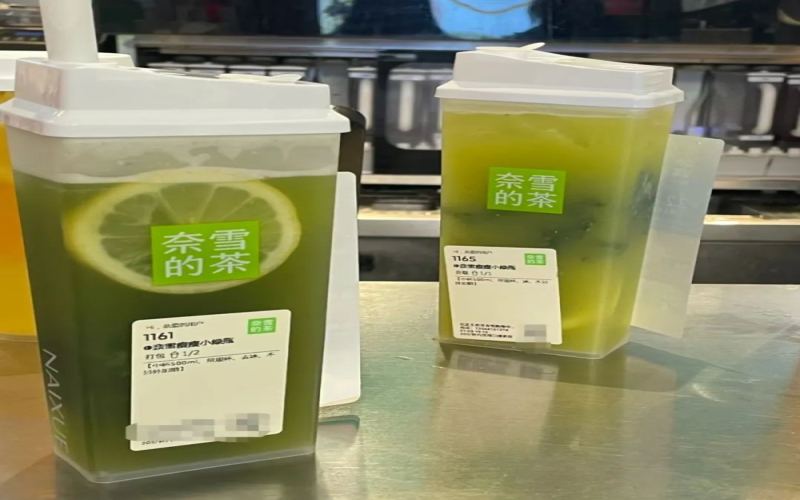
Nayuki's Little Green Bottle criticized as tasting like vegetable-leaf bathwater; the company responds: it's truly freshly squeezed, and the color change is due to oxidation.
The first product in Naixue's newly launched "Daily 500 Fruit & Veggie Bottle" series, "Slim Little Green Bottle," focuses on the daily 500g fruit and vegetable ratio recommended by the Chinese Nutrition Society, and claims to have no added sugar and to be freshly squeezed to order. After hitting the market, however, quite a few consumers reported that it tasted noticeably sweet, with some even describing it as "syrup-like," and others posted photos showing the drink looking yellowish, questioning whether it was really freshly squeezed. Naixue employees responded on social media that the sweetness comes from fruits such as apples, pears, and sweet oranges that naturally contain sugar, while the yellow-green color is a normal phenomenon after apples oxidize, and stressed that all ingredients are processed the same day and kept refrigerated for a limited time. The controversy also sparked playful online discussion about the kale leaves at the bottom of the cup. [more…]
What are the differences between Qimen Maofeng and Qimen Haoya? A comprehensive analysis of the two major Qihong categories, from their origin history to their grade and taste.
Qimen black tea originates from Qimen County, Anhui Province, and is one of China's traditional famous teas, renowned for its rich fruity aroma and mellow taste. It encompasses numerous varieties, among which Maofeng, Haoya, and Gongfu are the most common. This article compares Qimen Maofeng and Qimen Haoya, tracing the historical origins and variety system of Qimen black tea, detailing Maofeng's appearance, aroma, liquor color, and brewing suggestions, while also explaining its differences in grade and style from Haoya and Gongfu. The article also mentions the connection between Queen Elizabeth II of the United Kingdom and Qimen Maofeng, and provides relevant recommendations from the Front Street brand for coffee and tea enthusiasts, helping readers establish a clear understanding when purchasing and tasting. [more…]

Choosing Low-Acid, Sweet-Finish Coffee Beans by Roast Level: From Medium-Light to Dark Roast
If you want a cup of coffee where the acidity doesn't steal the show, there's sweetness on the palate, and aroma that lingers after you swallow, roast level is a very practical screening clue. It affects the brightness of the fruit acidity, the caramelized sweetness, and the body. Even among black coffees, a light-to-medium roast can be crisp and transparent, a medium roast is rounder, and a medium-dark or dark roast tends to show cocoa, [more…]