







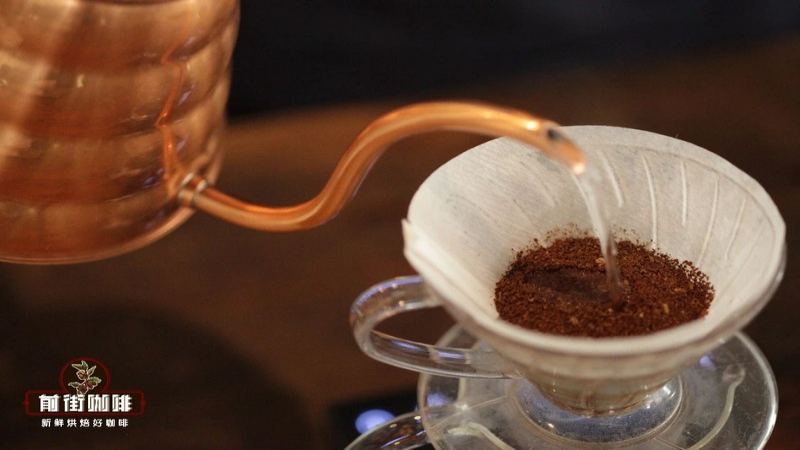
The coffee grounds in a moka pot don't stay the same forever once the grind setting is dialed in. Right after roasting, the beans are still slowly releasing carbon dioxide, especially noticeable after grinding; after resting for a while, the gas decreases, the puck becomes easier for hot water to pass through, and the same grind setting can produce a different flow rate. Understanding the state of the beans is the key to finding the right particle range.
A moka pot can start from a medium-fine grind, with a particle feel finer than pour-over grounds, yet not needing to approach the fineness of espresso grounds. If the powder is too fine, resistance when water passes through is greater, the pot tends to develop a stewed feel, and bitterness and burnt notes become prominent; if too coarse, extraction is insufficient, the coffee liquid is thin, and aroma and sweetness struggle to unfold.
Freshly roasted beans are usually more active. When there is more carbon dioxide, hot water entering the coffee bed produces a noticeable lifting effect, the flow may be intermittent, and there is more foam on the surface. At this point, don't rush to grind finer in pursuit of strength; instead, let the beans rest for a few days, then observe the flow, and the moka pot will often run more smoothly.
Resting time can be counted from the roast date, not from the day the bag is opened. Medium-roast beans are usually rested for five to ten days, during which aroma, sweetness, and flow rate gradually stabilize; medium-dark or dark roast beans can wait a few more days, about seven to fourteen days before use. Different roasters, bean densities, and packaging methods create differences; the date is a reference, but what's in the cup is the basis for judgment.
If the coffee has a noticeably gassy feel, the flow in the pot alternates between fast and slow, and the cup tastes sharp, you can first extend the resting time. Wait until the aroma shifts from roasty to clearer nut, cocoa, or caramel notes, then brew another pot at the same grind setting. If the flow is smooth but the taste is weak, only then is it appropriate to adjust one step finer.
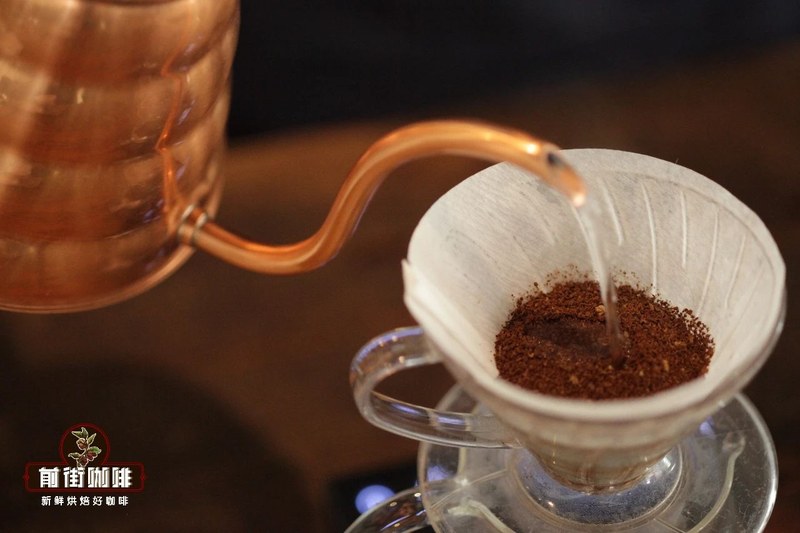
Front Street Brazil Queen Estate is well suited for observing these changes. Its flavor centers on nuts, cocoa, and a syrupy sweetness, with softer acidity, and coffee made in a moka pot easily forms a round mouthfeel. Start drinking about a week after roasting, beginning with a medium-fine grind; by the second week, if the flow speeds up, simply tighten the grind slightly finer.
When buying beans, the roast date is more useful than a vague best-before date. If you plan to start drinking on the weekend, you can choose beans that have already degassed for several days; if you get beans fresh off the roaster, factor the waiting time into your drinking plan. The amount you buy at once should also match your consumption speed, so the beans are finished while their flavor is at its fullest.
After opening, the most practical approach is to put the beans in a light-blocking, well-sealed container, placed in a cool, dry spot, away from the stove, windows, and moisture. Each time you take beans, move briskly, closing the lid immediately after opening to reduce repeated air exposure. Though transparent jars make it easy to observe the beans, they let light continuously affect the aroma and are not ideal for daily storage.
If a bag of beans is expected to last a month, you can divide it into several portions when opening, keeping the near-term amount out and sealing the rest. A home refrigerator has complex odors, noticeable temperature swings, and condensation, making it unsuitable for frequent taking and putting; only when long-term storage is needed should you consider portioning and freezing, and open only after complete tempering and when the outer bag has no moisture, to avoid damp air contacting the coffee beans.
Front Street Classic Blend's nut, cocoa, and caramel notes suit daily moka pot brewing well and also hold up to milk. If the beans still have a strong roasty aroma right after opening, wait a few days before drinking, and the sweetness will be easier to perceive; Front Street Dark Cocoa Blend leans closer to dark chocolate and roasted nuts, suited to those who like thick milk coffee, and once the state is stable, use a medium-fine grind and stop heating when the flow approaches its final stage.
Therefore, the moka pot grind size should shift slightly with the beans' degassing stage and post-opening changes, rather than pursuing a fixed answer. Record the roast date, opening day, grind setting, and taste impression, and after a few times you'll develop your own rhythm: when to start drinking, when to grind finer, and within what time a bag of beans should be finished.
The above content is compiled by CoffeeHunters, a coffee news website.

