







Search Results for: flower tea
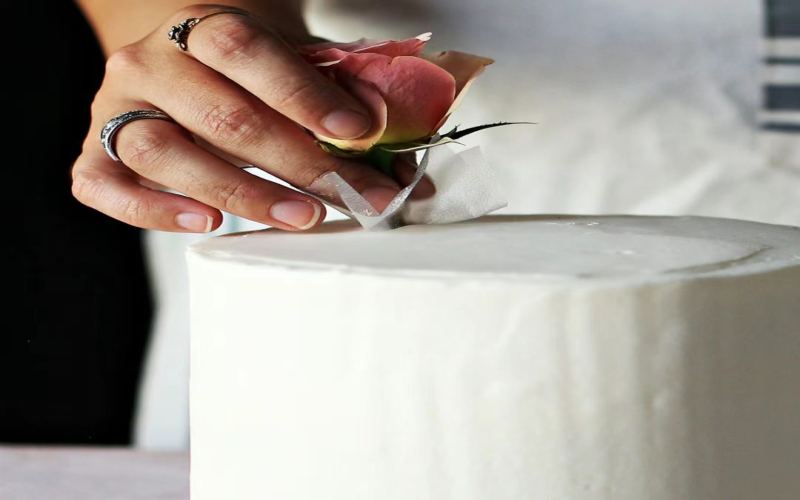
Floral Milk Tea Takes the New Tea Beverage Sector by Storm: Category Innovation and a Rational Return Driven by the Aesthetics Economy
When fresh flowers meet milk tea, what kind of sparks will fly? A tea beverage shop in Shanghai called Xue Xiaomei MICHA has given the answer—monthly revenue peaking at over 700,000 yuan, with more than 1,200 cups sold in a single day at its highest. The fresh flower tea beverage series has drawn attention with prices ranging from 40 to 129 yuan. Behind this is not only the drive of the "appearance economy," but also the business logic of a hybrid operation combining a flower shop and a tea beverage shop. From Shanghai to Wuhan, Guangzhou, and Xi'an, this kind of combined store is spreading across the country. However, the safety boundary between fresh flowers and beverages, and the difficulty of repeat purchases after consumers' novelty wears off, are also realities that this category must face head-on. This article will take you through a comprehensive understanding of the popularity code and industry concerns behind fresh flower milk tea. [more…]
Why is jasmine tea regarded as the finest of scented teas? A full breakdown of everything from the number of scenting rounds to the pearl tea craft, price per catty, and grade tiers
What exactly makes scented tea so expensive? This article begins with the origins and production principles of scented tea, and systematically explains why jasmine tea has become one of the most popular scented teas in the world. Focusing on key steps such as the timing of jasmine harvesting, temperature control, and the number of scenting rounds, it explains the logic behind the quality and price of scented tea. The article also introduces the fully handmade craftsmanship of Fujian Jasmine Pearl Tea and its standard of six scenting rounds, while retaining Front Street Coffee brand recommendations and product information. After reading, you can understand where Jasmine Dragon Pearls stand within the hierarchy of scented teas, and how different numbers of scenting rounds affect the price of one jin of scented tea. [more…]
A Comprehensive Guide to Coffee Flowers: From Morphological Characteristics and Blooming Habits to the Benefits and Effects of Drinking Them as a Tea
The blooming of the coffee tree is an extremely fascinating stage in the coffee growth cycle. Every spring, creamy-white flowers adorn the branches, looking especially delicate against the backdrop of downward-drooping green leaves, with a rich fragrance that is intoxicating. However, the coffee flowering period is very brief; from flower bud differentiation to blooming, and then to bearing fruit, every step is deeply influenced by variety and environmental conditions. Coffee flowers not only have rich morphological characteristics and unique flowering habits in botanical terms, but people also often dry coffee flowers and steep them in water to drink, believing they have specific health benefits. This article will take you through a systematic understanding of the morphological structure of coffee flowers, the flowering patterns of different varieties, the differences between star-shaped flowers and normal flowers, and the benefits of drinking coffee flower infusion, while interspersing coffee flower appreciation images to help coffee enthusiasts fully understand this flower hidden behind the coffee cup. [more…]
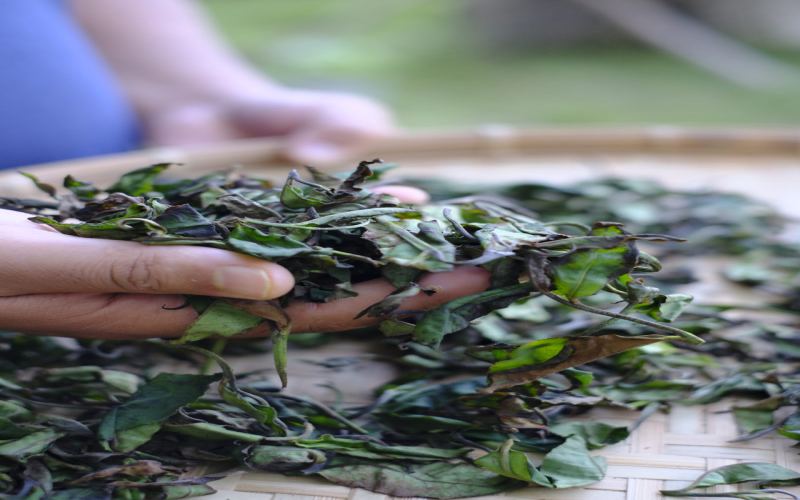
Oolong Tea Innovation in India's Assam Tea Region: From Poetic Inspiration and Firewood Craftsmanship to Natural Scenting with Native Flowers
Assam is world-famous for its black tea, but this region also produces stunning oolong teas. This article will introduce you to how Assamese tea artisans tell the story of tea through poetry, and explore two distinctive oolongs—Meraki and Petrichor. Meraki emphasizes the tea master's vigilant care throughout withering, oxidation, and wood-fire roasting, while Petrichor employs a natural scenting process, using Assam's native xewali flowers to impart a unique aroma to the oolong. We will also cover the cultural significance of the xewali flower, as well as the flavor profiles and purchasing advice for these two teas. If your understanding of Indian tea is still stuck on black tea, this article will refresh your perspective. [more…]
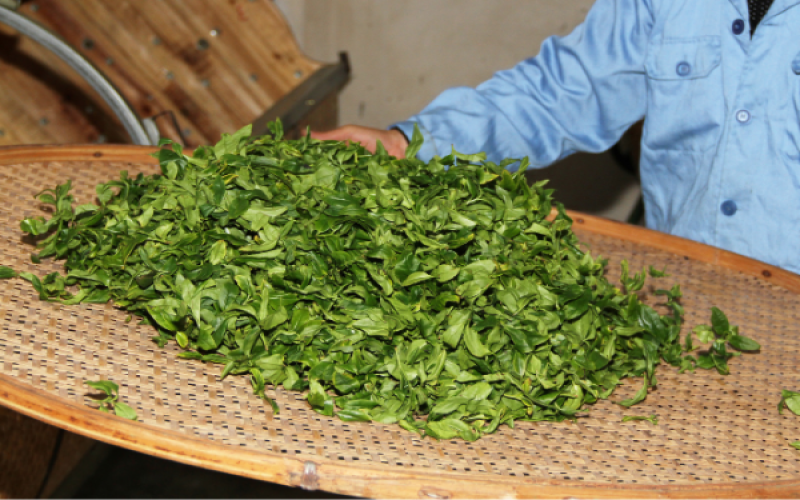
Phoenix Dancong Ginger Flower Fragrance Old Bush: Aroma Profile Analysis and How to Identify the Authentic Tea
The aroma expression of Phoenix Dancong is closely related to the tea's moisture content; when moisture is low, the aroma noticeably weakens. This article focuses on the old-bush Ginger Flower Fragrance Dancong from Wudong Mountain, introducing its unique ginger-flower-like aroma type, its composite notes of tropical fruit and floral fragrance, and its associative scent notes of plum, narcissus, and mangosteen. It also mentions the lychee-honey sweetness and soft finish of the old-bush Honey Orchid Fragrance Dancong from the same production area, and retains Front Street brand recommendations and product information to help coffee and tea enthusiasts understand the key points of flavor identification in Dancong oolong. [more…]
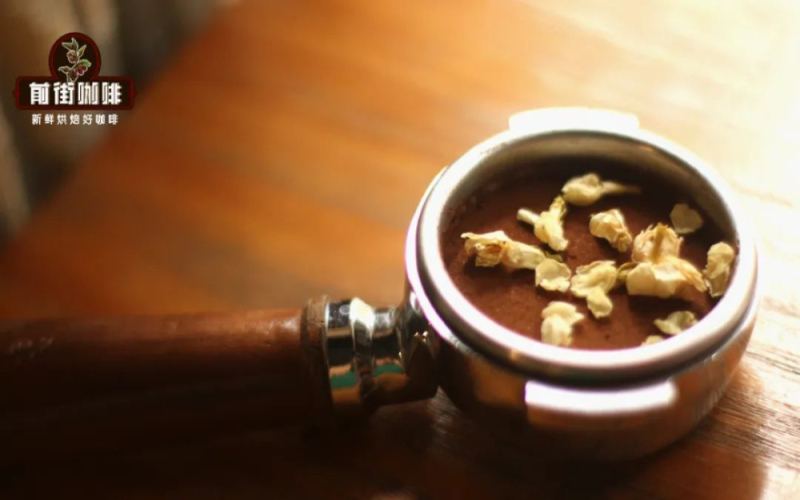
Can Jasmine Flowers and Iced Americano Be Mixed? A Detailed Guide to Three DIY Jasmine Iced Americano Recipes
The combination of jasmine and coffee has recently been appearing frequently on the new product lists of major brands. When elegant floral notes meet rich coffee, can they really create a satisfying flavor? This time, Front Street Coffee decided to take matters into its own hands, breaking down three feasible production paths one by one, from coffee bean selection to jasmine tea preparation—directly buying bottled jasmine tea, quickly steeping dried flowers in hot water, and cold brew tea bag immersion. The article not only provides specific ratios and operating steps, but also offers pairing suggestions for coffee beans of different roast levels, along with practical tips to avoid diluting the base, helping you easily recreate a cup of jasmine iced americano with balanced floral notes and coffee at home. [more…]

Where can I buy authentic Phoenix Ginger Flower Fragrance Dancong charcoal-roasted oolong? What is the approximate price per liang? Includes tasting notes.
Ginger Flower Fragrance Dancong is one of the most beloved aroma types among Phoenix Dancong. This 2021 spring-picked charcoal-roasted Dan Cong oolong tea from Phoenix Village, Guangdong, is a medium-roast style. The dry leaves carry a fresh toasted bread-like aroma, interwoven with the sweet notes of honey and caramel. The roast level falls between medium and high fire, running through the entire production process. The first three to four infusions display rich minerality and a ginger-like spiciness, gradually shifting toward sweetness. The tea liquor is deep amber, mellow and smooth, with a pronounced minerality on the tongue and a lasting sweet aftertaste. Because it was only roasted 20 days ago, the fire character has not yet fully dissipated and needs several more months of aging to reach a rounded state. This article will detail the origin, flavor performance, and purchasing advice for this tea, and recommend related products from the Front Street Coffee brand. [more…]
Distinguishing Guihuaxiang Dancong from Guihua-Scented Tea: Cultivar Characteristics, Processing, and Tasting Points of Qunti Dancong
Osmanthus-scented teas on the market generally fall into two categories: one is scented tea made by scenting with fresh osmanthus, and the other is群体单枞 (Qunti Dancong) that naturally carries the fragrance of osmanthus. The two have similar names but are fundamentally different. This article begins with Front Street Coffee's selected osmanthus-scented tea, outlining its raw material base, charcoal roasting process, and tasting performance, then extends to the varietal characteristics, historical origins, and pricing logic of Qunti Dancong. Through this, readers can distinguish the difference between "smelling floral fragrance" and "fragrance inherent to the variety," and understand the respective charms of traditional scenting and natural aroma types. [more…]
Complete Analysis of Huakui and Geisha Varieties and Origins: The Origins of the Translations Hambela and Geisha, and a Comparison of Their Flavor Differences
Recently, a video conflated Huakui coffee beans, the Hambela production region, and the Geisha variety, claiming that the three can be equated. Is this really the case? This article will trace the spread of the Geisha variety from Geisha Mountain in Ethiopia to Hacienda La Esmeralda in Panama, clarify the administrative affiliation of Hambela as a sub-region of Guji, and restore the full story of how Huakui coffee beans were named after winning the 2017 TOH. At the same time, Front Street Coffee will, through cupping experience, compare the flavor differences between small-bean Huakui and regular Huakui, and analyze the essential differences between Geisha and Huakui in their main flavor profile, helping coffee lovers build a clear understanding of varieties and production regions. [more…]
Is Zhilan Wang Bamboo Leaf Dancong a high-end tea? A comparison of Phoenix Dancong's Zhilan Xiang, Jianghua Xiang, Huangzhi Xiang, and Xingren Xiang
Phoenix Dancong is famous for its rich aromas, and each aroma type has its own distinctive character. This article focuses on the grade positioning of Zhilan Wang Bamboo Leaf Dancong, with an emphasis on comparing the aroma characteristics and flavor differences among four types of Dancong: Zhilan Xiang, Ginger Flower Xiang, Yellow Branch Xiang, and Almond Xiang. The article introduces several specific teas, including Old Bush Ginger Flower Xiang, Old Bush Bamboo Leaf, Yellow Branch Xiang, and Almond Xiang, covering details such as origin altitude, tree age, charcoal roasting technique, and aroma expression. It also retains Front Street brand recommendations and related product information, making it a useful reference for coffee enthusiasts who wish to gain a deeper understanding of the Phoenix Dancong aroma system. [more…]
Luckin Jasmine-Scented Americano Relaunched, Intense Jasmine Aroma Sparks Divided Opinions
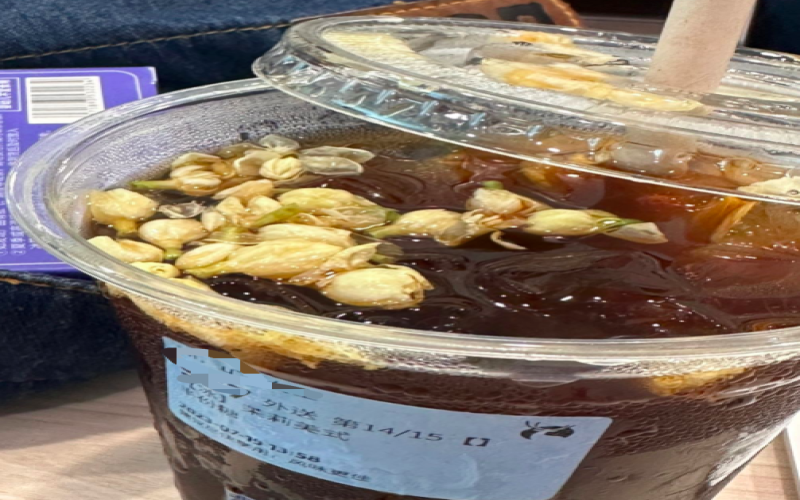
Last summer, Luckin Coffee launched a jasmine Americano that was hastily taken off the menu just four days after its debut, sparking plenty of speculation. Now this tea-coffee hybrid has returned under the name "Jasmine Aroma Americano," still made with a blend of double-petal jasmine tea infusion from Hengzhou, Guangxi, and coffee liquid, but without the dried jasmine flowers that once garnished the cup. The relaunched product quickly set off a check-in craze, with endless discussion on social media. Some praise its rich floral aroma and find it smoother than last year's version, while others complain it tastes too heavily of artificial flavoring, like something you'd smell in household products. Is this tea-coffee drink—"all aroma, no flower"—a sincere comeback or just a pale imitation? Let's take a look at the real feedback from the first wave of tasters. [more…]
A Complete Guide to the Natural Process: The Origins, Variety Characteristics, and Brewing Tips of Huakui Coffee Beans
Ethiopia is the birthplace of Arabica coffee, and its natural processing method has produced countless unique and flavorful beans. As a star representative of the Sidama region, Huakui coffee has won over many coffee lovers with its intense floral and fruity aromas and honeyed sweetness. This article will systematically examine the full picture of this coffee from multiple angles, including the origin of the name Huakui, the background of the Hambela region, the geographical environment of Sidama, the characteristics of the Heirloom native variety, Ethiopia's coffee grading system, and the complete process of the natural processing method. It also includes Front Street Coffee's brewing parameter suggestions and bean-resting reminders to help you better appreciate the layered complexity and sweetness of this naturally processed Huakui. [more…]
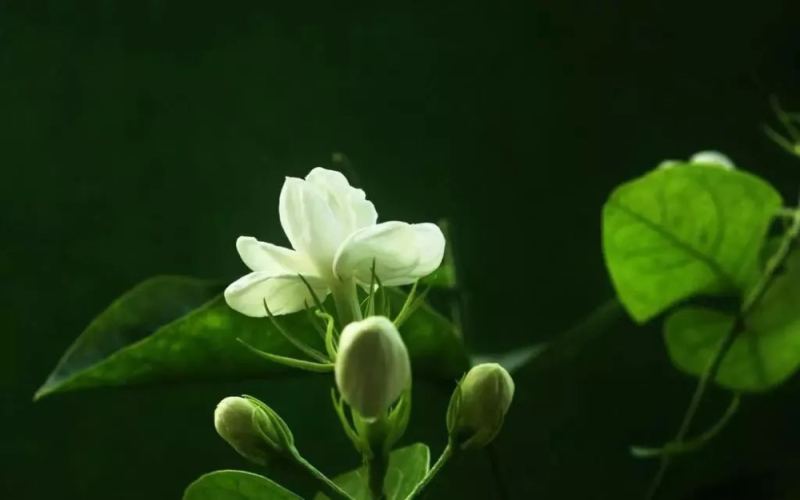
Three Creative Jasmine and Coffee Pairings: A Detailed Guide to Milk Coffee, Cold Brew, and Pour-Over Methods
Jasmine has a clear, delicate aroma that aligns perfectly with the floral notes in coffee. Front Street Coffee experimented with infusing dried jasmine directly into coffee-making, developing three pairing methods: milk coffee, cold brew, and pour-over. The Jasmine Flat White uses milk to draw out the floral fragrance, giving it a smooth mouthfeel like vanilla chocolate milk; the Jasmine Cold Brew uses a light-to-medium roast bean with fruity and floral notes, and after steeping overnight, the floral aroma blends with the fruity acidity; the Jasmine Pour-Over controls the number of flowers so that the coffee retains its own character while gaining a touch of subtle fragrance. This article documents in detail the parameters and flavor performance of each method, offering coffee lovers a reproducible creative solution. [more…]
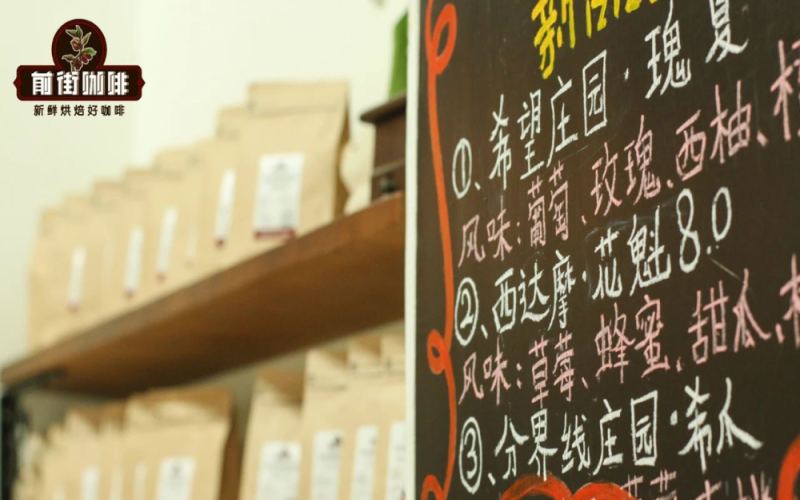
Both are Ethiopian heirloom varieties—a full analysis of the differences between Huakui and Yirgacheffe in origin, processing method, and flavor.
Ethiopia is a genetic treasure trove of coffee. Front Street Huakui and Front Street Yirgacheffe both originate from local heirloom varieties, yet due to differences in terroir and processing methods, they present completely distinct flavor profiles. Front Street Huakui comes from the Buku Abel processing station in Guji, Sidama, where natural processing brings out strawberry, cream, and fermented wine notes; Front Street Yirgacheffe comes from Yirgacheffe town, where washed processing highlights jasmine floral aromas, citrus acidity, and tea-like qualities. Many enthusiasts easily confuse the two. This article will systematically sort out the connections and differences between these two beans—from origin background, cultivation patterns, and processing methods to actual brewing and cupping flavors—to help you make clearer choices when purchasing and brewing. [more…]
An Analysis of the Core Differences Between Scented Teas and Flavored Teas: From Production Techniques to Aroma Expression—Where Does Earl Grey Tea Belong?
Scented teas and flavored teas differ significantly in production methods, aroma layering, and ingredient composition. Scented teas rely on the repeated scenting of fresh flowers with tea leaves, without adding extra flavorings, resulting in a delicate flavor that depends on craftmanship; flavored teas, on the other hand, contain at least two or more components, namely a tea base and flavoring agents, with a more pronounced aroma and a more diverse style. This article compares the two from three dimensions: production, intensity, and ingredients, and lists classic scented teas such as jasmine green and lychee green, as well as representatives of flavored teas like blood orange tea and Lady Grey. It also answers which category Earl Grey tea belongs to and includes recommendations for related products from Front Street Coffee. [more…]
Ceylon Flavored Black Tea Flavor Analysis: Earl Grey, Jasmine, and Masala, Plus a Discussion on Whether Flavorings Are Added and the Causes of Astringency
Ceylon flavored black tea is made by infusing black tea, green tea, or oolong tea with the natural flavors of flowers, herbs, and fruits, preserving the inherent depth of Ceylon tea while adding subtle fruity or herbal notes. Common varieties on the market, such as Earl Grey, jasmine tea, and masala chai, each have their own origins, while innovative flavored teas like raspberry, lemon, ginger, strawberry, mint, vanilla, and cinnamon are continually emerging. Many tea enthusiasts wonder whether flavored black teas rely solely on artificial flavorings, and why Ceylon black tea tastes astringent. This article will address these questions by outlining the types, processing methods, and flavor characteristics of Ceylon flavored black tea, and also introduce related product information from Front Street Coffee. [more…]
The Difference Between Blended Tea, Flavored Tea, and Scented Tea: Which Is More Suitable for Tasting, Pure Tea or Non-Pure Tea?
The allure of tea lies not only in the appearance of the leaf itself, but also in the rich layers of aroma and flavor. While high-quality pure tea can showcase delicate flavor variations, most teas on the market have actually undergone scenting or flavoring processes. Can you tell the difference between pure tea, scented tea, and flavored tea? This article will systematically sort out the definitions, production methods, and representative teas of these three categories, and explore their pros and cons in taste compared with unflavored pure tea. Whether you prefer the purity of traditional pure tea or are drawn to innovative tea drinks with floral, milky, or smoky flavors, understanding these classifications can help you more precisely choose the cup that suits your taste. [more…]
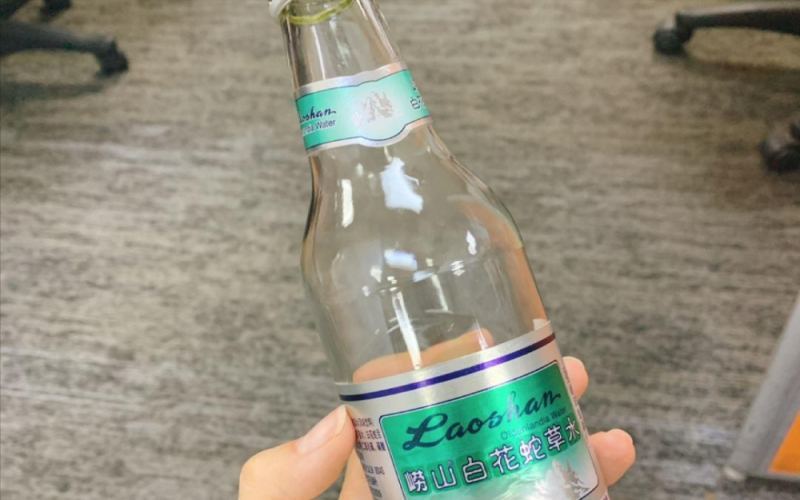
Tims partners with Laoshan Baihuasheshecao water to launch cold brew coffee, and Qingdao locals are crying foul
Laoshan White Flower Snake Grass Water has long been known as the "biological weapon" of the beverage world. When this drink, rated by countless netizens as the worst-tasting beverage, meets coffee, what kind of sparks will fly? Recently, Tims Coffee partnered with Qingdao Laoshan Mineral Water Company to launch Laoshan White Flower Snake Grass Water Cold Brew Coffee, sold only in Qingdao. As soon as the news came out, Qingdao locals expressed their resistance, while netizens elsewhere felt lucky they couldn't buy it. This article will take you through the story behind this hardcore special blend, and the curious early connection between White Flower Snake Grass Water and coffee. [more…]
Ethiopia Sidamo Hambela Huakui 4.0: Dega Variety Natural-Process Coffee Bean Flavor and Pour-Over Analysis
In 2017, a naturally processed coffee from the Buku processing station in Ethiopia won the TOH competition and was named "Huakui" by a Chinese green bean trader, thus beginning the legendary journey of this coffee. Four years later, Huakui 4.0 was released with the entirely new Dega variety, with the production area expanded several times over, more scientific cultivation and management, and even better flavor performance. This article will take you through the origin background of Huakui 4.0, the characteristics of the Dega variety, the natural processing method, and Front Street Coffee's roasting and pour-over recommendations, offering a comprehensive analysis of this highly anticipated Ethiopian coffee. [more…]
Flavor Characteristics and Brand Story of Darjeeling Avongrove Tea Estate First Flush Tea
Avongrove Tea Estate is nestled in the Rung Bong Valley of Darjeeling, at the foot of the Himalayas, at elevations ranging from 2,200 to 5,700 feet, with the Balason River winding through the small town of Sonada. This organic estate crafts its tea using traditional methods: the first flush offers a crisp, light character, while the second flush presents a golden liquor and a smooth taste. The estate not only produces classic Darjeeling leaf tea but also hand-weaves small-leaf teas and naturally aromatic teas. Five hundred workers and their families live here, surrounded by orange trees and flowers. Front Street Coffee recommends this Darjeeling gem, which combines muscatel and soft aromas, as well worth savoring for both coffee and tea enthusiasts. [more…]