







Search Results for: firepower
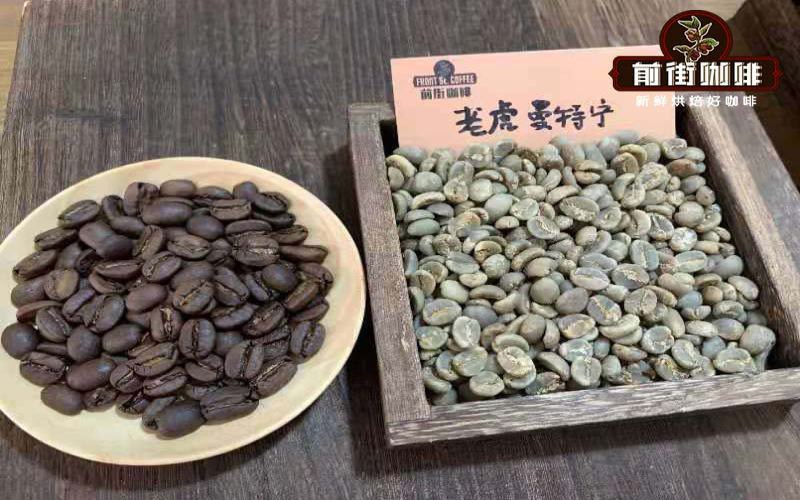
The Origins of Indonesian Sumatra Tiger Mandheling: Wet-Hulling Process Characteristics and a Detailed Guide to Pour-Over Brewing Parameters
Tiger Mandheling is a specialty coffee produced in the Lake Tawar region of Aceh Province, Sumatra, Indonesia, known for its strict selection standards—only beans of 17 screen size or above with a defect rate below 4% can earn the "Tiger" name. It uses the region's unique wet-hulling process, presenting a complex flavor of citrus acidity, cream, dark chocolate, and nuts on a rich, full-bodied base, along with distinctive cedar and herbal aromas. Front Street Coffee added it to its product line after multiple tests, and this article will provide a complete analysis of this bean's character and charm, from its origin story, variety composition, and processing method to the roasting curve and KONO dripper brewing parameters. [more…]
Analysis of the Geisha Coffee Variety and Raisin Honey Processing Flavor from Costa Rica's Tarrazú Region
Geisha coffee made Panama famous, but the starting point of this legendary journey was actually Costa Rica. This article focuses on Mirazu Estate in the Tarrazu region of Costa Rica, analyzing the varietal composition, raisin honey processing method, and flavor profile of its Geisha blend coffee. Estate owner Esteban Sanches, who has a formal academic background, blends four beans—Geisha, ET47, SL28, and Maico—in equal proportions, using raisin honey processing to enhance sweetness, ultimately presenting flavors of jasmine, raisin sweetness, and strawberry gummy candy. Front Street Coffee (FrontStreet Coffee) documents this bean's performance from roasting curve to cupping and brewing, taking you to understand the unique charm of Costa Rican Geisha. [more…]
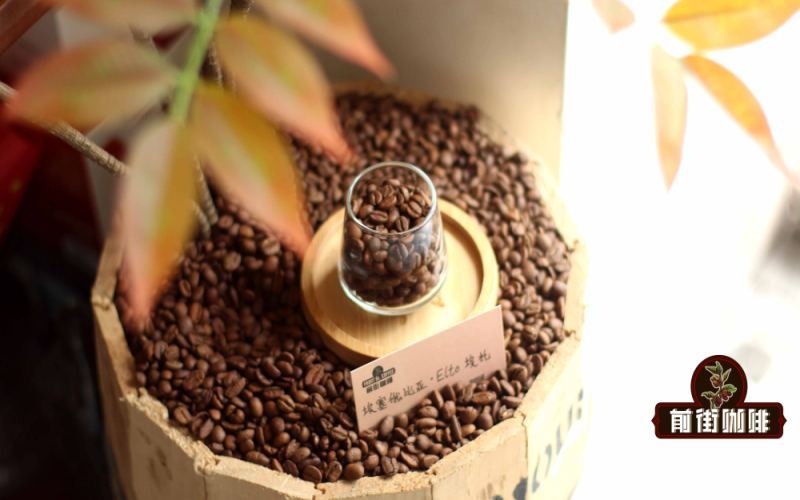
An Analysis of Kenya's SL28 and SL34 Varieties: The Origin of K72 Washed Processing Flavors and Front Street Coffee Brewing Recommendations
Kenyan coffee is famous for its bright fruit acidity and clean mouthfeel, and the K72 washed processing method along with the SL28 and SL34 varieties deserve much of the credit. From the perspective of Front Street Coffee, this article outlines the 72-hour cyclic fermentation process of the K72 processing method, analyzes the growing conditions of the Kenyan highlands, the origins and flavor differences of the SL series varieties, and introduces improved varieties such as Ruiru11 and Batian. It also compiles Kenya's coffee grading system and includes the roasting and brewing data for Front Street's Kenya Asalia and Sachini PB, helping coffee enthusiasts understand the causes of Kenyan coffee's unique cherry tomato acidity. [more…]

Costa Rican Geisha Coffee Flavor Analysis: Is the Mirazu Estate Strawberry Candy Geisha Blend a Single-Origin Bean?
Geisha coffee captivates countless coffee lovers, and most people first think of Panama, but Panama's Geisha variety was actually introduced from Costa Rica. So how does Geisha perform in its "previous stop," Costa Rica? And does a Geisha blend coffee bean count as single-origin coffee? From the perspective of Front Street Coffee, this article compares the characteristics of Geisha from the two major producing regions and provides an in-depth analysis of Front Street Costa Rica Mirazu Estate Strawberry Candy Geisha Blend's variety composition, raisin honey processing method, roasting curve, cupping performance, and brewing parameters, giving you a comprehensive understanding of this distinctive Geisha blend coffee. [more…]
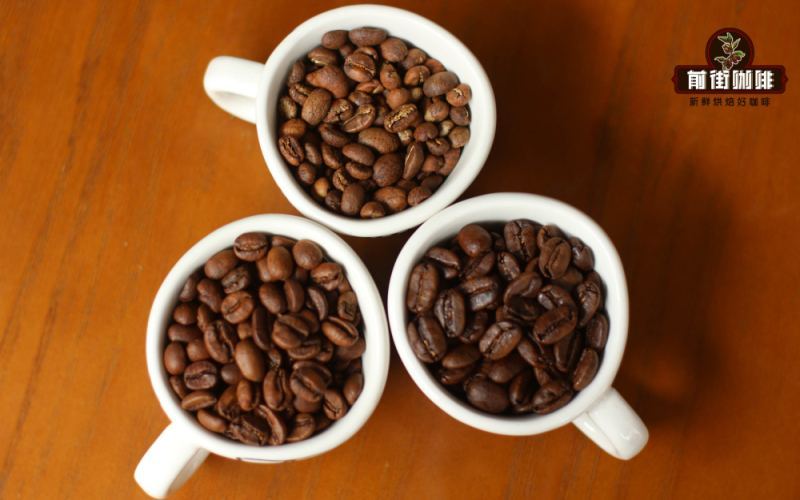
From Light to Dark: A Comprehensive Analysis of Eight Coffee Roast Levels and a Practical Operational Guide
Coffee roasting is the core step that determines the flavor direction of a cup of coffee. From green beans to the drink in your cup, the degree of roast directly governs the balance of acidity, sweetness, and bitterness. This article systematically sorts out eight common roast levels, the working principles of three types of coffee roasters, and the mechanisms by which caramelization and the Maillard reaction shape flavor. It also records in detail Front Street Coffee's operational procedures and curve management experience in actual roasting, helping coffee enthusiasts build a complete cognitive framework from theory to practice. [more…]
Flavor Analysis of Costa Rican Tarrazú Region Yellow Catuai Raisin Honey Process
The Tarrazu region of Costa Rica is world-renowned for its balanced, clean flavors, and the raisin honey process adds a uniquely sweet touch to this land. This article focuses on the performance of the Yellow Catuai variety under this processing method, starting with the double fermentation process learned from Front Street Coffee, and analyzes the causes of its intense fermentation aroma and raisin flavor. At the same time, it takes you into the Tarrazu region to learn about Costa Rican coffee's growing conditions, the evolution of processing techniques, and the stories of well-known estates such as La Minita, and includes Front Street Coffee's roasting recommendations and practical records, presenting a complete flavor map for coffee enthusiasts. [more…]
Sweet as Honey Costa Rican Coffee: A Detailed Guide to Raisin Honey-Processed Geisha Blend Pour-Over Parameters
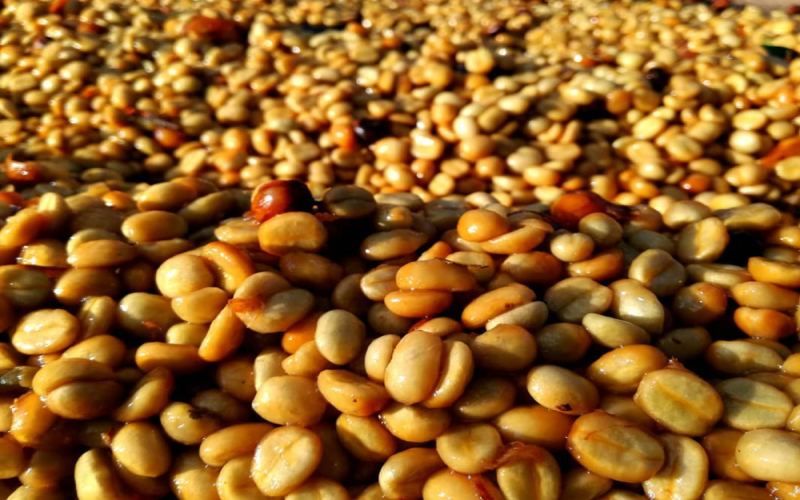
Costa Rican coffee has always won over countless enthusiasts with its honey-like sweetness. This article centers on the newly arrived Costa Rica Mirazu Estate Geisha blend from Front Street Coffee, starting with the terroir of the producing region, the story of the estate, and the variety composition, then explaining in detail the key points of the raisin honey processing technique, and including a medium-light roast profile, SCAA-standard cupping data, and a complete set of pour-over parameters. Whether you want to gain a deeper understanding of the charm of the Tarrazu producing region or are looking for a brewing reference you can follow directly, this article has the answers. [more…]
Terroir of Ethiopia's Guji Region: Pour-Over Flavor Profile and Brewing Parameters of Natural-Process Huakui Coffee Beans
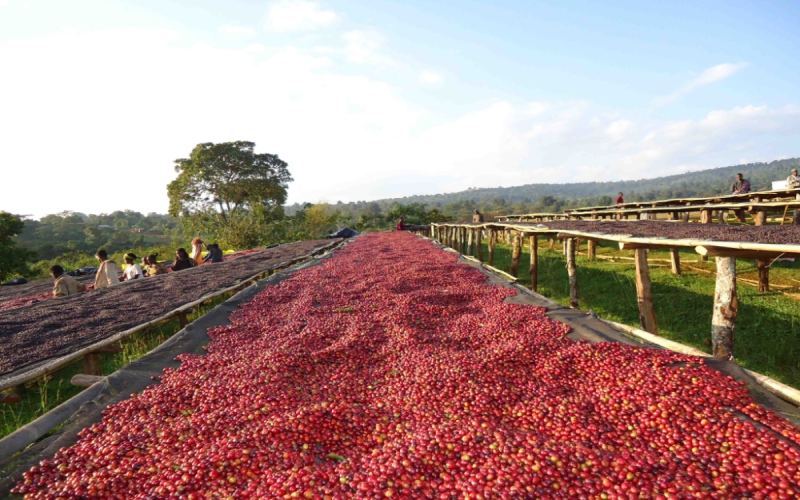
Guji is a specialty coffee region in Ethiopia that has performed impressively in recent years. Its fertile black soil, high altitude, and marked temperature differences between day and night nurture coffees with full-bodied flavor. Starting from a tasting experience of Front Street Coffee's natural Guji coffee, this article systematically reviews Guji's historical development from its separation from Sidama as an independent zone, its terrain and soil conditions, its natural processing workflow, and the characteristics of local heirloom varieties, and also includes Front Street Coffee's roasting curve and V60 three-pour brewing suggestions. Whether you want to understand the region's terroir or are looking for a natural-process bean with rich fruity aromas and prominent sweetness, this article can provide valuable reference. [more…]
Where Does Coffee Aroma Come From? A Beginner's Guide to the Three Major Flavors: Bitterness, Acidity, and Body
The aroma and flavor of coffee are the core criteria for judging its quality, and the climate of the growing region, bean variety, processing method, storage conditions, and roasting technique all directly affect the flavor ultimately presented. Fats, proteins, and sugars are the main sources of aroma, while lipid components harmonize with acidity and bitterness, giving coffee a smooth mouthfeel. Generally speaking, coffee flavor can be summarized into three major categories: bitterness, acidity, and body. Bitterness comes from caramelization and carbonization reactions during roasting, acidity is influenced by bean variety and roast level, and body is the mellow expression achieved when sweetness, acidity, bitterness, and aroma reach balance. Understanding these three basic flavors is the first step for beginners entering the world of coffee. [more…]
Brazil Queen's Farm Semi-Washed Yellow Bourbon: The Complete Guide to the Flavor Secrets, Brewing, and Roasting of a COE Champion Bean
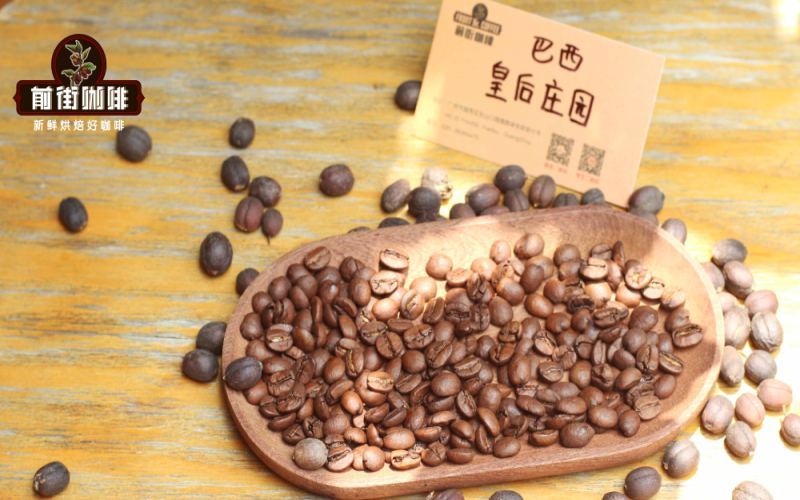
In the Mogiana region of Minas Gerais, Brazil, there lies a coffee estate cradled by ancient volcanic valleys—Fazenda Rainha, the Queen's Estate. The Yellow Bourbon coffee produced here once took first place in Brazil's 2011 Cup of Excellence competition. This semi-washed Yellow Bourbon brought to you by Front Street Coffee is built on 100% Yellow Bourbon varietal and uses Brazil's distinctive pulped natural process, presenting a rounded flavor of cream, nuts, and sugarcane. This article will thoroughly break down every detail of this COE champion bean—from the estate's background and the varietal's origins to green bean analysis and roasting recommendations—providing coffee lovers with a detailed reference for tasting and brewing. [more…]
Yunnan Coffee Flavors | What Are the Differences in Flavor and Mouthfeel Between Yunnan Typica and Catimor Small-Bean Coffee? Recommended Yunnan Specialty Pour-Over Coffee Beans That Are Delicious and Affordable
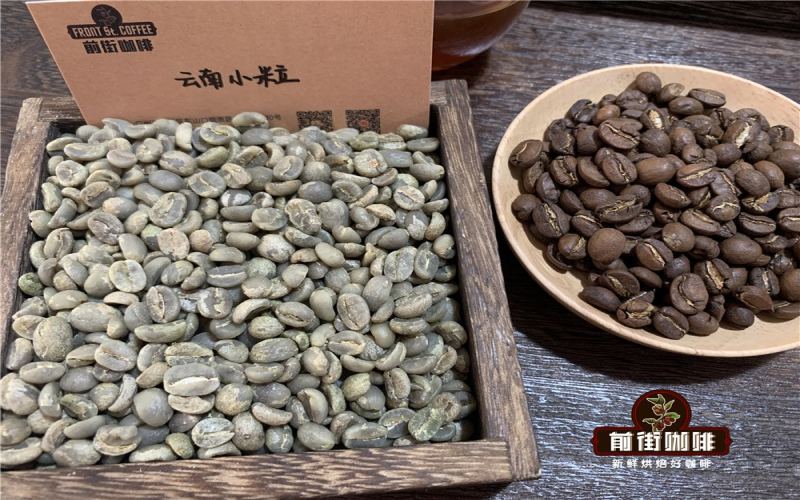
The history of Yunnan small-bean coffee can be traced back to 1904, when the French missionary Tian De Neng brought coffee seeds (Typica) from Vietnam into Yunnan and successfully planted them in Zhugula Village, Binchuan County, Yunnan Province. This marked the beginning of coffee in Yunnan, generally known as small-bean coffee, commonly referred to in China as Yunnan small-bean coffee. Small-bean coffee refers to Arabica coffee. [more…]

Authentic PWN Golden Mandheling price range | Where is the Indonesian Mandheling coffee produced? What is the difference between Golden Mandheling and G1 grade Mandheling?
Among the many single-origin beans, Indonesian Mandheling has won the hearts of many coffee connoisseurs with its rich coffee flavor. Many people think that a rich coffee must be very bitter, but that is not actually the case. When coffee reaches a certain level of richness, it develops a sweet aftertaste, and a sweetness like sucrose or brown sugar appears in the mouth, such as Front Street Coffee. [more…]
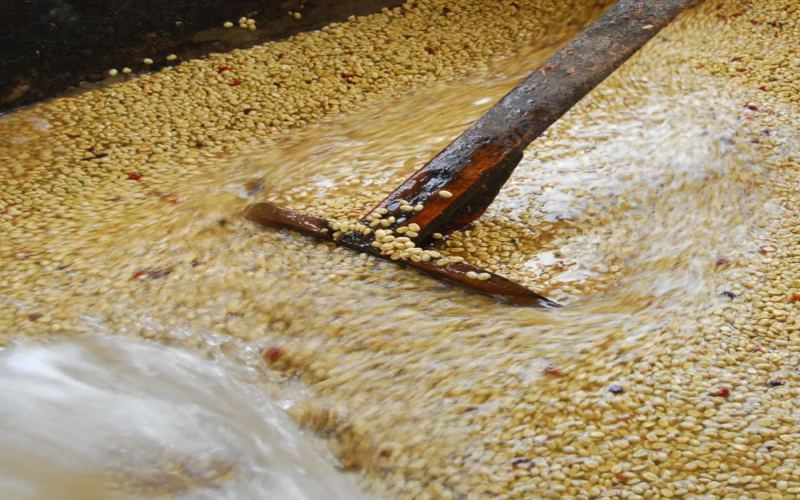
A Complete Guide to the Yirgacheffe Washed Processing Method: Processing Steps, Flavor Profile, and Roasting & Brewing Recommendations
The washed processing method is known for its bright acidity and clean mouthfeel, and is an important processing method for showcasing the terroir of a single origin. Using Yirgacheffe as an entry point, this article systematically sorts through the complete steps of washed coffee from flotation, depulping, fermentation and demucilaging, washing, drying, to storage, analyzes the advantages and disadvantages of the washed method, and, combined with Front Street Coffee's roasting and brewing experience, provides the roasting curve and pour-over parameters for the representative bean Gudingding. It also recommends several washed coffees such as Front Street Gudingding, Front Street Panama Geisha, Front Street Kenya Little Tomato, and Front Street Colombia Huila, suitable for coffee lovers who wish to gain a deeper understanding of the washed processing method and Yirgacheffe flavors. [more…]
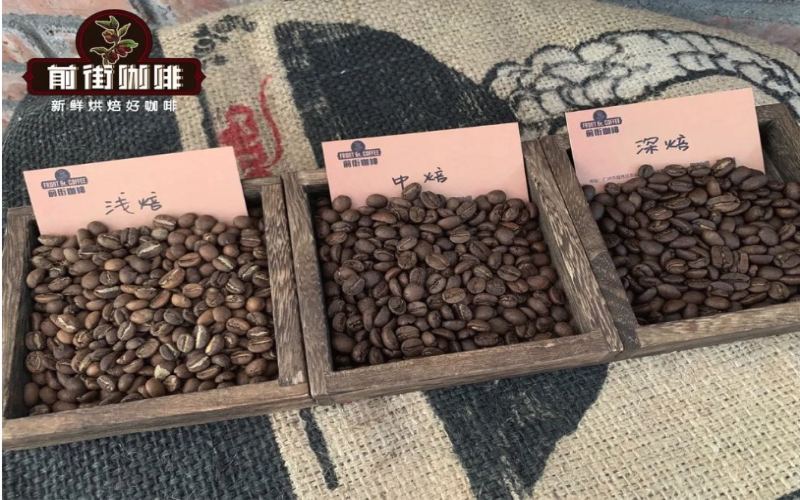
The degree of roasting of coffee beans is determined based on what?
The flavor of coffee, 60% comes from the raw beans, 30% comes from roasting, and 10% comes from brewing. It can be seen that there are many factors affecting the flavor of coffee. Then, as roasters, how to determine the degree of roasting of coffee b [more…]

A Complete Guide to Siphon Coffee Brewing: Practical Insights from Equipment Structure to Extraction Parameters
The siphon is now a rare piece of equipment in the current specialty coffee wave; many cafés no longer offer siphon coffee, or keep it only as a special single-origin offering. But for siphon enthusiasts, outside options are limited, so it is better to do it yourself. In this article, Front Street breaks down the complete siphon coffee brewing process in plain language, starting from the upper and lower chamber structure and sealing principle, comparing the trade-offs between flannel cloth filters and round paper filters, analyzing the pros and cons of three heat sources—gas stove, light-wave stove, and alcohol lamp—and delving into the disagreement between adding coffee grounds first versus later, grind size reference, recommended coffee-to-water ratio, and the tapping and stirring technique. At the end, the article includes Front Street’s usual step-by-step operating procedure, covering all stages: pouring water, inserting the upper chamber, adding coffee grounds, stirring, and turning off the heat for drawdown. It is suitable for beginners to follow step by step. [more…]
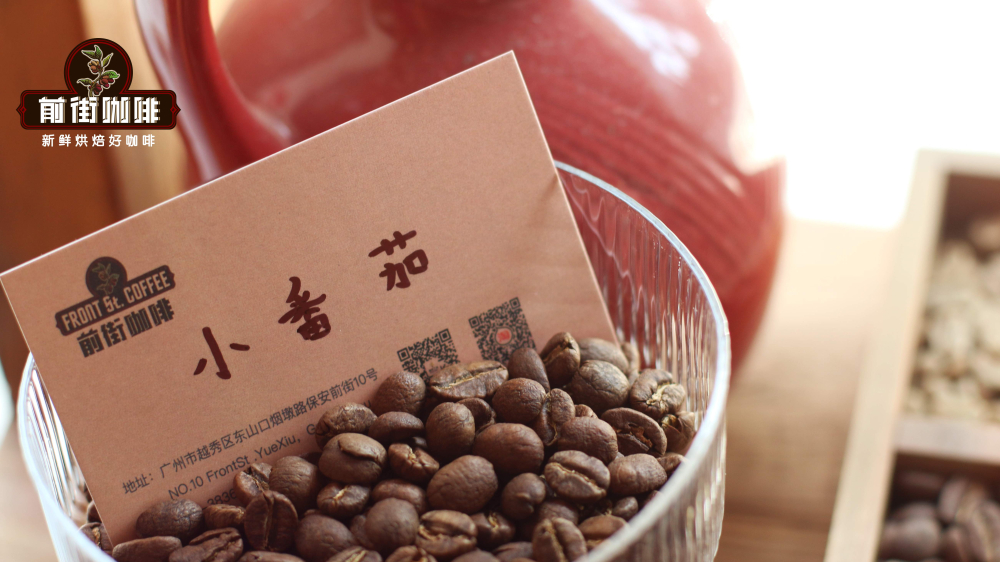
Kenyan Coffee Beans | Introduction to the AA Grading and Flavor Characteristics of Kenyan Coffee Beans
For more specialty coffee knowledge, please follow: Front Street Coffee (Frontsteet Coffee) Kenya AA coffee has always been regarded as one of the best specialty coffees in the world. For some friends who are not very familiar with Kenyan coffee, Front Street is often asked what AA means. Besides [more…]
Coffee Roasting Practical Insights: How Cupping Became a Core Skill and Essential Course for Roasting Coffee
Want to learn coffee roasting? Why is the first step not touching a roasting pan but practicing cupping? Starting from the apprenticeship experience of a seasoned roaster, this article sorts out the key role of cupping in green bean purchasing, roasting curve setting, and flavor judgment, while reviewing the shifts in China's roasting market over more than two decades and how the concept of specialty coffee has slowly seeped into consumers' awareness. The article also weaves in the philosophy of consistent output and real data on customer cultivation, and includes product recommendations from Front Street Coffee, making it suitable reading for every enthusiast who takes coffee beans seriously. [more…]

Bolivian Coffee Bean Flavor Characteristics and Origin Story: From Death Road to the Transformation into Specialty Coffee
In the heart of South America lies Bolivia, a landlocked country surrounded by high mountains. Although its coffee-growing elevations do not match those of its neighbors, Bolivia's unique natural environment and continuous efforts toward specialty coffee are gradually bringing Bolivian coffee into the view of coffee lovers worldwide. From the once treacherous "Death Road" to today's high scores at the COE competition, from Typica and Caturra to the distinctly flavored Java variety, this land produces coffees with deep sweetness and soft acidity. In this article, Front Street Coffee will take you deep into the geography, history, and regional flavors of Bolivian coffee, as well as Front Street's roasted and cupped Valiki Estate Cacao Natural Java, exploring its alluring charm where ferment notes interweave with floral and fruity aromas. [more…]