







The washed processing method is known for its bright acidity and clean mouthfeel, and is an important processing method for showcasing the terroir of a single origin. This article uses Yirgacheffe as an entry point to systematically sort out the complete steps of washed coffee from flotation, depulping, fermentation and demucilaging, washing, drying, and storage, analyze the advantages and disadvantages of the washed method, and, combined with Front Street Coffee's roasting and brewing experience, provide the roasting curve and pour-over parameters for the representative bean Gutingting. It also recommends several washed coffees such as Front Street Gutingting, Front Street Panama Geisha, Front Street Kenya Little Tomato, and Front Street Colombia Huila, suitable for coffee lovers who want to gain a deeper understanding of the washed processing method and Yirgacheffe flavors.
Washed processed coffee beans have a clean mouthfeel and rich acidity, and have long been favored by many coffee lovers. Front Street Coffee also prefers washed processed coffee beans because washed processed coffee beans often better present a clean mouthfeel and pure flavor. Therefore, when judging the specific flavor of a coffee-producing region, washed processed coffee beans from that region are often used as a reference.
Steps of the washed processing method for coffee beans
Washing collection/flotation/rinse ~ depulping/pulping ~ fermentation/demucilaging ~ washing ~ drying ~ storage
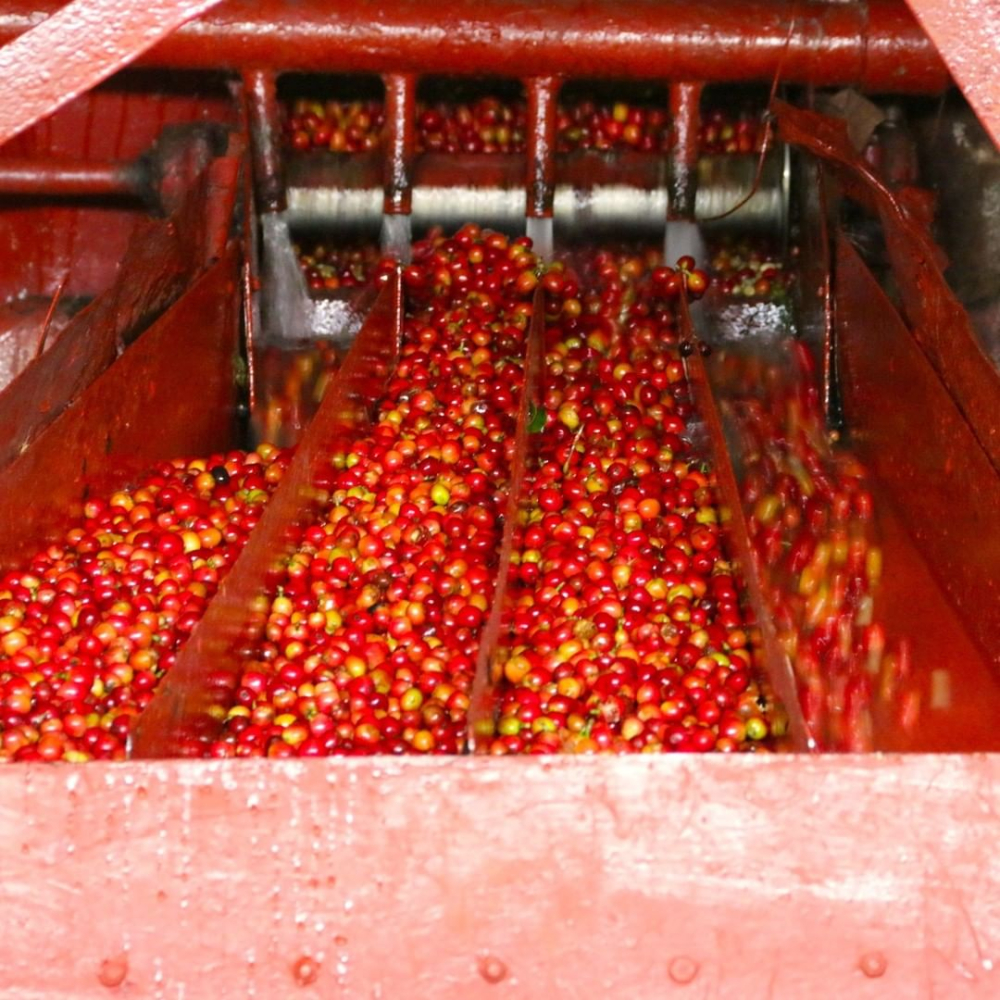
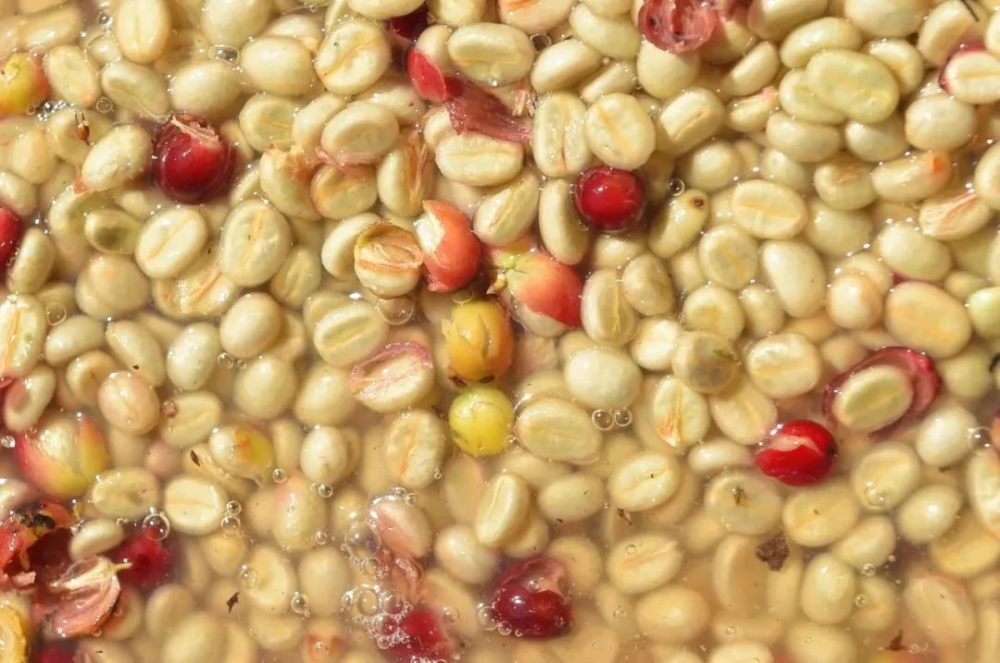
Washing collection/flotation/rinse: After coffee cherries are picked, they are sent to the processing station as soon as possible, usually within 6 to 12 hours after picking. The coffee cherries are first weighed and sorted, then immersed in a water tank in order to screen out the fruits that float due to poor quality.
Depulping/pulping: The coffee cherries are then sent to a pulping machine for depulping. This step is used to remove the skin and pulp of the coffee cherries.
Fermentation/demucilaging: The coffee fruits with the pulp and skin removed are sent to fermentation tanks or fermentation barrels and left to ferment for 18 to 36 hours, with the specific duration depending on the fermentation temperature. During fermentation, yeast produces enzymes, and lactic acid bacteria break down the sugars in the coffee mucilage. The lipids, proteins, and acids in the sugars degrade and are converted into alcohol acidic acids. The coffee's smell, color, and pH value change accordingly, and the composition of the coffee's mucilage also changes.
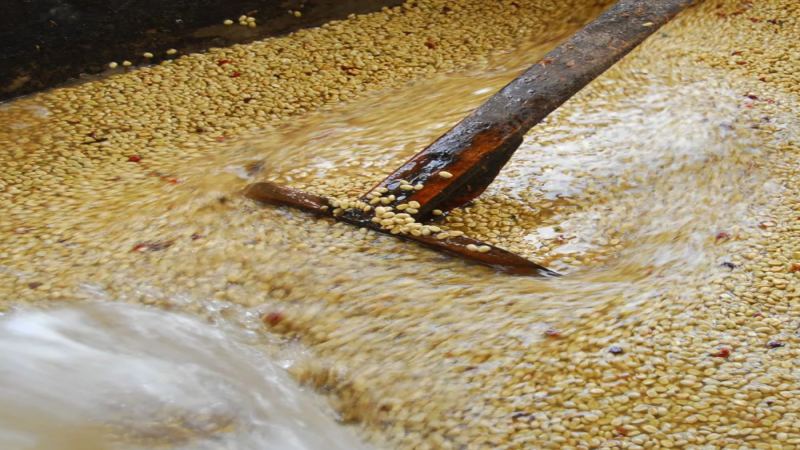
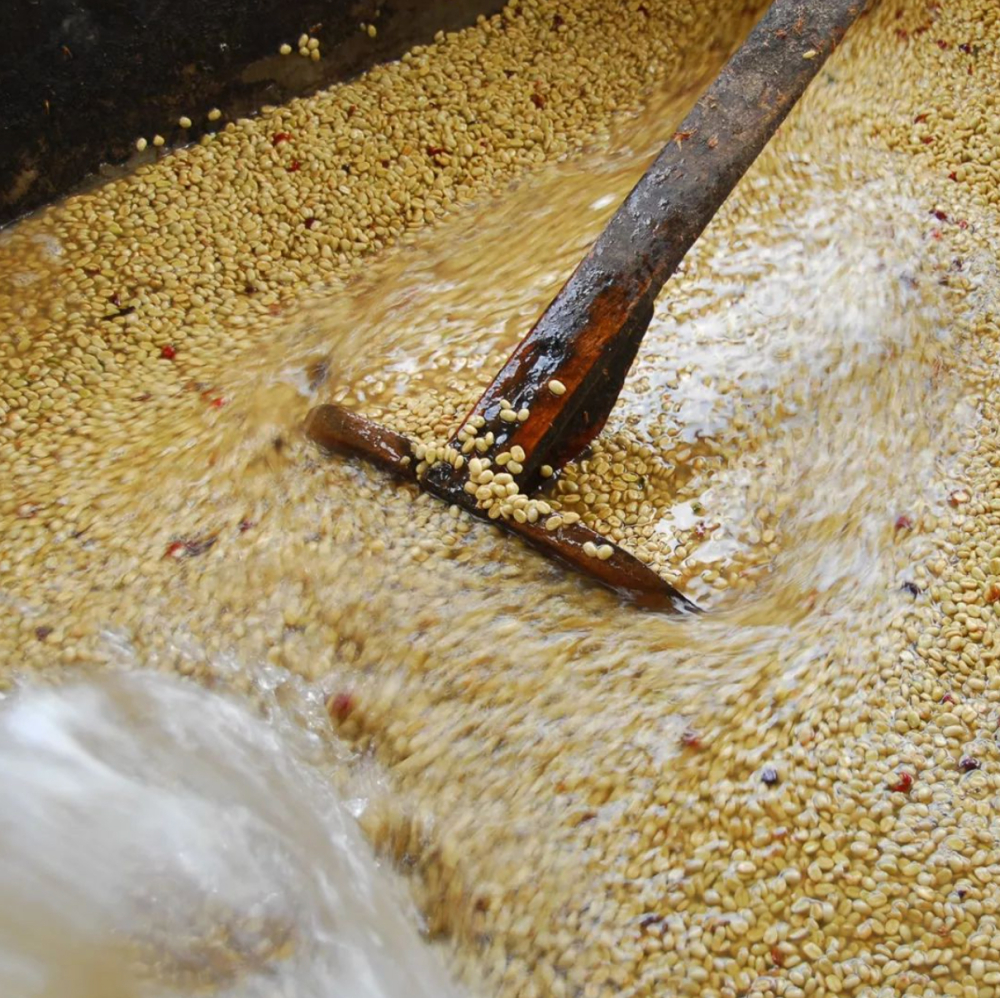
Washing: After fermentation and demucilaging, the coffee cherries are washed in a tank with an appropriate amount of water. During washing, stirring removes the mucilage breakdown substances on the surface of the coffee beans. After washing, what remains is the coffee parchment layer, silver skin, and green beans.
Drying: After washing, the coffee beans are sorted to remove defective beans. They are then immediately sent to drying places (tarps, concrete floors, raised beds, etc.) for drying. The drying time is affected by factors such as the environmental climate, generally ranging from 5 to 14 days. At this point, the moisture content of the coffee beans drops from 55% to 11%.
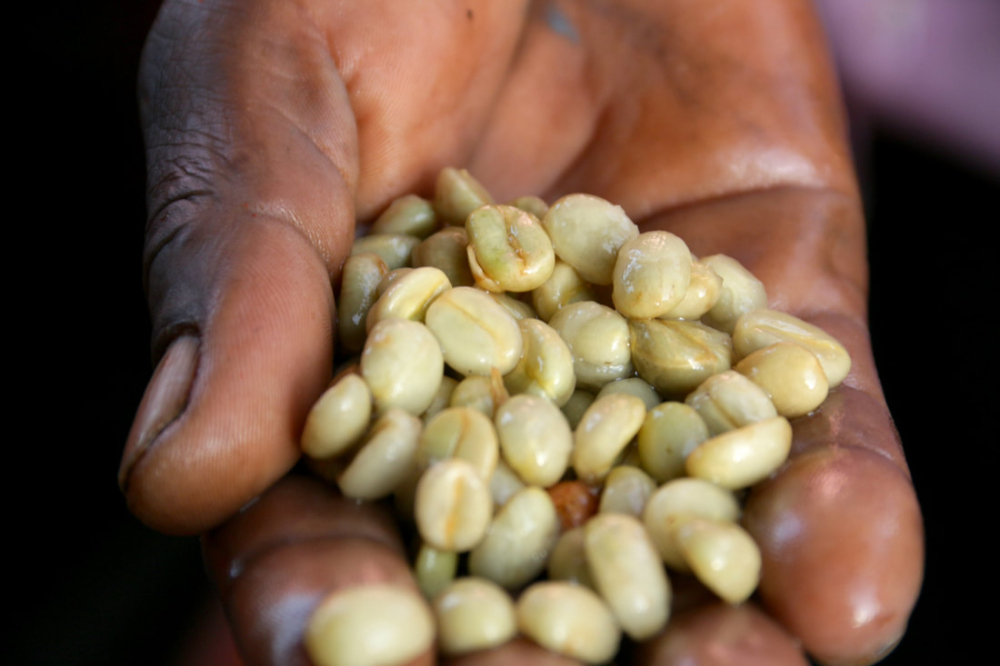
Storage: The dried coffee beans are called parchment coffee—green coffee beans with the parchment layer still attached. The parchment coffee is sent to a warehouse for storage and is hulled before export.
Advantages of the washed processing method
The coffee beans have fewer impurities and a relatively complete appearance, and because the pulp in the coffee fruit has already been removed from the start, there is no need to worry about mold problems, so the overall quality is relatively stable. Recommended washed coffees include Front Street Gutingting, Front Street Panama Geisha, Front Street Kenya Little Tomato, and Front Street Colombia Huila. All of the above coffee beans can be purchased at Front Street stores or the Front Street Taobao store.
Disadvantages of the washed processing method
The washed method is complex and cumbersome, and requires a large amount of water, so its cost is relatively higher than that of the natural method, and it is also less commonly used in areas lacking water resources. How are washed processed coffee beans roasted?
Front Street Coffee's roaster explains that washed green coffee beans have a slightly higher moisture content, so when roasting washed coffee beans, the dehydration time needs to be extended. The dehydration stage generally refers to the period from when the green coffee beans enter the roaster drum to when the coffee beans complete dehydration and turn yellow. Moisture is being removed throughout the entire roasting process, but most of the moisture in the green coffee beans is removed during this stage. During the dehydration stage, the structure of the green beans is the most complete and the most heat-resistant. During this stage, sufficient firepower is needed to heat the green coffee beans, widening the temperature difference between the bean surface and the bean core, allowing the coffee beans to absorb heat quickly, and taking this opportunity to build up enough heat momentum and bean core pressure. This is because as roasting progresses, the structure of the coffee beans becomes increasingly fragile, while the generation of flavor compounds requires sufficient heat. Therefore, if enough heat momentum is not established in the early stage of roasting, adding heat later can easily scorch the surface of the coffee beans. Of course, even if a relatively large rate of rise is to be achieved during the dehydration stage, the degree must still be controlled, otherwise the beans will likewise be burned.
Front Street Coffee's representative washed coffee bean—Ethiopia Yirgacheffe Gutingting
Region: Yirgacheffe Gedeo Zone
Altitude: 1900-2300m
Variety: Heirloom
Processing method: Natural
Grade: G1
Front Street roasting recommendation
Front Street takes into consideration that Gutingting's main representative flavor is fruity acidity, so it is more suitable for a medium-light roast, which can highlight Gutingting's clean mouthfeel, bright fruit acidity, and obvious sweet aftertaste.
Roaster Yangjia 800N, 550g green beans. Charge temperature: 180°C, turning point: 5'00", 149.9°C, first crack: 8'42", 183.8°C, development after first crack 1'48", discharged at 193.5°C.
Front Street brewing tips
Front Street's roaster used a medium-light roast for this coffee bean. For brewing medium-light roasted beans, a water temperature of 90-91°C is recommended. A slightly higher water temperature can extract the aromatic substances and acidity of light-roasted beans. Because medium-light roasted beans are harder in texture, increasing the water temperature can improve the extraction efficiency of the coffee grounds and avoid sharp acidity. The V60 cone-shaped dripper has a larger opening, and combined with its unique spiral curve ribs, it allows air to escape more easily, thereby improving extraction quality. The mouthfeel may not be thick enough, but the sweetness, acidity, and obvious aroma brought by its high concentration are one of its major characteristics. Front Street brewing parameters
Dripper: V60
Water temperature: 90-91°C
Dose: 15g
Coffee-to-water ratio: 1:15
Grind size: fine granulated sugar size (80% of grounds pass through a No. 20 sieve)
Front Street brewing method: Pour 30 grams of water in the first stage for a 30-second bloom, then pour 95 grams (the electronic scale shows about 125 grams), completing the pour in about 1 minute. When the water level drops to 2/3 of the coffee bed, pour the remaining 100 grams (the electronic scale shows about 225 grams), completing the pour in about 1 minute 35 seconds. Dripping is completed at 2 minutes 04 seconds. Remove the dripper and extraction is complete.
Brewing flavor: Citrus and black tea on the entry, with cream, caramel, and almond in the aftertaste as the temperature changes, and a noticeably sweet finish with a clean and sweet mouthfeel.
For more specialty coffee beans, please add the private WeChat of Front Street Coffee, WeChat ID: kaixinguoguo0925
The above content is compiled by CoffeeHunters, a coffee news website.


