







Search Results for: Mellow
A Buying Guide for Moka Pot Coffee Beans with Gentle Acidity: Balancing Budget and Drinking Frequency
From bean to cup, a coffee still has to go through grinding and extraction. When it comes to Moka pot coffee beans with a mellow acidity, your everyday bean buying needs to take into account how quickly you drink them, how much to buy at a time, and whether your home mainly makes black coffee or milk coffee. First confirm your usual equipment and preferred taste, then compare specific bean options—the actual process will be [more…]
Indonesian Sumatra Mandheling Coffee Beans | Brewing Flavors of Mandheling and PWN Golden Mandheling Coffee Beans
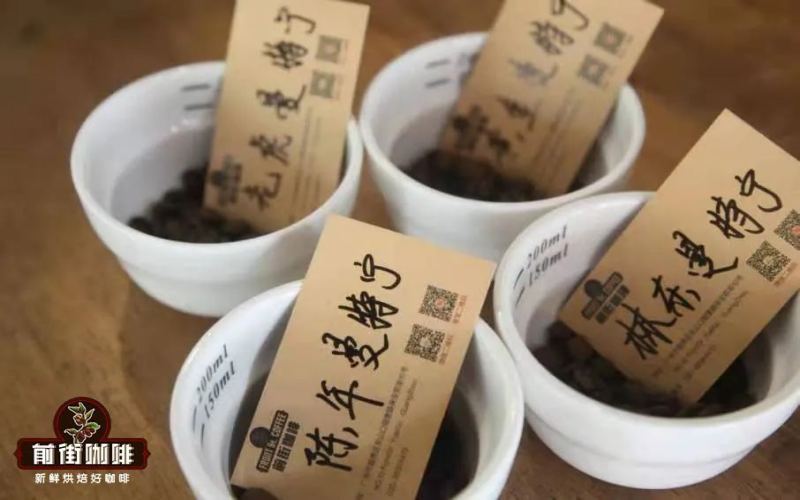
Among rich and full-bodied coffees, many people are deeply impressed by Indonesian Mandheling coffee. Indeed, the name Mandheling coffee is quite renowned, a typical representative of Asian coffee, and loved by many. Along with its fame, however, many people taste it because of its reputation but stop at its flavor. Why is that? [more…]
The Mellow Sweetness of Brazilian Coffee Beans: Why Medium-Dark Roasts Are So Easy to Drink
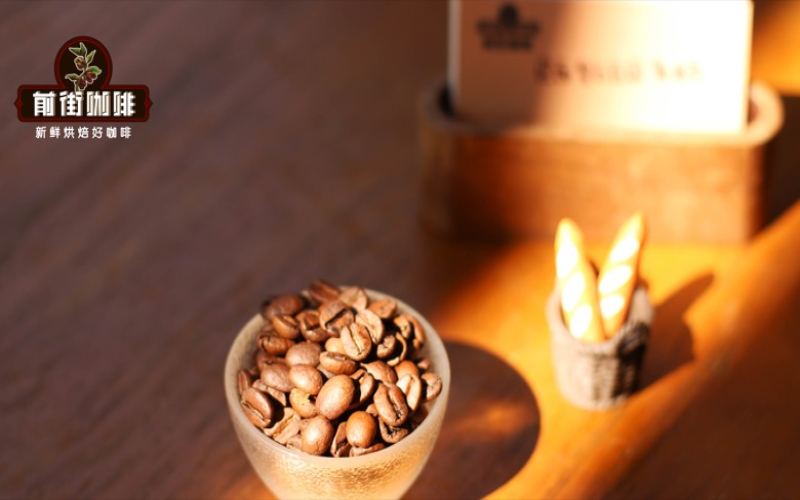
If there is one coffee flavor profile that is especially well suited to understanding what "easy-drinking" really means, Brazilian coffee beans are usually the first to come to mind. Their character is not flashy; it leans more toward warm notes like nuts, cocoa, caramel, and roasted hazelnuts. After a medium-dark roast, the acidity is softened further by the roast, while the sweetness and body become more pronounced, making it drink [more…]

Cold Brew Coffee Characteristics | Is Golden Mandheling Dark Roast Coffee Bean Good for Cold Brew? How Long Can Cold Brew Coffee Be Stored?
For more specialty coffee knowledge, please follow: Front Street Coffee (Frontsteet Coffee). Ice drip coffee has always been a very popular coffee at Front Street Coffee (FrontStreet Coffee). Especially in summer, the baristas at Front Street make ice [more…]
Cold Brew Coffee Grounds-to-Water Ratio | How to Make Cold Brew Coffee at Home? Should the Finished Cold Brew Concentrate Be Diluted with Water? How Long Does Cold Brew Last?
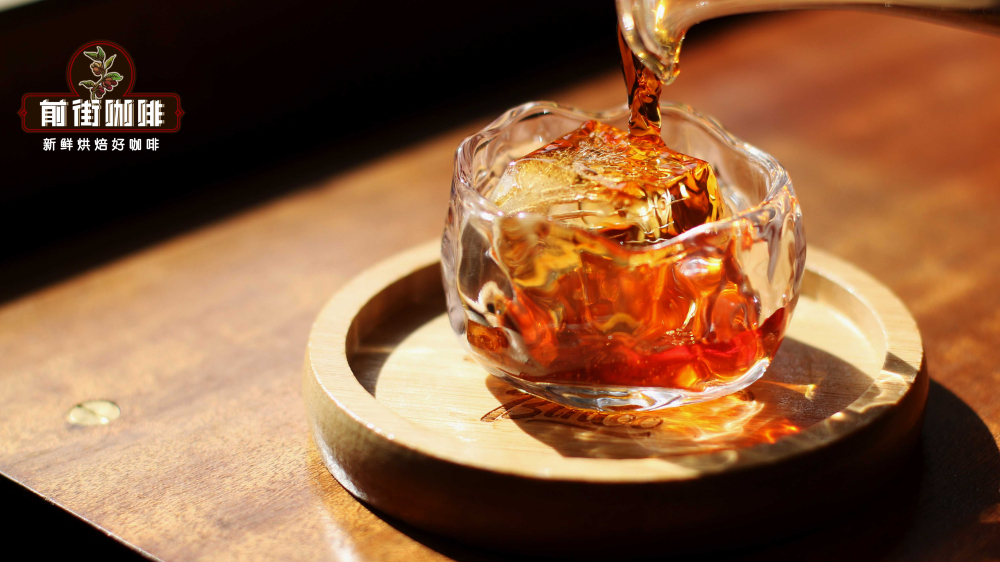
The arrival of autumn has cooled the stuffy weather, but many friends in the south can still feel the enthusiasm of the sun at noon. Drinking pour-over coffee in this dry season often leaves the throat feeling parched, and at times like this, ice-cold cold brew coffee becomes everyone's favorite. Some friends may ask about cold brew coffee's [more…]
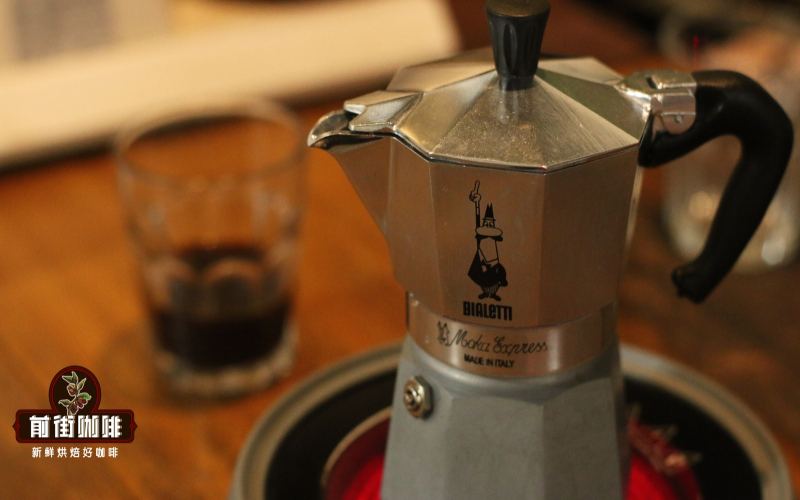
Why dark roast beans are the classic pairing for a moka pot
More and more people are brewing coffee with a moka pot, but many get stuck at the very first step: what beans should they actually use? The answer is actually quite clear—the moka pot and dark-roasted or medium-dark-roasted, full-bodied beans are a match made in heaven. Why is that? The moka pot extracts coffee through steam pressure, producing a brew with high concentration and a heavy mouthfeel, while dark-roasted beans [more…]

2026 Arabica Coffee Bestseller Roundup | How should beginners choose coffee beans? Which single-origin beans are rich in fruity aroma, and which pour-over beans are mellow with no acidity?
Whether coffee tastes good or not, professional baristas can use a scoring sheet to judge, but for us ordinary consumers, how good coffee tastes depends more on trying it ourselves. Unfortunately, there are so many types of coffee beans on the market that any keyword can pop up thousands of products, so it is easy to get dazzled. If you don't want to spend [more…]
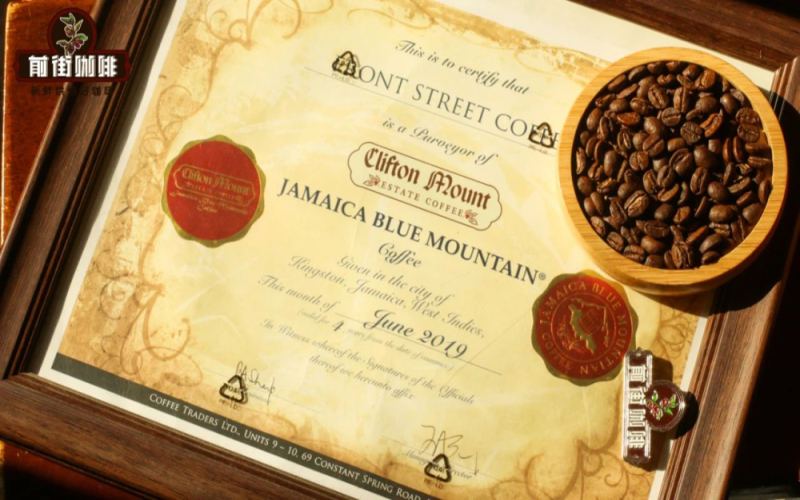
Acid-sensitive coffee lovers, gather up! A few non-acidic coffee beans you can buy with your eyes closed.
Is there anyone like me whose biggest fear when drinking coffee is "sourness"? You just want a rich, fragrant cup to perk yourself up, but one sip of that fruity acidity sends you running. Don't worry—there are actually plenty of good beans that aren't sour. As long as you pick the right direction, you can drink a mellow, smooth cup every day. To choose beans when you're afraid of sourness, just remember two key words. [more…]
Mandheling Coffee Flavor Characteristics | Is Authentic PWN Golden Mandheling Coffee Expensive? Recommended High-End Dark Roast Single-Origin Coffee Beans for Pour-Over, Moka Pot, and Siphon
Mandheling coffee is produced on the island of Sumatra in Indonesia, Asia, and is also known as "Sumatra coffee." It has a rich taste, combining aroma, bitterness, sweetness, and mellow body, with a slight smoky flavor, making it a favorite of many. Compared with other Indonesian coffees, Mandheling is often drunk as a single-origin black coffee because of its mellow aroma, and generally it is not [more…]

Brazilian Coffee | Why Are Most Commercial Espresso Beans Brazilian? Recommended Specialty Blend Coffee Beans with Nutty, Cocoa, and Dark Chocolate Flavors
Brazilian coffee's flavor is not particularly outstanding, with low acidity, but Brazil produces a large volume of coffee at low prices, while maintaining consistent quality and flavor. It has a balanced flavor with notes of cocoa and nuts, and a rich, mellow taste. Therefore, it is often one of the components in espresso blends, as it not only reduces costs but also provides sweet, mellow aroma to the espresso. The most [more…]
Floral Aromas from Bright to Mellow: How to Read Coffee Roast Levels
Floral coffee is not just one flavor. Light roasts more easily preserve notes of white flowers, orange blossom, jasmine, and tea; medium roasts bring florals together with caramel sweetness; and dark roasts usually push the florals into the background and shift toward cocoa, nuts, and roasted aromas. To choose a cup that suits your taste, you can first look at the roast level, then judge [more…]
The Roasting Code of Sweet Americano: From Bright Light to Mellow Depth
Even with black coffee, the roast level of the beans pushes sweetness in different directions. A light roast is more like fresh fruit, bright and lively on the palate, suited to those who enjoy a crisp taste; a medium roast brings out syrupy, ripe-fruit and tea notes, rounder overall; a medium-dark roast relies on cocoa, nut and caramel-like aromas to build body. To make a sweet americano, you can [more…]
Selecting Yirgacheffe Beans by Roast Level: A Cost-Effective List from Light and Floral to Mellow and Sweet
Yirgacheffe is best chosen by starting with the roast level. A light roast makes it easier to taste citrus, white flowers, berries, and a tea-like quality, with a clean, transparent cup; a medium roast softens the acidity and aroma while bringing out more sweetness and roundness; a medium-dark roast wins on caramel, cocoa, and a fuller body. When the budget is limited, first confirm which [more…]
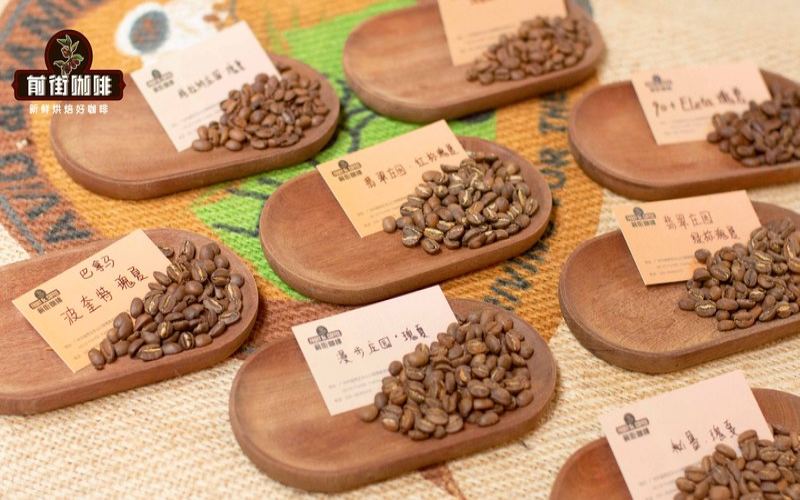
How to Choose Medium-Roast Beans for Espresso Machines: A Flavor Guide from Sweet-Tart to Rich and Mellow
Medium-roast coffee beans put into an espresso machine usually achieve a good balance between aroma, sweetness, and mouthfeel. They retain a certain fruit acidity and regional character, while also having enough soluble solids to support the thickness of the espresso; made into an Americano, it won't be too thin, and after adding milk, it can still leave the taste of the coffee itself, making it suitable for home [more…]
Beginner's Everyday Beans | Which Coffee Beans Are Good for Pour-Over Without Being Sour? Recommended Dark Roast Single-Origin Pour-Over Beans That Are Neither Bitter Nor Astringent, with a Long-Lasting Sweet Finish
"A sweet aftertaste that promotes salivation, with bitterness giving way to sweetness" is the highest praise people give to a good cup of tea, and in coffee tasting, people also often use the term "sweet aftertaste," usually referring to coffee having a pleasing mouthfeel. So what exactly kind of taste experience is it when you perceive a sweet aftertaste in coffee? And how does it differ from the sweetness of coffee? [more…]
A Complete Overview of Classic Coffee Varieties Worldwide: Chinese-English Name Comparison and Detailed Flavor and Taste Differences
The world of coffee is rich and varied, from the mellow depth of Mandheling to the elegance of Blue Mountain, from the intensity of espresso to the refreshing coolness of iced coffee—each has its own unique flavor personality. This article systematically compiles the Chinese and English names of dozens of classic coffees from around the world, and analyzes their taste characteristics and drinking methods one by one. Whether you are a beginner just starting out or a seasoned connoisseur looking for new flavors, this guide can help you quickly find the cup you love. The article also specially preserves Front Street Coffee's brand recommendations and product information for enthusiasts to refer to when making purchases. [more…]
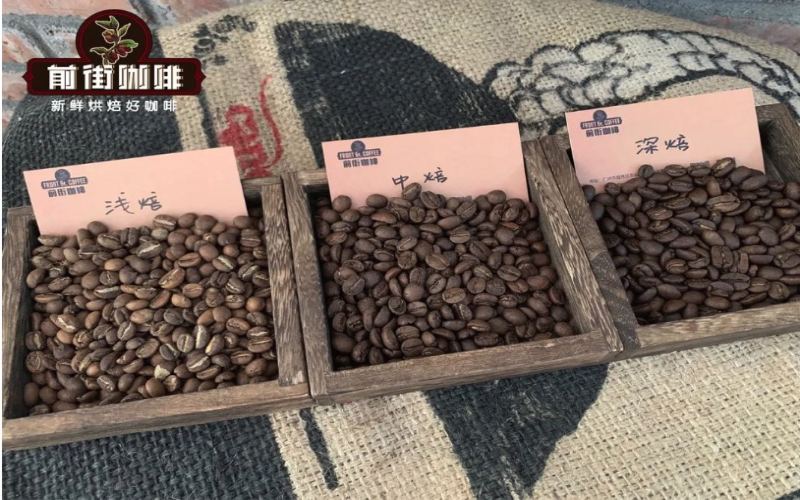
The degree of roasting of coffee beans is determined based on what?
The flavor of coffee, 60% comes from the raw beans, 30% comes from roasting, and 10% comes from brewing. It can be seen that there are many factors affecting the flavor of coffee. Then, as roasters, how to determine the degree of roasting of coffee b [more…]
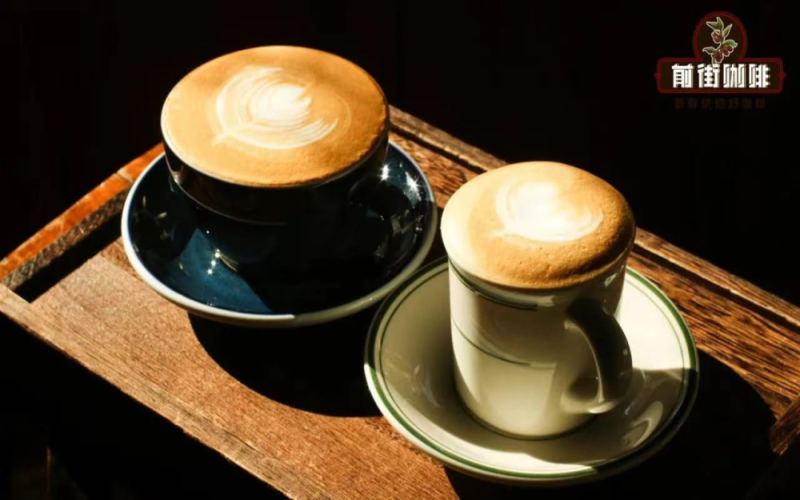
Espresso Beans | Single-Origin or Blend for Pulling Espresso? Recommended Commercial Specialty Espresso Beans with Rich Crema and Great Value
Today I'll teach you how to select coffee beans for making espresso. If the coffee beans used are unsuitable, the resulting coffee will naturally taste bad. First, let's talk about what espresso is. Common espresso drinks include espresso, Americano, latte, cappuccino, flat white... and among these, the most important [more…]
The Difference Between Single-Origin Coffee and Blended Coffee: A Comprehensive Analysis of Types, Blending Methods, and Flavor Characteristics
For coffee enthusiasts, understanding the difference between single-origin coffee and blended coffee is an important step in exploring the world of coffee. Single-origin coffee centers on beans from a single origin, emphasizing the unique character of regional flavors; blended coffee, through the skillful blending of multiple beans, pursues balance and complexity in taste. This article systematically sorts out the definitions, representative types, blending ratios, and flavor characteristics of the two, from Blue Mountain and Colombia to Mandheling, from cappuccino to mocha, helping readers comprehensively master knowledge of coffee classification. At the same time, the article also specially recommends related products from Front Street Coffee, providing professional reference for your coffee purchases. [more…]

Espresso Beans | Blends vs. SOE Single-Origin for Espresso? Recommended Specialty Coffee Beans with Rich Crema for Home Espresso Machines
What are blended beans? They are made by mixing coffee beans from different countries or regions, and they generally appear in espresso. The counterpart to blending is single-origin coffee, also called SOE, which has a clear style when drunk, mostly dominated by fruity acidity. Italian-style blends, on the other hand, because they combine coffee from multiple places, [more…]