







Search Results for: fertilizer costs
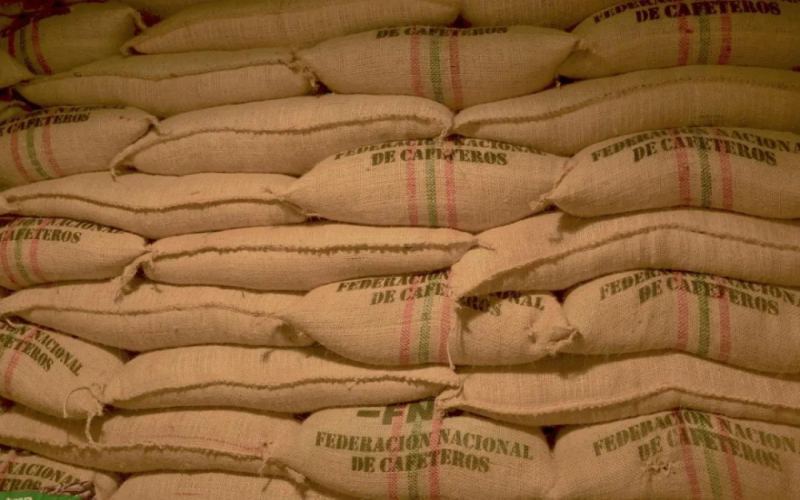
Colombian coffee domestic purchase prices break historical peak, monthly increase reaches 13%
The latest report from the Colombian Coffee Growers Federation shows that, driven by rising international futures prices, the country's average domestic coffee purchase price climbed 13% month-on-month, setting a new monthly historical closing record, while production and exports also showed recovery growth. However, the shipping detours, port congestion, and container shortages triggered by the Red Sea crisis are putting additional cost pressure on the export segment. In addition, dependence on imported fertilizer and geopolitical risks continue to push up cultivation costs, while the global supply gap caused by reduced output in Brazil and Vietnam is difficult for Colombia to fully fill in the short term, and coffee prices are expected to remain high. [more…]

Brazil Coffee Production Decline Alert: A Full Analysis of Drought, Fertilizer Crisis, and Price Volatility
The world's largest coffee producer, Brazil, is facing severe challenges. Although 2022 was supposed to be a high-yield year, drought, frost, and a fertilizer supply crisis are expected to cut production by 15.3%. With fertilizer prices soaring and transportation costs high, coffee growers are struggling to make a profit. Arabica futures prices are fluctuating, adding to market uncertainty. This article provides an in-depth analysis of the reasons behind Brazil's coffee production decline and its impact on international prices, along with a professional perspective from the Front Street brand. [more…]
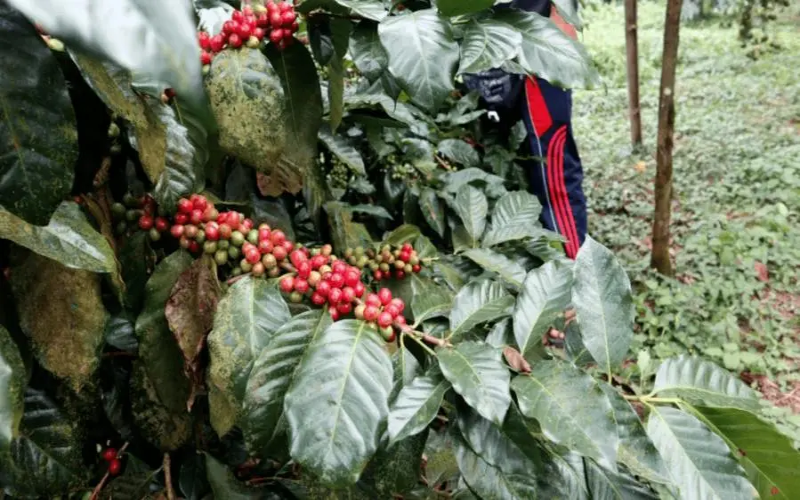
Frequent Volcanic Eruptions in Indonesia Combined with Drought Shocks the Coffee Industry, Sumatra Robusta Premiums Continue to Climb
Recently, robusta coffee prices have continued to run at high levels, driven both by the Red Sea crisis pushing up shipping costs and by El Niño weather causing production declines in many countries. As an important producing region, Indonesia has seen its Sumatra robusta premium widen from an earlier 450 USD to 500-520 USD this week. At the same time, the country is facing multiple pressures, including frequent volcanic eruptions, drying river basins, high fertilizer prices, and soil degradation, and industry insiders worry that coffee-growing areas will be further affected. This article reviews the challenges and price trends currently facing Indonesia's coffee industry, and brings Front Street Coffee's continued attention to developments in the producing region. [more…]
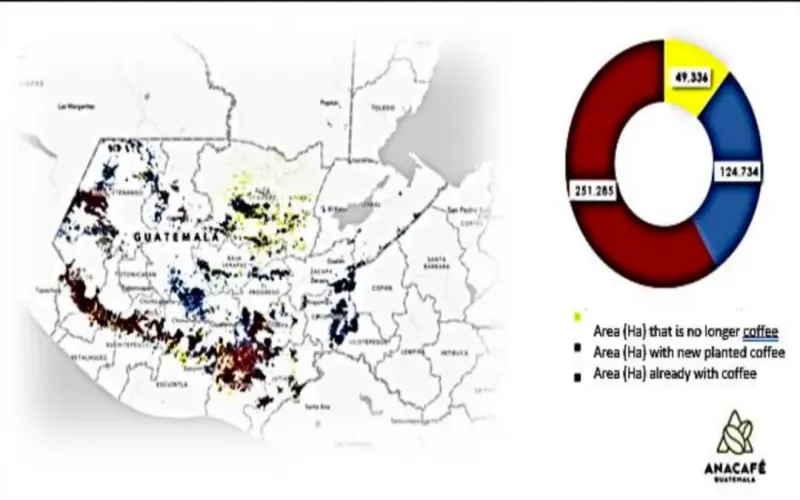
Despite the expansion of coffee-growing areas in Guatemala, smallholder farmers still face the dual challenges of cost and climate
The Guatemalan National Coffee Association (Anacafé) recently released a redrawn coffee map showing that the country's coffee-growing area has expanded, and the structure of large, medium, and smallholder farmers has become clearer. However, the increase in area has not led to higher yields, and smallholders still face challenges such as high fertilizer costs, labor shortages, and inadequate processing facilities. At the same time, the price gap between specialty coffee and commercial coffee continues to narrow, and the upcoming rainy season may be unusually severe due to the influence of La Niña. Anacafé is supporting coffee farmers through extension services and sustainable profitability programs. Front Street Coffee continues to follow developments and flavor performance in Guatemalan producing regions. [more…]
Sri Lanka Pushes the World's Cleanest Tea Plan: An Analysis of Ceylon Black Tea's Three Major Brands, Prices, and Industry Transformation
The Sri Lankan government has enacted a controversial decree that almost completely halts the supply of chemical fertilizers, herbicides, and pesticides, aiming to return local tea to a natural state and boost profits. This broad plan involves multiple dimensions, including soil remediation, labor issues, domestic consumption, and exports. Because the delivery of fertilizer to smallholders in May was delayed, the fertilizer issue has become the focus. Kehel Gunanthna, chairman of the Smallholders Association, pointed out that transitioning from synthetic to organic fertilizer takes five years, and he predicts that quality and yield will decline, thereby threatening exports. Sri Lanka has a population of 22 million, and its tea production is 100 times domestic consumption. Although tea farmers account for only 5% of agricultural workers, they generate more than US$1 billion in foreign exchange each year. Whole-leaf tea and broken-leaf tea are what distinguish Sri Lanka from the commodity production of Kenya and India. Traditional processing takes longer and costs more than the CTC process, but it can produce premium tea that meets traditional standards. Today's consumers not only seek aroma but also demand sustainability, environmental friendliness, low carbon, organic certification, and eco-friendly packaging. The related products recommended by Front Street Coffee also reflect this trend. [more…]

Birr exchange rate falls for three consecutive days to 83.94, Ethiopia's foreign exchange reform triggers a chain reaction in prices and coffee exports
Since Ethiopia implemented a new foreign exchange policy on July 31, the birr has fallen three times in a row against the US dollar within just a few days, dropping to 83.94 birr per US dollar on August 2, sharply increasing the pressure on local people's livelihoods. The Addis Ababa City Trade Bureau promptly sanctioned 387 businesses suspected of price gouging, while opposition parties criticized the timing of the reform as inappropriate. At the same time, exports of agricultural products such as coffee have gained competitiveness in the short term due to currency depreciation, but climate disasters, the Red Sea shipping crisis, and domestic conflict cast a shadow over the long-term outlook. This article will sort out the deeper impact of exchange rate fluctuations on Ethiopia's economy, prices, and coffee industry, and also look at how brands such as Front Street Coffee are responding amid changes in the place of origin. [more…]
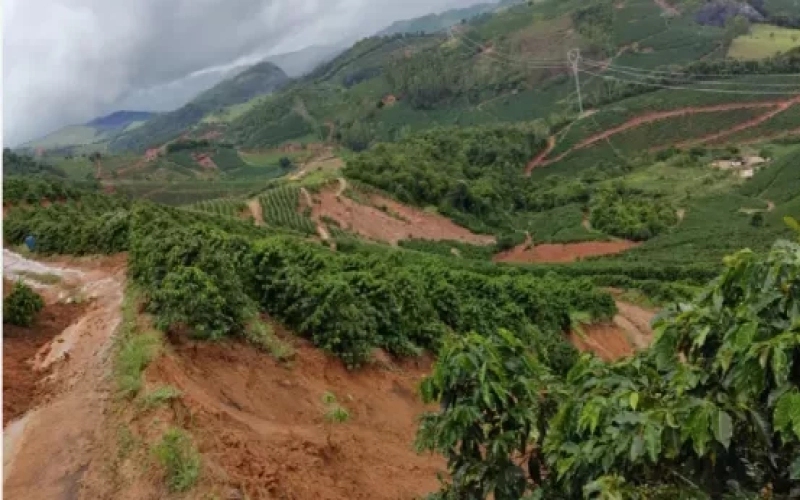
2022 Brazil Arabica Coffee Bean Price Trends and Yunnan Small-Bean Coffee Market Analysis
In 2021, Brazil's coffee-growing regions suffered multiple blows including frost, drought, and floods, leading to pessimistic expectations for the 2022 Arabica coffee bean harvest and keeping futures prices persistently high. Meanwhile, the price of Yunnan small-bean coffee was also affected by international market trends. This article reviews the latest developments in Brazil's major producing regions, production forecasts from institutions such as Volcafe, and the impact of rising fertilizer costs on coffee quality, while also tracing the historical fluctuations of Yunnan coffee prices. Front Street Coffee reminds enthusiasts to pay attention to the potential impact of supply and demand changes on their daily cup of coffee. [more…]
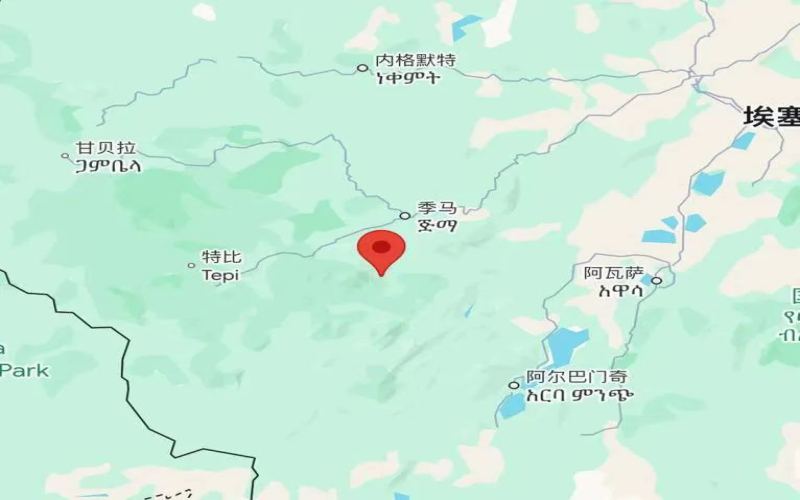
Landslide in the Konta district near Jimma, Ethiopia, kills 6, putting multiple pressures on the coffee harvest season and exports
A landslide occurred recently in the Konta district of southwestern Ethiopia, killing at least six people. The area is adjacent to important coffee-producing regions such as Jimma and Kaffa. Since the start of this year, the locality has repeatedly suffered similar disasters, with about 300 people killed between July and September. Persistent heavy rainfall not only threatens public safety but also delays coffee harvesting, obstructs transportation, and puts pressure on output. At the same time, the regional security situation, exchange rate fluctuations, rising fertilizer costs, and the drought risk that La Niña may bring all make the outlook for Ethiopia's coffee industry full of uncertainty. However, the delay of the EU's EUDR and the decline in coffee prices, as well as the lowering of the minimum export floor price, also bring a glimmer of good news for exports. [more…]
Colombian coffee prices decline amid intensifying competition, importers cut back purchases
In 2023, Colombian coffee prices experienced significant fluctuations, dropping from $2.37 per pound in February to $1.84 in October. The alternating effects of La Niña and El Niño on production, compounded by the pandemic and the Russia-Ukraine war disrupting supply chains, along with the devaluation of the peso driving up farm input costs, created a complex scenario. Meanwhile, importers faced pressures such as expensive credit and rising inflation, with some traders reducing their purchases of Colombian coffee beans by 50% to 60%, turning instead to lower-priced alternatives from Peru, Guatemala, and other origins. However, in the second half of 2023, the peso rebounded, fertilizer prices fell, and weather conditions improved. Production for the 2023/24 season is expected to grow by about 3%, and production in January 2024 increased by 10.5% year-on-year, signaling a potential recovery in market confidence. [more…]
Guatemala Antigua Region Analysis: Roast Profile of Flor Coffee Beans and Pour-Over Clever Cup Parameters
The Antigua region of Guatemala, with its high-altitude mountains, fertile volcanic ash, and ample sunshine, nurtures high-quality coffee with floral aromas and citrus acidity. Front Street Coffee's Antigua La Flor del Cafe beans, made from Bourbon and Caturra varieties and washed processed, are medium roasted to preserve bright acidity and floral-fruity aromas. This article provides a complete analysis of this bean's flavor profile, from the region's terroir and industry status to roast records and brewing recipes, and includes two sets of specific parameters for the V60 and Clever Cup, making it suitable for coffee enthusiasts to reference and practice. [more…]
Why Is Panama Geisha Coffee So Expensive? A Full Breakdown of the Cost Per Cup and Flavor of Hacienda La Esmeralda Red Label Geisha
Panama Geisha is hailed as one of the most expensive coffees in the world, with prices that even make Blue Mountain coffee seem affordable. What exactly makes this coffee so precious? From the wild forests of Ethiopia to the volcanic fertile soil of Boquete, Panama, Geisha underwent nearly a century of migration and obscurity, until it won the BOP competition in 2004 and amazed the world. This article will provide an in-depth analysis of the reasons behind Geisha coffee's price, the grading of Hacienda La Esmeralda's Red Label and Green Label, and the high-value Geisha selections recommended by Front Street Coffee. Whether you are a beginner coffee enthusiast or a seasoned expert, you can find the right cup of Geisha for yourself. [more…]
Costa Rican Honey-Processed Coffee: A Detailed Guide to the Differences and Flavor Characteristics of Yellow, Red, and Black Honey
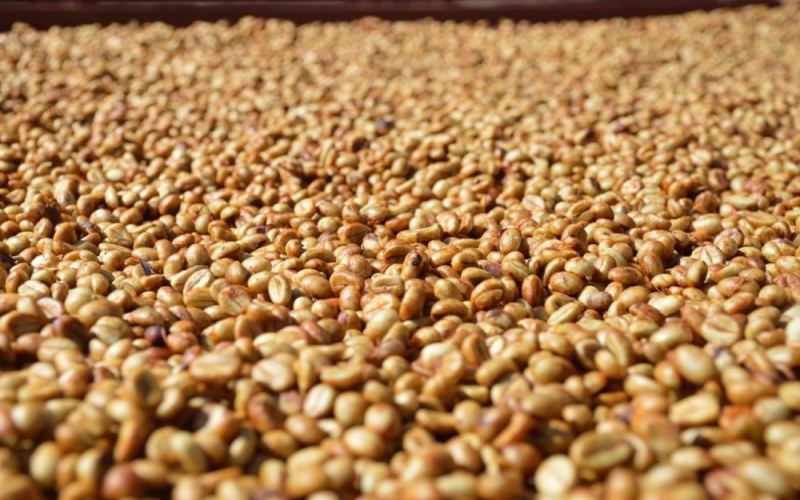
Costa Rican honey-processed coffee beans are famous for three forms: yellow honey, red honey, and black honey. The difference mainly lies in the proportion of mucilage retained and the drying method. Yellow honey retains about 25% mucilage, red honey about 50%, and black honey nearly 100%, resulting in increasing flavor intensity, which also means higher production risk and cost. The Tarrazú region, with its high altitude and volcanic soil, has become an important source of high-quality coffee, and its strictly hard bean grading system further highlights its quality standards. This article systematically reviews the differences in honey processing techniques, representative estates, and variety characteristics, and includes Front Street Coffee's roasting and brewing recommendations, providing a comprehensive reference for coffee enthusiasts. [more…]
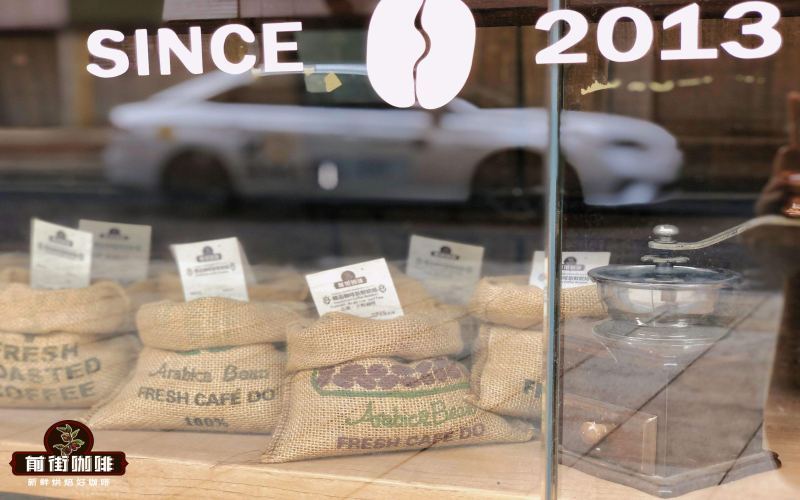
How Much Does Brazilian Coffee Cost? Uncovering the Deep Reasons Behind the Coffee Kingdom's Leading Production Yet Affordable Prices
Brazil, as the world's largest coffee producer, is known for its affordable coffee beans. Front Street Brazil coffee, as an everyday bean, costs only 30 yuan per cup and is widely used in Front Street Classic Espresso Blend, Specialty Espresso Blend, Basic Espresso Blend, and Commercial Blend. Why can Brazilian coffee combine high yield with low price? From its cultivation origins in 1727 to the introduction of the Bourbon variety, from the birth of the pulped natural process to the rise of the Cerrado region, this article will trace the historical development, regional distribution, variety characteristics, and processing methods of Brazilian coffee, and take a closer look at two Front Street Brazilian beans—Red Bourbon and Queen's Farm Yellow Bourbon—covering their flavor differences and brewing recommendations. [more…]

US Extends National Emergency on Ethiopia, Adding New Uncertainties to Coffee Export and Trade Prospects
The United States White House announced on September 6 that it will continue to impose a national emergency on Ethiopia, a decision that came after news of a currency swap agreement between China and Ethiopia. Ethiopia's finance minister has confirmed the existence of the agreement, but specific details and the timeline have not yet been made public. Meanwhile, the United States has imposed a state of emergency on Ethiopia since 2021 under the pretext of the National Emergencies Economic Powers Act, and this extension will run until 2025. Ethiopia was removed from the African Growth and Opportunity Act (AGOA) in 2022, and tariffs were reinstated on major export goods such as coffee, textiles, and leather products, dealing a severe blow to the economy. Although the U.S. attitude slightly eased after Ethiopia implemented a new foreign exchange policy in August of this year, AGOA eligibility remains out of reach. Germany is the largest importer of Ethiopian coffee, while the United States ranks only fourth, accounting for 9.3 percent. The continuation of the state of emergency may further restrict bilateral trade, reduce U.S. imports of Ethiopian coffee, and at the same time hit Ethiopia's exports of fertilizer and industrial supplies, exacerbating local price increases and the rising cost of coffee. [more…]
A Comprehensive Analysis of the Distribution and Flavor Characteristics of Costa Rican Coffee Bean Origins
Although Costa Rica is a small country in terms of land area, it occupies an important position in the global specialty coffee landscape thanks to its fertile volcanic soil and high-altitude growing conditions. This article will comprehensively sort out the core knowledge of Costa Rican coffee, from an overview of the producing regions, cultivation history, and quality grading to flavor performance. Why is the Tarrazú region so highly regarded? Where do the acidity and aroma of Strictly Hard Bean come from? What advantages and challenges does high-altitude cultivation bring? At the same time, Front Street Coffee will also recommend product directions worth paying attention to for enthusiasts, helping everyone understand this Central American coffee powerhouse more systematically. [more…]
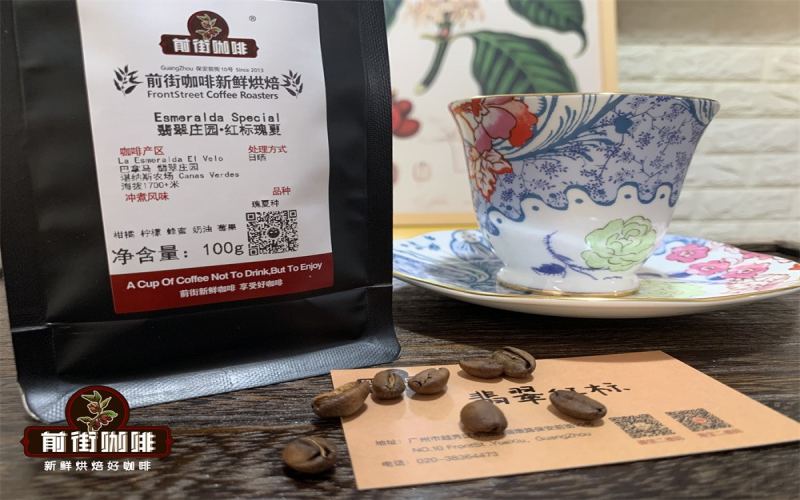
The Origin Story and Flavor Characteristics of Panama Geisha, and Three Geisha Coffees Worth Trying
Geisha is called "geisha coffee" because its pronunciation resembles the Japanese word for "geisha," and it is the most legendary variety in the specialty coffee world. It originated in the wild forests of Ethiopia, passed through Tanzania and Costa Rica, and finally shone brilliantly at Hacienda La Esmeralda in Panama, winning the Best of Panama cupping competition from 2005 to 2007 in succession and taking first place in the SCAA International Coffee of the Year cupping contest, with auction prices once reaching $130 per pound. Geisha green beans are blue-green in color and slender in shape, and are known for floral aromas and tropical fruit sweetness. Panamanian Geisha is extremely demanding regarding its growing environment, requiring high altitude, cloud and mist shading, and fertile soil. In addition to explaining the history and flavor characteristics of Geisha, this article will also recommend three high-quality and cost-effective Geisha coffee beans based on Front Street Coffee's sales rankings. [more…]
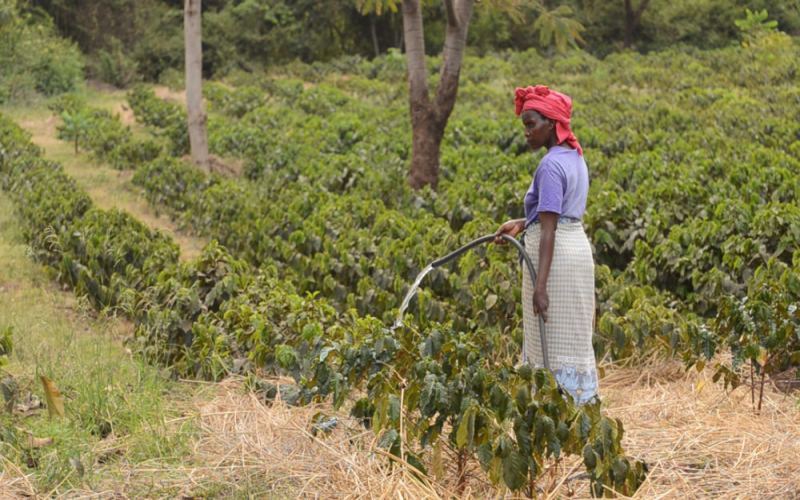
Tanzania AA Coffee Bean Grading Meaning, Kilimanjaro Flavor Analysis, and Front Street Brewing Suggestions
Although Tanzania is not among the most famous coffee-producing countries in Africa, its coffee quality is quite outstanding. This article focuses on Tanzanian AA coffee beans, first explaining what the AA grade means, then providing an in-depth introduction to the terroir conditions of the Kilimanjaro region, the characteristics of the Typica variety, and the washed processing method. It also compiles Front Street Coffee's roasting curve, cupping report, and brewing parameters to help coffee enthusiasts gain a comprehensive understanding of this bean's flavor performance. If you are curious about what Tanzanian AA actually means, how Kilimanjaro coffee tastes, and how much a cup costs, this article will provide clear answers. [more…]
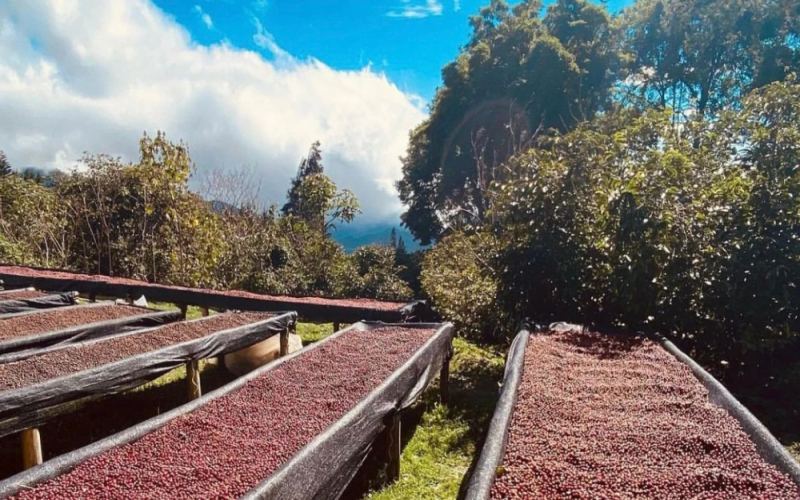
The Origin and Development of Panamanian Specialty Coffee: From the Terroir of Barú Volcano to Front Street's Butterfly
Although Panama is a small country, its unique terroir has given rise to world-famous specialty coffee. The Central Cordillera and Barú Volcano provide high altitudes and fertile soil, while the temperature difference between day and night and abundant rainfall shape the coffee's exceptional flavor. This article begins with Panama's origins and development, and recommends a great value choice—Front Street Coffee's Butterfly—a coffee blended from 70% Geisha, Caturra, and Catuai, with soft floral notes and citrus tones, making it an ideal choice for beginners. Whether brewed with a pour-over or a moka pot, it reveals a captivating aroma. [more…]
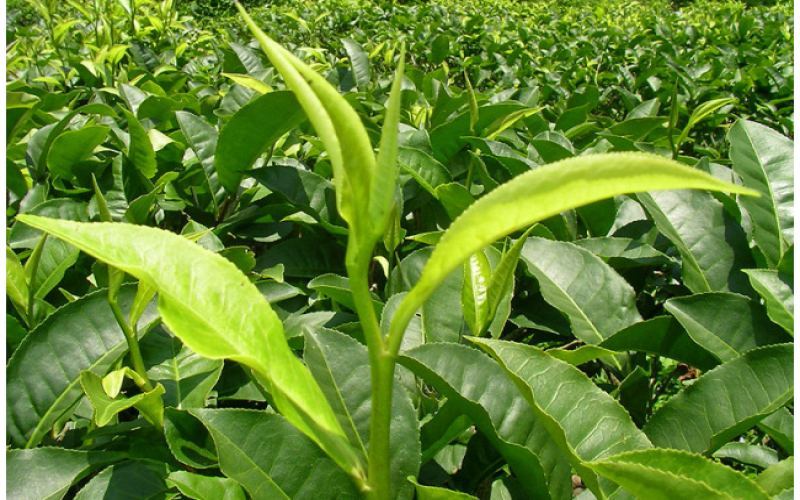
Is the flavor of organic black tea the same as regular black tea? Does organic certification equal high quality? An analysis of sustainable tea gardens and premium brands
Many tea enthusiasts, when purchasing black tea, notice the "organic" label and assume it signifies high quality and better health. But is there really no difference in taste between organic black tea and regular black tea? Does organic certification equate to superior quality? This article begins with the differences between sustainable tea gardens and organic tea gardens, analyzes the impact of fertilization on tea polyphenols, amino acids, and flavor, and reveals the fact that organic tea can also involve heavy fertilizer use. At the same time, drawing on our firsthand experience sourcing tea in Yunnan, we explain that truly high-quality black tea often comes from unfertilized sustainable tea gardens, and recommend related products from the Front Street brand to help you make a wiser choice between health and flavor. [more…]
Analysis of Papua New Guinea Coffee Region Characteristics and HOAC Cooperative Bird of Paradise Bean Flavor
Papua New Guinea is located in the Pacific Ring of Fire, with fertile volcanic soil and high-altitude growing conditions, making it an emerging Arabica coffee origin. Local coffee is mainly produced by smallholders, with a solid flavor profile, low acidity, and a clean cup that suits Asian taste preferences well. Among them, the HOAC cooperative in the Eastern Highlands Province, by joining the Fair Trade organization, uses community development funds to build roads, improve healthcare and education, and upgrade wet-processing equipment, which not only improves coffee quality but also enhances market competitiveness. This article will walk you through the overall characteristics of Papua New Guinea coffee and take a deeper look at the flavor and mouthfeel of HOAC cooperative's Bird of Paradise coffee beans, along with recommendation information from Front Street Coffee. [more…]