







Does organic black tea taste different from regular black tea?
Organic black tea and regular black tea can taste much the same, because organic certification only sets rules for inputs, not flavor. Certification requires heavy investment, and growers often fertilize to recover costs. Excess nitrogen pushes rapid leaf growth, lowering polyphenol content and leaving tea trees more vulnerable to disease and pests.
Sustainable tea gardens work differently: tea trees grow without human intervention, drawing nitrogen and minerals from the surrounding ecosystem. Some organic gardens qualify if they use no fertilizer, but that is rare. Just as what is coffee made out of shapes what does a raw coffee bean taste like, the growing method shapes tea flavor more than a label.
Many tea enthusiasts, when purchasing black tea, notice the "organic" label and assume it signifies high quality and better health. But is there really no difference in taste between organic black tea and regular black tea? Does organic certification equate to superior quality? This article begins with the differences between sustainable tea gardens and organic tea gardens, analyzes the impact of fertilization on tea polyphenols, amino acids, and flavor, and reveals the fact that organic tea can also use large amounts of fertilizer. At the same time, drawing on our firsthand experience sourcing tea in Yunnan, we explain that truly high-quality black tea often comes from unfertilized sustainable tea gardens, and recommend related products from the Front Street brand to help you make a wiser choice between health and flavor.
Have you heard of sustainable tea gardens? These tea gardens do not rely on human intervention and can continue to reproduce as part of the natural ecosystem. Every year, we spend nearly two months sourcing tea in Yunnan, and we ensure that all Yunnan tea comes from sustainable tea gardens. Sustainable tea gardens and organic tea gardens sound very similar, but there is a huge difference between the two.
The core difference between sustainable tea gardens and organic tea gardens is this: sustainable tea gardens do not rely on humans, while organic tea gardens usually apply organic fertilizers and/or organic pesticides. In sustainable tea gardens, tea trees live naturally like wild plants, absorbing nitrogen and other minerals from the surrounding ecosystem. Some organic tea gardens can also count as sustainable tea gardens if they use no fertilizer at all, but this situation is very rare.
In fact, most organic tea gardens use organic fertilizer. To obtain organic certification, tea garden owners need to invest a great deal of cost. To recover their investment, they often increase yields through fertilization. Whether organic fertilizer or chemical fertilizer, excessive nitrogen application prompts rapid growth of tea trees. As a result, the polyphenol content in the tea leaves becomes very low, because nutrients are mainly used to support growth. This makes the tea trees fragile and susceptible to disease or pest attack. Such tea gardens do not meet the definition of sustainable tea gardens. As a sustainable tea garden, whether organic or not, it must not use chemical fertilizers.
What is a sustainable tea garden? In a sustainable tea garden, tea trees do not need any artificial fertilizer and obtain nitrogen only from the environment. To some extent, sustainable tea gardens are independent of humans, just like wild plants, and can continue to grow without fertilization. For plant growth, nitrogen, carbon, and minerals are essential. Soil is rich in minerals, and carbon is easily obtained from decomposed plants. Nitrogen is the nutrient that natural plants have the hardest time obtaining. Sometimes nitrogen comes from dead insects, animals, or manure, but this is rare. Usually, natural nitrogen comes from other dead plants, or from specific bacteria that live symbiotically with the roots of certain plants. Nitrogen is first extracted from the air by bacteria and then recycled underground. So, if we want to maintain the sustainability of a tea garden, we must preserve the weeds in the tea garden.
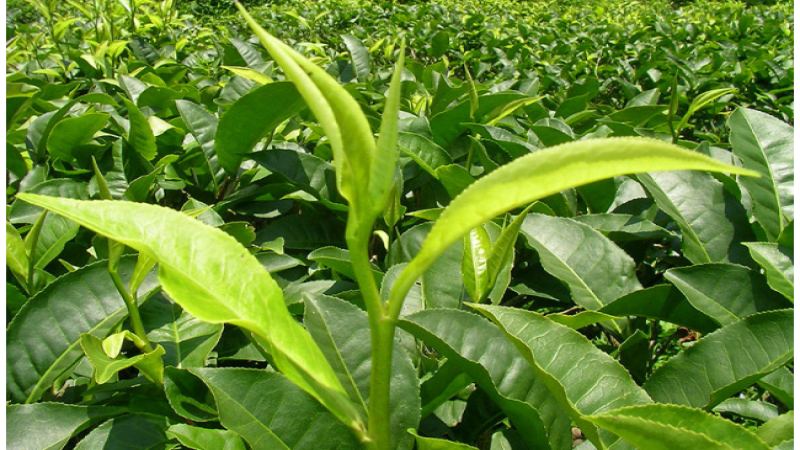
Chemical fertilizers increase chlorophyll content and reduce polyphenol content. Without nitrogen fertilizer, tea trees grow slowly and do not need as much photosynthesis. Therefore, the tea leaves become smaller, because they need less sunlight and chlorophyll. This is why tea from sustainable tea gardens always has a pale yellow color. Tea from sustainable tea gardens is composed of very small cells and is highly dense. Tea without fertilization also produces more polyphenols than ordinary tea. Usually, the polyphenols in sustainable tea trees are at least three times those in tea grown with chemical fertilizers. Interestingly, tea trees in sustainable tea gardens are resistant to insects. Usually, when ordinary tea gardens shift to sustainable agricultural practices, they often suffer severe pest damage in the first few years. After 7 to 8 years, the tea trees become robust, and farmers no longer need to worry about pests.
Have you ever thought about the chain of health? Health tea is rich in functional substances, and these substances are also the functional substances of tea itself. By drinking these healthy teas, we also gain many health benefits. On the other hand, fertilized tea contains very few polyphenols but is rich in amino acids composed of nitrogen from fertilizer. It is as if we indirectly obtain fertilizer by drinking those teas. For vegetables and tea, as long as the label "organic food" is attached, people tend to admire it blindly. Organic food may contain no pesticides, but that does not mean it is healthy or rich in functional substances. We should realize that many organic teas and foods are made with large amounts of fertilizer. If we want to improve our health by drinking tea, we should look for tea that is beneficial to health.
Finding high-quality tea and finding healthy tea are the same goal. I became interested in sustainable tea gardens not because of health or environmental issues, but because of its quality. I seek sustainable tea because of its quality. Interestingly, my pursuit of final quality is the same as tea grown in a healthy environment. If we look at China's high-quality teas, most also come from unfertilized tea gardens. The tea trees in those gardens grow for much longer, thus producing more polyphenols and minerals, bringing a strong aftertaste.
The Front Street brand has always been committed to finding black tea from sustainable tea gardens, ensuring that the tea comes from unfertilized ecological tea gardens, retaining rich polyphenols and minerals, and bringing a mellow, sweet aftertaste drinking experience. If you also want to taste truly healthy black tea with outstanding flavor, you may want to pay attention to Front Street's sustainable tea garden series.
The above content is compiled by CoffeeHunters, a coffee news website.


