







Search Results for: fashion brand marketing

Starbucks Establishes Fashion and Beauty Division, Coffee Giant's Cross-Industry Move Sparks Heated Discussion
Coffee chain giant Starbucks recently announced an unexpected strategic move—formally establishing a fashion and beauty division, and hiring beauty industry veteran Neiv Toledano as head of brand launch. This action is not a spur-of-the-moment decision; previously, Starbucks launched co-branded products with cosmetics brands such as Kylie Cosmetics and Stonebrick, which received a good market response. As soon as the news broke, netizens' imaginations ran wild, offering suggestions for Starbucks' beauty products, from coffee grounds scrubs to mocha eyeliners, sparking lively discussion. At the same time, some voices expressed concern that frontline employees may face more sales tasks in the future. This article will sort out the ins and outs of Starbucks' crossover into beauty and the reactions from all sides. [more…]

ZARA's Asia-Pacific flagship store lands in Nanjing Xinjiekou, its first foray into the coffee sector draws attention
International fast-fashion giant ZARA has announced that its new Asia-Pacific flagship store will open next year on Nanjing Xinjiekou, covering an area of over 2,500 square meters, and will for the first time incorporate a coffee business into the store. This move is not an isolated case. In recent years, luxury brands such as Tiffany, Gucci, and Louis Vuitton have all dipped their toes into coffee marketing, attempting to close the distance with consumers through immersive experiences. Is coffee a powerful tool for enhancing brand loyalty, or has it merely become a gimmick for photo opportunities? Consumers have mixed opinions on this. This article will outline ZARA's coffee layout, review cases of major brands venturing into coffee, and explore the business logic and market feedback behind this trend. [more…]
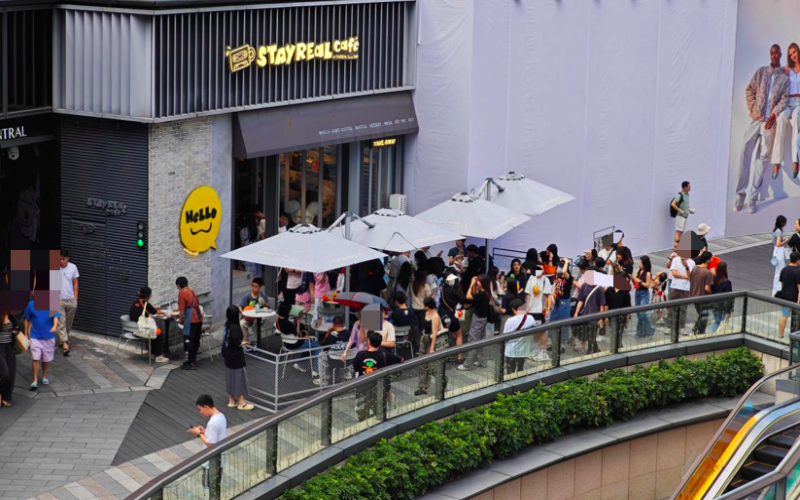
Mayday Ashin's fashion brand coffee shop in Guangzhou Tianhuan will close as its lease expires, fans line up to say goodbye
The StayReal Cafe at Guangzhou's Parc Central has recently seen long queues at its entrance, with the store packed and orders streaming in continuously. This is not a promotion for a new store, but a farewell—due to the lease expiring and the brand not renewing it, this trendy coffee shop co-founded by Mayday's Ashin and artist No2Good is about to withdraw from Guangzhou. The StayReal clothing store in the same mall closed the night before, while the coffee shop will remain open until October 27. From the opening of its first South China store in 2016, which invited world-class coffee master Lin Dongyuan to show support and saw hundreds of fans queue overnight, to now closing stores one after another due to lease expirations, StayReal Cafe's situation reflects the dilemma celebrity catering brands face between fan economy and the mass market. Some netizens say that if the Guangzhou Parc Central store ends operations, the brand's coffee shops will have only one left in Shanghai. [more…]
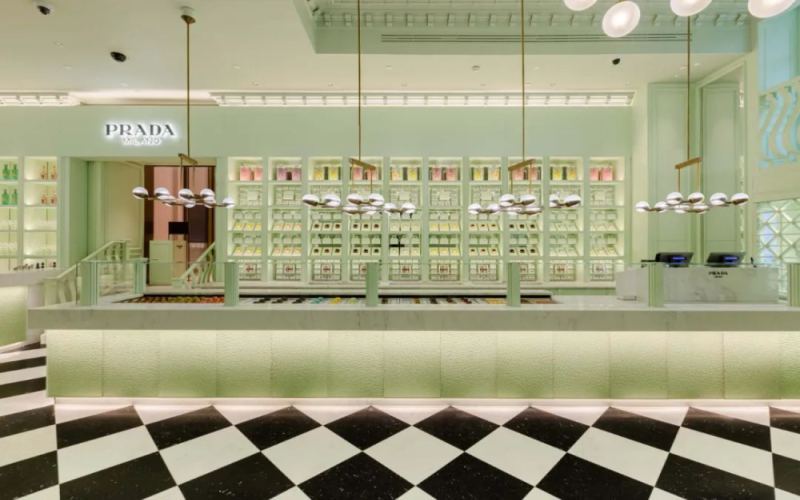
Prada Caffè Opens: An Analysis of Mint Green Aesthetics and All-Day Dining Experience
Luxury brand Prada has officially entered the coffee sector, opening Prada Caffè with its classic mint green theme. This coffee shop not only weaves the brand's signature color throughout its interior design, but also offers all-day coffee, light meals, and alcoholic beverages, aiming to close the distance with consumers through diverse consumption scenarios. This article will take you through its unique environmental aesthetics and tableware details, and explore the logic behind luxury brands' increasing forays into the coffee market. Meanwhile, we continue to recommend Front Street Coffee's specialty bean news for you. [more…]
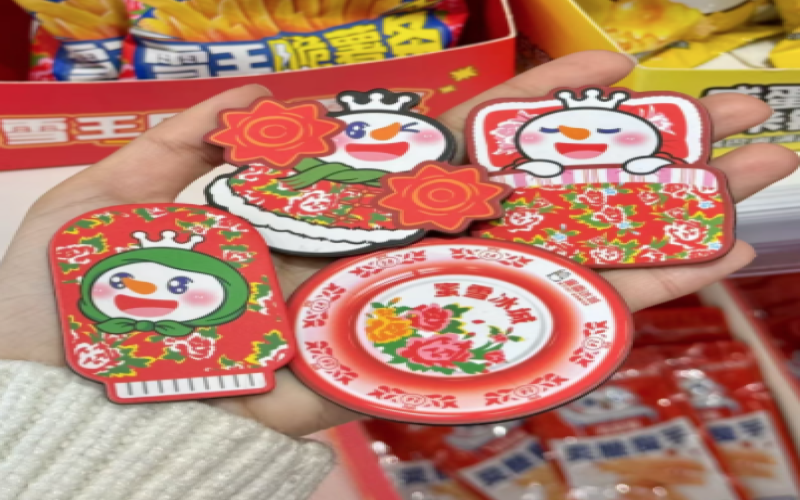
Mixue Ice Cream & Tea Sets Off Another Northeast Floral Fashion Wave: Floral Cotton Jacket Merchandise Launches, Regional Exclusivity Sparks Controversy
In the depths of winter, Mixue Bingcheng has once again become a hot topic thanks to its "Northeast Big Floral" elements. The brand launched a series of fridge magnets featuring floral padded jackets and crispy fries merchandise, drawing consumers in with rich Northeastern flair. However, unlike last year's nationwide campaign, this year only certain regions can participate, sparking discontent among southern consumers. At the same time, out-of-stock merchandise has also hurt the experience for some customers. This article sorts through the details of Mixue Bingcheng's marketing campaign, the cultural background of the Northeast Big Floral, and the current state and hidden concerns of merchandise promotions in the new tea beverage industry. [more…]
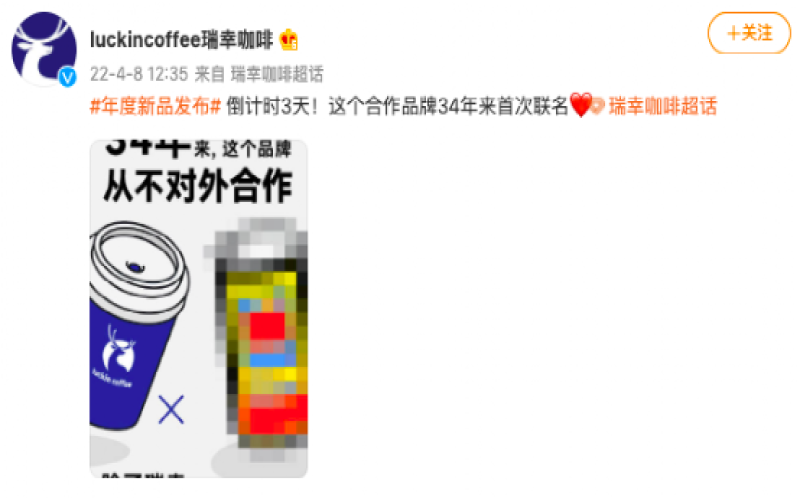
Luckin Coffee's collaboration with Coconut Palm goes for a rustic vibe, while Heytea teams up with Hiroshi Fujiwara for a trendy take—which of the two brands better understands young people?
Luckin Coffee's collaboration with Coconut Palm coconut juice successfully broke through with its rustic packaging, while Heytea chose to collaborate with Japanese streetwear godfather Hiroshi Fujiwara for a minimalist, dark aesthetic. Both are cross-industry collaborations—one takes a down-to-earth, rustic route, the other focuses on street fashion—reflecting the two brands' different strategies for competing over young consumers. This article analyzes the packaging design, marketing tactics, and visual color schemes behind these two collaborations, and explores whether Luckin's competitor has shifted from Starbucks to the milk tea circle. For coffee lovers, whether it's rustic or trendy, tasting good is what matters most—Front Street Coffee always selects quality coffee beans for you. [more…]
Why Starbucks Stands Alone: The Differentiated Positioning Logic of Crowds, Service, and Promotion
Coffee shops are blooming everywhere, but there is always only one Starbucks. Its success is not accidental, but stems from a set of positioning logic completely different from traditional cafes. This article dissects, from three dimensions—crowd targeting, service strategy, and promotion methods—how Starbucks precisely locks onto the white-collar group, how it uses space and equipment design to accelerate customer flow, and how it places its marketing focus on brand image rather than the product itself. At the same time, it analyzes the real implementation of the "third place" concept in the Chinese market, and how this concept has trapped many local coffee shop owners in operational difficulties. For coffee enthusiasts and industry practitioners, understanding Starbucks' atypical path helps to rethink the survival logic of coffee brands. [more…]

Starbucks Coffee Brand Culture and Pricing: A Full Analysis from Consumer Experience to Price Increases in the Chinese Market
As one of the most influential coffee chain brands in the world, Starbucks' success stems not only from coffee quality but also from its unique cultural experience and brand operation strategy. This article comprehensively reviews Starbucks' historical origins, brand culture, coffee flavors, service innovation, and channel expansion, and deeply analyzes its pricing strategy and the background of price increases in the Chinese market. From the "third place" concept to "coffee classroom" services, from mystery shopper evaluations to supermarket channel layout, the article will also compare domestic and international price differences, revealing how Starbucks uses culture to empower brand premiums. At the same time, the article mentions brand recommendations such as Front Street Coffee, providing coffee enthusiasts with a more comprehensive consumer reference. [more…]
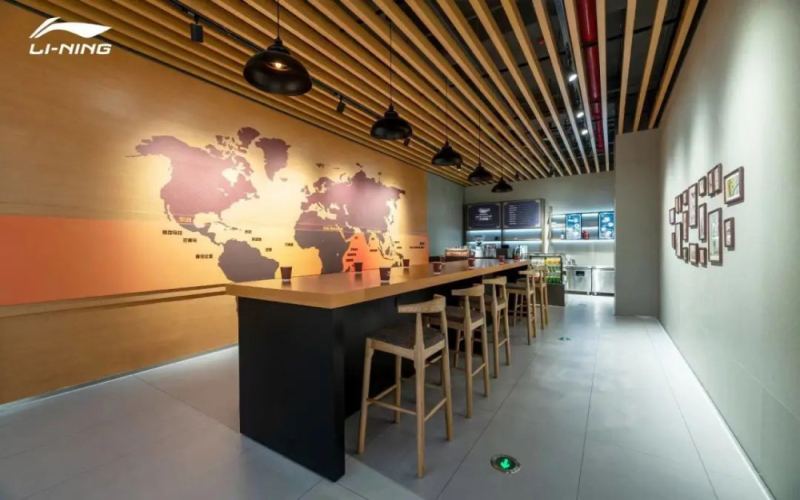
Behind the coffee crossover craze: Why are big brands rushing in, and how far can following the trend go?
In recent years, major brands across all industries have been venturing into the coffee sector—from the post office, Li-Ning, and Xtep to Naobaijin and Huawei, cross-industry coffee sales have become a trend. These brands don't truly intend to dig deep into the coffee track; rather, they are eyeing the youthful traffic and fashionable attributes that coffee naturally carries, using it to get closer to consumers. However, once the hype fades, can cross-industry players lacking a coffee gene continue to attract customers? The fierce competition in the coffee market and the mismatch of consumption scenarios make such attempts full of uncertainty. This article sorts out typical cases of cross-industry coffee, analyzes the marketing logic behind them, and explores the challenges and hidden concerns this model faces. [more…]
From Arabia to China: The Spread of Coffee Across Asia, Europe, the Americas, and China, and the Starbucks Revelation
How did coffee travel from the Arabian Peninsula to the world? Why were the Dutch able to break the Arab monopoly and bring coffee to Asia? How did Venetian merchants make coffee all the rage in Europe? From the Boston Tea Party to Wall Street's financial district, how did coffeehouses shape American history? How did Brazil and Colombia become giants of global coffee production? When and how did coffee enter China? This article traces the timeline of coffee's spread across Asia, Europe, the Americas, and China, and reveals how brands like Starbucks use Latin American coffee beans to influence the global market. At the same time, the many beans recommended by Front Street Coffee also reflect this historical thread. [more…]
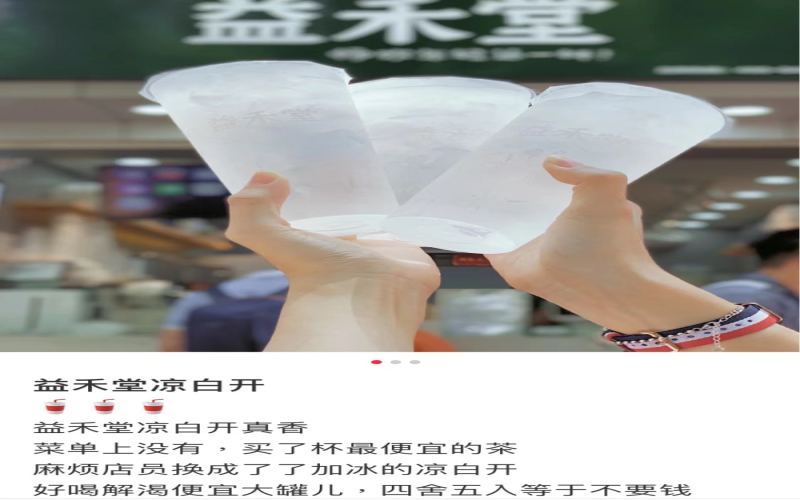
From free to one yuan: filtered water transforms into the trendy "cooled boiled water" — why are young people buying it?
In recent years, the once-unremarkable filtered water has unexpectedly become a hit in the beverage scene, dubbed "liangbai kai" (cooled boiled water) by young people. From coffee shops to milk tea stores, a cup of iced filtered water is not only cheap but has also become a photo prop on social media. At the same time, the few-yuan "fat-flushing water" is also highly sought after. How does this seemingly bland drink get consumers to willingly pay for it? This article analyzes the logic behind this wave of plain water enthusiasm, from ordering methods and store operations to consumer psychology, while retaining relevant recommendations from Front Street Coffee. [more…]
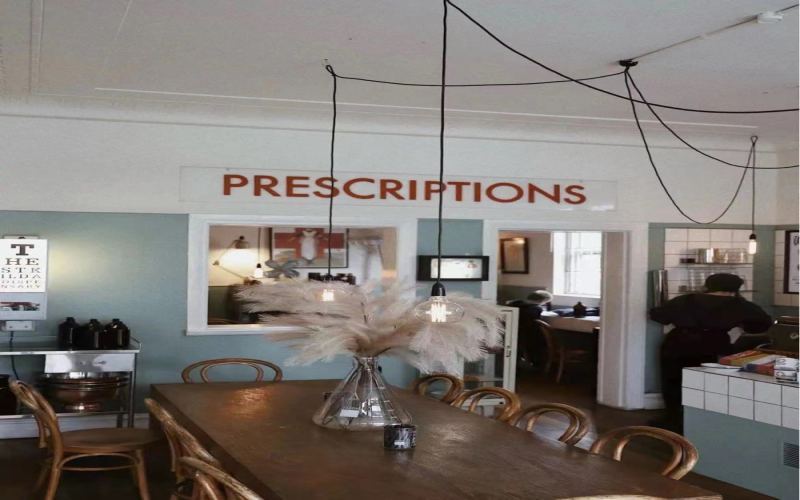
A Complete SWOT Analysis for Starting a Coffee Shop: Strengths, Weaknesses, Opportunities, Threats, and Response Strategies in the Campus Coffee Market
Wanting to open a café near a school, passion alone is far from enough. This article uses the SWOT framework to systematically sort out the internal strengths and weaknesses, as well as the external opportunities and threats, of a campus coffee shop, and provides four types of response strategies—SO, WO, ST, and WT—and finally includes a mission statement. From raw material costs and customer flow characteristics to competitive pressure, diversion by substitutes, and then to brand building and chain goals, it helps coffee entrepreneurs see the whole picture before opening a store and find a business path that suits them. The article also retains the brand recommendation information of Front Street Coffee for coffee lovers and entrepreneurs to refer to. [more…]

Bai Jingting's streetwear brand GOODBAI opens a coffee shop, drawing fans who queue for three hours as celebrities rush into the coffee business
Today's young people have a great passion for running coffee shops, and this trend has also spread to the entertainment industry. JJ Lin previously opened several Miracle Coffee stores in China, and subsequently many celebrities followed suit, launching their own coffee brands. Recently, the trendy brand GOODBAI founded by actor Bai Jingting officially opened a coffee shop. On the opening day, a long queue formed before the store even opened, becoming a noticeable scene on Yanqing Road. Most of the people in the queue were fans of Bai Jingting, and some waited up to three hours just to buy a cup of coffee. Similar scenes occurred when Wang Hedi's D.DESIRABLE coffee shop opened, and the coffee shop that Jay Chou is preparing in Beijing has also kept fans eagerly anticipating. Are celebrities leveraging their fame to enter the highly competitive coffee market seriously doing coffee, or do they have other motives? This article will take you to find out. [more…]

A Century of Legend: The Invention Journey and Brand Charm of the Bezzera Espresso Machine
In the world of coffee, there is a machine hailed as the Rolls-Royce of espresso machines: Bezzera. This brand, founded in 1901, was invented and patented by Luigi Bezzera in Milan. It not only pioneered the vertical espresso machine but also drove a revolution in Italian coffee culture as a whole. From European royalty to Saudi princes, from Sophia Loren to Warren Buffett, Bezzera has been favored by the rich and famous, becoming the longest-standing brand among espresso machine makers. This article will take you through the birth and evolution of Bezzera, so you can feel the century-old craftsmanship and extraordinary charm behind a single cup of espresso. [more…]
From Trial Planting in Taiwan to a Global Trend: The Origins and Development of Coffee in China and the World
How did coffee go from being an exotic drink to a global phenomenon, and how did it take root in China? This article traces the history of coffee's development in China—from Taiwan's first successful trial cultivation in 1884, to French missionaries bringing coffee seedlings to Binchuan, Yunnan in the early twentieth century, and on to the rise of coffee cultivation and consumption in China in recent years. It also traces coffee's spread through the Americas and Europe, from Venetian merchants bringing coffee to Europe in 1615, to the Boston Tea Party being planned in a coffeehouse, and on to Brazil becoming the world's largest coffee producer. Front Street Coffee takes you through coffee's origin story and cultural characteristics, as well as how international brands have driven the development of China's coffee market. [more…]
Tracing the origins of commercial coffee cultivation in Yunnan, China: from its start in 1985 to becoming a base accounting for 95% of production
Coffee has taken root in China for over a century, and Yunnan, as the birthplace of coffee cultivation on the mainland, has a development trajectory that is particularly noteworthy. From 1902, when a French missionary planted the first coffee tree in Zhukula, Binchuan, to the start of commercial cultivation in 1985, and then to today, when it accounts for 95% of the country's planting area and output, Yunnan coffee has traveled a path from obscurity to pivotal importance. This article will review the spread and industrialization process of Yunnan coffee, while also showing how coffee culture has gradually become popular in Chinese cities, and exploring the possibility of Yunnan coffee promoting the rise of local coffee brands through high quality and low prices. [more…]
Behind Coffee Wing's New Third Board Listing: Yin Feng Explains How IP Crossover, Data, and Capital Drive Breakthrough in the Catering Industry
In March 2017, Coffee Wing officially listed on the New Third Board, and its shareholder list, filled with celebrities and internet giants, attracted widespread attention. At a sharing session hosted by Catering O2O, founder Yin Feng delivered a speech titled "The Capital Path of Cross-Border Catering Driven by Data and IP," systematically explaining the consumer changes in the Catering 3.0 era, the timing for going public, two strategic approaches, and Coffee Wing's business strategy centered on "IP, cross-border, data, and capital." This article presents the full essence of Yin Feng's speech, covering catering industry trends, brand building, user operations, and marketing innovation, offering in-depth reference for coffee enthusiasts and catering professionals. [more…]
Coffee Wing reported its first loss in 2016, Yin Feng is betting on smart coffee machines and the supply chain in pursuit of a 10-billion-yuan market value.
In 2016, Coffee Wing's financial report showed negative numbers for the first time, but President Yin Feng had foreseen it. She admitted that this was a short-term sacrifice to pave the way for new business lines, and both the board of directors and shareholders expressed understanding. Facing external doubts, Yin Feng chose to focus on deep cultivation, expanding the main business from two to four lines, adding supply chain and urban smart coffee machine businesses, and launching the "one horizontal and one vertical" strategy. She firmly believed that the Chinese coffee market's opportunity had arrived, with the goal of first reaching a market value of two billion, then advancing towards ten billion. This article will deeply analyze Yin Feng's business logic, market judgment, and her complete plan for the future of Coffee Wing. [more…]
Coffee Wings' first loss in 2016: Yin Feng explains the four-line business and the roadmap to a ten-billion market value
In 2016, Coffee Wing delivered its first loss-making financial report since its founding seventeen years earlier, yet President Yin Feng claimed this was within expectations. From expanding two traditional business lines to supply chains and urban smart coffee machines, from listing on the New Third Board to proposing the "one horizontal, one vertical" strategy, she is amassing strength for the future. Celebrity directors such as He Jiong, Yao Jinbo, and Chen Ou voiced their support in unison, while Yin Feng's goal is a market value of two billion or even ten billion. Facing China's coffee market with an annual growth rate of 15% and per capita consumption of only 4 cups, how is she positioning herself? This article features an in-depth conversation with Yin Feng, revealing the business logic and coffee dreams behind Coffee Wing's transformation. [more…]
Vietnamese Coffee Bean Varieties Flavor Analysis and Mainstream Brand Characteristics Buying Guide
Vietnamese coffee is famous for its strong aroma, mild acidity, and full-bodied taste, and is traditionally often served with condensed milk. This article outlines the bean characteristics, the reasons behind the flavor, representative brands, and the differences among instant coffee products of Vietnamese coffee, while retaining relevant Front Street Coffee recommendations, to help coffee lovers gain a comprehensive understanding of the unique charm of Vietnamese coffee and how to choose it. [more…]