







Search Results for: experimental
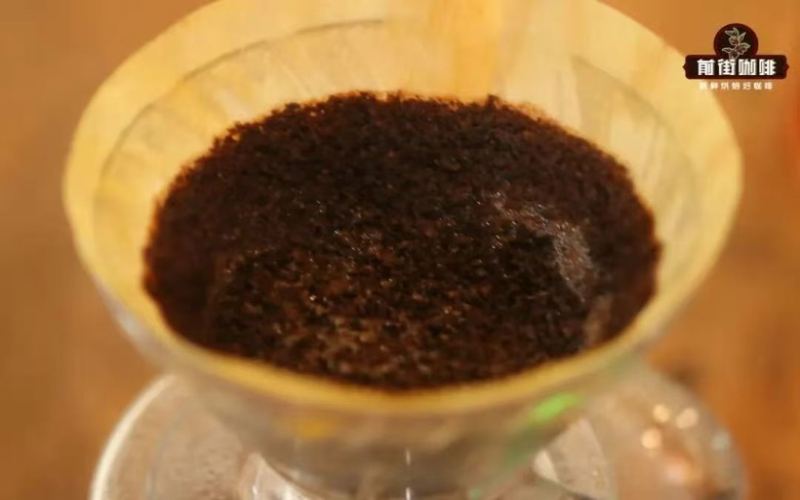
The Flavor Spectrum of Experimental Processing Methods: From Barrel Fermentation to Anaerobic Maceration
Anaerobic natural, lactic fermentation, barrel-aged, yeast inoculation—the vocabulary of specialty coffee processing methods has exploded in recent years, and coffee menus increasingly read like a brewery's process manual. These experimental processing methods are not marketing coinages; each one corresponds to a genuine technological innovation. This article maps out the mainstream lineage and examines "flavor alchemy." [more…]
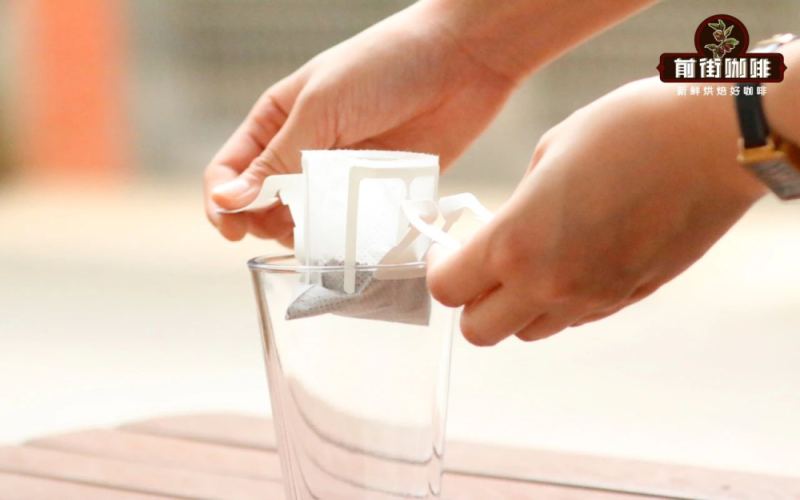
Drip bag coffee is not forever fresh: how long is its optimal flavor window, according to experimental data?
Drip bag coffee has become a daily choice for many coffee lovers thanks to its convenient brewing method. But many people overlook the fact that the coffee grounds inside a drip bag also come from freshly roasted beans, and once ground into powder, the flavor fades far faster than one might imagine. Through a set of controlled experiments, this article uses drip bags made from Front Street Coffee Red Cherry coffee beans, stored with and without preservatives for 1 to 4 months respectively, to observe changes in flavor. The experiment clearly reveals the boundary of the optimal flavor period for drip bag coffee, as well as the actual effect of preservatives on maintaining flavor. For consumers who like to stock up, these conclusions offer directly useful reference value. [more…]
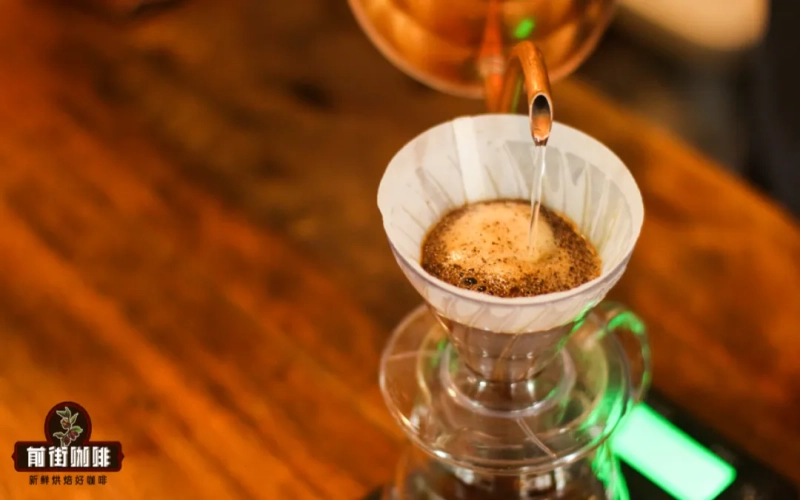
Does the direction of your pour-over circle matter? An experimental analysis of how clockwise versus counterclockwise pouring affects flavor
When brewing pour-over coffee, the direction of the circular pouring motion is a question almost every enthusiast encounters. Most people are used to pouring clockwise, but does pouring counterclockwise change the taste of the coffee? In this article, through a comparative experiment at Front Street, using the same beans, equipment, and parameters, with only the pouring direction changed, we brewed two pots of Huakui coffee and compared the concentration and flavor. The experimental results show that the circular direction has almost no effect on the extraction result. What truly determines the taste of the coffee is the water temperature, grind size, ratio, time, and the agitation from the water flow. Whether you choose clockwise or counterclockwise, as long as you keep the same direction during a single pour, it is fine. [more…]
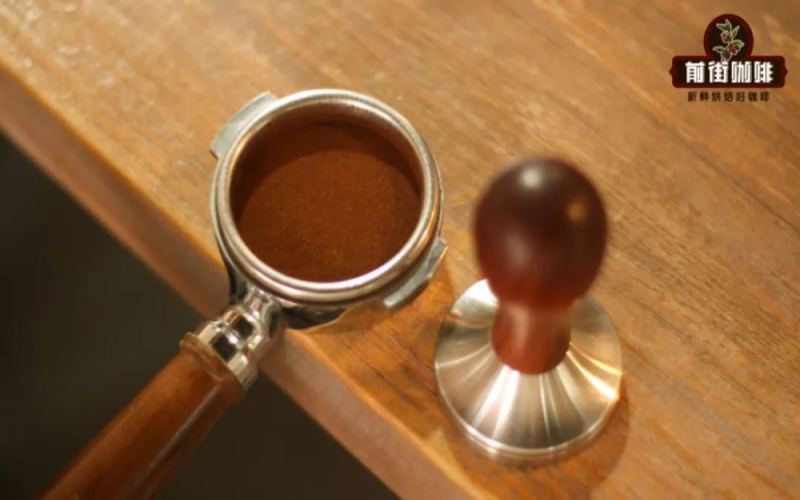
How to Choose the Tamping Pressure for an Espresso Tamper? Experimental Analysis Comparing Distribution Techniques for Fine vs. Coarse Grinds
Tamping is a seemingly simple yet highly debated step in espresso extraction. Some people give the tamper a gentle twist, just enough to level the bed, while others put their whole body into it, determined to compress the puck to the extreme. So how much force should actually be used? Do different grind sizes call for different tamping strategies? Front Street Coffee ran two sets of comparison experiments using coarse and fine grounds, tamping with a normal force of 1.5 kg and a full-force press of about 9 kg respectively, and recorded the difference in the time needed to extract 40 ml. The results showed that fine grounds are quite sensitive to changes in tamping force, while coarse grounds are almost unaffected. Through the experimental data, this article will help you understand the true role of tamping force and find the tamping method suited to different grind states. [more…]
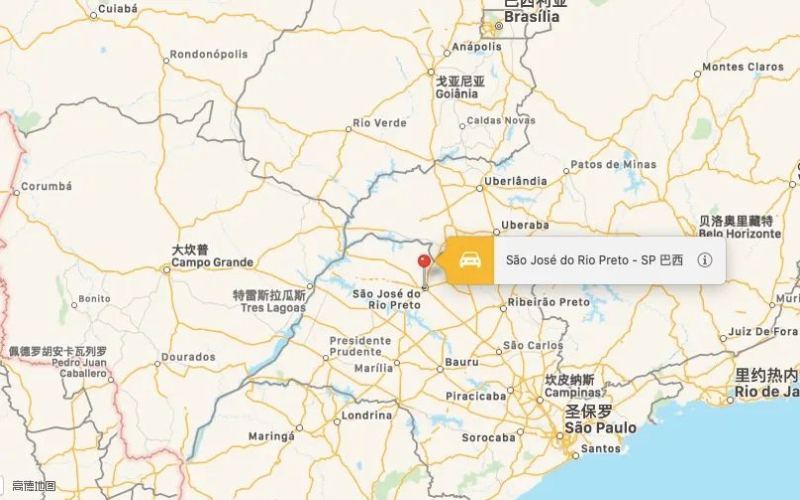
São Paulo State Plans to Transfer IAC Coffee Experimental Station and Germplasm Bank, Sparking Industry Concerns
The São Paulo state government in Brazil plans to sell a 7-hectare plot of land located in the state, which belongs to the Santa Elisa farm of the Campinas Agronomic Institute (IAC). This move has been strongly opposed by the IAC and the São Paulo State Association of Scientific Researchers. The farm hosts one of the world's largest coffee germplasm banks, preserving about 5,000 germplasm accessions, including the world's oldest Arabica coffee population. As one of the oldest agricultural research institutions in the world, the IAC's research achievements underpin 70% of the world's commercial coffee varieties. If the farm is sold, multiple coffee and crop research projects will be forced to halt, with far-reaching impacts on Brazil and the global coffee industry. [more…]

Is Micro-Lot Coffee Always Higher Quality? Decoding the Unique Flavors of Costa Rica's Musician Series Mozart
Micro-lot coffee is often labeled as high quality, but is it necessarily superior to regular lots? This article examines the true positioning of micro-lot coffee from the perspectives of transportation costs, estate production logic, experimental processing, auction selections, and private customization. At the same time, using the Costa Rica Musician Series Mozart as an example, it introduces the flavor performance of this raisin honey-processed micro-lot from Front Street Coffee's bean list, and analyzes the differences between air-freighted lots and sea-freighted lots, helping coffee enthusiasts view the concept of micro-lots rationally. [more…]
Brazil · Mogiana and Bahia: A Specialty Experiment Field
Mogiana and Bahia are two other important specialty coffee regions in Brazil. Mogiana is known for its traditional natural process, while Bahia is a pioneer of specialty coffee experiments in Brazil. This article introduces you to the characteristics of these two regions. [more…]
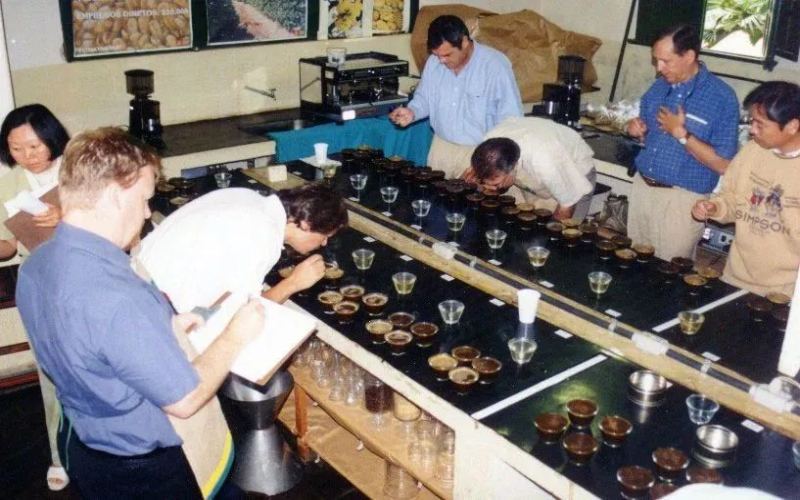
2023 Brazil Cup of Excellence Format Innovation: Three Processing Method Categories Reveal the Winners List
The 2023 Cup of Excellence (CoE) in Brazil underwent a major competition format change, for the first time dividing participating green beans into three categories: dry process, wet process, and experimental process, with awards evaluated separately for each. This change aims to respect different processing methods, encourage producer innovation, and promote fair competition. After pre-selection and multiple rounds of national and international judging, the lists of ten winning beans in each of the three groups have been announced, with a minimum score requirement of 87 points. Erwin Mierisch, Executive Director of the Alliance for Coffee Excellence, stated that the new classification both recognizes the value of traditional processing methods and responds to market demand for innovative processing methods. This article will outline the competition format details, the winning situation in each group, and explore the profound impact of this change on the specialty coffee industry. [more…]
How should you control the tamping pressure for espresso? An experimental analysis of tamping differences under coarse and fine grinding
Tamping the puck flat is a basic consensus in espresso extraction, but how much force should actually be used to tamp it down has long been a point of disagreement among baristas. Some give the tamper a light spin and apply just a little pressure, while others put their whole body weight into compressing the puck as hard as possible. Front Street conducted a comparative experiment using two grind sizes—coarse and fine—tamping with a regular force of 1.5 kg and a full-force press of about 9 kg respectively, to observe changes in extraction time. The results showed that because coffee grounds differ in density, the force needed to reach a compacted state also varies: fine grinds require greater pressure to be tamped to their most compact state, while coarse grinds are already sufficiently compacted at 1.5 kg, and full-force tamping produces extraction results almost identical to regular force. This article will present the full experimental process and conclusions to help coffee lovers understand the relationship between tamping force and grind fineness. [more…]

How does the timing of pouring in the three-pour pour-over method affect flavor? A comparative experimental analysis of light roast vs. medium-dark roast
When using a three-pour method for pour-over coffee, should the third pour wait until the water has fully drained, or should it be added before the water level reaches the bottom? Front Street answers this through two sets of comparative experiments. First, lightly roasted Yirgacheffe Geddid was brewed with continuous and interrupted pouring respectively, and the total time differed by 10 seconds, with slight differences in aroma and acidity, but the overall difference was not significant. Then the test was repeated with medium-dark roasted Papua New Guinea Bird of Paradise, but the interrupted-pour cup showed obvious bitterness. The reason is that medium-dark roasted beans are loose in texture and have a low margin for error, so bitterness-prone compounds are easily over-extracted when the time is prolonged. The article ultimately points out that interrupted pouring is not unworkable; the key is to pair it with corresponding parameters, such as the coarse-grind 46 brewing method. [more…]

Should Cold Brew Coffee Include a Bloom? Experimental Comparison and Principle Analysis of Cold Immersion vs. Hot Water Pre-infusion
Cold brew coffee has always been made by steeping at low temperatures throughout, but if you first bloom the coffee grounds with hot water before steeping, will the final product taste better? Front Street conducted a controlled experiment using Sidamo Huakui 8.0: aside from the water temperature treatment, the two pots of cold brew had completely identical parameters—one was mixed directly with room-temperature water and refrigerated, while the other was first bloomed with 92°C hot water for 30 seconds before room-temperature water was added. After 8 hours, filtering and tasting revealed that the two had similar flavor directions, but the bloomed version had a higher concentration. The article then explains that the real source of this difference is not the blooming action itself, but the hot water and parameter changes introduced to accomplish the blooming, and, combined with the principle of degassing during blooming in pour-over brewing, explains its applicability in the cold brew scenario. [more…]

Ice Drip vs. Cold Brew: A Comprehensive Comparative Experiment from Brewing Principles to Flavor Expression
Ice drip coffee and cold brew coffee are two common methods of making cold coffee, and the two differ noticeably in production process, extraction time, and final flavor. Front Street Coffee conducted a synchronized experiment using the same sun-dried Huakui coffee beans, comparing the production methods and resulting performance of ice drip and cold brew in an all-round way, from grind size calibration to powder-to-liquid ratio setting, and then to extraction time and post-processing methods. The experimental results showed that ice drip coffee was clear and bright, with a clean and refreshing mouthfeel, carrying fermented notes and a faint berry-like sweet acidity; cold brew coffee, by contrast, had a full-bodied mouthfeel and uniform flavor, with prominent fruity sweetness and a weaker fermented note. This article will analyze in detail the differences in production methods between the two types of cold coffee, the experimental plan, and the flavor comparison results, to help coffee enthusiasts more clearly understand the characteristics of both and the basis for choosing between them. [more…]
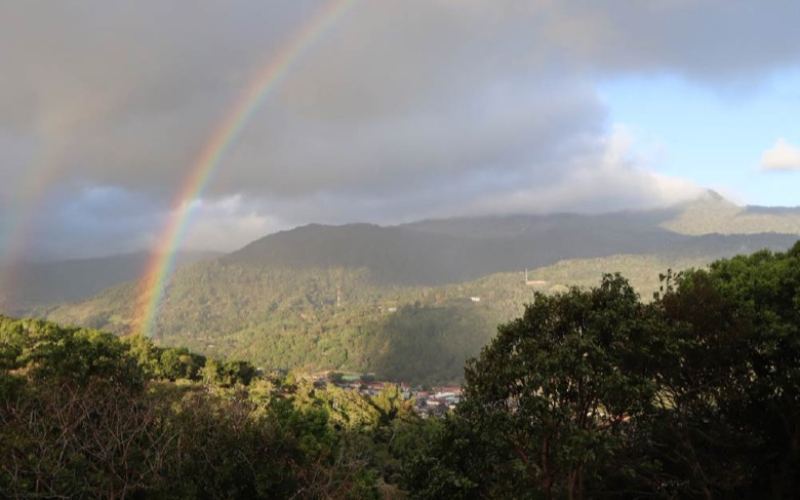
Finca Sophia: The Path of a High-Altitude Rising Star to the BOP Podium
At the 2025 Best of Panama, Finca Sophia took two of the top spots at once: second place in the washed Geisha category (96.25 points) and third place in the natural Geisha category (96.25 points). For an estate established only in 2008, [more…]
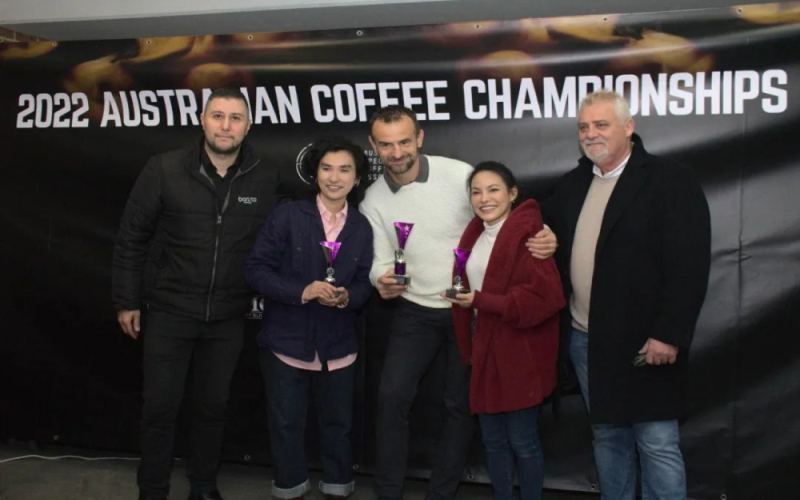
Sasa Sestic Returns to the Brewing Competition Arena: A Full Breakdown of the Ultra-Long Carbonic Maceration Geisha and the Ice-Stone Brewing Black Technology
2015 WBC Italian Champion Sasa Sestic returns to the competition stage after seven years. This time, he brings an experimental batch of Geisha from Iris Estate, a farm he created together with Jamison Savage, owner of Deborah Estate in Panama, to compete in the 2022 Australian Coffee Brewers Cup. This coffee professional, who has delved deeply into carbonic maceration for many years, chose to hold back in an era when anaerobic fermentation swept the competition scene, studying regional terroir and volatile compounds, and using his original Paragon brewing method and ice-stone aroma-locking technique to showcase the candy-like sweetness of an ultra-long macerated Green Tip Geisha. This article will provide a complete analysis of his brewing approach, staged pouring parameters, and flavor performance, with a recommendation from Front Street Coffee at the end. [more…]

What Is the Ideal Water Temperature for Pour-Over Coffee? An Experimental Analysis of How Different Temperatures Affect Extraction Flavor
Many coffee enthusiasts who brew pour-over at home habitually estimate the water temperature by feel, without using a thermometer. As a result, the taste comes out a little different every time, and they start to wonder whether the beans are stale or the quality is problematic. In fact, water temperature has a far greater impact on pour-over extraction than one might imagine—the same beans can present completely different flavor directions at different water temperatures. In this article, Front Street Coffee uses a washed Yirgacheffe Gedingding Cooperative coffee bean from Ethiopia as the sample, brewing comparison tests at five water temperatures—80°C, 86°C, 90°C, 93°C, and 96°C. Through actual tasting, it records the flavor differences at each temperature, analyzes the principles by which water temperature affects extraction, and finally provides a recommended temperature range for everyday brewing. [more…]
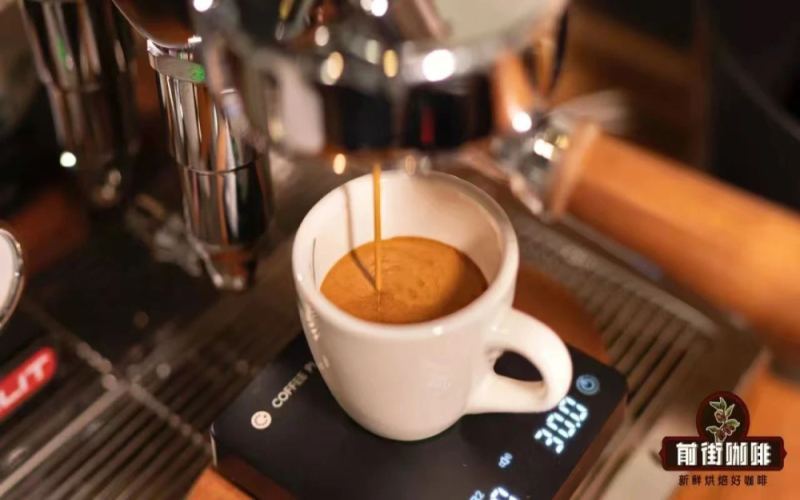
How Many Seconds Should Espresso Extraction Actually Take? An Experimental Analysis of Dose and Grind Parameter Pairings
Extracting a shot of espresso can be done in as little as twenty-odd seconds, but it is precisely this difference of just a few seconds that is enough to push the flavor in the cup in a completely different direction. As one of the core variables in the extraction process, time never exists in isolation—any change to dose, brew ratio, or grind size will affect the final extraction result. This article will start from the reasonable range for extraction time, break down one by one how dose and grind size affect flow rate and flavor, and share Front Street's practical approach to daily dialing in at the shop, along with several espresso blend beans suitable for practice, to help coffee lovers find a stable and delicious espresso recipe more quickly. [more…]
Panama Hacienda La Esmeralda Blue Label Geisha Pour-Over Flavor Analysis: Cima Yeast Washed Process and Estate Story
Panama's Hacienda La Esmeralda Geisha has long been the benchmark of the specialty coffee world, and this Blue Label washed Geisha stands out even more thanks to its Sima yeast fermentation. This article will walk you through everything about these beans: from the flavor layers of lavender, pomegranate, and ginger candy, to the growing conditions at Cañas Verdes farm and the experimental spirit of the Peterson family. We'll also explore whether it's good as a pour-over, along with Front Street Coffee's recommendations and brewing advice. Whether you're a Geisha enthusiast or interested in pour-over parameters, this article offers valuable reference. [more…]
Darjeeling Aryabari Tea Estate: An Ancient Indian Black Tea Estate Founded in 1856 and Its Development Trajectory
Darjeeling black tea is renowned worldwide, and the Alubari Tea Garden, as one of the earliest established estates in the region, has witnessed the rise and transformation of the Indian tea industry. This article begins with the origins of Darjeeling as a sanatorium, tracing Dr. Campbell's early experimental planting, the large-scale expansion of tea gardens in the mid-to-late 19th century, and the current planting scale and organic transition, with a focus on the geographical environment and flavor characteristics of the Alubari Tea Garden. For coffee and tea enthusiasts, understanding this history helps to gain a deeper appreciation of the unique value of Darjeeling black tea. Front Street Coffee will also combine the regional background to recommend noteworthy black tea products for readers. [more…]
Does a higher number of coffee beans in a blend mean better quality? Analyzing the blending logic and experimental verification of mixed coffee
Many friends who are just getting into coffee have a question: which is actually better, blended coffee or single-origin coffee? Does using more types of beans in a blend make it more impressive? Because some merchants heavily promote blends of four or even more types, many beginners mistakenly believe that the number of bean varieties in a blend is directly tied to its quality. In fact, the core of blended coffee lies in the complementary characteristics and proportional adjustment among the beans, not simply piling up varieties. In this article, Front Street will systematically explain what blended coffee is, what problems it can solve that single-origin beans find hard to achieve, and, through a brewing experiment using more than thirty kinds of coffee beans, intuitively demonstrate why more beans in a blend is not necessarily better, as well as why merchants generally keep blends to 2~5 types at present. [more…]
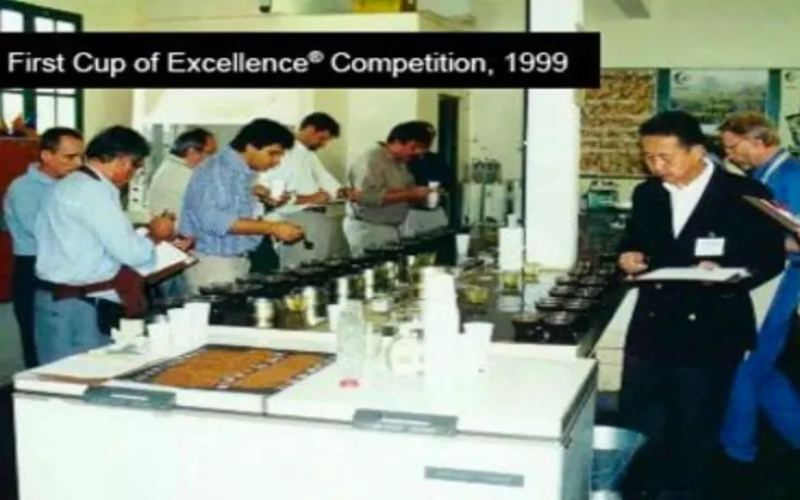
2024 Brazil Cup of Excellence Results Announced: A Comprehensive Analysis of the Rare Varieties Arará and Topázio
The Cup of Excellence (COE), one of the most authoritative specialty coffee competitions in the world, was founded in 1999 by the Alliance for Coffee Excellence (ACE), with the aim of providing a showcase platform for high-quality coffee from coffee-producing countries and helping coffee farmers earn higher incomes. The 2024 Brazil COE competition coincides with the 25th anniversary of the event's founding in Brazil, and the results have now been officially announced. This year's competition was once again divided into three categories: natural, washed and honey, and experimental processing. Among the winning varieties, rare varieties such as Arará and Topázio emerged, attracting widespread attention. This article will take you through an in-depth look at the origins and characteristics of these two varieties and their performance in the COE competition, while also highlighting related product information recommended by the Front Street Coffee brand. [more…]