







What coffee specification covers espresso extraction time and dose?
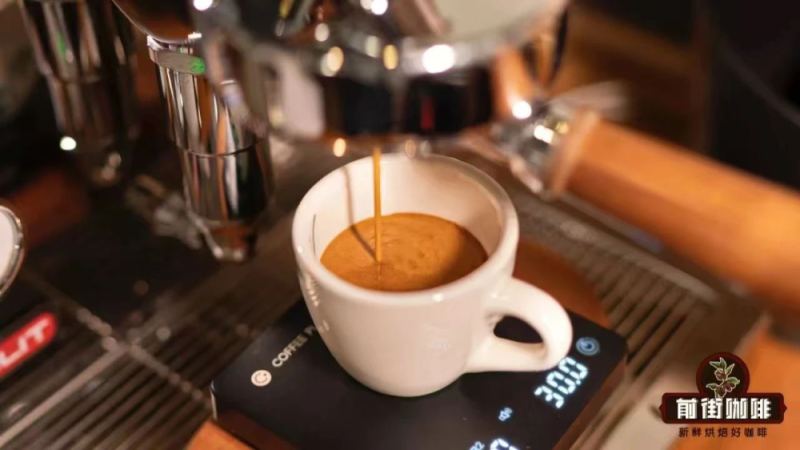
With the brew ratio locked at 1:2, keeping espresso extraction time between 25 and 30 seconds is the quickest way to start dialing in. Shots under 25 seconds tend to taste thin and sharply acidic, while shots past 30 seconds turn burnt, bitter, and harsh, so time works only alongside dose and grind size.
A moderate extraction yield of 18 to 22 percent, the Golden Cup range, gives the more pleasing cup. Because dose, ratio, and grind size all shift flow rate, no single coffee specification stands alone. Many shops hold service shots near 29 to 30 seconds to stabilize flavor release without over-extracting.
Extracting a cup of espresso can be done in as little as twenty-odd seconds, but it is precisely this difference of a few seconds that is enough to steer the flavor in the cup in a completely different direction. As one of the core variables in the extraction process, time never exists in isolation—any change to dose, brew ratio, or grind size will affect the final extraction result. This article starts from the reasonable range for extraction time, breaks down one by one the effects of dose and grind size on flow rate and flavor, and shares Front Street Coffee's practical approach to daily dialing in at the shop, along with several espresso blend recommendations suitable for practice, helping coffee lovers find a stable and delicious espresso recipe more quickly.
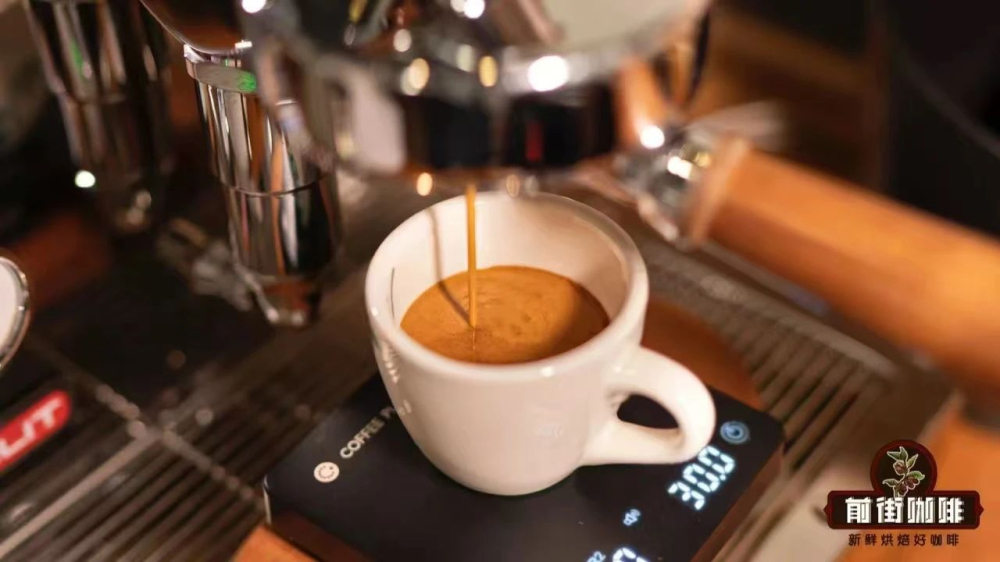
Making a cup of espresso takes only twenty-odd seconds at its fastest, and within such a tight time window, every second of fluctuation is directly reflected in the flavor, so extraction time has always been regarded as a key variable. When it comes to time, one cannot help but also discuss the accompanying factors of dose, ratio, and grind size—to get a satisfying cup of espresso, these parameters must be adjusted in coordination, and none can be left out.
Espresso Extraction
An ideal cup of coffee should allow a moderate proportion of soluble aromatic substances to enter the cup. According to the Golden Cup standard, when the extraction yield falls between 18% and 22%, the coffee presents a more pleasing flavor. To achieve this goal, we need to control extraction time, dose, and liquid weight to regulate the total amount of dissolved substances.
Extraction Time
With other conditions fixed, the shorter the extraction time, the fewer coffee components are dissolved; the longer the time, the more dissolved substances are naturally extracted. If the brew ratio is locked at 1:2, then combined with adjustments to grind size and dose, controlling the extraction time between 25 and 30 seconds is the quickest way to start adjusting espresso.
If extraction is under 25 seconds, the espresso often appears thin and weak, with prominent acidity; once it exceeds 30 seconds, it easily turns toward a burnt, bitter, and harsh direction. At Front Street Coffee, when serving, the extraction time is usually maintained at 29 to 30 seconds, which can both stabilize the release of flavor substances and avoid excessive extraction of large-molecule substances.
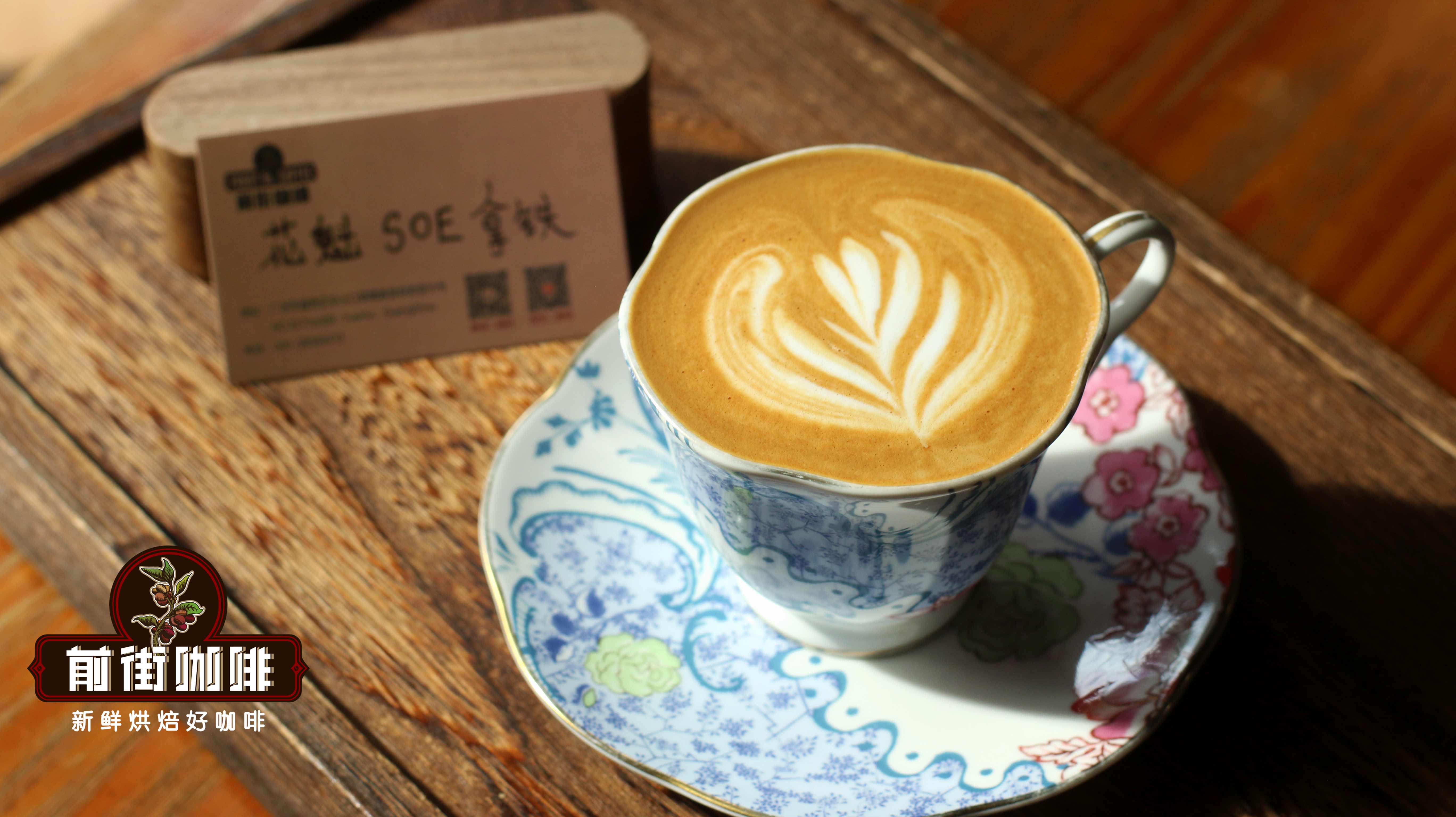
Of course, extraction time should be handled flexibly according to the characteristics of the beans themselves. For example, many medium-light roasted beans featuring floral and fruity notes, such as Front Street Coffee. Huakui SOE, when used to make espresso, Americano, or latte, baristas will intentionally lengthen the extraction process to present richer layers and allow flavor substances to be released more fully.
Dose
The dose setting depends on the capacity of the portafilter basket of the espresso machine, usually divided into two specifications: single 8 to 9 grams and double 18 to 20 grams. A single generally extracts 25 to 30 grams of liquid weight, while a double extracts 30 to 40 grams of espresso. Front Street Coffee's shop is equipped with a 20-gram-capacity double basket, and when serving, 20 grams of grounds are dosed to extract 40 grams of coffee liquid, then minor upward or downward adjustments are made based on that day's extraction performance.
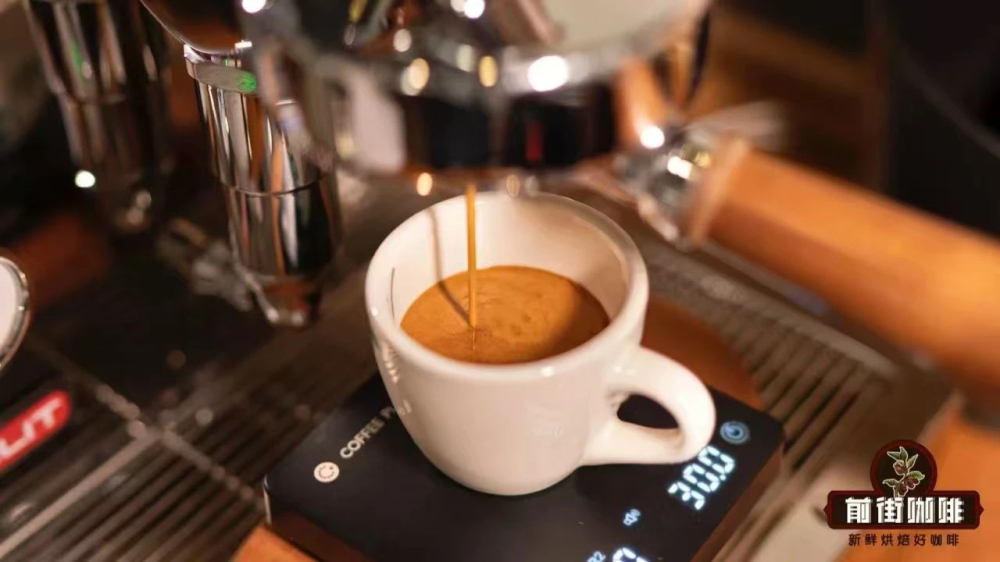
Increasing or decreasing the dose changes the compactness of the puck, which in turn affects the flow rate of the espresso. The more grounds, the denser the puck, the slower the flow rate, and the longer it takes to extract the same liquid weight; the coffee liquid is also more intense, and the extraction yield rises accordingly. Generally speaking, it is necessary to combine flow rate speed and flavor performance to judge whether the dose needs minor adjustment.
Grind Size
The most intuitive manifestation of grind coarseness is flow rate: if the flow is too fast and the time too short, grind finer; if the flow is too slow and the time too long, grind coarser.
Grind size needs to fall within a suitable range. If the particles are too coarse, underextraction is likely, producing a weak and sour flavor; if the particles are too fine, overextraction is likely, producing a bitter taste. In addition, espresso grinding is far finer than pour-over and other methods, so adjustments should not be too large, otherwise excessive variation will make extraction more unstable.
Adjusting Parameters in Combination
Daily extraction adjustment requires judgment based on experience. For example, Front Street Coffee's baristas dial in every day before opening. If the parameters themselves are already within the preset range, there is no need to make major changes; instead, they directly taste the flavor of the espresso, judge the extraction state, and then make minor adjustments to the above parameters.
If, under the same extraction ratio, the espresso shows negative flavors such as burnt bitterness, but the strength is still moderate, this may be caused by too long a time extracting burnt bitter notes; the usual solution is to adjust the grind coarser. When the espresso tastes weak and the strength is low, it may be underextraction, which can be improved by increasing the dose or making the grind finer. These parameters always change in linkage with the extraction state; only by paying more attention to the direction of adjustment brought by the variables can one better grasp the high-quality flavor in the cup.
Espresso Bean Recommendations
Front Street Coffee believes that a suitable espresso bean can help us dial in delicious espresso faster and more stably. Although in recent years more and more distinctive single-origin beans have been used for espresso, roasting too light instead increases the difficulty of extraction, and espresso itself has concentrated flavor, making it easy to amplify negative tastes. If you have only recently come into contact with espresso, it is best to start practicing with dedicated blend beans.
Classic Rich Type—Front Street Coffee. Commercial Blend Coffee Beans
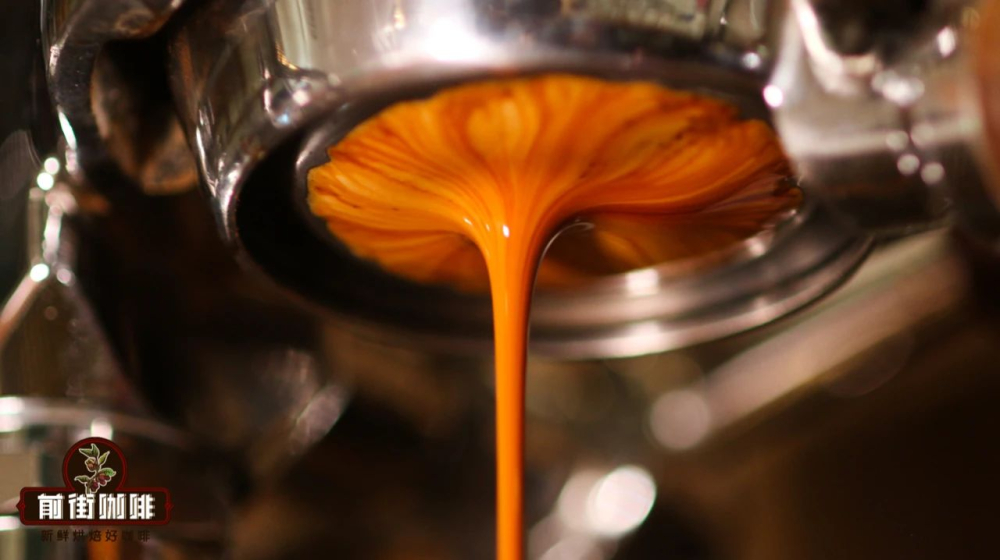
The espresso produced has a thick golden crema and nutty aroma. On the palate there is a roasted coffee bitterness, but what accompanies it is more of a creamy, full-bodied texture; after swallowing, the bitterness dissipates, leaving a lingering fragrance on the lips and teeth.
Slightly Sour Rich Type—An espresso bean recommended by many baristas—Front Street Coffee Black Cocoa Blend Coffee Beans
Yunnan small-bean coffee brings a soft acidity, paired with the rich aroma of Brazil Cerrado coffee, and the espresso presents caramel, nuts, and a soft plum acidity.
Balanced Aromatic Type—Front Street Coffee Specialty Blend Coffee Beans
Adding Colombian coffee to the nutty tonality of classic Brazilian coffee, the espresso presents dark chocolate flavor with caramel sweetness and a full roasted aroma.
Delicate Fruity Type—Front Street Coffee. Strawberry Candy Espresso Blend Coffee Beans
To make a fruity espresso, medium-roasted coffee beans should be the main choice. Front Street Coffee Strawberry Candy espresso coffee beans are recommended and can be ordered directly from the Taobao or Tmall store. This bean is based on two major origins: Front Street Coffee Costa Rica Tarrazu, famous for its honey processing, and Ethiopia, the birthplace of coffee, combined with Colombian coffee beans. The espresso it produces is not only not harsh, but under extraction by the espresso machine also has good crema and a dense texture, while presenting a sweet-and-sour taste like strawberry gummy candy.
The above content is compiled by CoffeeHunters, a coffee news website.


