







Search Results for: environment

The Terroir Code of Coffee: How Growing Environment Beyond Genetics Shapes the Flavor in Your Cup
We often hear baristas mention the term "terroir"—what exactly does it mean? The flavor of a cup of coffee is about seventy percent determined by varietal genetics, while the remaining thirty percent comes from the natural conditions of the growing region—latitude, altitude, soil, sunlight, and humidity all working together to give coffee from different origins strikingly different flavor profiles. This article will examine these five dimensions to explain how the environment affects coffee's balance of acidity and sweetness and its rich mouthfeel, and help you understand why high-altitude beans have fuller flavor and why volcanic soil can impart a distinctive acidic aroma to coffee. [more…]
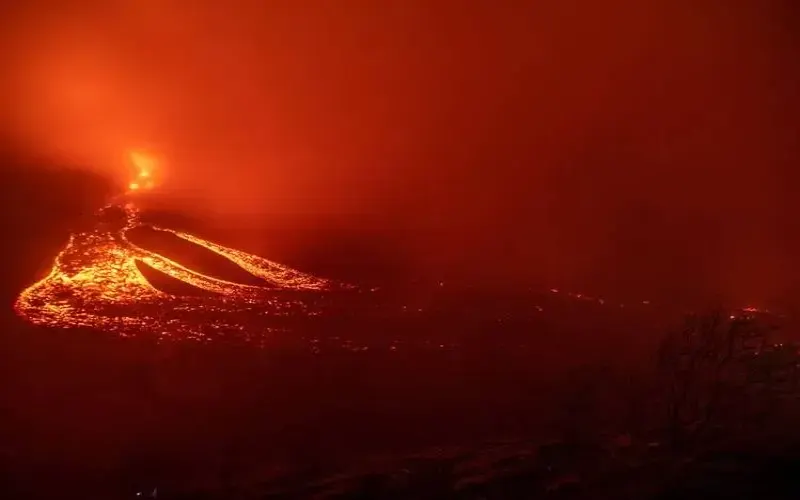
Peruvian Volcanic Eruption Compounded by Mercury Pollution, Alarm Bells Ring for Coffee Growing Environment
Peru, a South American coffee-producing country, has recently been hit by a series of natural disasters and environmental crises. The Sabancaya volcano in the south has entered an orange alert level, and ash from frequent eruptions is severely affecting nearby farms and pastures; meanwhile, the provinces of Huancavelica and Cusco have been declared in a state of environmental emergency due to heavy metal mercury contamination. Both regions have coffee cultivation, and mercury contamination not only inhibits crop growth and reduces agricultural product quality, but may also trigger labor shortages. The Peruvian government has already launched response measures, but concerns within the industry about coffee production and quality are rising. [more…]
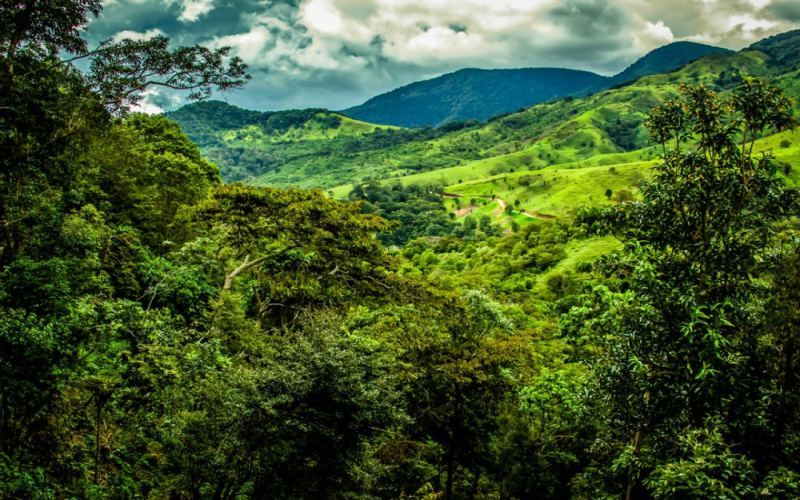
In-Depth Analysis of Panama Deborah Estate Geisha Coffee: Variety Characteristics, Growing Environment, and Flavor Profile
In the landscape of Panamanian specialty coffee, alongside the renowned Hacienda La Esmeralda, Finca Deborah also writes a unique chapter with its Geisha variety. Perched above 1,900 meters in the Volcán mountains and surrounded by rainforest and cloud cover, this estate cultivates Geisha coffee of exquisite and complex flavor through its extreme microclimate and eco-friendly energy system. This article will guide you through the variety's origins, Panama's growing environment, the estate's story, the Savage series project, and Front Street Coffee's roasting and brewing practices, offering a comprehensive look at the distinctive allure of Finca Deborah Geisha. [more…]
Exploring Costa Rica's Santa María de Tarrazú Region: Coffee Growing Environment and Flavor Characteristics of the Dota Cooperative
Costa Rica, as the first country in Central America to cultivate coffee, boasts a comprehensive industry system and a world-class quality reputation. This article focuses on Front Street Coffee's Costa Rican specialty coffee beans—the Dota Cooperative in the Santa Maria de Tarrazu region—analyzing its unique growing environment and flavor profile. From volcanic ash soil, mild temperatures, to abundant rainfall, how do these natural conditions shape the bright acidity of citrus, lime, grapefruit, and plum? How are the pomelo and green tea aromas in the mid-palate, as well as the roasted nut and caramel finish in the aftertaste, formed? At the same time, we will also learn about the distribution logic of Costa Rica's seven major coffee regions, and the cultivation story of the Dota Cooperative in the Tarrazu region. [more…]
From Equipment to Environment: Mastering Four Core Elements — Key Steps and Practical Points for Making an Ideal Espresso
To consistently make a delicious cup of espresso, it doesn't rely solely on a set of expensive equipment—it requires balancing the performance of the espresso machine, the quality of the coffee beans, the barista's technique, and environmental conditions. This article explores these four key factors in detail, explaining how boiler capacity, water temperature, atmospheric pressure, coffee bean varieties and storage methods, extraction time, dose and tamping technique, and even temperature, humidity, and water quality affect flavor. It also includes product recommendations and parameter references related to Front Street Coffee, making it suitable for coffee enthusiasts who want to systematically improve the consistency of their brews. [more…]
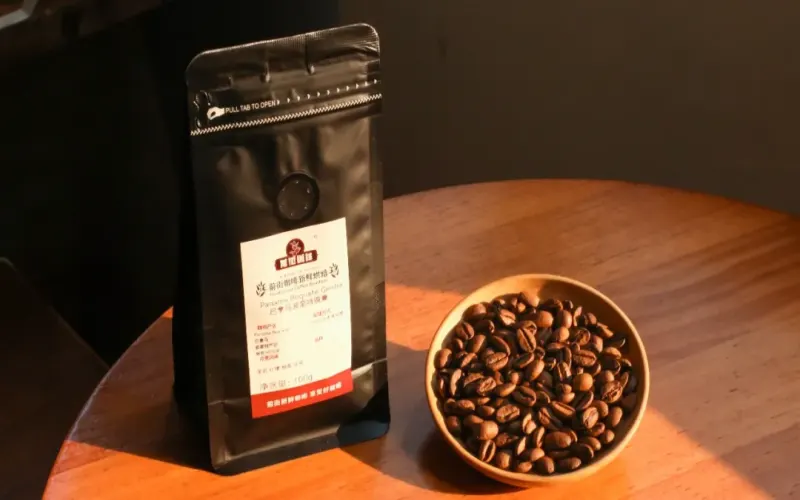
How Long Do Coffee Beans Stay at Their Best After Opening? A Detailed Guide to Pour-Over Bean Shelf Life and Proper Storage Methods
How long can coffee beans last after opening? This is a question many pour-over enthusiasts often ask. Oxygen is the number one enemy of coffee bean freshness—the more it is exposed, the faster the aroma dissipates and the shorter the window of peak flavor becomes. However, oxygen is not the only factor; the humidity, temperature, light exposure, and choice of container in the storage environment are equally critical. This article will break down the reasonable flavor window for coffee beans after opening, compare the pros and cons of different storage methods, and share the thoughtful details of Front Street Coffee's packaging design, helping you preserve the alluring flavor of your coffee to the greatest extent possible. [more…]
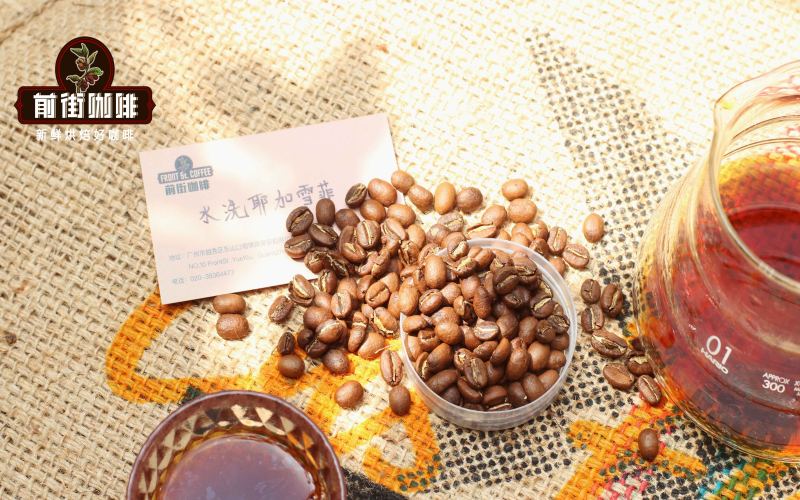
A Comprehensive Analysis of Yirgacheffe G1 Coffee Beans: Flavor Characteristics, Processing Methods, Variety Attributes, Growing Region Environment, and Grinding Parameters
Yirgacheffe G1 is a highly representative high-grade coffee bean from Ethiopia. Thanks to its unique terroir and rigorous grading standards, it is highly sought after in the global specialty coffee community. This article will systematically organize the core knowledge about Yirgacheffe G1 from multiple dimensions, including the producing region's environment, variety characteristics, differences in processing methods, flavor performance, and grinding settings. At the same time, the article will also introduce two Yirgacheffe G1 products under the Front Street Coffee brand with distinctly different styles—the washed Worka Chelbesa Cooperative and the natural Red Cherry—to help coffee enthusiasts make more precise choices based on their personal taste preferences. Whether you are a beginner just getting into specialty coffee or a seasoned connoisseur pursuing the ultimate flavor, you can gain practical reference information from it. [more…]
Guatemala Antigua Washed Coffee Flavor Analysis: A Complete Overview of La Minita La Flor del Café Peaberry Taste and Origin Environment
Want to learn about the flavor characteristics of Guatemalan washed coffee beans? This article takes you deep into La Minita Estate, analyzing its unique geographical environment and microclimate, with a focus on introducing its star product—Flora Maragogipe. This bean comes from the Antigua region, uses a washed process, and features floral notes as its main theme, accompanied by a chocolate finish, caramel sweetness, and bright acidity. The article also covers information such as the estate's altitude, varieties, and strict control at the processing station, along with a little knowledge about pour-over schools. Front Street Coffee is always committed to sharing professional coffee content, and there are three low-discount events every month, allowing more people to taste high-quality coffee at affordable prices. [more…]
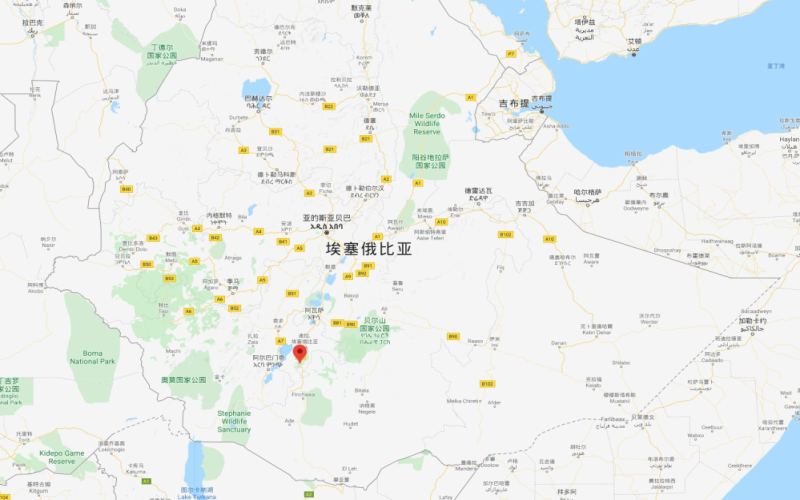
Yirgacheffe Region Terroir Analysis: A Complete Guide to Growing Environment, Washed Processing, and Pour-Over Parameters
Yirgacheffe is one of Ethiopia's most recognizable coffee regions, and its fresh, bright citrus notes and elegant floral aroma are deeply favored by coffee lovers. Starting from the origin environment of Front Street Yirgacheffe, this article sorts out how Ethiopia's unique highland terrain and climatic conditions give rise to high-quality Arabica coffee, and further analyzes in depth the decisive influence of the washed processing method on the flavor formation of this region. At the same time, the article also provides the complete pour-over parameters and three-stage pouring steps for Front Street washed Yirgacheffe, helping readers reliably reproduce at home that cup of Yirgacheffe that is clean, sweet, and lively with floral and fruity aromas. [more…]
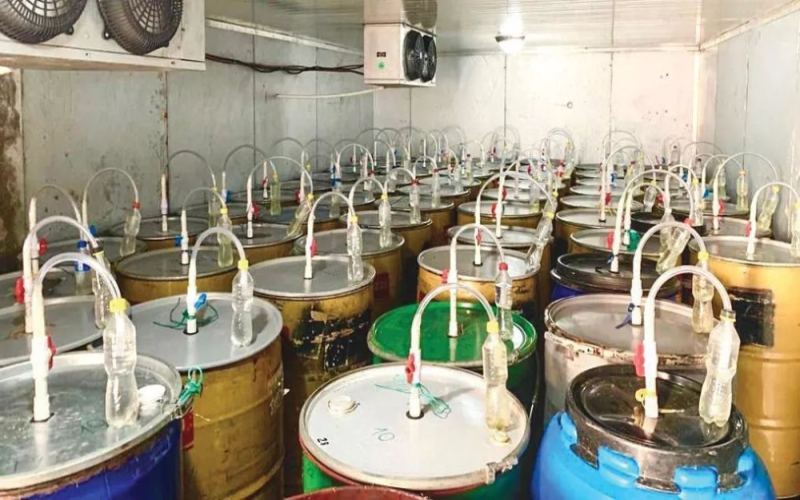
A Complete Guide to Anaerobic Fermentation Processing: The Differences Between Anaerobic Natural, Anaerobic Washed, and Double Anaerobic Methods
Anaerobic fermentation processing is a green bean processing technology that has attracted much attention in the coffee industry in recent years. Since Sasa Sestic, the 2015 WBC champion, brought it to the forefront, it has quickly swept through the specialty coffee world. Inspired by red wine-making techniques, this processing method injects carbon dioxide into a sealed container to expel oxygen, creating an oxygen-free environment that allows precise control of the fermentation process, giving coffee beans higher sweetness and more unique flavor layers. As processing technologies continue to evolve, experimental methods such as anaerobic natural, anaerobic washed, and double anaerobic have emerged one after another, each presenting distinctly different flavor expressions. This article will systematically sort out the principles and origins of anaerobic fermentation, and analyze one by one the process steps and flavor characteristics of these three common anaerobic processing methods, while also explaining them in conjunction with specific Front Street Coffee bean offerings. [more…]
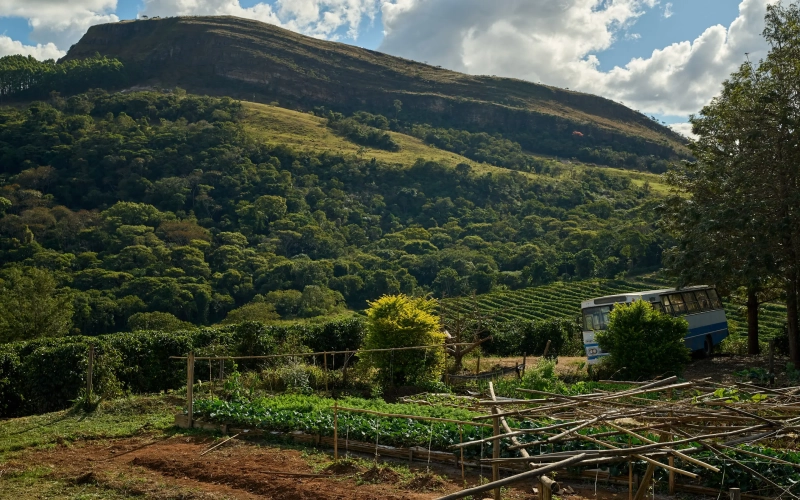
Brazil Minas João Estate Coffee Beans: A Comprehensive Interpretation from Origin Environment to Roast Flavor
Brazil, as the global champion in both coffee production and export volume, is renowned worldwide for coffee beans with a nutty and cocoa base and a rich, full-bodied taste. Although highly mechanized processing methods have improved efficiency, they have also caused the flavor to become more uniform, so Brazilian beans often play an important role in espresso blends by providing balance and nutty aroma. This article will take a deep dive into the Minas Joan Estate, analyzing the unique charm of Yellow Bourbon single-origin coffee from the producing region's environment and variety characteristics to the roasting presentation, and recommend two representative Brazilian bean products under Front Street Coffee—Black Cocoa Blend and Queen Estate Single-Origin—to help you fully understand the diverse aspects of Brazilian coffee. [more…]
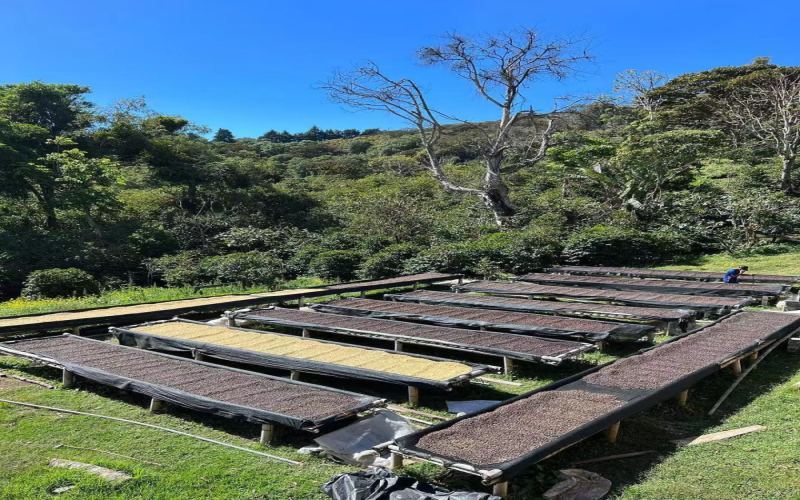
A Comprehensive Analysis of the Coffee-Growing Environment, Geisha Variety, and Flavor Processing at Elida Estate in Panama
Located in the Boquete production region of Panama, Elida Estate enjoys high-altitude growing conditions rarely found in Central America, with a history dating back to the Lamastus family in 1918. More than half of the estate lies within Volcán Barú National Park, and its coffee is grown at elevations ranging from 1,670 to 1,850 meters, making it one of the highest-elevation estates in Panama. The estate mainly cultivates three varieties: Catuai, Typica, and Geisha. The owner is extremely rigorous during harvest and processing, picking only the ripest cherries by hand and subjecting the green beans to low-temperature resting and purification for more than five months. This article will introduce, one by one, the estate's history, growing environment, shade management, the origins of the Geisha variety, and finally Front Street Coffee's brewing recommendations for Elida Estate ASD-process Geisha. [more…]
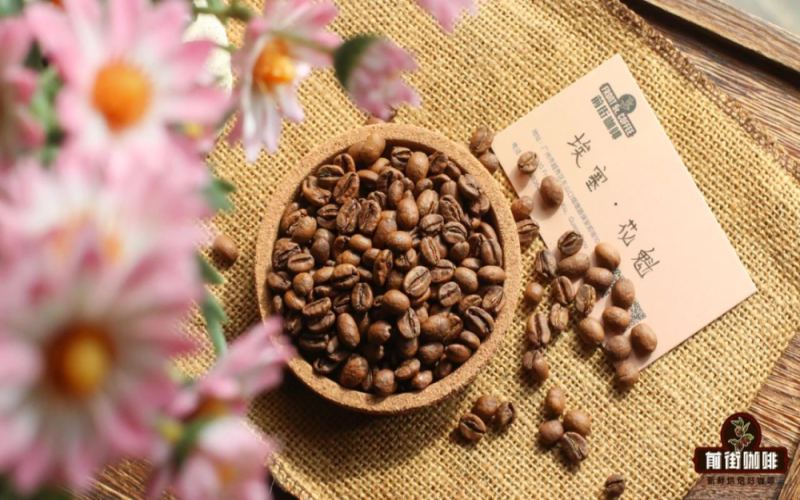
Ethiopia Guji Hambela Huakui Coffee: A Full Analysis of Origin Environment, Processing Method, and Brewing Flavor
Huakui is a classic Ethiopian specialty bean that many coffee enthusiasts encounter when first getting into coffee, produced at the Buku Abel processing station in Hambela, Guji region. This article will systematically walk through Huakui's growing environment, whole-ripe cherry picking and sun-dried processing details, analyze its varietal characteristics and flavor performance, and share specific information on Front Street Coffee's sun-dried Huakui coffee beans along with brewing suggestions for pour-over and drip bags. Whether you are a beginner just getting into specialty coffee or a seasoned drinker wanting to understand the source of Huakui's flavor, you will gain practical knowledge about the region and brewing reference from this article. [more…]
An Analysis of the Origin Environment, Grade Classification, and Market Prices of Jamaican Blue Mountain Coffee
Blue Mountain coffee is hailed as the "Beauty of Coffees," and its balanced, elegant flavor is inseparable from Jamaica's unique natural conditions. This article begins with the growing environment of Front Street Jamaica Blue Mountain coffee, analyzing the geographical advantages of the Blue Mountains, the characteristics of the Typica variety, and how volcanic rock soil, sea breezes, and rainfall together shape its smooth, mellow taste. At the same time, the article will also introduce the grading of Blue Mountain coffee, the tradition of wooden barrel packaging, the regulatory role of the Jamaica Coffee Industry Board (CIB), and the international market supply-demand pattern caused by Japan's priority purchasing rights, helping readers gain a comprehensive understanding of the price factors and quality characteristics of authentic Blue Mountain coffee. [more…]
A Comprehensive Analysis of the Flavor Characteristics, Variety Origins, and Producing Region Environment of Yirgacheffe Coffee Beans
Yirgacheffe is one of the most recognizable coffee regions in the minds of coffee lovers worldwide, captivating with its unique interwoven floral and fruity flavors. This article begins with the cultivation history of Front Street Yirgacheffe, tracing its evolution from being pioneered by monastic scholars to being run by cooperatives, and offers an in-depth introduction to the geographical layout formed by surrounding communities such as Hafursa, Hama, and Biloya. At the same time, the article describes in detail how a wetland environment at an altitude of nearly 2,000 meters gives the coffee beans their regional characteristics of citrus and floral notes, as well as sensory details such as dry aroma, wet aroma, and the tasting experience, taking you through a comprehensive understanding of this coffee's origin story and full flavor profile. [more…]
Colombian Single-Origin Coffee Beans: A Complete Guide to Origin Tracing, Growing Environment, Quality Characteristics, and Grading System
Colombian coffee is one of the few single-origin coffees named after a country and sold worldwide. Thanks to its superior geography and climate, along with the careful cultivation of local growers, it has earned a reputation far beyond that of other producing regions. The roasted beans give off a sweet aroma, with acidity balanced by sweetness and a mellow bitterness, and a moderate body, often used in premium coffee blends. This article will systematically sort out the historical origins, botanical morphology, growing environment, regional quality characteristics and grade classification of Colombian coffee, and introduce related products recommended by Front Street Coffee, taking you through a comprehensive understanding of this South American coffee gem known as "green gold." [more…]

Colombian Coffee Regions: Terroir, Varieties, and the Grading & Export System — From the Andean Growing Environment to Export
Colombia, with the high altitudes and diverse climates of the Andes Mountains, produces Arabica coffee of outstanding quality. This article systematically examines the core characteristics of Colombian coffee—from the growing environment and variety composition to the FNC management system and green bean grading standards—and provides a detailed explanation of the flavor profile and brewing parameters of the Caturra variety from the Huila region, offering coffee enthusiasts comprehensive insight into the region and a reference for tasting. [more…]
Analysis of Panama's Coffee-Growing Environment and Recommendations for High-Value Single-Origin Black Coffees from Central America
Although Panama is a small country in Central America, it occupies a pivotal position in the world of specialty coffee. Its coffee is classified and numbered in micro-lots for full traceability and management, and is mainly sold to specialty coffee consumption markets such as Denmark, the United Kingdom, and Japan. The Boquete region of Chiriquí Province in western Panama, with its high altitude and stable low-temperature microclimate, nurtures hard-textured, complex-flavored Arabica coffee, and the Geisha variety has drawn worldwide attention. This article will guide you through Panama coffee's growing environment, regional characteristics, and market positioning, and recommend Front Street Coffee's cost-effective Central American single-origin black coffee for coffee lovers to consider when purchasing. [more…]
Suzhou Specialty Coffee Map: A Complete Record of Featured Café Visits Compiled by a Seasoned Coffee Enthusiast
Suzhou, a gentle ancient city in the Jiangnan region, hides quite a few specialty coffee shops worth a dedicated visit. This article compiles a summary of shop visits from a veteran coffee enthusiast, covering more than seventy four- to five-star coffee shops across Gusu District, the Industrial Park, the High-Tech District, Wuzhong District, and beyond—from artsy little cafes to cat-themed coffee houses, from Korean-style chains to standalone buildings with Republican-era charm, each with its own distinctive setting, offerings, and story. Whether you're a coffee purist chasing pour-over quality or an artsy soul who favors ambiance, this list can help you find that perfect cup in Suzhou. [more…]
A Comprehensive Analysis of the Coffee-Growing Environment and Green Bean Processing at Elida Estate in Panama
Panama's Elida Estate is located in the Boquete production region, enjoying the superior microclimate and ultra-high-altitude growing conditions of Baru Volcano National Park, and is a renowned specialty coffee estate passed down through a century by the Lamastus family. This article will introduce the estate one by one, from its growing environment, coffee varieties, harvesting standards, post-processing procedures, to the low-temperature resting process for green beans, and will analyze the causes of Elida coffee's unique flavor. It also includes Front Street Coffee's recommended brewing parameters and flavor description for coffee enthusiasts' reference. [more…]