







Search Results for: emoji cup
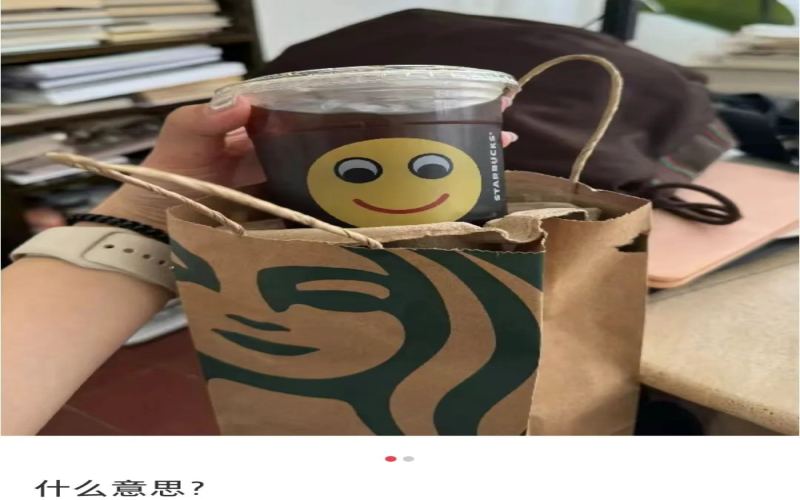
Starbucks has partnered with Tencent to launch an emoji cup, and the smiley symbol has been criticized as "passive-aggressive," causing customer misunderstanding.
Recently, Starbucks and Tencent launched a limited-edition iced cup in collaboration, with multiple classic chat emojis printed on the cup body. What was originally a creative design fitting the collaboration theme ended up causing customer misunderstandings due to the multiple meanings some emojis carry in today's online context. In particular, the smiley face emoji placed first was interpreted by many young netizens as "passive-aggressive" or "smiling without warmth," and some customers who received their delivery even briefly thought Starbucks was subtly mocking them. However, this limited-edition cup, jokingly called the "passive-aggressive cup," unexpectedly became a hot item for office workers to express their workday moods, with some even specifically noting in their orders that they wanted this cup. Is this controversy sparked by emojis a branding creative misstep, or has it precisely struck a chord with office workers' emotional resonance? Let's take a closer look. [more…]

Luckin Coconut Latte's third anniversary collaboration with Tengger: why the meme sticker pack sparked polarized reviews
Luckin Coffee's Raw Coconut Latte is celebrating its third anniversary on the market, and the brand has planned a unique co-branding campaign, partnering unexpectedly with the singer Tengger. Rumors have it that the two will release a custom birthday song and limited-edition emoji stickers, which immediately sparked heated discussions among netizens. Some find the pairing too unexpected, exclaiming, "This can be co-branded too?" Others expressed anticipation, saying they would definitely buy once it's available. However, after actual photos of the real-person emoji stickers were exposed, many fans said they found them hard to accept, considering the sticker style too bizarre, and some even planned to refuse the free gifts when placing orders. Whether this collaboration will continue Luckin's streak of viral hits or fall flat remains to be seen. [more…]
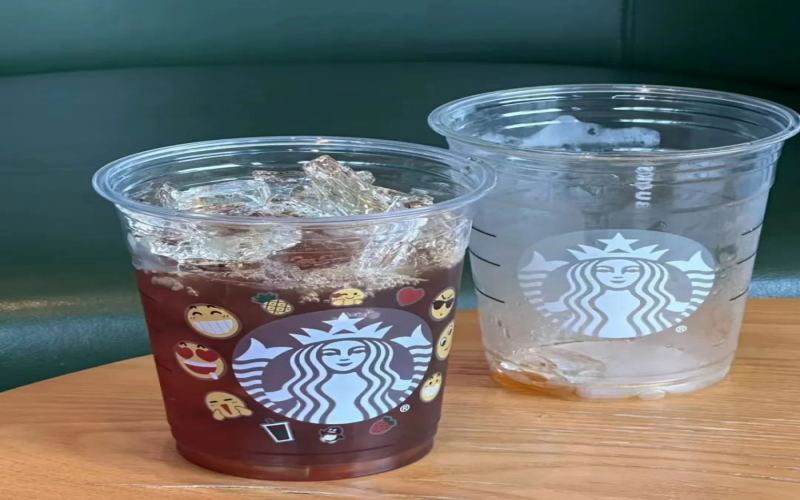
Starbucks Teams Up with QQ for a Limited-Edition Collaboration: New Raw Coffee Drinks and Retro QQ Show Awaken Memories of Youth
Starbucks is about to launch a co-branded collaboration with QQ, introducing two new drinks and a series of merchandise, with the most eye-catching being the return of limited-edition QQ Show. This news has sparked heated discussions on social platforms, with many netizens lamenting it as "tears of an era." This collaboration not only brings two new products, "Pineapple Lemon Energy Raw Coffee" and "Golden Drink Light Gold Raw Coffee," but will also use limited-edition ice cups and takeaway bags printed with QQ emoticons in stores, and stock various physical merchandise featuring QQ emoticon elements. For veteran netizens, the addition of limited-edition QQ Show fills this event with retro nostalgia, perhaps evoking long-buried youthful memories. Front Street Coffee will also continue to follow this collaboration closely, bringing the latest information to coffee enthusiasts. [more…]

Luckin's co-branded Xiaoliu Duck is available only through online channels, leaving consumers who went to stores empty-handed and sparking heated discussion.
On August 29, Luckin Coffee's co-branded campaign with the cartoon IP Little Liu Duck officially launched, but it sparked consumer dissatisfaction because participation was limited to online channels only. Many fans rushed to stores early in the morning only to find nothing, and later discovered that the campaign was actually run by Luckin Instant Coffee, which belongs to a different system from the offline stores. The co-branded merchandise was available only as gifts, not for sale, including limited-edition items such as thermos cups, stickers, and desk mats, and had already attracted widespread attention during the teaser phase. However, the mismatch between online and offline information left many consumers disappointed and also triggered discussions about brand co-branding strategies and the essence of coffee. [more…]
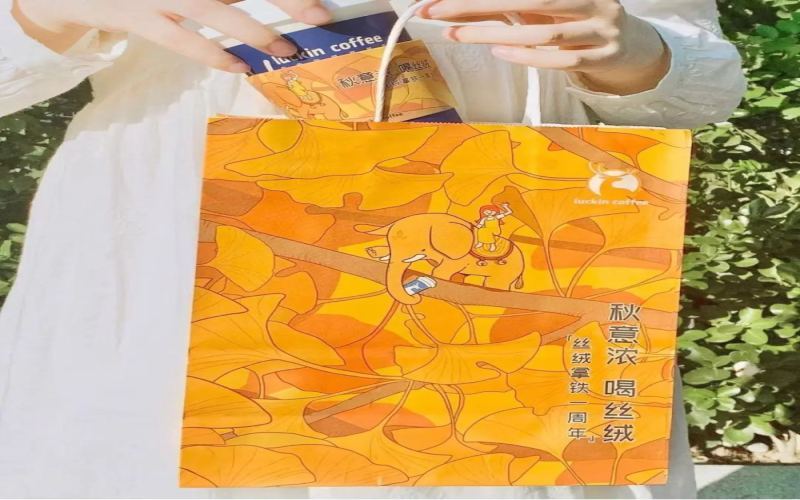
Why does Luckin Coffee's packaging design keep going viral? The brand communication logic behind paper bag secondary creation.
After finishing a cup of Luckin Coffee, the taste may soon be forgotten, but the paper bag is often kept. In recent years, Luckin has continued to attract consumer attention through its packaging design. From co-branded editions to seasonal limited editions, from coffee-region themes to holiday specials, materials such as paper bags and cup sleeves not only serve a containing function but have also become carriers that consumers spontaneously collect, repurpose, and share. This article analyzes how Luckin uses a single piece of paper to achieve deep interaction between the brand and consumers from the perspectives of design strategy, environmental philosophy, and social communication, and explores brand development ideas that independent coffee shops can learn from. [more…]

Garlic Latte Goes Viral Online: A Complete Guide to Making This Trendy Coffee, from Garlic Paste Coating the Glass to Iced Coffee Mixing
The boundaries of coffee are constantly being pushed, from turtle jelly lattes to soy sauce syrup lattes, and now even minced garlic has entered the world of coffee. Zhou Libo's old joke about "eating garlic and drinking coffee" still lingers in our ears, yet the emergence of iced garlic latte has left both garlic lovers and haters speechless. This article will walk you through the complete steps for making this viral coffee, trace coffee's journey from the "altar" to the streets, and present netizens' genuine reactions to garlic-infused coffee. If you're also curious about the taste of garlic colliding with coffee beans, why not follow Front Street Coffee's perspective and find out. [more…]
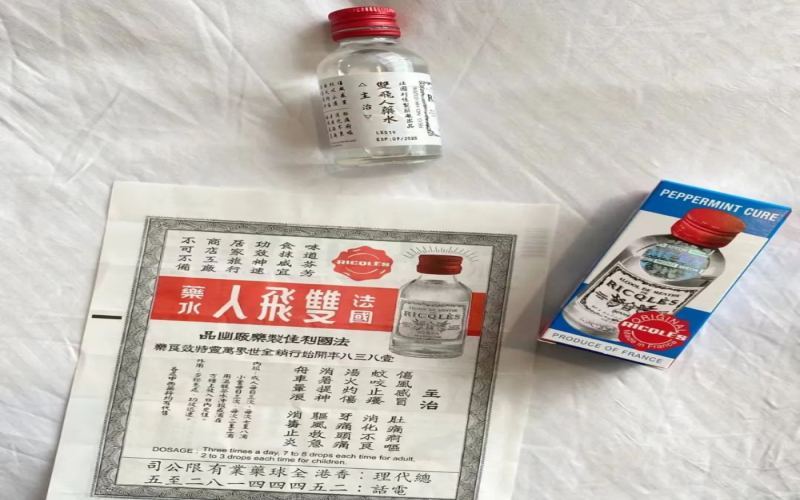
Double Flying Man Medicated Oil Mixed with Iced Americano? The Wild Ideas and Hidden Worries of Guangdong's Specialty Coffee
Recently, sauce-flavored lattes and Moutai coffee have flooded social media, but the wild concoctions from netizens in Guangdong are even more jaw-dropping—they've dripped the household staple "Shuangfeiren" medicinal oil into iced Americano to create a "Shuangfeiren Iced Americano." This trend has also spawned "everyday collabs" like Jiujiang Shuangzheng Latte, Pineapple Beer Americano, and Yubingshao Coffee. This article takes you through the origins of these outrageous pairings, while reminding you: mixing coffee with alcohol requires caution, as the combined stimulant and excitatory effects may impact the nervous system, and those with heart, gastrointestinal, or liver issues should especially avoid it. Joking around is one thing, but your health comes first. [more…]

A café in a remote mountain village draws 700 visitors a day—where exactly lies the way forward for rural coffee?
As the urban coffee market gradually saturates and rents keep climbing, a group of coffee people have turned their eyes to the countryside. Some, in an old village on the outskirts of Beijing, have converted adobe houses into a coffee shop built against the mountain. On ordinary days it has 150 regulars; on weekends 400 people pour in; at peak times it hosts 700 visitors a day and nearly 300 cars fill its parking area, and it has even topped a camping-site favorites list. Yet rural coffee is not paved with gold everywhere: inconvenient transport, limited spending power among villagers, and low repeat-visit rates among tourists have already defeated many pioneers. Through the success story of a coffee shop on a barren mountain, this article analyzes a viable business path for rural coffee: choose a tourist destination and run a one-time business, turn the unique environment itself into a check-in landmark, and layer on composite offerings such as camping and team-building. [more…]
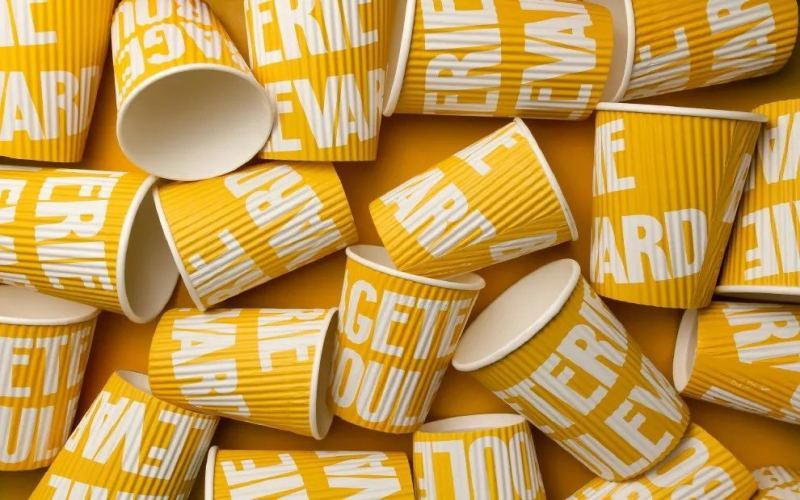
Edible Coffee Cups Make a Comeback: The Eco-Friendly Evolution from Ice Cream Cones to Oat Cups
The environmental problems of single-use paper cups are becoming increasingly severe, and the coffee industry has been searching for alternatives. From the failed attempt with cone cups in 2014, to the brief popularity of KFC's cookie cups, and then to the unexpected revival of oat cups during the pandemic, edible coffee cups have gone through three generations of technological iteration. This article will review the development history, technological breakthroughs, and market dilemmas of edible cups, and explore whether they can truly replace single-use cups and become a new environmentally friendly choice for coffee shops. [more…]
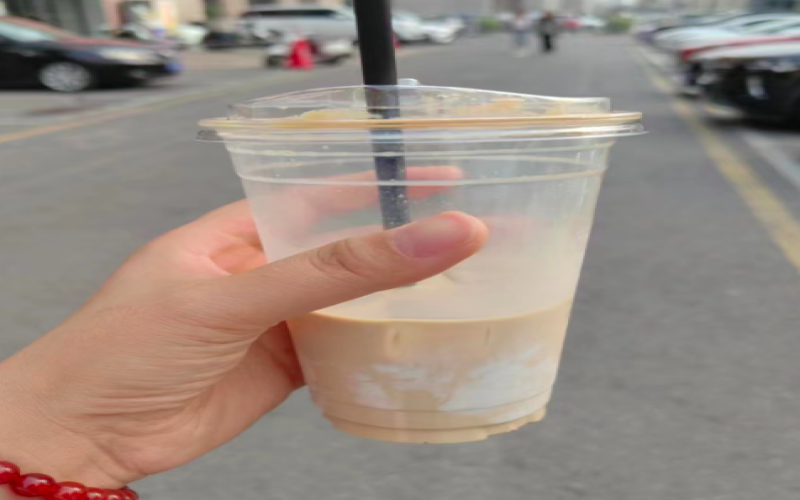
Can Bring-Your-Own-Cup Discounts Really Attract Consumers? Exploring Why Coffee Lovers Still Prefer Disposable Cups
Bringing your own cup to buy drinks at coffee shops has become an eco-friendly habit for some consumers, and chain brands such as Starbucks and Manner have long offered BYO cup discounts to encourage reducing single-use cup usage. However, in reality, it seems that not many people truly stick to bringing their own cups, and the tables in coffee shops are still dominated by takeaway cups. Why are consumers not buying into BYO cup discounts? Some value saving money but give up because the discounts cannot be stacked; some pursue efficiency and feel that bringing their own cup actually wastes time; others encounter troubles such as capacity mismatch, forgetting to bring the cup, or the cup having an odor. Although bringing your own cup causes many inconveniences, for long-term coffee drinkers, the money saved can buy a few more cups, and some even pass off disposable cups as their own, leaving baristas not knowing whether to laugh or cry. Front Street Coffee reminds us that the environmental friendliness and cost savings of bringing your own cup still need to find a balance with convenience. [more…]
How to Choose Pour-Over Coffee Equipment Brands? Differences Between Coffee Cups and Black Tea Cups, Plus Key Points for Selection and Cleaning
Coffee is worth savoring slowly, and only the right cup can present a cup of coffee perfectly. Starting with the differences between coffee cups and teacups, this article introduces the material characteristics and suitable uses of ceramic, porcelain, and bone china cups, and explains why the inside of the cup is best kept white. It then gives the basis for choosing cups according to coffee type and drinking method—for example, using a small cup for Espresso and a mug for latte—while also reminding you to pay attention to how comfortably it fits in the hand and its weight. Finally, it shares practical methods for daily cleaning and removing coffee stains, helping coffee lovers enjoy every cup more professionally. [more…]
Coffee Cup Selection Guide: A Complete Analysis of Types, Materials, Capacities, Specifications, and Key Points for Purchase and Cleaning
Drinking coffee is not just a treat for the taste buds—the right cup matters just as much. This article systematically breaks down the differences between coffee cups and tea cups, the material characteristics of pottery, porcelain, and bone china, how the interior color of a cup affects the observation of the coffee liquid, and practical advice on choosing cup shapes according to the type of coffee. It also explains in detail the suitable scenarios for three capacity specifications—under 100cc, around 200cc, and over 300cc—and shares cup-warming methods, cleaning taboos, and bone china care guidelines, helping coffee lovers elevate their tasting experience through the details. [more…]
How to choose a coffee cup's material, size, and color? How is it different from a teacup? Can you use a teacup to hold coffee?
A coffee cup is not just a vessel for holding coffee—its material, size, color, and even the shape of the rim all influence how a cup of coffee expresses its aroma and temperature. Ceramic cups and porcelain cups convey distinctly different attitudes toward coffee, while bone china cups allow coffee to cool more slowly and preserve its flavors more completely; different capacities correspond to drinking styles such as black, with milk, or au lait; and a white interior makes it easier to observe the coffee's color. Coffee cups and black tea cups also differ in rim width, wall thickness, and translucency. In addition, the direction in which the cup is placed, the steps for warming it, and the way it is cleaned are all details that cannot be overlooked if you want to preserve coffee's rich aroma. Below, together with Front Street Coffee's recommendations, let's sort through all these finer points. [more…]
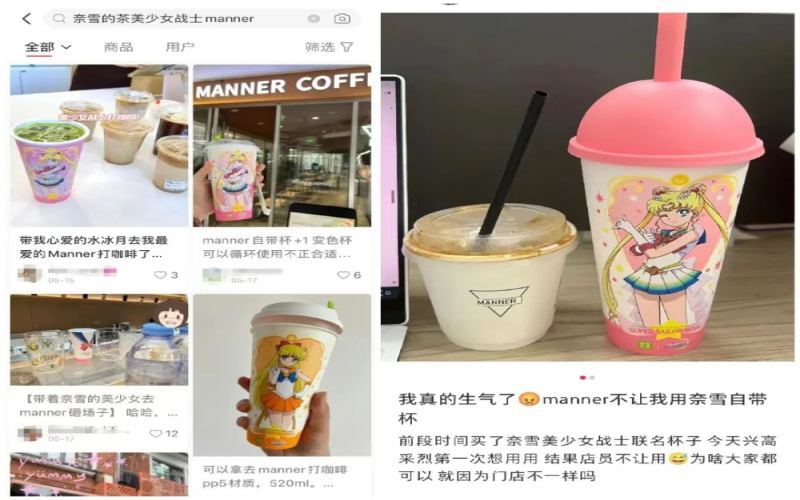
Manner's Bring-Your-Own-Cup Policy Sparks Controversy: Whether Plastic Bubble Tea Cups Qualify for Discount Becomes the Focus
Manner Coffee's bring-your-own-cup discount has always been a highlight attracting consumers, and many customers, in order to save 5 yuan, are used to bringing their own cups to buy coffee every day. However, recently a customer was refused by a barista when using a Nai Xue limited-edition milk tea cup, while on social media someone succeeded in buying with the same type of cup, raising questions about inconsistent enforcement standards across Manner stores. At the same time, whether plastic takeaway cups can be used as bring-your-own cups has also become a hot topic of discussion. This article will sort through the course of events, the differences in plastic materials, and the views of various parties, and bring related recommendations from the Front Street brand. [more…]
The Specialty Coffee Cup Selection Guide: From Material and Capacity to Color, Understanding the Key Points of Cupware Selection in One Article
In the world of specialty coffee, the choice of cupware is by no means a trivial matter. Coffee cups made of different materials deliver completely different tasting experiences—ceramic cups are robust and rustic, suited to dark, intense coffees; porcelain cups are fine and smooth, and bone china in particular brings out the delicate flavors of coffee even better. Cup shape and size are equally key: small cups of 60 to 80 ml suit pure single-origin tastings, standard cups of 120 to 140 ml are convenient for mixing, and mugs of 300 ml or more pair perfectly with milk coffee. In addition, a white interior best sets off the coffee's color, and coffee cups and tea cups are clearly distinguished by shape and light transmission. This article also covers warming techniques and everyday cleaning methods, and recommends related cupware choices from Front Street Coffee, helping enthusiasts enhance coffee flavor through the details. [more…]
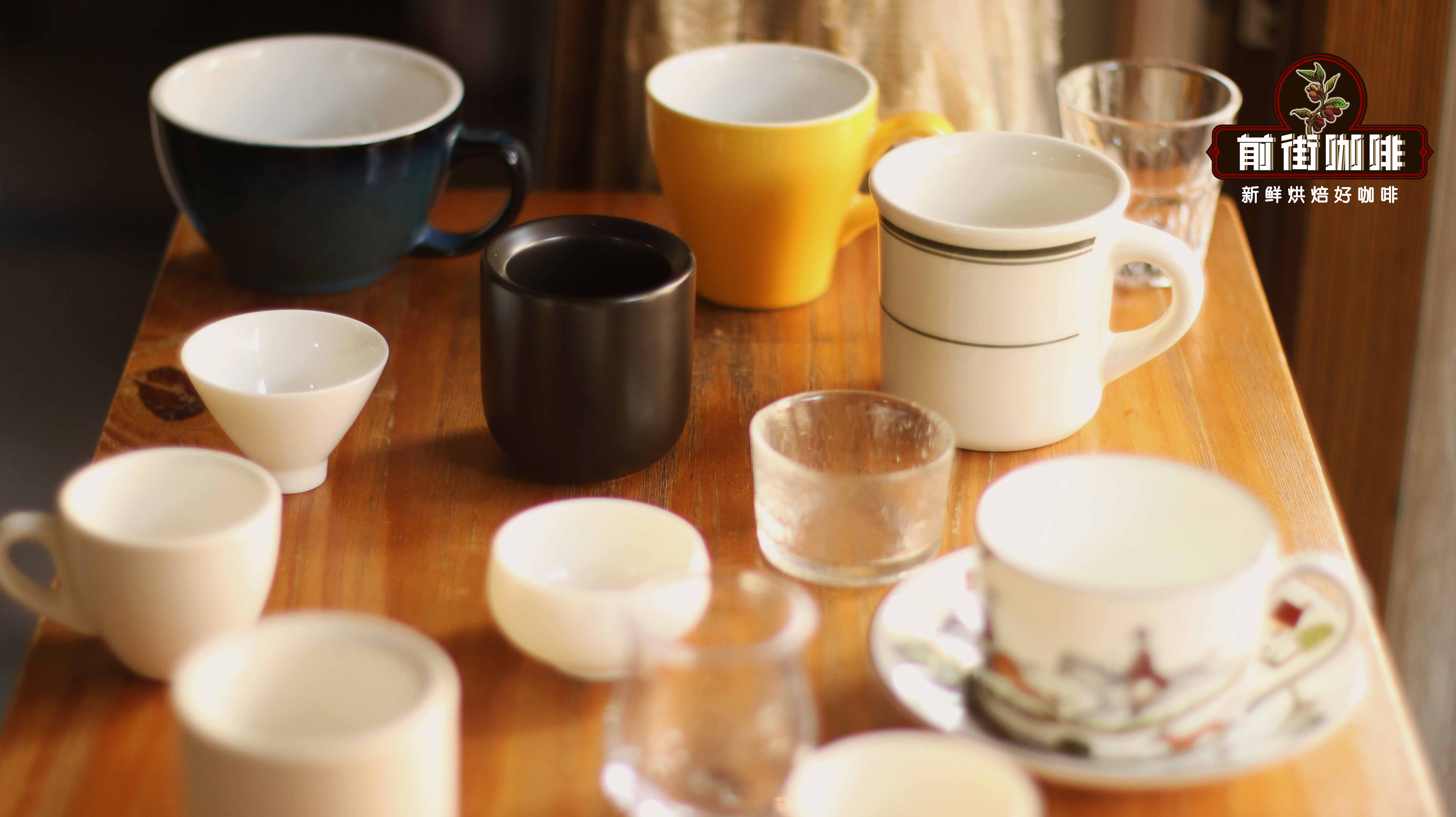
A Complete Guide to Coffee Cup Sizes: What Drinks Suit Small, Medium, and Large Cups?
Walking into Front Street Coffee, ceramic cups of various sizes are neatly arranged on the espresso machine. These cups are not placed randomly but correspond to the serving needs of different coffees. The capacity of a coffee cup often hints at the intensity of the drink within—the smaller the cup, the more concentrated the coffee. A small cup holds about 60ml, used for espresso or as a sharing cup for pour-over; a medium cup holds 180-200ml, suitable for Americano and cappuccino; a large cup holds 300ml, the stage for milk coffees like latte and mocha. This article breaks down in detail the capacity, uses, and pairing logic of Front Street's three cup sizes, helping you choose the right cup at home and drink with professional standards. [more…]

What cups are used for espresso, Americano, and latte? A detailed explanation of the three capacity specifications of coffee cups
Walking into Front Street Coffee, the rows of ceramic cups of varying sizes on the espresso machine are not placed randomly—each specification corresponds to a specific coffee category and serving standard. The differences in coffee cup capacity not only help drinkers quickly judge the strength of the coffee, but also directly affect the presentation of flavor and heat retention. This article will systematically sort out the three coffee cup sizes used by Front Street Coffee—the 60ml small cup, the 180-200ml medium cup, and the 300ml large cup—and explain one by one the coffee types they are each suited for, the serving parameters, and the flavor performance, from espresso to Americano, cappuccino, and then latte, guiding you to understand the professional logic behind coffee cups. [more…]
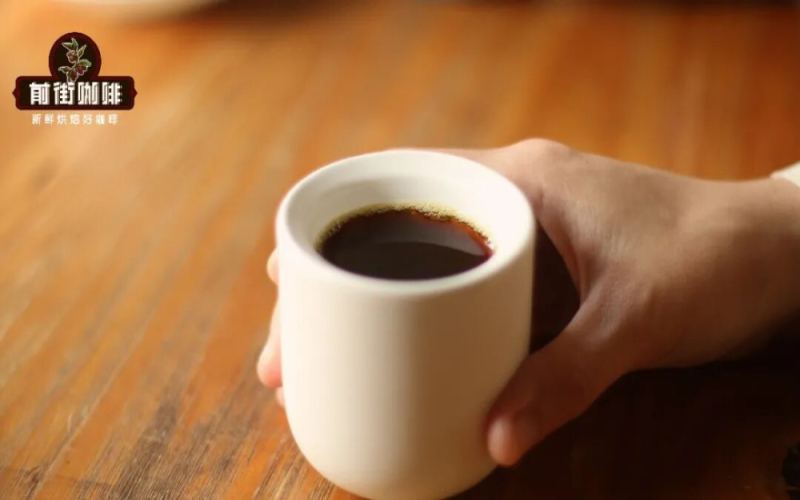
A Practical Guide to Choosing Coffee Cups: How Material, Capacity, Thickness, and Shape Affect the Taste of Espresso, Latte, Flat White, and Dirty
Faced with the dazzling array of coffee cups on the market, many people wonder: can a cup really change the taste of coffee? And what cup shapes should different drinks be paired with? Starting from the coffee cups commonly used at Front Street, this article sorts out the effects of four dimensions—material, size, thickness, and cup shape—on coffee flavor, and gives specific cup selection suggestions for common coffees such as hot latte, cappuccino, flat white, Dirty, and pour-over. Whether you are a beginner enthusiast or a barista making drinks every day, you can find practical purchasing ideas here, so that every cup of coffee can show its best side. [more…]
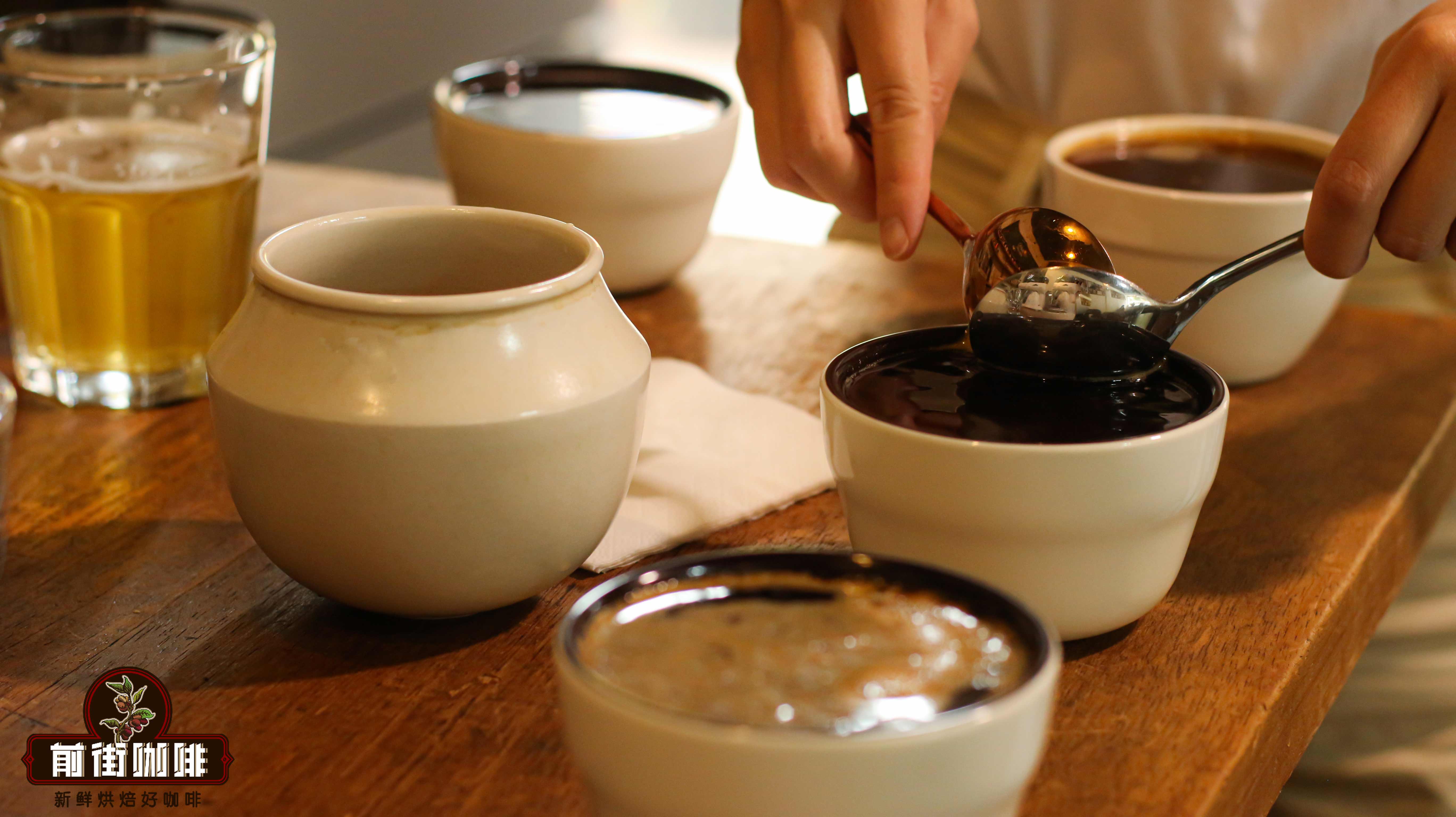
What exactly is the difference between cupping and triangle testing? A comprehensive analysis from origins and standard procedures to sensory testing
Cupping is a common method used in the coffee industry to evaluate bean quality, but why not use pour-over instead? This question takes us back to the origins of cupping. Cupping originated in the 1980s in the American coffee trade; in order to quickly, conveniently, and with minimal human intervention test large batches of coffee beans, immersion extraction came into being. Today cupping is widely used in competitions, appraisal, and research. This article will introduce in detail the standard parameters and complete process of cupping, including grinding, pouring water, breaking the crust, skimming, and tasting, and will also explain the definition of triangle cupping and how it differs from regular cupping. Front Street Coffee will also share a method for easily doing cupping at home to help you improve your tasting ability. [more…]
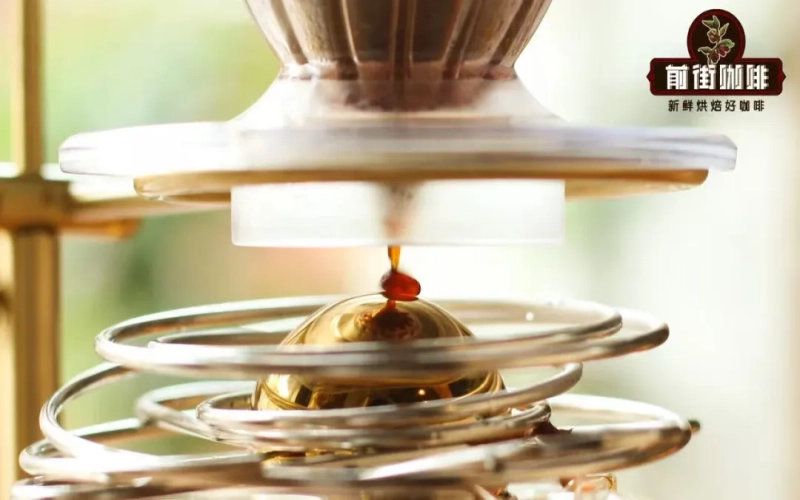
How Does Cup Temperature Affect Coffee Flavor? A Comparative Experiment on Preheating vs. Chilling a Pour-Over Coffee Cup
Coffee aroma is volatile, and the higher the temperature, the faster it dissipates, so some have proposed using low-temperature containers to lock in the aroma. Front Street Coffee compared three types of pour-over coffee vessels—a high-temperature cup, a room-temperature cup, and a frozen cup—to test whether cup temperature truly affects coffee aroma and flavor performance. The experiment used Kenya Asaliya coffee beans with uniform brewing parameters, and the results showed that cup temperature mainly changes the temperature of the coffee when it enters the mouth, rather than the amount of aroma, but temperature differences do indeed cause noticeable changes in flavor perception. This article will present the experimental process and conclusions in detail, and offer cup selection suggestions for different weather conditions. [more…]