







Search Results for: disadvantages
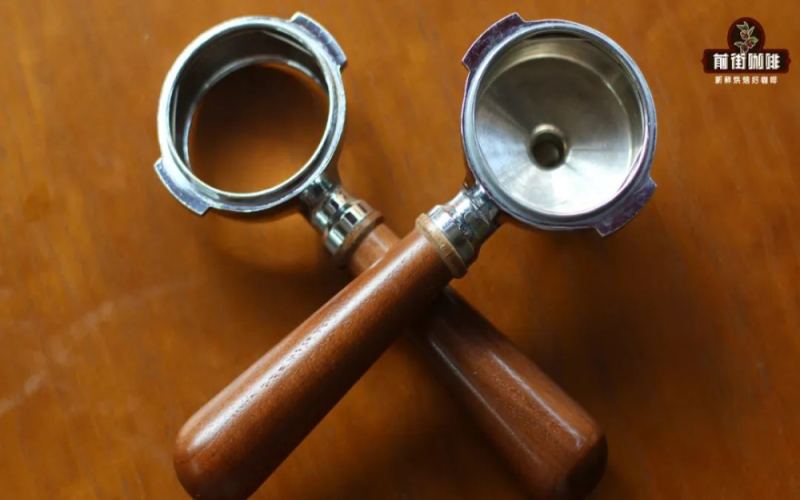
Analysis of the Differences Between Bottomed and Bottomless Portafilters for Espresso Machines | A Full Comparison of Features and Pros and Cons
In the operation of a semi-automatic espresso machine, the portafilter is an indispensable core accessory, and the common types on the market are mainly divided into two major categories: bottomed split portafilters and bottomless straight-through portafilters. Front Street stores use bottomless portafilters for their daily output. What advantages and disadvantages do these two types of portafilters each have during actual extraction? This article will start with structural differences, compare in detail the different performance of bottomed and bottomless portafilters in terms of operating experience, extraction observation, cleaning and maintenance, and include a complete extraction demonstration process and parameters for Front Street’s classic blend coffee beans, to help coffee lovers gain a deeper understanding of how portafilter choice affects espresso quality. [more…]
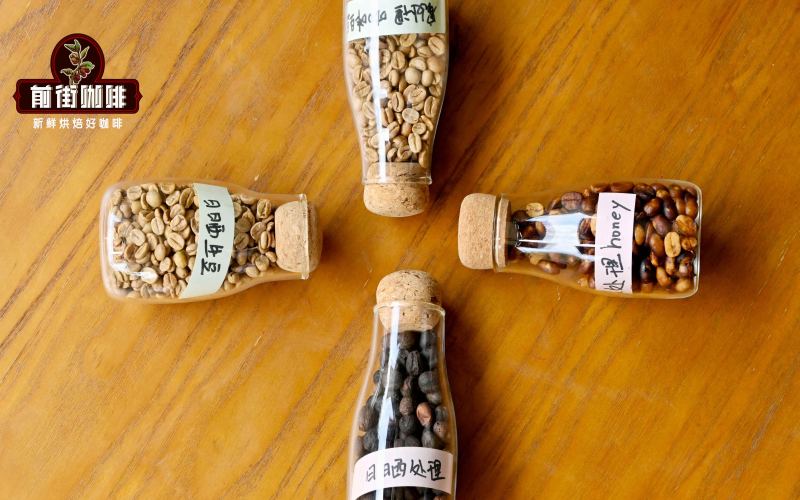
An In-Depth Analysis of the Natural Process: Advantages, Disadvantages, and Flavor Evolution from Traditional Sun-Drying to Slow Fermentation
The natural process is the oldest method of coffee processing, allowing the fruit to dry naturally while the beans mature inside the pulp, resulting in intense flavor and prominent sweetness. Today, the natural process has been refined, from African raised beds to single-layer slow fermentation, greatly improving quality and even becoming the top choice for competition-grade coffee. This article will guide you through a comprehensive understanding of the natural process's operational flow, flavor advantages, traditional flaws, and modern improved techniques, and recommend freshly roasted beans such as Front Street Natural Huakui and Front Street Red Cherry, allowing you to understand the unique charm of naturally processed coffee from theory to practice. [more…]
What are the characteristics, advantages, and disadvantages of decaf coffee beans? A detailed explanation of the definition of decaf coffee, processing methods, and differences from regular coffee
Decaf coffee has become increasingly common in recent years amid the health trend, but many people still have only a partial understanding of its definition, processing methods, and flavor profile. From the perspective of Front Street Coffee, this article sorts out the historical origins of decaf coffee, caffeine content standards, four mainstream decaffeination methods, and analyzes the differences between decaf and regular coffee in terms of antioxidant components and nutrition. The article also introduces the Colombia Huila Decaf coffee beans launched by Front Street Coffee, helping coffee enthusiasts understand whether decaf coffee tastes good, where its pros and cons lie, and what to look for when purchasing. [more…]
A Comprehensive Analysis of Robusta Coffee Beans: Flavor Differences from Arabica, Cultivation Characteristics, and a Comparison of Their Respective Advantages and Disadvantages
In the world of coffee, Arabica and Robusta are the two major commercially cultivated varieties; the former occupies about seventy percent of the market, while the latter is often overlooked. Why exactly is Robusta so unpopular? What are the substantive differences between it and Arabica in terms of flavor, growing conditions, and cost? Starting from Front Street Coffee's espresso blending practice, this article combines the two varieties' chemical composition, adaptability, and market positioning to systematically sort out their advantages and disadvantages. Whether you want to understand Robusta's true value or want to find coffee beans suited to your own taste, this article can provide a clear reference. [more…]
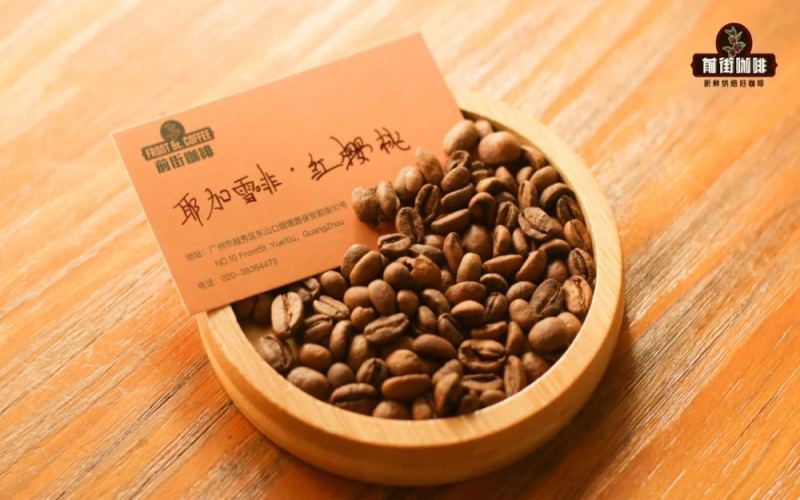
Flavor Characteristics of Natural Process Coffee Beans, Process Advantages and Disadvantages, and Analysis of Two Representative Natural Beans
The processing method of coffee beans largely determines the flavor direction of the final cup, and natural sun-drying, as the oldest green bean processing technique, is still widely adopted by many producing regions around the world today. From the perspective of Front Street Coffee, this article systematically reviews the complete sun-drying process—from fruit picking and screening, natural drying, to depulping and hulling, and storage—and provides an in-depth analysis of the advantages and limitations of this processing method. At the same time, the article will also introduce two representative sun-dried coffee beans: Ethiopian Huakui and Panama Elida Estate Sun-Dried Typica, helping readers gain a more comprehensive understanding of how sun-drying gives coffee a rich fermented character, full sweetness, and abundant layers. [more…]
Comparison of Bottomless and Spouted Portafilters for Espresso: Pros, Cons, and a Front Street Coffee Extraction Demo
The portafilter is an indispensable accessory for semi-automatic espresso machines. Among the common types available on the market, the bottomed spouted portafilter and the bottomless straight-exit portafilter each have their own characteristics. Front Street's stores have long used bottomless portafilters. This article will start from the structural differences and a comparison of advantages and disadvantages, and provide an in-depth analysis of how the two types of portafilters differ in extraction observation and operational convenience. It will also include a practical demonstration of bottomless portafilter extraction using Front Street's classic blend coffee beans, helping coffee enthusiasts understand the espresso extraction process and quality assessment more intuitively. [more…]
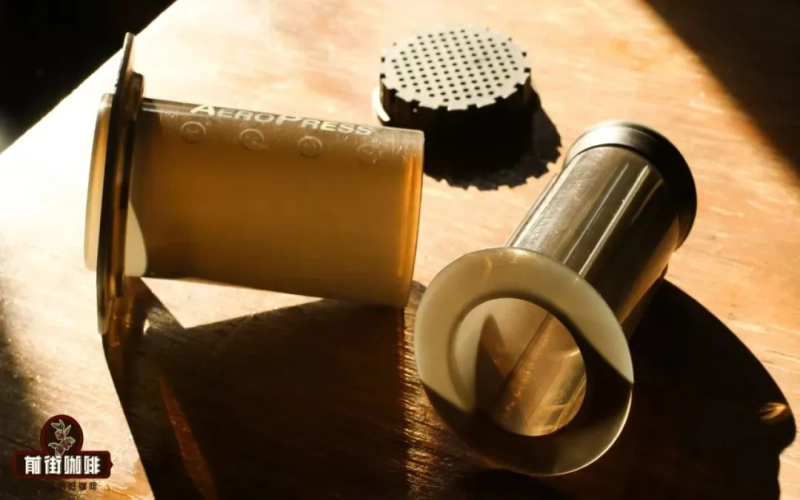
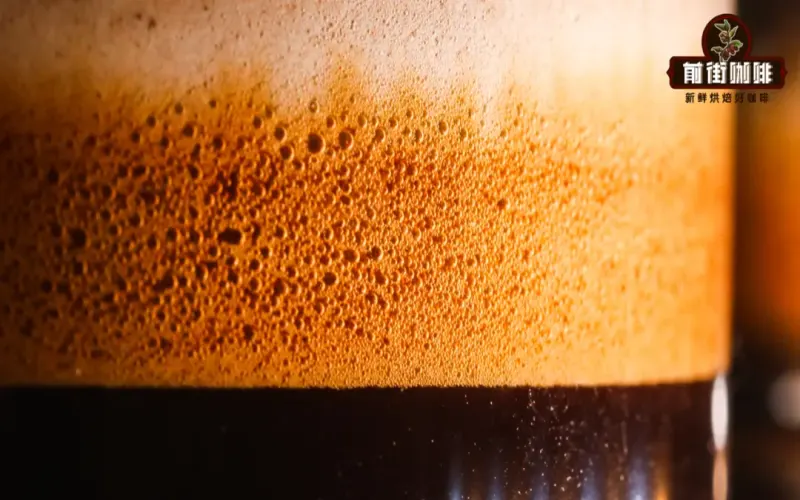
Can an AeroPress produce crema? A comprehensive interpretation of the advantages and disadvantages of the AeroPress and its extraction principles
The AeroPress is a coffee device born out of its inventor's frustration with the hassle of brewing. It is simple to use: assemble it, add coffee grounds and water, let it steep, and finally press out the coffee liquid. But many people wonder: can it produce crema like an espresso machine? This article will take an in-depth look at the AeroPress's extraction mechanism, explain the conditions under which crema forms, and systematically lay out its pros and cons. At the same time, the article will incorporate practical advice from Front Street Coffee to help you understand this device more fully—whether you are a beginner or a seasoned enthusiast, you will find valuable reference here. [more…]
An In-Depth Analysis of Semeon Abay's Special Anaerobic Processing Method: From Fermentation Technique to Flavor Expression
Coffee bean processing methods are becoming increasingly diverse, and among them the Semeon Abay processing method has attracted the attention of many enthusiasts with its unique fermentation logic and personal character. From the perspective of Front Street Coffee, this article systematically sorts out the origin story and operational process of this special processing method, while also comparing the advantages, disadvantages, and flavor differences of the three traditional methods—washed, natural, and honey—to help readers more clearly understand the impact of different processing methods on coffee taste and provide a reference basis for everyday purchasing decisions. [more…]
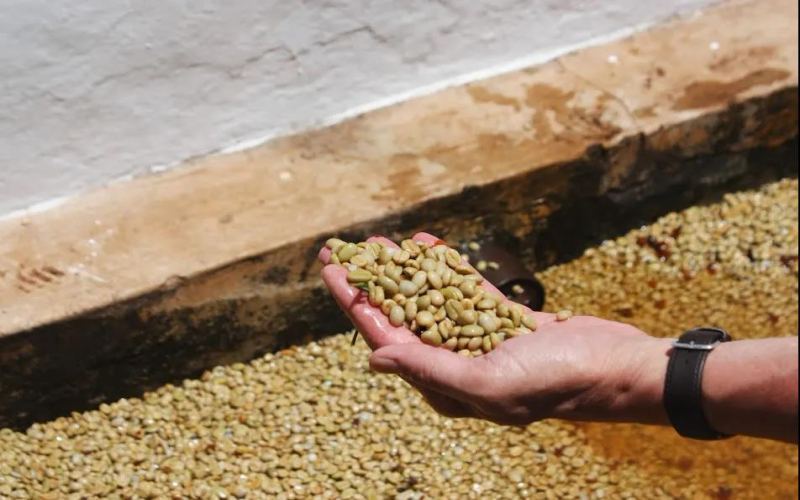
What Is the Washed Process? A Detailed Look at the Advantages and Disadvantages of Washed Process Coffee Beans
The Washed Process is one of the most classic methods of green coffee processing. Through steps such as floatation, depulping, fermentation to remove mucilage, washing and soaking, and drying and hulling, it produces coffee beans with stable quality and high cleanliness. Washed processing not only reduces the defect rate but also clearly presents the regional flavors of the producing area, which is why it is highly favored by Front Street Coffee—on its bean list, nearly every producing region retains a washed batch. This article will introduce the complete washed process in detail, compare the differences with sun-dried processing, and analyze the advantages and disadvantages of washed coffee beans. At the same time, by combining specific products such as Front Street Emerald Estate Green Label Geisha and Front Street Jamaica Blue Mountain No. 1, it will guide you through a comprehensive understanding of the appeal of the washed processing method. [more…]

Introduction to SOE Coffee Beans | Is SOE Coffee the Same as Specialty Coffee? What Are the Advantages and Disadvantages of SOE Coffee? What Are the Key Points for Making SOE Single-Origin Espresso?
For more specialty coffee knowledge, please follow the WeChat official account: Front Street Coffee (FrontStreet Coffee). What is SOE coffee? SOE is the abbreviation of Single Origin Espresso, which means single-origin espresso. Its focus is to highlight [more…]

Pros and Cons of Decaf Coffee Beans | Is Decaf Coffee Healthy? Where Does Decaf Coffee Come From? One Recommended Delicious Low-Caffeine Single-Origin Pour-Over Coffee Bean
As people pursue health, many drinks marketed as sugar-free and low-fat have appeared in everyone's life. Coffee, as one of the world's three major beverages, is naturally no exception, and decaffeinated coffee has also been introduced—that is, the decaf coffee commonly seen in coffee shops today. So what are the characteristics of decaf coffee? Then [more…]
A Detailed Guide to the Three Main Coffee Green Bean Processing Methods: Washed, Natural, and Honey Process Flows and Flavor Differences
The seeds within the coffee fruit are encased in multiple layers of structure. If not processed promptly after harvesting, they will deteriorate within a short time. Therefore, the core purpose of processing is to enable the long-term preservation and circulation of coffee beans. So-called processing refers to removing the outer skin, pulp, and parchment, extracting the seeds and hulling them to obtain what we commonly call green coffee beans, which are then roasted to become the coffee we drink daily. Coffee processing methods are mainly divided into three major categories: the dry method, the washed method, and the semi-washed method. Typically, about 5,000 kilograms of coffee fruit yields approximately 1,000 kilograms of green beans. The three methods differ in their processing procedures, appearance, and flavor profiles: natural-process beans have better sweetness and body, washed beans have a clean mouthfeel and bright fruit acidity, while honey-process falls somewhere in between with a pronounced sweetness. This article will go through the steps, advantages, and disadvantages of each processing method one by one, and illustrate them with examples such as Front Street Coffee Yirgacheffe G2. [more…]
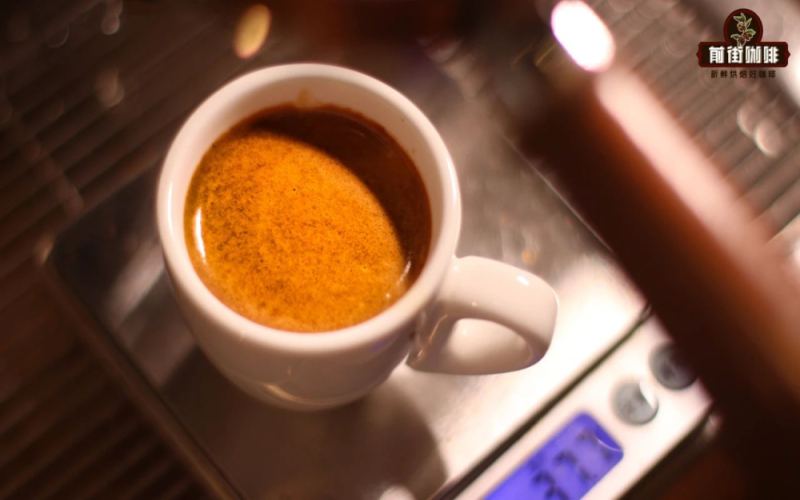
Characteristics of Decaf Coffee Beans | Where Does Decaf Coffee Come From? What's the Difference Between Decaf Coffee and Regular Coffee? How Is Caffeine-Free Coffee Made?
As people pursue health, many drinks marketed as sugar-free and low-fat have appeared in everyone's life. Coffee, as one of the world's three major beverages, is naturally no exception, and low-caffeine coffee has also been introduced, namely the decaf coffee commonly seen in coffee shops today. So what are the characteristics of decaf coffee? Then [more…]
A Complete Guide to Coffee Processing Methods: The Differences Between Natural, Washed, Semi-Washed, and Semi-Natural and Their Impact on Flavor
The flavor of coffee not only originates from the altitude and climate of its producing region; the processing method also plays a key role. Based on the practical experience of Front Street Coffee, this article systematically reviews the procedures, advantages and disadvantages, and flavor impacts of four processing methods: natural, washed, semi-washed, and semi-natural. The washed method brings a clean and bright taste but is somewhat thin, while the natural method imparts a richer body and sweetness; semi-washed and semi-natural are actually the same type of pulp natural method, widely used in water-scarce regions such as Brazil. The article also uses Front Street washed Yirgacheffe, natural Red Cherry, and Brazil Queen Estate as examples to specifically explain the performance of different processing methods in the cup, and includes brewing suggestions, making it suitable for coffee enthusiasts to gain a deeper understanding. [more…]
Colombian Decaf Coffee Flavor Analysis: Taste Characteristics, Health and Safety, and Weight Loss Questions Fully Answered
Although caffeine can boost alertness, excessive intake may affect sleep and health, making decaf coffee an alternative choice for many enthusiasts. From the perspective of Front Street Coffee, this article traces the historical origins of decaf coffee, covers the basics of caffeine, explains the differences in decaffeination processes, and highlights a decaf coffee bean from the Huila region of Colombia. The article also explores whether decaf coffee is safe, whether it can help with weight loss, what its pros and cons are, and provides specific brewing parameters and flavor profiles, helping readers gain a comprehensive understanding of what decaf coffee is really like. [more…]
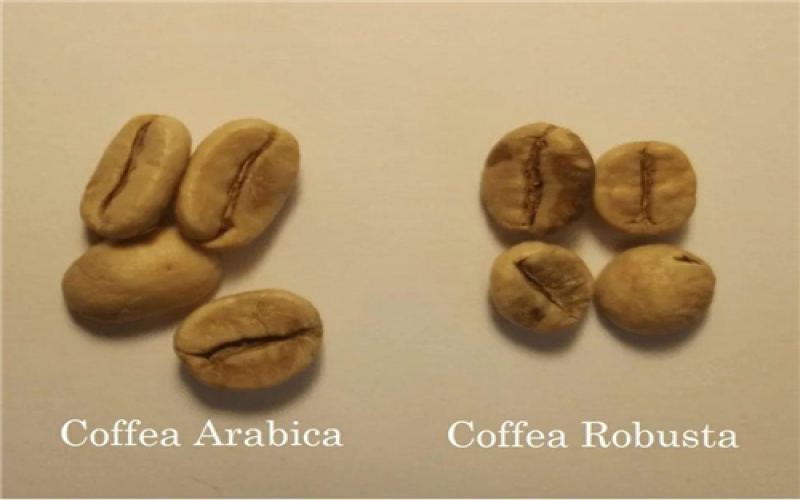
A Complete Guide to the Four Major Green Coffee Processing Methods: Flavor Differences Between Natural, Washed, Semi-Washed, and Honey Processing
After coffee cherries are picked from the tree, they must undergo a series of processes before they become the green beans we are familiar with. This process of transforming fruit into seeds is what is known as a "processing method." Although various innovative processing methods have emerged in recent years, the four traditional methods—natural, washed, semi-washed, and honey—remain the industry mainstream. Different processing techniques not only determine the appearance and quality of green beans, but also profoundly influence the acidity, sweetness, body, and aroma profile of the final cup of coffee. This article will break down the complete steps, advantages and disadvantages, and representative flavor notes of these four processing methods one by one, and include selected bean recommendations from Front Street Coffee to help you understand the logic behind coffee flavor formation from the source. [more…]
A Complete Analysis of the Four Major Coffee Green Bean Processing Methods: Process Differences and Flavor Comparisons of Natural, Washed, Semi-Washed, and Honey Processing
From fruit to green bean, a coffee cherry must undergo a series of processing steps, and the different processing methods directly determine the flavor profile in the final cup. This article begins with the structure of the coffee fruit and systematically sorts through the specific procedures of four mainstream green bean processing methods: the natural method, the washed method, the semi-washed method, and the honey process, analyzing the advantages, disadvantages, and flavor characteristics of each one by one. Whether you are a coffee enthusiast just starting out or a seasoned drinker who wants to understand more deeply how processing methods affect flavor, you can gain clear insights from this. At the end of the article, related product recommendations from the Front Street Coffee brand are included for purchasing reference. [more…]
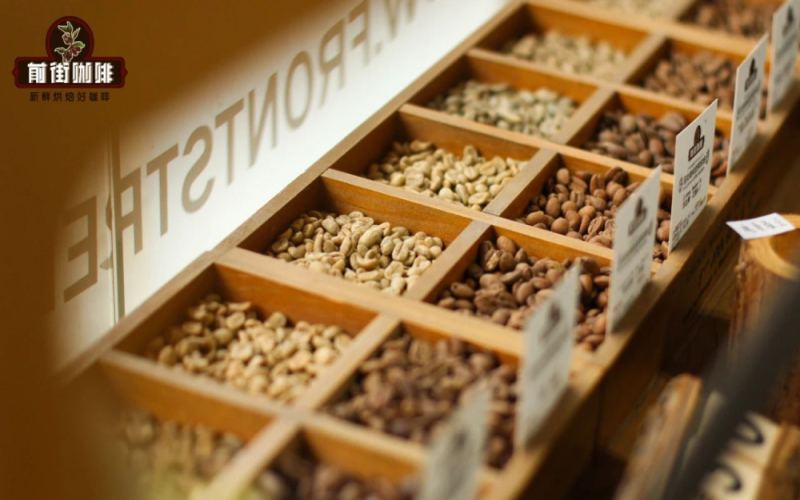
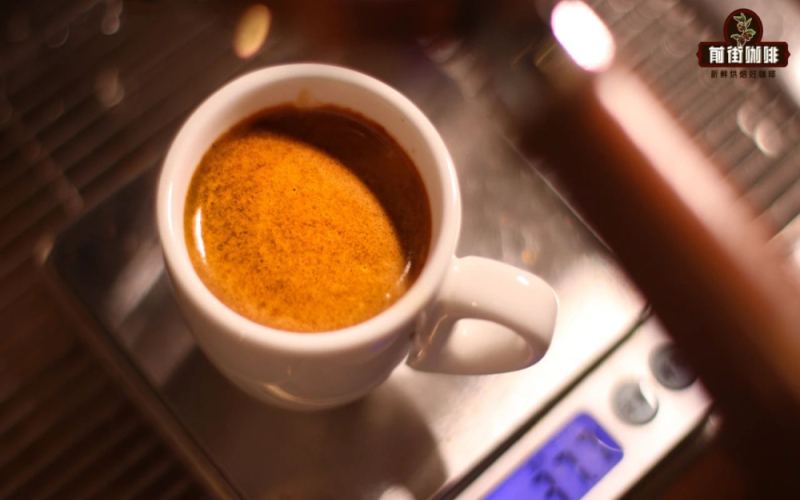
A Complete Guide to SOE Single-Origin Espresso: Flavor Characteristics, Extraction Parameters, and Americano Taste Comparison
SOE (Single Origin Espresso) refers to espresso made from coffee beans of a single origin, which highlights regional flavors. From the perspective of Front Street Coffee, this article outlines the definition, development history, advantages and disadvantages of SOE, and, using the Yirgacheffe natural Red Cherry as an example, provides specific extraction parameters: 20g dose, 28s time, 40g espresso yield, and 150ml hot water, comparing the taste differences between SOE espresso and SOE americano. Whether you want to understand why SOE has become popular in China in recent years, or want to try making espresso with single-origin beans, this article offers a clear reference. [more…]
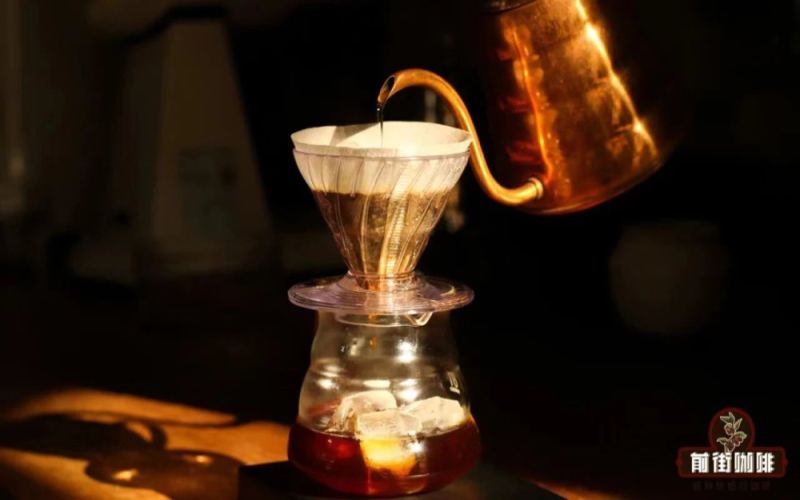
How to Choose Coffee Filters? A Full Breakdown of the Pros and Cons of Metal Filters, Paper Filters, and Cloth Filters, Plus Daily Maintenance
When brewing a good cup of coffee, the choice of filter often determines the direction of the final flavor. Metal filters, paper filters, and cloth filters each have their own fans—what kind of taste performance do they each bring? And how should they be cleaned and maintained to extend their lifespan and avoid off-flavors? Starting from real-world experience, this article analyzes the pros and cons of three common filter materials one by one, and includes simple and effective maintenance methods to help you find the brewing partner that suits you best among the dazzling array of equipment. [more…]
A Guide to Buying the Six Essential Pour-Over Coffee Tools: How to Choose Brands for Grinders, Gooseneck Kettles, Drippers, and More, Plus Beginner Pitfall Advice
Just getting into pour-over coffee, many people feel overwhelmed by the bewildering array of equipment on the market and don't know where to start. This article focuses on the six essential pieces of basic gear for pour-over—the grinder, the pour-over kettle, the dripper, the filter paper, the thermometer and the digital scale—going through each one's categories, pros and cons and the people they suit, and offering specific buying guidance. From the trade-offs between hand grinders and electric grinders, to the differences between cheat kettles, gooseneck kettles and swan-neck kettles, and on to the extraction characteristics of conical, trapezoidal and wave drippers, it helps you make the right choice based on your own budget and needs, so you don't waste money. [more…]