







Can an AeroPress Produce Crema Like an Espresso?
An AeroPress does not produce true crema. Crema is the foam of carbon dioxide and oils created when water is forced through coffee at roughly nine bars of pressure. The AeroPress generates only about one to two bars, so any foam on top is mostly air pushed through the grounds, not espresso crema.
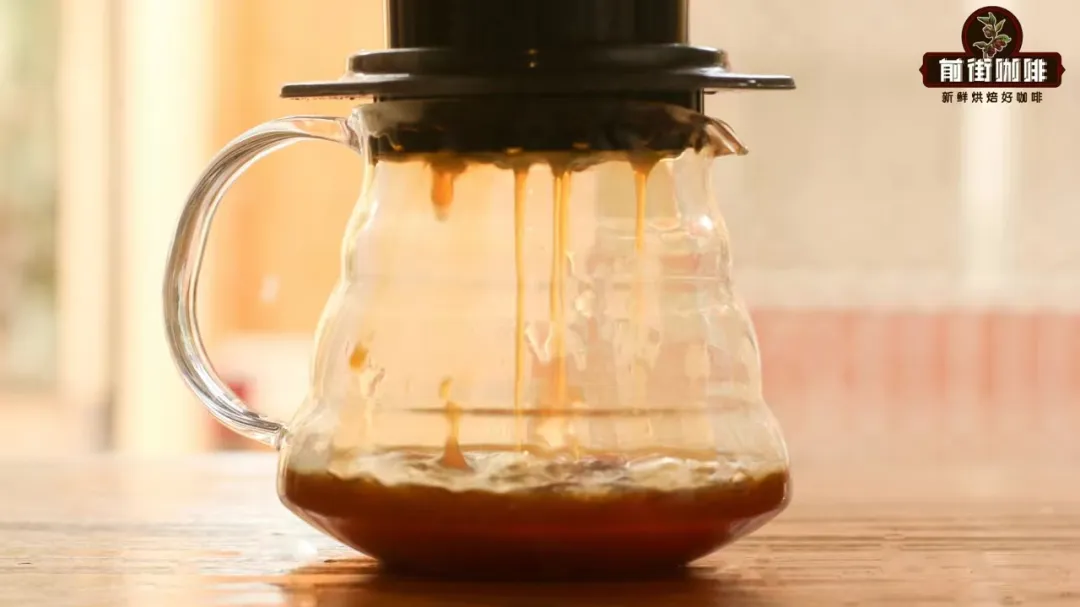
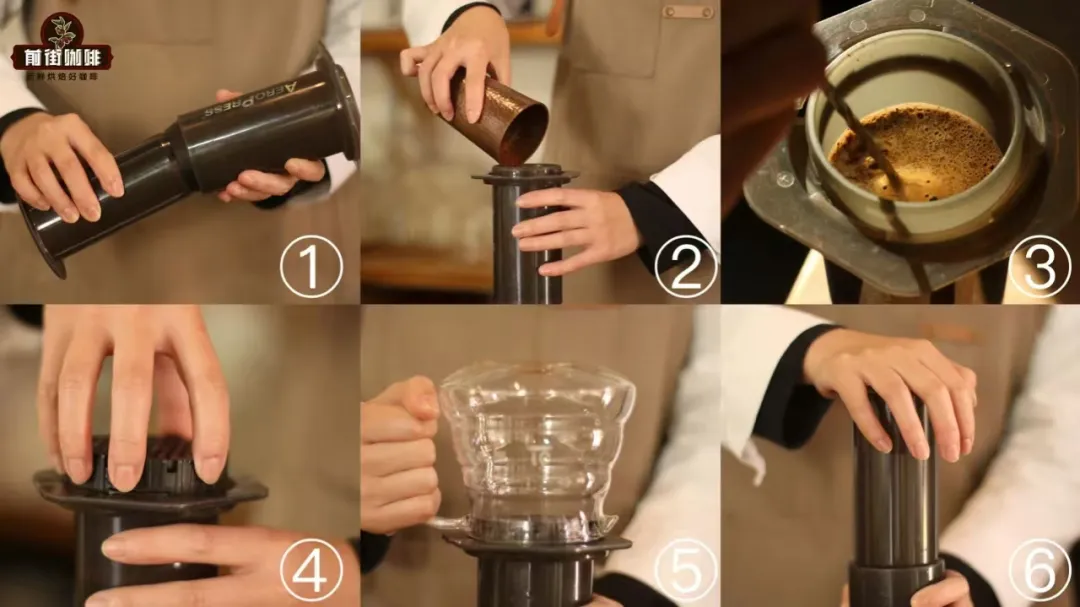
The device works by steeping grounds in hot water and then pressing the liquid through a paper filter. That method keeps the brewing of coffee simple and portable, and it yields a clean, low-sediment cup, but the low pressure means the result is closer to a strong immersion brew than to an espresso shot.
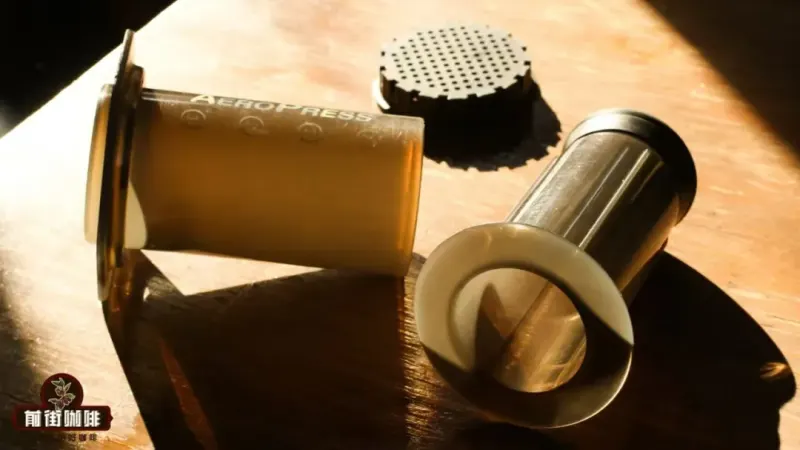
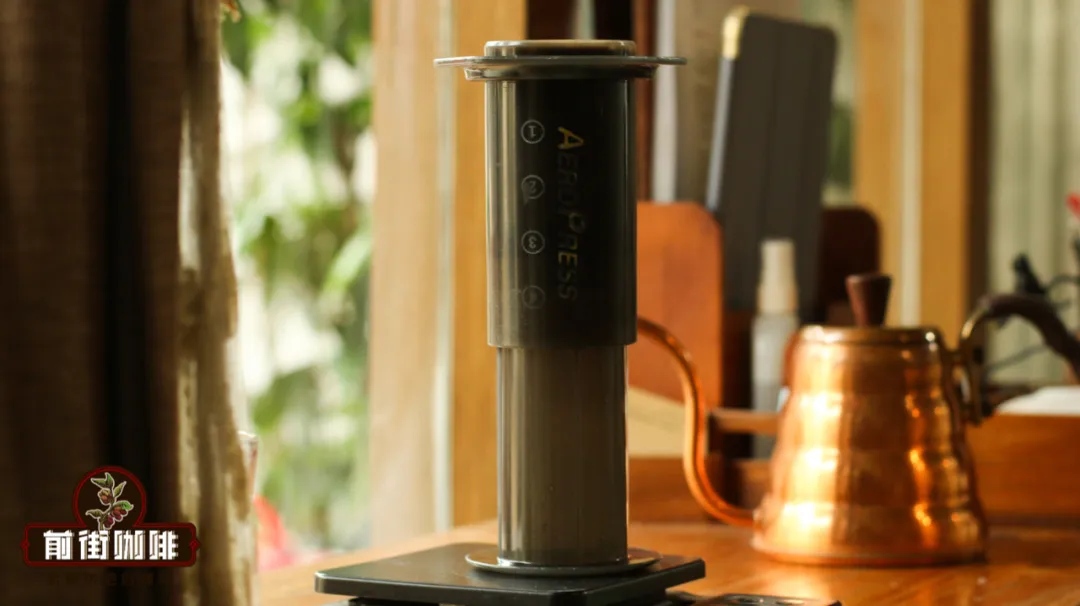
The AeroPress is a coffee device born out of its inventor's frustration with the hassle of brewing. It is simple to use: assemble it, add coffee grounds and water, let it steep, and finally press out the coffee liquid. But many people wonder whether it can produce crema the way espresso does. This article takes an in-depth look at the AeroPress's extraction mechanism, explains the conditions under which crema forms, and systematically lays out its pros and cons. It also incorporates practical advice from Front Street Coffee to help you understand this device more fully—whether you're a beginner or a seasoned enthusiast, you'll find valuable takeaways here.
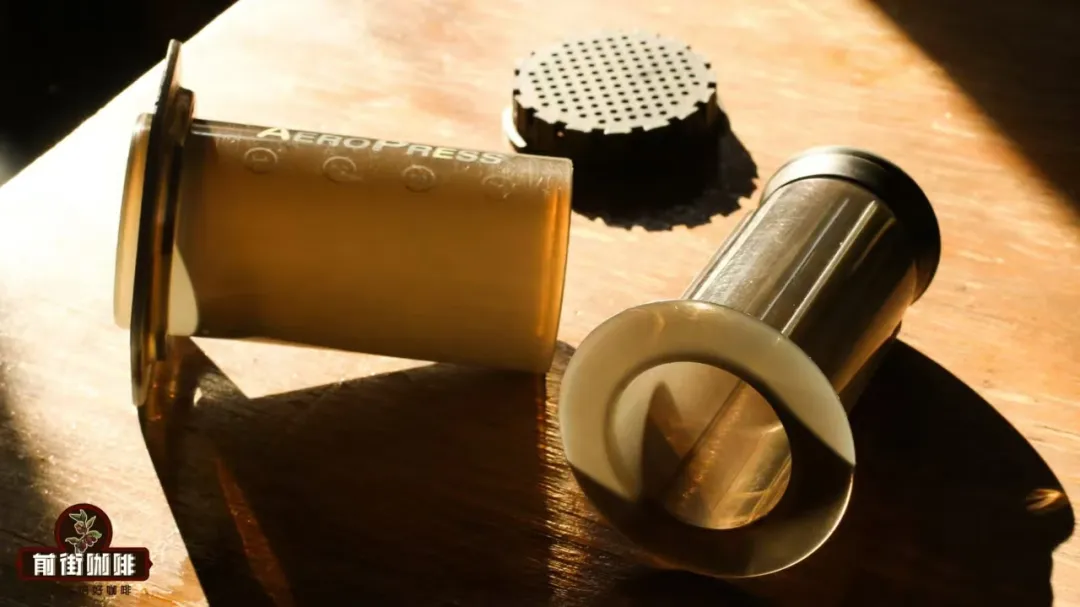
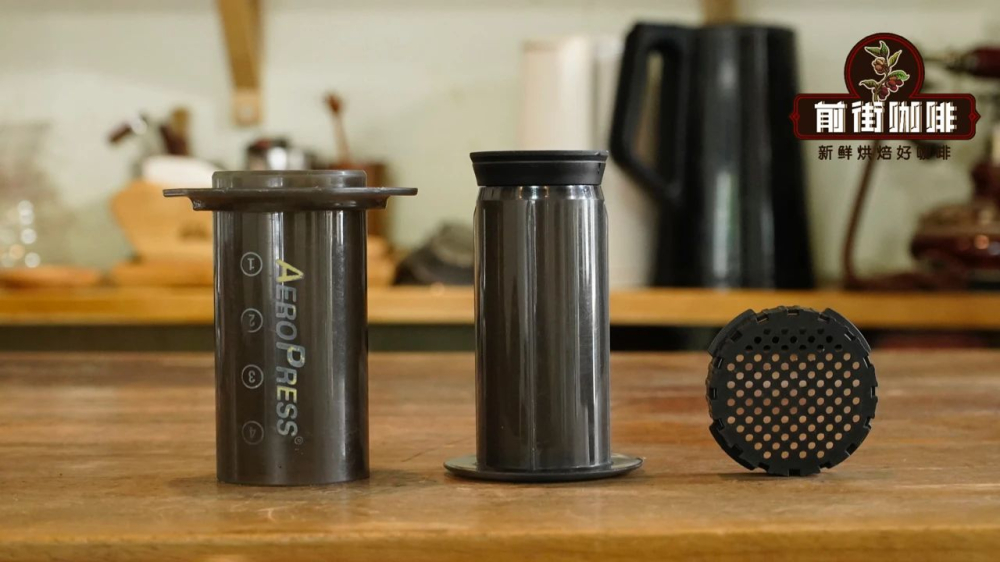
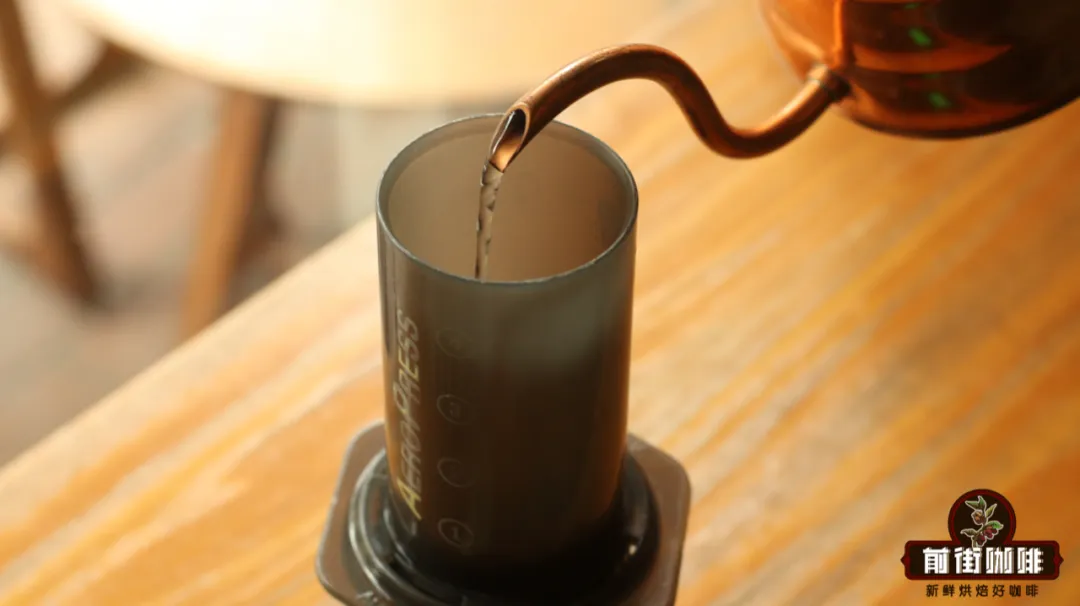
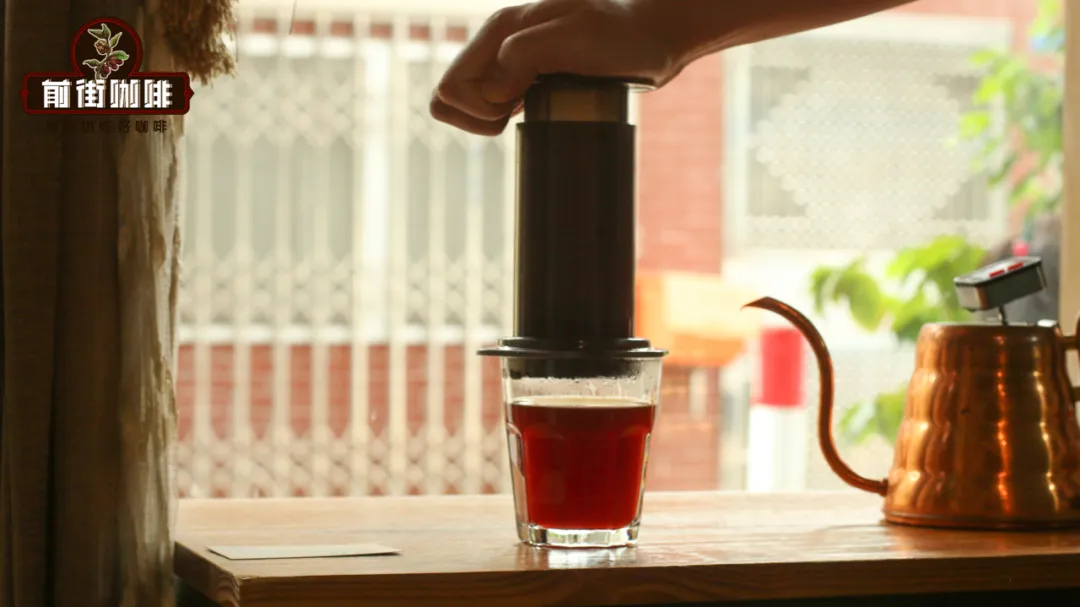
The AeroPress was born out of its inventor's feeling that the conventional brewing process was too cumbersome. Its operation is not complicated: put all the parts together, add coffee grounds and hot water, let it steep for a while, then press the liquid out.



The above content is compiled by CoffeeHunters, a coffee news website.


