







Search Results for: deviation
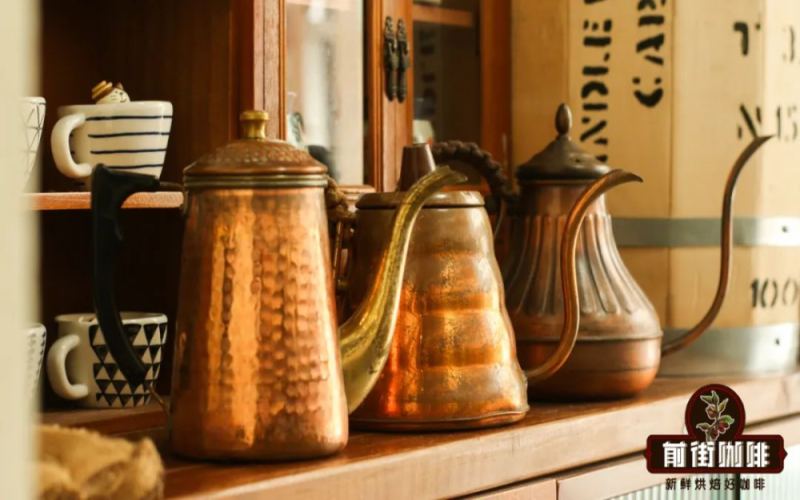
Coffee Pour-Over Kettle Recommendations | What Types of Pour-Over Kettles Are There? Which Pour-Over Kettle Is Suitable for Coffee Beginners? How to Adjust the Spout of a Pour-Over Kettle?
Many novice friends often have some questions after drinking the coffee they brewed themselves. Clearly, the beans, parameters, and brewing methods they used were exactly the same as those in the café, so why can't they brew coffee as delicious as the coffee shop's? So, a friend came to the Front Street Coffee store with this question, and as a result, discovered that the problem [more…]
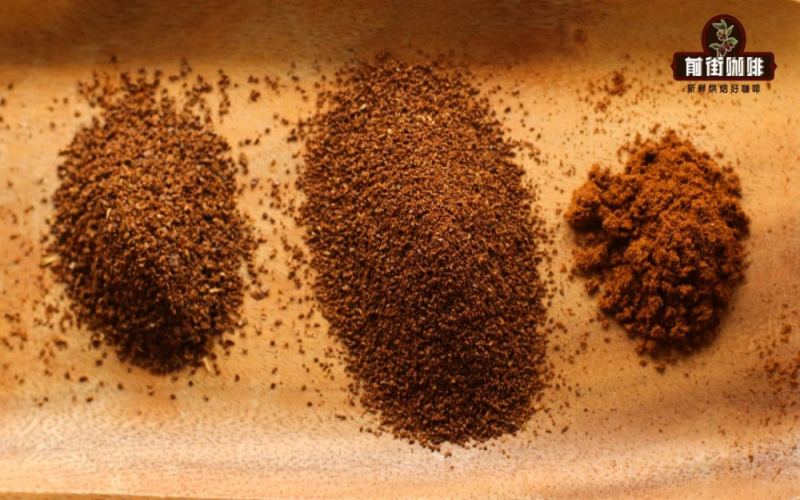
Coffee Grounds Coarseness Reference | Pour-Over Coffee Grind Size 1 to 10: Which Is the Finest? How to Adjust Coffee Bean Grind Parameters for Espresso and Moka Pot
A delicious cup of coffee is hard-won, because from seed to cup is a very long wait. Even at the final step of extraction, you must ensure that the coffee you use meets brewing standards, because extraction is easy—but have you ever thought about it? Coffee grounds are what extract the flavor compounds, [more…]
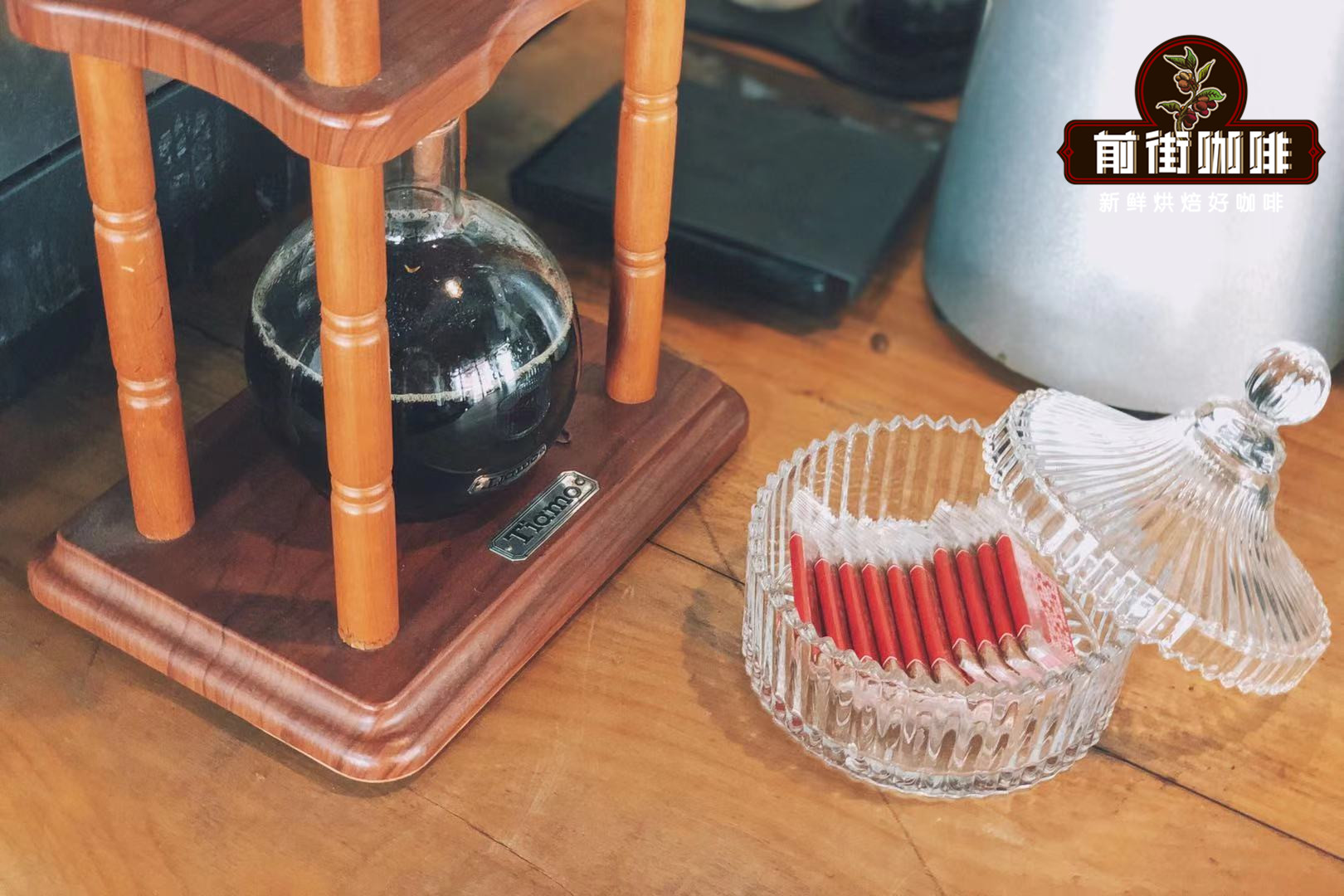
Coffee Grinding | Which is the finest grind setting from 1 to 10? How do you read the grind size for espresso and moka pot? How do you adjust the coffee grind size?
A delicious cup of coffee is hard-won, because from seed to cup is a very long wait, and even at the final step of extraction, you must ensure that the coffee you use meets brewing standards, because extraction is easy, but have you ever thought about it—coffee grounds extract flavor compounds, so the water used [more…]
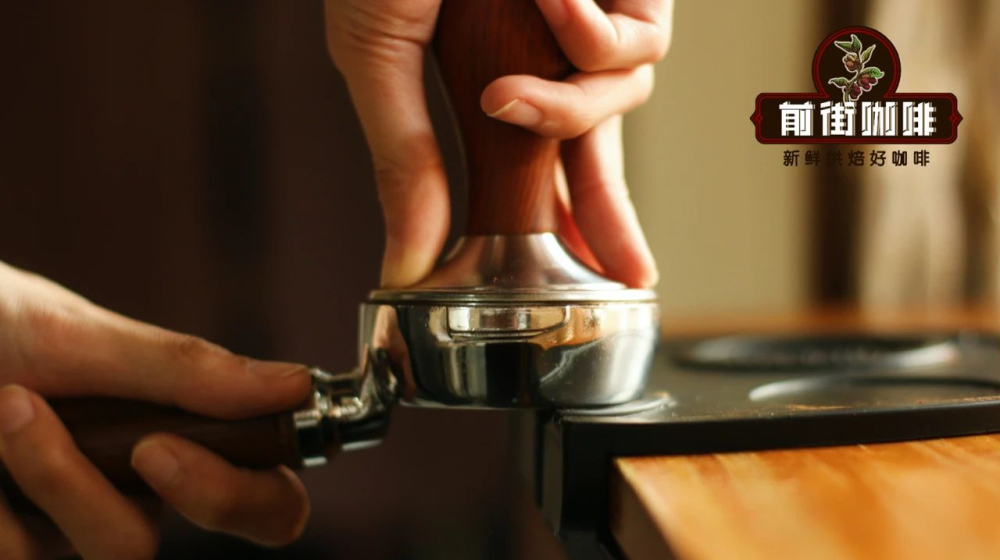
Americano | How do you drink espresso? Is iced Americano black coffee addictive?
Everyone is familiar with Americano. Coffee fans who often visit Front Street Coffee know that Americano is made by combining espresso from a coffee machine with an appropriate proportion of water. Americano has basically become a standard item on coffee shop menus, and those who have been to [more…]
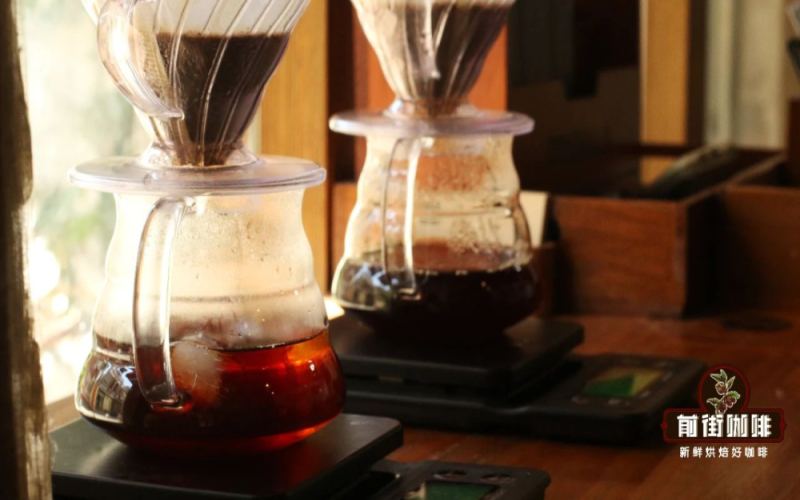
French Press Usage Tips | How Many Coffee Beans to Use for French Press Coffee? How Much Coffee Grounds to Put in a French Press? Does French Press Coffee Have a Lot of Oil?
Coffee is becoming more and more popular, and there are all kinds of brewing methods. However, when you're busy, you might feel you don't have time for a pour-over, and even an espresso seems to take too long. In that case, using a lazy person's pot to make a cup of coffee might be a pretty good choice! French press coffee and pour-over coffee [more…]
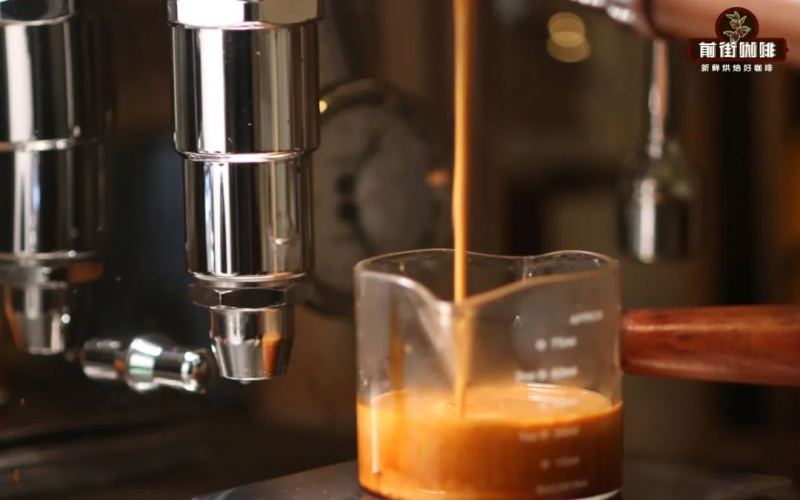
Espresso Grind Size|How Fine Should Espresso Coffee Grind Be and How to Adjust It
Espresso is the foundation of Italian-style coffee. The wide variety of milk coffees we see on café menus are mostly based on espresso. In addition, although many people like espresso with milk added, there is still a group of enthusiasts who love espresso. No matter from which angle you consider it, making [more…]
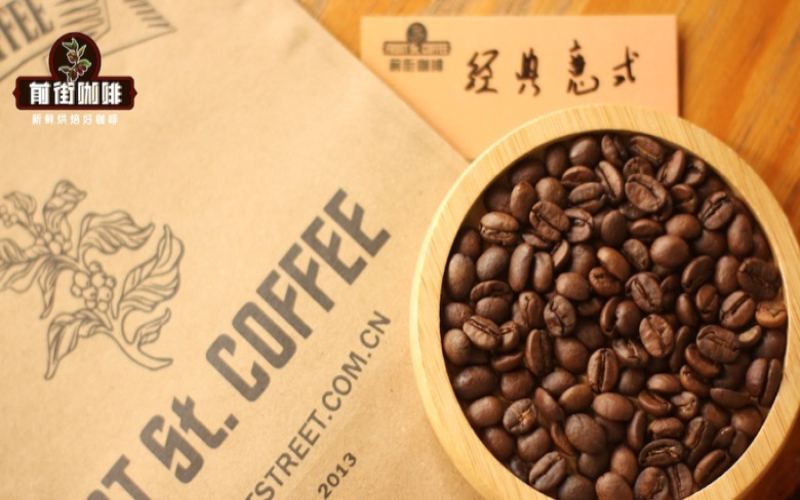
The Espresso Face of Typica and Bourbon: An Italian Expression of Heirloom Varieties
On the bean lists of specialty coffee, variety names like "Typica" and "Bourbon" are appearing more and more frequently. They are two of the older major variety families in the Arabica world, and pour-over enthusiasts can recite their flavors with great familiarity, but their performance in espresso is still not much discussed. This article covers the "espresso [more…]

Single-Origin Espresso at Home: How to Pull SOE on a Home Machine
SOE is short for Single Origin Espresso, which means using beans from a single origin to make espresso. Trying SOE on a home semi-automatic espresso machine is the starting point for many coffee enthusiasts moving from blends to single-origin coffees. SOE has a narrower extraction window than blends, and on a home machine you need to [more…]
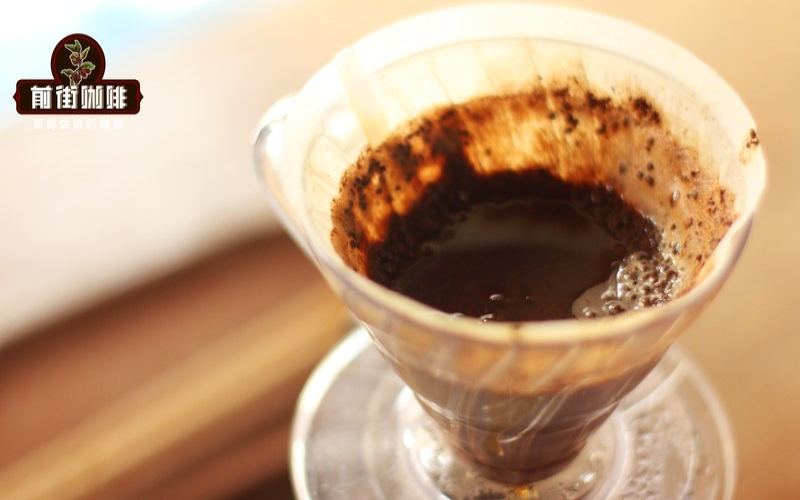
Identifying Authentic Yirgacheffe Coffee Beans by Roast Level
Yirgacheffe is not a fixed roast flavor, but the name of a representative production area in Ethiopia's Sidama region. A bean bag with real reference value will usually go on to specify the particular production area, processing method, variety, or lot information. When judging, you can first observe the roast level, then cross-check the flavors in the cup against the clues on the label. [more…]
Origin Selection for Home Espresso Beans: The Performance of Single-Origin SOE on Home Machines
A home semi-automatic espresso machine doesn't necessarily mean you can only brew espresso blends—single-origin SOE can also produce distinctive shots on a home machine. The flavor profiles of SOEs from different regions vary noticeably; choose the right region, and even a home machine can deliver espresso with regional character. Mandheling SOE is the rich, full-bodied choice for home machines. Mandheling is harvested [more…]
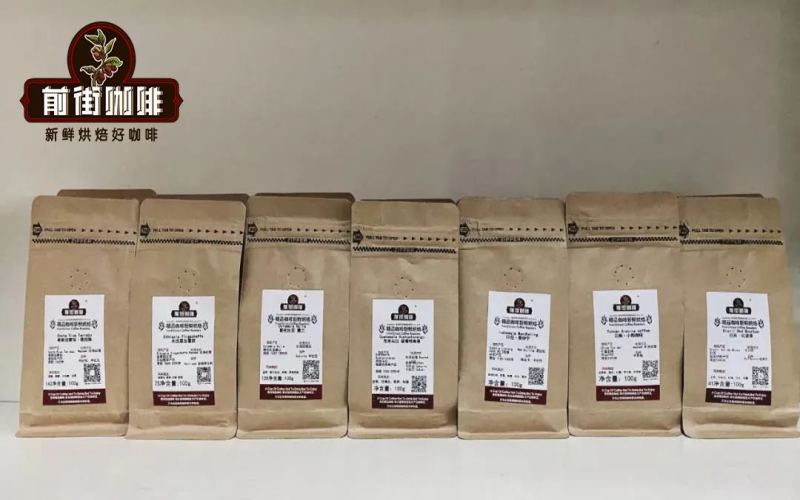
Pour-Over Coffee Brewing Method | How to Grind Coffee Beans and Brew Delicious Coffee at Home: Pour-Over Water Quality and Grind Size Parameters
In recent years, with the rise of the specialty coffee wave, more and more people choose to buy beans and take them home to brew a cup of coffee for themselves, enjoying a leisurely moment. But everything is hard at the beginning, and many beginners wonder, "The coffee I drank in your shop was so good, why can't I brew the same flavor when I go home?" Part of the reason [more…]

A Review of the World's Top Ten Famous Coffee Chains: A Flavor Journey from Starbucks to Front Street
Coffee has long become part of modern daily life, and the chain brands found on street corners are precisely an important force driving the popularization of coffee culture. This article reviews ten representative coffee brands from the United States, Japan, Germany, Italy, the United Kingdom, Canada, Singapore, and China, covering Starbucks, Doutor, Tchibo, Ditsch, Second Cup, illy, Costa, McCafe, The Coffee Bean & Tea Leaf, as well as Guangzhou's local Front Street Coffee. Each brand has its own unique historical background and business philosophy, from affordable positioning to specialty roasting, from fast-food speed to slow craftsmanship, together forming a diverse picture of the global coffee market. Whether you seek convenience or care about flavor, you can find names worth knowing in this list. [more…]

Types of Americano Coffee Beans | What Is the Standard Iced and Hot Americano Recipe at Coffee Shops? Italian Specialty Coffee Beans Recommended for Making High-Sweetness Americano Black Coffee
For more specialty coffee knowledge, please follow: Front Street Coffee (Frontsteet Coffee) Americano is made by diluting espresso with water, typically using dark-roasted Italian-style coffee beans. The Americano beans crafted by Front Street are a blend of single-origin beans from two different regions, which [more…]
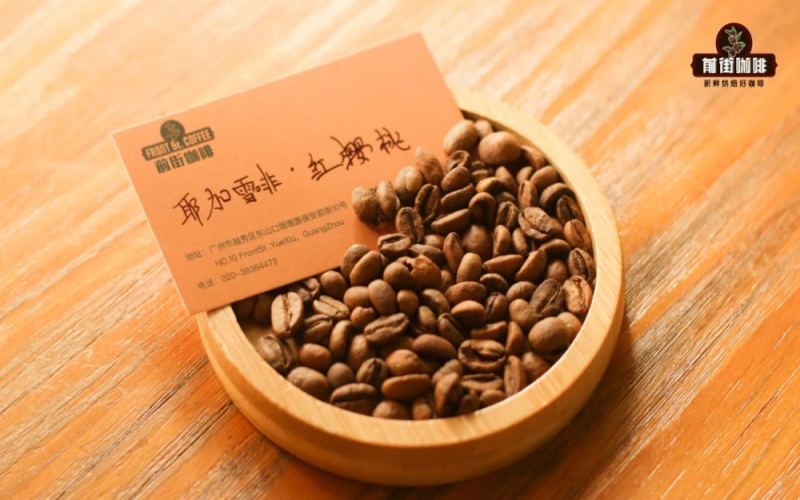
Yirgacheffe Roast Profile | Which roast level suits Yirgacheffe coffee beans? What are the differences in flavor and mouthfeel between light-roast and dark-roast Yirgacheffe coffee?
In the coffee industry, roasting is the most fascinating step. Green coffee beans are almost entirely devoid of flavor—tasting them directly reveals an rather unpleasant vegetal taste. So what kind of roasting process is needed to bring out the brilliance of these otherwise unremarkable green beans? Here at Front Street Coffee (FrontStreet [more…]
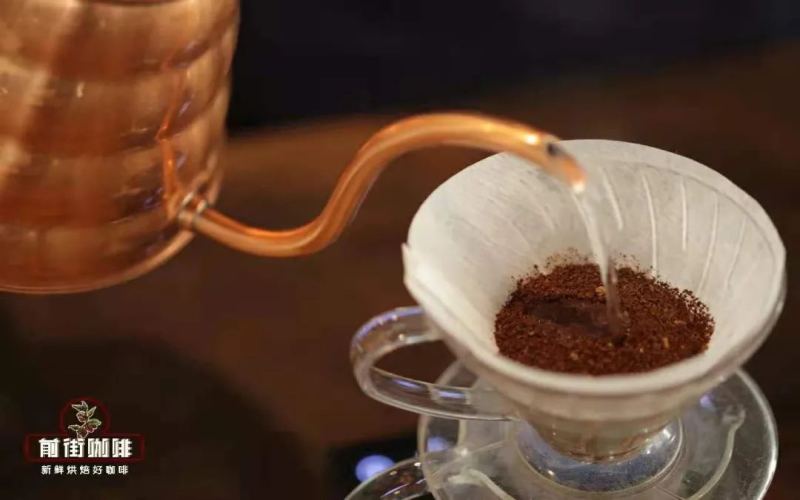
Coffee-to-Water Ratio | How to Calculate the Pour-Over Coffee-to-Water Ratio, Cold Brew Pour-Over Coffee-to-Water Ratio
Without adding sugar or milk, how to hand-brew a delicious and distinctive cup of coffee is a difficult challenge for many enthusiasts just starting out in coffee. Pour too much water and the coffee will be weak; pour too little and it will be very strong and harsh on the throat. Therefore, you must pay attention to the coffee-to-water ratio. So exactly how much water should be used to brew a cup of coffee? The coffee-to-water ratio is probably what every [more…]

Step-by-step Guide to Making Iced Latte: A Full Breakdown from Bean Selection and Milk Choice to Ratio Control and Technique Tips
An iced latte may seem like it only takes three steps to make: add ice, pour milk, add coffee. But to truly make a delicious iced latte, there are quite a few details to consider behind the scenes. From choosing coffee beans and milk, to the ratio between espresso, milk, and ice, to the rhythm of operations during extraction and assembly, every step directly affects the final flavor performance. This article uses Front Street Coffee's iced latte preparation as an example to sort out three key aspects—material selection, milk-to-coffee ratio, and operational details—to help coffee enthusiasts consistently reproduce a balanced, layered iced latte at home. [more…]
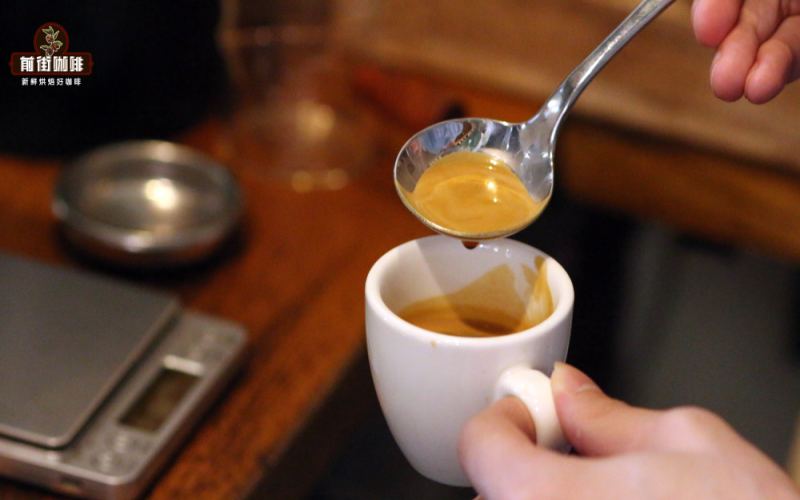
Espresso Flavor Characteristics | Is the crema on espresso actually coffee oil? What are the steps for making espresso? How do you drink espresso?
Espresso originated in Italy, derived from the Italian word "Express," meaning "pressed out, squeezed out." Through the pressure of steam in the boiler of an Italian coffee machine, water is forced through a layer of extremely finely ground and manually tamped coffee grounds, extracting a highly concentrated coffee liquid. Because of this [more…]
Characteristics of Americano | How do coffee shops make Americano black coffee? Which coffee beans are suitable for making Americano? What coffee flavors does a standard Americano present?
Americano is made by diluting espresso with water, typically using dark-roasted Italian-style coffee beans. Front Street's Americano beans are a blend of single-origin beans from two different regions, which has the advantage of compensating for the low acidity of traditional Italian-style coffee and making the flavor richer. Many people ask about Americano beans. [more…]
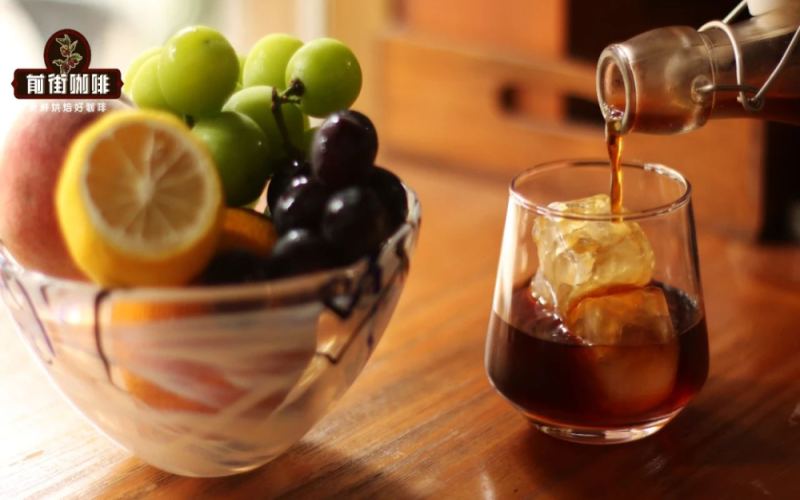
Pour-over Coffee Brewing Parameters | What Factors Affect the Flavor and Mouthfeel of Pour-over Coffee? How Can Coffee Beginners Learn Pour-over Coffee?
Coffee mysticism has long become a commonplace topic in coffee circles, and the most discussed aspects are flavor mysticism and brewing mysticism. Front Street is here to help everyone unveil the surface-level mysticism and reveal the underlying science. Flavor mysticism generally refers to when you drink a cup of coffee and only taste bitterness and sourness, while the person next to you [more…]
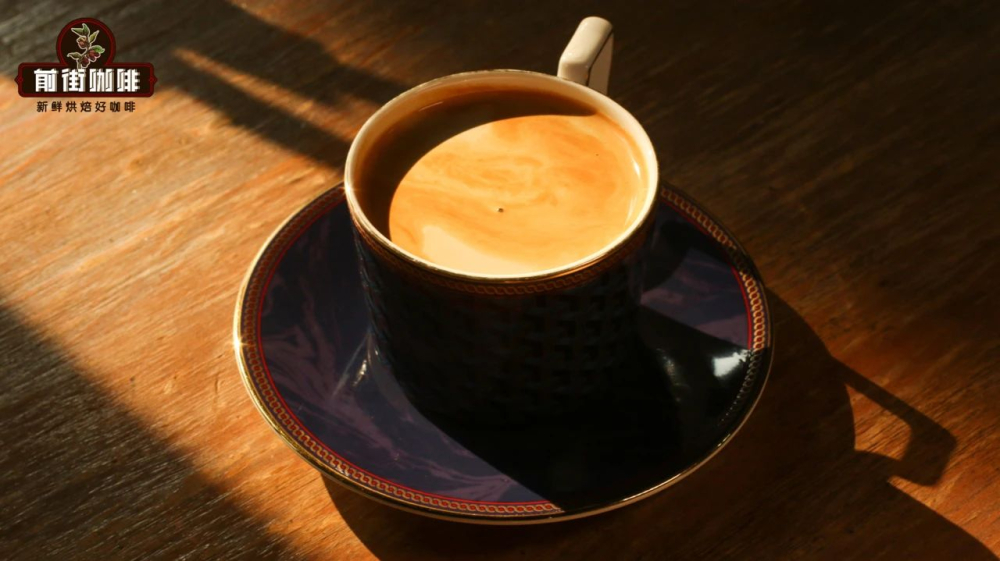
Iced and Hot Americano Methods | Is There a Big Difference Between Espresso and Americano Coffee Beans? Which Coffee Beans Are Suitable for Iced Americano? What Are the Steps for Tasting Americano Coffee?
For more specialty coffee knowledge, please follow: Front Street Coffee (Frontsteet Coffee). Americano is made by diluting espresso with water, typically using dark-roasted Italian-style coffee beans. The Americano beans used by Front Street are a blend of single-origin beans from two different regions. This [more…]