








Can a weak coffee machine still pour fine latte art?
When a coffee machine produces weak steam, steamed milk foam turns thick and rough, so pours atomize or the foam hardens and will not move. Pouring the foam from one pitcher into another breaks up large bubbles and improves integration and fluidity, making lines finer and smoother, even for a unicorn pattern.
A large pitcher helps with complex combined patterns because it tilts far enough to reach close to the liquid surface, but steaming in it needs more milk. A test with 500 ml of milk compared poured and unpoured foam, showing the technique's limits and what to watch for.
Many coffee enthusiasts who practice latte art at home with a coffee machine that produces weak steam often run into problems like atomization and being unable to pour patterns because the milk foam is thick and rough. Actually, all it takes is one little trick—pouring the steamed milk foam from one pitcher into another—to significantly improve the texture of the foam, making the latte art lines finer and smoother, and even making it easy to draw a unicorn pattern. Through an explanation of the principles and an experimental comparison, this article will detail how pitcher pouring reduces large bubbles, enhances integration and fluidity, and why a large pitcher is better suited for complex compositions. Front Street Coffee will also use 500ml of milk to actually test the difference between pouring and not pouring, so you can understand the limitations and precautions of this technique.

However, if the steam power of the coffee machine is on the weak side, the milk foam produced tends to be thicker and rougher, and during latte art it easily atomizes, or the foam hardens and won't move—this counts as a fairly difficult bottleneck caused by the hardware conditions.
So, why not try the little trick below to rescue that milk foam already doomed to be rough. A little trick to make rough milk foam fine—"pitcher pouring" Whether it's cafe output, popular latte art videos, or major coffee competitions, you can often see this operation: the barista pours the finished milk foam from the original pitcher into another pitcher, and then begins the latte art.
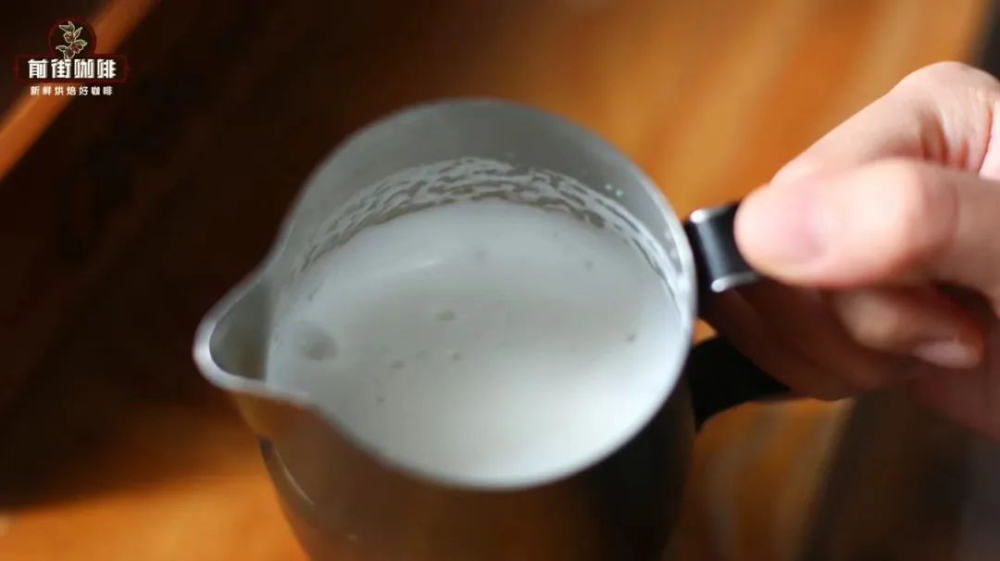
(Anyone who says this is making milk tea, drag them away ヽ( ̄︿ ̄ )—C<(/;◇;)/) 这个动作就叫「倒缸」。那为什么要多此一举,把打好的奶泡倒来倒去,而不直接用原来的奶缸拉花呢? 原因主要有两个: ①、减少粗糙奶泡的数量,从而提升奶泡与牛奶的融合性,以及流动性。 因为倒缸这个动作可以消除一部分粗奶泡,剩下的奶泡在倾倒时能和牛奶更好地融合,融合度高的奶泡在拉花时就能做出更细腻的条纹!
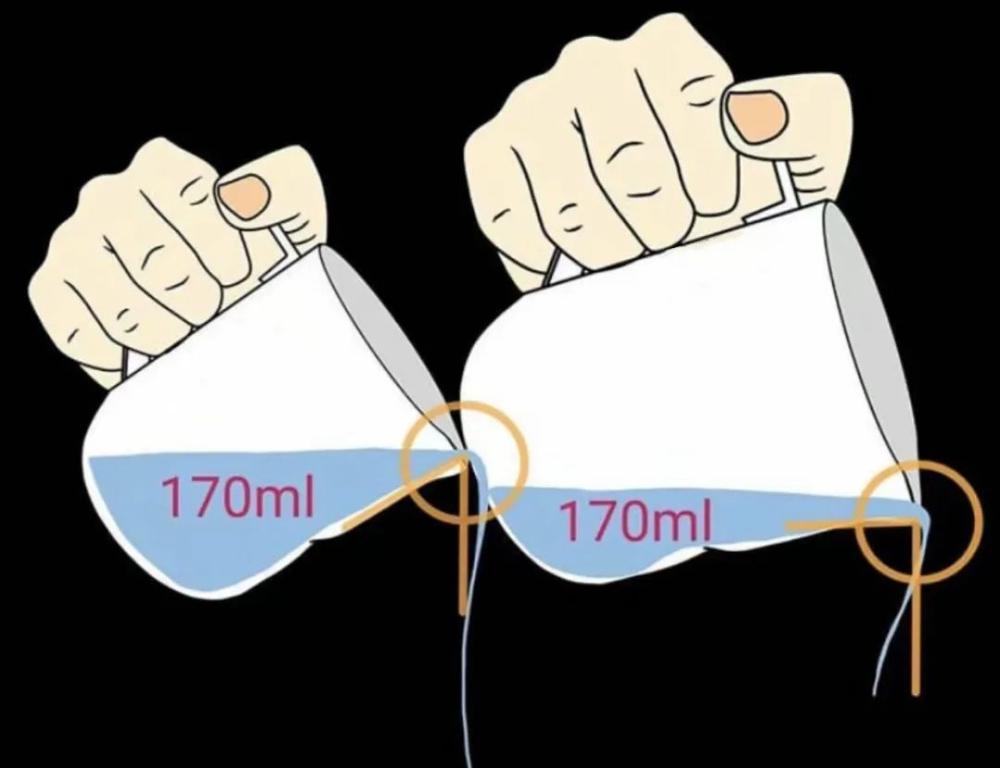
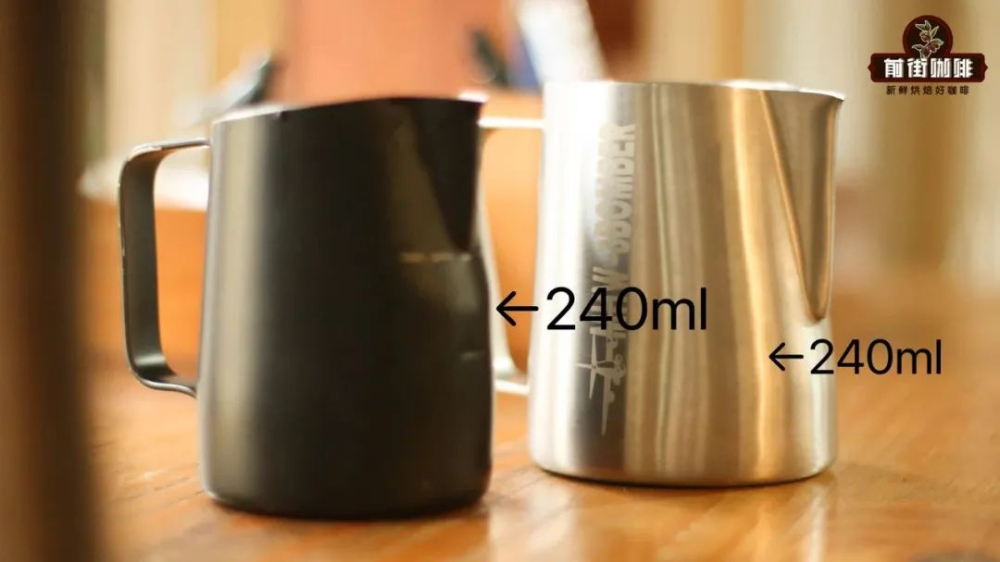
Normally, if the steam is weak, or you accidentally steamed the milk foam too thick, you can remedy it by pitcher pouring. ②. Reduce the milk wasted in the large pitcher! Complex combined patterns control the integration height relatively low, which means when creating the pattern you need to get closer to the liquid surface. But a small-capacity pitcher cannot tilt excessively to get close to the liquid surface, so it cannot pour fine patterns. Therefore, you need to use a large-capacity pitcher that can tilt greatly, getting close to the liquid surface to create detailed patterns!
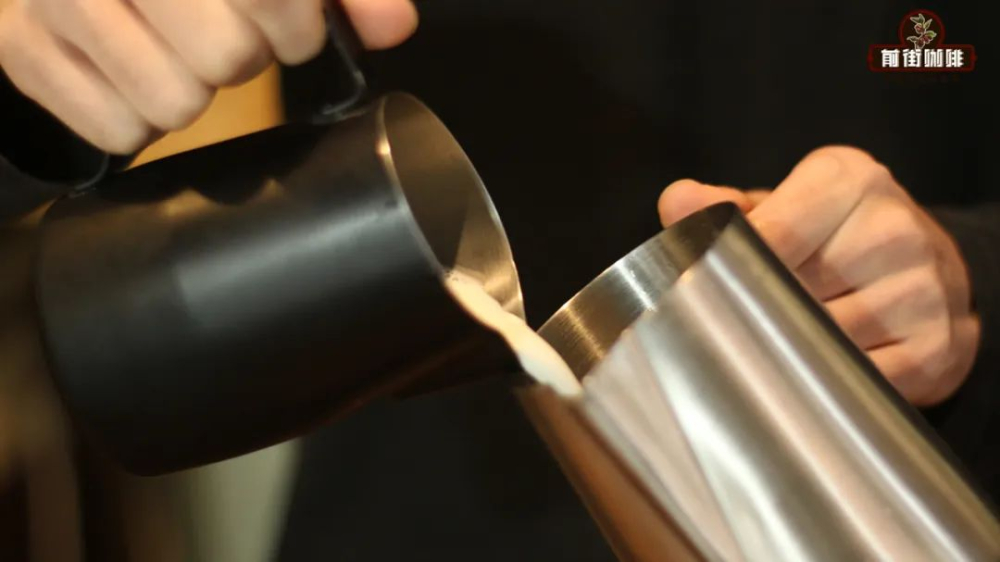
But if you directly use a large-capacity pitcher to steam milk foam, you need more milk than usual to reach the height that can be steamed. After finishing the pattern, few people drink this leftover milk; it is usually poured straight out, causing waste;
Moreover, many patterns often need milk foam to accent the finish, and this requirement further strictly limits the amount of milk used. That's why you use a small pitcher that only needs a small amount of milk to steam, and after steaming is complete, pour it into a large pitcher for latte art creation! How big is the difference between pitcher pouring and not pouring? So, let's go straight into the experimental comparison! Front Street will use 500ml of milk to steam milk foam, then pour out half of it and make a latte with each, to see what difference there is between lattes made with poured and non-poured milk foam. First, prepare two latte pitchers, and extract double shots to place separately in the latte cups!

(The espresso uses 20g of coffee grounds and takes 30 seconds to extract 38g of liquid weight) Steam the milk foam to 60°C and then stop, and pour the pitcher!
Then immediately do the latte art!
As you can see, the latte without pitcher pouring still has some tiny bubbles!
(This is latte art poured by a certain friend of Front Street; this is not Front Street's skill!) And after stirring, you will see a fairly obvious difference in thickness; the latte integrated after pitcher pouring also tastes quite smooth! In summary, using milk foam after pitcher pouring can not only improve the quality of the latte art, but also improve the drinking experience of the coffee!
Of course, pitcher pouring also has certain limitations: it cannot be used continuously; pouring too many times easily produces large bubbles, and also makes the milk foam dissipate faster! So generally speaking, pouring only 1~2 times is enough.
- END - Front Street Coffee
No. 10, Bao'an Qian Street, Yandun Road, Dongshankou, Yuexiu District, Guangzhou City, Guangdong Province
The above content is compiled by CoffeeHunters, a coffee news website.


