







Search Results for: defective beans
A Complete Guide to Coffee Defects: Ten Common Types, Causes, and Identification Methods Illustrated
The content of defective beans directly affects coffee quality and grade classification. Taking Brazil as an example, the local system uses a "deduction method," grading based on the number of defective beans per 300 grams of main beans. In addition, coffee usually requires hand sorting during processing, and only by fully mastering the types and characteristics of defective beans can they be effectively removed. So exactly how many types of defective beans are there? This article will use illustrated explanations to introduce ten common defective beans one by one, including shell beans, stones, moldy beans, fermented beans, dead beans, immature beans, shell beans, insect-damaged beans, black beans, and cocoa beans, explaining their causes, appearance characteristics, and negative effects on coffee flavor, laying the foundation for subsequent learning about defective bean selection. [more…]
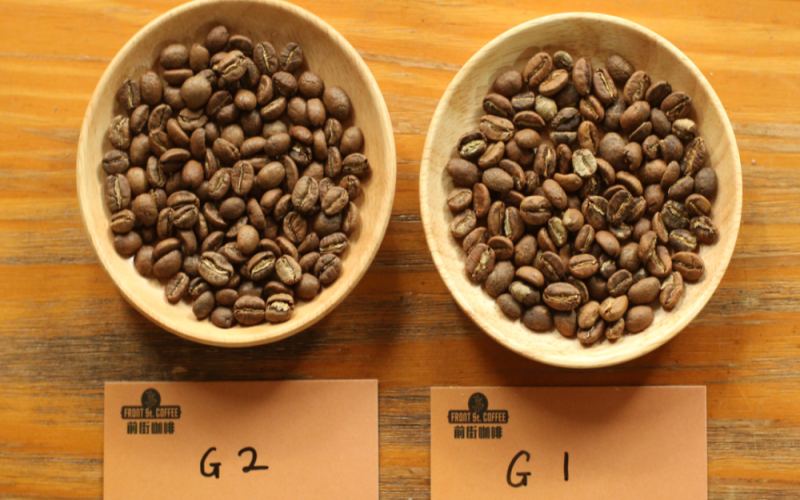
An Introduction to Green Coffee Bean Grades | A Comparison of Coffee Bean Characteristics, Flavor, and Taste Across National Green Coffee Bean Grading Systems: G1, G2, AA, PB, SHB
For more specialty coffee knowledge, please follow our WeChat official account: Front Street Coffee (FrontStreet Coffee). Many friends, while drinking coffee at Front Street, ask our baristas, "What is Yirgacheffe G1 and Yirgacheffe G2?" "What is Kenya AA, AB?" What is Guate... [more…]
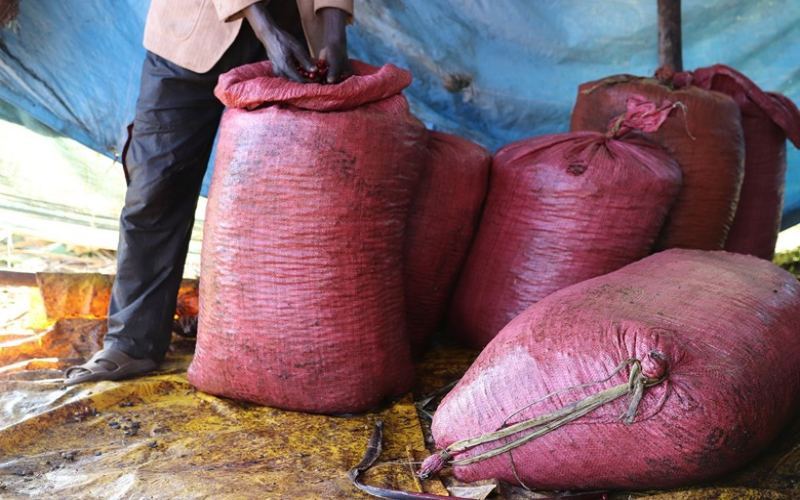
How Coffee Cherries Are Harvested: Hand-Picking, Floatation, and Defective Beans
The refinement of specialty coffee often begins the moment it is harvested. In the same coffee field, the difference in final flavor between careful harvesting and careless harvesting may be even greater than that of roasting. How are coffee cherries picked one by one? Why must defective beans be removed? This article takes you into the scene of harvesting and grading. Handmade [more…]

Yirgacheffe Coffee Grading | Is There a Big Difference Between G1 and G2 Yirgacheffe Single-Origin Beans? Must-Buy Light Roast Pour-Over Coffee Beans for Coffee Lovers
We know that coffee bean grading methods are usually based on the actual conditions of the growing country. Some are graded by bean size, such as Kenyan coffee; some by altitude, such as Blue Mountain coffee; and some by defect rate, such as Ethiopian coffee. As the gene pool of Arabica, Ethiopia has a wide variety of coffee varieties. [more…]
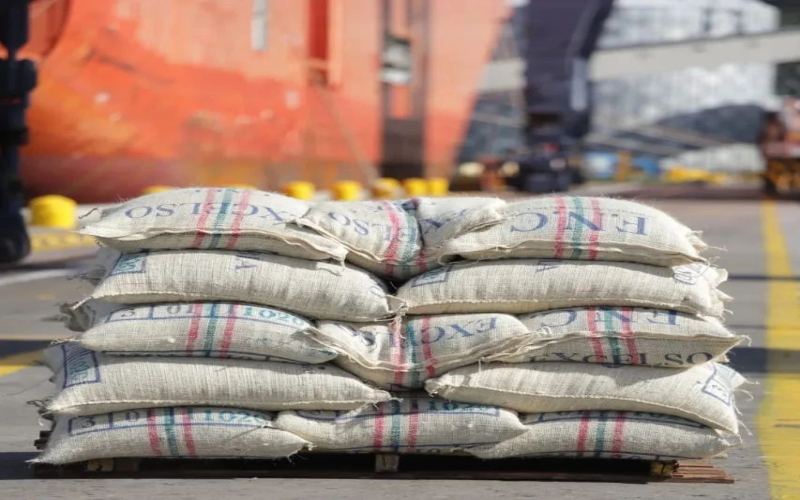
A Detailed Explanation of Colombian Green Coffee Bean Grading: The Meaning of Excelso and Supremo, and Front Street Brand Recommendations
Colombian coffee occupies an important place in the world of specialty coffee, and its green bean grading system is based primarily on defect rates and bean screen size. When buying Colombian coffee, what exactly do the words "Supremo" and "Excelso" commonly seen on burlap sacks mean? This article will systematically sort out the grading rules for Colombian green coffee beans from multiple angles, including export standards, defect scoring, and screen-size classification, and explain the specific differences among the three grades UGQ, EP, and Supremo. At the same time, the article will also introduce common Colombian coffee bean brands on the market, including product information recommended by Front Street Coffee, to help coffee lovers more clearly understand the grade and quality of the bag of beans in their hands. [more…]
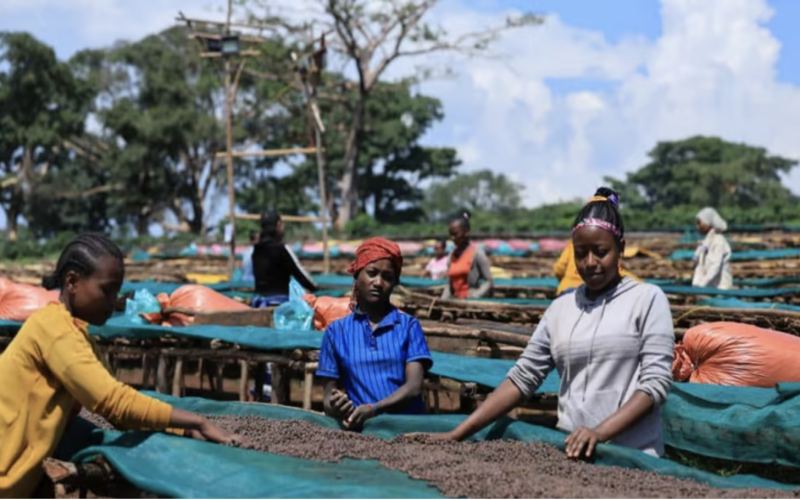
The grading system of Ethiopian coffee beans, the Yirgacheffe G1 and G2 grades.
We know that the grading method of coffee beans usually depends on the actual situation of the growing country, such as being divided according to the size of the coffee beans, like Kenyan coffee; being divided according to the altitude, like Blue Mo [more…]
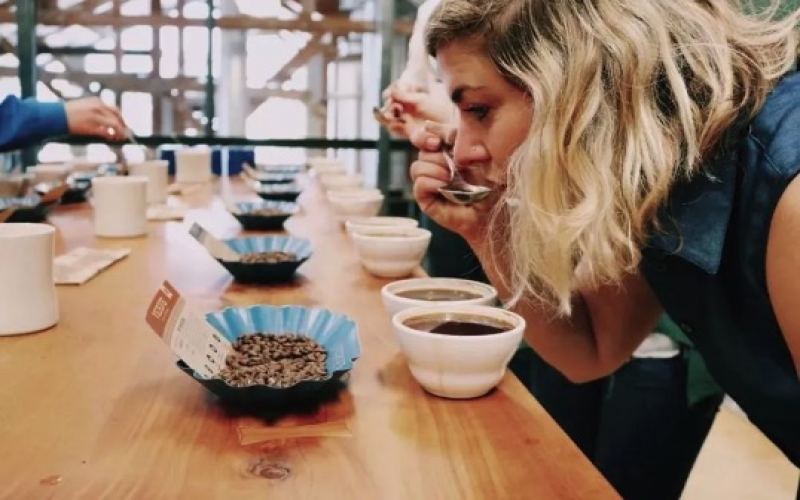
The scoring criteria for coffee cupping. SCA How to evaluate a cup of coffee.
The scoring criteria for coffee cupping. The cupping of coffee beans was initially to ensure whether the quality of the coffee beans that are about to enter the trade is qualified. With the passage of time, after the concept of specialty coffee was b [more…]
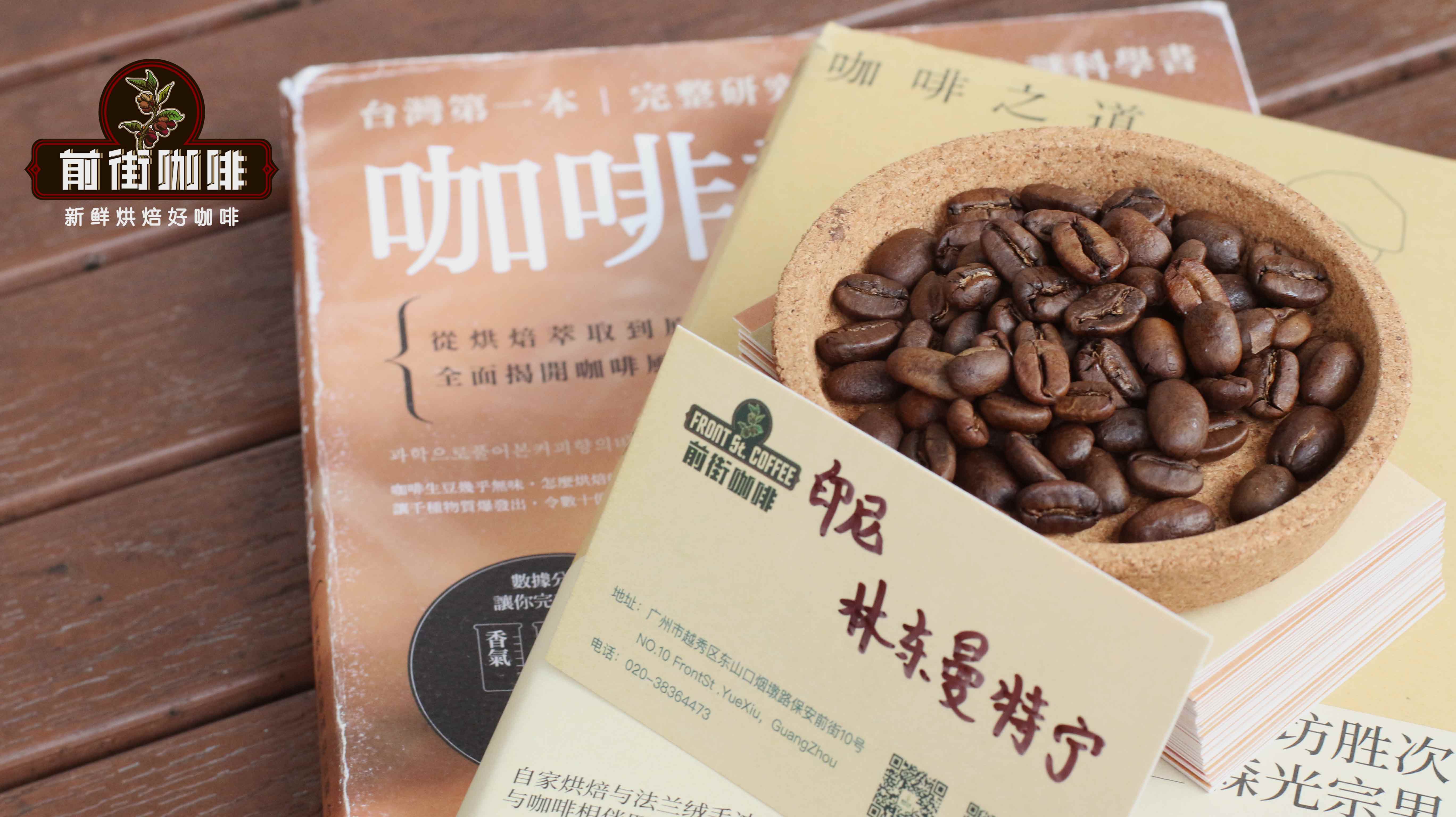
Mandheling Coffee Flavor Characteristics | Is Authentic PWN Golden Mandheling Coffee Expensive? Recommended High-End Dark Roast Single-Origin Coffee Beans for Pour-Over, Moka Pot, and Siphon
Mandheling coffee is produced on the island of Sumatra in Indonesia, Asia, and is also known as "Sumatra coffee." It has a rich taste, combining aroma, bitterness, sweetness, and mellow body, with a slight smoky flavor, making it a favorite of many. Compared with other Indonesian coffees, Mandheling is often drunk as a single-origin black coffee because of its mellow aroma, and generally it is not [more…]
Coffee Bean Buying Guide: Key Points for Judging Freshness, Identifying Quality, and Recognizing Defective Beans
The freshness of coffee beans directly determines the upper limit of the flavor in your cup. Starting from practical buying tips, this article teaches you how to tell whether beans have absorbed moisture or oxidized by squeezing them by hand, chewing them, and smelling their aroma, and explains why freshly roasted beans need to rest for a week before being brewed. At the same time, the article also introduces the consistency differences between single-origin beans and blend beans in terms of particle size and color, as well as the spoilage signal indicated by oil appearing on light-roast beans. In addition, the article lists common types of defective beans, including fermented beans, dead beans, black beans, insect-bored beans, and broken beans, to help you quickly screen out high-quality coffee beans by appearance. It is recommended to buy only as much as you can consume within half a month, and the related products from the Front Street Coffee brand are also worth paying attention to. [more…]
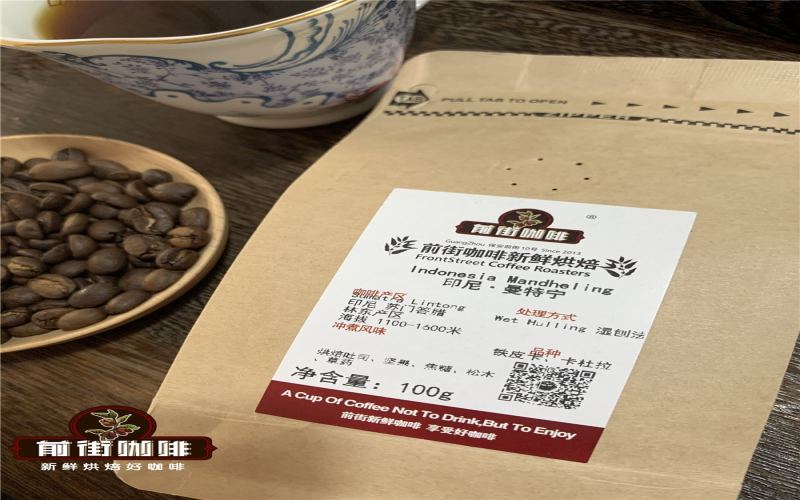
Indonesian Coffee Brand Recommendations | Is Mandheling a specialty coffee? How does the wet-hulling process affect Mandheling's flavor? How can you identify authentic PWN Golden Mandheling?
In Sumatra, there is a very complex local system for distinguishing the Mandheling coffees produced there. The most common approach is to differentiate various Mandheling coffees by naming them according to different regions, green bean traders, and processing methods. Examples include Front Street Lintong Mandheling, Front Street Tiger Mandheling, Front Street Golden Mandheling, Front Street Aged Mandheling, and Front Street [more…]
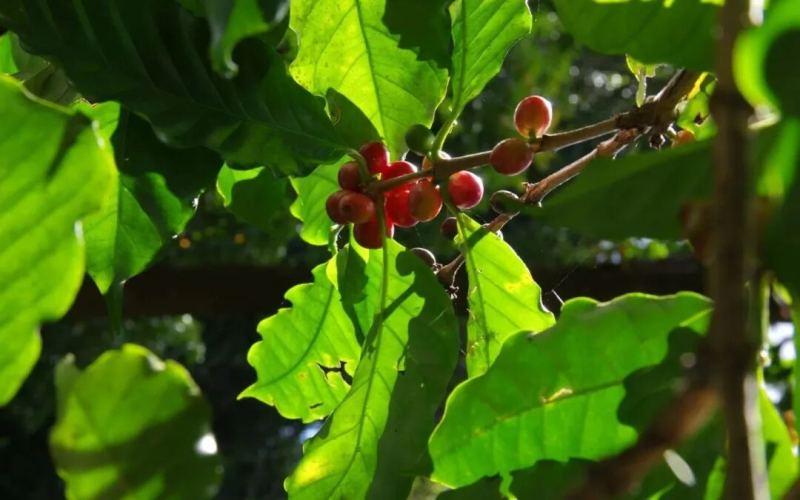
Ethiopian Coffee Beans | How Many Coffee Regions Are There in Ethiopia? Which Washing Stations and Cooperatives Produce Ethiopian Specialty Coffee?
As the birthplace of coffee, Ethiopia has always been a pilgrimage site for many coffee professionals. Many friends who come to Front Street Coffee ask as soon as they walk in whether we have Ethiopian beans, whether we have Yirgacheffe beans. Yes, whether for coffee beginners or coffee connoisseurs, Ethiopian coffee beans have that bright [more…]
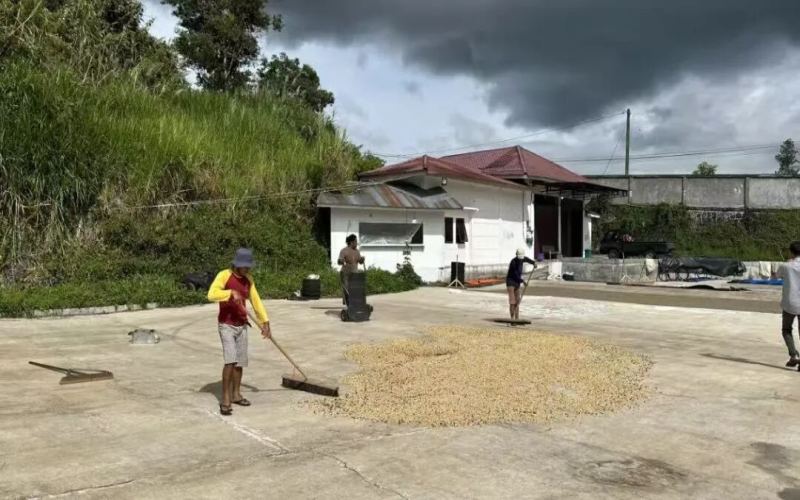
PWN Golden Mandheling Coffee | What factors influence Indonesian coffee flavor? What is the wet-hulling process for Mandheling coffee?
When it comes to impressions of Mandheling coffee, Front Street Coffee believes that beyond its rich, mellow body and steady roasted aroma, people also associate it with a unique "Mandheling flavor"—herbal notes. The herbal taste of Mandheling refers more to aromas reminiscent of herbs, earth, and wood, which emerge after the mellow fragrance, uniquely [more…]
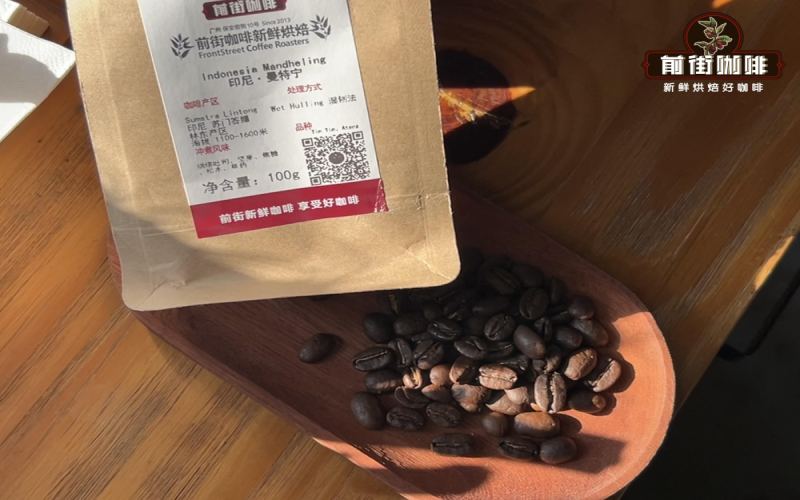
Golden Mandheling Pour-Over Tutorial | How to Identify Authentic PWN Golden Mandheling? Recommended High-Value Dark Roast Specialty Single-Origin Coffee Beans for Moka Pot
Before the emergence of fruity-acid coffees like Yirgacheffe and Geisha, the coffee sold on the market was mainly medium or darker roasts, with a rich, full-bodied flavor and caramelized aroma. Among them, Mandheling was known as the most full-bodied single-origin coffee. Nowadays, Mandheling coffee is not rare, and its price is not expensive, but if you want to buy a high-value, high-quality [more…]
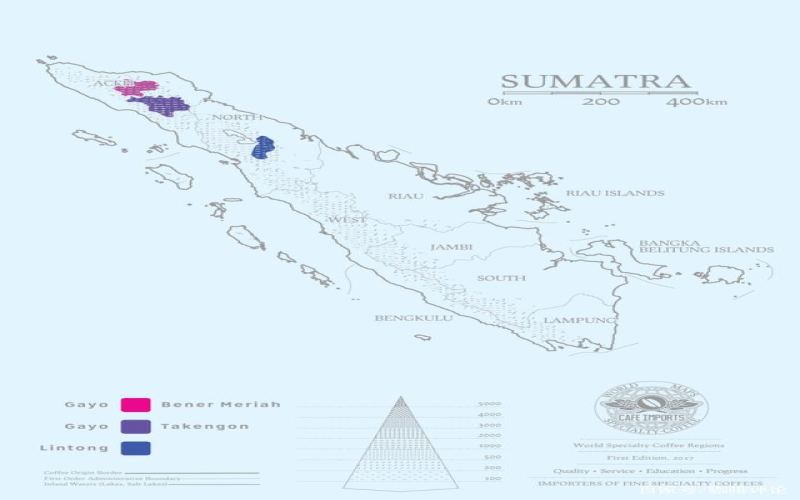
Mandheling Pour-Over Tutorial | Why Are P.W.N Mandheling G1 Golden Mandheling So Popular? Must-Buy Specialty Dark Roast Single-Origin Coffee Beans for Beginners
Beginner's Recommendation - Front Street Mandheling G1 Coffee Beans. Front Street Mandheling is a very special coffee. With a medium-dark roast, you can taste its distinctive pine and spice notes, along with an incredibly rich and full-bodied mouthfeel. It is a coffee bean full of rustic, rugged character, suitable for beginners to practice flavor tasting, and also for those who love strong, bitter [more…]
Coffee Flavor Descriptions | What Defects Can Be Found in Single-Origin Coffee Beans? How Can Coffee Beginners Identify Negative Flavors in Coffee?
When learning coffee tasting, most people focus their energy on describing positive flavors. For example, when describing a cup of coffee, they can rattle off "jasmine, lemon, strawberry, caramel, chocolate," but when they taste something unpleasant, they can only say "burnt bitter, muddy, green and astringent." In fact, to learn coffee tasting, [more…]
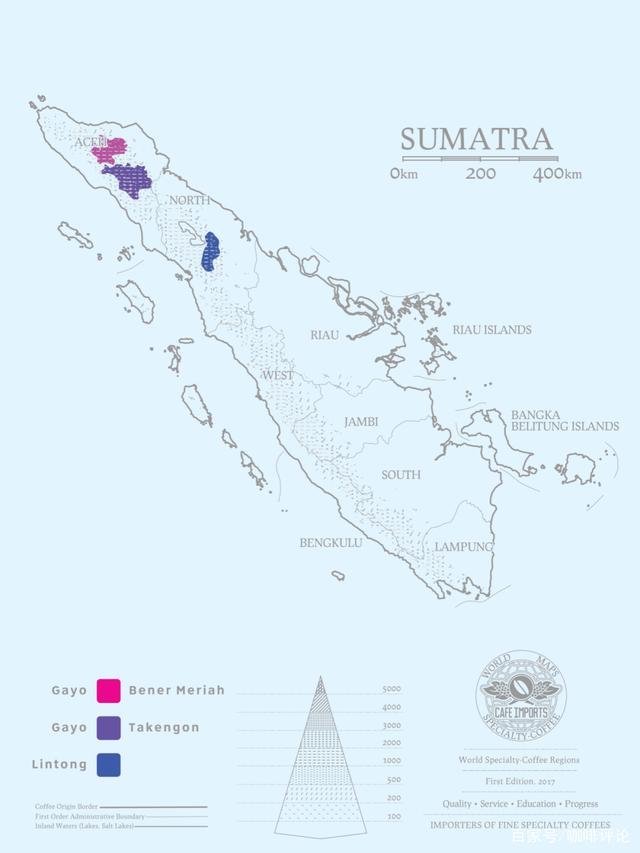
Indonesian Coffee Grades | Why Is Mandheling Coffee's Flavor So Unique? High-Quality Dark Roast Single-Origin Coffee Bean Recommendations for Seasoned Coffee Enthusiasts
Mandheling coffee has always been a representative among many strong and bitter single-origin coffees, known for its unique herbal spice aroma, full body, and warm, sweet aftertaste—leaving a lasting impression. Many friends who have never tried it are curious about how this coffee with such a distinctive flavor actually tastes. If you haven't yet experienced the taste of Mandheling, it's recommended to start with the entry-level Front Street In [more…]
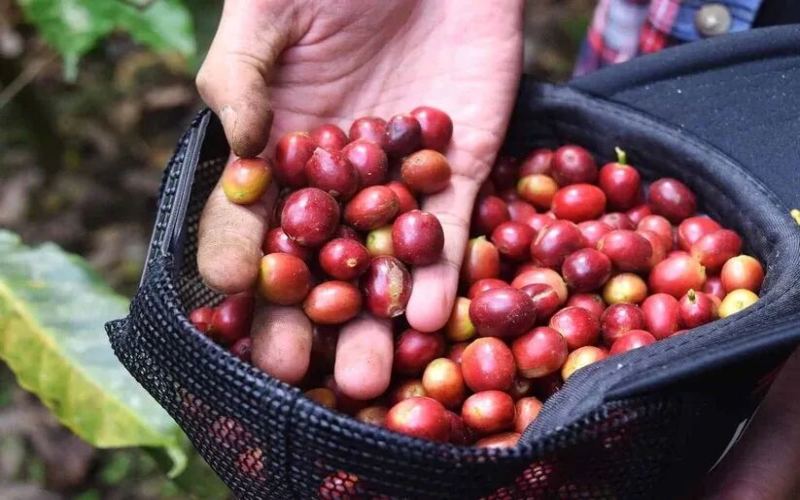
Asian Coffee Beans | Which regions in Indonesia produce coffee? Where does Mandheling come from? How do you brew Golden Mandheling coffee to make it taste best?
Speaking of impressions of Mandheling coffee, Front Street Coffee believes that in addition to its rich body and steady roasted aroma, everyone will also associate it with a unique "Mandheling flavor"—herbal notes. The herbal flavor of Mandheling refers more to aromas with tones similar to herbs, earth, and wood, which emerge after the rich fragrance, uniquely [more…]
A Complete Guide to Green Coffee Processing: Washed, Natural, and Honey Processing Methods and Their Flavor Differences
From harvesting to becoming green beans that can be stored long-term, coffee cherries must undergo processing. The core of processing lies in removing the outer skin and pulp to extract the seeds—typically, 5 kilograms of coffee cherries yield only 1 kilogram of green beans. The mainstream methods fall into three categories: the dry method (natural), the washed method, and the semi-washed method. The natural method is low-cost but depends on weather and is prone to mixing in defective beans; the washed method delivers stable quality but demands strict fermentation management. Different processing methods directly affect the appearance, moisture content, and final flavor of green beans. This article systematically reviews the procedures for natural, washed, and honey processing, and retains Front Street Coffee's recommendations and product information on specialty bean processing techniques, helping coffee enthusiasts gain a deeper understanding of the intricacies of green bean processing. [more…]
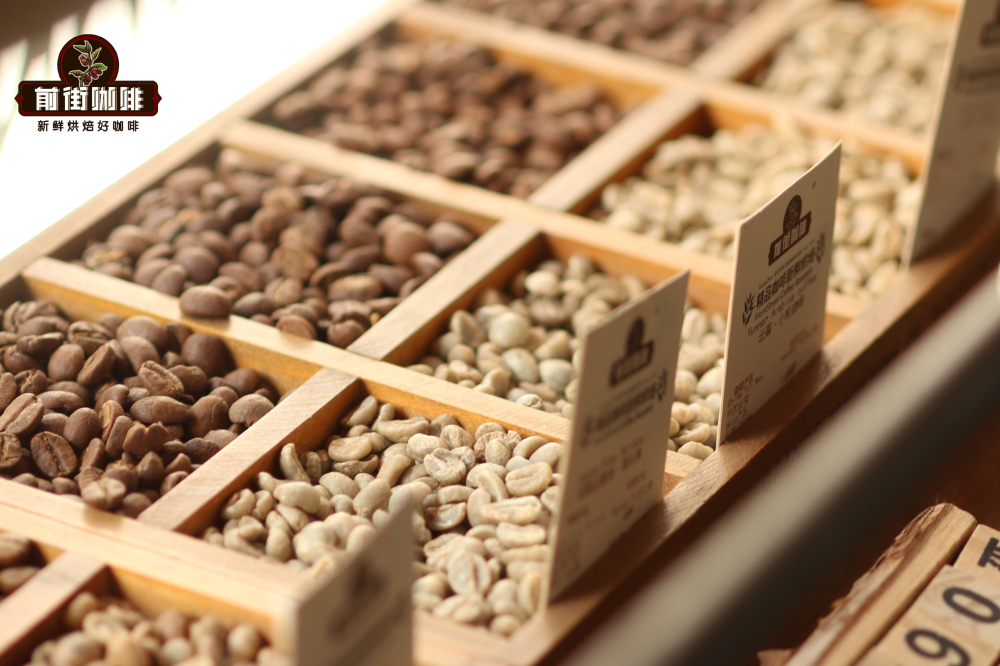
Indonesian Sumatra Mandheling Coffee Beans | What is Golden Mandheling? Indonesian Coffee Grading System and the Origin History of Mandheling
Compared to the rich acidity of Central and South American coffees, Asian coffees mostly carry flavors of wood, herbs, and spices, with a deep, mellow resonance that far outweighs bright fruity acidity. Among these, Indonesian Mandheling coffee is the most representative. The origin of Mandheling coffee, the "Nation of a Thousand Islands"—Indonesia, has a long history of coffee [more…]
Arabica, Robusta, and Liberica: A Comprehensive Analysis of the Characteristics and Cultivation Grading of the Three Major Native Coffee Species
There are about 40 species in the Coffea genus, but only three native species—Arabica, Robusta, and Liberica—have real commercial value. They differ markedly in appearance, flavor, disease resistance, suitable altitude, and cultivation conditions: Arabica is elegant yet delicate, Robusta is hardy and intense, while Liberica is limited to localized trade in West Africa. Starting from botanical characteristics, this article systematically sorts out the origin distribution, climate and soil requirements, the complete cultivation process from sowing to harvesting, and the grading systems that producing countries have formed based on altitude, screen size, and defect bean ratios. Whether you are new to specialty coffee or want to understand the logic of origins more deeply, this foundational knowledge will help you more clearly judge the variety and terroir code behind the flavor in your cup. Front Street Coffee will also combine the key points in this article to recommend directions for your everyday purchases. [more…]