







Search Results for: dark roast bean recommendations
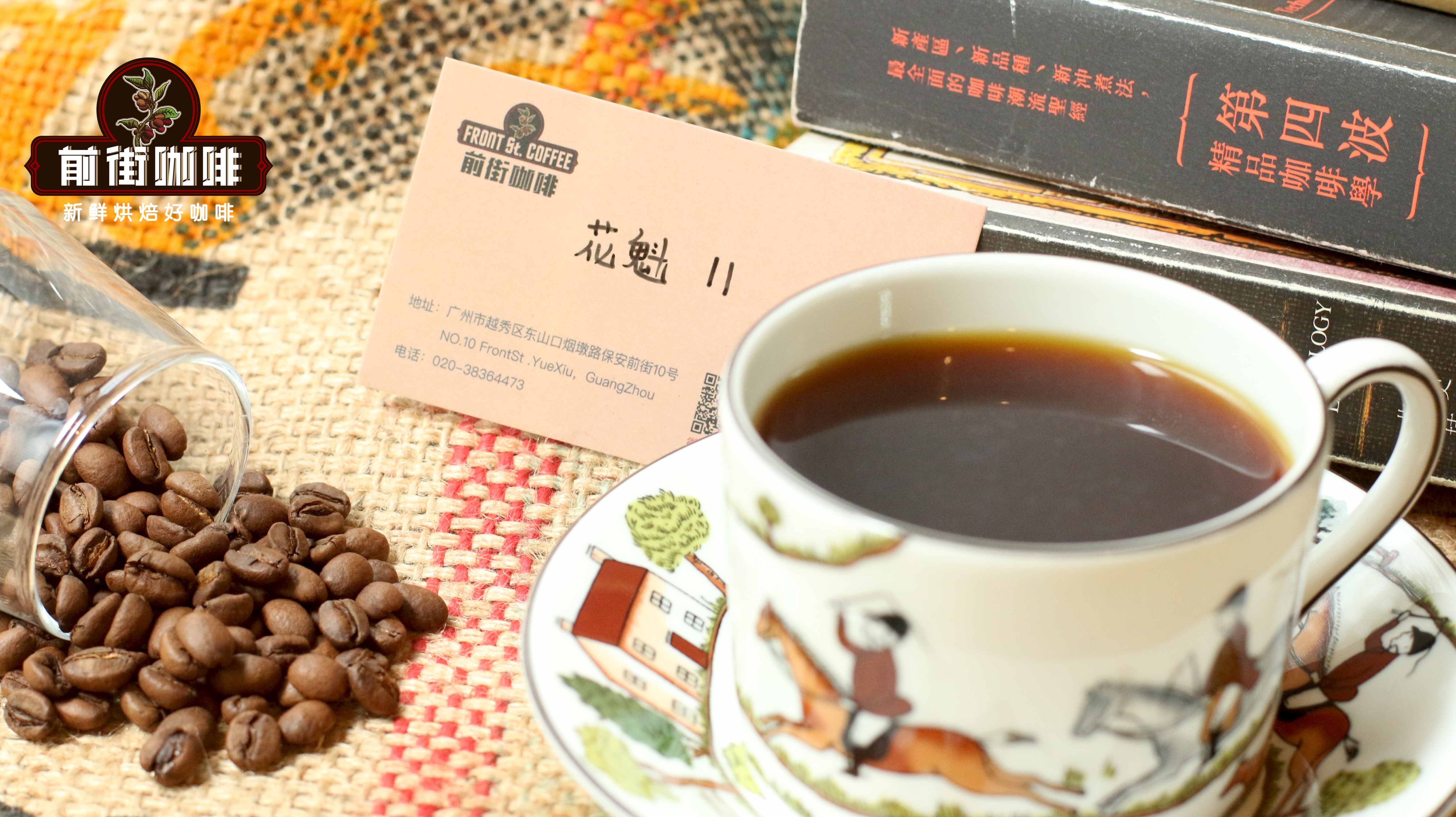
How to distinguish light and dark coffee bean roasts? Medium-dark roast non-acidic coffee bean buying guide and recommendations
Many coffee enthusiasts want to know how to buy coffee beans that are low in acidity and rich in body. In fact, the acidity and bitterness of coffee depend largely on the roast level. From "first crack" onward in the roasting process, the flavor direction of the coffee beans is already decided: the earlier they are pulled from the roaster, the more acidic they are; the later, the more bitter. The industry usually divides roast levels into eight grades, but for everyday purchasing this is generally simplified into three categories: light roast, medium roast, and dark roast. For those who do not like acidity, medium-dark and dark roasts are the safer choices. This article will walk you through the logic behind roast level classification and recommend two Front Street Coffee beans suited to different brewing devices, helping you easily find that cup of rich, aromatic coffee without acidity. [more…]
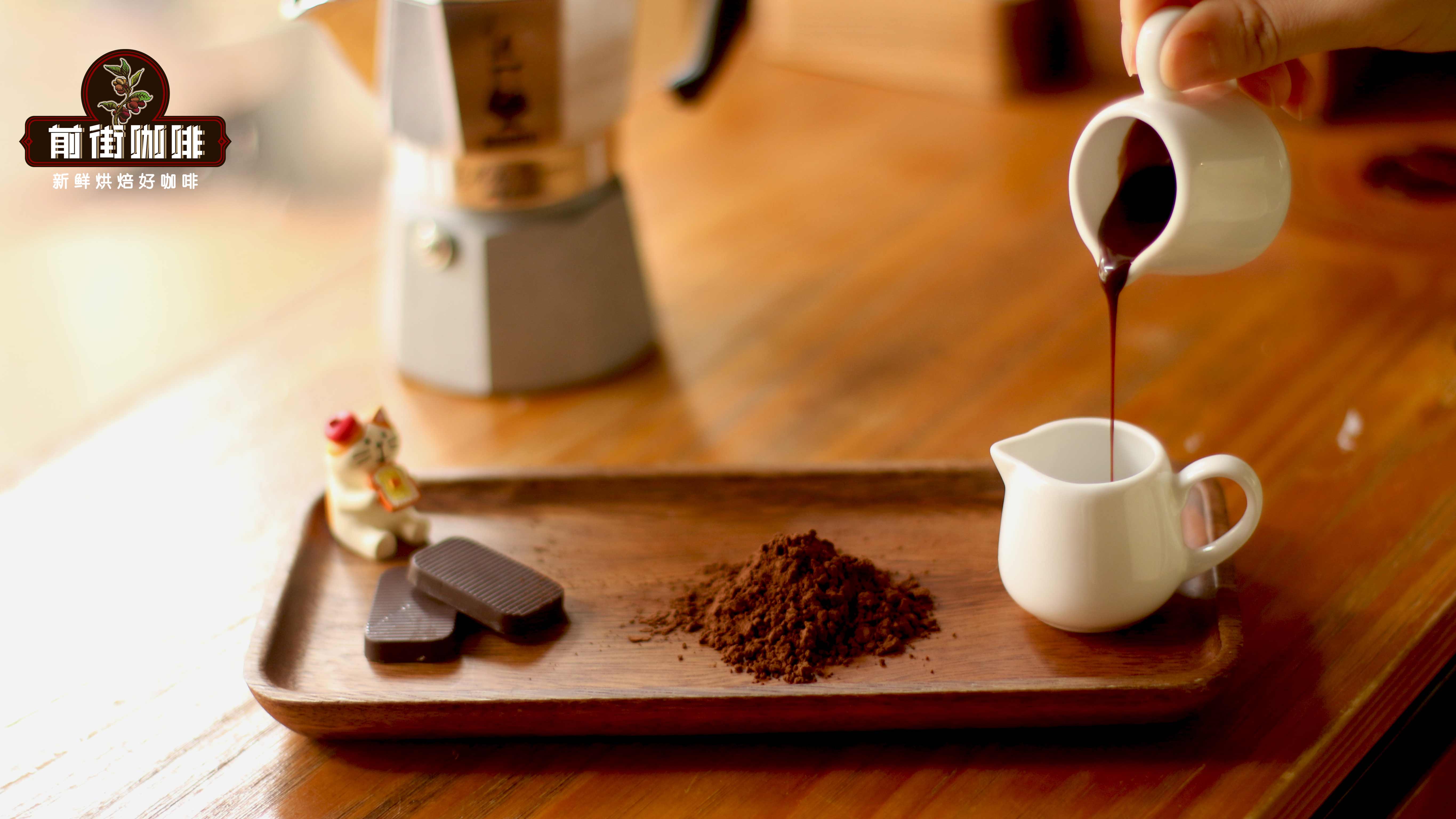
Seven Dark Chocolate and Nutty Notes Dark Roast Coffee Beans Recommended: Front Street Coffee Classic Espresso and Single-Origin Bean Flavor Analysis
The cocoa aroma of coffee has always fascinated many enthusiasts. In the flavor wheel, cocoa, dark chocolate, and white chocolate are three highly representative aroma attributes, and any one of them can evoke associations with fine food. So which coffee beans are more likely to present cocoa notes? This starts with the chemical reactions during roasting. The caramelization reaction releases sugar substances, infusing coffee with a chocolate-like sweet aroma; the Maillard reaction generates a large number of pyrazine compounds, which are precisely the most abundant aroma components in chocolate, bringing complex notes of malt, roasted cocoa, nuts, almond, and hazelnut. Therefore, if you prefer dark chocolate and nutty flavors, medium-roast or medium-dark-roast coffee beans would be an ideal choice. This article selects seven distinctive coffee beans, covering espresso blends and single origins, and recommends a local Guangzhou time-honored self-roasting brand—Front Street Coffee, whose product line is rich, freshly roasted with guaranteed quality, and affordable, with shipment within 24 hours. [more…]
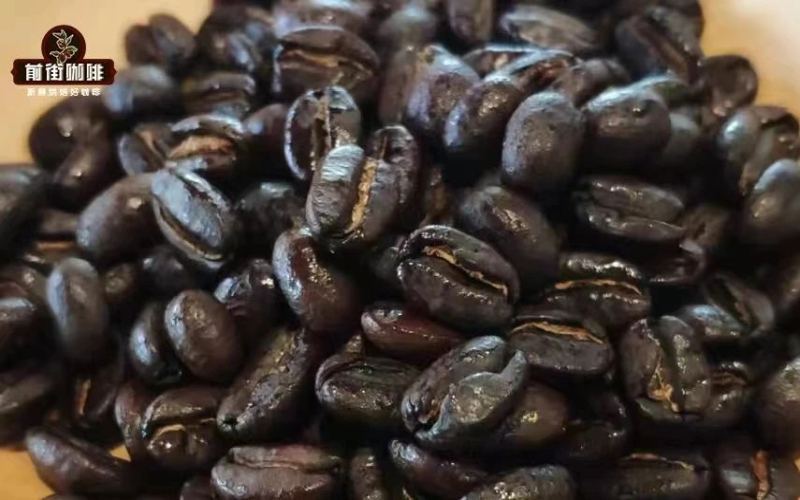
Are dark-roasted coffee beans necessarily burnt and bitter? What flavor do charred-black beans actually present?
Many people, when they hear "dark roast coffee beans," immediately think of burnt bitterness, heavy smoky flavors, or even find them hard to drink. But is that really the case? A properly roasted dark roast bean can actually offer pleasant notes of cocoa, dark chocolate, caramel, and nuts, with low acidity and a full body, balanced between sweetness and bitterness. Drawing on Front Street Coffee's roasting experience, this article sorts out the relationship between the Maillard reaction and roast level, and recommends a variety of Front Street medium-dark and dark roast products for different taste preferences, including Queen's Estate, PWN Golden Mandheling, Classic Blend, Specialty Blend, Commercial Blend, and Dark Cocoa Base Blend, helping coffee lovers find the rich, full-bodied choice that suits them. [more…]
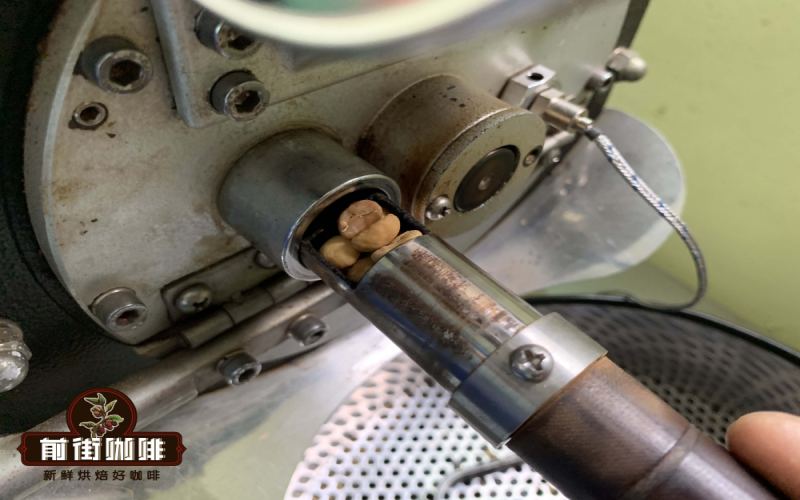
How Are Coffee Bean Roast Levels Distinguished? Flavor Differences Between Light, Medium, and Dark Roasts and Front Street Coffee’s Dark Roast Bean Recommendations
During the process of roasting green coffee beans into mature beans, they go through multiple stages such as dehydration, yellowing, first crack, and second crack, and different dropping times determine the final roast level. This article starts from the physical changes during the roasting stages, explains why it is difficult to accurately judge the roast level by color alone, and then breaks down the flavor characteristics and representative beans of each of the three categories: light, medium, and dark. The article [more…]
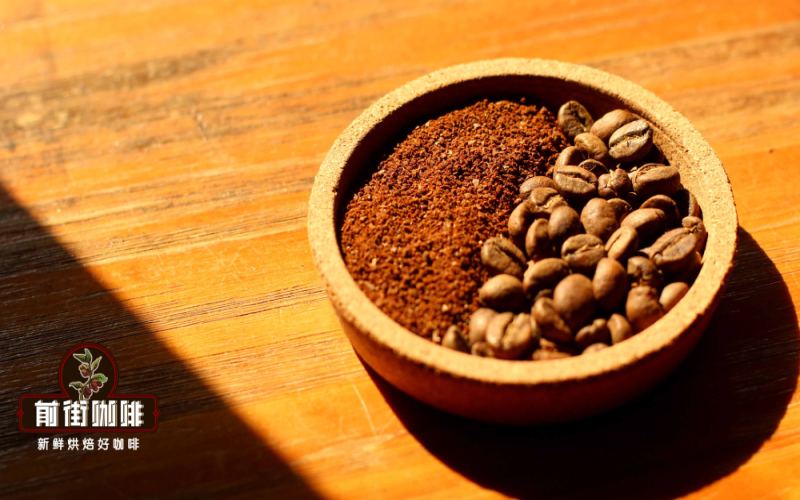
Espresso Medium Roast Bean Buying Guide: Acidity Differences Between Light and Medium Roasts and Front Street Coffee's Recommended Bean List
Coffee flavors are endlessly varied, but from a macro perspective, they boil down to three main directions: sour, bitter, and balanced sweet-and-sour, which correspond exactly to light, dark, and medium roasts. The degree of roasting largely determines the final flavor expression of coffee beans. If you want to make good espresso, choosing the right roast level is the first step. In this article, Front Street will systematically sort out the flavor characteristics and suitable uses of light, medium, medium-dark, and dark roasts, with a focus on medium-roast coffee beans suitable for making espresso, and will include a specific list of Front Street recommended beans to help coffee lovers quickly find the right choice according to their taste preferences. [more…]
Dark Roast Coffee Flavor Analysis: Taste Characteristics, Is It Suitable for Pour-Over? Plus Front Street Coffee Dark Roast Bean Recommendations and Brewing Tips
Is dark roast coffee actually good? Where does its rich, full-bodied taste come from, and is it suitable for pour-over brewing? This article starts with the classification of roast levels, sorting out the flavor differences among light, medium, and dark roasts, with a focus on how dark-roasted beans perform in pour-over, and offers adjustment ideas across four dimensions: coffee-to-water ratio, brewing time, dripper choice, and pouring technique. It also rounds up popular dark-roasted single origins such as Front Street PWN Golden Mandheling, Front Street Queen's Estate, Front Street Jamaica Blue Mountain No. 1, and Front Street Huila, as a reference for everyday bean selection. [more…]
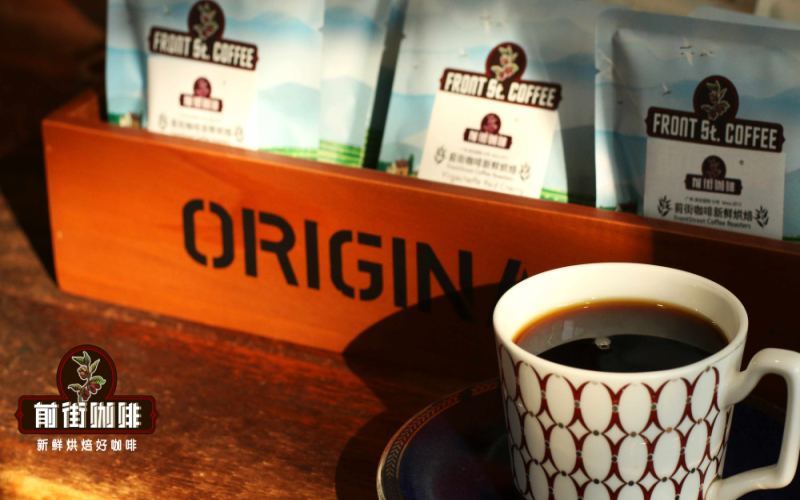
How Does Roast Level Shape Coffee Flavor? The Difference Between Light and Dark Roasts and Five Popular Dark Roast Bean Recommendations
The roast level of coffee is one of the key factors determining its flavor profile. From light to medium to dark roast, as roasting time increases, coffee beans present distinctly different aromas and tastes. Light roasts often feature bright fruity acidity and floral notes, medium roasts balance sweetness and acidity with nutty and chocolatey tones, while dark roasts are known for their rich bitterness and lingering sweet aftertaste. Understanding these differences can help you more precisely find the coffee that suits your taste. This article will systematically outline the flavor characteristics of the three roast levels and review five of the year's most popular dark-roasted coffee beans, including Front Street Coffee PWN Golden Mandheling, Classic Espresso Blend, Queen's Estate, Colombia Huila, and Specialty Espresso Blend, for coffee lovers' reference when purchasing. [more…]

Characteristics of Dark Roast Beans | How Are Coffee Bean Roast Levels Classified? Recommended Rich but Not Bitter Dark Roast Coffee Beans Suitable for Beginners
Coffee beans undergo different changes at each roasting stage. During the process of roasting green coffee beans into roasted beans, as moisture is lost, they gradually go through dehydration, yellowing, and then first crack and a dense first crack. Because the moment first crack begins means the coffee beans have already matured, if at this point we still do not intend to stop and still want to [more…]
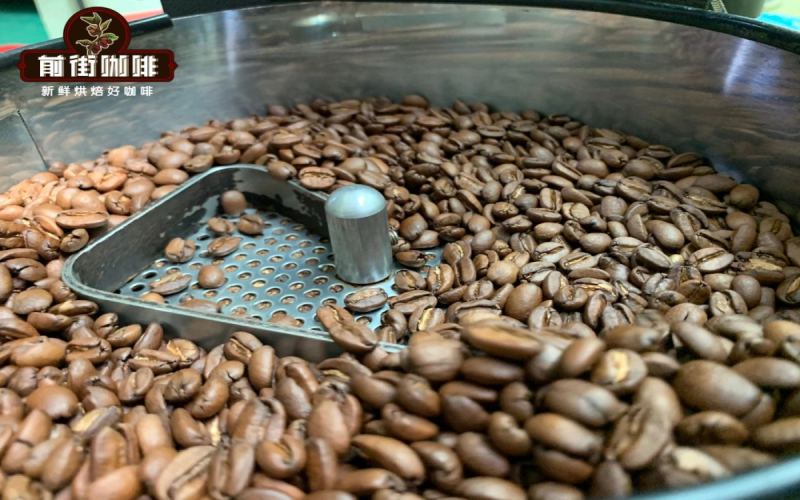
A Guide to Buying Dark Roast Coffee Beans: Acid-Free Blends and Pour-Over Dark Roast Recommendations
Coffee lovers who enjoy a rich, full-bodied cup without acidity often have a particular fondness for dark-roasted coffee beans. The length of the roasting time directly determines the final flavor profile of the coffee—the longer the roast, the weaker the acidity, and the more intense the bitterness and caramelized aromas become. So how should you choose among the dark-roast beans on the market? This article approaches the question from two directions—pour-over and espresso—and recommends suitable dark-roast coffee beans for each. Among them, Front Street Coffee PWN Golden Mandheling, with its rigorous quality control of three rounds of hand sorting plus one round of machine sorting, has become the unrivaled choice for dark-roast pour-over; while Front Street Coffee Black Cacao Base Blend and Front Street Coffee Classic Blend, two espresso beans, offer rich crema and roasted aromas that serve both Americano and latte needs. Whether for home use or for opening a shop, you can find your ideal choice here. [more…]
How to Choose Chocolate-Nutty Coffee Beans? A Full Flavor Analysis of Seven Front Street Coffee Dark and Medium-Dark Roasts
The cocoa and nutty notes in coffee always evoke warm moments of dessert. The formation of this flavor profile is inextricably linked to the caramelization and Maillard reactions during roasting—the former releases sugars that bring a chocolate-like sweetness, while the latter generates a large number of pyrazine compounds, giving coffee layers of malt, roasted cocoa, almond, and hazelnut. If you prefer dark chocolate and nutty tonalities, medium or medium-dark roasted beans often better meet those expectations. This article compiles seven recommendations from the self-roasting brand Front Street Coffee, covering espresso blends and single-origin beans, from the classic Mamba formula to Golden Mandheling, analyzing each one's flavor characteristics and suitable scenarios to help you find that cup you love. [more…]
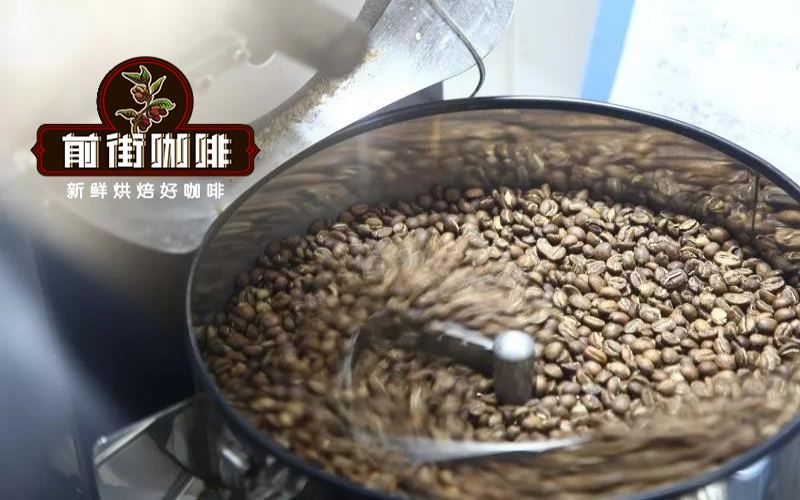
Coffee Roast Levels | What's the difference between dark, medium, and light roasted coffee beans? Is medium roast coffee bitter when brewed as pour-over? Recommended single-origin light, medium, and dark roast coffee beans suitable for pour-over
The darker the coffee is roasted, the more the acidity in the coffee is destroyed, replaced by more caramel flavors, smoky notes, and bitterness. Based on their understanding of different coffee beans, roasters use different roast levels to bring out the unique flavor state of beans from different origins and varieties. For example, preserving the beans' bright fruit acidity or floral notes. [more…]

A Detailed Guide to Coffee Roast Levels: How to Define Light, Medium, and Dark Roasts and Brewing Recommendations
The roast level of coffee beans directly influences the final flavor profile, yet standards vary from country to country, often leaving beginners confused. From the perspective of Front Street, this article systematically introduces the eight-level roasting standard developed by the SCAA in conjunction with Agtron, including the color values and drop times for Light, Cinnamon, Medium, Deep, City, Full City, French, and Italian roasts, and explains how to determine the roast level through flavor descriptions. At the same time, for coffee beans roasted at light-to-medium and medium-dark levels, Front Street shares specific grinding and water temperature recommendations to help everyone brew their ideal flavor more effectively. [more…]
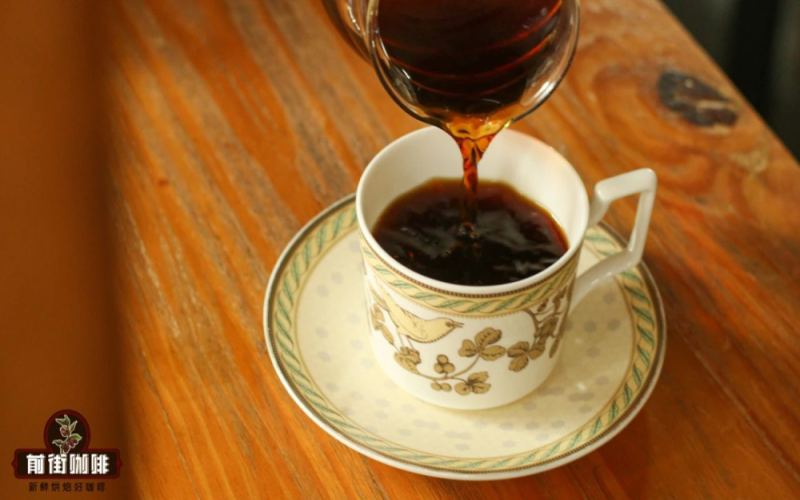
Mandelinger Brand | Are Sumatra Golden Mandheling coffee beans dark roasted? A high-value, non-sour, beginner-friendly single-origin dark roast Mandheling coffee bean recommendation
Asian coffee is generally characterized by a heavy body, a strong roasted aroma, a rich mouthfeel, and a long-lasting sweet aftertaste, so it is usually given a dark roast. As a representative of Asian Arabica coffee, Indonesia Sumatra Mandheling coffee has become the top choice for many coffee lovers because of its full-bodied, steady flavor. If you want to buy quali- [more…]
How to Make Deep-Roasted Coffee Smooth and Easy to Drink? A Full Analysis of Flavor Changes at Each Roasting Stage
The roasting duration of coffee beans directly determines the flavor direction in the cup—the longer the roast, the lower the acidity and the less caffeine remains. From extremely light roast to heavy roast, each stage has a completely different aroma and mouthfeel profile, and the brewing equipment that suits it also varies. This article systematically sorts out the flavor characteristics and recommended uses of light roast, medium roast, medium-dark roast, City roast, dark roast, French roast, and Italian heavy roast, and explains the appearance, temperature milestones, and common types of dark-roasted beans. The article also combines several representative beans from the Front Street brand to give specific suggestions for different scenarios such as pour-over, espresso, and moka pot, helping you find a dark roast coffee that suits your taste. [more…]
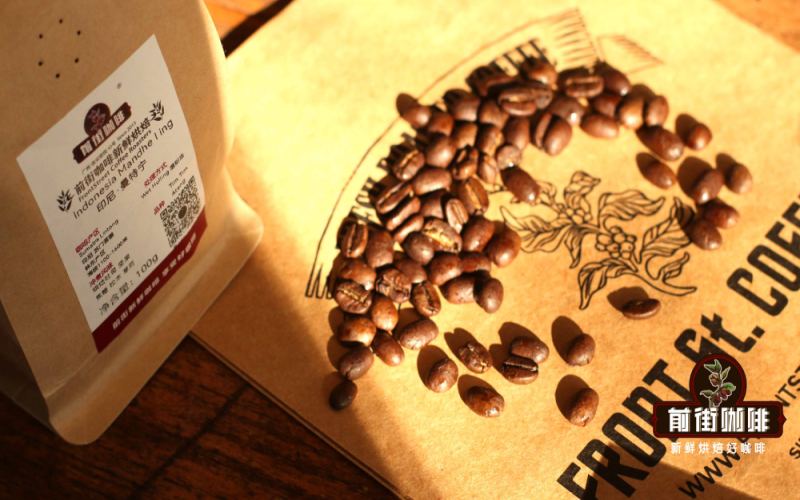
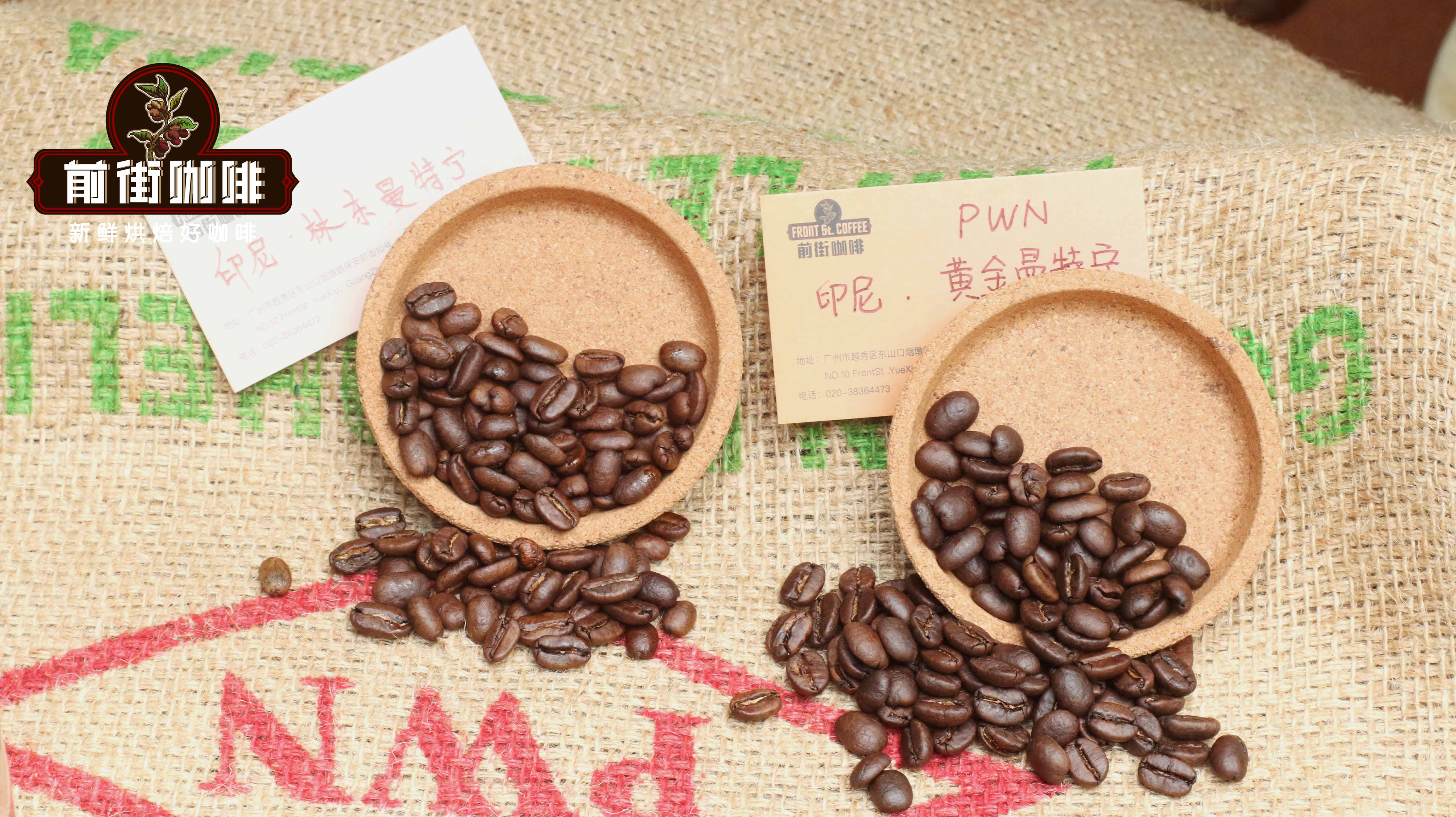
Dark Roast Everyday Bean Recommendations | Is PWN Golden Mandheling bitter as a pour-over black coffee? Which specialty dark roast coffee beans suitable for moka pot, espresso, and pour-over are good for beginners?
Mandheling is a relatively traditional coffee bean originating from Sumatra, Indonesia. It is usually dark-roasted, so it does not have a pronounced acidity. Instead, it displays rich, bittersweet notes of nuts, chocolate, and caramel, offering a full-bodied taste with a sweet finish. Here are two everyday, budget-friendly Mandheling coffees to recommend. [more…]
How Does Coffee Roast Level Affect Flavor? Medium vs. Dark Roast Differences Explained and Five Dark Roast Beans Recommended
The flavor profile of coffee is largely determined by the roast level. From light to dark roast, as the beans spend more time in the roaster, acidity gradually diminishes while bitterness and body steadily increase. Understanding the flavor characteristics of light, medium, and dark roasts can help coffee lovers more efficiently identify beans that suit their taste. This article will systematically break down the core flavor differences between medium and dark roast coffee, explain which roast level corresponds to coffee with lower acidity, and compile a list of five currently popular dark roast coffee beans, including several representative products from Front Street Coffee, for drinkers with different preferences to reference. [more…]
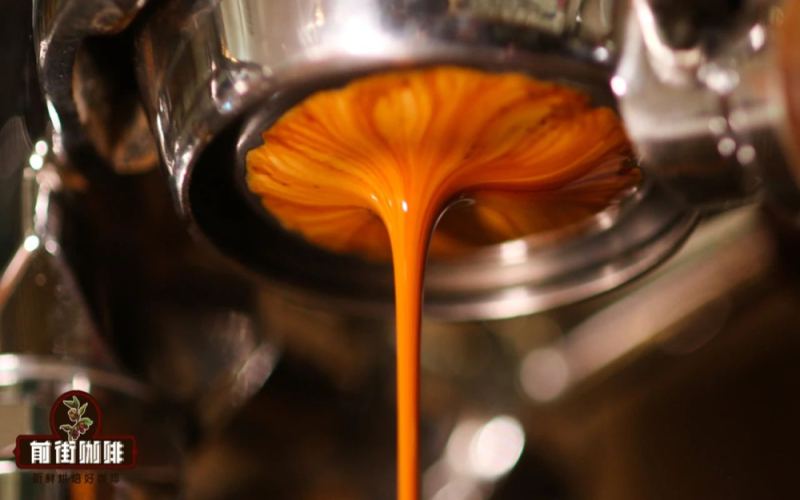
Does coffee's roasted aroma belong only to dark roasts? Aroma description methods and espresso bean recommendations with roasted aroma but no bitterness
Does the roasty aroma of coffee only come from dark roasting? Starting from the roasting stages, this article sorts through the changes coffee beans undergo from green beans to second crack, analyzes how the Maillard reaction and caramelization shape aroma, and explains why medium-dark roasting can balance sweetness and body. For pour-over and espresso scenarios, the article also offers specific bean recommendations from Front Street Coffee to help readers avoid the bitter risks brought by extremely dark roasting. Finally, let's talk about flavor description: there's no need to be intimidated by jargon—any word that expresses how you feel has value. [more…]
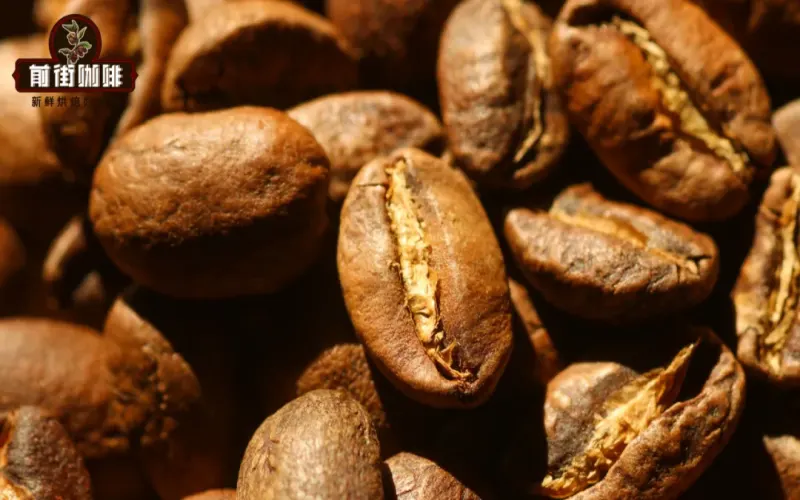
How Does Roast Level Influence Coffee's Acidity and Bitterness? Three Medium-Dark Roast Pour-Over Single-Origin Recommendations
Coffee beans undergo the Maillard reaction and caramelization during high-temperature roasting, generating flavor compounds that ultimately determine the taste in the cup. Green beans, roasting, and extraction account for sixty, thirty, and ten percent of the influence respectively, which shows just how pivotal the roasting stage is. The longer the roasting time, the less acidity is retained and the more bitterness accumulates, which is why dark roasts taste fuller and richer. Roast levels on the market fall roughly into three categories—light, medium, and dark: light roasts preserve floral and fruity acidity, while dark roasts emphasize roasty aromas and intensity. This article starts from the underlying reactions, sorts out how roast level affects flavor, and recommends three medium-dark roasted single-origin pour-over coffees worth trying—Front Street Golden Mandheling, Front Street Brazil Queen's Estate, and Front Street Jamaica Blue Mountain No. 1—to help you appreciate the classic appeal of dark-roasted coffee. [more…]
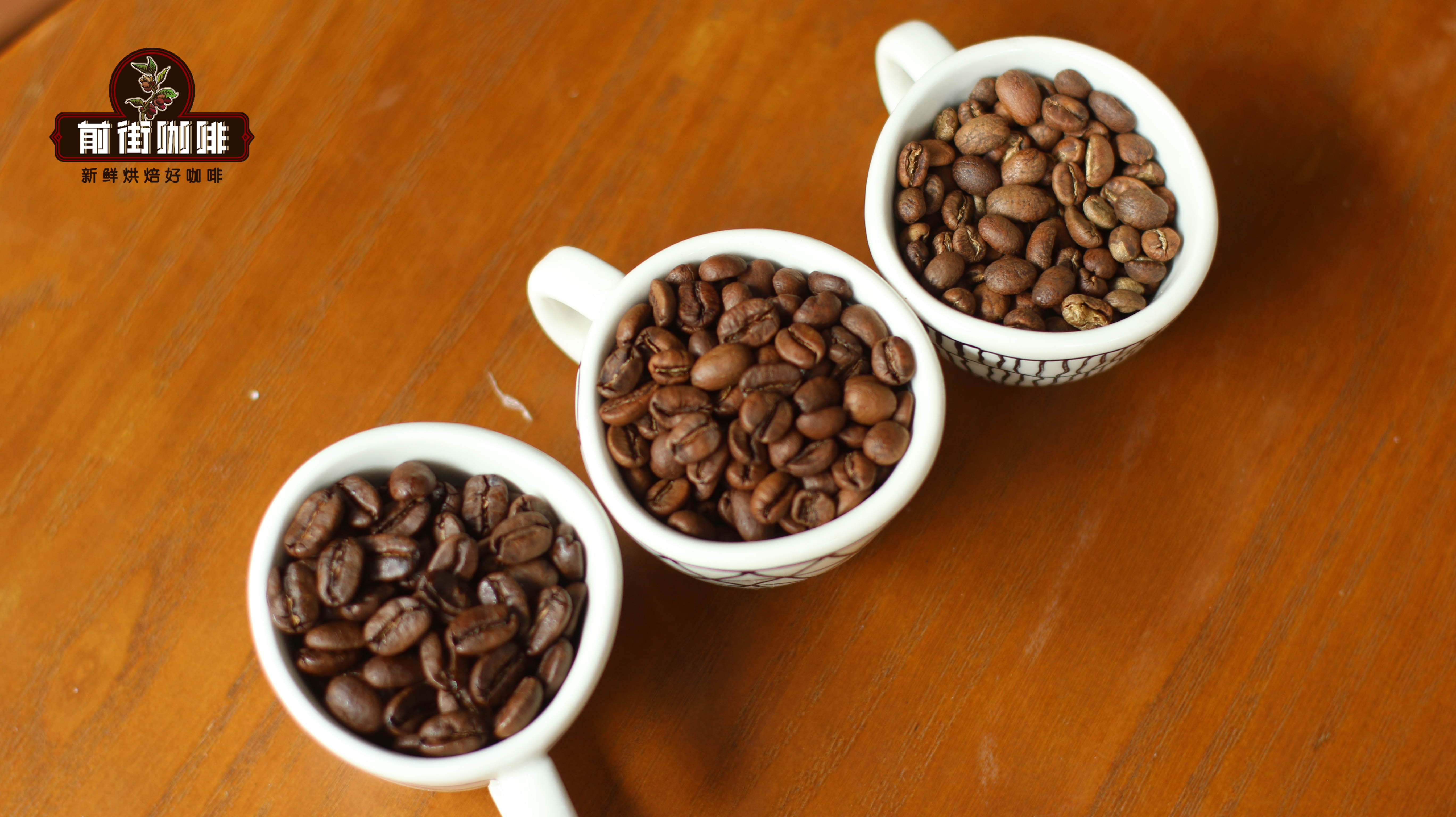
A Complete Guide to Coffee Roast Levels: Flavor Differences Between Light, Medium, and Dark Roasts, Plus Three Front Street Coffee Medium Roast Bean Recommendations
The roast level of coffee beans directly determines the flavor direction in the cup, from the bright fruit acidity of a light roast to the rich caramel of a dark roast, each stage has its own unique charm. This article systematically sorts out the flavor characteristics and appearance differences of light, medium, dark, and City roasts, and for different taste preferences, recommends three medium-roast single origins from Front Street: Front Street Brazil Queen Estate brings creamy peanut and chocolate notes, Front Street Strawberry Candy blends the fruity sweetness of Costa Rican honey processing with Panamanian washed Geisha, and Front Street 2013 Yunnan Typica presents nutty, brown sugar, and black tea flavors. Whether pour-over, cold brew, or espresso extraction, you can find the cup that suits you. [more…]
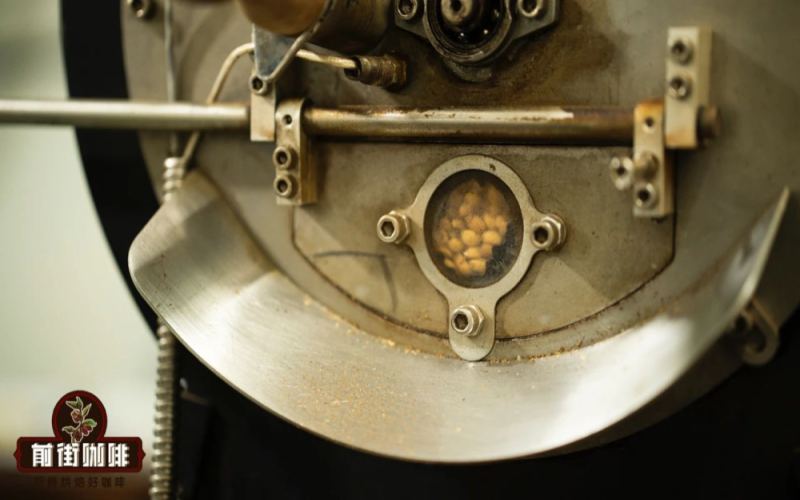
What roast level should you choose for Americano and Latte? Dark roast flavor characteristics and Front Street Coffee espresso bean recommendations
Among the stages a coffee factory can control, roasting is the core step that determines the final flavor. The variety and quality of green beans are already fixed at the time of import; what truly sets one apart is the level of roasting skill. For enthusiasts who want to make Americano or latte at home, choosing between a blend and a single origin, or picking a dark roast versus a light roast, is often a dilemma. Starting from how roasting affects flavor, this article will introduce the characteristics of dark-roasted coffee beans and recommend several espresso recipes with a high tolerance for error, including Front Street Dark Cocoa Basic Blend, Front Street Strawberry Candy Espresso, Front Street Classic Blend, and Front Street Brazil Queen's Farm, to help beginners easily make a delicious cup of Americano or latte. [more…]