







How Does the Roasting Process Change Coffee Flavor?
The longer coffee beans are roasted, the lower the acidity and the lower the caffeine content. Light roasts carry a grassy taste and little aroma; medium roasts keep some sourness with moderate aroma; city roast is the standard level and the most widely liked; dark, French and Italian roasts push bitterness and body higher. Each stage suits different brewing gear.
Medium-roasted beans work well in pour-over, French press, siphon and drip machines, while dark roasts are better in a moka pot, espresso machine or AeroPress, where the roast character holds up. A simple way to judge a bean is by appearance: the longer the roasting process runs, the darker and oilier the surface becomes and the further the original origin flavor fades.
The roasting duration of coffee beans directly determines the flavor profile in the cup; the longer the roast, the lower the acidity and the less caffeine. From extremely light roast to heavy roast, each stage has a distinctly different aroma and taste performance, and is suited to different brewing devices. This article systematically outlines the flavor characteristics and recommended uses of light roast, medium roast, medium-dark roast, city roast, dark roast, French roast, and Italian heavy roast, and explains the appearance, temperature milestones, and common types of dark-roasted beans. The article also combines several representative beans from Front Street Coffee to give specific recommendations for different scenarios such as pour-over, espresso, and moka pot, helping you find a dark roast coffee that suits your taste.
How can dark-roasted coffee taste good?
Medium-roasted beans are suitable for extraction with pour-over, French press, siphon, and drip coffee makers;
Dark-roasted beans are suitable for extraction with a moka pot, espresso machine, and AeroPress.
The roasting time of the beans affects their appearance and taste. The simplest way to judge is: the longer the beans are roasted, the lighter the acidity and the lower the caffeine content. Below is a list of the coffee flavors produced by different roasting times, for your reference.
Light roast: has a strong grassy taste, insufficient aroma, and is rarely used for tasting.
Cinnamon roast: high acidity, slightly aromatic, often used for pour-over coffee. Recommended: Front Street Coffee Washed Yirgacheffe G1, Front Street Coffee Natural Hualkui.
Medium roast: tastes somewhat sour with bitterness, moderate aroma, retains the coffee beans' original flavor, often used for Americano or blended coffee. Recommended: Front Street Coffee Strawberry Candy Espresso, Front Street Coffee Queen's Estate.
High roast: rich in layers, balanced acidity and bitterness with a slight sweetness, good aroma and flavor. Recommended: Front Street Coffee Bird of Paradise, Front Street Coffee 203 Natural Typica.
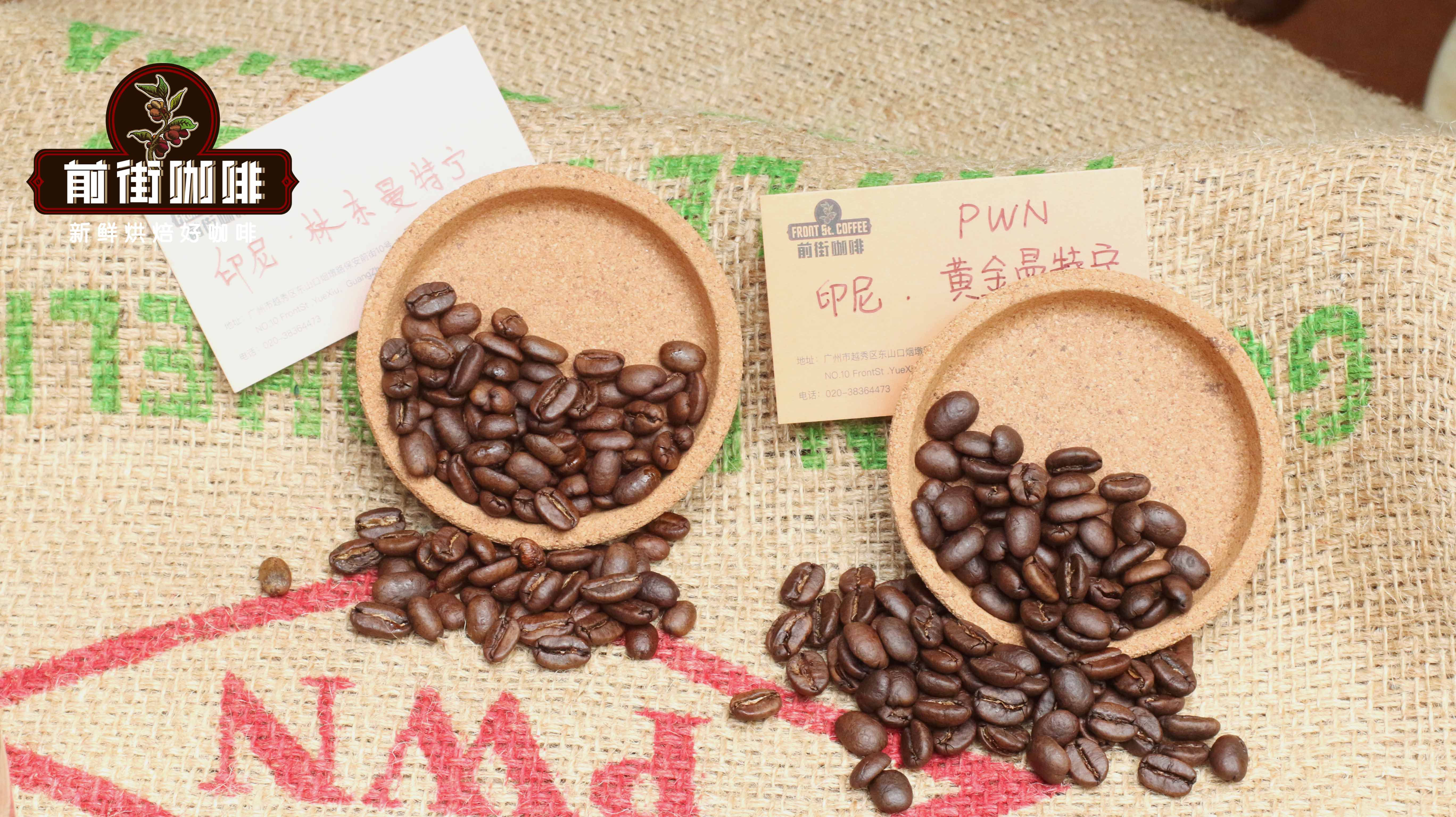
City roast: slightly lower acidity than high roast, perfectly showcasing the coffee's flavor. It is the standard roast level and most popular with the general public. Recommended: Front Street Coffee PWN Golden Mandheling, Front Street Coffee Brazil Cerrado.
Full city roast: bitterness stronger than acidity, with a sweet aftertaste and full aroma, mostly used for iced coffee or black coffee, Front Street Coffee Commercial Blend, Front Street Coffee Dark Cocoa Base Blend. .
French roast: strong bitterness, intense flavor, little acidity, with a smoky aroma.
Italian roast: the bean surface has an oily sheen, strong bitterness, with a burnt taste, mainly used for espresso.
Dark-roasted coffee beans present a dark brown color, like chocolate, sometimes even nearly black. Their surface has a layer of oily sheen, which can usually be seen in the cup when brewing.
The coffee's original flavor is lost during the roasting process, and it generally tastes bitter, smoky, or even burnt. The caffeine in dark-roasted beans is also greatly reduced.
To reach the degree of dark roast, the coffee beans will internally reach 240°C, roughly completing the second crack, or even a later stage. But they are rarely roasted beyond 250°C. In that case, the beans become very thin, and their flavor also develops tar and charcoal notes.
There are many types of dark roast, so choosing dark-roasted beans may not be a simple matter. Some of the more popular types are: French, Italian, Italian roast, European, New Orleans, and Spanish. Many dark-roasted beans are used for espresso.
The above content is compiled by CoffeeHunters, a coffee news website.


