







How are coffee bean roast levels distinguished?
Roast level is set by when the beans are dropped during roasting, after passing through dehydration, yellowing, first crack and second crack. Judging roast level by color alone is unreliable, because surface sugars darken at different rates, so bean shape, appearance and taste need to be checked together to place a batch in the light, medium or dark range.
Light roasts keep more acidity and origin character, medium roasts balance sweetness and body, and dark roasts turn mainly bitter with a clear sweet aftertaste and heavy body. Instead of relying on a color chart, roasters watch the stages green coffee beans pass through and match drop times to the profile a coffee is meant to show.
During the process of green coffee beans being roasted into mature beans, they go through multiple stages such as dehydration, yellowing, first crack, and second crack, and different drop times determine the final roast level. This article starts with the physical changes during the roasting stages to explain why it is difficult to accurately judge the roast level by color alone, and then breaks down the flavor characteristics and representative bean types of the light, medium, and dark roast categories. It focuses on introducing the characteristics of dark-roasted coffee beans, which are mainly bitter, with obvious sweet aftertaste and high body, and recommends dark-roast products such as Front Street Golden Mandheling and Front Street Classic Italian Blend, while also giving selection suggestions for multiple dark-roasted coffee beans under the Front Street brand.
Front Street - Introduction to the Characteristics of Dark-Roasted Coffee Beans
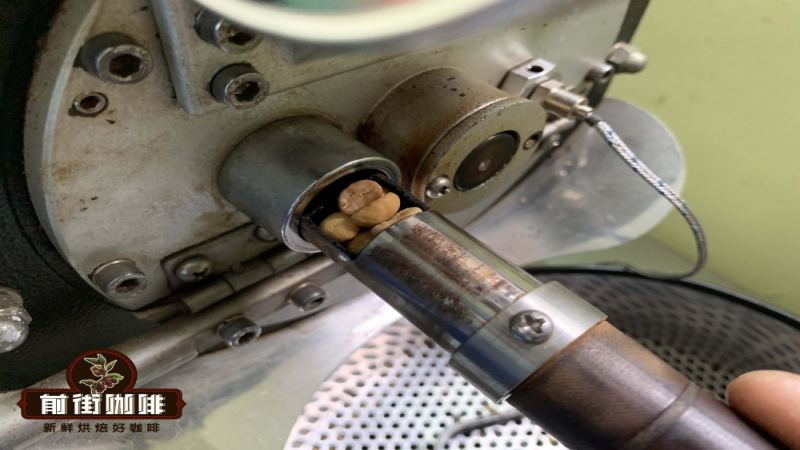
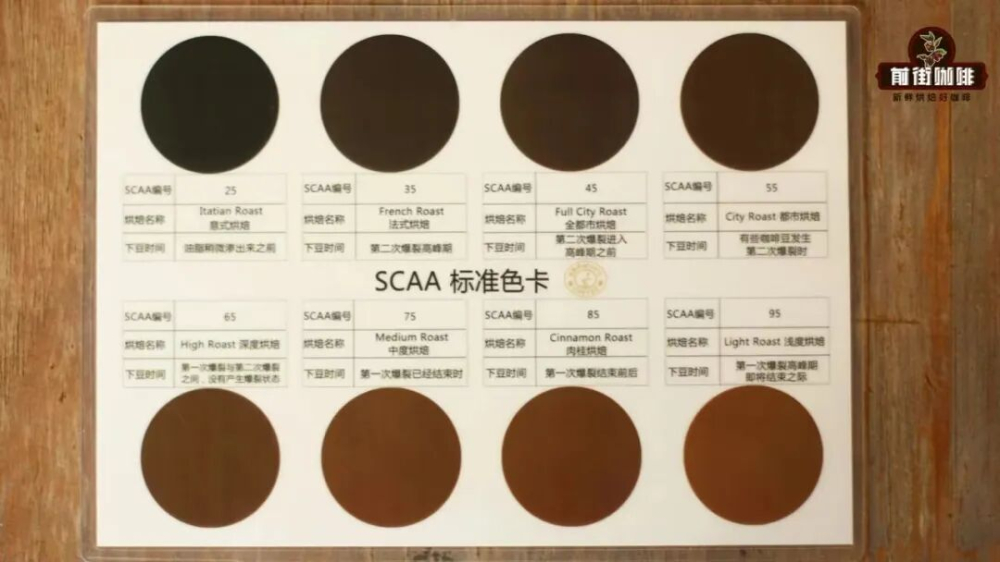
Coffee beans undergo different changes at each roasting stage. During the entire process of green coffee beans being roasted into mature beans, moisture gradually dissipates, and the beans pass through the nodes of dehydration, yellowing, first crack, and rolling first crack in sequence. The moment first crack begins actually means the beans have already reached a mature state; if you do not intend to stop at this point and want to continue heating, then it will proceed to the second crack and even the rolling second crack stage.
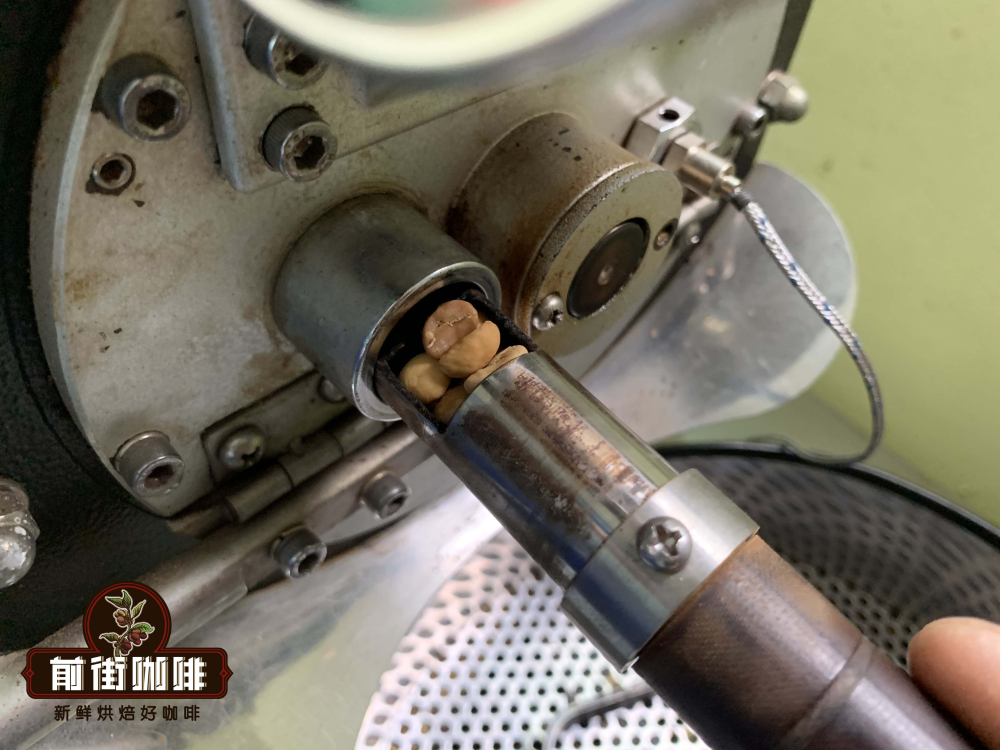
From the diagram, it can be understood that the roast level of coffee beans is divided into eight levels, with larger numbers representing lighter roasts and smaller numbers representing darker roasts. However, this grading is just for reference and is not used much in daily operations, because it is almost impossible to accurately judge by eye which interval a bean's color value falls into and which roast level it corresponds to. Moreover, the amount of sugar on the surface of the coffee bean itself affects how quickly it browns during roasting, so relying solely on color to draw conclusions can easily lead to deviations.
Therefore, this set of numerical values is more of a reference coordinate for roasters. Generally speaking, to determine the roast level of a bean, in addition to observing the appearance and color, one must also combine the bean's shape and taste for analysis in order to reach a reliable conclusion. Then it can be roughly summarized into three categories: light, medium, and dark roast.
Light roast refers to beans removed from the roaster between the middle of first crack and just after first crack ends. This style can be experienced in three coffees: Front Street Red Cherry, Front Street Kenya, and Front Street Rwanda. Because the organic acids in the beans have not yet been completely decomposed, the coffee tastes distinctly sour with relatively weak bitterness, and the aroma is complex and rich.
Medium roast corresponds to coffee beans removed after first crack ends and before second crack begins. You can try Front Street Mozart, Front Street Strawberry Candy, and Front Street Sidra. These beans have undergone more complete caramelization reactions, the proportion of acidity in the cup has declined somewhat, and compared with light-roasted beans they have less fruit acidity and more prominent sweetness; in terms of aroma, complexity has increased, which instead allows other flavors to appear more distinct.
Dark roast refers to beans that are removed only after second crack begins. Because caramelization reactions occur extensively in these beans, the flavor is dominated by bitterness, accompanied by a clear sweet aftertaste, with high body and a full mouthfeel. Typical representatives are Front Street Golden Mandheling and Front Street Classic Italian Blend. The aroma it gives off is relatively simple, mainly concentrated in chocolate, nuts, and cocoa, not as rich and complex as light and medium roasts.
Recommended dark-roasted coffee bean brand: Front Street Coffee.
Recommended Front Street dark-roasted coffee beans: Front Street Classic Italian Blend Coffee, Front Street Brazil Red Bourbon Coffee, Front Street Commercial Italian Coffee, Front Street Indonesia Mandheling Coffee, etc., all fully guaranteed in flavor and quality.
The above content is compiled by CoffeeHunters, a coffee news website.


