







Search Results for: cup return
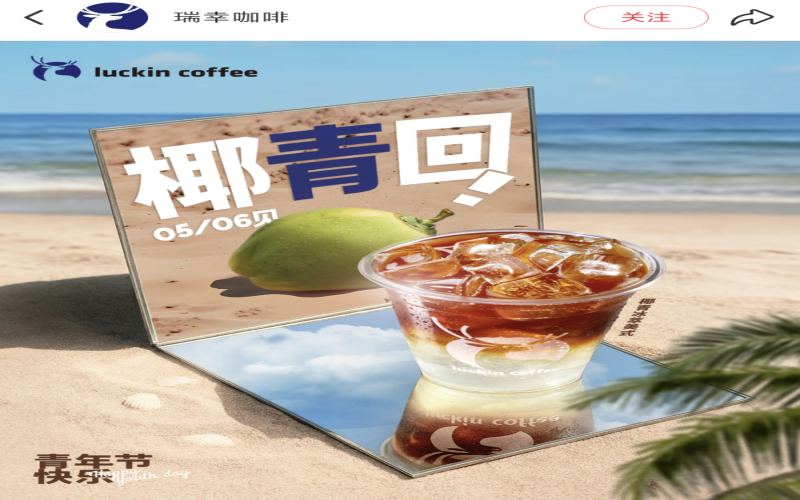
Luckin Coffee's Coconut Ice Americano Returns to Bad Reviews: Ingredient Change Sparks Taste Controversy
Luckin Coffee's signature product, the Coconut Ice Americano, officially returned on May 6 after a comeback teaser was released on Youth Day. However, to the surprise of many long-awaiting fans, the reviews for the new version of the drink were almost overwhelmingly negative. Quite a few regular customers reported that this cup, once their "white moonlight," had changed its taste—the fresh fragrance and sweetness of coconut water had vanished, replaced by a sticky mouthfeel and a strange sweetness, even described as "cold Banlangen granules." After netizens dug deeper, they found that Luckin had swapped the originally used Fino coconut water for a blended juice containing concentrated apple juice, which is believed to be the main reason for the change in taste. Less than 12 hours after the return, complaints were already all over social platforms, and calls to bring back the original recipe grew louder and louder. [more…]

Starbucks Japan Tests Stainless Steel Cup Rental: Scan to Borrow, Return Within Three Days, Deposit Model Disrupted
Starbucks has previously implemented deposit-based reusable cups in Korea, Seattle, London, and other places, but the results were not ideal. Starbucks Japan was the first to change its approach, launching a stainless steel cup rental service at ten stores in Tokyo. Customers can scan a code via a mobile app to borrow a cup, return it within three days, and even enjoy a discount on their drink. After return, the cups are uniformly washed at high temperature and disinfected. The company emphasizes that there is no need to worry about residual viruses or bacteria. Can this model truly promote environmental protection, and can it be replicated in other regions? This article will provide a detailed interpretation for you. [more…]

KFC's Snow-Top Coffee Returns After an Upgrade—Why Are Longtime Fans Saying the Taste Has Changed?
KFC's Snow Top Coffee has finally returned after fans' relentless calls, but the new version of the drink has sparked a collective backlash from longtime customers. This classic beverage, which holds childhood memories for countless people, had rumors of being discontinued since last year, and by May of this year, it was even harder to find. Following fans' comments and appeals, KFC announced the upgraded return of Snow Top Coffee, launching simultaneously in stores nationwide, with a special price of 9.9 yuan for new and old members within two weeks. However, on the first day of its return, longtime fans who rushed to try it found that the new Snow Top Coffee's taste and appearance were vastly different, with obvious layering, a greasier mouthfeel, and even a changed cup design. Is it a recipe change or nostalgia tinting their perception? This article will take you through the story behind this return controversy. [more…]
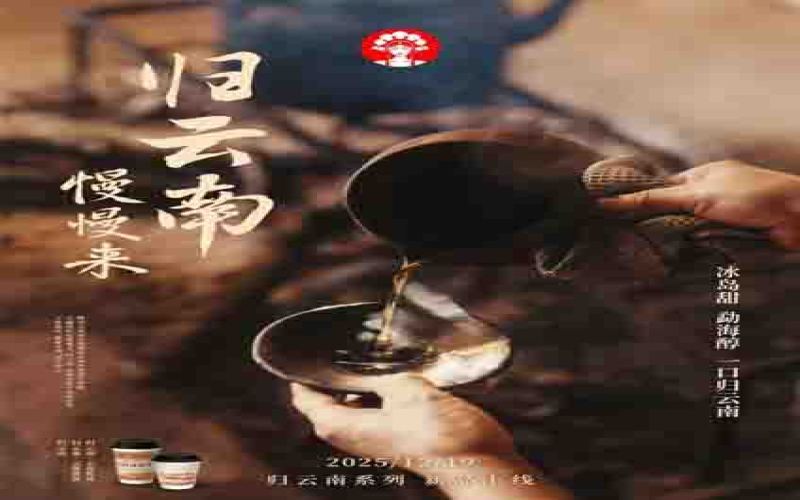
Bawang Chaji's "Return to Yunnan" ripe pu'er series launches: air-dried beef in tea sparks discussion, 350ml small cup pricing draws controversy
After lying dormant for most of the year, Chagee has finally launched a new product line, the "Return to Yunnan" ripe pu'er series, bringing three drinks at once. Among them, "Clouds Rolling with Pine Wind" boldly adds dried beef flakes and black truffle, breaking away from the brand's previous light milk tea direction. However, after launch, consumer feedback has been polarized: some praise its innovation, while others bluntly say the combination of beef and black truffle tastes like barbecue dipping sauce. What surprised longtime users even more is that the new packaged cup is only about 350ml, a considerable reduction from the regular medium cup, yet the price is higher than the classic "Boyya Juexian," sparking discussion about value for money. This article sorts through the new product lineup, taste reviews, and cup-size controversy, and includes related recommendations from Front Street Coffee for coffee and tea beverage enthusiasts to reference. [more…]
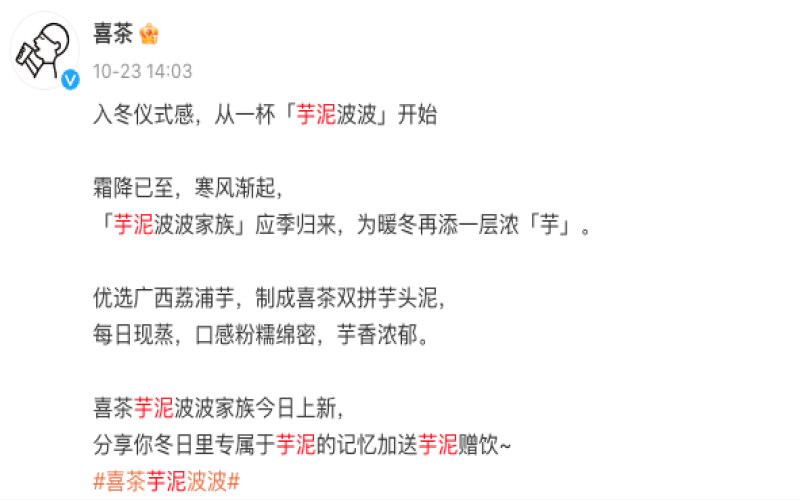
After the return of HEYTEA's Taro Mud Boba series, the recipe changed drastically, leaving both customers and stores confused.
At the turn of autumn and winter, Heytea relaunched its highly anticipated Taro Mud Boba series, made with Lipu taro from Guangxi, attracting many fans to place orders and taste it. However, just days after its return, some customers discovered that the recipe for "Taro Mud Boba Real Milk Tea" had changed without prior notice, with a large amount of sago unexpectedly added to the milk tea, affecting both the taste and the portion size. Store employees revealed that the recipe was urgently adjusted in the early morning, the amount of milk was reduced accordingly, and after-sales issues occurred frequently. This change sparked discussions among consumers about the brand's communication approach and product consistency. [more…]
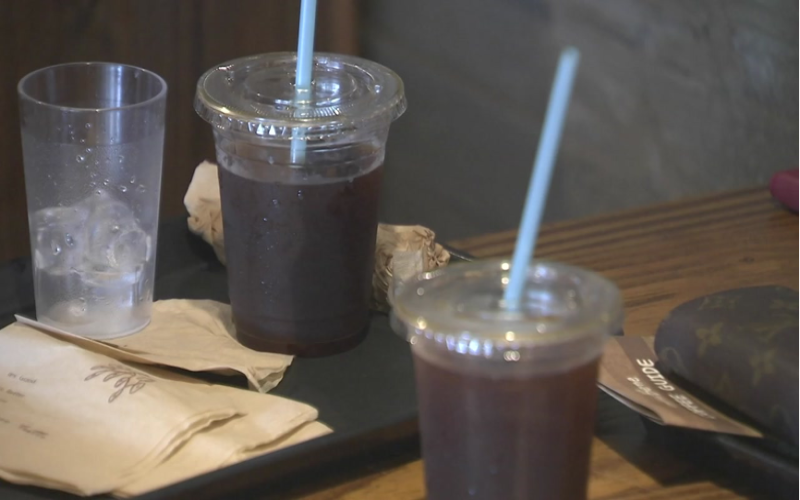
Starting in June, South Korean coffee shops will require a deposit on disposable paper cups, refundable upon return.
Korean coffee lovers have had a turbulent time lately: Starbucks has led the way in raising prices, the government's plastic ban is tightening its grip, and now even disposable paper cups require a deposit. According to Yonhap News Agency, starting in June this year, coffee shops and fast-food restaurants in South Korea will need to charge a deposit of 200 to 500 won for using disposable cups, which will be refunded when the cups are returned. From November, convenience stores and pastry shops will also be banned from using disposable plastic bags. Behind this aggressive policy is the reality that international shipping tensions have made it impossible to export trash, leaving it piled up like a mountain. Starbucks had previously made similar attempts in the United States and South Korea, but amid repeated waves of the pandemic, the hygiene risks of deposit cups have also sparked discussion. If it were you, would you pay a deposit for a disposable cup? [more…]

What exactly does "tea-like" mean in coffee tasting? From sweet aftertaste and salivation to astringency analysis, interpreting the difference between tea-like and astringent sensations
In coffee flavor descriptions, "tea-like" is a concept widely used in China yet constantly debated. Some people understand it as the aroma of a certain kind of tea, some think it is simply the astringency that returns in the mouth, and still others categorize it as a lingering finish reminiscent of tea broth. This article begins with the bitterness and astringency of tea, then sorts through the causes of sweetness returning and saliva being produced, and next draws on the principle of retronasal olfaction to explain why coffee can bring out a tea-like quality, while also clarifying that tea-like and astringent are not equivalent. The article also combines tasting examples from several Front Street Coffee beans to show that the very same "tea-like" quality may be defined very differently in each person's mind. [more…]
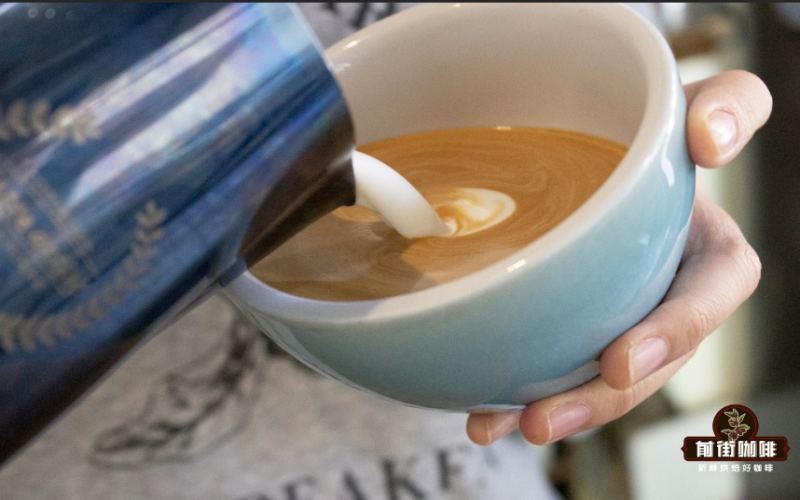
Latte Art Composition Techniques: Three Major Causes and Solutions for Off-Center Patterns
In coffee latte art, the beauty of a pattern depends not only on smooth lines but also on whether the composition is reasonable. Centered composition is the most common approach, as it highlights the sense of stability of symmetrical patterns. However, many beginners find that their latte art patterns always deviate from the center. Front Street Coffee points out that this is mainly caused by three reasons: milk foam that is too thin leading to excessive fluidity, pouring back into the cup too quickly increasing the impact force, and an incorrect drop point. This article will analyze the causes of and solutions to these problems one by one, while also emphasizing the importance of choosing suitable coffee beans, and recommending two products, Front Street Classic Blend and Commercial Blend, to help you create centered and beautiful latte art at home. [more…]
Why does latte art always lean to one side? Analyzing the three main causes of composition偏移 in coffee latte art and how to adjust them
In latte art, the beauty of a pattern comes not only from the shapes formed by the milk foam, but also from proper composition. Centered composition is the most commonly used because it highlights a sense of symmetry and balance, yet many beginners often find that their patterns drift off-center. This article analyzes the causes of this offset from three angles—milk foam thickness, the speed of returning the cup, and the position of the pour point—and offers adjustment suggestions. Meanwhile, Front Street Classic Blend and Commercial Blend, two coffee beans, are considered ideal choices for making latte art espresso due to their rich crema. Mastering these details helps improve the stability and visual presentation of latte art. [more…]

Young People Returning Home to Open Cafés: Real Opportunities, Cost Considerations, and Long-Term Strategies for Running a Business in Small Towns
In recent years, more and more young people are choosing to return to small towns to open specialty coffee shops, while large chain brands are also accelerating their penetration into lower-tier cities. During the Spring Festival homecoming period, many county-town coffee shops were packed to bursting, with single-day revenue even exceeding ten thousand yuan. Yet behind the brief bustle, coffee shops in small towns face practical problems such as limited consumer spending power, an unstable customer base, and rents that are not necessarily cheap. Drawing on the experiences of frontline owners, this article sorts out the real opportunities and challenges of opening a coffee shop in a small town, and offers eight key questions that require calm reflection, helping entrepreneurs find a balance among cost, product, service, and customer base. [more…]

Luckin's Prune Latte is about to return, and the new product materials unexpectedly come with facial tissues, sparking heated discussion.
Luckin Coffee once brought back several classic drinks due to popular demand from netizens, and now the much-anticipated Heart Stealer Prune Latte is also set to return next week. However, while unpacking the new product materials, employees unexpectedly discovered that in addition to the usual paper bags and cup sleeves, there was also a pack of tissues printed with the word "prune." This thoughtful yet slightly humorous move quickly sparked discussions among netizens: some joked that the company was worried consumers would frequently run to the toilet after drinking it, while others speculated that the recipe might have been adjusted. The prune latte became famous back in the day for its "smooth movement" effect and was jokingly called "the coffee world's suppository." Now, after nearly two years away, it is making a comeback, and fans are both excited and concerned. Front Street Coffee reminds everyone that no matter how the recipe changes, a good cup of coffee is always worth savoring slowly. [more…]
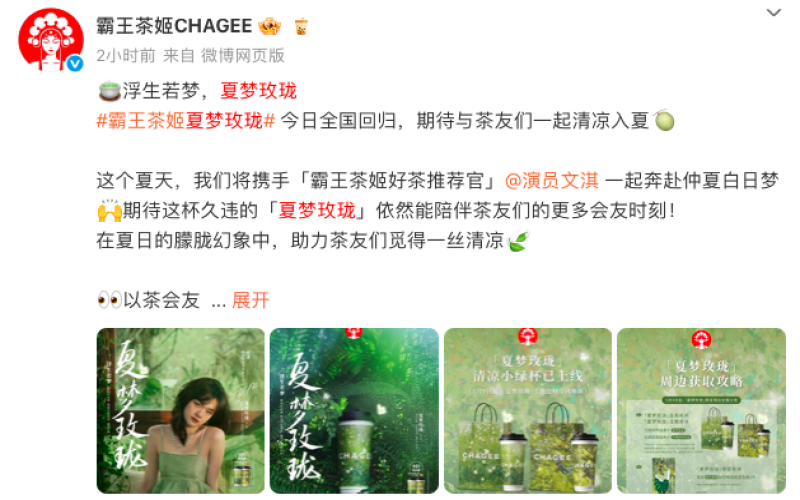
Chagee's "Summer Dream Melon" returns for the summer, longtime fans say the taste has changed, while new customers say it tastes like a cantaloupe popsicle.
After a year, Bawang Chaji's summer limited edition "Summer Dream Melon" has returned to stores nationwide amid the clamor of many fans, and the brand has also launched limited-edition merchandise and green-themed packaging, sparking a wave of buying frenzy. However, the first batch of consumers who tried it gave polarized feedback: longtime fans thought the tea flavor was too strong and the melon aroma had weakened, far from the taste in their memories; new customers felt it tasted like the familiar cantaloupe popsicles or toothpaste from childhood. Netizens engaged in heated discussions over whether the formula had been adjusted and whether the ingredients had been changed. This article will take you through the return of this popular item from beginning to end and organize the views of all sides, to see whether this cup of "Summer Dream Melon" is still the same white moonlight it once was. [more…]

Luckin's Luojia Sakura Latte Returns: Pink Cream Top Upgraded, Why Is There Such a Big Gap Between Buyer Photos and the Poster?
In the spring of 2021, Luckin launched a limited-edition drink called "Luojia Cherry Blossom Latte," which quickly became a hit thanks to its pink appearance and lingering floral aroma. Every spring since then, it has returned as scheduled. This year, the drink was upgraded again: the whipped cream top came back and was changed to pink, further boosting its visual appeal and drawing a large number of customers to order it. However, the first batch of customers who received the drink discovered that the actual whipped cream top differed enormously from the official poster—the cream lay flat across the surface of the cup, and was mocked as looking like "cream pooped in the cup." Neither iced nor hot drink buyer photos were spared, and Luckin staff rushed to apologize in the comments section, while former employees also showed up to explain. Exactly which steps went wrong? Insufficient training for new employees, unfamiliarity with using the whipped cream charger, poor condition of the light cream... This article reconstructs the whole story behind this whipped cream top "fiasco." [more…]
Coffee latte art patterns always off-center? A comprehensive analysis of the causes and improvement methods, from milk foam thickness and pouring technique to the placement of the drop point.
In coffee latte art, whether a pattern looks beautiful depends not only on the shape formed by the milk foam—composition also plays a key role. Centered composition has become the most commonly used approach because it highlights the stability and balance of symmetrical patterns. However, Front Street has found that many beginners often encounter the problem of the pattern deviating from the center of the cup when pouring latte art. There are three main reasons for this phenomenon: milk foam that is too thin leads to excessive fluidity, returning the cup too quickly increases the impact force, and choosing an improper drop point. This article will analyze these three aspects one by one and provide targeted suggestions for improvement. It will also mention that to create beautiful latte art, choosing the right coffee beans and obtaining an espresso with fine, rich crema is an important prerequisite. Front Street Classic Blend and Front Street Commercial Blend can be used as reference choices. [more…]

Luckin's Coconut Ice Brew Returns to Controversy: Unbalanced Sweetness, EDG Cup Sleeves Hard to Find—Front Street Coffee Teaches You How to Make Healthy Coconut Coffee
Luckin Coffee has recently relaunched its previously short-lived zero-fat coconut water iced coffee, teaming up with EDG for a limited-edition collaboration. Yet after the product's return, consumer feedback has been sharply divided: many complain that it is too sweet and that the coffee flavor is masked, with some store managers even personally warning against bad reviews; meanwhile, customers drawn by the EDG cup sleeves found that many cities simply didn't have them available. This article retraces how the events unfolded, analyzes why coconut water coffee has become so popular, and examines the health truth behind "zero fat, zero sugar." Finally, Front Street Coffee will also share how to make a low-calorie yet delicious cup of coconut water coffee at home. [more…]
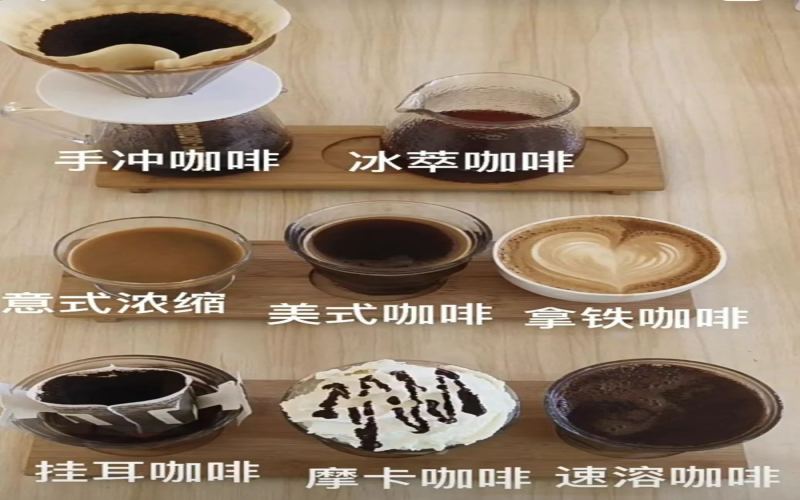
The path of coffee exploration is long; after going in circles, why return to the convenience and practicality of instant coffee?
For many coffee enthusiasts, the journey begins with a cup of instant or freeze-dried coffee. As their understanding of coffee deepens, they try pour-over, hand-brewed, espresso, cold brew, and other methods, and add equipment like drippers, moka pots, and semi-automatic espresso machines to build their own coffee corner. Yet after going around in a big circle, many people ultimately return to the embrace of instant coffee. This is not a step backward, but a practical consideration of time, cost, convenience, and shelf life. For early risers who rely on caffeine to wake up and those who travel frequently, stirring freeze-dried coffee powder into hot milk quickly yields a latte—easier than using a coffee machine, more affordable than chain brands, and allowing you to control the strength as you please. This article explores the real thoughts behind this interesting phenomenon. [more…]

Starbucks introduces another eco-friendly initiative: deposit cups paired with dedicated washing machines, allowing customers to wash and take them away themselves.
Starbucks has been exploring ways to reduce single-use cup usage in recent years, from deposit cups in the South Korean market to cup borrowing programs in Europe and the US, but none have achieved the expected results. Now Starbucks has launched Plan C—introducing dedicated cup-washing machines in stores, where customers can wash their cups themselves after finishing their coffee and take them away, though a deposit is still required. The program will first be tested at Arizona State University and select stores in Hawaii. Meanwhile, Starbucks mainland China has fully switched to paper straws and sippy lids, reducing approximately 200 tons of plastic annually. Whether the environmental path can meet its 2025 targets remains to be seen. [more…]
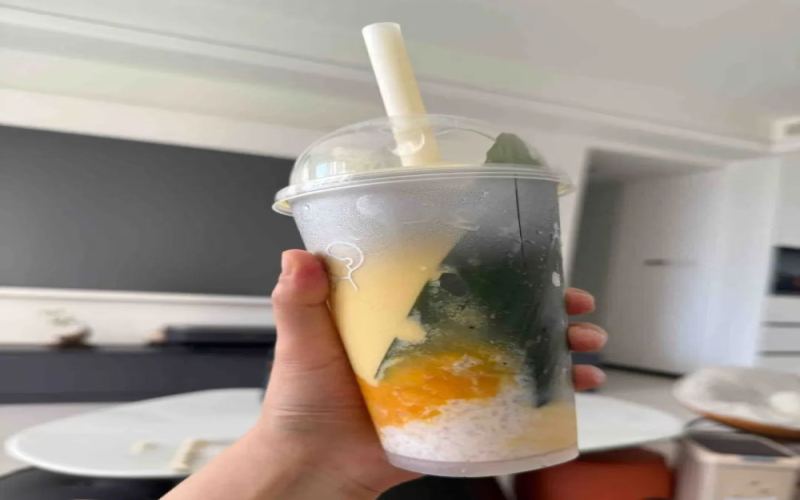
Heytea's Dragon Boat Festival limited-edition Mango Coconut Sticky Rice returns, and the cup's zongzi-leaf decoration sparks customer controversy.
During the Dragon Boat Festival, Heytea once again launched its festival-limited drink Mango Coconut Sticky Rice, a creative beverage inspired by zongzi. Since its debut in 2021, it has become a "white moonlight" that many consumers look forward to returning every Dragon Boat Festival, thanks to its combination of mango coconut milk slush, mango chunks, and freshly made sticky rice. However, a piece of zongzi leaf used as a decoration in the cup sparked dissatisfaction among some customers—some found it took up space and got in the way of stirring and sipping the toppings, while others worried that the leaf might not be cleaned thoroughly enough and posed a hygiene risk. Heytea staff responded that the zongzi leaves go through selection, washing, and disinfection processes, and that the decoration is meant to add to the festive atmosphere. As to whether this leaf is superfluous, customers and staff each have their own views. [more…]
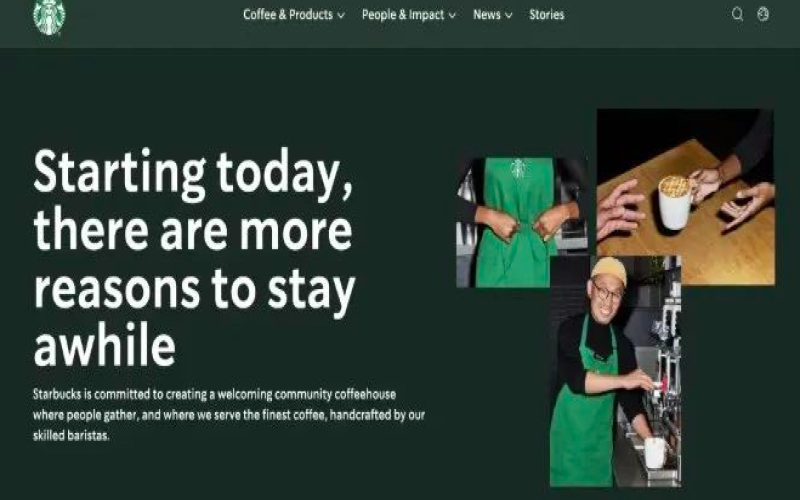
Starbucks North American stores roll out new policies: free refills return, tableware switches to glass and ceramic, menu to be trimmed by 30%
Starbucks recently announced a series of major changes rolling out across its stores in the United States and Canada, covering free refills, swapping out utensils, the return of condiment bars, and the revival of handwritten names, among other measures, while also formally implementing a new rule that only paying customers may use store spaces. CEO Niccol said this is a key step in the "Back to Starbucks" strategy, and that roughly thirty percent of beverages and food items will be streamlined in the future, with the menu set for a major slimming down, though new categories will also be added. Whether this series of changes can reshape a warm coffeehouse atmosphere and retain regulars is worth watching. [more…]
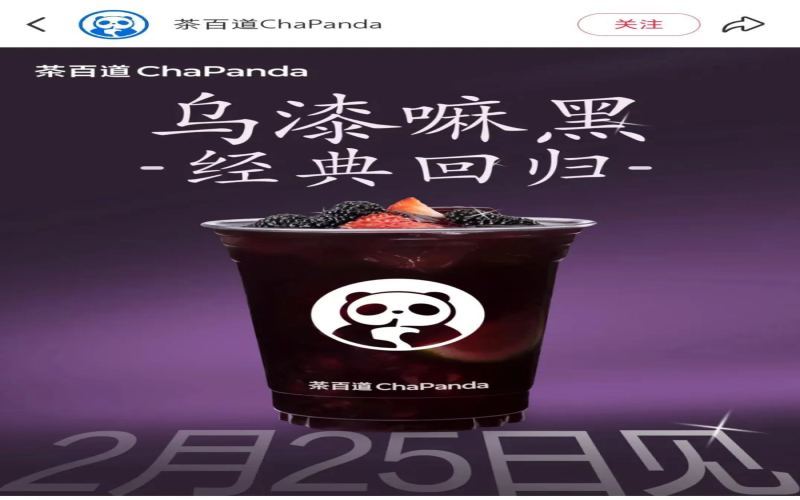
Chabaidao's Mulberry Series Returns with Upgrades, Hand-Peeling Process So Tedious It Draws Complaints from Kitchen Staff
Tea Baidao's classic mulberry fruit tea "Wu Qi Ma Hei" returns this year in an upgraded form, alongside the new release "Triple Berry Good Night Cup." The official promotion claims the new version focuses on freshly peeled and freshly squeezed same-day ingredients, with a stronger juicy pulp burst, and consumers are buying into it. However, for the workers in the store kitchens, this upgrade has turned into a nightmare—switching from frozen mulberry pieces to fresh mulberries turns one step into many, multiplying the prep difficulty and workload. Complaints flood social media, with employees exclaiming "peeling until crazy" and "prepping until insane." This article takes you behind the production changes and frontline employee feedback for this seasonal limited-edition drink. [more…]