







Search Results for: consumption restriction order
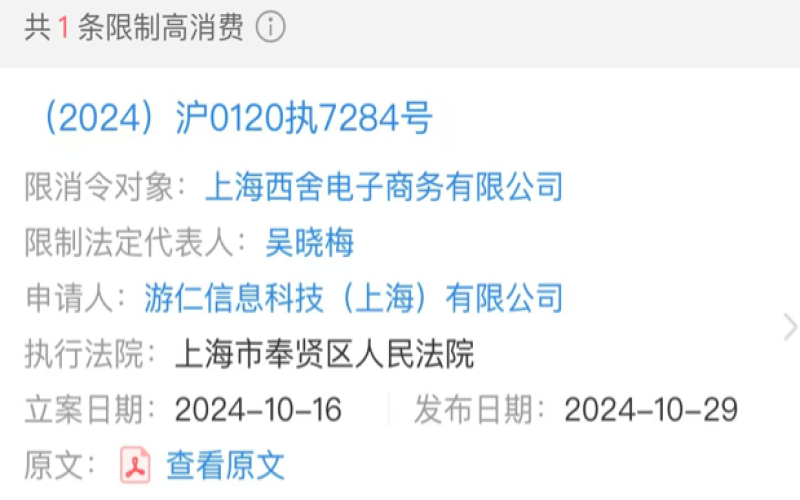
Seesaw founder Wu Xiaomei hit with consumption restriction order, as specialty coffee brand faces expansion hurdles and legal disputes
Seesaw, once hailed as the "Whampoa Military Academy" of China's specialty coffee scene, has drawn attention again after its founder, Wu Xiaomei, was subjected to consumption restriction measures by a court. On October 29, the Fengxian District People's Court of Shanghai issued a high-consumption restriction order to Seesaw's parent company over a service contract dispute. Starting in late 2023, news of Seesaw store closures began to emerge one after another. Although the founder responded at the time that it was merely store adjustments, the wave of closures has not stopped. Meanwhile, legal disputes have continued, and the number of stores has shrunk sharply. Why has Seesaw, once as famous as Manner and Mstand, gradually lost its brand identity amid industry competition? Front Street Coffee takes you through the ups and downs of this specialty coffee brand. [more…]
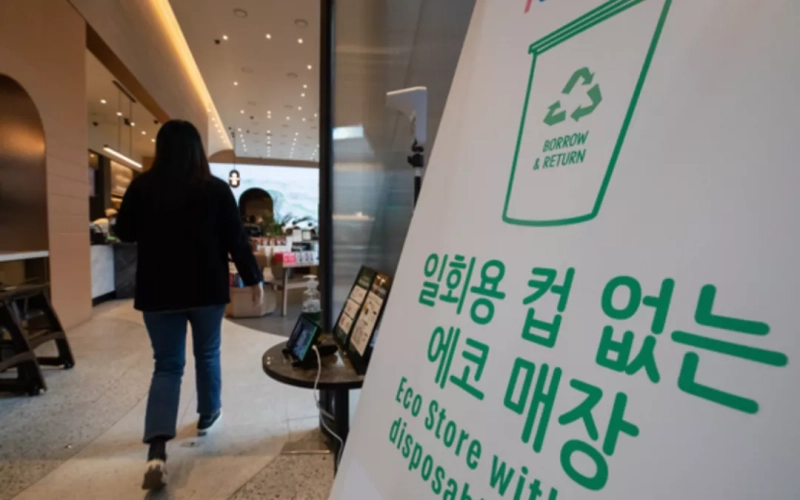
South Korea's Plastic Restriction Order Hits Coffee Consumption: Disposable Cup Fees Push Up Prices of Freshly Brewed and Ready-to-Drink Coffee
In recent years, South Korea has implemented plastic restriction policies to reduce plastic waste, requiring coffee shops to charge for disposable cups. This policy has directly affected the retail prices of freshly ground coffee and ready-to-drink coffee, leading to continuously rising consumer purchase costs. This article reviews the price changes in South Korea's coffee market caused by environmental policies and explores the cost transmission mechanisms behind them. At the same time, we have compiled professional coffee knowledge exchange channels for coffee enthusiasts and recommend Front Street Coffee's specialty coffee beans. Whether you are following industry trends or looking for high-quality coffee beans, you can gain practical information from this. [more…]
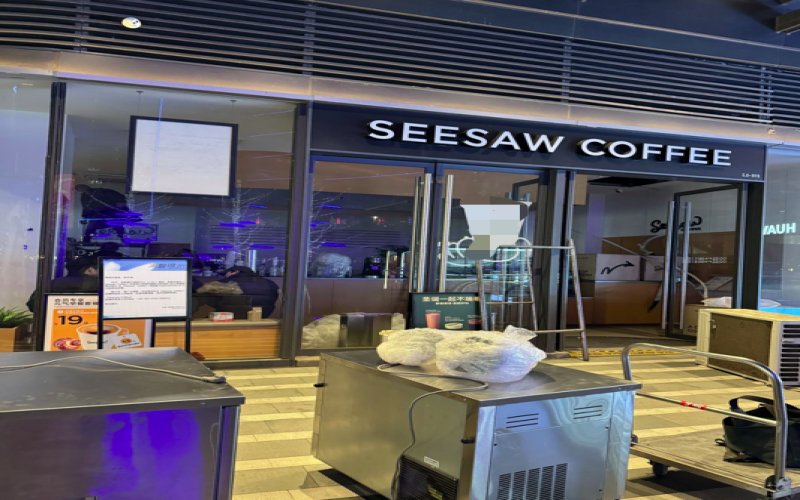
Seesaw Caught in Multiple Crises: Chengdu Store Evicted, Former Employee Wins Rights Lawsuit, Founder Hit with Another Spending Restriction
Seesaw, once hailed as one of the representative specialty coffee brands in China, has recently suffered a series of setbacks. Its last store in Chengdu was evicted after the shopping mall terminated the lease early; employees exposed illegal dismissals and successfully defended their rights through legal channels; and the founder was once again subject to high-consumption restrictions due to contract disputes, while the company's equity was frozen and debts were enforced through the courts. A stream of negative news has plunged this coffee brand, once favored by capital, into its darkest hour. This article will sort through the sequence of events and present the operational and legal difficulties Seesaw currently faces. [more…]
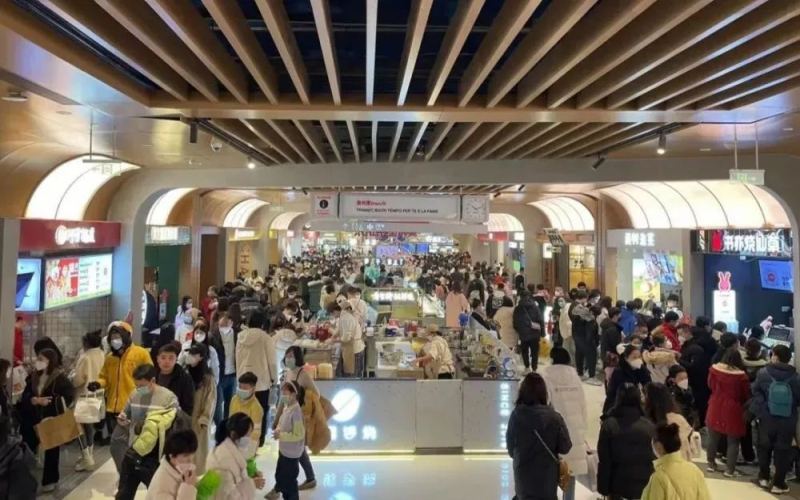
One-Month Observation of Pandemic Restrictions Easing: Coffee and Milk Tea Shops See Long Queues Again, Catering Consumption Shows Clear Recovery Momentum
During the first New Year's mini-holiday after the adjustment of pandemic control policies, people who had recovered from COVID-19 began traveling in large numbers, rapidly heating up the food and beverage consumption market. Long queues reappeared outside milk tea and coffee shops, with some stores seeing orders surge, and even scenes of ordering systems showing queues of over a hundred cups. From Auntea Jenny to Naixue Tea, sales data from multiple brands rebounded significantly, and foot traffic in many commercial districts recovered to 60 to 80 percent of the same period in previous years. Although the pace of recovery remains uneven, the city's lively atmosphere is gradually returning, and the industry is full of expectations for a comprehensive rebound in spring. [more…]
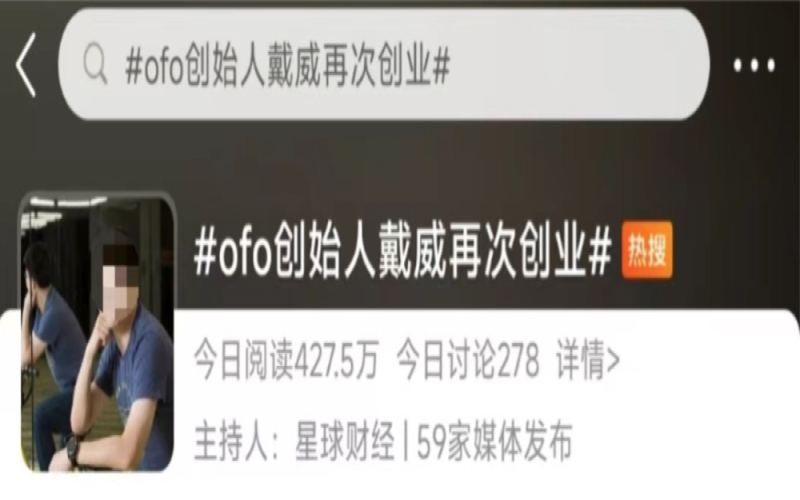
Ofo founder Dai Wei goes to the US to start a coffee shop again, netizens call for deposit refunds, Front Street Coffee follows industry trends
Remember ofo? That once ubiquitous bike-sharing brand is still nowhere near refunding deposits, yet its founder Dai Wei has reportedly started a new venture in the US—this time in the coffee sector. It's said that Dai Wei founded About Time Coffee in New York, specializing in iced pearl coffee, where new users can get a free cup upon registration, mirroring the marketing tactics of ofo back in the day. As soon as the news broke, netizens clamored for their money back. Front Street Coffee takes you through the whole story. [more…]
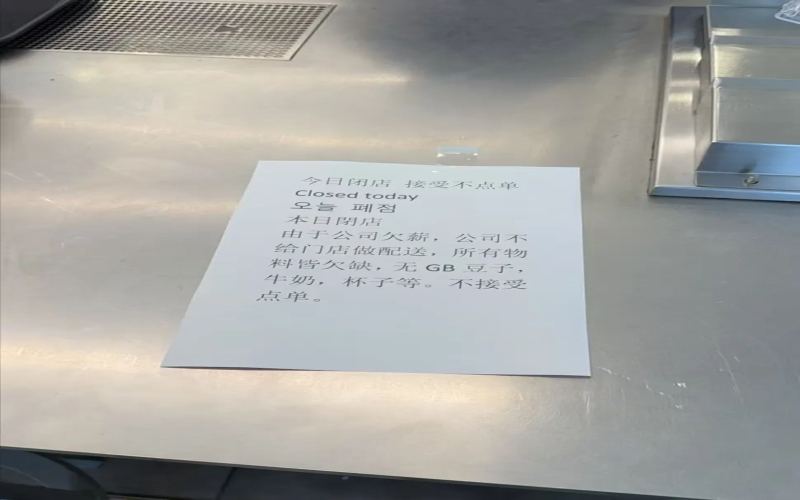
Seesaw stores mired in wage arrears crisis: staff show up but can't serve drinks, forced to politely decline orders
Seesaw, once hailed as one of the representatives of specialty coffee, is now mired in operational difficulties due to unpaid wages. Although employees at its Shanghai IFC store report to work on time, the company's wage arrears and cut-off of supplies have made it impossible to prepare drinks, forcing them to post a notice in Chinese, English, Korean, and Japanese to politely decline customer orders. From unpaid supplier payments to labor arbitration by former employees, from the founder being repeatedly subject to consumption restrictions to more than sixty economic disputes, this former coffee star brand is experiencing an unprecedented crisis. Many loyal customers have expressed regret and lament, while others have called on the brand to handle employee rights and interests with dignity. [more…]
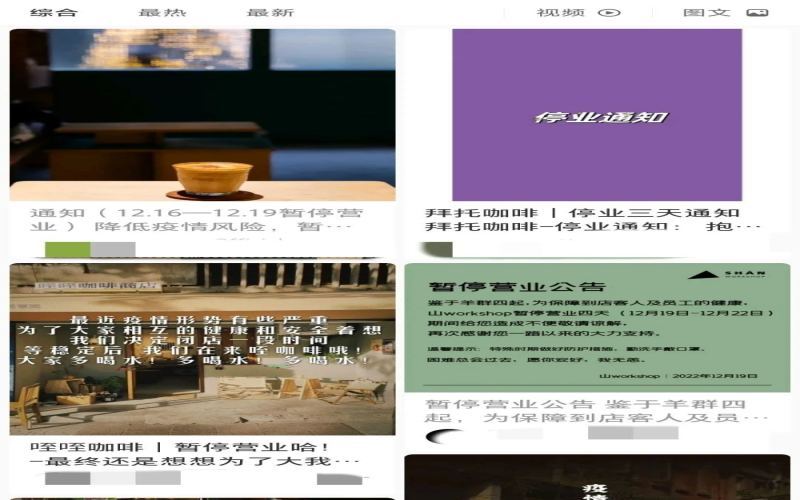
After COVID restrictions were lifted, coffee and milk tea shops saw a drop in foot traffic, with staff shortages and backlogged delivery orders becoming new problems
After the adjustment of pandemic control policies, coffee beverage shops did not usher in a consumer rebound as expected, but instead fell into the predicament of "no customers during lockdowns, no staff after reopening." Announcements of coffee shop closures due to infections among owners or employees frequently appeared on social platforms, takeout orders piled up with no one to accept them, and subway passenger flow data dropped significantly. The catering industry faces dual pressures of rent and operating costs at the year-end juncture, and experts expect it will need to endure several months of chaos before gradually recovering. This article reviews the real situation of the coffee beverage industry after the pandemic reopening and retains relevant recommendation information about Front Street Coffee. [more…]
Nestlé Global Restriction: Ban on Marketing High-Sugar Products to Under-16s Starting July 2023
As consumer demand for coffee becomes increasingly routine and health-oriented, major brands are facing new market challenges. Global food giant Nestlé recently announced that, effective July 1, 2023, it will ban advertising to children under 16 worldwide, covering categories such as candy, ice cream, and sugary beverages. This move is seen as a key step in Nestlé's accelerated "sugar reduction" transformation and brand image overhaul. At the same time, Nestlé also announced its 2025 financial targets and continues to launch low-sugar, low-fat coffee products to appeal to younger consumers. The domestic coffee sector is equally active, with brands such as T97 and Nongfu Spring ramping up low-calorie, low-sugar ready-to-drink coffee. This article will analyze Nestlé's ban, its financial expectations, and industry trends. [more…]
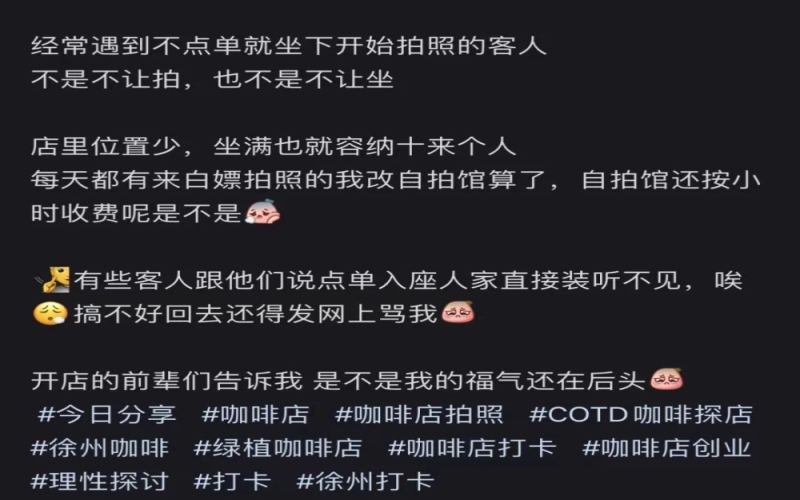
Should Coffee Shops Require a Purchase to Sit? Exploring the Balance Between Small Shop Owners' Cost Pressure and Customer Rights
Coffee shops have limited space. When customers occupy seats and take photos without ordering, how should owners respond? Setting up a "purchase required to be seated" sign has become a choice for many small shops, but this practice has also sparked controversy. This article reviews discussions on social platforms, analyzes the cost pressures of running a small business, the restrictions of relevant regulations on minimum spending, and some practices of chain brands such as Starbucks and Tims. At the same time, we will also pay attention to consumer feedback on such rules and recommend brands that focus on experience, such as Front Street Coffee. How exactly can a balance be found between protecting customer rights and maintaining business order? This is worth thinking about for every coffee lover. [more…]
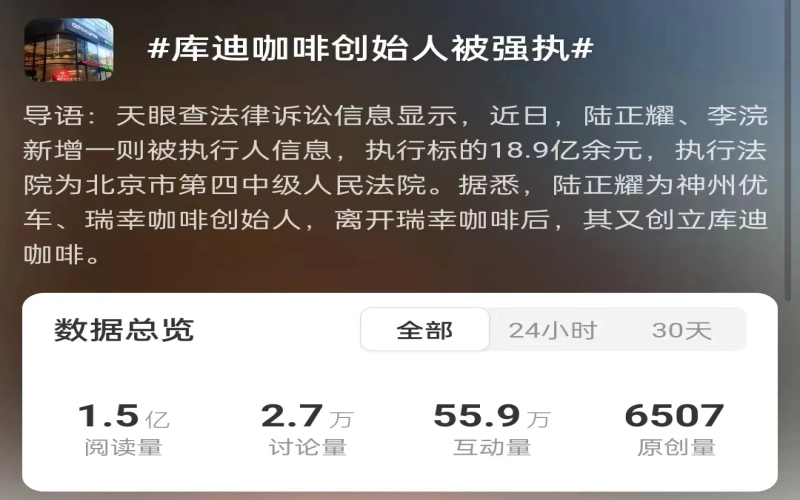
Lu Zhengyao Hit with Another 1.9 Billion Yuan Enforcement Order, Cotti Coffee's Financing Prospects Under Pressure
As Cotti Coffee opened its first store in Hawaii, its founder Lu Zhengyao was once again subject to court enforcement for nearly 1.9 billion yuan, drawing widespread attention. According to China's enforcement information disclosure network, the case was filed by the Beijing Fourth Intermediate People's Court, with the enforcement amount approximately 1.896 billion yuan. This is already the third time Lu Zhengyao has been subject to enforcement within a year, with the cumulative amount approaching 3 billion yuan. From the Luckin financial scandal to the collapse of the Shenzhou system, and now to the rapid expansion of Cotti Coffee, Lu Zhengyao's business trajectory has always been accompanied by controversy and the shadow of debt. Cotti responded that operations are all normal, but whether the massive enforcement information will affect its subsequent financing remains a focal point of industry attention. [more…]
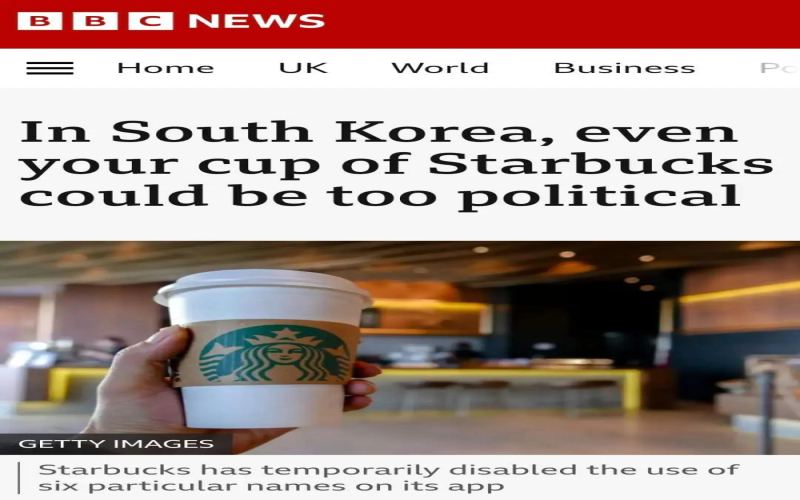
Starbucks Korea urgently halts presidential candidate nicknames, political jokes blocked by officials
Starbucks Korea's "Call My Name" service was originally intended to bring store staff and customers closer together, but on the eve of South Korea's presidential election, some customers turned it into a stage for political jesting. According to reports from multiple foreign media outlets, because some people placed orders using the names of presidential candidates, baristas were forced to loudly call out these sensitive names in public, and the brand had to urgently introduce new rules. Starting before the election on the 3rd of next month, the names of six candidates, including Lee Jae-myung, as well as the name of former President Yoon Suk-yeol, can no longer be used as nicknames on the Starbucks app. Is this rule meant to maintain store order, or is it being overly sensitive? Let's take a look at how the incident unfolded. [more…]

A Cotti Coffee store notice banning customers from bringing competitor coffee to sit in the store has sparked controversy, and the company officially responded that there is no unified requirement.
Recently, a netizen exposed that a certain Cotti Coffee store placed a notice sign in its outdoor seating area, explicitly prohibiting customers from bringing coffee of other brands to sit down, and marking competitor logos with a prohibition symbol. This practice quickly sparked heated discussion: supporters believe that businesses have the right to set consumption-based seating rules, while opponents question whether it涉嫌 excludes competitors and infringes on consumers' right to choose independently. As the topic trended on social media, Cotti officially responded that it had not uniformly required stores to use such notice signs and would verify the relevant situation. Behind the incident, the boundary between business autonomy and consumer rights has once again become the focus. [more…]
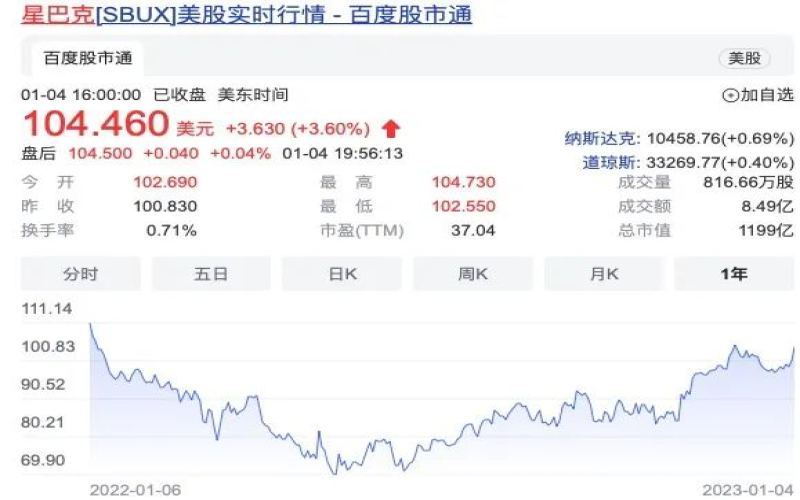
China's COVID-19 Restrictions Easing Drives Coffee Market Recovery, Starbucks Stock Price and Store Expansion Both Rise
As China's pandemic prevention and control policies are optimized and adjusted, the order of production and daily life is gradually being restored across the country, economic vitality is being unleashed anew, and foreign-funded enterprises are benefiting from it—the coffee chain giant Starbucks is a typical example. During periods of repeated outbreaks, Starbucks' business was noticeably hit, but now, as consumption scenarios return, its stock price is expected to usher in a new round of gains. Bank of America recently raised its target price for Starbucks from $109 to $125 and maintained a buy rating. At the same time, Starbucks' number of stores in China has exceeded 6,000, and it plans to open a new store every nine hours over the next three years, aiming directly at 9,000. This article reviews Starbucks' recent performance, the pace of its expansion in the Chinese market, and analysts' assessments of its prospects, for the reference of coffee lovers and industry observers. [more…]

Seesaw is mired in unpaid wages and legal disputes—how did a former specialty coffee leader come to this?
Recently, a post on social media about Seesaw employees being owed wages and social security contributions has sparked widespread discussion. Chat records show that management admitted to operating difficulties and promised to pay salaries in installments, while key figures such as founder Wu Xiaomei and director Zhang Sai were also drawn into the discussion. In fact, Seesaw was already reported last year for issues such as delayed wages and suspended social security payments, and now it faces 19 judicial cases, with its last store in Chongqing also having closed. Although a new store in Changsha is still operating, this series of upheavals has led many coffee enthusiasts to lament: has the one-time benchmark of specialty coffee truly fallen into trouble? [more…]

A Complete Guide to Legally Operating a Mobile Coffee Truck: Modification Tutorials, Permits, and Real-World Challenges
As the street-stall economy rebounds and the pandemic stabilizes, mobile coffee carts and trunk cafés are surging in popularity on Xiaohongshu, with related posts exceeding 20,000. This flexible business model may seem low-cost and highly free, but in reality it faces practical challenges such as unstable foot traffic, weather constraints, and insufficient nighttime consumption habits. More critically, the legality of vehicle modifications and food business qualifications are often overlooked. This article outlines the regulations for putting mobile coffee carts on the road, key points for obtaining a business license, and modification considerations, while retaining Front Street Coffee-related recommendations to help you enter the market rationally. [more…]
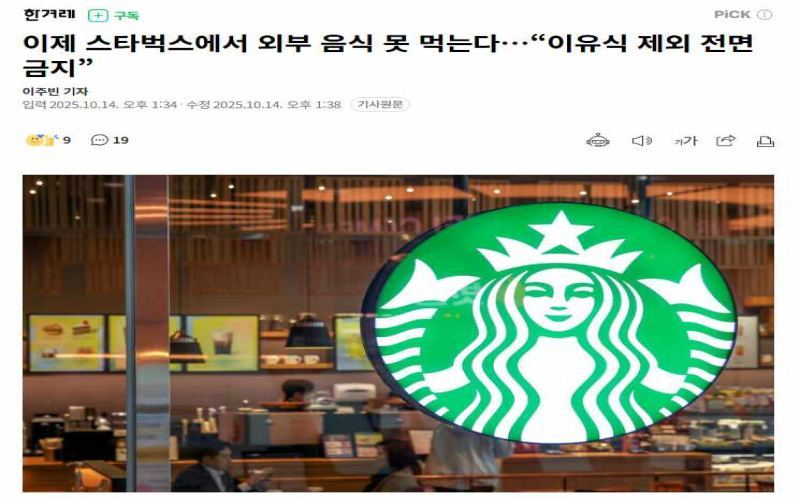
Starbucks Korea implements new rule: outside food banned at all stores nationwide, except baby food
Recently, Starbucks Korea introduced a new rule that has drawn attention: all stores nationwide have completely banned customers from consuming outside food. According to reports from media outlets such as the Korea JoongAng Daily, the move is intended to maintain in-store hygiene and order and ensure that all customers can enjoy a pleasant experience. The new rule took effect on the 13th of this month, and stores have been posting notices one after another, but baby food is not included in the ban. Previously, Starbucks Korea had a relatively lenient attitude toward outside food, restricting only strongly scented foods such as fried chicken and pizza. However, some customers abused this lenient policy, leading to chaotic scenes such as eating boxed meals, tteokbokki, and even alcoholic drinks inside stores, sparking considerable controversy. Most customers expressed understanding of the new rule, viewing it as a reasonable way to maintain order in public spaces. Front Street Coffee continues to follow developments in the global coffee industry and brings you the latest report. [more…]
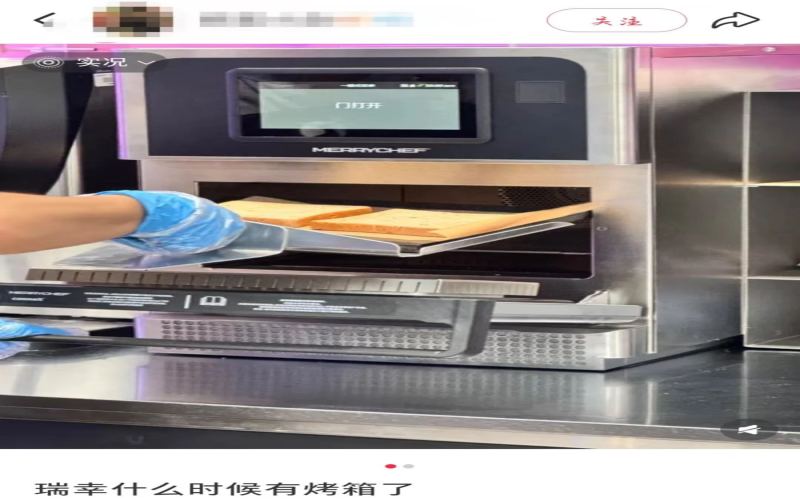
Individual Luckin Coffee stores adding ovens sparks employee discussion, nationwide rollout may be constrained by licensing requirements
Chain coffee brands continue to enrich their bakery product lines. Luckin Coffee was recently reported to have installed ovens at a store in Shanghai, capable of heating light meals such as sandwiches. Once the news broke, consumers widely applauded and looked forward to a nationwide rollout; but frontline employees pushed back strongly, worried about cleaning burdens, service efficiency, and customized requests. Some level-headed voices pointed out that currently only special store formats such as flagship stores have the conditions for heating, and a nationwide rollout is still restricted by food processing qualifications. This article will walk you through the full picture of the incident and the voices from all sides. [more…]
Fujian Consumers Council tested 59 freshly made coffee samples and all contained acrylamide; is the dosage safety being misinterpreted?
Recently, the Fujian Province Consumers' Rights Protection Commission released a comparative test report on freshly made and sold coffee. In tests of 59 samples from 20 brands in Fuzhou, low levels of acrylamide, a Group 2A carcinogen, were found in all of them. After the news spread through self-media, it quickly triggered public concern. In fact, acrylamide in coffee is naturally produced during the roasting process and is not artificially added. This article will analyze the testing background, the sources of acrylamide, and the carcinogenic dose in order to help readers view this test result rationally and avoid being misled by scary headlines. [more…]
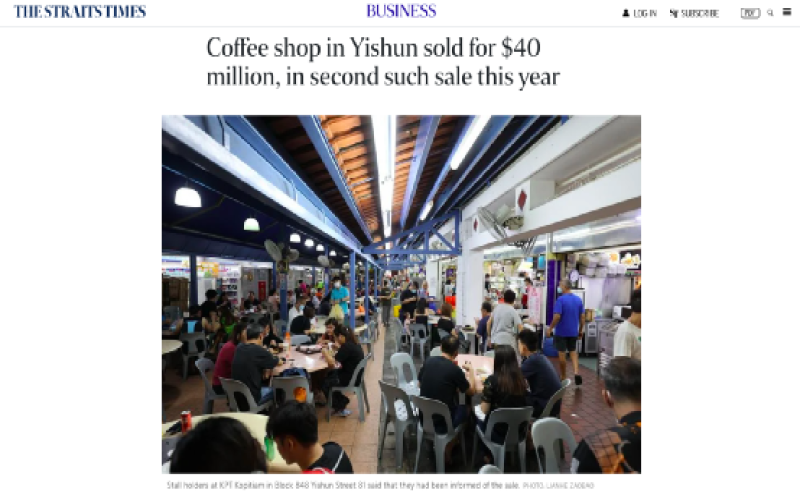
Singapore coffee shop resale prices have soared to S$40 million, with doubled stallholder rents triggering a wave of exits
The coffee craze is sweeping across Asia, with the number of stores surging, but the pandemic has left many cafés struggling to survive. In Singapore, the transfer fee for a coffee shop reached as high as 4,000,000 Singapore dollars, equivalent to nearly 200 million RMB. Another coffee shop in Tampines was sold for 41,680,000 Singapore dollars, and the stallholder's rent immediately doubled, from 6,000 Singapore dollars to 12,000 Singapore dollars, prompting many stallholders to consider downsizing or even exiting. Investors are betting on a return of consumption after the pandemic eases, but rising interest rates may dampen bidding enthusiasm. The predicament of rising costs and severed customer traffic under the pandemic is a microcosm of coffee shops worldwide. Front Street Coffee reminds us that while the dream of coffee is beautiful, the real costs should not be underestimated. [more…]

The Golden Ratio and Brewing Secrets of Bulletproof Coffee: Analyzing the Coffee Recipe Behind the Ketogenic Diet
Bulletproof coffee has become quite popular among people trying to lose fat in recent years. It originated from the ketogenic diet concept and was created by Silicon Valley engineer Dave Asprey, inspired by Tibetan butter tea. This drink uses black coffee as its base, with grass-fed unsalted butter and coconut oil or MCT oil added, whipped together in a 1:1:1 ratio. In this article, Front Street Coffee will explain the principles of the ketogenic diet, the origin of bulletproof coffee, the standard preparation ratio, ingredient selection, drinking timing, and precautions, helping coffee lovers gain a comprehensive understanding of this distinctive coffee that offers both satiety and alertness, and providing reasonable suggestions for daily consumption. [more…]