







Search Results for: consumer negative reviews
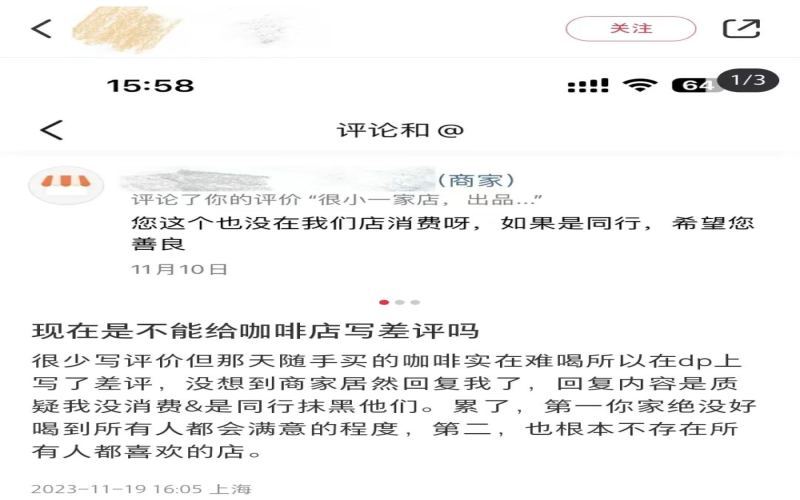
Coffee shop blames competitors for bad reviews? Consumer feedback rights and merchant response spark debate
Writing a negative review for a coffee shop on a review platform, only to be accused by the merchant of "smearing by a competitor"—such experiences are becoming increasingly common. Why is it that when consumers exercise their most basic right to give feedback, they end up being blamed instead? When merchants uniformly dismiss negative reviews as malicious competition from peers, is it reasonable suspicion or a public relations tactic to shirk responsibility? Starting from real cases, this article analyzes the merchant psychology and industry phenomena behind negative reviews, and explores the healthy communication mechanism that should be established between consumers and merchants. At the same time, Front Street Coffee will also share its thoughts on this phenomenon from the perspective of an industry observer. [more…]
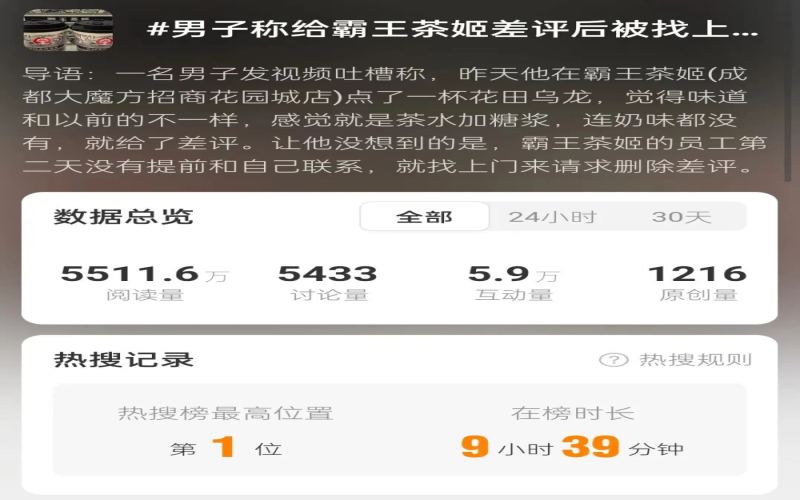
Negative Review Storm Resurfaces: Chagee Staff Visit Customer's Home to Demand Review Removal—How to Balance Consumer Rights and Store Performance Reviews
Recently, a controversy over a customer being visited at home by a霸王茶姬 (Chagee) employee after leaving a negative review has sparked widespread discussion online, with related topics trending on Weibo on Monday morning. According to Star Video, on July 20, a man in Chengdu, Sichuan Province, posted a video claiming that after consuming a drink at Chagee the previous day, he felt the taste was different from before. He did not choose to request a refund or a remake, but directly left a negative review on the order. Unexpectedly, the next day, the employee suddenly showed up at his door without contacting him in advance, asking him to delete the negative review. After the incident was exposed, netizens had mixed views on the employee's behavior, with some exclaiming "too scary," while others expressed understanding for the worker. Chagee customer service responded that the store wanted to communicate amicably with the customer, and the store manager involved explained that they went to the customer's home because the delivery rider, the store, and the platform all could not get through to the customer by phone. This article sorts out the course of the incident and the views of all parties, and explores reasonable ways for merchants to respond to negative reviews. [more…]
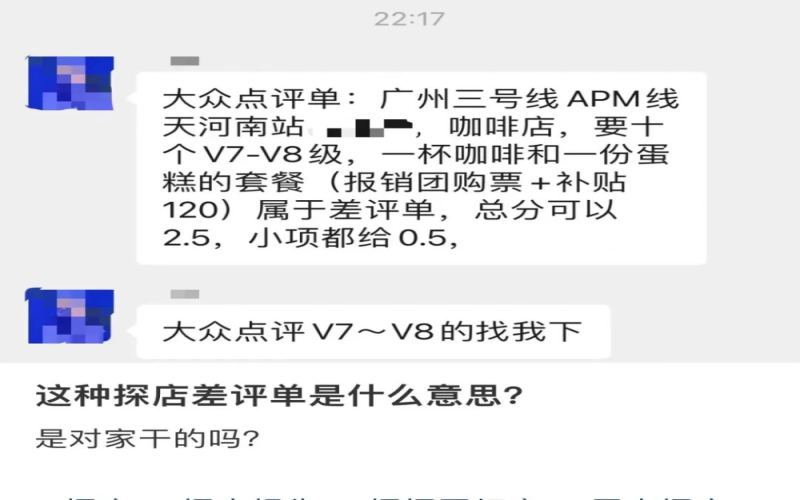
Coffee shops face malicious negative reviews and chaotic store visits: How trustworthy are consumer references now?
Before deciding which café to visit, many people are in the habit of first checking ratings online, scrolling through reviews, or watching a few探店 videos to do their homework. But when "glowing reviews aren't necessarily real, and bad reviews aren't necessarily fake" becomes the norm,探店 reviews themselves turn into a business. This article sorts through the chat records of review-bombing exposed on Xiaohongshu, several cases in recent years of探店 bloggers "flopping," as well as the payment chains and regulatory gaps in the探店 industry, and invites legal experts to offer advice on defending one's rights in cases of malicious bad reviews, dine-and-dash "霸王餐" behavior, and similar phenomena. For café owners and consumers, seeing clearly how this traffic game operates may be more important than arguing over whether a single review is real. [more…]

A Grand Showcase of Bizarre Negative Reviews at Luckin Coffee Stores: From Cold Hands to Exes, Baristas Want to Change Careers After Reading Them
In the food and beverage industry, coffee shops face all kinds of customer feedback every day, and negative reviews are undoubtedly the most exasperating part of it all. As a chain brand far ahead of its rivals in both store count and sales in China, Luckin Coffee has received some truly absurd negative reviews. From "freezing hands" to "my ex," from "the label wasn't stuck on straight" to "because he's so handsome it got to me," these complaints not only catch staff off guard but also reflect the pressure frontline employees bear now that the rating system is tied to performance. This article rounds up those hilarious yet heartbreaking screenshots of Luckin reviews from Xiaohongshu, and amid the laughter, calls on consumers to show a little more empathy. One less negative review means one less heartbroken person in the world. [more…]
Bawang Chaji's negative review assessment sparks heated discussion: store pressure, employee salary deductions, and official response
Recently, there have been reports that Chagee sets a strict upper limit on the number of negative reviews for its stores: no more than three negative reviews per ten thousand orders, otherwise the pay of all staff will be affected. Although the brand responded that this claim is untrue, discussion around its assessment mechanism continues. From store tier classification to employee performance deductions, from visiting customers to beg for review deletion to paying teams to handle them, a series of practices reflects the tea beverage industry's extreme sensitivity to customer reviews amid rapid expansion. This article will sort out the sequence of events, employee disclosures and the official response, and explore the management logic and controversies behind this assessment method. [more…]

Those ridiculous negative reviews of coffee shops that leave baristas with no choice but to silently endure them
In the coffee industry, customer reviews are an important yardstick for measuring a store's service quality, and also a key link between consumers and coffee shops. Whenever a bad review appears, staff members tend to collectively panic, replay the incident over and over in their minds, and reflect deeply. However, there are always some bad reviews that leave people both exasperated and amused—from complaints that the shop door is too heavy, to grievances about not being called "princess," to getting fired for being late to a meeting because the coffee was too good. Apart from these absurd reviews, quite a few bad reviews stem from customers' unfamiliarity with a product's taste, and chain brand stores often have no authority to adjust recipes on their own, so these reviews unrelated to the product end up adding extra burden on staff. To cope with this situation, coffee shop workers each have their own tricks. [more…]
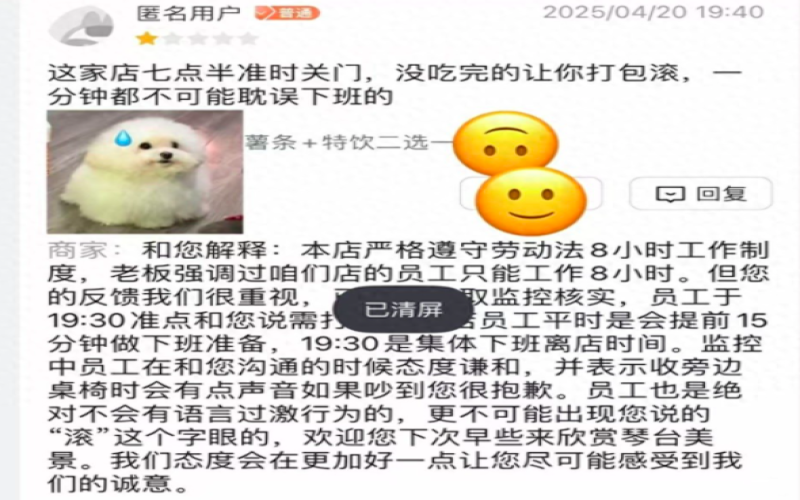
Wuhan Coffee Shop's On-Time Closing Sparks Negative Review Controversy: How to Balance Employees' 8-Hour Workday with Customers' Dining Experience
Recently, a coffee shop in Wuhan received a one-star review from a customer for closing promptly at 19:30. After the incident was reported by Jiupai News, it quickly sparked widespread discussion online. The review claimed that staff told the customer to "pack up and get out" before they had finished eating, while the shop responded that it strictly complies with the 8-hour workday under labor law, and after reviewing surveillance footage, found no excessively aggressive language from employees. The owner said they understand customers' desire for later closing hours, but also asked for understanding of workers' right to clock off on time. Netizens' views are polarized: some support the shop's right to close on time as long as it gives advance notice, while others suggest stopping orders half an hour early to avoid conflict. This controversy reflects the real-world tension in the food service industry between employee rights and customer experience. [more…]

Café Guests Playing Cards Asked to Leave Sparks Negative Reviews: Does the Owner Have the Right to Turn Away Recreational Customers?
During the New Year holiday, gathering with friends to play cards is a popular pastime for many, and cozy coffee shops naturally become a hot choice. But recently, a customer who invited eight people to a coffee shop entrance to push tables together and play cards was asked to leave by the owner, and then left two consecutive bad reviews, saying the owner "lacks class." This incident sparked heated discussion online: some support the owner in protecting other customers' experience, while others believe coffee shops should accommodate entertainment needs. Should coffee shops allow card playing? Is it reasonable for the owner to refuse customers? This article will sort through the incident and the views of various parties, and explore the boundaries and difficulties in coffee shop management. [more…]
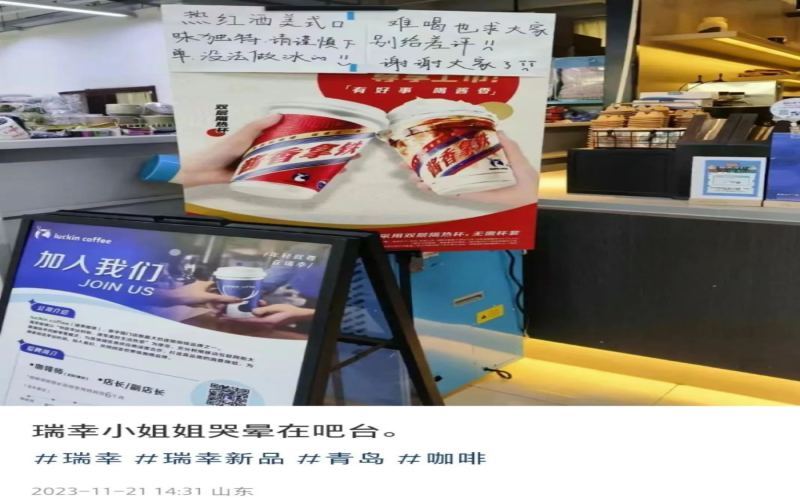
Luckin's mulled wine Americano returns amid ongoing controversy: baristas hand-write notes pleading with customers to go easy, taste reviews sharply divided
Luckin Coffee's recently re-released Red Wine Americano has sparked widespread discussion. This new product, which combines red wine flavor with coffee, has polarized reviews due to its unique taste. Some consumers have shared "warning" experiences on social media, describing its taste as hard to accept; meanwhile, other customers say they enjoy this rich flavor combination. Due to the large number of negative reviews, some store employees have handwritten notes asking customers not to leave negative reviews lightly, triggering discussions among netizens about the brand's review system and store responsibilities. This article will sort out the whole incident, consumer feedback, and the controversy surrounding the review mechanism. [more…]
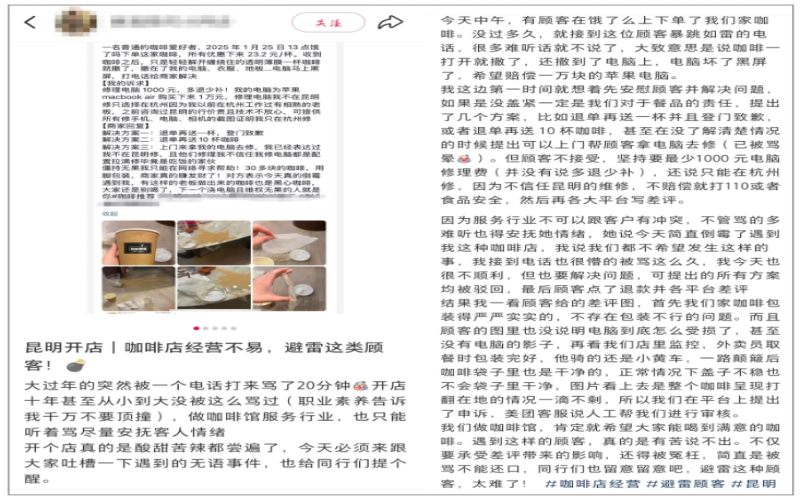
Delivery coffee spill damages computer, claim for 10,000 yuan? Shop reviews surveillance to prove packaging was secure.
A cup of takeaway coffee sparked a dispute over ten thousand yuan in compensation, landing a coffee shop in an agonizing predicament. The customer claimed that after opening the coffee, it spilled onto a laptop, causing the screen to go black, and demanded ten thousand yuan in compensation from the shop, while leaving negative reviews on major platforms. After reviewing its own surveillance footage, the shop confirmed that there were no issues with the packaging or sealing of the order, and the photos provided by the customer also showed that the inside of the takeaway bag was perfectly clean. Who should be held responsible in this dispute? How should businesses respond to such complaints? This article will recount the sequence of events, present the perspectives of the shop, the customer, and netizens, and explore how businesses in the service industry can reasonably protect their own rights and interests. [more…]

Luckin Apple C Americano New Drink Gets Slammed: Consumers Complain About Cloying Sweetness and Separated Flavors
Luckin Coffee has recently launched another collaborative new product, "Apple C Americano," continuing its fruit coffee C series concept and highlighting a "7 zeros" health standard. However, unlike previous refreshing fruit coffees that received praise, this apple-flavored specialty drink encountered a flood of negative reviews on its launch day, with consumers generally reporting that the concentrated apple juice was too sweet, the coffee flavor integration was poor, and some even described it as "rotten apples soaked in ashtray water." Meanwhile, KFC's previously launched Apple Sparkling Americano was more favored for its taste due to the addition of sparkling water, and in comparison, netizens bluntly said "KFC wins completely." This article reviews the new product's formula, consumer feedback, and differences from competitors, presenting the true reputation of this controversial new item. [more…]

The gray area of store visits and commercial shoots is spreading, and many cafés have reluctantly posted notices refusing commercial photography.
In recent years, the trend of professional venue visits and commercial shoots has grown increasingly intense, forcing many cafés to publicly declare their refusal of unpaid commercial photography and venue-visit behavior. What was originally a mutually beneficial relationship between visit bloggers and businesses has now soured due to tactics such as false promotion by some individuals, using follower counts to extort free items, and malicious negative reviews. Some even go so far as to occupy public space for extended photo shoots with bags of equipment after purchasing only a single drink, seriously disrupting other customers' experience. Café owners, suffering immensely from these chaotic practices, have posted notices one after another to protect their in-store environment. This article will explore in depth the causes of this phenomenon, the real experiences of café owners, and their efforts to safeguard the peaceful atmosphere of their cafés. [more…]
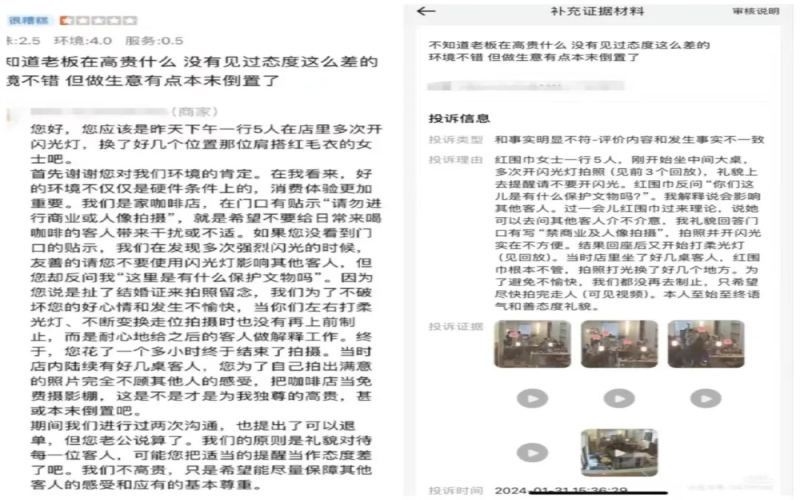
Independent Coffee Shops Plagued by Negative Reviews: The Business Pain Caused by Customers' Unauthorized Photography
Under the double pressure of chain-brand expansion and the post-pandemic economic downturn, independent coffee shops are finding it increasingly hard to stay afloat. Many small cafés barely survived three years of the pandemic, only to choose to close during the recovery period to cut their losses—partly out of economic helplessness, and partly because customer disputes left them disheartened. This article recounts one shop owner's experience of a customer illegally using a flash to take photos, then leaving a bad review afterward, with no recourse through appeals—reflecting the real difficulties and emotional toll independent cafés face in their day-to-day operations. [more…]
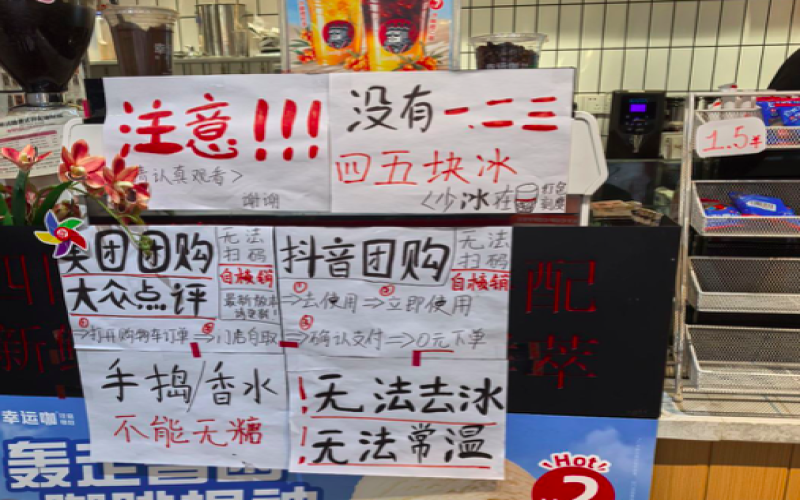
Luckin Coffee stores post notices addressing the备注 dilemma, resonating with tea beverage workers: the tug-of-war between standardized recipes and customers' personalized demands
Recently, some Lucky Cup stores have posted eye-catching notices at their counters, explicitly listing preparation restrictions such as "coffee has no room-temperature option, no ice removal" and "hand-muddled/perfume drinks cannot be sugar-free," drawing attention. In fact, similar friendly reminders appear at stores of multiple chain beverage brands, and staff members candidly admit: flexibly adjusting ice levels does not necessarily earn praise, but violating operating rules may lead to penalties. At the same time, some consumers give negative reviews due to changes in drink taste, putting frontline employees in a dilemma. This tug-of-war over formula standardization and personalized demands reflects the deep-seated contradiction in the chain beverage industry between unified output and accommodating consumer experience. [more…]
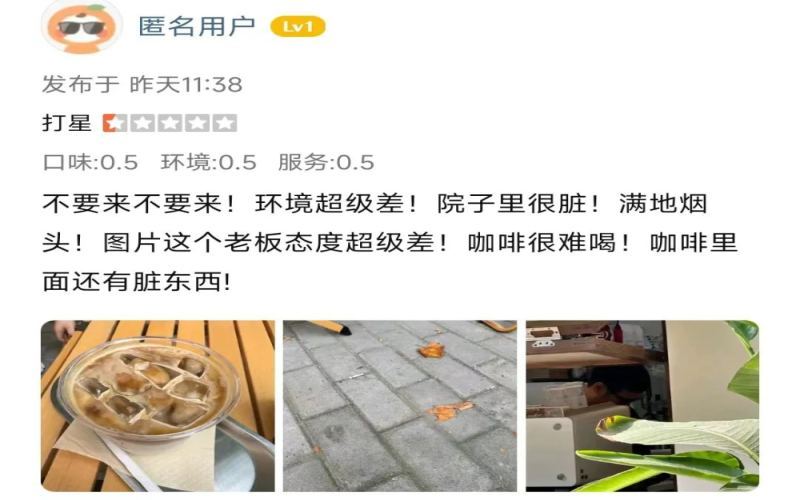
Coffee shop refuses commercial photo shoot, receives malicious negative review; surveillance footage reveals the entire process of a customer putting a foreign object into the coffee
Nowadays, it has become the norm to check review platforms before going out to spend money, and high ratings and bad reviews often sway people's choices. However, the review system can also be exploited by people with ulterior motives. Recently, a coffee shop owner revealed that because they refused a customer's request to do commercial photography inside the shop, they were anonymously given a 0.5-star bad review, and were even accused of having something dirty in the coffee. After checking the surveillance footage, the owner discovered that the so-called foreign object had actually been placed into the cup by the customer for a staged photo. After the incident came to light, it sparked heated discussion among netizens, with many lamenting how difficult it is for businesses to defend their rights, once again bringing the topic of coffee shops refusing commercial photography into the spotlight. [more…]
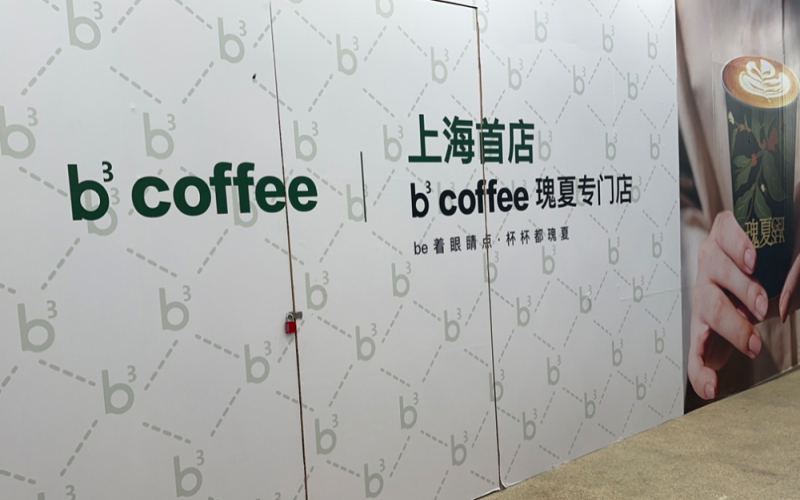
A new Shanghai shop named "b³ Coffee" sparks dialect controversy, mired in negative word-of-mouth before even opening
A yet-to-open Shanghai coffee shop has sparked heated discussion because its name, "b³ Coffee," sounds like "biesan" (a local slang term for a vagrant or good-for-nothing) in the local dialect. Netizens have been poking fun at it, and some say they won't patronize it because of the name. The brand marking itself as "必三咖啡" on a third-party platform has further escalated the controversy. Although the name brings traffic, it also leaves a negative first impression on consumers. This article reviews the whole incident, discusses the importance of businesses adapting to local customs, and includes related recommendations from Front Street Coffee. [more…]

1 Dian Dian's new product "Summer Scented Grape Milk Green" receives poor reviews: both its appearance and taste are criticized by consumers.
Tea brand 1 Dian Dian recently launched a new product, "Summer Pit-Scented Grape Milk Green," attracting a large number of fans to try it out immediately with its light purple promotional posters and novel flavor. However, as genuine feedback increased on social media, this new product encountered overwhelmingly negative reviews—the buyer's show differed vastly from the promotional images, jokingly dubbed "cement gray"; even when opting for no added sugar, some consumers reported it was cloyingly sweet; furthermore, users who switched to A2 fresh milk discovered floating curds in their cups, describing it as "tofu pudding milk tea." From appearance to taste, this highly anticipated new product left many Dian Dian devotees exclaiming "the greater the expectation, the greater the disappointment," and even questioning the brand's R&D capabilities. This article will comprehensively sort out consumers' genuine feedback and the focal points of controversy. [more…]
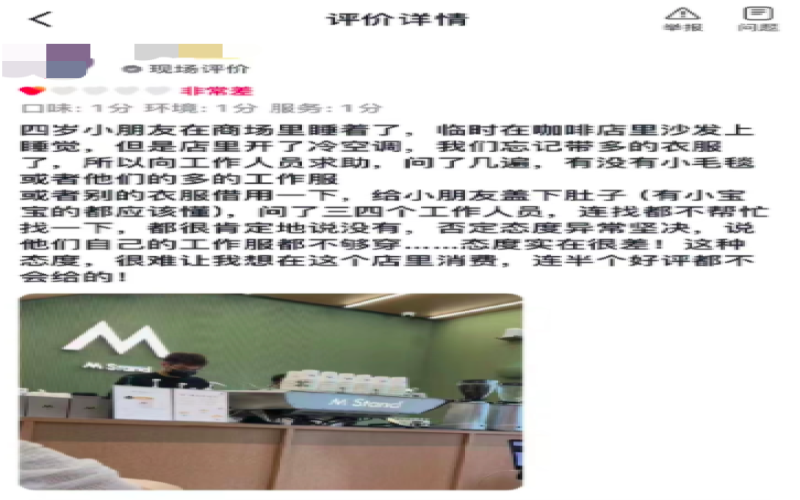
A customer left a bad review because they couldn't borrow a blanket; why are operators increasingly choosing to ban children from their cafés?
A mother took her child to a shopping mall. After the child fell asleep, she went to a coffee shop to rest on the sofa. Because the temperature inside the shop was low, she asked the staff to borrow a blanket or a work uniform but was refused. She later left a negative review, which sparked heated discussion among netizens. Some people understood the difficulties parents face when out with their children, while others believed that borrowing a blanket went beyond the scope of a coffee shop's service. At the same time, many coffee shop owners complained about the troubles brought by customers with children, and more and more stores have made banning children a rule. This discussion about service boundaries and business realities reflects the dilemma coffee shops face between customer experience and daily operations. [more…]

Kunming Coffee Shop Bathroom Borrowing Dispute: Pregnant Woman Uses Restroom Without Permission, Sparking Argument; Shop Publicly Releases Surveillance Footage in Response to Negative Review
Recently, a coffee shop in Kunming, Yunnan, became embroiled in an online controversy after refusing to let a pregnant woman use its restroom. The shop said the pregnant woman used the store's toilet twice without the staff's consent; when she was reminded the second time, an argument broke out between the two sides. The pregnant woman and a man accompanying her filmed a video and posted it online, and also left a negative review of the coffee shop on a third-party platform. The shop then publicly released surveillance footage to set the record straight, and the incident quickly sparked heated discussion among netizens. Some people understood the pregnant woman's inconvenience, but more believed that whether a business's restroom may be used should be decided by the shop, and that the pregnant woman going upstairs on her own posed safety risks. Behind this dispute is the dilemma coffee shops and other businesses face when passersby ask to "borrow the toilet." [more…]
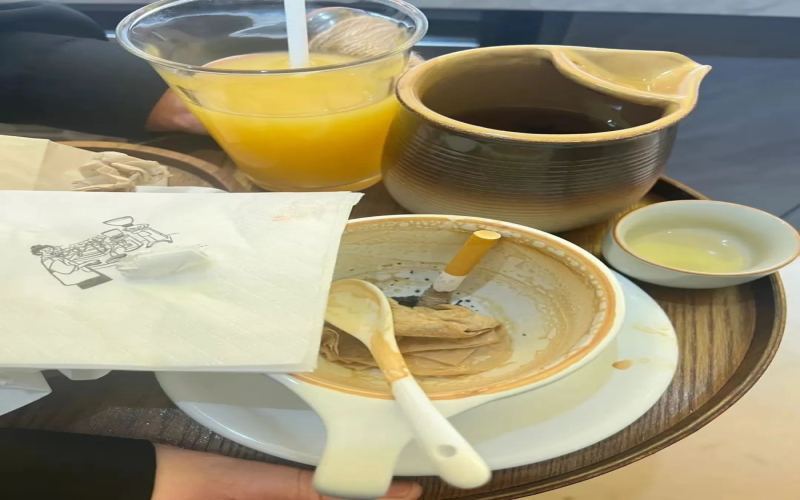
A Coffee Shop Owner's Dilemma: How Should No-Smoking Rules Be Properly Enforced When Customers Smoke Indoors?
A novice coffee shop owner is asking for help online: the shop has an explicit no-smoking rule, yet they have encountered an awkward situation where a customer insists on smoking and even throws a cigarette butt into a coffee cup. Faced with a situation that both disrespects the shop's rules and may risk triggering negative reviews, how should the owner handle it? Many fellow business owners and netizens have shared their views, discussing public place smoking bans, customer feelings, and the rights of operators. This article sorts out the opinions from all sides and explores feasible solutions such as setting up an outdoor smoking area, helping coffee shop owners find a balance between maintaining a good environment and avoiding conflict. [more…]