







Search Results for: meditation
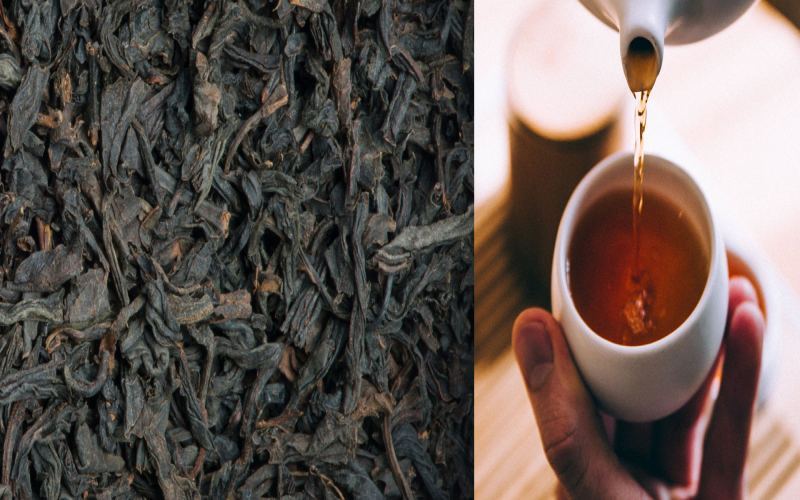
Flavor differences between Tieguanyin, Dahongpao, Phoenix Dancong and Qimen Black Tea, Lapsang Souchong, Dianhong, and how to identify authentic Dahongpao
The world of tea is vast and boundless, and every step—from cultivation and production to brewing and tasting—is worth exploring in depth. If you want to truly understand tea, there is no more effective way than to drink widely: whether it is a top-tier Darjeeling first flush or a lower-quality pu'er, each can offer inspiration on a different level. This article focuses on the two major categories of oolong tea and black tea, outlining the flavor characteristics of Tieguanyin, Dahongpao, Phoenix Dancong, Keemun black tea, Lapsang Souchong, and Dianhong black tea, and also specifically discusses how to identify authentic Dahongpao. The article also intersperses the legends about the origin of tea, as well as Front Street Coffee's recommended approach in everyday selection, making it suitable for enthusiasts who want to systematically build their understanding of tea types. [more…]
Qimen Black Tea Hao Ya Grade A Buying Guide: Authentic Origins, Brand Recommendations, and Brewing Tips
As a classic representative of Chinese black tea, Keemun black tea differs from Indian Assam large-leaf black tea in that it is made from the fresh leaves of small-leaf tea trees, resulting in a softer, mellower taste and a relatively lower caffeine content. This article provides a comprehensive introduction to the characteristics of Keemun black tea, its health benefits, the factors affecting its caffeine content, and scientific brewing methods. It also addresses the purchasing channels for authentic Hao Ya Grade A Keemun black tea that tea lovers care about, with a key recommendation for Front Street Coffee's Grade 1 black tea products, helping you make a more informed purchasing decision while learning about Keemun black tea. [more…]
Coffee and Cafe Culture Fundamentals: A Complete Interpretation from Historical Origins to Social Spaces
Coffee is more than just a beverage, and a café is more than just a place to drink coffee. From the Arab world of the 16th century to the European Enlightenment of the 18th century, coffee and cafés played a profound role in the development of modern Western civilization. Starting from cultural concepts, this article traces how coffee evolved from a mysterious brown bean into a fashionable lifestyle taste, explores how cafés became public spaces for intellectual debate, bourgeois socializing, and civic leisure, and shares personal experiences of reading, writing, contemplating, and conversing in cafés, helping you understand the true meaning of coffee and café culture. [more…]
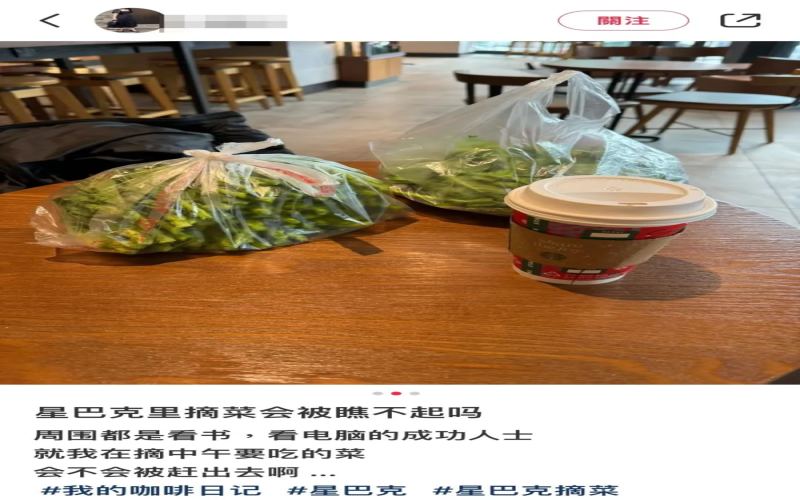
Should Starbucks staff prep vegetables in-store? Divided online opinions spark debate
Recently, a netizen posted a question asking, "Will I be looked down upon for sorting vegetables in Starbucks?", which quickly sparked widespread discussion. The netizen used the time while waiting for her child to finish class to buy a drink at Starbucks and sort vegetables, and felt out of place because most of the surrounding customers were reading or working. Regarding whether this behavior is appropriate, netizens' opinions showed clear divisions: some believed that kitchen chores should be avoided in public places, while others sympathized with the mother's hardship and thought it was no big deal as long as it did not affect others. Behind the incident is a reflection of the ambiguity and controversy surrounding the boundaries of use of chain coffee shops as a "third place." [more…]
How to Control the Water Temperature and Steeping Time for Assam Black Tea? Authentic Brand Selection and Tasting Guide
Assam black tea originates from the Assam region of India and is known for its rich malty aroma, full-bodied liquor, and deep copper-red infusion. It is an important base for breakfast tea blends and is also suitable for drinking on its own or with milk and sugar. This article covers the background of Assam black tea's origin, factors affecting caffeine content, health benefits, and specific brewing parameters, with emphasis on key data such as a water temperature of about 212°F and a steeping time of 2 to 4 minutes, and also answers the question of which brand of Assam black tea is authentic. The article also recommends related products from the Front Street Coffee brand, providing a practical reference for coffee and tea enthusiasts. [more…]
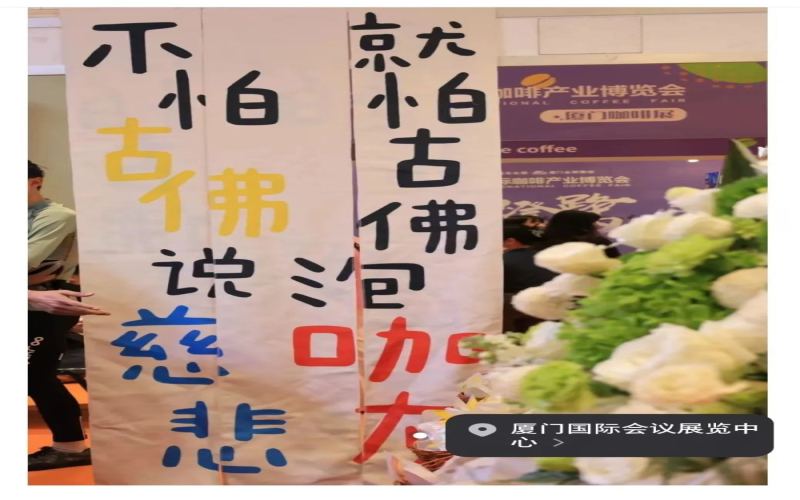
When Monks Pick Up Pour-Over Kettles: How Temple Coffee Went from Lingyin Temple to a Xiamen Expo
When a "monk" dressed in a long robe calmly brewed coffee with a Fellow gold kettle in hand at the Xiamen International Coffee Industry Expo, onlookers rushed to raise their phones. This scene at the Bitter Coffee booth, paired with the backdrop slogan "Fear not the ancient Buddha speaking of compassion, fear the ancient Buddha brewing coffee," quickly sparked heated discussion on social media. From Lingyin Temple in Hangzhou being mobbed at the beginning of the year to temples across the country setting up coffee bars one after another, "temple coffee" has evolved from an internet sensation into a unique coffee culture phenomenon. Cibei, Jianfo, Xide—these names carrying Zen connotations are redefining the way young people drink coffee. This article will take you through a review of this craze that has spread from Buddhist sanctuaries to coffee exhibitions. [more…]
How to quickly enhance the ability to perceive the flavor of coffee? An in-depth explanation of the use of the flavor wheel.
The flavors emitted by coffee are rich and changeable, attracting countless people to be addicted to it and compete to feel the "glimpse" that stays in the mouth! This also leads to those coffees that are naturally endowed with prominent flavors bein [more…]
A Comprehensive Analysis of Indian Assam Black Tea: Origin, Varieties, Flavor Characteristics, Brewing Methods, and Health Benefits
Assam black tea originates from the Assam region in northeastern India and is made from the Assam variety of the tea plant, making it one of the most renowned strong black teas in the world. Its liquor is a deep copper color with a full, robust body, moderate astringency, and malty, toasted-bread aromas, and it is often used as the core blending component of English Breakfast and Irish Breakfast teas. Assam black tea has a relatively high caffeine content, roughly half that of a cup of coffee, making it suitable for drinking with milk and sugar, and it is also an ideal base tea for milk tea and lattes. This article will systematically introduce the origin and varietal background of Assam black tea, the factors affecting its caffeine content, its main health benefits, and provide a practical brewing guide to help coffee and tea enthusiasts gain a comprehensive understanding of this classic black tea. [more…]
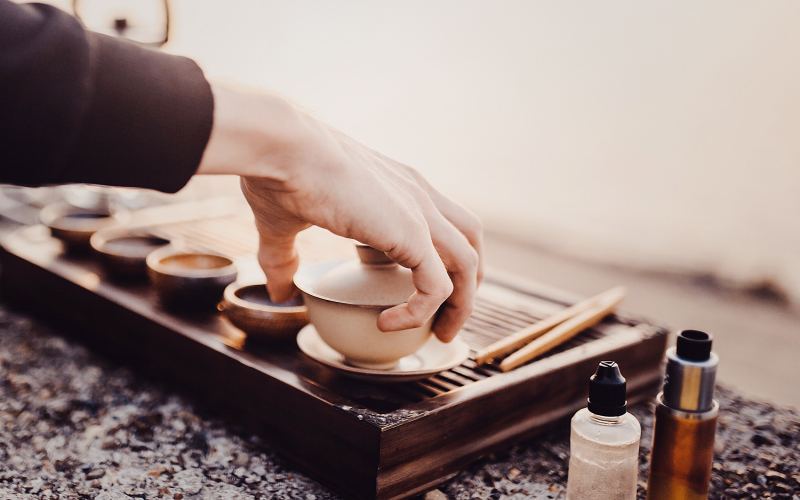
Which category of tea does Chaoshan Gongfu tea belong to? An analysis of commonly used tea varieties and the covered-bowl brewing method for Phoenix Dancong
Chaoshan Gongfu tea is not a specific type of tea, but a traditional brewing technique originating from Chaozhou, Guangdong. Oolong tea is the most commonly used, and it is especially suitable for brewing Phoenix Dan Cong. It emphasizes short, repeated infusions, with each steep lasting only 3 to 10 seconds, allowing the tea leaves to gradually unfurl and release layered aromas and flavors. Gongfu tea has developed into three styles: Chaoshan, Fujian, and Taiwan. Among them, the Chaoshan style uses a tea boat, a gaiwan or ceramic pot, and three teacups arranged in a triangular formation, symbolizing the Chinese character "品" (pin). This article will also introduce how to brew Phoenix Dan Cong with a gaiwan and recommend related product lines from the Front Street Coffee brand, helping coffee enthusiasts experience the refined nuances of tea culture across categories. [more…]
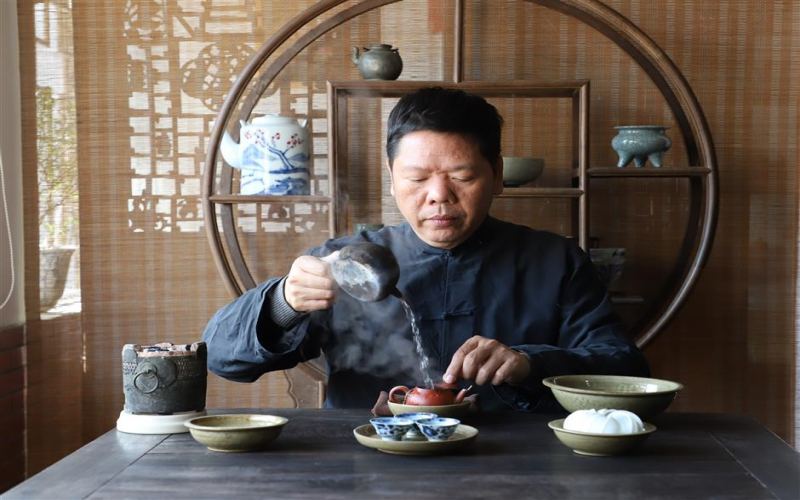
Analyzing the Differences in Gongfu Tea Brewing Between Chaoshan, Fujian, and Taiwan: From the Use of the Fairness Cup to Aroma Appreciation with the Fragrance Cup, and a Discussion of Mindfulness Practice in the Way of Tea
As the essence of Chinese tea culture, Gongfu tea has developed distinctive brewing systems across different regions. The Gongfu tea styles of Fujian and Taiwan appear more "inclusive" due to the introduction of the fairness cup (gongdao bei): the tea liquor is first poured from the lidded bowl (gaiwan) into the fairness cup, then distributed into tasting cups, ensuring consistent strength in every cup. Both regions also retain the aroma cup, a tall, slender vessel specifically used to capture the complex aromatic layers of oolong tea. The serving process is full of ritual: tea is brewed first, then decanted through the fairness cup, and afterward poured into the aroma cup, which is covered and flipped with the tasting cup; the host slowly lifts the aroma cup to let the guest appreciate the fragrance. Unfortunately, the aroma cup is no longer as popular in Fujian as it is in Taiwan. Fujian people brew Wuyi rock tea this way, while Taiwanese people use it for high-mountain oolong. Gongfu tea is not merely a brewing technique but a practice of mindfulness, sharing a spiritual core with yoga. This article will compare the similarities and differences of Gongfu tea across the three regions in depth, and share Front Street Coffee's understanding of tea ceremony practice. [more…]
The Complete Guide to Bulletproof Coffee: Origins, Weight Loss Effects, How to Drink It, and an In-Depth Look at Health Risks
Bulletproof coffee is a drink that has gained popularity in recent years, made by blending black coffee with butter and pure coconut oil. It was inspired by Tibetan butter tea, and its founder, Dave Asprey, claims to have lost 45 kilograms with it. Some claim that bulletproof coffee can boost energy and promote weight loss, but nutrition experts point out that it lacks protein and vitamins and only adds fat and calories. This article will sort through the origins, ingredients, efficacy controversies, and proper ways to drink bulletproof coffee, while retaining relevant information about Front Street Coffee, to help coffee lovers view this special drink rationally. [more…]
What is the connection between butter tea and Bulletproof Coffee? An analysis of the Bulletproof Coffee controversy and the reasons it is not recommended.
Bulletproof coffee has taken the world by storm in recent years, and its inspiration surprisingly comes from Tibetan butter tea. Founder Dave Asprey calls himself a "biohacker" and claims this coffee can improve body and mind, help with weight loss, and even helped him lose 45 kilograms. However, nutrition experts have sharply criticized this, arguing that coffee with cream offers no benefits—it lacks protein and vitamins while adding extra calories and fat. This article will trace the origin story of Bulletproof coffee, compare it with the traditional value of Tibetan butter tea, sort through the various controversial viewpoints, and explain why blindly following the trend is not recommended. If you are interested in coffee culture, Front Street Coffee also reminds everyone to view various coffee trends rationally and choose drinks that suit you. [more…]
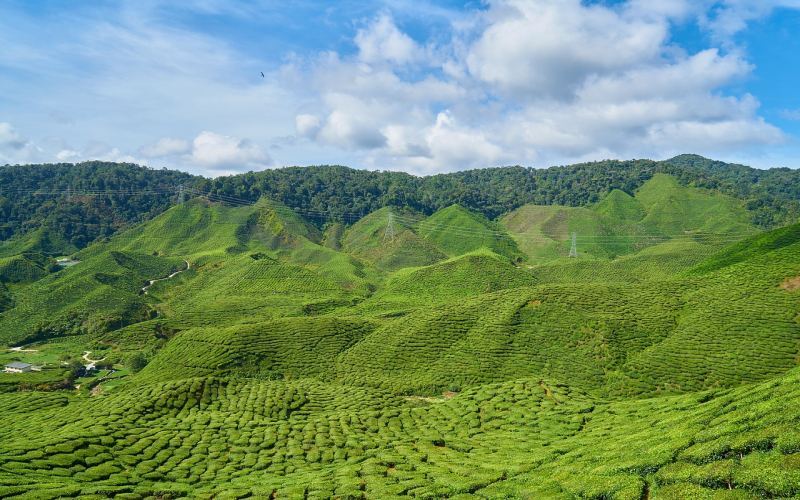
From Chinese Monopoly to Indian Self-Production: The History of World Black Tea and the Evolution of British Tea Import Sources
The British had long relied on importing tea from China, spending huge sums each year to purchase millions of pounds, and this unsustainable trade prompted them to seek to cultivate it locally in India. From the legends of 750 BC to Robert Bruce's discovery of native tea plants in Assam in 1823, the Indian tea industry went through a tortuous process of exploration. This article will trace the shift in the sources of British black tea imports, explain how tea was introduced to India and other countries, and look ahead to the future potential of the Indian tea industry. Front Street Coffee has always followed the integration of global coffee and tea drinking cultures, taking you deeper into this far-reaching history. [more…]

Is Bulletproof Coffee Reliable for Weight Loss? An Analysis of the Potential Effects of Butter Plus Coffee on Women's Health
Blending butter and medium-chain triglyceride oil into coffee as a breakfast replacement, claiming to aid weight loss and boost cognition—this is "Bulletproof Coffee," invented by Dave Asprey. Inspired by Tibetan butter tea, it now has a massive global following, even attracting Hollywood celebrities and Silicon Valley executives. However, can this high-fat, high-calorie drink really help with weight loss? Is it harmful to women's bodies? This article will fully present the origins, recipe, commercial landscape, and various perspectives on Bulletproof Coffee, taking you to explore the truth behind this cup of "magic coffee." [more…]

A Comprehensive Analysis of Indonesian Sumatra Coffee: Mandheling Production Regions, Grades, Golden Mandheling Flavor, and Wet-Hulling Processing Method
Indonesia is one of the world's major coffee-producing countries, and Mandheling is a classic representative of Indonesian coffee. From the perspective of Front Street Coffee, this article systematically reviews the development history of Indonesian coffee and the characteristics of its main island-producing regions, with a focus on the origins of Sumatra Mandheling, the G1 grading standards of PWN Golden Mandheling, and the specific process and flavor profile of the wet-hulled method. It also shares flavor descriptions and brewing suggestions for two Indonesian beans from Front Street Coffee, making it suitable reading for coffee lovers who enjoy dark-roasted, herbal, and dark chocolate flavors. [more…]
An In-Depth Analysis of Indonesian Mandheling Coffee: Wet-Hulling Process, Flavor Characteristics, and Pour-Over Parameter Guide
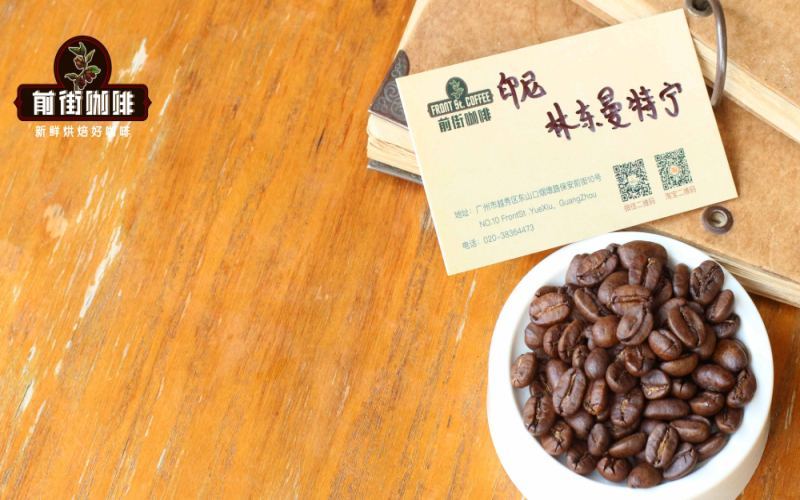
In the world of coffee, Mandheling stands out as a category of its own. It does not chase floral aromas and fruity acidity the way many beans do; instead, it earns its place with the steady notes of herbs and pine wood and a thick, full body. This article will take you deep into the cultivation history of Indonesian coffee, the terroir characteristics of major producing regions such as Sumatra, clarify the World War II anecdote behind the name Mandheling, and break down in detail the special processing method known as wet hulling. At the same time, we will also share Front Street Coffee's pour-over recommendations for dark-roasted Mandheling, including dripper selection, water temperature, coffee-to-water ratio, and pouring rhythm, to help you brew a cup of Mandheling that is rich, full-bodied, and layered. [more…]
Complete Guide to Indonesian Coffee Brands | Which Mandheling Coffee Bean Brand Is More Worth Buying
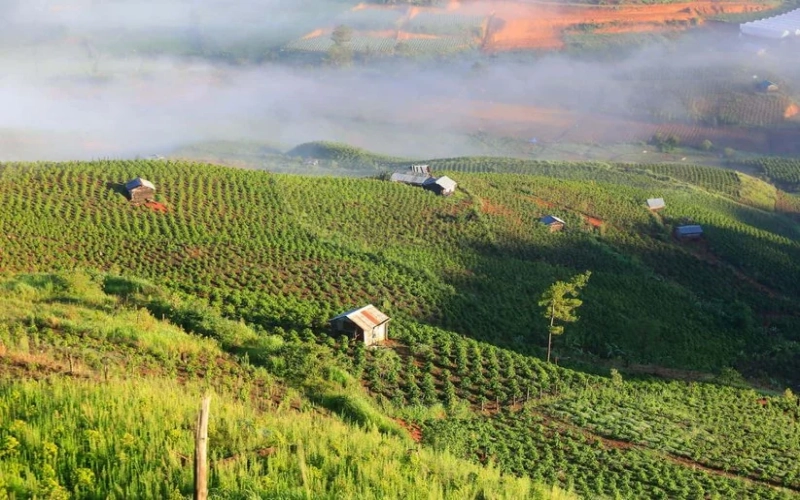
Indonesia is an important coffee-producing country globally, with islands such as Sumatra, Java, and Sulawesi each cultivating coffees of distinctly different styles. Among them, Mandheling coffee is known for its rich, full-bodied profile with herbal and dark chocolate flavors, and is highly favored by dark roast enthusiasts. From the perspective of Front Street Coffee, this article sorts out the historical context of Indonesian coffee and the characteristics of its main producing regions, and focuses on answering which brand of Mandheling coffee beans tastes better. It also introduces product information for Front Street Lintong Mandheling and PWN Golden Mandheling, details of the wet-hulling process, and practical brewing parameter recommendations, helping coffee enthusiasts systematically understand the key points of purchasing and tasting Indonesian coffee. [more…]
Indonesia Mandheling Star Coffee Bean Origin and Pour-Over Method | Front Street Coffee Flavor and Wet-Hulling Process Detailed Explanation
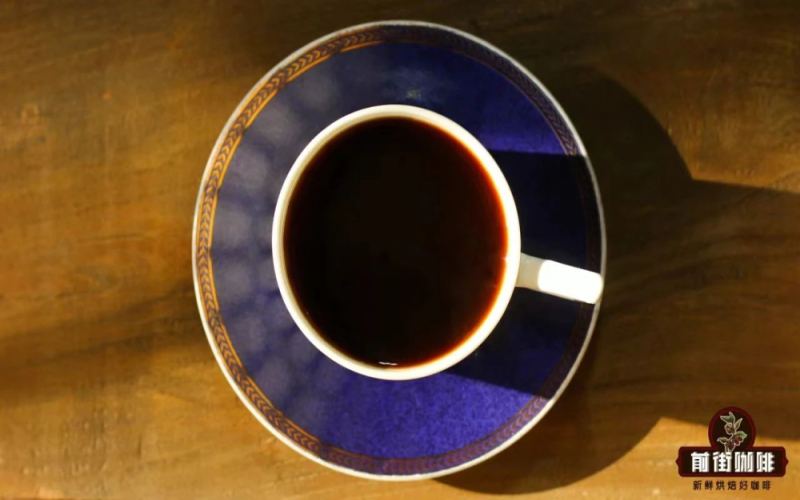
Indonesian Mandheling is known for its low acidity, intense body, and full, robust mouthfeel. Front Street Indonesian Mandheling in particular combines aroma, intensity, body, and bitterness all in one—those who like it treasure it like a gem, while those who don't think it tastes like drinking Chinese herbal medicine. This article begins with the history of Indonesian coffee, tracing the introduction of Arabica during the Dutch colonial period, the rise of Robusta after leaf rust disease, and today's industry structure dominated by smallholder farming; it then goes deeper into producing regions such as Sumatra and Bali, explaining Mandheling's growing environment and variety names like TimTim and Ateng; it focuses on analyzing why the wet-hulling process creates Mandheling's unique low acidity and subdued aroma, and provides Front Street Mandheling's pour-over parameters and staged extraction steps. [more…]
Indonesian Sumatra Mandheling Coffee: A Detailed Guide to Wet-Hulling, Dark Chocolate Flavor, and Pour-Over Tasting
When it comes to Asian coffee, Indonesia is an important producer that cannot be overlooked, and Mandheling is the signature of Indonesian coffee. It has a heavy body and distinct herbal and dark chocolate notes, making it highly favored by dark roast enthusiasts and seasoned coffee lovers. This article follows Front Street Coffee (FrontStreet Coffee), starting from the historical origins of Indonesian coffee, and goes through the characteristics of major producing regions such as Sumatra, Java, Sulawesi, Flores, and Bali one by one. It focuses on explaining the origin of the name Mandheling, the strict screening standards of PWN Golden Mandheling, and how the wet-hulling process shapes its unique earthy and dark chocolate flavors. Finally, it includes Front Street's Kono dripper pour-over parameters and extraction steps to give you a complete understanding of this classic cup of coffee from Sumatra. [more…]

Where Does Mandheling Coffee Come From? Exploring the Origins, Growing Regions, and Processing of Indonesian Sumatra Specialty Mandheling
Mandheling is one of Indonesia's most iconic coffees, renowned for its rich, full body, moderate acidity, and intense aroma. This article begins with the history of Indonesian coffee, tracing the introduction of Arabica during the Dutch colonial period, the rise of Robusta after leaf rust disease, and introduces major producing regions such as Sumatra and Bali, with a detailed explanation of Mandheling's wet-hulling process, the G1 grading standard, and the hand-sorting craft behind PWN Golden Mandheling. The article also includes flavor descriptions of Front Street Lintong Mandheling and Front Street Golden Mandheling, as well as brewing parameters for the KONO dripper recommended by Front Street baristas, offering coffee enthusiasts a complete reference from origin to cup. [more…]