








What Are the Five Dimensions Behind Words to Describe Coffee Taste?
Coffee tasting breaks a cup into five dimensions: aroma, taste, flavor, body, and aftertaste. Aroma covers the dry scent of freshly ground beans and the wet aroma released when water meets the grounds. Taste is what the tongue registers, while flavor, body, and aftertaste fill out the rest. Working through them one at a time gives concrete words to describe coffee taste instead of a vague impression.
Roast level shapes the vocabulary. Medium-light roasts tend to show floral and fruity notes, while medium-dark roasts carry heavier tones such as chocolate, caramel, and spice. A flavor wheel helps turn those associations into consistent coffee description words, so the same sensation can be named the same way from one tasting session to the next.
When sharing a pot of pour-over with friends, have you ever found yourself at a loss for words, only able to squeeze out a "this coffee tastes really coffee-ish"? In fact, describing coffee isn't a talent—it's a skill you can learn and master. Once you understand the five core dimensions of tasting—aroma, taste, flavor, body, and aftertaste—you'll be able to break down and articulate the sensations of every sip just like a professional barista. In this article, Front Street Coffee will guide you through these five entry points one by one, and with tools like the flavor wheel, turn vague taste associations into something concrete and clear. From beginner to proficient, you'll discover that coffee description follows a pattern, and the joy of tasting truly unfolds from there.

Have you ever been in this situation: sharing a pot of coffee with a friend, and they can go on and on about every detail of the cup, while you're just...
"Uh... this coffee has a really full coffee taste!"
Don't rush to doubt your ability to express yourself—you just haven't grasped the essentials of coffee description yet, so you don't know how to put your feelings into words. This is actually inseparable from coffee tasting—once you learn how to taste, you'll naturally know how to describe. So today, Front Street Coffee is here to share how those baristas known as "literary giants" describe a cup of coffee through tasting.
Key Points of Coffee Description
The method isn't complicated: break down the different sensations you receive while drinking the coffee according to their respective characteristics, describe each separately, and then combine them into one sentence—done.

Typically, we taste coffee from five dimensions: "aroma, taste, flavor, body, and aftertaste." Experiencing coffee from these five angles not only allows you to describe it more accurately but also lets you truly feel the joy of tasting.
Aroma
Tasting begins the moment coffee beans are ground into powder. We can first capture its aroma—the dry aroma after grinding, and the wet aroma released when the grounds meet water.
Generally, medium-light roasted beans present more floral and various fruity aromas; medium-dark roasted beans, after grinding, often carry heavier, deeper aromas like chocolate, caramel, and spices.
Taste
After smelling the aroma, we enter the drinking stage, where the taste buds in the mouth perceive the aromatic substances of the coffee. The first things detected are the three tastes that constitute flavor: acidity, sweetness, and bitterness. How these tastes make you feel is exactly what needs to be described.
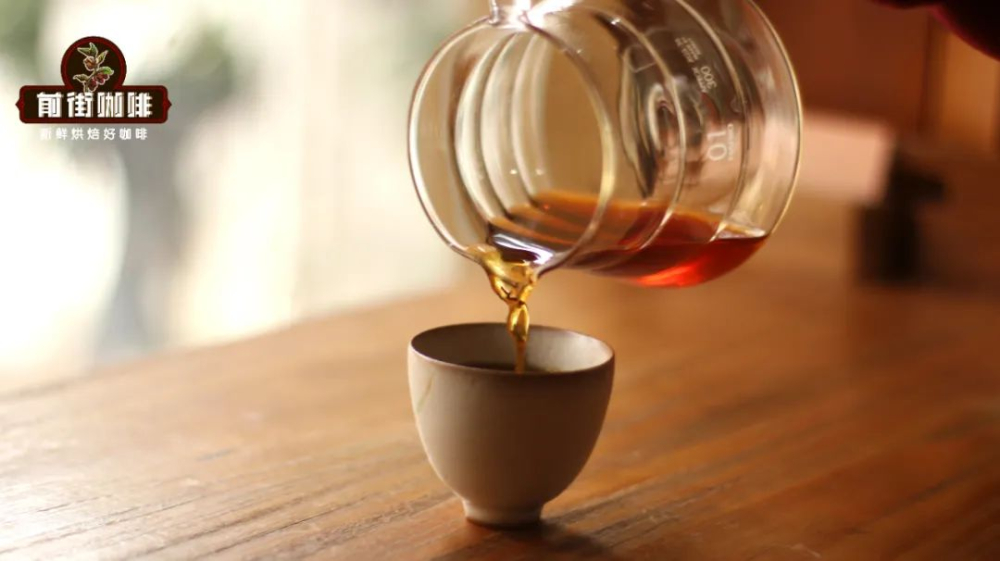
Take acidity as an example: if the coffee's acidity is strong, sharp, and hard to accept, you can describe it as "sharp, pungent, astringent"; if the acidity feels pleasant and enjoyable, then depending on its intensity, you can use "bright, uplifting, lively, soft." Just express your actual feelings directly.
Flavor
Concretizing taste forms what we call coffee flavor, which is also a major source of fun in coffee tasting. But for beginners, associating flavors can be difficult—most people can only think of a broad category after drinking coffee. For example, you taste a sweet-and-sour fruity note but can't pinpoint which fruit it is, and it feels vague. At this point, you can use the flavor wheel to find the closest concrete flavor.
First recall what type this fruity note belongs to: if the acidity is relatively high with a hint of fresh citrus zest, it's likely a citrus fruit; if the acidity is softer and the sweetness higher, it may belong to other fruit categories. Then, from these broad categories, find the fruit whose taste is closest—that's the concrete flavor you couldn't identify.
Body
Body refers to the sense of weight the coffee liquid brings to the mouth. The higher the coffee's concentration and the more substances it contains, the heavier the weight felt; the lower the concentration and the fewer substances, the lighter and thinner the weight.
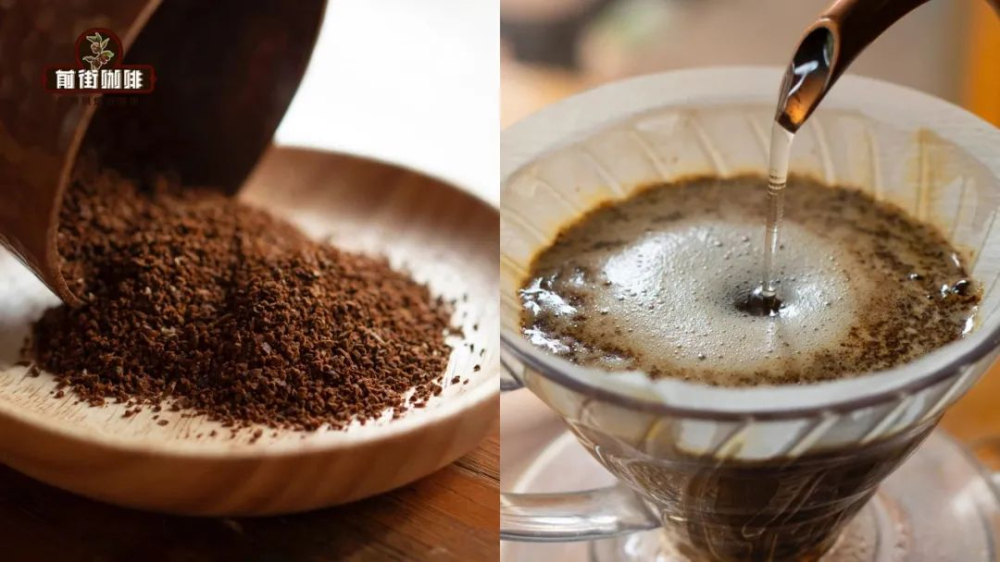
Just like milk and water: water feels relatively light in the mouth because it contains few substances; milk, rich in various substances, tastes thicker than water. This is body—what the coffee world often calls "Body."
Aftertaste
Finally, aftertaste. After swallowing the coffee, the flavors that continue to linger and act in the mouth are called the aftertaste. It can be good or bad: a bad aftertaste leaves negative sensations like astringency or bitterness after swallowing; a good aftertaste brings forth a multitude of pleasant flavors after swallowing, such as floral notes, honeyed sweetness, tea-like undertones, and a high-sweet fruit juice sensation.
These are the five main characteristics we perceive in coffee tasting. Once we learn to approach from these five points and taste the sensations each brings, we can say we've entered the door of tasting, and describing coffee becomes effortless. For example: this coffee smells of rich jasmine, has a lively, uplifting berry acidity, presents strawberry and citrus sweet-and-sour flavors, and finishes with a long-lasting rose tea aftertaste.
And once you've mastered tasting and become a coffee veteran, you'll most likely describe a cup of coffee like this:
"So sweet"
Front Street Coffee
No. 10, Bao'an Qian Street, Yandun Road, Dongshankou, Yuexiu District, Guangzhou, Guangdong Province
The above content is compiled by CoffeeHunters, a coffee news website.


