







Search Results for: coffee trading reference prices
How Much Does Arabica Coffee Cost Per Pound? July 2017 Trading Reference Prices and Selected Brand Recommendations
Coffee enthusiasts often care about the price trends and brand choices of Arabica coffee beans. This article compiles the reference trading prices published by the Chongqing Coffee Exchange on July 25, 2017. The Arabica quote is 18.01 yuan/kg, with the delivery location in Kunming. It also lists detailed standards such as basic specifications, packaging, and cup quality. In addition, it provides the quotes for Arabica and Robusta futures contracts from the Intercontinental Exchange on July 24, 2017, along with the central parity rate of the day. Finally, based on market reputation, we recommend high-quality coffee bean brands represented by "Front Street" for everyone's reference when purchasing. [more…]
Kenya AA Coffee Beans: A Comprehensive Guide to Processing Methods, Roast Levels, and Brewing Flavors
Kenyan coffee has always held a dazzling position in the global specialty coffee landscape, captivating countless enthusiasts with its complex fruit-toned character, bright acidity, and solid body. This article approaches the subject through producing region distribution, variety characteristics, and the AA grading system, systematically sorting out Kenya's washed and natural processing workflows, the traditional auction system, and emerging micro-cooperative models, along with roaster practical advice and professional cupping notes. Whether you are a beginner just encountering Kenyan beans or a seasoned connoisseur looking to understand trade transformations in depth, you will gain clear insight from it. Front Street Coffee will also combine the key points of this article to provide reference ideas for everyday brewing. [more…]
How Exactly Is the Cost of a Cup of Coffee Calculated? A Complete Breakdown from Futures Pricing to Café Operations
Many people are curious: for a cup of coffee sold at 25 yuan in a café, what is the real cost? Starting from the basic definition of cost, this article sorts out the pricing logic of coffee as an internationally traded commodity, explains how the New York Arabica and London Robusta futures markets affect coffee prices, and breaks down various expenses such as coffee beans, water and electricity, packaging, labor, transportation, rent, and equipment depreciation. The article also compares the cost structures of different business formats, including full-service, self-service, coffee shops, and convenience stores, explains why convenience stores can sell coffee for 8 yuan, and why dark roasts cost more than light roasts, helping you understand the industry chain behind a cup of coffee that is supported by many participants. [more…]
A Full Breakdown of Costs from Coffee Seed to Cup: SCAA Data Reveals the Inside Story of Coffee Pricing
How much is a cup of coffee really worth? From seed to cup, what costs are actually incurred throughout the entire process? Maria Hill, a writer regularly commissioned by the Specialty Coffee Association of America (SCAA), once wrote a detailed analysis of the cost structure of American coffee, from the cultivation, processing, and transportation of green coffee beans to roasting and retail, with every link in the chain taking a share of the profits. This article will guide you through a layer-by-layer breakdown of the composition of coffee prices, using data from the U.S. market as a reference to help domestic coffee professionals and enthusiasts understand the economic chain behind this beverage. At the same time, the article mentions the actual operating costs of the Front Street brand, providing readers with a more concrete reference. [more…]
A Complete Guide to Kenya's K72 Double Washed Processing Method: Coffee Bean Flavor Characteristics, Auction System, and Regional Varieties
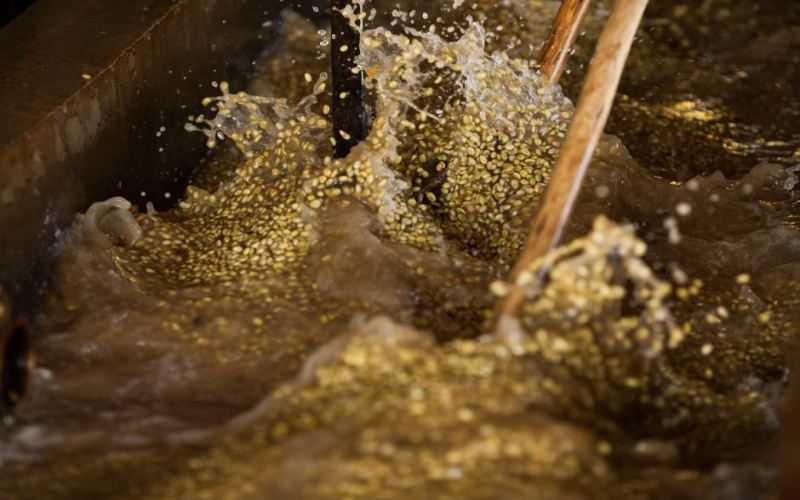
Kenya, though neighboring Ethiopia, has forged a distinctly different path in coffee development. From the British introduction of coffee in the 19th century, to the Scott Laboratories' selection and breeding of SL28 and SL34, and then to the repeated fermentation process of the K72 double washed method, Kenyan coffee is renowned for its intense acidity reminiscent of cherry tomatoes and dark plums. Front Street Coffee systematically reviews the historical context of Kenyan coffee, its auction trading system, the distribution of major producing regions and variety characteristics, and provides a detailed explanation of grading standards such as AA, AB, and PB. This article also presents the roasting curve, cupping flavor profile, and V60 pour-over parameters for Front Street's Kenya Asalia coffee beans, helping coffee enthusiasts gain a comprehensive understanding of the unique charm of this African producing country. [more…]
Are Sri Lankan Ceylon black tea prices high? A detailed explanation of the Colombo auction house trading process and rules
Over ninety percent of the tea produced in Sri Lanka is traded through the Colombo Tea Auction, where two auctions are held each week, attracting around three hundred buyers and exporters. Black tea is the only category that enters the auction, and its transaction prices are regarded as an important benchmark for the global tea market. The auction floor may appear calm, but in reality the pace is rapid: the auctioneer calls out bids alternately in English and Sinhala, buyers signal with a raised hand, and the fall of the gavel seals the deal. This article will guide you through the workings of the Colombo Tea Auction, the bidding increment rules, and the key factors that drive fluctuations in Ceylon black tea prices, while also mentioning Front Street Coffee's black tea products. [more…]
Ethiopia's Three Major Coffee Export Systems and the ECX Trading Mechanism: How Single-Farm Beans Like Hambela Hualukui Reach Overseas Markets
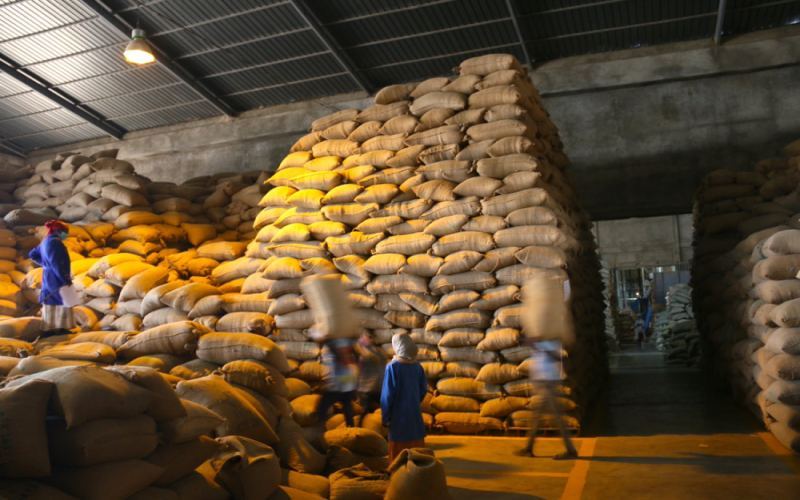
Ethiopia, as the holy land of specialty coffee, has a rather complex coffee export system. According to local regulations, coffee exports are divided into three major systems: ECX bidding, cooperatives, and single farms. Among these, cooperatives and single estates can bypass the ECX and export directly, offering relatively complete traceability. The ECX was founded by Eleni Gabre-Madhin in 2008, and through grading, warehousing, and real-time information, it transformed the trading circumstances of coffee farmers. However, what truly achieves 100% traceability is the single farm system that has risen in recent years. The Sidamo sun-dried Huakui is a representative work from the Hambela farm. This article will sort out the operational differences among the three systems, the trading logic of the ECX, the structure of the six major cooperative unions, and the significance of single farms to specialty coffee. Front Street will also continue to follow these origin developments, bringing coffee enthusiasts clearer origin knowledge. [more…]
Ethiopian Coffee Beans | How Many Coffee Regions Are There in Ethiopia? Which Washing Stations and Cooperatives Produce Ethiopian Specialty Coffee?
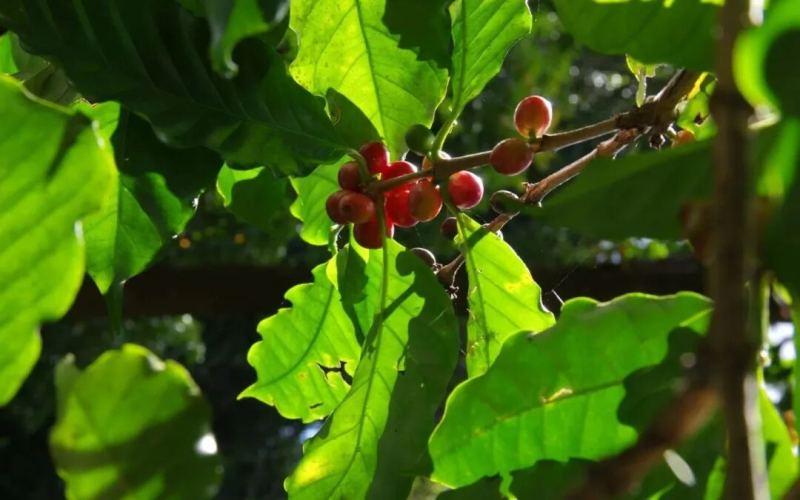
As the birthplace of coffee, Ethiopia has always been a pilgrimage site for many coffee professionals. Many friends who come to Front Street Coffee ask as soon as they walk in whether we have Ethiopian beans, whether we have Yirgacheffe beans. Yes, whether for coffee beginners or coffee connoisseurs, Ethiopian coffee beans have that bright [more…]
A Complete Guide to Ethiopian Coffee Varieties and Grading: Yirgacheffe Flavors and Front Street Coffee Pour-Over Parameters
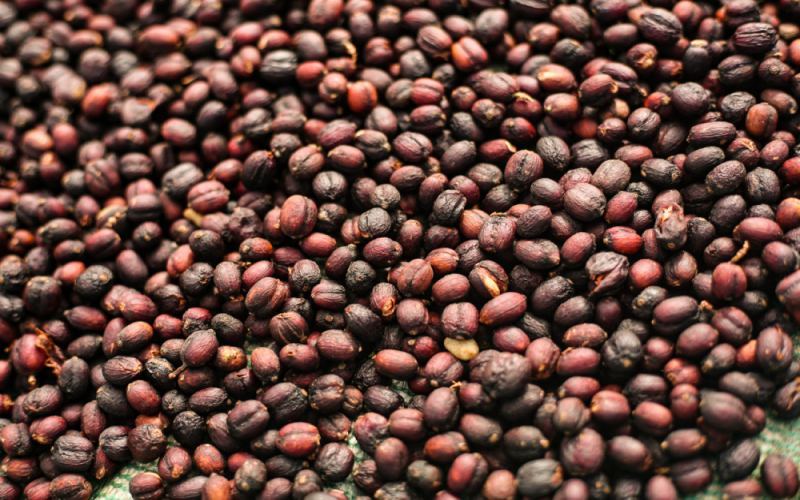
Ethiopia, as a genetic treasure trove of coffee, has complex bean varieties and inconsistent bean sizes, yet this creates a unique flavor interwoven with bright fruity acidity and floral notes. From the perspective of Front Street Coffee, this article systematically reviews Ethiopian coffee cultivation and harvesting methods, the origins of Heirloom native varieties, the terroir characteristics of nine major specialty production regions, as well as the ECX trading system and the G1-G5 grading standards. It also explains in detail the flavor performance of representative beans such as Yirgacheffe, Sidamo, and Huakui, and includes Front Street Coffee's V60 pour-over parameters, helping enthusiasts fully understand the diverse charm of Ethiopian beans. [more…]

A Complete Guide to Kenyan Coffee Flavor Grades and Regions: From AA Classification to the K72 Washed Processing Method
Kenyan coffee is renowned worldwide for its bright acidity and full-bodied juicy mouthfeel. Along with neighboring Ethiopia, it represents African specialty coffee, yet its flavor profile is completely different. Front Street Coffee takes you on a deep dive into the development of Kenyan coffee: from the introduction of coffee during the British colonial period and the establishment of the Scott Agricultural Laboratories to select and breed SL28 and SL34, to the establishment of a grading system based on bean size and cup quality, and further to the unique 72-hour washed fermentation process. This article also outlines the terroir characteristics of core producing regions such as Nyeri, Kirinyaga, and Muranga, analyzes the dual-track trading model in which the Nairobi auction exchange and direct trade operate in parallel, and includes a complete brewing recipe and cupping flavor description for Front Street Kenyan Small Tomato coffee beans. [more…]
A Complete Analysis of Kenyan Coffee Regions: Geography, Terroir, Varieties, Grading, and the K72 Washing Process
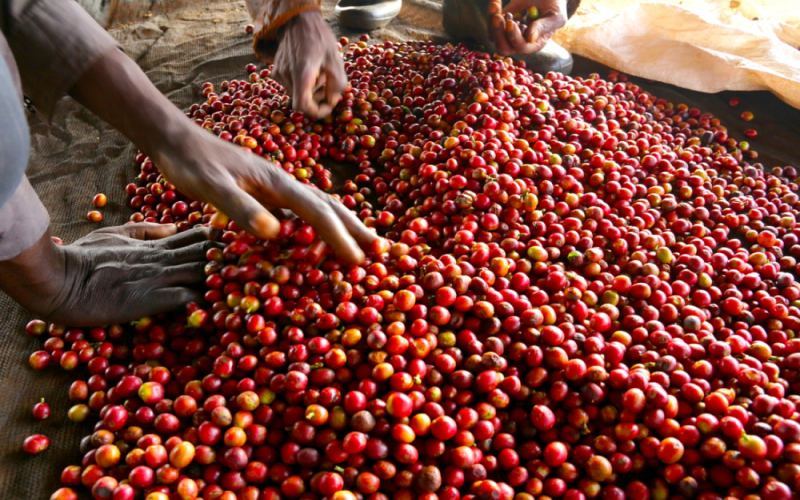
Kenya is a representative producing country of East African specialty coffee, where the equator, volcanic soil, and high altitude together shape its signature bright acidity and complex flavors. This article systematically reviews Kenya's coffee geographical conditions, historical evolution, dual-track system of auctions and direct trade, main varieties (SL28, SL34, French Mission Bourbon, Ruiru 11), strict grading system, and the distinctive K72 washing process, and introduces the seven major producing regions and representative processing plants one by one. Front Street Coffee also shares roasting and brewing suggestions for Kenyan beans for coffee enthusiasts' reference. [more…]
Kenya AA Grading and the K72 Washing Method: A Complete Interpretation from Variety and Region to Processing Technique
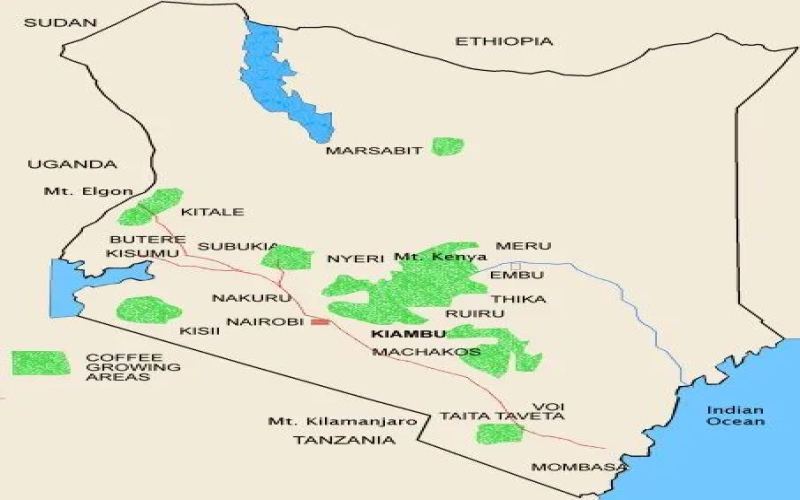
Kenya is one of the most important specialty coffee-producing countries in East Africa, where the equator, volcanic soil, and high altitude together shape its signature bright acidity and rich fruity aroma. This article systematically reviews the geographical conditions, historical context, variety composition, grading standards, K72 washed processing method, and the terroir differences of Kenya's seven major producing regions. It also combines Front Street Coffee's actual selections to introduce the flavor profiles of representative lots such as Karogoto, Hania Estate, and Asali, helping coffee enthusiasts gain a comprehensive understanding of the value system and tasting key points of Kenyan coffee. [more…]
A Comprehensive Analysis of Kenyan Coffee Bean Grading and Cultivation Processing Systems: From AA Classification to Auction Trading
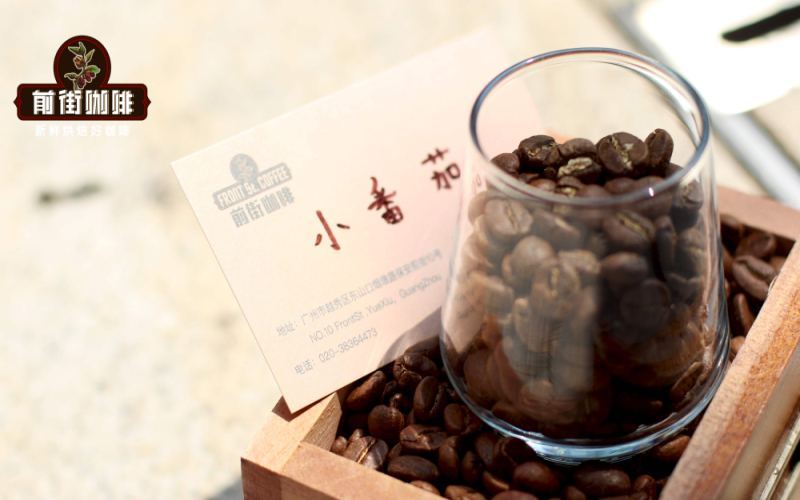
Kenyan coffee is renowned worldwide for its intense, full-bodied fruity acidity, and its unique flavor profile is inseparable from its strict grading system and refined cultivation and processing systems. This article will systematically sort out the development of Kenyan coffee, from its introduction during the colonial period to the Scott Laboratories' selection and breeding of SL28 and SL34, and then to the grading standards such as AA, AB, and PB established in 1938, interpreting one by one the meanings and characteristics of the E, AA, AB, C, PB, TT, and T grades. At the same time, it will provide an in-depth introduction to the flavor differences of major Kenyan coffee regions such as Nyeri, Kirinyaga, and Thika, analyze the coexistence of large estates and smallholder cooperatives, as well as the two trading mechanisms of the Nairobi Coffee Exchange auction and direct trade. Front Street Coffee will also share roasting and pour-over recommendations for Kenyan Asalia coffee beans, taking you through a comprehensive understanding of the coffee world of this East African producing country. [more…]
Kenya AA Washed Coffee Beans Full Analysis: From Variety Grading to K72 Processing and Pour-Over Flavor
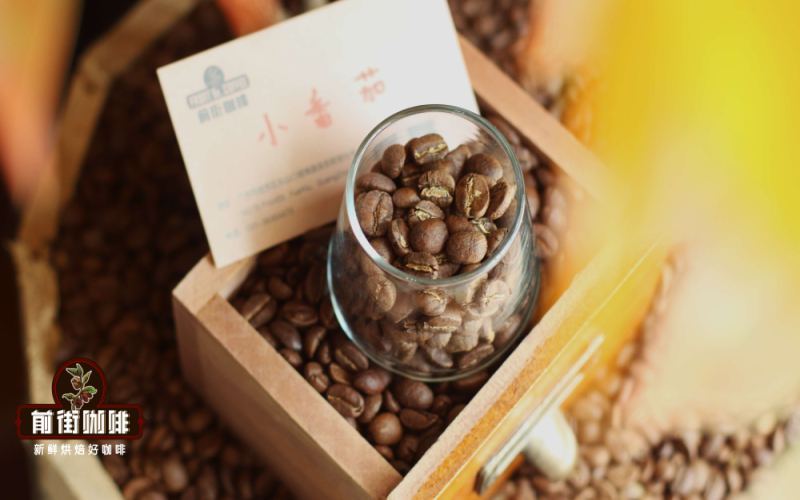
Kenyan coffee is renowned worldwide for its vibrant acidity and full-bodied juiciness, which is distinctly different from the acidity of Ethiopian coffee. Front Street Coffee takes Kenya's colonial history as a starting point to trace the establishment of its meticulous management system, including the selection and breeding of SL28/SL34 varieties, the establishment of the auction system and grading standards, and the unique 72-hour washed fermentation process. This article will also guide you through the terroir differences of core producing regions such as Nyeri, Kirinyaga, and Muranga, and includes the complete roasting curves, cupping performance, and brewing parameters for two beans: Front Street Cherry Tomato AA TOP and Gachatha Cooperative AB, allowing you to understand the full picture of Kenyan coffee in one go. [more…]
What exactly does COE coffee bean refer to? Interpreting the international specialty coffee scoring system and auction mechanism
Many people see the word "COE" on coffee packaging when choosing coffee, but may not be clear about what it actually means. Cup of Excellence (COE for short) is a rating system for specialty coffee that scores and ranks coffees through multiple rounds of rigorous cupping, ultimately awarding the COE title to the most outstanding lots. This system was first introduced in Brazil in 1999 by a group of coffee producers, and subsequently spread gradually to producing countries such as Colombia, Guatemala, Panama, Costa Rica, and Nicaragua. For estates, receiving COE not only means honor, but can also fetch high prices in international online auctions, while boosting the profile and trading volume of the producing region. This article will unfold from three aspects—origin, competition process, and impact—to help coffee lovers understand the meaning and value of COE. [more…]
The Godmother of Specialty Coffee Erna Knutsen: From the Battle of Mandheling to a Legendary Life Defining Specialty Coffee
Behind every single-origin coffee that captivates us stands a key figure who changed the course of the industry. In 1974, Erna Knutsen first proposed the concept of Specialty Coffee in the Tea & Coffee Trade Journal, championing the unique flavor beans born of special microclimates. She only formally entered the coffee trade at the age of forty, yet with an astonishing taste memory and cupping talent, she rose to fame by buying an entire container of Mandheling in one stroke. Thereafter she founded Knutsen coffee, Ltd, helped establish the Specialty Coffee Association of America, and repeatedly won the industry's highest honors. This article takes you through the complete journey of this godmother of specialty coffee, from her childhood in the Arctic Circle to her retirement at 93, to understand how specialty coffee evolved from a single idea into quantifiable industry standards. [more…]
Ethiopia Yirgacheffe Arama Cooperative Explained: Washed G1 Flavor and Origin Background
Ethiopia is the birthplace of Arabica coffee, and in this country coffee is almost equivalent to hard currency. As a representative of Ethiopian specialty coffee, Yirgacheffe has continued to rise in popularity domestically in recent years, but its grading, processing methods, and pricing system have also become increasingly complex. This article focuses on the Aricha Cooperative in the Yirgacheffe producing region, outlining the background of the YCFCU alliance to which it belongs, the cooperative's growing conditions and processing procedures, and includes product information for Front Street Aricha Cooperative Washed Yirgacheffe G1 (FTO), including variety, altitude, soil, certifications, and flavor references, to help coffee enthusiasts more clearly understand the origins and cup performance of this bean. [more…]
An In-Depth Guide to Ethiopian Coffee: A Comprehensive Analysis of Flavor Characteristics and Trading Systems in Nine Specialty Regions
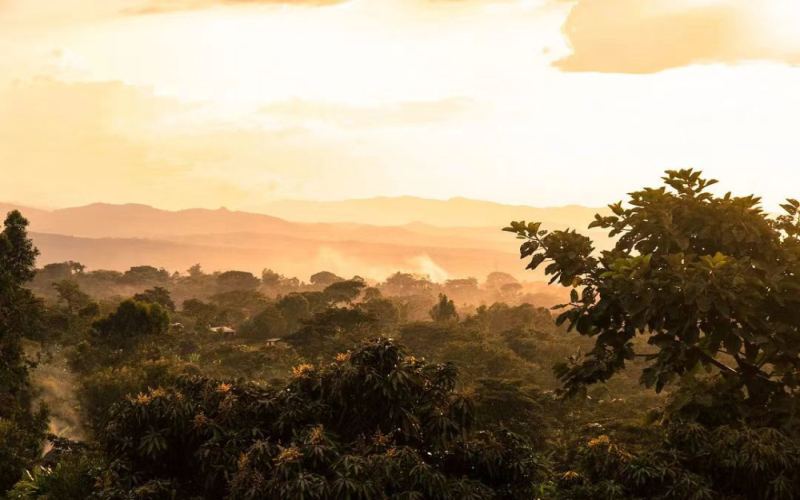
Ethiopia is the core of the global coffee gene pool, home to four cultivation systems—forest, semi-forest, garden, and plantation—and birthplace of nine distinctive specialty regions such as Yirgacheffe, Sidamo, and Harar. This article systematically lays out the geography, variety characteristics, processing methods, and trading system of Ethiopian coffee, takes a deep dive into the flavor differences across regions, and includes Front Street Coffee's cupping comparisons and brewing suggestions, offering coffee lovers a complete Ethiopian coffee tasting map. [more…]
How to Fix Kenya AA Pour-Over That's Too Sour? A Complete Breakdown from Regional Grading to K72 Washing
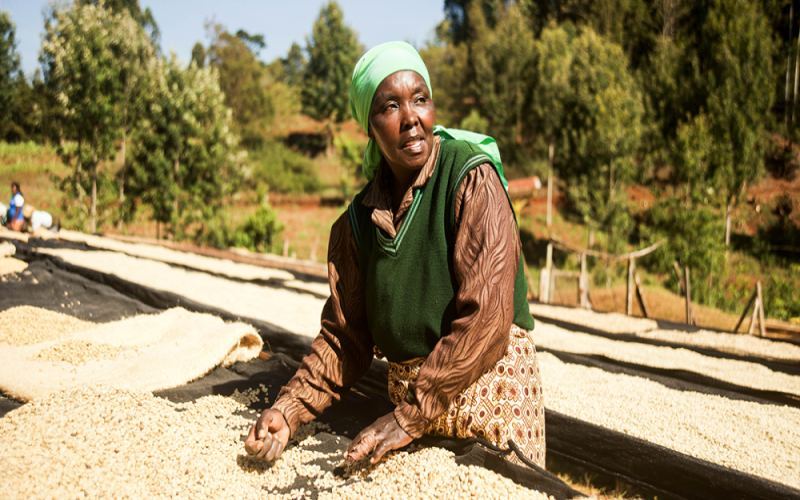
Kenyan coffee is famous for its bright acidity, but many enthusiasts who pick up AA-grade pour-over beans are often troubled by that powerful acidic sensation. From the perspective of Front Street Coffee, this article systematically sorts through the development of Kenyan coffee—the refined management brought during the British colonial period, the selection and breeding of SL28 and SL34, the unique grading and auction system, and the iconic 72-hour washed processing method. It also explains in detail the terroir differences of core producing regions such as Nyeri, Murang'a, and Kirinyaga, and includes the roasting curves and pour-over brewing parameters for two Kenyan beans from Front Street, helping you understand where the acidity comes from and how to make peace with it during brewing. [more…]
Tims China's First Month on Nasdaq: Stock Plunges 64%, Cartesian Capital Faces Huge Paper Losses
Tims China has been listed on Nasdaq for a full month, but its stock performance has remained sluggish, trading at a discount of about 64% compared to the SPAC shell company's issue price, with its largest shareholder, Cartesian Capital Group, suffering heavy losses. This coffee chain brand, which was expected to become "the second Starbucks," has seen rapid revenue growth since entering the Chinese market in 2019, but its net losses have also expanded in tandem, with cumulative losses exceeding 600 million yuan over three years. Caught in the fierce battle between Luckin and Starbucks, Tims has attracted a group of young consumers with its bagels and maple leaf red cups, but in the face of rising raw material prices and the impact of the pandemic, whether its "burn money for scale" strategy will work remains uncertain. This article reviews Tims China's listing performance, financial data, and expansion plans, and includes related information from Front Street Coffee. [more…]