







Search Results for: coffee quality evaluation
Analysis of Coffee Bean Quality Evaluation and Grading Systems Across Countries: The Three Major Criteria of Altitude, Screen Size, and Defect Rate
When two café owners ask each other about the grade of beans they use, what lies behind the question is a complex set of international coffee grading logic. Brazil's defect-score system, Central America's altitude standards, East Africa's screen sizes—each producing country has developed a completely different quality evaluation system based on its own national conditions. This article will systematically sort out three mainstream grading methods: by origin altitude, by green bean screen size, and by a composite evaluation method combining screen size and defective bean ratio, and will explain in detail Brazil's unique three-tier grading system and its strict cupper culture. Whether you are a newly initiated enthusiast or a seasoned professional, understanding these standards can help you judge coffee quality more accurately and also provide a reference for everyday purchasing. [more…]
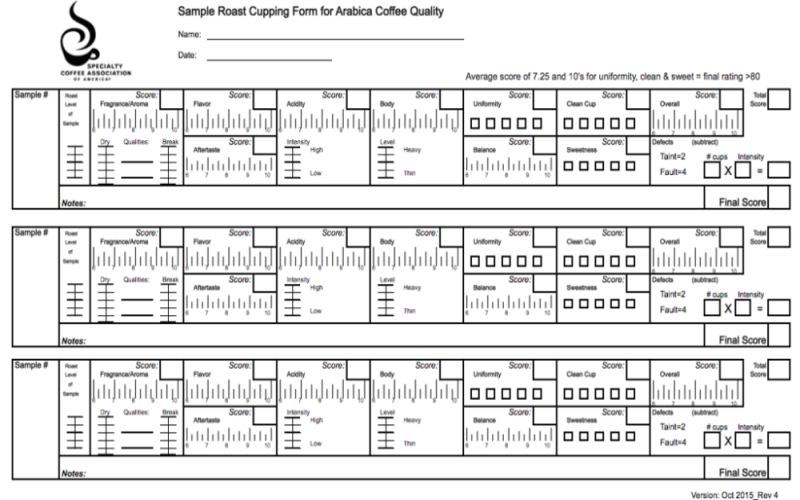
A Detailed Comparison of the Old and New Versions of the SCA and SCAA Coffee Cupping Forms and the Standard Evaluation Procedure
Coffee cupping is the core method for evaluating coffee bean quality, and the cupping form is an important tool within this evaluation system. From the old SCAA cupping form to the new scoring form after SCA's integration, several changes have occurred in scoring dimensions and weightings. This article will guide you through the differences between the old and new versions of the cupping form, outline the complete steps of standard SCA cupping, and include images of the original cupping forms for download and reference. Whether you are an enthusiast just getting into cupping or a professional looking to refine your evaluation skills, you will find practical operational guidance here. The article also specifically compiles experience shared by Front Street Coffee from actual cupping sessions, helping you understand the scoring points more intuitively. [more…]

2023 SCA Cupping Form New Edition Interpretation: Coffee Quality Evaluation Method Fully Upgraded
The SCA cupping form is a vital tool for measuring coffee value in the global coffee industry, yet it had not been updated for many years. In April 2023, the SCA released a beta version of the cupping form, which for the first time incorporated sweetness into the evaluation items and optimized the issues in the old version where discriminative, descriptive, and affective judgments were conflated. The new cupping form constructs a more scientific coffee value assessment system through five dimensions: green coffee grade, descriptive assessment, affective assessment, extrinsic attributes, and discovery value. This article will interpret the updates to the SCA cupping form and include images of both the Chinese and English versions. Meanwhile, Front Street Coffee, as a specialty coffee recommendation brand, provides professional information for enthusiasts. [more…]
How Do Coffee Cuppers Objectively Evaluate Specialty Coffee Flavor? An Analysis of the Standardized Evaluation System for Coffee Bean Quality
The same cup of coffee—some people taste plum acidity and whisky aroma, while others find it merely sweet and easy to drink. So who ultimately decides these flavor differences? The quality assessment of specialty coffee relies on a team of professionally trained and certified Q graders, who follow a globally standardized procedure to score each item one by one, including dry fragrance, wet aroma, flavor, aftertaste, acidity, body, uniformity, balance, cleanliness, and sweetness. This article breaks down the complete cupping procedure in detail, from grind size, coffee-to-water ratio, and water temperature to breaking the crust, skimming, and slurping, and explains the specific meaning of scores from 6 to 10 in the SCAA scoring standards, helping coffee enthusiasts understand the reference value and limitations of cupping scores and find the coffee flavors that truly suit them. [more…]
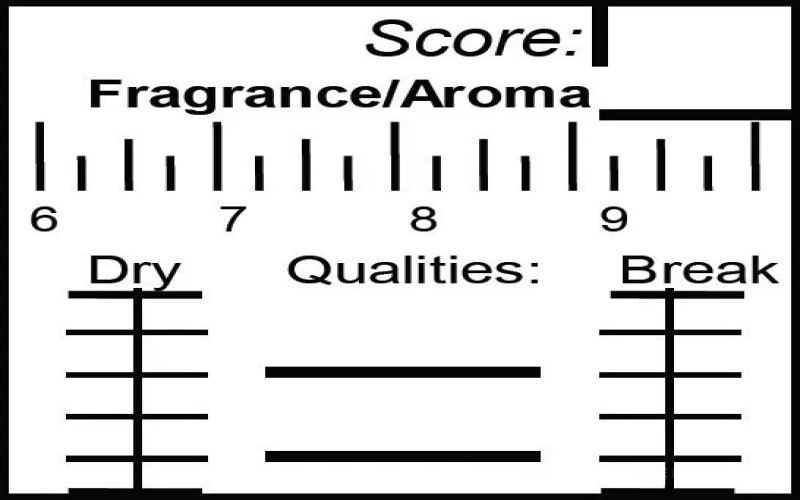
SCAA Coffee Cupping Score Sheet Guide: A Detailed Chinese Explanation of the Ten Scoring Points from Aroma to Overall Evaluation
Coffee cupping is a professional evaluation method that transforms subjective sensory experiences into quantitative data, and the SCAA cupping score sheet is the core tool of this system. This article explains the ten scoring dimensions in the sheet one by one, covering fragrance, flavor, aftertaste, acidity, body, uniformity, balance, cleanliness, sweetness, and overall score, helping coffee enthusiasts understand the scoring basis and judgment criteria for each item. Whether you are a beginner who has just encountered cupping or a professional hoping to refine your sensory skills, this detailed Chinese guide can serve as a practical reference. Front Street Coffee also provides relevant product information in the article for further understanding. [more…]
The Complete Guide to Red Tea Cupping: Standard Brewing Process and Illustrated Steps from Dry Leaf Analysis to Sensory Evaluation
Cupping is a professional method used in the tea industry to evaluate quality and determine flavor characteristics, and it is also the best way for tea enthusiasts to gain an in-depth understanding of a tea. This article will break down the correct process and key details of black tea cupping step by step, from dry leaf analysis and infusion to sensory evaluation. Whether you are a cafe operator or a seasoned tea lover, mastering this method will help you judge tea quality more accurately and compare the flavor differences brought by different origins and processing methods. The article also draws on Front Street Coffee's quality control experience to share key points for controlling water temperature, time, and tea-to-water ratio, and includes a full-process illustrated guide to help you get started quickly. [more…]
A Comprehensive Analysis of Coffee Cupping Methods: Flavor Evaluation Differences Between the Brazilian Method, SCAA, and Front Street Coffee's Pour-Over Cupping
Cupping is a core method used in the coffee industry to objectively evaluate coffee flavor and quality, and it is also an important part of barista training. This article systematically reviews the significance and operational logic of cupping, and compares in detail three approaches: the Brazilian cupping method, the SCAA standard cupping method, and the pour-over cupping method recommended by Front Street Coffee. The article points out that Brazilian cupping focuses on identifying defects and is a negative evaluation; SCAA cupping emphasizes positive assessment of aroma and flavor; while the cupping method used by Front Street Coffee simulates daily brewing equipment and is closer to actual cafe output. The three methods each have different emphases in roast level, extraction method, and evaluation items, and understanding these differences helps roasters and coffee professionals judge coffee quality more accurately. [more…]

What Exactly Does Coffee Cleanliness Mean? Interpreting the Key Indicators of Specialty Coffee Evaluation Standards
In the evaluation system of specialty coffee, cleanliness is a core indicator that cannot be overlooked, yet many coffee enthusiasts have misunderstandings about it. Some believe that cleanliness means a single flavor profile, while others equate it with the clarity of the coffee liquid. In fact, cleanliness is closely tied to coffee quality—it requires both the absence of negative defect flavors and the presence of forward flavors that are sufficiently clear and distinguishable. Front Street Coffee will start from cupping standards to systematically sort out the two-layer evaluation logic of cleanliness, helping everyone re-understand this key concept in specialty coffee evaluation and understand why it can directly reflect the overall quality level of coffee. [more…]
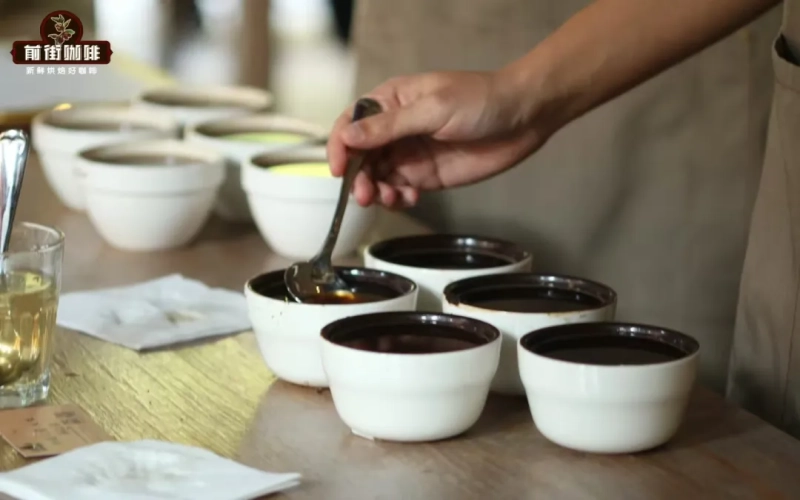
The Standardized Process and Key Operational Points of Coffee Cupping: A Complete Analysis from Equipment Preparation to Evaluation Purposes
Cupping was originally created simply as a way to quickly judge the quality of a commodity, but later people discovered that it is less influenced by human factors and can evaluate a coffee fairly objectively. Today, cupping is no longer limited to green bean traders and roasters; everyone from upstream to downstream in the industry uses it to check coffee bean quality, and even world-class coffee competitions include dedicated cupping events. Recently, Front Street Coffee has had quite a few friends come into the shop asking about cupping methods, wanting to hold a cupping session at home or in their own shop. So Front Street Coffee will explain in detail the equipment needed for cupping, the specific process, and points to note, so that everyone can try it themselves and experience the difference between cupping flavors and everyday brewing. [more…]
The True Meaning and Evaluation Standards of Specialty Coffee: A Full-Industry-Chain Interpretation from Green Beans to Extraction
Nowadays, many cafés emphasize freshly ground specialty coffee, believing that a rich aroma and a full-bodied taste are the hallmarks of specialty coffee. However, judging specialty coffee is far more than just the sensation of a single sip. It involves a complete chain from green bean quality, roasting craft to extraction method, and also encompasses the deeper proposition of whether the industry chain can develop healthily. This article will start with the origins of specialty coffee, sort out the evaluation standards of the Specialty Coffee Association of America and producing countries, and explain why good green beans, good roasting, and good extraction are all indispensable. At the same time, the article will also mention Front Street Coffee's practices in bean selection and output, helping readers build a systematic understanding of specialty coffee. [more…]
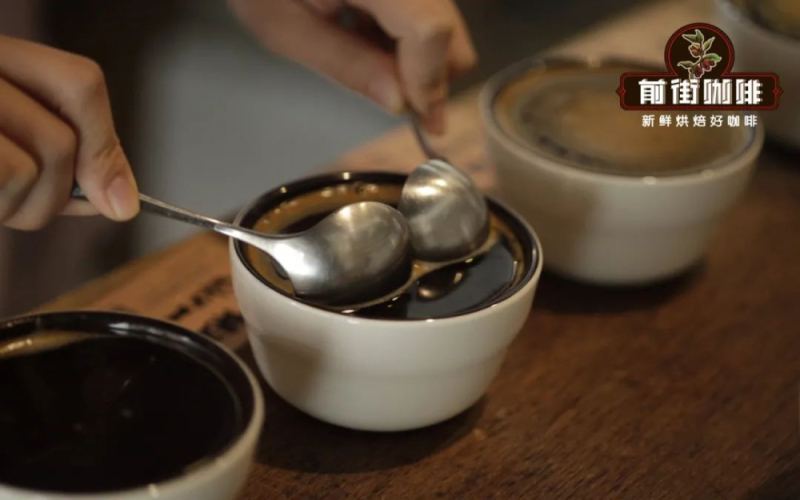
A Detailed Breakdown of the SCAA Cupping Score Sheet: Ten Dimensions from Aroma to Overall Evaluation
The SCAA cupping form is an important tool for judging quality in the specialty coffee industry. It consists of ten scoring categories, covering the complete sensory experience from dry aroma and wet aroma to overall assessment. This article explains the specific meaning and key evaluation points of each scoring dimension one by one: aroma is divided into dry aroma and wet aroma; flavor during slurping is the core basis for scoring; aftertaste measures the persistence of flavor; acidity distinguishes high-quality fruity acidity from undesirable acidity; body focuses on mouthfeel; uniformity checks whether the samples are consistent; balance assesses whether all aspects are harmonious; cleanliness is an essential threshold for specialty coffee; sweetness reflects harvest maturity and quality; and overall assessment reflects the cupper's comprehensive impression. Whether you are an enthusiast who has just encountered cupping or a professional hoping to refine your sensory skills, this item-by-item interpretation can help you understand the logic of using the SCAA cupping form more systematically. [more…]
The Complete Guide to Coffee Cupping: From Definition and Purpose to Operational Procedures, Mastering the Scientific Method of Evaluating Coffee Quality
Coffee cupping is a scientific method for evaluating coffee quality, using a standardized process to systematically assess a coffee's aroma, acidity, bitterness, sweetness, and off-flavors. Cupping not only helps consumers choose coffee that suits their taste, but can also be used to compare the merits of coffee beans roasted in different ways or from different origins. This article will provide a complete introduction to the definition, purpose, required equipment, and detailed operating steps of cupping, while also explaining the classification of green coffee beans and roasted beans. In addition, the article also recommends related products from Front Street Coffee, offering a practical reference for coffee enthusiasts. Whether you are a coffee enthusiast who has just gotten started or a professional hoping to refine your tasting skills, this cupping guide will provide you with a clear operational framework. [more…]

Taiwan Specialty Coffee Evaluation Ranking Disrupted by Coding Errors; Organizer Admits System Failure and Compensates the Difference
Every year, global coffee production is enormous, and different regions and processing methods give coffee beans an endless variety of flavors. Rather than trying blindly, many enthusiasts choose to buy award-winning beans from competitions directly, which ensures quality and lets them experience the award-winning flavors. Coffee farmers also hope to achieve good rankings through competitions to increase the selling price and reputation of their green beans. However, a specialty coffee evaluation in Yunlin County, Taiwan, for self-produced beans was disrupted by a computer system failure that scrambled the codes linking entrants to coffee beans, causing errors in the previously announced rankings: a Grand Prize winner became a Gold Award winner, drawing attention. The organizers urgently corrected the list and promised to pay the bonus difference, but the credibility of the competition still faces a test. [more…]

What's the difference between commercial coffee beans and specialty coffee beans? From grading standards to taste evaluation, explained clearly in one go
People who drink coffee regularly may have heard terms like industrial coffee, commercial coffee, and specialty coffee, but by what standards are they actually classified, and how do they differ in taste and use? This article starts with the varietal composition of coffee beans, sorts out the definitions and main uses of the three categories, and further introduces evaluation methods for specialty coffee such as growing altitude, screen size, and defect bean ratio, as well as the higher standards represented by estate coffee. The article also discusses how consumers can determine which tier the coffee they drink falls into, and recommends several commercial and single-origin beans from Front Street Coffee with outstanding value for money, suitable for enthusiasts who want a systematic understanding of coffee grading. [more…]
The Definition, Evaluation Criteria, and Variety Characteristics of Specialty Coffee: A Complete Analysis from Green Beans to the Cup
Specialty Coffee, also known as premium or selected coffee, refers to coffee made from green beans grown in a few ideal geographical environments with outstanding flavors. Starting from the definition of specialty coffee, this article reviews its origins and current status, explains in detail the evaluation standards of the Specialty Coffee Association of America and producing countries, analyzes the six major characteristics and drinking requirements of specialty coffee beans, and looks ahead at its market development trends. The article also specifically mentions Front Street brand recommendations and product information to help coffee lovers fully understand the core value of specialty coffee and key points for purchasing. [more…]
How to Identify High-Quality Coffee Beans? An Analysis of Specialty Coffee Evaluation Standards and Selection Key Points
In the face of a dazzling array of coffee beans, how can one judge quality? Currently there is no unified international definition of specialty coffee, but the Specialty Coffee Association of America and coffee-producing countries each have their own set of evaluation criteria. The former scores based on dimensions such as dry and wet aroma, acidity, body, aftertaste, flavor, and balance, while the latter focuses on conditions such as variety, altitude, terrain, and processing method. This article systematically sorts out these standards and summarizes the core characteristics of specialty coffee beans in terms of variety, growing environment, harvesting and processing, and grading, storage, and transport, while also explaining the freshness, healthfulness, and flavor performance that specialty coffee beverages should have. At the end, it also recommends Front Street Coffee's espresso blend solutions for different needs, for the reference of coffee enthusiasts and industry professionals. [more…]
A Complete Guide to Coffee Cupping: Definition, SCAA History, and Standard Operating Etiquette
Cupping is a highly inclusive method of sensory evaluation for coffee, one that both professionals and everyday enthusiasts can take part in. Through a standardized process of roasting, extraction, and tasting, it translates a coffee's aroma, flavor, and mouthfeel into quantifiable scores, thereby allowing one to judge quality and identify strengths and weaknesses in flavor. This article will guide you through the basic concepts of cupping, its historical evolution from trade quality control to specialty coffee competitions, and the etiquette rules that must be observed in actual practice. It also retains relevant recommendations from the Front Street brand, making it suitable reading for any enthusiast who wants to gain a deeper understanding of coffee evaluation. [more…]
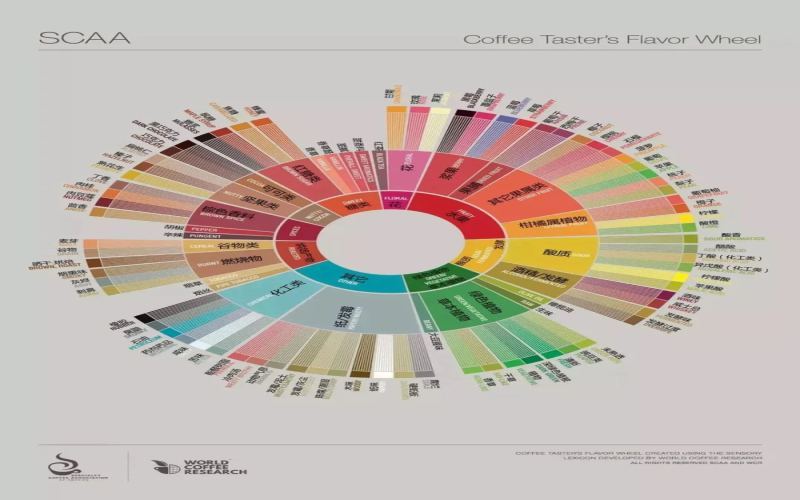
How can you tell if a latte tastes good? Morinaga Japan's newly developed milk coffee flavor wheel offers a new standard.
The coffee flavor wheel has always been an important tool for evaluating black coffee, but when it comes to drinks with milk added, such as lattes, consumers often lack a systematic reference standard. Recently, Japan's Morinaga Milk Company published a study in the journal Food Science and Technology Research, specifically developing a "milk coffee flavor wheel" for milk coffee. This flavor wheel is based on the real perceptions of 203 ordinary consumers, combined with discussions among 12 beverage developers, and selected 53 characteristic terms from 456 descriptions, striving to make it easy for the general public to judge the quality of a cup of milk coffee. This article will introduce in detail the research and development background of this flavor wheel, its creation method, and its significance for coffee lovers. [more…]

An Analysis of the SCA and Q Grader Certification Systems: Exam Content and a Practical Guide for International Baristas
Want to break into the coffee industry—do you really need to spend money on certifications? The two major international credentials, SCA and Q Grader, are often discussed. SCA uses a credit-accumulation system covering barista skills, pour-over, roasting, sensory, and green coffee, among other areas, allowing students to choose modules as needed; Q Grader, launched by CQI, focuses on green coffee quality evaluation, requiring candidates to pass twenty tests within six days, with the certificate valid for three years. This article breaks down the course structure, exam content, fees, and target audiences of the two types of certification to help you decide which path better suits your career plans. [more…]

A Comprehensive Guide to Q-Grader Coffee Quality Grader Certification: Exam Content, Costs, and Career Value
In the specialty coffee world, how can the quality of a bean be objectively judged? In the cupping scoring systems of SCA and COE, 85 points is the dividing line between specialty coffee and commercial beans, and the key role who holds the power to assign scores is the Q-Grader. This qualification, developed and certified by CQI, has fewer than 10,000 certified holders worldwide. What assessments must one go through to obtain Q-Grader certification? Is it really worth the time and money? This article will systematically sort out the origins and background of Q-Grader, the eight assessment modules of the Q Program, the difficulty of the exam, and its practical value in career development, helping coffee professionals and enthusiasts make a rational judgment. [more…]