







Search Results for: coffee bean morphology
A Comprehensive Guide to Coffee Flowers: From Morphological Characteristics and Blooming Habits to the Benefits and Effects of Drinking Them as a Tea
The blooming of the coffee tree is an extremely fascinating stage in the coffee growth cycle. Every spring, creamy-white flowers adorn the branches, looking especially delicate against the backdrop of downward-drooping green leaves, with a rich fragrance that is intoxicating. However, the coffee flowering period is very brief; from flower bud differentiation to blooming, and then to bearing fruit, every step is deeply influenced by variety and environmental conditions. Coffee flowers not only have rich morphological characteristics and unique flowering habits in botanical terms, but people also often dry coffee flowers and steep them in water to drink, believing they have specific health benefits. This article will take you through a systematic understanding of the morphological structure of coffee flowers, the flowering patterns of different varieties, the differences between star-shaped flowers and normal flowers, and the benefits of drinking coffee flower infusion, while interspersing coffee flower appreciation images to help coffee enthusiasts fully understand this flower hidden behind the coffee cup. [more…]

How to distinguish Arabica from Robusta? A comprehensive comparison from morphological characteristics to growing altitude
In the first two installments of Front Street's Bean Appraisal Guide, we have already learned to identify some of the sub-varieties of Arabica, as well as the differences in appearance between sun-dried and washed processing. This time, version 3.0 will cover the two most core commercial varieties in the Coffea genus—Arabica and Robusta. They each have their own characteristics in flavor, disease resistance, growing altitude, yield, and bean shape, especially the differences in the center line form, which can help us tell them apart at a glance. This article will compare these two varieties in detail from multiple dimensions, and also tell you why Robusta has long been unpopular in the specialty coffee circle, yet still accounts for a quarter of global production. [more…]
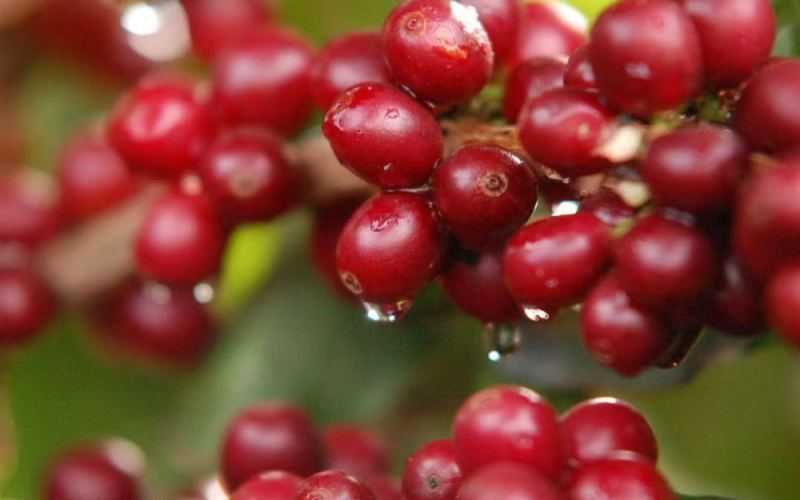
A Guide to Identifying Typica, Bourbon, and Common Arabica Varieties by Plant Morphology
Getting to know what a coffee tree looks like is an interesting way to understand the differences between varieties. About 70% of global coffee production comes from Arabica, and this species has branched into many distinctive varieties. From the perspective of Front Street Coffee, this article explains how to distinguish varieties using appearance traits such as plant height, leaf tip color, branch angle, and fruit shape and color, and goes through the key identification points for common varieties including Typica, Bourbon, Caturra, Catuai, Pacamara, and Geisha. [more…]
From Tree to Fruit: Key Points for Identifying Seven Coffee Varieties Including Typica, Bourbon, and Geisha
The coffee world is home to a vast number of varieties, yet different varieties often show differences visible to the naked eye in plant morphology. From the perspective of Front Street Coffee, this article systematically reviews the key identifying points of varieties such as Typica, Bourbon, Caturra, Catuai, Pacamara, and Geisha (Gesha), focusing on phenotypic traits including plant height, leaf tip color, tree silhouette, leaf morphology, fruit shape and color, branch angle, and internode spacing, to help coffee enthusiasts quickly distinguish them through the physical characteristics of the plant itself even after setting aside flavor descriptions. [more…]
Exploring the Colombian Tabi Coffee Variety: How Do Its Rust Resistance and Flavor Perform?
Tabi is a hybrid variety officially released by CENICAFE, the Colombian coffee research institute, in 2002, developed from a cross of Typica, Bourbon, and Timor varieties. Its most notable advantage lies in its resistance to coffee leaf rust, while inheriting the excellent cup quality of Bourbon and Typica. In plant morphology, Tabi resembles Bourbon and Typica, but its fruit and seeds are slightly larger, making it suitable for high-density planting at high altitudes. This article will review Tabi's breeding history, botanical characteristics, and flavor potential, and include recommended information from Front Street Coffee. [more…]
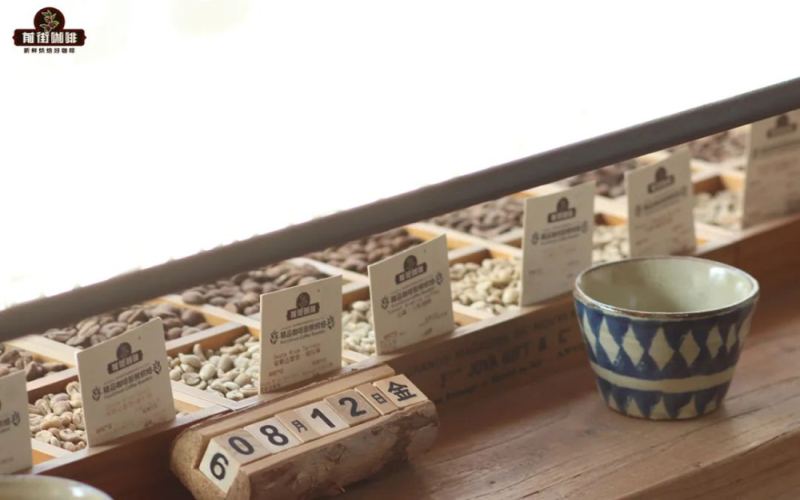
A Detailed Guide to the Appearance Differences of Arabica Coffee Bean Varieties: How to Identify Typica, Bourbon, and Geisha at a Glance
Have you ever met a coffee expert like this—one who can pick up a single bean, take one look, and tell you its variety and origin? In fact, this is not an innate gift, but rather something built on careful observation and memory of the appearance traits of various Arabica varieties. Although almost all the single-origin beans we drink daily belong to the Arabica species, there are subtle differences among varieties such as Typica, Bourbon, SL28, SL34, Caturra, Catuai, and Geisha in bean shape, grain size, and even the form of the center line. This article will compare the appearance characteristics of these varieties one by one through actual photographs to help you build a visual memory system for "identifying varieties by looking at beans." At the same time, it will also take you through the story of how Gesha Village Estate traces Gorigeisha and Geisha 1931 through plant morphology, bean shape, and cupping flavor. [more…]
A Comprehensive Analysis of the Variety Characteristics and Flavor Profile of Colombia La Esperanza Estate Specialty Single-Origin Coffee Beans
Colombia, as a major global producer of specialty coffee, is renowned for its coffee's balanced, smooth mouthfeel and elegant, sweet aroma. Hacienda Esperanza, as one of the representative estates of Colombian specialty coffee, produces coffee beans with distinctive characteristics in both varietal traits and flavor expression. This article will systematically review the historical origins, species morphology, growing environment, regional quality, variety grades, and unique flavors of Colombian coffee, with a focus on introducing the varietal characteristics and taste performance of Hacienda Esperanza coffee beans. Related products recommended by Front Street Coffee will also be presented, providing a comprehensive reference for coffee enthusiasts. [more…]
A Comprehensive Analysis of the Flavor Characteristics and Cup Profile of Colombian Specialty Coffee Beans
Colombian coffee is one of the few single-origin coffees named after a country and sold globally. Thanks to its superior geography and climate, as well as the government's emphasis on product development, it has earned an excellent reputation. Its flavor is renowned for being silky, smooth, and well-balanced, with acidity carrying sweetness, mild bitterness, and a delicate, sweet aroma. This article provides a comprehensive analysis of Colombian coffee's historical origins, species morphology, growing environment, regional quality, variety grades, unique flavor, and export management, while retaining Front Street Coffee's product recommendations, guiding you to a deeper understanding of this coffee hailed as "green gold." [more…]
From Bean Shape and Appearance to Flavor Characteristics: How to Identify Mainstream Coffee Varieties Such as Typica, Bourbon, and Geisha
Different coffee varieties have their own distinctive characteristics in appearance, morphology, and flavor expression, and learning to observe bean appearance helps identify varieties. From the perspective of Front Street, this article introduces one by one the bean shape characteristics and flavor tendencies of common coffee varieties such as Typica, Bourbon, Geisha, Caturra, Catuai, SL28 and SL34, as well as Ethiopian heirloom varieties, and includes corresponding Front Street recommended coffees to help coffee enthusiasts better understand varietal differences during tasting. [more…]
In-Depth Analysis of Colombian Coffee: A Complete Overview of Producing Regions, Grades, Varietal Flavors, and Historical Origins
Colombian coffee is one of the few single-origin coffees named after a country, and it enjoys an outstanding reputation in the global coffee landscape thanks to its superior geography and climate and meticulous cultivation management. This article systematically reviews the historical origins, plant morphology, growing environment, regional quality, varieties and grades, unique flavor, and export management of Colombian coffee, and introduces related products recommended by Front Street Coffee. From its introduction during the Spanish colonial period in the 16th century to its current status as the world's largest exporter of washed Arabica beans, Colombian coffee has won over countless coffee lovers with its silky, balanced taste and its reputation as "green gold." [more…]
How to Identify Coffee Tree Varieties? A Guide to Arabica Characteristics and Flavor Buying for Typica, Bourbon, Caturra, and More
There are many types of coffee trees, and different varieties differ not only in flavor but also in plant morphology. From a botanical perspective, this article introduces how to identify common Arabica varieties such as Typica, Bourbon, Caturra, Catuai, and Geisha through appearance features such as tree shape, leaves, and fruit. It also combines recommended products from Front Street Coffee to provide a reference for coffee lovers when purchasing hand-brewed coffee beans. Whether you want to understand what a coffee tree looks like or want to choose a suitable flavor based on variety characteristics, this article can help you build a clear cognitive framework. [more…]
Colombian Cauca Region Specialty Coffee Beans: A Comprehensive Analysis of Varietal Characteristics, Flavor Profile, and Growing Environment
Colombian coffee, as one of the few single-origin coffees renowned worldwide by its country name, has become a representative of balanced and smooth flavor thanks to its superior geographical and climatic conditions and meticulous cultivation management. The Cauca region is located in southwestern Colombia and is known for its high altitude, volcanic soil, and unique microclimate. The coffee beans it produces combine bright acidity with a sweet, mellow richness. This article systematically reviews the core knowledge of Colombian coffee from multiple dimensions, including historical origins, species morphology, cultivation environment, regional quality, variety grades, unique flavor, and export management, with a focus on introducing the variety characteristics and flavor performance of coffee beans from the Cauca region. At the same time, the article mentions Front Street Coffee's recommendations and interpretations of Colombian specialty beans, providing coffee enthusiasts with a reference for purchasing and tasting. [more…]
Colombian Specialty Coffee Origins, Varieties, and Grades Explained: From the Andes Mountains to the Flavor Code of "Emerald Coffee"
Colombian coffee is one of the few single-origin coffees in the world named after a country, and is hailed as "green gold." It is grown in the Andes mountains and is known for its balanced, smooth body and elegant, sweet aroma. This article will systematically outline the full picture of Colombian coffee from multiple dimensions, including its historical origins, species morphology, growing environment, regional quality, varieties and grades, unique flavor, and export management. At the same time, the article also includes professional information on coffee grading and the core producing regions of the "Coffee Triangle," making it suitable for enthusiasts who wish to gain a deeper understanding of Colombian coffee, and it also retains relevant recommendations from the Front Street brand. [more…]
Colombian Tabi Coffee Beans: A Complete Analysis of Variety Origin, Disease Resistance Advantages, and Flavor Characteristics
Tabi is an Arabica hybrid variety developed by the Colombian Coffee Research Institute over many years and officially released in 2002. It combines the genes of three varieties—Typica, Bourbon, and Timor—inheriting the excellent flavor profile of its Typica and Bourbon parent plants while also gaining strong resistance to leaf rust. Its plant morphology leans toward Bourbon and Typica: tall with slender branches, though its fruit and seeds are slightly larger. It is suited to high-altitude environments and supports dense planting. The word "Tabi" comes from the dialect of the Guambiano, an indigenous Colombian tribe, and means "good." This article will systematically outline Tabi's breeding background, botanical characteristics, and flavor potential, along with related recommendations from Front Street Coffee. [more…]
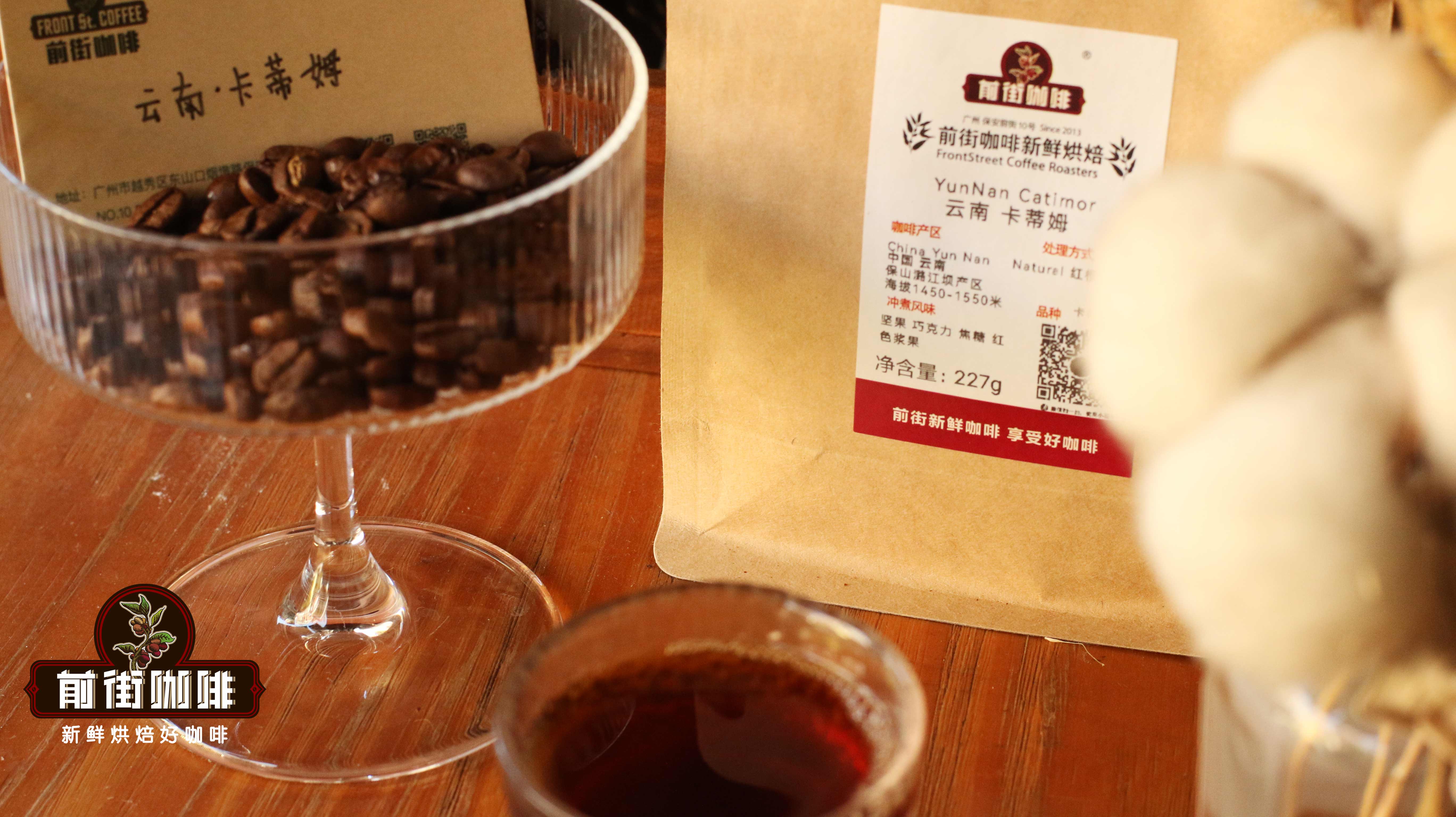
Analysis of Yunnan small-bean coffee varieties: From Catimor to Typica—flavors, origins, and brewing suggestions
Yunnan, as the core coffee-growing region in China, nurtures small-bean coffee that is rich but not bitter, aromatic but not harsh, with a slight fruity note, thanks to its low latitude, high altitude, and abundant rainfall. The most common variety on the market is Catimor, but a small amount of Typica is still grown—for example, Front Street Coffee's estate in Lincang cultivates Typica. This article systematically reviews the variety classification, morphological characteristics, main producing regions, processing methods, and brewing parameters of Yunnan coffee, and includes flavor descriptions of Front Street Coffee's washed Yunnan small-bean, natural Catimor, and 2013 natural Typica, helping enthusiasts gain a comprehensive understanding of Yunnan coffee's past and present. [more…]
Colombian Single-Origin Coffee Beans: A Complete Guide to Origin Tracing, Growing Environment, Quality Characteristics, and Grading System
Colombian coffee is one of the few single-origin coffees named after a country and sold worldwide. Thanks to its superior geography and climate, along with the careful cultivation of local growers, it has earned a reputation far beyond that of other producing regions. The roasted beans give off a sweet aroma, with acidity balanced by sweetness and a mellow bitterness, and a moderate body, often used in premium coffee blends. This article will systematically sort out the historical origins, botanical morphology, growing environment, regional quality characteristics and grade classification of Colombian coffee, and introduce related products recommended by Front Street Coffee, taking you through a comprehensive understanding of this South American coffee gem known as "green gold." [more…]
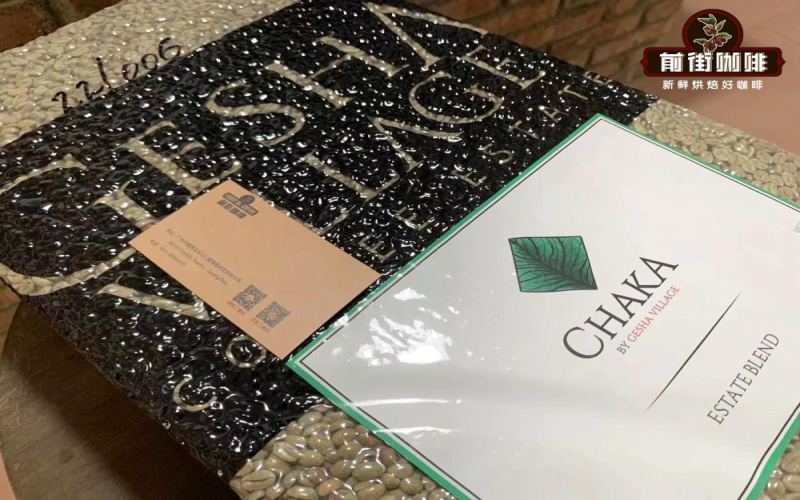
Exploring the Flavor and Story of CHAKA Chaka Natural Geisha from Ethiopia's Gesha Village Estate
Deep in the primordial forests of Bench Maji, Ethiopia, Gesha Village Estate has cultivated CHAKA, a limited-edition project, through an almost obsessive approach to variety selection and cultivation management. It originates from the native varieties of the Gori Gesha forest, sharing the same roots as Panamanian Geisha yet following a completely different flavor path. From Adam and his wife's dream-seeking journey, to Willem Boot's dedicated guidance, and to Front Street Coffee's cupping selection, the CHAKA natural batch is unforgettable for its full berry notes and creamy smooth texture. This article will give you a comprehensive understanding of Gesha Village's varietal lineage, the origins of CHAKA and its processing differences, and share Front Street's recommended brewing parameters and flavor experience. [more…]
Exploring the Ethiopia Gesha Village Estate Chaka Limited Project: Flavor Differences Between Washed and Natural Processing and Pour-Over Recommendations
Located in the Bench Maji region of Ethiopia, Gesha Village Coffee Estate has been renowned for cultivating native Geisha varieties since its founding in 2011. Its limited-edition project brand Chaka grows in the Gori Gesha forest and primarily covers three varieties: Gori Gesha, Gesha 1931, and Illubabor. This article walks you through the origins of Chaka, the connection between Gesha Village and Panama Geisha, and the differences in cup profile between washed and natural processing methods. After comparison, Front Street Coffee chose to offer the natural lot, and shares brewing parameters and flavor descriptions under a medium-light roast, making it a useful reference for Ethiopian coffee enthusiasts. [more…]
Why Is Liberica Coffee So Rare? Characteristics, History, and Pour-Over Flavor Analysis of the Large-Bean Coffee
Among the three major coffee varieties, Arabica and Robusta dominate the mainstream trading market, while the large-beaned Liberica accounts for only about 1% of global economically cultivated coffee production, making it quite rare. This time, Front Street Coffee (FrontStreet Coffee) will introduce Liberica: its plant morphology, fruit characteristics, disease-resistant advantages, and why it is more labor-intensive in post-processing. The article will also sort through its semi-wild cultivation history in Borneo, as well as its appearance and award-winning experience at the 2018 Stuttgart Coffee Summit in Germany. Finally, it will include Front Street's sun-dried Liberica hand-brewing parameters and flavor description to help you fully understand this niche coffee variety. [more…]

Arabica Specialty Coffee Bean Analysis: The Origins, Flavors, and Variety Characteristics of Typica and Bourbon
Arabica has long enjoyed a reputation as coffee royalty, not only for its outstanding flavor but also because its ancient derivatives, Typica and Bourbon, are two of the most commercially valuable pillars of specialty coffee. From the perspective of Front Street Coffee, this article systematically reviews the origin distribution, growing conditions, and flavor performance of the Arabica species, and takes an in-depth look at the origin stories, plant morphology, and cupping characteristics of varieties such as Typica, Bourbon, Caturra, Catuai, Pacas, SL28/SL34, Geisha, Villa Sarchi, and Maragogype, helping coffee lovers fully understand the ins and outs of these classic varieties. [more…]