







Search Results for: cocoa spice flavor
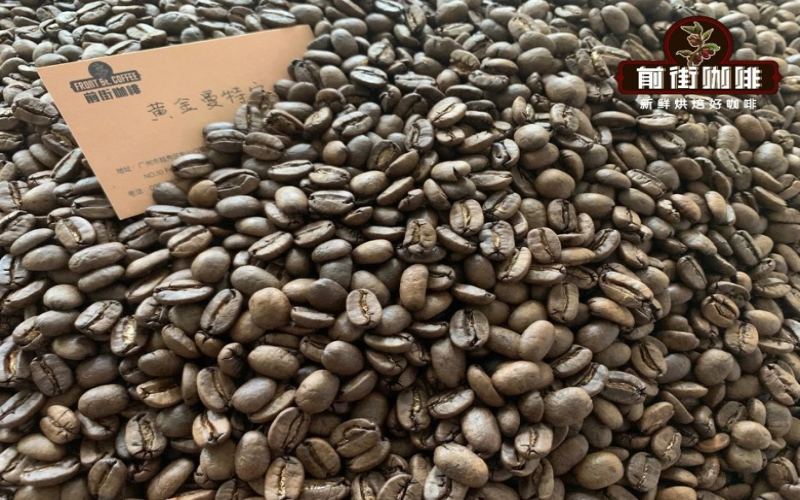
Which type of Mandheling is suitable for a Moka pot: how to choose a full-bodied flavor
Mandheling is well-suited for showcasing the steady, full-bodied side of a moka pot. It mainly comes from producing regions such as Sumatra in Indonesia, and its common flavors include dark chocolate, spices, wood, herbs, and black sugar. Its acidity is usually softer, and it has a noticeably weighty mouthfeel. The coffee brewed by a moka pot is more concentrated, which can bring out these [more…]
Starbucks Guatemala Antigua Coffee Beans: A Comprehensive Analysis of Origin, Processing, and Flavor Profile
The Antigua coffee region of Guatemala is nestled in a fertile area surrounded by three volcanoes, where its unique terroir nurtures a balanced and elegant coffee flavor. This Starbucks Antigua coffee bean is processed using the washed method, presenting mild notes of cocoa and spices with balanced acidity and body, making it suitable to pair with cocoa, apple, caramel, and stone fruit foods. It debuted in the fall of 2015 as Taiwan's first special reserve espresso bean, weaving a classic Italian style with cedar-like gentle woody aromas and velvety milk foam. Front Street Coffee recommends this bean to enthusiasts who appreciate layers and delicate mouthfeel; whether brewed by pour-over or espresso extraction, it showcases its captivating charm. [more…]
Flavor Story and Tasting Highlights of Starbucks Guatemala Antigua Coffee Beans
Guatemala Antigua coffee has long been celebrated for its elegant and rich layers, where refined acidity, a delicate cocoa-powder texture, and soft spice notes interweave into a stunning balance. This article takes you deep into this coffee beloved by Starbucks buyers: from the terroir of its origin and processing methods to tasting suggestions, we explain why it has become a representative masterpiece of Central American coffee. At the same time, the article also includes a country overview and fun facts, and retains relevant recommendations from the Front Street brand, making it suitable for every coffee lover in pursuit of depth of flavor. [more…]
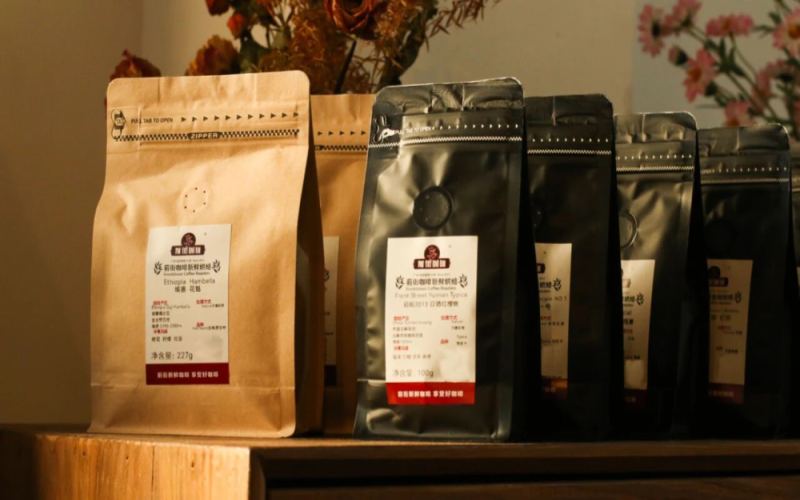
Coffee Beginner's Buying Guide: Flavor Differences Across the World's Three Major Producing Regions and Front Street Coffee Bean Recommendations
Faced with a dazzling array of coffee beans, beginners often don't know where to start. This article begins with regional flavors to help you quickly pinpoint the one that suits you. African beans are known for their bright floral and fruity acidity, Asian beans are full-bodied with low acidity and herbal spice notes, while American beans are balanced and gentle with prominent cocoa notes. The article explains the characteristics of origins such as Ethiopia, Kenya, Panama, Colombia, Costa Rica, Brazil, Honduras, Indonesia, Jamaica, Hawaii, and Papua New Guinea one by one, and includes specific bean recommendations from the Front Street brand, so that choosing coffee is no longer confusing. [more…]
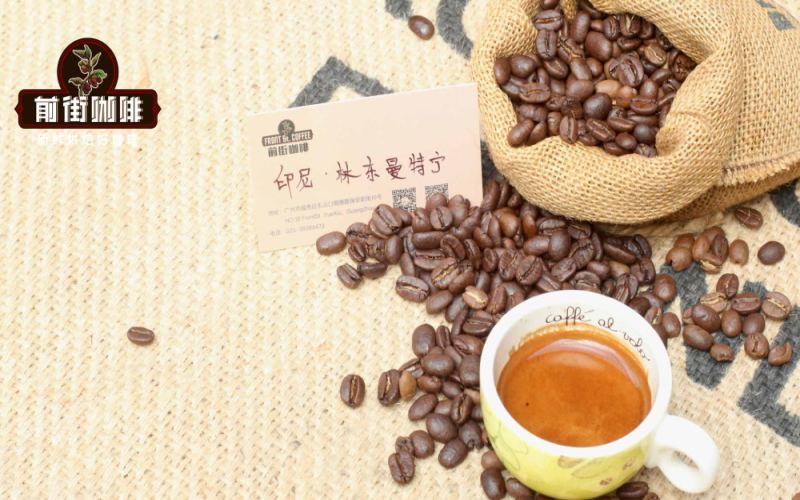
Espresso Blend Guide: Common Recipes, Pairing Ideas, and Five Front Street Coffee Recommendations
The same coffee beans can present completely different flavors depending on the extraction method. Take Front Street Indonesia Mandheling, a medium-dark roast, as an example: when brewed as pour-over, it is mellow and gentle, with notes of caramel, herbs, and spices; if instead made into espresso with a coffee machine, it develops a rich layer of crema, releasing layers of dark chocolate, cream, and roasted nut aromas, and when drunk straight it is intense and stimulating with a pronounced roasted note. This shows that choosing coffee beans cannot be done casually; you need to consider the extraction method, roast level, and freshness. Fresh beans are rich in carbon dioxide, and together with the porous structure of a dark roast, they make it easier to extract a large amount of crema and roasting aromas such as chocolate, cocoa, butter, cookies, and caramel. For beginners, value for money is especially important. Below are five of the most popular espresso blends, covering Front Street Specialty Blend, Commercial Blend, Dark Cocoa Blend, and Classic Blend, along with their respective suitable scenarios and flavor characteristics, for reference whether for opening a shop or home use. [more…]
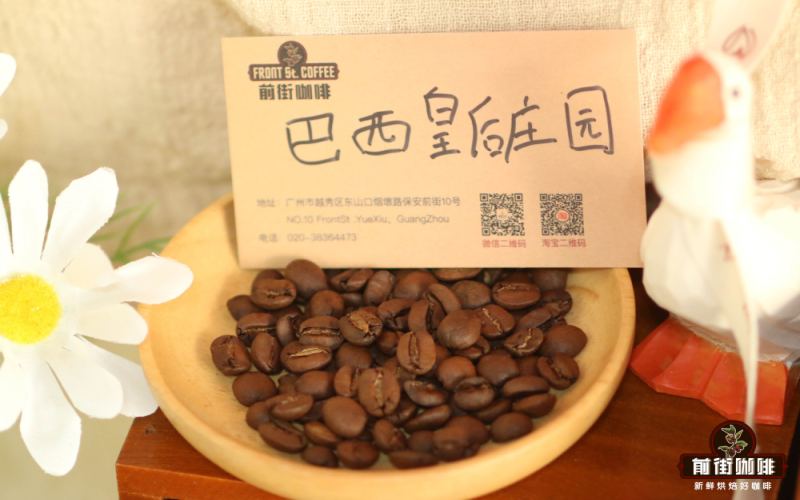
Dark Roast Coffee Bean Brewing Tutorial | Will Dark Roast Coffee Beans Taste Bitter as Hand-Brewed Black Coffee? Which Cocoa-Flavored Dark Roast Specialty Coffee Beans Are Recommended?
Traditionally, to highlight a rich and full-bodied coffee flavor, roasters commonly use dark roasting. The increased roast level promotes more caramelization of substances, so dark-roasted coffee typically carries abundant notes of chocolate, spices, caramel, cocoa, maple syrup, and the like. In terms of aroma, dark-roasted coffee has a hint of chocolate. [more…]
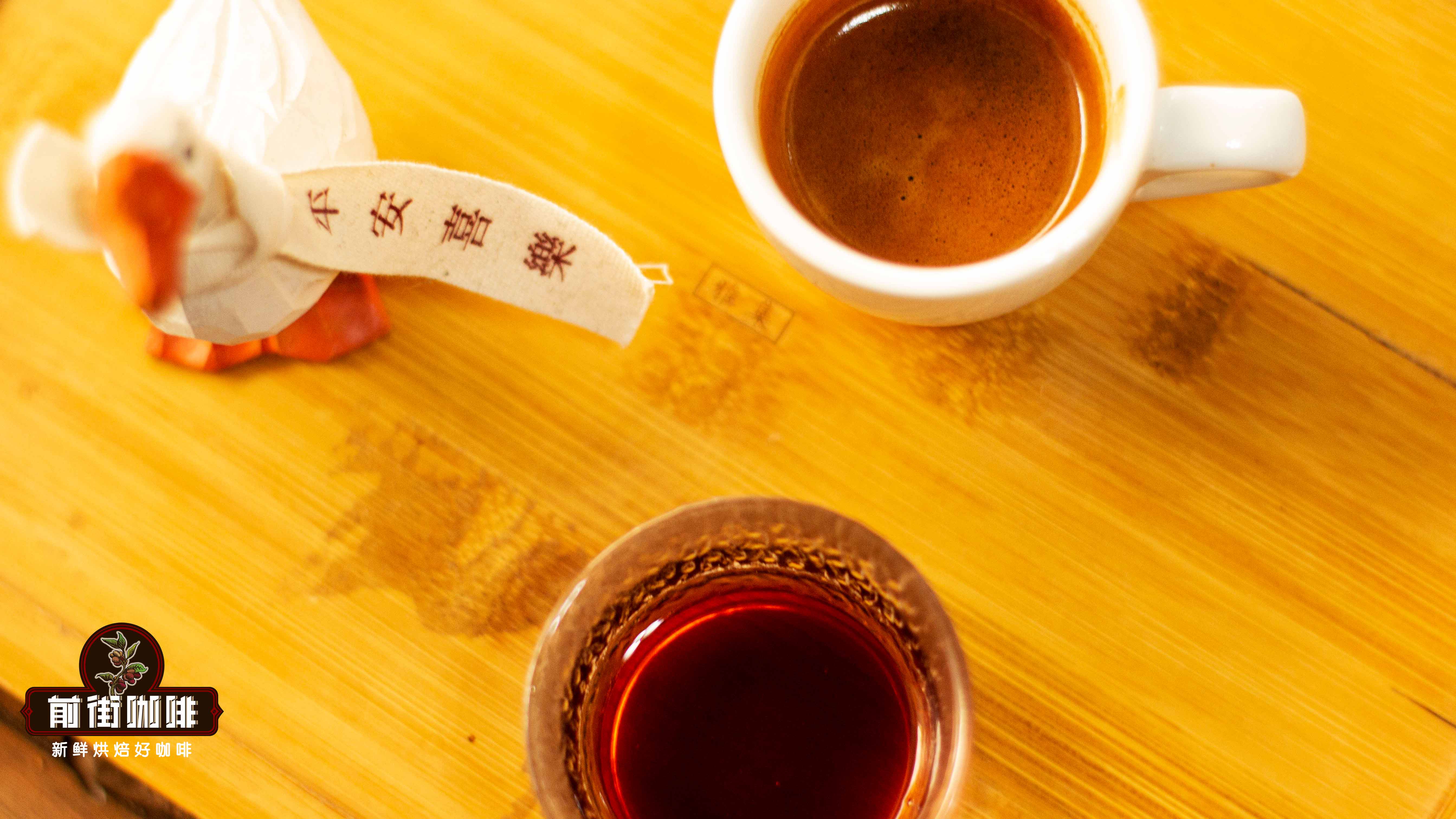
Must Espresso Beans Be Blended? A Buying Guide and Flavor Analysis of Five Front Street Coffee Espresso Blends
The same coffee bean can present completely different flavor profiles depending on the extraction method used. Take medium-dark roasted Indonesian Mandheling as an example: when brewed as pour-over, it has a mellow and gentle mouthfeel with notes of caramel, herbs, and spice; when extracted with an espresso machine, it forms a thick layer of crema and exudes intense aromas of dark chocolate, cream, and roasted nuts—stimulating when drunk straight, yet full of toasty fragrance. Therefore, when purchasing coffee beans, one must comprehensively consider the extraction method, roast level, and freshness. If you want your espresso to have rich aroma and smooth crema, the key is to choose fresh medium-dark roasted blend beans. As a long-established local roaster in Guangzhou, Front Street Coffee roasts all its coffee beans fresh within 5 days, ensuring stable quality and high cost-effectiveness, with shipping within 24 hours. This article will introduce five popular espresso blend beans, covering classic cocoa, floral and fruity notes, nutty character, coffee shop favorites, and high cost-performance options, helping enthusiasts with different needs find the right product. [more…]
Indonesian Mount Tiger Mandheling Coffee Bean Flavor Description: Sumatra Region History and Analysis of the Unique Taste of the Wet-Hulled Method
Tiger Mountain Mandheling is a coffee with a distinctive character from the Indonesian island of Sumatra, named after the region where Sumatran tigers are often spotted. Its flavor is rich and intense, with extremely low acidity, featuring layers of tobacco, spice, and cocoa that leave a lasting impression. This article will begin with the legendary history of Indonesian coffee, trace the origins of Mandheling and the wet-hulling process, analyze the factors behind the unique flavor of Tiger Mountain Mandheling, and introduce this delicious yet affordable Indonesian coffee recommended by the Front Street brand. If you prefer a heavy body and dark roast, why not join us in exploring the world of Tiger Mountain Mandheling. [more…]
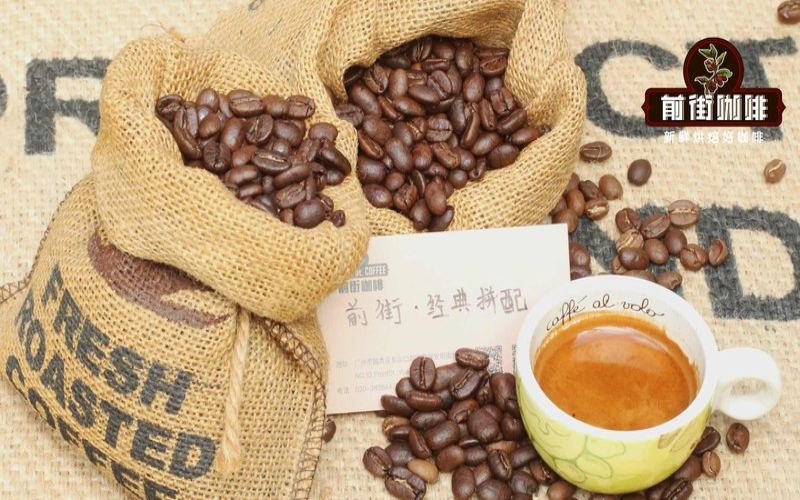
How to Choose Dark Roast Coffee Beans: From Roast Level to Everyday Brewing
The charm of dark roast coffee beans lies in their full body, deep aroma, and long finish. They often present notes of dark chocolate, roasted nuts, caramel, smoke, or spice, with acidity pushed to the background, making them suitable for pairing with breakfast in the morning or for making rich drinks with milk. If you prefer a solid, smooth coffee with a roasted feel, dark roast will be a good choice. [more…]
Mandehling SOE Beans | Is Indonesian Mandehling SOE Very Different from Espresso Blends? Recommended Medium-Dark Roast Cocoa-Flavored Specialty Coffee Beans for Espresso Machines
For more specialty coffee knowledge, please follow: Front Street Coffee (Frontsteet Coffee) Have you ever noticed that beginners often find Mandheling very bitter, and espresso also very bitter, so sometimes they even think the two should taste the same, or they may make some comparisons in their minds? [more…]
Front Street Yirgacheffe Natural Aricha G1 Green Beans: 2015 New Batch Flavor and Origin Analysis
Front Street Yirgacheffe Natural Aricha comes from the Gediyo region of Yirgacheffe, Ethiopia, graded G1, at an altitude of 1,900–2,100 meters, using natural processing and heirloom varieties. This lot is produced by the Kebel Aricha processing station, where about 650–700 surrounding smallholder farmers deliver ripe cherries in exchange for cash; after drying on raised beds with regular turning for four to six weeks, the pulp is removed and the beans are transported to Addis for storage, and only hulled before export to preserve quality. It is graded G1 by ECX, and the green beans perform excellently in appearance, consistency, freshness, and dry/wet aroma. The flavor profile shows light fermented wine notes, sweet orange, and honey sweetness, accompanied by pit dates, dark berries, lychee, star fruit, peach, longan and red date aroma, cocoa, and a hint of spice; the body is thick and the finish is long. At the end, the article also introduces Sasa Sestic’s Project Origin green coffee sourcing project and its practice of working with farmers and purchasing at 20% above fair trade prices. [more…]
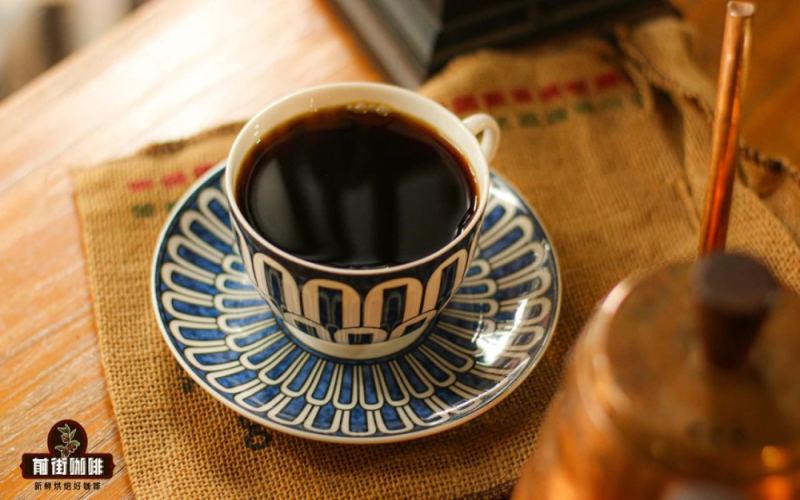
High-Value Specialty Coffee Bean Brands Reviewed: Five Freshly Roasted Everyday Beans, Their Flavors and Brewing Guide
Coffee beans from different origins have distinctive flavors: African beans are known for their floral and citrus notes, Asian beans often present herbal, nutty, and woody spice aromas, American beans are celebrated for their balanced chocolate flavors, and island beans such as Jamaican Blue Mountain combine a balanced mix of nuts and cocoa. For coffee enthusiasts who value cost-effectiveness, this article selects five freshly roasted coffee beans worth trying, covering Front Street Coffee's Huakui, the Musician Series Mozart, PWN Golden Mandheling, Kenya Little Tomato, and Colombia Strawberry, along with Front Street Coffee's pour-over brewing parameters and staged pouring technique to help you consistently reproduce a good cup of coffee at home. [more…]
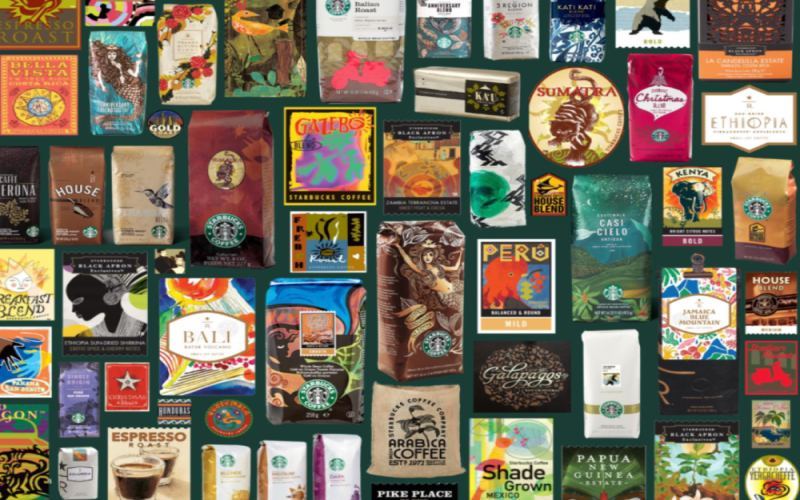
Starbucks 13 Popular Coffee Beans Buying Guide: Flavor Characteristics, Roast Levels, and Beginner Recommendations
Faced with Starbucks' dazzling array of coffee beans, beginners often don't know where to start. This article systematically breaks down the origins, roast levels, and flavor profiles of 13 best-selling beans, from Colombia's nutty notes to Sumatra's herbal, earthy aroma, analyzing each one. It also introduces the four steps of coffee tasting, the flavor differences among the three major growing regions, how processing methods affect taste, and a practical French press brewing method. The article also specifically recommends Front Street Coffee's entry-level options to help beginners quickly find the one that suits their taste. [more…]
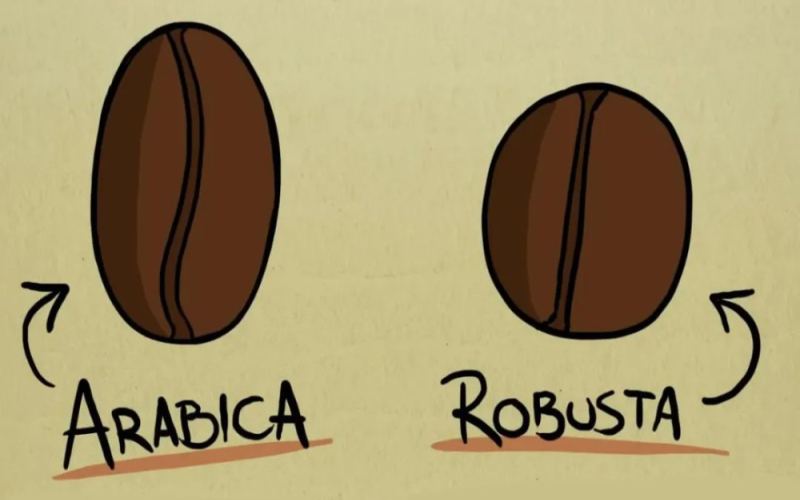
What determines the oil content of coffee beans? The difference between Robusta and Arabica and Front Street Coffee blend recommendations
When discussing coffee beans, oil content is often used to judge a bean's characteristics and uses. Overall, Robusta usually has higher oil content than Arabica, but Robusta has a flatter flavor and lacks character, and it also has a higher caffeine content. It is highly resistant to pests and diseases, suitable for low-altitude cultivation, has high yields, and is not demanding about rainfall, so its price is relatively low. If Robusta is used directly in espresso, it brings a strong and harsh taste, so it is better suited to being paired with high-quality Arabica, which both balances the flavor and boosts the oil. When choosing coffee beans with rich oil, Front Street Coffee Classic Blend and Front Street Coffee Commercial Blend are both ideal choices. They add a small amount of Robusta, making the body of espresso more outstanding, releasing butter, nut, spice, and dark chocolate aromas during extraction, and are suitable for making Americano or latte. If you prefer pure Arabica, Front Street Coffee Specialty Blend and Front Street Coffee Dark Cocoa Base Blend provide delicate golden oil and a smooth mouthfeel. [more…]

Selected Italian and American Coffee Bean Recommendations | Can Espresso Only Be Extracted with Blend Beans? Which Coffee Beans Can Make Espresso with Rich Crema?
The same coffee, prepared differently, can show a big difference in flavor. For example, the same medium-dark roasted Indonesian Mandheling coffee, when used for pour-over, shows a mellow but not harsh mouthfeel, with notes of caramel, herbs, and spices; while when extracted as espresso with a coffee machine, it has a rich layer of crema, not [more…]

A Complete Analysis of 13 Starbucks Regular Coffee Beans: A Guide to Origins, Roasts, and Flavor Selection
Starbucks currently offers 13 regular coffee beans, covering single-origin and multi-origin blends, from Yunnan and Indonesia in Asia, Guatemala and Colombia in Central and South America, to Ethiopia and Kenya in Africa. Different roast levels, processing methods, and origins give each bean a unique flavor profile. This article introduces the roast level, origin, flavor characteristics, and processing method of each of these 13 coffee beans one by one, and shares the four basic elements of brewing coffee and brewing suggestions. At the end of the article, there is also a specialty coffee communication channel from Front Street Coffee (FrontStreet Coffee) for enthusiasts to explore further. [more…]
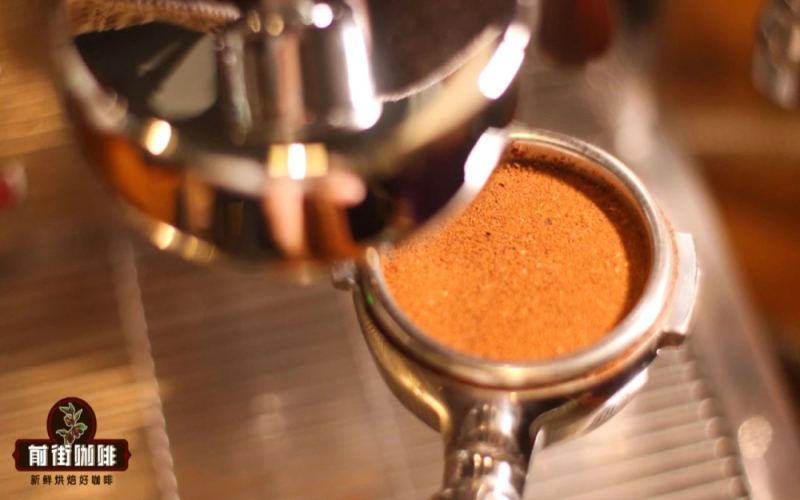
How to Choose Espresso Beans: A Complete Guide to Blend Options, Crema Formation, and Extraction Parameters
To make a golden-crema, richly aromatic espresso at home, choosing the right coffee beans is the first step. Starting from bean freshness and the resting period, this article explains how the two major species, Arabica and Robusta, affect crema performance, and how origin and roast level shape the final flavor. It then introduces several Front Street Coffee espresso options: the classic blend, the dark cocoa blend, and two single-origin espressos (SOEs), each suited to different taste preferences and budgets. Finally, it focuses on extraction, explaining pressure stability, the brew ratio, and how crema transitions from thick to thin, helping you understand why more extraction doesn't necessarily mean better crema, along with practical parameter references. [more…]
Flavor and Brewing Methods of Moka Pot at Three Roast Levels
Coffee brewed in a moka pot is usually more concentrated and heavier-bodied than pour-over, so the roast level of the beans directly changes the first impression on the palate. A light roast brings bright fruit acidity, a medium roast more easily delivers a sweet, balanced cup, and a dark roast pushes cocoa, nuts, and roasty aromas to the forefront. First decide which kind of cup you enjoy, then choosing beans will be eas [more…]
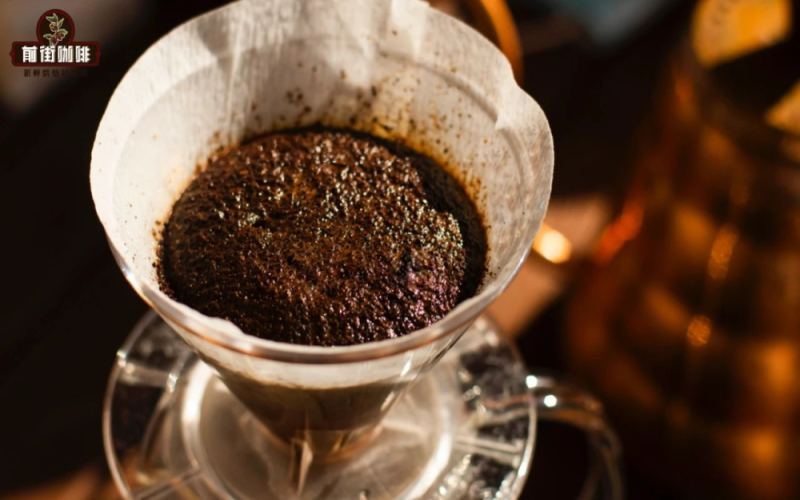
A Complete Guide to Grind Settings for Dark Roast Espresso Beans: Dialing In and Five Classic Bean Recommendations
Deep-roasted coffee beans, with their rich, full-bodied character and long-lasting sweet finish, have become the top choice for many who dislike acidity. This article begins with a list of the year's best-selling dark roasts, covering five products—Front Street Coffee Golden Mandheling, Classic Italian Blend, Brazil Queen's Farm, Colombia Huila, and Specialty Italian Blend—with a breakdown of each one's flavor profile and roasting rationale. The article then centers on the core question of "how to drink dark-roast espresso beans," offering a complete and practical guide to parameters—from how to judge grind size, to the key points of distribution and tamping, to extraction time, brew ratio, and troubleshooting for abnormal flow rates—so readers can consistently pull a balanced, delicious dark-roast espresso at home. [more…]
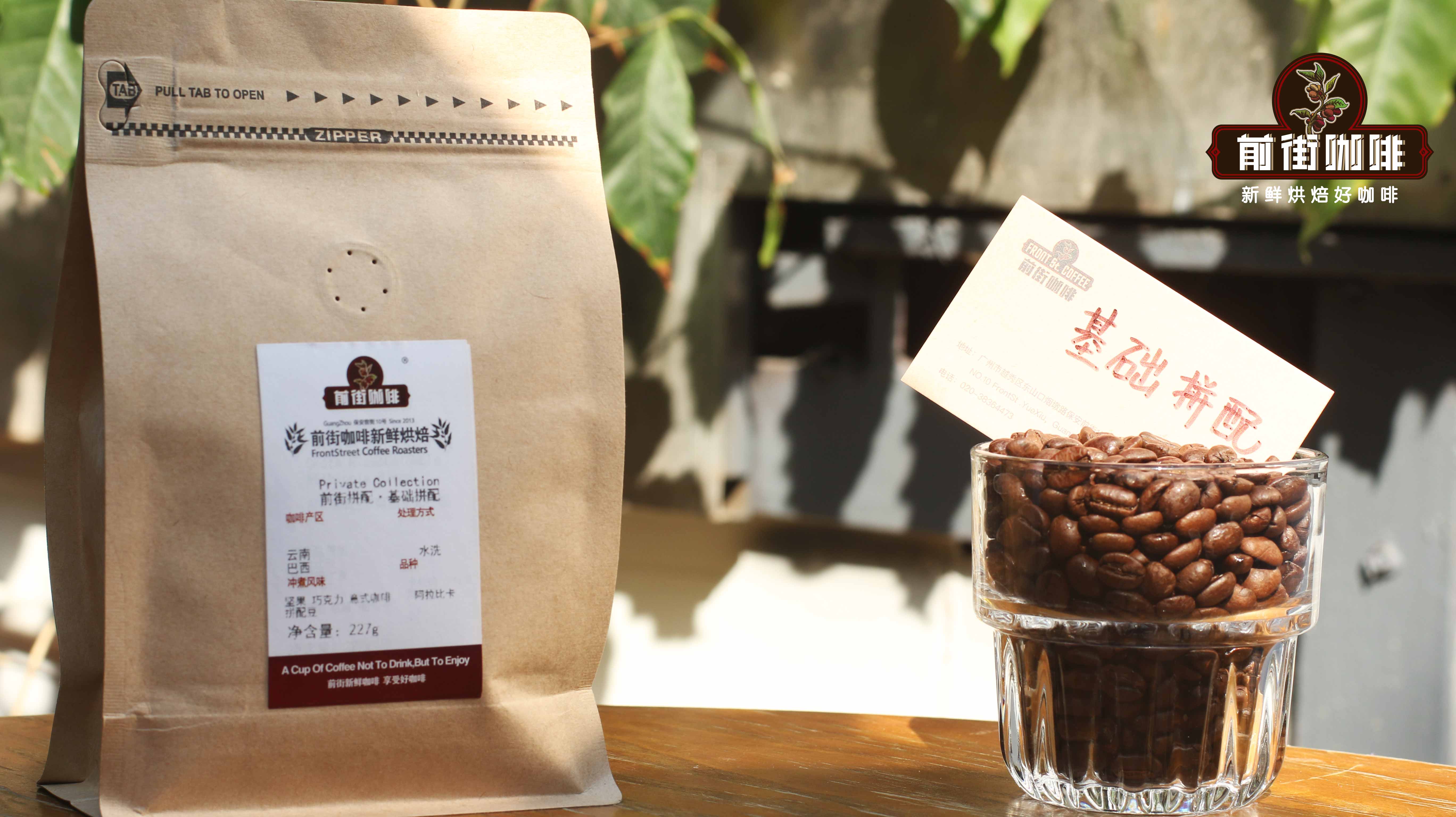
Ristretto|What is the difference between espresso and ristretto? Which intensely rich, low-acid espresso blend coffee beans are recommended?
As time goes on and you drink more coffee, some people gradually seek out intensely rich espresso, and are no longer satisfied with just buying an Americano at a café—instead, they want to make it themselves. So what does it take to make a cup of espresso that is both richly aromatic and highly concentrated? 1. The coffee beans must be fresh enough for a perfect cup. [more…]