







Search Results for: citrus acidity

Yirgacheffe Gutingding Coffee Beans: From Origin to Flavor, A Analysis of Floral and Citrus Tea Notes Under Light-Medium Roast
Yirgacheffe is renowned for its signature floral aroma, citrus acidity, and tea-like body, and the Gedeb Gotiti Cooperative is a prominent representative of the micro-regions within this area. Front Street Gotiti coffee beans use heirloom varieties and are washed-processed, presenting a fresh and bright citric acidity with jasmine floral notes, along with a clear tea-like body and honeyed sweetness in the finish. This article will provide a comprehensive analysis of the flavor code of these beans, from the terroir of the origin and variety characteristics to roasting key points, and will also include cupping performance and brewing suggestions, taking you to appreciate the unique charm of "the last pure land of Yirgacheffe." [more…]
Why Does Light Roast Coffee Often Have Citrus Notes? Eight Front Street Light Roast Beans Worth Trying
Citrus, floral notes, and fruity acidity are almost the signature labels of light to medium-light roasted coffee. Browse the descriptions of a whole array of coffee beans with floral and fruity profiles on the market, and eight or nine times out of ten the word "citrus" will appear—sometimes placed at the very front, sometimes tacked on at the end. Even when the literal characters "gan" or "ju" don't appear, it's mostly swapped for lemon, sweet orange, grapefruit, tangerine, or similar fruits of the same family. These beans are usually light or medium-light roasted. So where exactly does the citrus sensation come from? And which light-roasted beans with prominent floral and fruity aromas and a solid reputation are worth trying? This article starts with the aroma composition of citrus fruits, combines the fruit attributes of coffee itself with the influence of roast level, explains the source of this flavor association, and compiles eight light-roasted coffee beans recommended by the Front Street brand for enthusiasts to reference when shopping. [more…]
Exploring Yirgacheffe Kochere: A Specialty Coffee Region of Jasmine Aroma and Citrus Sweetness
Kochere is a highly core micro-region within Ethiopia's Yirgacheffe producing area, famous for its distinct fruity notes, lively citrus acidity, and silky sweet mouthfeel. This article outlines Kochere's geographical location, production model, and grading system, and introduces the process and advantages of the washed processing method. At the same time, the article highlights two Ethiopian washed beans from Front Street Coffee—Kochere G1 and the Gotiti Cooperative—which respectively present flavors such as jasmine fragrance, lemon aroma, and citrus tea notes, suitable for various brewing methods including pour-over and cold brew, providing coffee enthusiasts with clear purchasing and tasting references. [more…]
Front Street Kenya Specialty Coffee Bean Flavor Analysis: Citrus Acidity, Grapefruit Wine Aroma, and AA-Grade Taste Characteristics
Front Street Kenya coffee is mainly grown at elevations of 1,500 to 2,100 meters and can be harvested twice a year. It is known for its bright fruity aroma, with citrus notes being the most common, along with layered juicy acidity, grapefruit and wine-like flavors, and a moderate body, and has long been regarded as one of the industry's most beloved single-origin coffees. The popularity of the Hollywood film Out of Africa also helped make Kenya coffee widely famous. This article will guide you through the unique charm of Front Street Kenya coffee from the perspectives of growing region conditions, AA-grade characteristics, flavor performance, and vintage differences. [more…]
Why Does Light Roast Coffee Always Seem to Have Citrus Notes? Breaking Down the Flavor Causes from Aroma Compounds and Sensory Distinctiveness
When browsing e-commerce platforms, it's not hard to notice that most lightly roasted beans with conventional processing methods almost always have the word "orange" somewhere in their flavor tags. Even if the first two descriptors mention floral notes or berries, a citrus note is often tacked on at the end. This phenomenon is no accident—citrus's widespread recognition, the penetrating power of its peel aroma, and the combination of specific alcohols, aldehydes, and esters in lightly roasted beans all contribute to this flavor's ubiquity. This article will explain, from the two dimensions of aroma chemistry and sensory perception, why lightly roasted coffee always evokes citrus, and touch on how other fruit flavors differ in the cup. [more…]
A Coffee Connoisseur's Private Collection: A Guide to Selecting Specialty Pour-Over Coffee Beans by Origin and Brand
For coffee enthusiasts who are truly passionate about pour-over, the choice of beans has always been the key to determining the success of a cup of coffee. Whether you have been exploring the world of specialty coffee for many years or are advancing toward higher-level flavor exploration, finding good beans that suit your taste is always a required course. This article, organized along the three main lines of light roast, medium roast, and dark roast, compiles multiple Front Street Coffee beans from classic producing regions such as Rwanda, Ethiopia, Panama, Kenya, Costa Rica, Colombia, Brazil, and Indonesia, covering rich flavor types including berries, florals, citrus, tropical fruits, chocolate, and nuts, and includes the origin background and brewing performance of each bean for experienced brewers to choose according to their needs. [more…]
Front Street Worka Chelbesa Cooperative: Flavor and Brewing Analysis of Ethiopian Yirgacheffe Washed Specialty Coffee Beans
Yirgacheffe is renowned for its floral aroma, citrus acidity, and tea-like body, and Front Street's Gotiti Cooperative is a highly representative example within this region. This coffee comes from the high-altitude growing area of the Gedeo Zone, is processed using the traditional washed method, and is graded G1, with flavors spanning citrus, green tea, prunes, floral notes, and honey. This article will guide you through the origins of the Gotiti Cooperative, its varietal characteristics, and how Front Street preserves its essential floral and fruity notes through a medium-light roast, along with complete brewing methods and cupping flavor notes—ideal for coffee lovers who enjoy bright acidity and a clean cup. [more…]
Exploring Ethiopia Yirgacheffe Gedeb Gotiti Cooperative: Flavor Analysis of Washed Specialty Hand-Brewed Coffee Beans
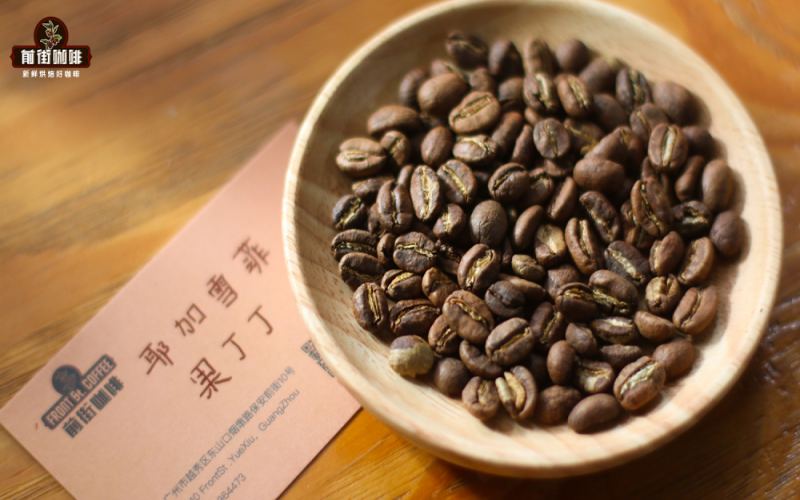
Yirgacheffe is renowned for its floral aroma, citrus acidity, and tea-like body, and the Gedeb Cooperative, as one of its shining gems, stands out with its clear tea-like quality and elegant fruit acidity. Front Street Coffee's Gedeb coffee beans are produced in the high-altitude areas of the Gedeo Zone, using traditional washed processing, Grade G1, with flavors spanning citrus, green tea, dried plum, floral notes, and honey. This article will provide an in-depth analysis of this bean's origin background, processing method, and cupping performance, from dry aroma to aftertaste, taking you through a comprehensive understanding of why it is hailed as "the last pure land of Yirgacheffe." Whether you are a pour-over enthusiast or a cold brew fan, you will find highlights worth savoring. [more…]
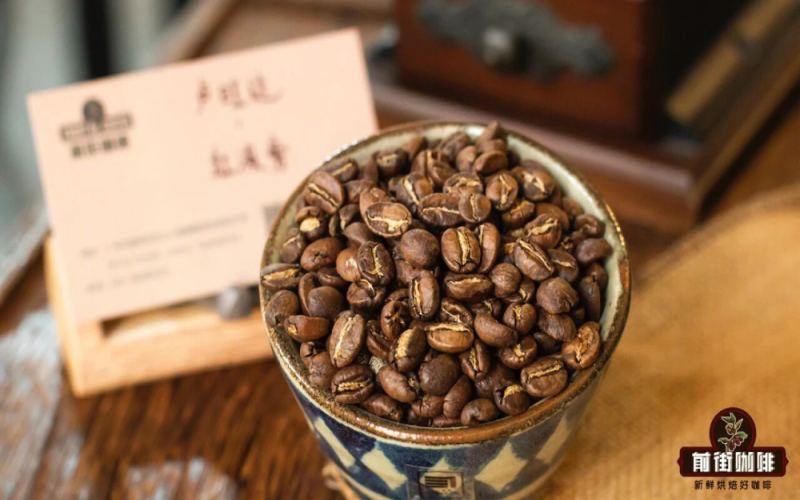
Selected Coffee Bean Brands | Which single-origin pour-over beans do seasoned coffee enthusiasts buy? Recommendations for light, medium, and dark roast pour-over coffee beans that are tasty, affordable, and perfect for beginners.
When it comes to brewing coffee, whether you're just starting out, advancing, or have already become a seasoned enthusiast, choosing coffee beans is still something you can't afford to be careless about. Today, we're going to dig out our most treasured good beans for experienced brewers, so you can brew delicious coffee at home too. 1. Front Street Coffee. Rwanda Red Bourbon: [more…]
Yirgacheffe Gedeb Gotiti Cooperative Coffee Beans: A Complete Guide to Light Roast Flavor Analysis and Brewing Parameters
The Yirgacheffe region of Ethiopia is famous for its bright fruit acidity and elegant floral aromas, and the Gedeb Cooperative, as a specialty micro-region that split off from Worka, produces washed G1 coffee beans that combine citrus acidity with a black tea finish. Using this coffee as an example, Front Street Coffee presents the complete journey of a light-roasted Yirgacheffe from green bean to cup, covering the region's background, variety and grade, roast profile design, cupping comparisons, V60 brewing parameters, and flavor performance at different water temperatures. This article is suited for coffee enthusiasts who wish to gain a deeper understanding of the details of Ethiopian coffee origins and the logic of light-roast brewing. [more…]
Ethiopia Two-Region Showdown: Flavor Differences Between Sidamo and Yirgacheffe Coffee Beans and Front Street Coffee's Bean Selection Insights
As the birthplace of coffee, Ethiopia is home to a wealth of native varieties and regions each with their own distinct character. Sidamo and Yirgacheffe are two of the most talked-about names among them. The former is known for its diverse flavors and rich fruity notes, while the latter is famous for its signature citrus acidity and jasmine aroma. Drawing on Front Street Coffee's actual cupping and brewing, this article sorts out the differences between the two regions in terms of varieties, processing methods, and flavor presentation, and shares the specific performance of Front Street's Uraga TOH champion bean along with products such as Gudingding and Red Cherry, helping coffee lovers understand the stylistic boundaries of these two major regions more clearly. [more…]
Light Roast Yirgacheffe Gedeb G1 Green Bean Review: Full Analysis of Three Profiles at the Same Roast Level with Cupping and Brewing
The Yirgacheffe region in Ethiopia is renowned for its bright fruity acidity and delicate floral aromas, and its Gedeb Cooperative stands out even further with a clean tea-like body and elegant citrus notes. Front Street Coffee sourced this Yirgacheffe Gedeb washed G1 coffee bean, grown at 1,900–2,300 meters, of the heirloom small-bean variety, with a defect rate controlled to within 3 beans per 300 grams. To find the optimal roasting approach, Front Street tested three light-roast profiles on a Yangjia 800N roaster, then verified the flavor performance through cupping and multiple brewing sessions. This article presents the full process—from green bean information, regional background, and grading standards to roasting curve comparisons, cupping records, and V60 brewing parameters—to help coffee enthusiasts understand the flavor differences and brewing key points of light-roasted beans at the same roast level. [more…]
Pour-Over Coffee Bean Fruity Acidity Flavor Guide: How Light-Medium Roasts Present Floral and Fruity Notes, with Variety Recommendations
From light to dark roasting, coffee beans can undergo a dramatic flavor transformation within just a few minutes and a temperature difference of about 10°C. Light roasting preserves more organic acids, resulting in bright acidity and rich aromatic layers; medium roasting achieves more thorough caramelization, lowering acidity and enhancing sweetness. If you want to enjoy alluring floral and fruity notes, it is recommended to prioritize light to medium roasts and choose varieties based on flavor descriptions. This article reviews how different roast levels affect acidity and aroma, and recommends five representative Front Street Coffee pour-over beans: Fruit Ding Ding, Kenya Little Tomato, Strawberry Candy, Colombia Big Belly Button, and Flower Butterfly, corresponding to flavors such as citrus and floral, berry and cherry tomato, raisin gummy, passion fruit and blueberry, and citrus honey pomelo tea, helping coffee lovers make precise purchases according to their preferences. [more…]
How to Describe Coffee Flavors? A Comprehensive Analysis of Flavor Characteristics of Major Coffee-Producing Countries and Regions Worldwide
Even coffee from different plots within the same estate can vary in flavor, let alone regions spanning different countries. The three major specialty coffee regions—Asia, Africa, and the Americas—each display distinctly different regional characteristics due to their unique terroir. Ethiopia's floral and citrus notes and the rich, full-bodied character of Asian coffees each have their own following. When recommending single-origin beans to customers, Front Street Coffee matches them based on taste preferences—those who prefer acidity can choose Front Street Kenya Small Tomato or Front Street Yirgacheffe, while those who enjoy a full-bodied cup can try Front Street Jamaica Blue Mountain or Front Street Golden Mandheling. Front Street currently offers more than 200 specialty coffee beans, and every bean has undergone repeated roasting tests and cupping screenings, only being recommended to consumers after confirming it is representative of its region. The following content is a coffee flavor guide compiled by Front Street after multiple rounds of roasting and cupping of common coffee regions around the world. [more…]

Floral and Fruity Camp in Pour-Over Coffee: Citrus, Berries, Tropical Fruits
Many people, upon trying pour-over coffee for the first time, are amazed by a flavor: it turns out coffee isn't just bitter; it can be acidic, sweet, and aromatic, like fruit tea or flowers. This is the beloved floral and fruity profile in pour-over coffee. Its charm lies in amplifying the original regional flavors of the coffee beans: Ethiopian [more…]

From Roast Curve to Cup Flavor: Why Light Roast Coffee Beans Are Popular, and Why Yirgacheffe Tends to Be Sour?
As Yirgacheffe brings bright acidity reminiscent of lemon and citrus into the specialty coffee shops of more and more small county towns, many people begin to wonder: why do coffee beans need a light roast? And why did light-roasted coffee come about in the first place? In fact, coffee beans are not light-roasted in order to express citrus notes; rather, under light-roast conditions they more easily reveal citrus-like qualities. The roast level determines the basic direction of the flavor, unfolding in turn from acidity and aroma to body and bitterness. This article starts from the roasting practice at Front Street Coffee, combining first crack and second crack, bean density and origin characteristics to explain the flavor logic between light roasting and Yirgacheffe, and how roasters weigh the trade-off between a uniform appearance and acidity expression. [more…]
Pour-Over Coffee Bean Selection Guide: Top Ten Highly Praised Single-Origin Beans of 2025
The charm of pour-over coffee lies in its myriad flavors, and everyone's preferred taste is different, so there is no universally applicable bean list. However, as more and more real feedback from enthusiasts accumulates, some outstanding-quality coffee beans have gradually emerged, forming a word-of-mouth ranking with considerable reference value. This article, in reverse order, focuses on the pour-over extraction method and sorts out ten widely praised single-origin coffee beans, covering classic producing regions such as Colombia, Ethiopia, Kenya, Brazil, Indonesia, and Rwanda, and also includes the flavor descriptions and origin backgrounds of the corresponding products under the Front Street brand, for pour-over enthusiasts to refer to when making selections. [more…]

Medium-Light Roast Pour-Over Bean Recommendation | Why Is Ethiopian Yirgacheffe So Aromatic? What Are the Flavor and Taste Characteristics of Washed Yirgacheffe Single-Origin Beans?
When Yirgacheffe is mentioned, many people will think of its distinctive characteristics such as floral aroma, not bitter, citric acidity, citrus, tea-like body, and so on. The reason Yirgacheffe coffee beans possess such a splendid flavor and present a refreshing, bright tonality is first of all thanks to the terroir and variety of the origin, and secondly to the control of roasting, because the coffee beans [more…]

2026 Light Roast Pour-Over Coffee Bean Roundup | Can Beginners Start with Light Roast Coffee Beans? Which Single-Origin Beans Have Rich Floral and Fruity Aromas?
Many people probably know that the charm of light-roasted coffee lies in its low bitterness, often accompanied by fresh floral and fruity notes. It is mostly brewed using the pour-over method, allowing even those who originally didn't accept coffee to fall in love with this "dark" beverage. To keep everyone from blindly stepping on landmines, today we bring a carefully compiled "2026 [more…]

A Curated List of Black Coffee Beans Worth Buying for Seasoned Pour-Over Enthusiasts: Top Single-Origin Picks Across Three Roast Levels
For coffee enthusiasts who love pour-over, choosing beans is always the key step that determines the quality of a cup of coffee. Whether you are a beginner just getting into pour-over or a seasoned hobbyist who has advanced to a professional level, buying fresh coffee beans from a reliable roaster is an indispensable first step. This article will organize a list of specialty coffee beans suitable for experienced brewers along three dimensions: light roast, medium roast, and dark roast, covering representative beans from producing regions such as Rwanda, Ethiopia, Panama, Kenya, Costa Rica, Colombia, Brazil, and Indonesia, presenting each one's flavor characteristics and processing methods one by one, to help you consistently brew a satisfying cup of good coffee at home. [more…]