







Which Coffee Producing Regions Shine in Pour-Over?
There is no single bean list that fits every pour-over drinker, because flavor comes down to personal taste. A practical starting point is a set of widely praised single-origin beans drawn from classic coffee producing regions: Colombia, Ethiopia, Kenya, Brazil, Indonesia, and Rwanda. Each brings a distinct profile, and the ranking reflects accumulated drinker feedback rather than a fixed rule.
Colombia Huila, for example, sits above 1,500 meters with mountain terrain and converging rivers, producing a heavy body with dark chocolate, cocoa, cream, and roasted nut notes. Ethiopia's Yirgacheffe is known for citrus, tea-like, floral, and berry flavors, and the name itself has become shorthand for that flavor style, including the Gudingding cooperative beans.
The charm of pour-over coffee lies in its myriad flavors, and everyone's preferred taste is different, so there is no universally applicable bean list. However, as more and more enthusiasts' real feedback accumulates, some outstanding quality coffee beans gradually emerge, forming a reputation ranking with considerable reference value. This article, in reverse order, focuses on the pour-over extraction method and compiles ten widely praised single-origin coffee beans, covering classic producing regions such as Colombia, Ethiopia, Kenya, Brazil, Indonesia, and Rwanda, and includes the flavor descriptions and origin backgrounds of corresponding products under the Front Street brand for pour-over enthusiasts to refer to when choosing.
Many friends who are new to pour-over coffee ask: What are the characteristics of pour-over coffee beans? Which bean is most suitable for pour-over? Actually, flavor is a matter of personal taste, and there is no fixed list of specialty beans that suits everyone, nor is there a "best taste" that holds true for everyone. Fortunately, as more people purchase, some standout coffee beans are gradually recognized by more people, naturally forming a more convincing ranking. Today, starting from pour-over extraction, we will compile a praise ranking in reverse order for everyone.
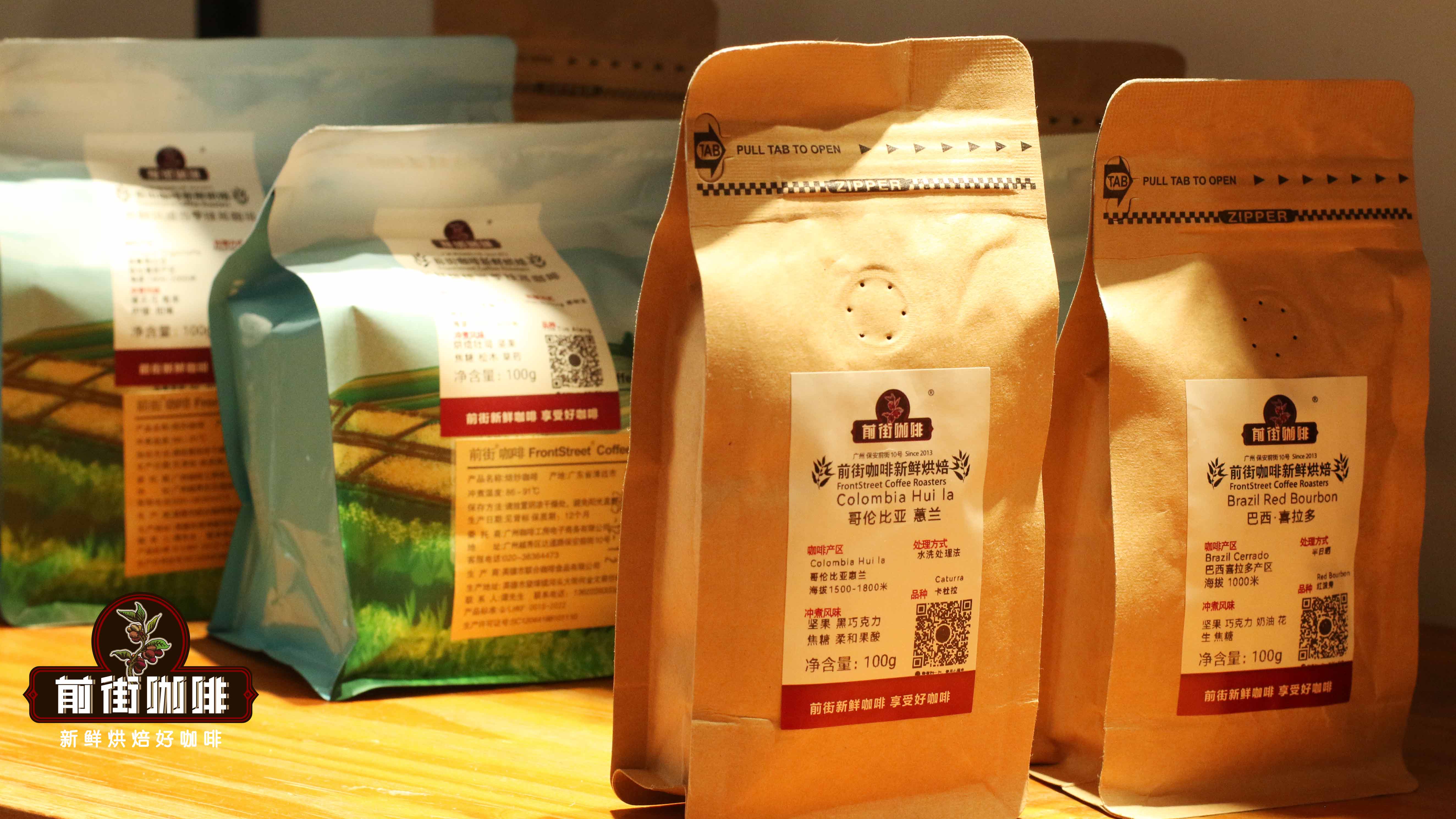
NO10. Front Street. Colombia Huila: Dark chocolate, cocoa, cream, roasted nuts
Huila is located in southwestern Colombia and is one of the core growing regions for the country's specialty coffee. Surrounded by mountains, with altitudes generally exceeding 1,500 meters, several important Colombian rivers converge here, bringing abundant water resources and moisture, which gives local coffee a strong taste and higher body, typically presenting aromas of nuts, chocolate, and caramel, accompanied by suitable acidity.
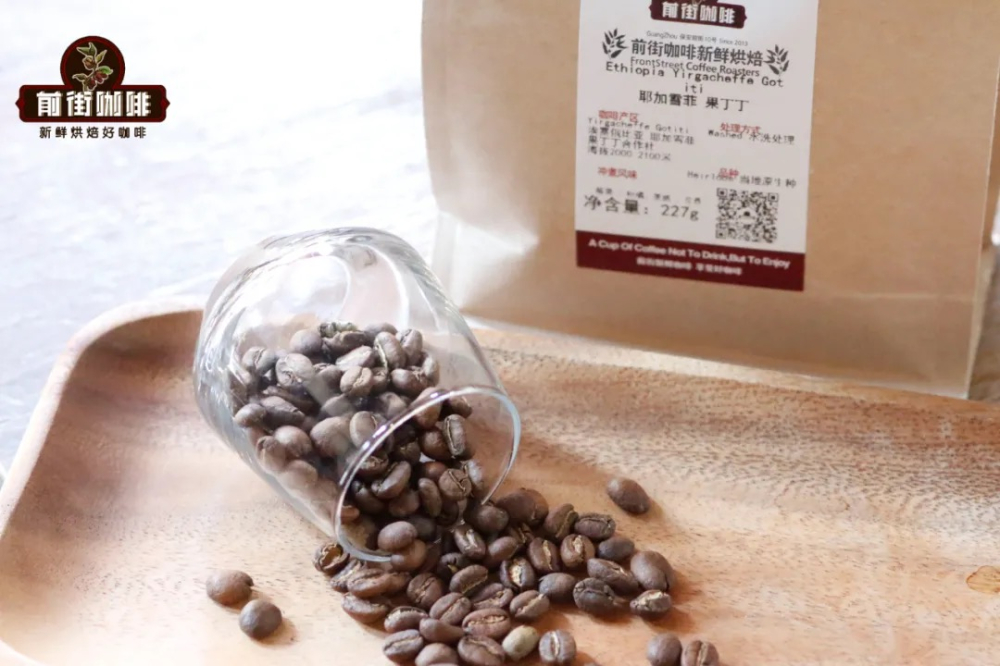
NO9. Front Street. Yirgacheffe Gudingding: Citrus, tea-like, floral, berries
Yirgacheffe has always been one of Ethiopia's most important coffee producing regions. Thanks to the unique flavor of its coffee beans, it has even become a standalone region name; it can be said that Yirgacheffe is not just a place name, but also synonymous with a specific flavor. Gudingding was initially part of the Worka cooperative, later discovered by a green bean merchant, and then became independent as the Gudingding cooperative. The coffee beans produced by this cooperative are of quite high quality. In Front Street Gudingding coffee, one can clearly capture rich jasmine floral notes, elegant citrus acidity, and honeyed tea-like notes.
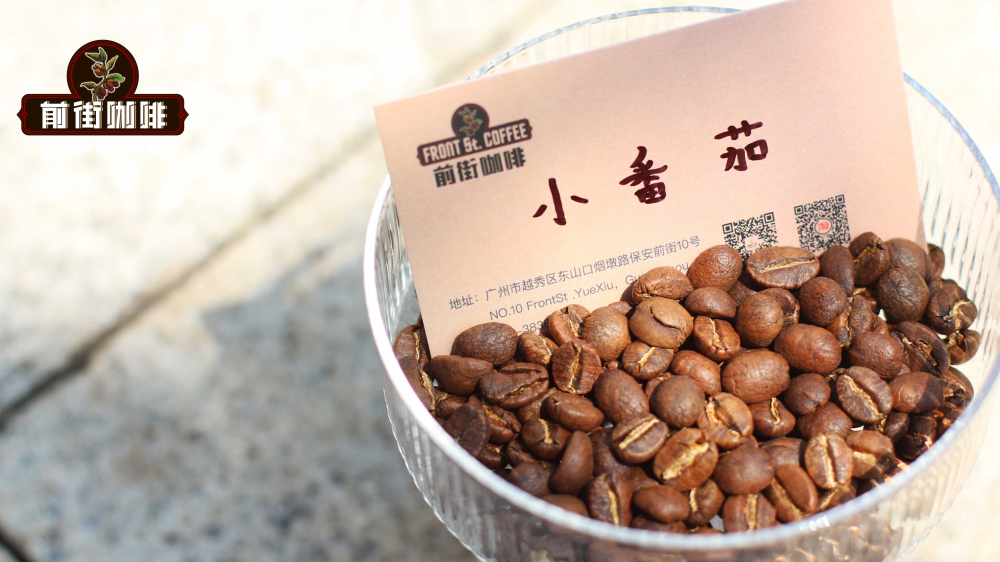
NO8. Front Street. Kenya Little Tomato: Cherry tomatoes, snow pear, black plum, smoked plum
High-quality Kenyan coffee usually has bright acidity, long-lasting berry flavors, and elevated acidity, making it very suitable for enthusiasts who prefer fruity acidity. In addition to dark floral notes, Front Street Kenya Little Tomato coffee beans also present an obvious juicy feel, so it is especially recommended to make iced coffee, such as iced pour-over, iced drip, or cold brew.
NO7. Front Street. Brazil Queen Estate Yellow Bourbon: Chocolate, roasted nuts, cane sugar, butter
Yellow Bourbon is also a genetic mutation of Bourbon. Bourbon has always been regarded as an excellent coffee variety due to its high yield and good quality, while Yellow Bourbon is a Bourbon variant unique to São Paulo State, Brazil. When the fruit ripens, it does not turn red like Red Bourbon but instead appears orange-yellow, hence the name. Front Street Queen Estate Yellow Bourbon has nutty and chocolate notes, with balanced and smooth acidity, mild and clean bitterness, and an overall bright and refreshing character.
NO6. Front Street. Front Street PWN Golden Mandheling: Dark chocolate, caramel, spices, herbs, pine
PWN's externally sold Golden Mandheling has strict screening standards, using only Mandheling coffee beans of 18 screen size or above, and in a 300g green bean sample, there are no more than 3 defective beans, reaching the highest grade G1. The beans are darker green in color and neatly flat in shape. After brewing, Front Street PWN Golden Mandheling has varied layers, is full-bodied yet clean, with rich nutty and caramel aromas, a chocolate note, a lasting finish, and excellent balance.
NO5. Front Street. Rwanda Red Bourbon: Berries, citrus, caramel, nuts
Common coffee varieties in Rwanda include Bourbon, Caturra, and Catuai, and Red Bourbon often reminds people of citrus and nuts. Front Street washed Red Bourbon shows obvious citrus and plum acidity, with nutty notes in the middle and back palate, and honey sweetness in the aftertaste; after the temperature drops slightly, berry-like flavors become prominent, with a smooth mouthfeel, refreshing aftertaste, and good balance.
NO4. Front Street. Strawberry Candy Geisha Blend: Strawberry gummy, rose, raisins, cream, almond
The floral aroma of Front Street Strawberry Candy coffee is of the subtle fragrance type, with the sweet, moist rose aroma being the most classic. The recommended Front Street Strawberry Candy coffee carries exactly this kind of floral note. It combines Costa Rican honey process and Panamanian washed Geisha, smelling as if roses and raisins are intertwined, giving a soothing feeling.
NO3. Front Street. Boquete Geisha: Jasmine floral, honey, citrus, green tea
Geisha originated in Ethiopia and rose to fame because of Hacienda La Esmeralda in Panama, and Panamanian coffee also became widely known because of Geisha. What makes Geisha special is its extremely distinct floral and citrus-family flavors, very high cleanliness, soft and elegant acidity, and a lasting, silky sweetness, with a mouthfeel similar to premium black tea. The floral notes intertwined with the intense sweetness of tropical fruit create a unique floral-fruity aroma.
NO2. Front Street. Colombia Sidra: Grape, passion fruit, citrus, apricot, dried fruit
This Front Street Sidra coffee bean comes from Finca La Divisa in the Huila producing region, grown at an altitude of 1,700 meters, and uses a double anaerobic natural process. The flavor of Front Street Sidra coffee presents mouth-filling, rich passion fruit and grape, along with the light sweetness of dried fruit and citrus-like acidity. After swallowing, an almond-like aftertaste remains in the mouth, which is why it has attracted many fans to repurchase repeatedly.
NO1. Front Street. Ethiopia Huakui: Strawberry, citrus, guava, mango
Front Street Huakui has a delicate floral note, with fruit aromas especially prominent, such as creamy strawberry, mango, jackfruit, citrus, blueberry, etc., possessing the mature tropical fruit profile unique to Front Street Sidamo natural beans, and therefore often leaves a deep impression. What won "Huakui" first place in that year's TOH green bean competition was precisely this rich berry fragrance.
The above content is compiled by CoffeeHunters, a coffee news website.


