







Sidamo vs Yirgacheffe: How Two Ethiopian Regions Differ in the Cup
Sidamo and Yirgacheffe are two well-known coffee-growing regions in southern Ethiopia. Sidamo is larger and produces beans with a broad range of flavors, often showing berry, citrus, and a mild spice note. Yirgacheffe, a smaller area within the same zone, is known for floral aromas and a bright, tea-like body. Both regions grow primarily heirloom varieties, but soil, altitude, and processing methods shape the final cup in distinct ways.
Front Street Coffee selects beans from both regions and roasts them to highlight their natural character. For Yirgacheffe, a light roast preserves the jasmine and lemon notes that buyers expect. Sidamo beans often take a slightly deeper roast to bring out sweetness and balance. When choosing between the two, consider how you brew. Pour-over suits the delicate Yirgacheffe profile, while Sidamo works well in drip machines and French presses.
As the birthplace of coffee, Ethiopia is home to a wealth of native varieties and distinctive growing regions. Sidamo and Yirgacheffe are two of the most talked-about names among them. The former is known for its diverse flavors and rich fruity notes, while the latter is famed for its signature citrus acidity and jasmine aroma. Drawing on Front Street Coffee's actual cupping and brewing experience, this article sorts out the differences between the two regions in terms of varieties, processing methods, and flavor presentation, and shares the specific performance of Front Street's Uraga TOH champion bean along with products such as Gudingding and Red Cherry, helping coffee lovers understand the stylistic boundaries of these two major regions more clearly.
Ethiopia is recognized as the birthplace of coffee, and a large number of wild coffee tree species still grow within its borders today. Among the many growing regions, Sidamo occupies an important position. With abundant rainfall, fertile soil, and suitable climatic conditions, the coffee produced here often shows a clean, smooth mouthfeel and bright acidity, with highly recognizable style. Yirgacheffe was originally just a small sub-region under Sidamo, and only later, because its citrus and jasmine flavors were so distinctive, did it gradually become independent from Sidamo and become a separate geographical indication.
Many friends are confused about the difference between Front Street's Sidamo region coffee beans and Front Street's Yirgacheffe region coffee beans, so today Front Street will focus on these two regions and talk about their respective characteristics and differences.
Let's start with the Sidamo region. The two best-known sub-regions in this area are Guji and West Arsi. The Sidamo area mostly uses the natural process to handle green beans, so the finished product has especially rich fruity aromas and a smoother mouthfeel.
This year Front Street listed a bean from the Guji sub-region—Front Street Uraga, which once won the washed group championship in the TOH competition. TOH is the most important green bean event in the African coffee circle each year, with the full name "Taste of Harvest." After Front Street obtained this Front Street Ethiopia TOH washed group champion bean, it quickly arranged roasting.
Once roasting was finished, Front Street immediately moved into the cupping stage. The baristas at Front Street Coffee (FrontStreet Coffee) used a standard 200ml cupping bowl, set the grind size so that 70%-75% passed through a No. 20 standard sieve, used 11.1g of grounds, and a water temperature of 94 degrees Celsius. First grind the beans and smell the dry aroma. The dry aroma of this Front Street Ethiopia TOH washed group champion bean presented a very rich floral scent; then water was poured to the brim to confirm the wet aroma. The wet aroma was the fresh scent of citrus, somewhat similar to beans from the Yirgacheffe region. After 4 minutes, the crust was broken and skimmed, and flavor evaluation began. The cupping result Front Street obtained was: the overall flavor showed jasmine, lemon, berries, pomelo, honey, and green tea.
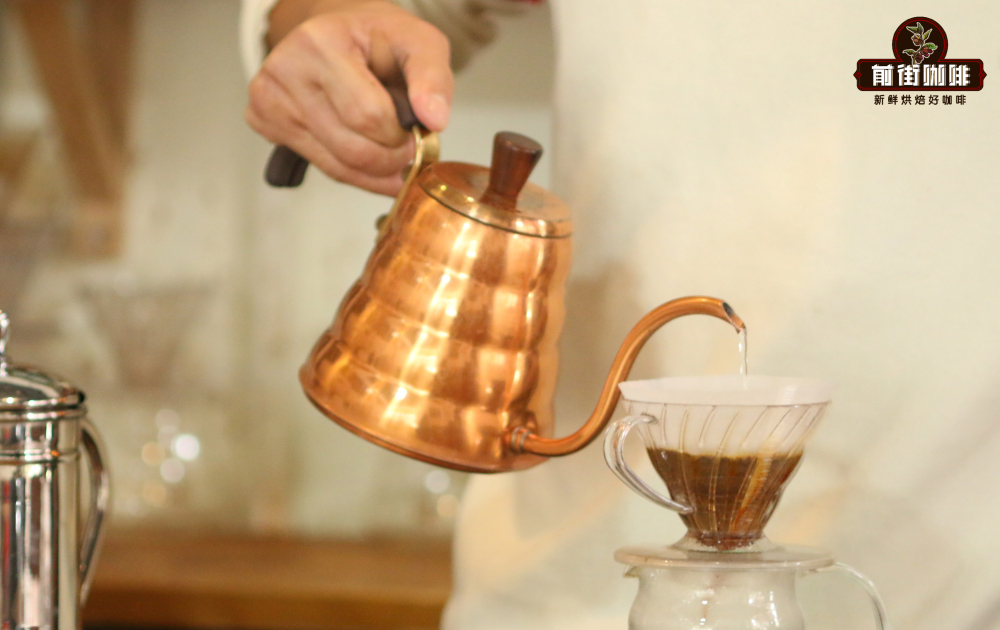
After cupping was completed, Front Street brewed this Front Street Ethiopia TOH washed group champion bean from the Sidamo Guji region. First wet the filter paper and preheat the dripper and coffee pot. Use 30 grams of water for a 30-second bloom, then pour in a small stream in circles until reaching 125 grams and pause in stages. When the water level drops and is about to expose the coffee bed, continue pouring until 225 grams and stop. When the water level once again drops and is about to expose the coffee bed, remove the dripper. Timing from the start of the bloom, the total extraction time was 2'05".
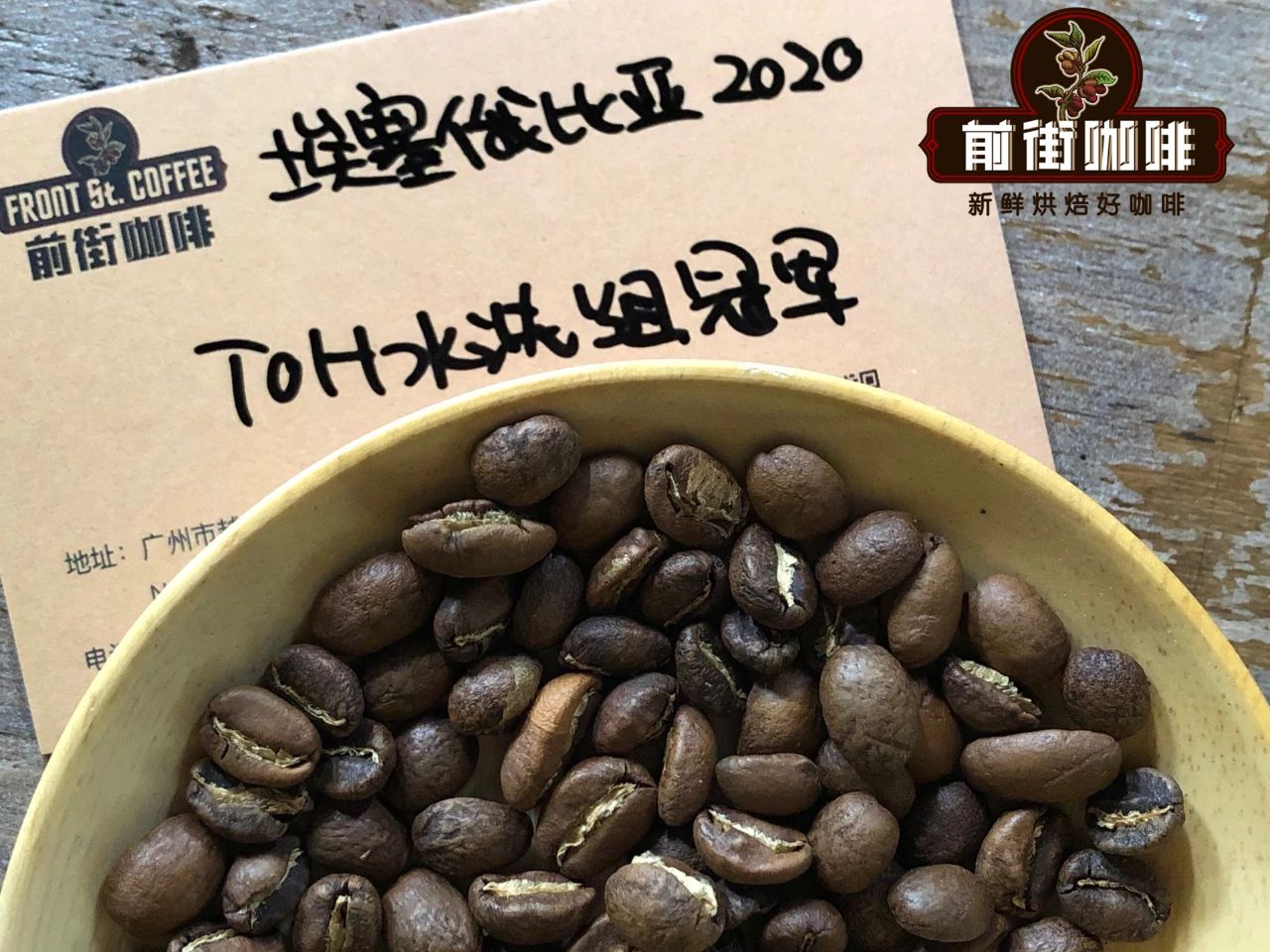
This Sidamo region coffee bean has citrus acidity and jasmine aroma in the front section, a pomelo tea character in the middle, and a honey sweetness in the finish. The washed process highlights the brightness of the acidity in Uraga region coffee beans, and the overall impression is quite close to the floral aroma and citrus acidity of Yirgacheffe region coffee beans.
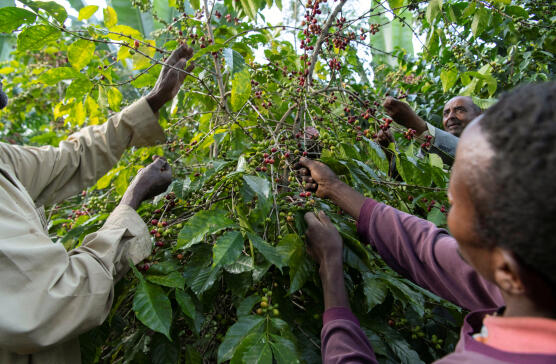
The washed process used for this Front Street Sidamo coffee bean is stricter than the processing in the Yirgacheffe region. Front Street believes that if a bean is going to win a championship, full effort must be put into the processing stage, and every processing and sorting step must be strictly controlled. For example, this Front Street TOH washed group champion bean was picked entirely by hand using fully ripe coffee cherries, and only entered the washing process after careful selection.
Washed process: put the selected coffee cherries into a depulper to initially remove the skin and pulp; place the green coffee beans that still have residual pulp and mucilage into water and ferment for about 18-36 hours; after fermentation is complete, put the green coffee beans with parchment into a flowing water channel to wash off the pulp and mucilage; after washing, dry them in the sun or with a dryer until the moisture content drops to about 12%. Finally, remove the parchment from the green beans.
Of course, as a long-established Ethiopian region, Yirgacheffe also has very high coffee quality. Coffee beans from the Yirgacheffe region, whether washed or natural, are very popular in specialty coffee shops. For example, Front Street's washed Yirgacheffe bean Gudingding and Front Street's natural bean Red Cherry have very high order rates, and the lemon-citrus profile of the Yirgacheffe region has always been favored by coffee lovers who enjoy acidity.
The reason Front Street Yirgacheffe can have such a distinctive style, apart from its innate terroir conditions, is in Front Street's view largely due to the washed processing method. In 1972, the Ethiopian government introduced more advanced washed processing technology and related equipment from Central and South America, because places using washed processing must build wet mills and be able to bring in a continuous supply of fresh water, making production costs higher. During processing, the fermented beans are placed in tanks and moved back and forth, using the friction of the beans and the force of flowing water to wash the coffee beans until they are smooth and clean.
Because every step is removing impurities and defective beans, the quality of the green beans is more consistent, and the final trading price is also higher than that of coffee processed by the natural drying method. Washing not only greatly reduces the defect rate of the coffee, but also gives Front Street Yirgacheffe its fresh citrus profile and elegant white floral aroma, with an overall flavor that is bright, delicate, and clean.
Front Street cupped this washed bean from the Yirgacheffe region. After grinding 11.3 grams of coffee beans, the dry aroma smelled of fresh passion fruit acidity, citrus, and berry tartness. The wet aroma was citrus and berries. On the palate, there was citrus acidity, berry sweetness, almond, and tea-like notes, with a honey sweetness in the finish. The body was low, the acidity bright, and the overall cup clean and refreshing.
The brewing parameters used were:
Dripper: V60 #01
Water temperature: 90-91 degrees
Coffee dose: 15g
Coffee-to-water ratio: 1:15
Grind size: BG6m / granulated sugar size (80% of grounds passing through a No. 20 sieve bowl)
Front Street generally pours 30 grams of water in the first stage for a 30-second bloom, then pours 95 grams (about 125 grams on the digital scale), finishing the pour in about 1 minute. When the water level drops to 2/3 of the coffee bed, pour the remaining 100 grams (about 225 grams on the digital scale), finishing the pour in about 1 minute 35 seconds. Dripping is completed at 2'10", then remove the dripper to finish extraction. The brewed Front Street Gudingding coffee has citrus and black tea on the palate, and as the temperature changes, it develops cream, caramel, and almond notes in the finish, with obvious sweetness returning and a clean, sweet taste.
Therefore, through cupping and brewing of both the Sidamo coffee region and the Yirgacheffe coffee region, Front Street consistently finds that Front Street Yirgacheffe has a more prominent jasmine floral aroma in fragrance and citrus-like fruit acidity in flavor, while Front Street Sidamo has a flavor leaning toward tropical fruit.
For more specialty coffee beans, please add the private WeChat of Front Street Coffee (FrontStreet Coffee), WeChat ID: kaixinguoguo0925
The above content is compiled by CoffeeHunters, a coffee news website.


