







Search Results for: caffeine intolerance
Why Is It Hard to Find Skim Milk and Decaf Coffee in Cafés? A Comprehensive Look at Demand, Cost, and Taste
Walking into a café and wanting to order a decaf coffee or skim milk, you're often told "we don't have it." For people who are sensitive to caffeine or lactose intolerant, this is undoubtedly a great regret. This article will start with the definitions, production methods, and flavor profiles of decaf coffee and skim milk, and analyze the deep-seated reasons why they are rarely served in domestic cafés—breaking them down one by one, from the proportion of consumer demand to operating costs and product consistency. At the same time, we will also recommend espresso beans suitable for pairing with skim milk, and introduce the characteristics of Front Street Coffee's decaf coffee beans, helping you find a solution that balances health and deliciousness at home too. [more…]

Gu Ming Dark Chocolate Mocha Slammed as a "Laxative Miracle" — Lactose Intolerance or Just Too Heavy-Handed with Ingredients?
Guming obtained approval for a Hong Kong listing filing, becoming the first company to receive the green light amid the new tea beverage IPO wave. Meanwhile, its winter new product "Dark Chocolate Mocha" has drawn attention for its rich cocoa flavor, but has also been jokingly called a "great gut cleanser" due to a large number of consumers reporting diarrhea after drinking it. The official recipe includes cocoa liquor, cocoa powder, old salt syrup, light-feel thick milk, milk, and freshly ground coffee. The triple cocoa brings a rich and smooth taste, but many people find it sweet and cloying, like chocolate milk. The cause of the diarrhea may point to lactose intolerance or caffeine sensitivity, and iced drinks are more likely to aggravate the reaction. This article will sort out the timeline of the incident and consumer feedback, and recommend related products from Front Street Coffee. [more…]

Is Decaf Coffee Becoming the Market's New Hotspot? Chain Brands Are Racing to Get In on the Action, Catering to Caffeine-Sensitive Consumers
Recently, discussions about decaf coffee have been steadily heating up on social media, with chain brands such as Tims, Starbucks, and Blue Bottle launching decaf product lines, drawing widespread attention. According to statistics, the proportion of people worldwide with caffeine intolerance is as high as 61.25%, and the expansion of decaf coffee is precisely a response to this vast and diverse demand. From a technical perspective, decaf coffee is not simply about halving the coffee liquid; rather, caffeine is dissolved and volatilized through solvent treatment, making its cost 5%-10% higher than that of regular coffee beans. Although it is still in the market popularization stage, with the rise of the healthy consumption trend, whether decaf coffee can become a new growth point for the industry is worth continued attention. [more…]
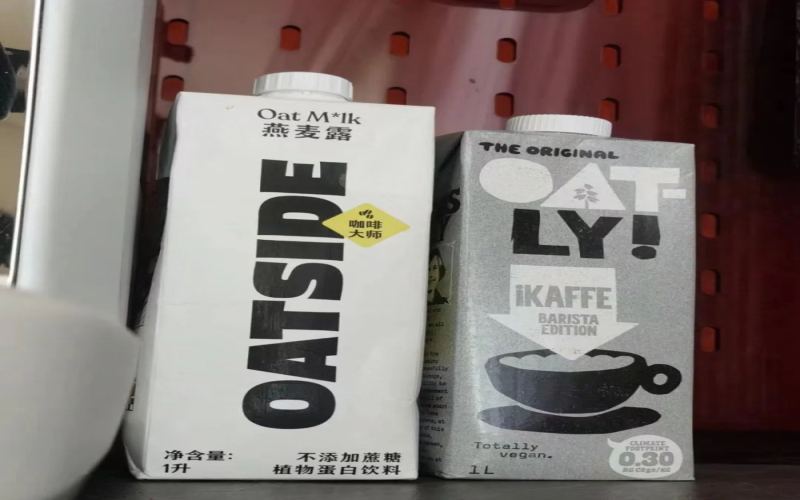
OATSIDE oat milk suspected of being disparaged by paid posters; social platform search pages flooded with posts praising OATLY and belittling OATSIDE, sparking heated discussion.
For consumers who are lactose intolerant yet can't live without caffeine, oat lattes have become a preferred alternative to traditional lattes. As the oat milk market expands rapidly, brands such as OATLY and OATSIDE have gradually entered the public eye. Recently, however, some netizens noticed that when searching for OATSIDE on social platforms, the page would be flooded with a large number of posts praising OATLY while bashing OATSIDE, with posting times concentrated, accounts mostly newly registered, and copy formats strikingly similar, sparking fans' suspicions that a competitor had hired paid internet trolls. Is this controversy a case of malicious smearing, or is there another story behind it? And what do malicious attacks mean for brands and consumers? [more…]
Caffeine Content Calculation | How Much Caffeine Is in a Cup of Pour-Over Coffee? What Is a Suitable Daily Caffeine Intake? What Determines the Caffeine Content of Coffee?
"Which coffee on the menu has the least caffeine?" "I really want to drink coffee, but I'm afraid I won't be able to sleep at night if I do~" In the eyes of most people, coffee is a beverage consumed precisely for its stimulating effect, but its own aroma also attracts a group of friends who pursue delicious flavors, among whom there are quite a few who are intolerant to caffeine yet "greedy for a taste" [more…]
Comparing Caffeine Content in Different Coffee Drinks: A Complete Analysis from Espresso to Cold Drip Cold Brew
Many people drink coffee for the energy boost, but some want to enjoy the flavor while worrying that caffeine will affect their sleep. How much caffeine does a cup of coffee actually contain? It depends on multiple factors such as the coffee bean variety, growing altitude, and extraction method. In this article, Front Street Coffee will systematically sort out the differences in caffeine content among common coffee drinks, from espresso, pour-over, and French press to ice drip and cold brew, providing reference values one by one. At the same time, it will clarify two common misunderstandings about caffeine: how to calculate the daily intake limit, and whether the roast level really affects caffeine content. For those who are caffeine-sensitive, the article also offers decaf alternatives. [more…]

The Core Differences Between Decaf and Regular Coffee: A Full Breakdown of Decaffeination Processes, Flavor Changes, and Suitable Groups
What exactly is the difference between decaf coffee and regular coffee? Can people who are intolerant to caffeine drink it without worry? And how do the common decaffeination methods on the market change the flavor of coffee? This article starts with a comparison of caffeine content, sorts out the differences between naturally low-caffeine and artificially decaffeinated coffee, breaks down in detail the principles, pros and cons of the sugarcane decaffeination method, the supercritical carbon dioxide process, and the Swiss Water Process, and explains why decaf coffee flavors often lean toward caramel and chocolate notes. If you are looking for a decaf coffee with a mild taste, there is also a medium-dark roast recommendation from Front Street Coffee at the end for reference. [more…]
Top Five Most Popular Starbucks Coffees and a 2023 Price Reference for the Full Drink Lineup
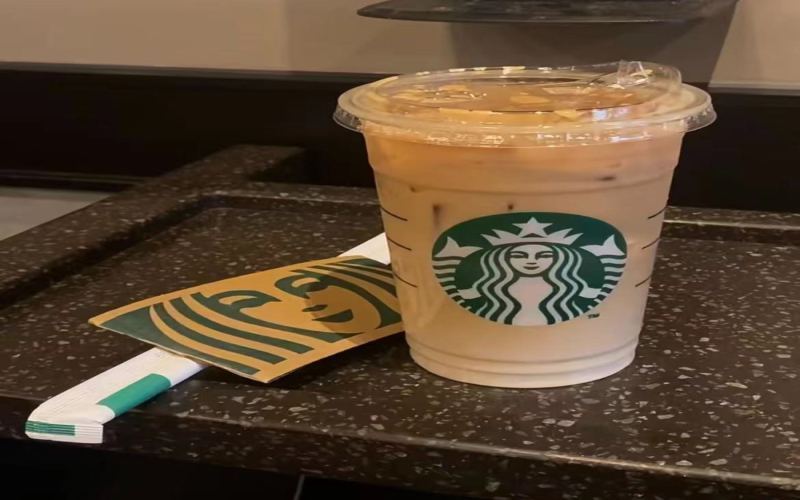
Walking into Starbucks but hesitating over the menu? This article rounds up the five most popular drinks among customers right now, including the Oat Latte, Iced Americano, Cold Brew, plus the caffeine-free Matcha Frappuccino and Iced Shaken Berry Hibiscus Tea, explaining each one's features and who it's best suited for. It also includes the 2023 price list for Starbucks' four major series—Handcrafted Espresso, Frappuccino, Teavana, and Cold Brew—covering full pricing from Tall to Grande and Venti, so you can quickly decide based on your budget and taste. Whether you're lactose intolerant, cutting sugar to lose weight, or simply want to try something different, you'll find your next cup here. [more…]

A Complete Guide to Decaf Coffee: From Origins to Decaffeination Processes—Is Starbucks' DECAF Series Actually Good?
The rich aroma of coffee is intoxicating, yet the intolerance reactions brought on by caffeine—insomnia, palpitations, and the like—also deter many people. The emergence of decaf coffee happens to offer such enthusiasts a choice that balances flavor with physical comfort. This article will begin with the historical origins of decaf coffee, systematically sorting out the principles and characteristics of various decaffeination processes, including chemical solvent extraction, the Swiss Water Process, the Ice River water process, and supercritical carbon dioxide extraction, while also analyzing how decaf coffee performs in terms of antioxidant components and nutrients. Front Street Coffee will also, drawing on its own products, discuss the real reasons why decaf coffee tastes inferior, and why choosing green beans of good quality is more crucial than the decaffeination technology itself. [more…]
Starbucks' New Drinks No Longer Offer Decaf Espresso, and the Reasons Relate to the Launch of Blonde Roast Beans and Equipment Limitations
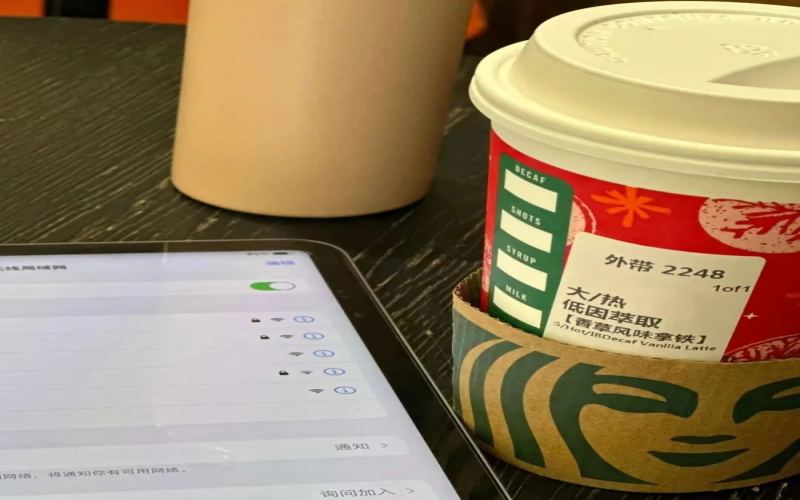
For consumers who are sensitive to caffeine but unwilling to give up the flavor of coffee, decaf options have always been an important selling point for chain brands, and Starbucks, with its rich product line and convenient decaf checkbox feature, has become the top choice for this group. However, recently many customers have noticed that many Starbucks stores in China have quietly removed the decaf espresso option from new products, and those who want decaf coffee can only choose from a fixed selection of classic products. This change has caused confusion and dissatisfaction among the decaf-demand group. What exactly caused the stores to make this adjustment? According to informed partners, this is directly related to the Golden Roast beans launched two months ago and the bean hopper configuration of the stores' coffee machines. This article will sort out the course of the incident, consumer feedback, and the equipment limitations behind it, and explain which stores can still normally provide decaf new products. [more…]
The Past and Present of Decaf Coffee Beans: A Comprehensive Analysis of Decaffeination Processes, Flavor Characteristics, Pros and Cons
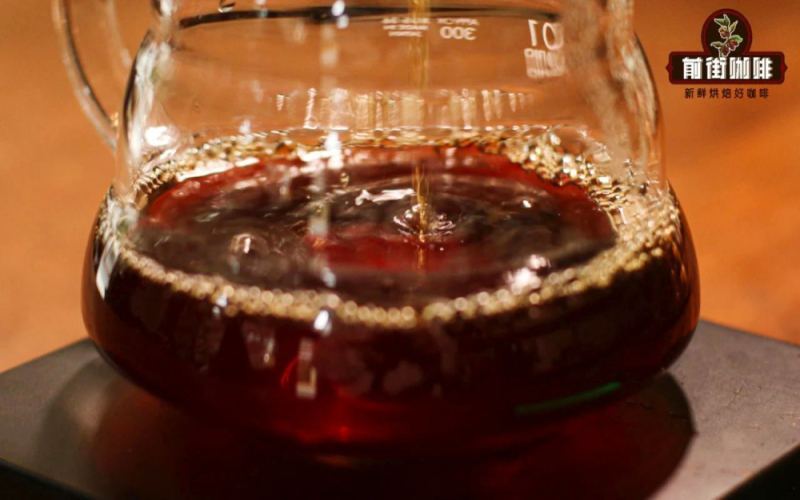
Caffeine can refresh the mind and sharpen the senses, yet it also leaves some people struggling with insomnia and intolerance. The emergence of decaf coffee has conveniently offered a win-win solution for enthusiasts who love black coffee but cannot handle caffeine. This article will trace the origin story of decaf coffee, systematically review the principles, advantages, and disadvantages of various decaffeination processes such as chemical solvent extraction, the Swiss Water Process, the mountain water process, and liquid carbon dioxide, and take an in-depth look at how decaf coffee performs in terms of antioxidant components and nutritional elements. At the same time, Front Street Coffee will also share its unique insights on decaf coffee's flavor—the key to whether a cup of decaf coffee tastes good may not lie in the processing method itself, but rather in the starting point: the quality of the green beans. [more…]
The Origins of Hong Kong-Style Yuanyang and the Truth About Caffeine: Why One Cup of Yuanyang Milk Tea Can Keep You Awake All Night
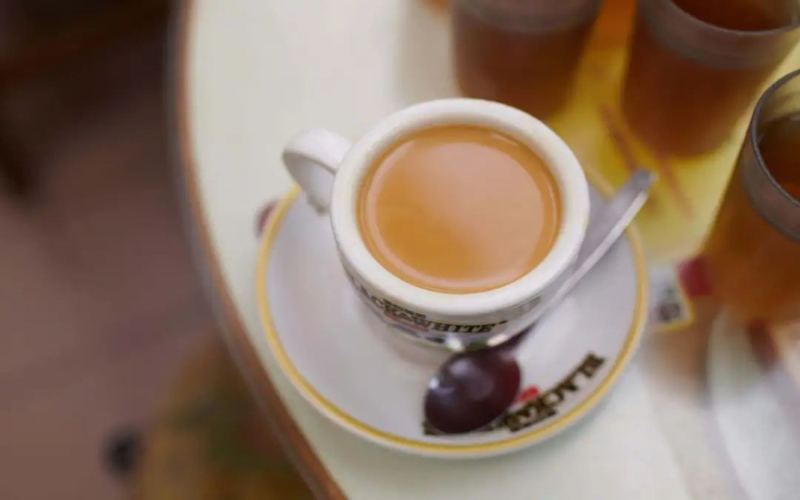
Yuanyang is a highly representative double-blend drink in South China and the Hong Kong-Macau region, combining coffee and silk stocking milk tea into one. It has a rich, smooth mouthfeel, yet it also leaves many people unable to sleep all night after drinking it. Why is it called "Yuanyang"? What versions circulate about its origin? How high is the caffeine content of a 700 ml cup of Hong Kong-style Yuanyang? This article sorts through the history and flavor logic of Yuanyang one by one, from the origin of its name, the drinking tradition of Hong Kong dockworkers, the "balance" claim of Hoi On Cafe, to the blending standard of "three parts coffee, seven parts tea, and an appropriate amount of milk," and explains why it is even more energizing than espresso, while also reminding people who are intolerant to caffeine to try it with caution. [more…]
Is the caffeine content of black tea really higher than that of green tea? Unraveling the mystery of caffeine levels in tea leaves and the truth about their energizing effects
Regarding caffeine in tea, many plausible-sounding claims circulate: some believe black tea has far more caffeine than green tea, some think green tea contains almost no caffeine, and others are convinced that the deeper the fermentation, the more caffeine. Is any of this actually true? All tea leaves from the tea plant—unless decaffeinated—inherently contain caffeine, and the level depends more on plucking tenderness, tea cultivar, cultivation methods, and climate conditions than on the degree of fermentation or oxidation. Buds and newly opened leaves have the highest caffeine concentrations, African Assamica tea plants are generally higher than Chinese varieties, and older leaves plucked in autumn tend to be lower. In addition, theanine, unique to tea, works synergistically with caffeine to deliver a calm yet alert lift—quite different from the jolt of coffee. This article breaks down these factors one by one and explains why Front Street Coffee labels the caffeine content of the teas it sells, helping you make a more suitable choice based on your own tolerance. [more…]
A Complete Analysis of Caffeine Content in Coffee Beans: How Variety, Altitude, and Extraction Method Affect the Kick in Your Cup
Many people drink coffee for the caffeine kick, but do you actually know how much caffeine is in a single coffee bean? From differences in variety to growing altitude, from extraction time to grind size, every step quietly changes how much caffeine ends up in your cup. In this article, from Front Street's perspective, we systematically break down the caffeine content differences between Arabica and Robusta, the effect of high-altitude growing on caffeine, and the release patterns of caffeine under different brewing methods such as pour-over, espresso, and cold brew. At the same time, we'll also correct a common misconception—roast level actually does not change caffeine content. Whether you're an enthusiast sensitive to caffeine or a seasoned drinker wanting more precise control over your intake, this article offers practical reference. [more…]
Worried you won't be able to sleep after drinking coffee? How much does the caffeine content really differ between Americano, latte, and cappuccino—and does brewing longer really make it more stimulating?
Many people are captivated by the aroma of coffee, yet fear lying awake at night after drinking it. So a common question arises: do lattes, Americanos, and cappuccinos contain the same amount of caffeine? Does brewing longer make them more energizing? In fact, the caffeine content of a cup of coffee is far from simple—it depends on the coffee bean variety, growing altitude, extraction method, and even grind size. This time, Front Street Coffee will clarify everything about caffeine content in one go: the data on common coffee types, the easy-to-fall-for misconceptions, and alternative choices for those who want to avoid caffeine. [more…]

The Other Side of Your Daily Cup: From Alertness to Laxative Effects, These Gut Reactions Are Worth Noting
For today's young people, coffee has long been woven into the rhythm of daily life—whether for a caffeine boost, socializing, or fitness, everyone has their own reasons. Yet for some, the purpose of their daily cup is rather unusual: relieving constipation. From Luckin's new drink being jokingly dubbed a "diarrhea-inducing whiz" by netizens, to similar feedback frequently received for drinks from brands like Starbucks, Mstand, %Arabica, and Manner, the relationship between coffee and bowel movements has sparked widespread discussion. Is this a food safety issue, or is it down to individual differences such as lactose intolerance or the stimulating effect of iced drinks? This article will analyze the phenomenon from multiple angles to help coffee lovers view their daily cup more rationally. [more…]
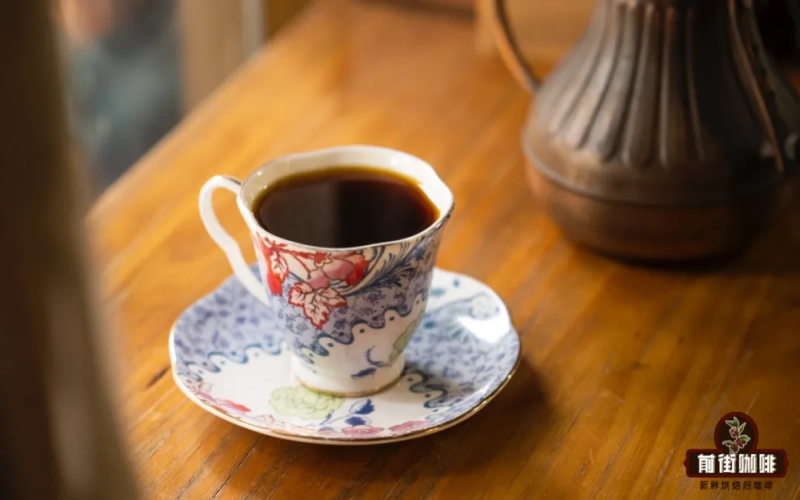
How Does Swiss Water Process Decaf Coffee Taste? An Analysis of the Differences Between Naturally Low-Caffeine and Artificially Decaffeinated
Excessive caffeine intake can easily cause discomfort such as insomnia and palpitations, with the effects being even more pronounced in people who are sensitive to caffeine. Generally, it is recommended that adults consume no more than 400mg of caffeine per day, roughly equivalent to 5 cups of pour-over made with 15g of beans or 4 cups of espresso made with 20g of beans. If you want to drink more coffee while keeping caffeine intake under control, decaf coffee is the ideal choice. Decaf coffee falls into two categories: naturally grown and artificially decaffeinated. Starting from caffeine content, this article will introduce the natural differences between Arabica and Robusta, and focus on explaining the decaffeination principles and flavor performance of the Swiss Water Process, while also comparing the differences between natural low-caffeine coffee and artificially decaffeinated coffee, to help coffee lovers make a choice that suits them better. [more…]
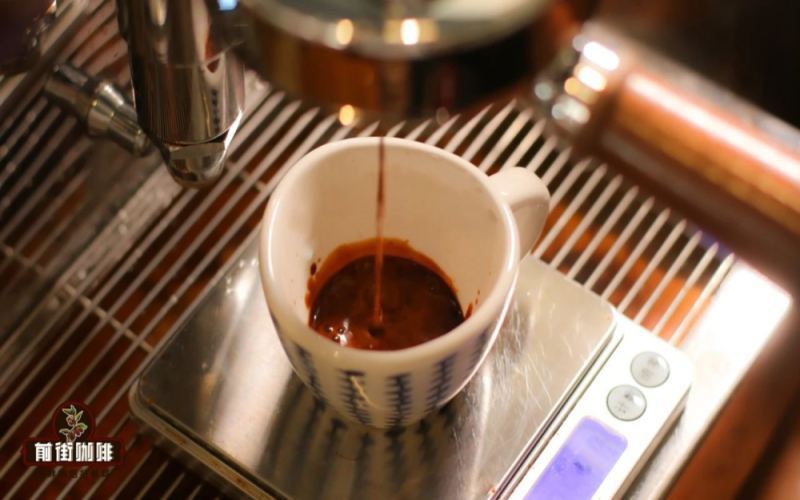
The Science of Coffee Alertness and Caffeine Content Comparison: Which Is More Effective, Espresso or Americano?
Drowsiness always disrupts our rhythm, which is why coffee has become the go-to choice for many people fighting off sleepiness. But why does coffee keep us awake? Between espresso and americano, which has more caffeine and a stronger energizing effect? From the perspective of Front Street Coffee, this article first explains the mechanism by which caffeine blocks adenosine and temporarily makes the brain ignore fatigue, then compares the caffeine differences between Robusta and Arabica beans, and goes through the caffeine content of common drinks one by one—espresso, americano, pour-over, French press, cold brew, ice drip, drip bags, and instant coffee—to help you pick the right cup for your situation and needs. [more…]
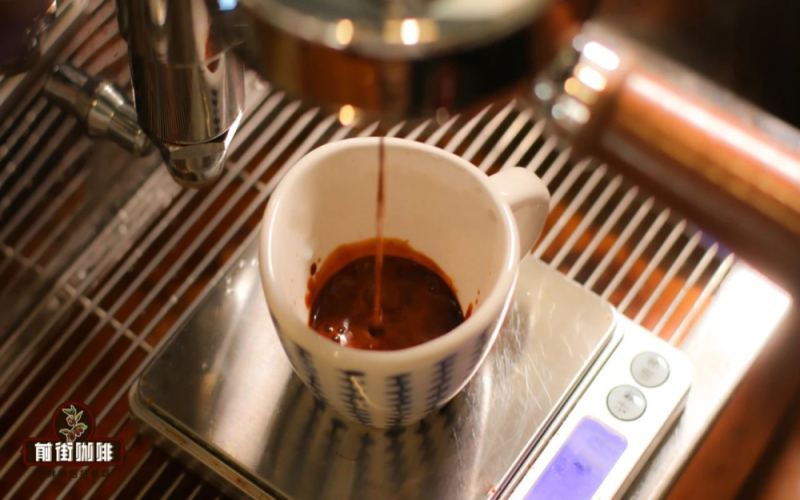
Caffeine Content in Coffee Beans | Why Does Coffee Keep You Alert? Which Coffee Is the Most Energizing? How Much Caffeine Is in a Cup of Black Coffee? What Is the Daily Caffeine Intake Limit?
The most fundamental purpose of coffee is to provide a boost of energy. Whether it's an espresso you gulp down before rushing off, the ever-present drip coffee in the office, or a pour-over single-origin you go out of your way to a café for, they all share that stimulating effect. It's just that people choose what suits them based on different settings, needs, and taste preferences. [more…]
A Complete Analysis of Caffeine Content: From Bean Varieties to Extraction Methods, Which Type of Coffee Is the Most Energizing?
The core of coffee's alertness-boosting effect lies in caffeine, but different coffee bean varieties and extraction methods can cause significant differences in the caffeine content of the final drink. Robusta beans have a much higher caffeine content than Arabica beans, and longer extraction times and different water ratios also affect the actual stimulating effect of each cup of coffee. Espresso may seem intense, but its caffeine content is not necessarily the highest; pour-over, French press, cold brew, and ice drip often contain more caffeine due to longer contact time. From the perspective of Front Street Coffee, this article systematically sorts out coffee bean varieties, extraction methods, and the caffeine content of common drinks, helping you choose the most suitable stimulating coffee for yourself in different scenarios. [more…]